Artwork
Prometheus Carrying Fire
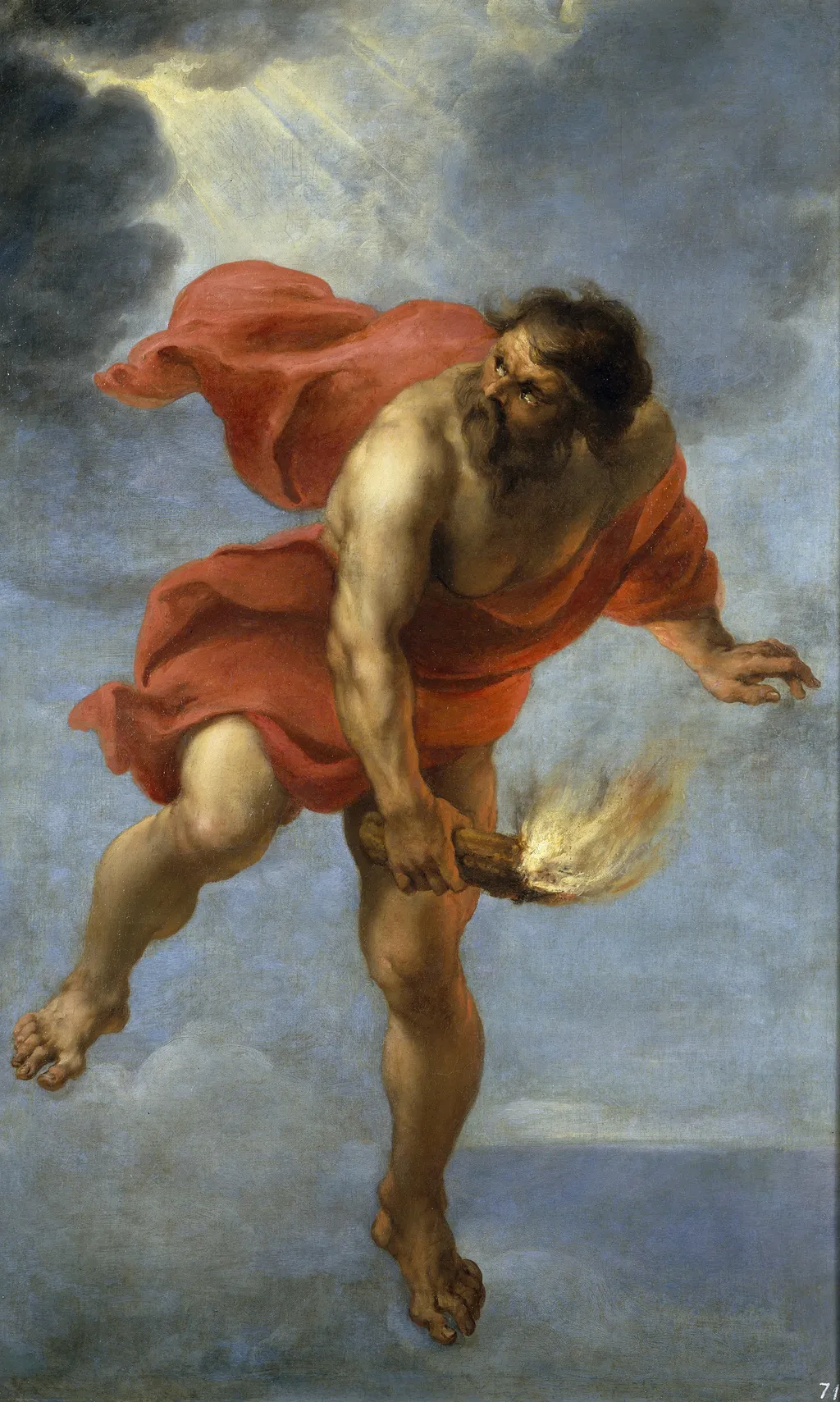
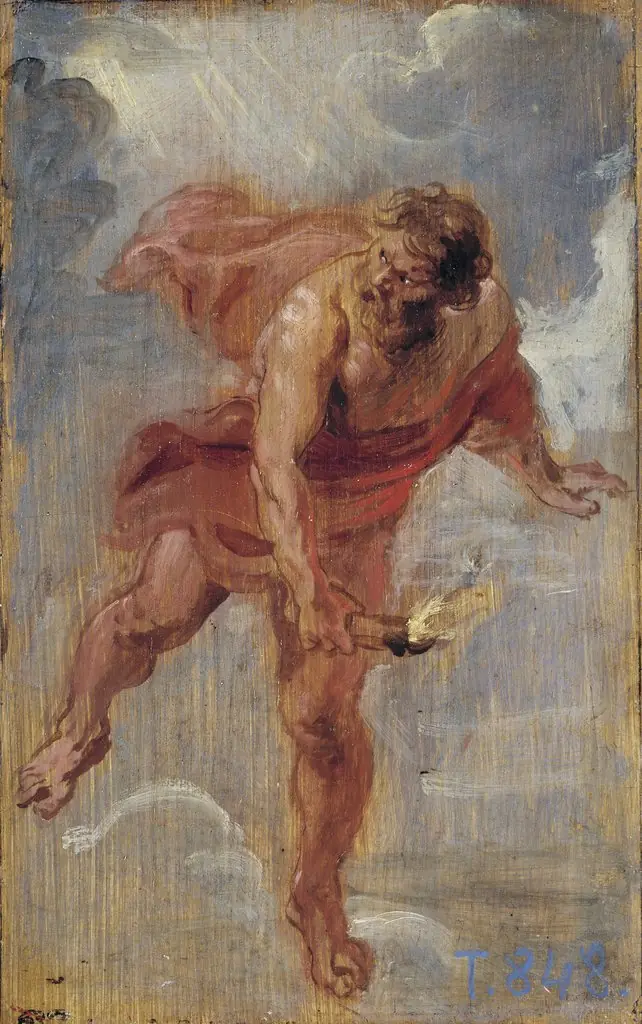
Prometheus Carrying Fire is an oil painting by the Flemish Baroque painting artist Peter Paul Rubens. It dates from 1636 and is held in the collection of the Museo del Prado.
About this work
Subject & Meaning
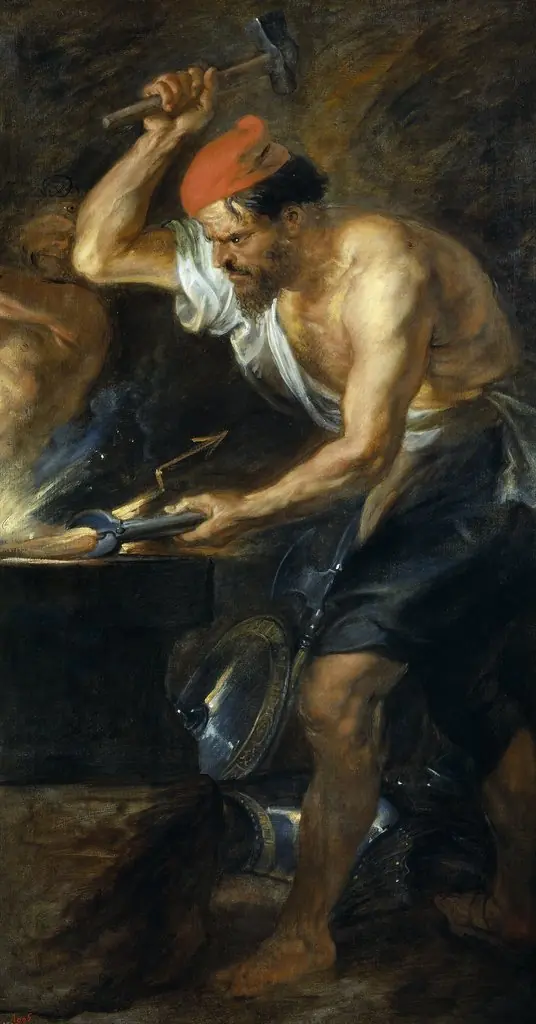
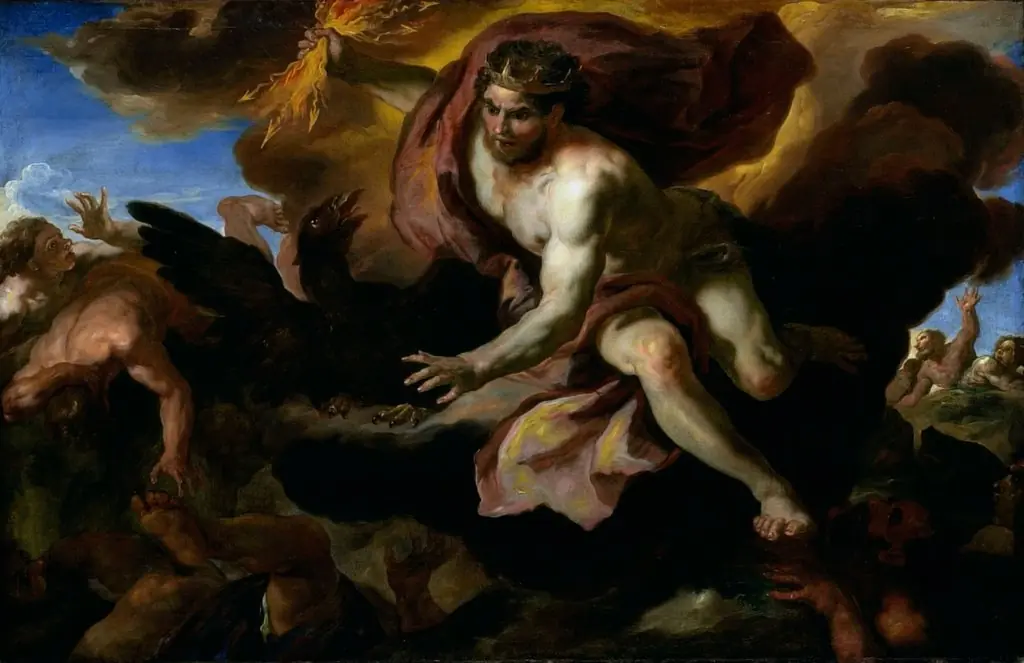
The painting portrays the Titan Prometheus in the act of stealing divine fire, a moment drawn from classical mythology that underscores themes of rebellion, enlightenment, and the transfer of knowledge to humanity. Rubens emphasizes Prometheus’s muscular exertion and dramatic gesture, using chiaroscuro to highlight the illicit gift he bears, while the surrounding figures and torchlit atmosphere reinforce the narrative tension between authority and defiance. This iconography aligns with Counter‑Baroque interests in heroic struggle and moral ambiguity, reflecting Rubens’s engagement with both ancient sources and contemporary theological debates about human progress.
History & Provenance
Prometheus Carrying Fire is an oil painting on canvas created by Peter Paul Rubens in 1636, with a secondary inception date of 1637 also recorded.
Prometheus Carrying Fire is an oil painting on canvas created by Peter Paul Rubens in 1636, with a secondary inception date of 1637 also recorded. The work is catalogued as a mythological painting depicting the theft of fire by Prometheus.
The painting is held in the collection of the Museo del Prado, where it is currently located. No further details regarding the commission, intermediate ownership, or acquisition history are documented in the available sources.
Legacy
Prometheus Carrying Fire, painted by Peter Paul Rubens in 1636, has been recognized for its dynamic portrayal of mythological struggle and has influenced subsequent interpretations of the Prometheus theme in European art, particularly within the mythological painting genre. Its composition and treatment of the figure have been cited in scholarly discussions of Baroque mythological works, contributing to the broader legacy of Rubens' oeuvre. The painting is housed in the Museo del Prado collection, where it remains part of the museum's displayed works, underscoring its continued relevance in art historical narratives.
Overview
Created in 1636, Prometheus Carrying Fire is an oil painting by the Flemish artist Peter Paul Rubens. Executed in the Baroque idiom, the work portrays the Titan Prometheus in motion, clutching a flaming torch. The canvas is part of the Museo del Prado’s holdings, illustrating Rubens’ engagement with classical mythology through a dramatic visual language.
Technique & Style
Rubens employs a vigorous Baroque dynamism, using strong chiaroscuro to model the figure’s flesh against a storm‑tinted sky. The red cloak billows, creating a sense of movement, while the torch’s light reflects on the skin, enhancing depth. Rich, saturated colours and fluid brushwork convey both physical power and atmospheric tension.
Context
Rubens’ oeuvre frequently merged classical and Christian subjects, and Prometheus Carrying Fire exemplifies his interest in mythological narratives that resonated with contemporary intellectual currents. Executed during the height of the Flemish Baroque, the work reflects the period’s fascination with dramatic storytelling, theatrical lighting, and the heroic human form.
Own this work as a print
Artist & collection
Artist
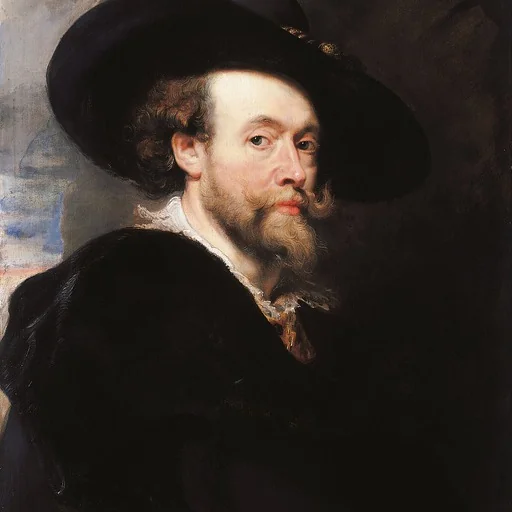
Sir Peter Paul Rubens ( ROO-bənz; Dutch:; 28 June 1577 – 30 May 1640) was a Flemish artist and diplomat.