Artwork
Saturn
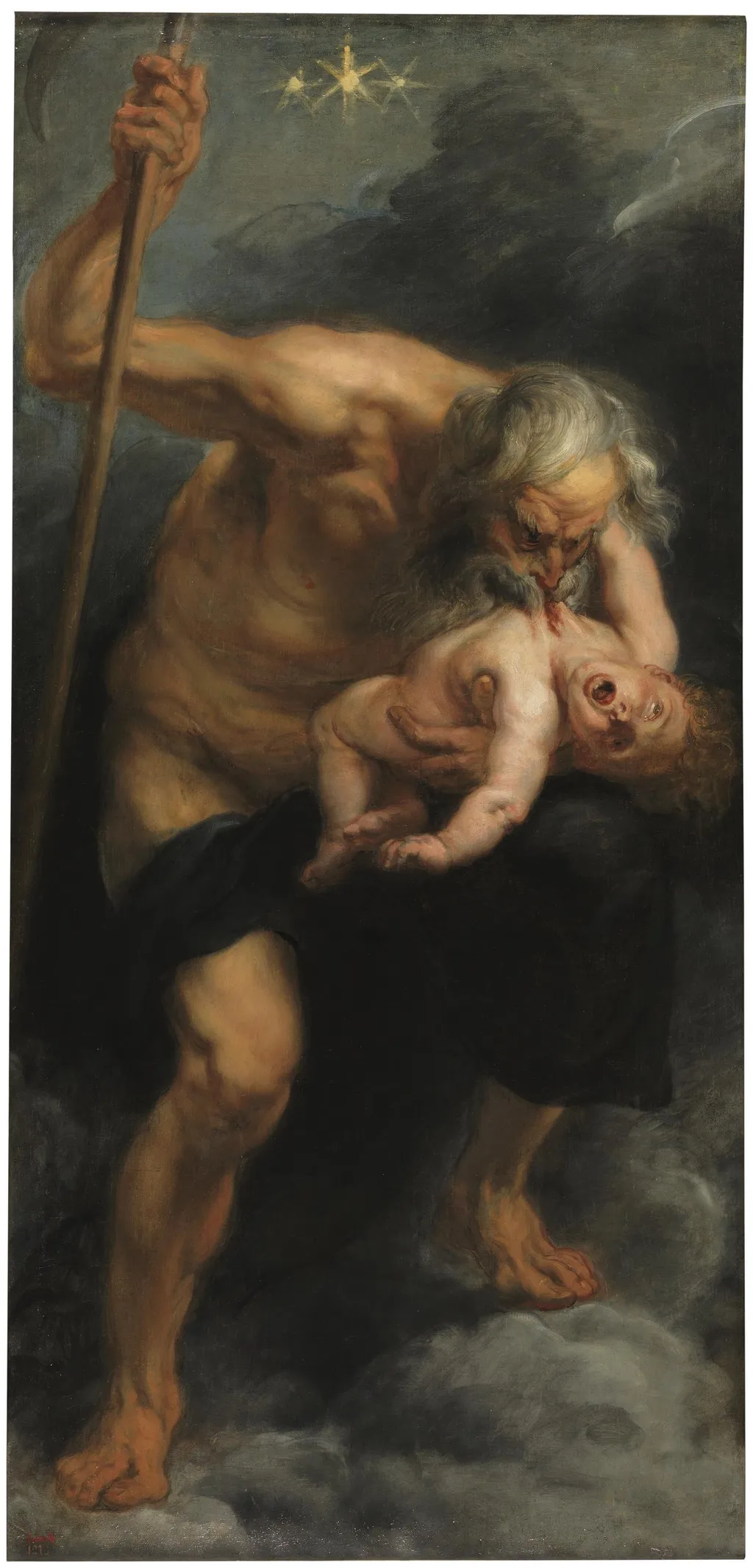
Saturn is an oil painting by the Flemish Baroque painting artist Peter Paul Rubens. It dates from 1637 and is held in the collection of the Museo del Prado.
About this work
Subject & Meaning
The composition includes three stars above Saturn, reflecting Galileo's early telescopic observations of the planet before the discovery of its rings.
The painting depicts Saturn, the Roman god of time and agriculture, in the act of devouring one of his children. This scene illustrates the Greek myth of Cronus (known as Saturn in Roman tradition) swallowing his offspring to prevent them from overthrowing him, a narrative drawn from Ovid's Metamorphoses and Hesiod's Theogony. Rubens emphasizes the terrifying immediacy of the act, with Saturn biting into a child's chest while leaning on a sickle that references his agricultural identity.
The composition includes three stars above Saturn, reflecting Galileo's early telescopic observations of the planet before the discovery of its rings. The work was commissioned by King Philip IV of Spain for the Torre de la Parada and is housed in the Museo del Prado. Its dramatic lighting and emotional intensity exemplify Baroque style, while its thematic focus on cosmic inevitability and cyclical destruction influenced later artists such as Francisco Goya.
Technique & Style
Rubens executed the work in oil paint on canvas, producing a vertical mythological composition measuring approximately 182.5 by 87 centimeters. The towering figure of the god is silhouetted against a deeply shadowed background, with light concentrated to heighten the dramatic, stage-like intensity characteristic of Baroque painting.
Stylistically, the work bears the strong imprint of Michelangelo, an influence Rubens absorbed during his Italian journey and carried into his late practice. The god leans on a scythe, emblem of his agricultural identity, while tearing into the chest of his victim, an image of visceral immediacy rather than the more contained classical precedent. Three stars at the top of the canvas correspond to Galileo's contemporary description of the planet Saturn, whose rings his telescope could not yet resolve, demonstrating Rubens's engagement with current astronomical knowledge.
History & Provenance
Peter Paul Rubens executed this mythological painting between 1636 and 1638. The work was commissioned by Philip IV of Spain as part of a larger decorative cycle for the Torre de la Parada, a hunting lodge near Madrid. For this project, the artist drew inspiration from Ovid's Metamorphoses to depict the titan Saturn devouring his child.
The painting entered the Spanish royal collection, where it was later recorded as being owned by Ferdinand VII. It currently resides in the collection of the Museo del Prado in Madrid.
Saturn is held in the Museo del Prado in Madrid, where it has been part of the museum's collection since its acquisition by Ferdinand VII of Spain. The painting is cataloged under the museum's inventory as accession number P00968 and has been exhibited in the Prado's galleries dedicated to Baroque and mythological works, including thematic displays on the Torre de la Parada commissions. Its provenance traces back to the Spanish royal collection, having been commissioned by Philip IV for the Torre de la Parada, and it remains under the ownership of the Spanish state, currently housed and displayed at the Museo del Prado.
Context
The painting Saturn, completed around 1637, depicts the mythological scene of the titan Cronus devouring one of his children and was commissioned by Philip IV for the Torre de la Parada, now housed in the Museo del Prado in Madrid.
Scholarship highlights Rubens' engagement with contemporary astronomical knowledge, as evidenced by the three stars above the figure reflecting Galileo's early telescopic observations of Saturn, while the work's dramatic composition and use of a sickle reference both classical myth and agricultural symbolism.
The painting's influence extends into later art, notably informing Francisco Goya's depiction of Saturn in his Black Paintings, and it remains a focal point in studies of Rubens' integration of intellectual currents, mythological narrative, and royal patronage in the Spanish Baroque context.
Legacy
Rubens's Saturn occupies a prominent place in the Spanish royal collection, having been commissioned for the Torre de la Parada by Philip IV of Spain and later passing through the collection of Ferdinand VII before entering the Museo del Prado in Madrid.
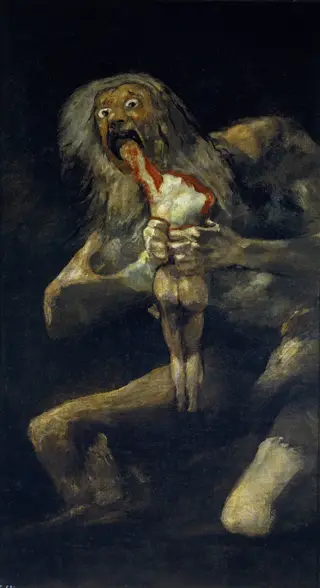
The painting is widely regarded as a direct precursor to Francisco Goya's Saturno devorando a un hijo, produced around 1798, and the two works are frequently compared as among the most dramatic depictions of the myth in the Prado's holdings. Rubens's treatment of the subject also drew on earlier precedents, including Maarten van Heemskerck's version of the theme (c. 1545) and Giorgio Vasari's Saturn cycle in the Palazzo Vecchio (c. 1558). The work's incorporation of Galileo's contemporary astronomical observations of the planet Saturn, rendered as three stars, has been cited in scholarship on the intersection of Baroque art and early modern science.
Overview
Peter Paul Rubens painted Saturn in 1636 for the royal hunting lodge Torre de la Parada, a commission from Philip IV of Spain. The oil work now hangs in Madrid’s Museo del Prado. It depicts the mythological titan Cronus in the act of devouring one of his offspring, rendered with Rubens’s characteristic vigor and dramatic lighting.
Artist & collection
Artist
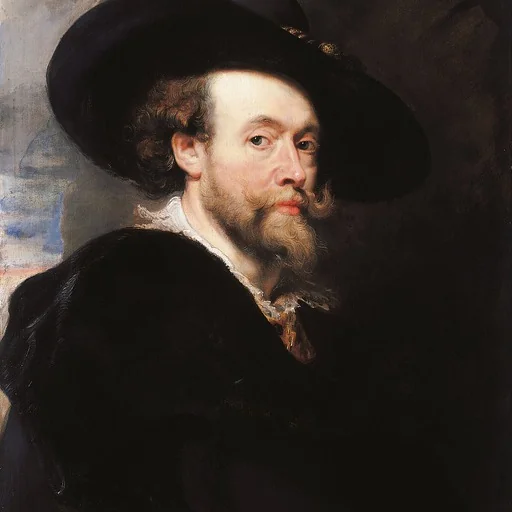
Sir Peter Paul Rubens ( ROO-bənz; Dutch:; 28 June 1577 – 30 May 1640) was a Flemish artist and diplomat.

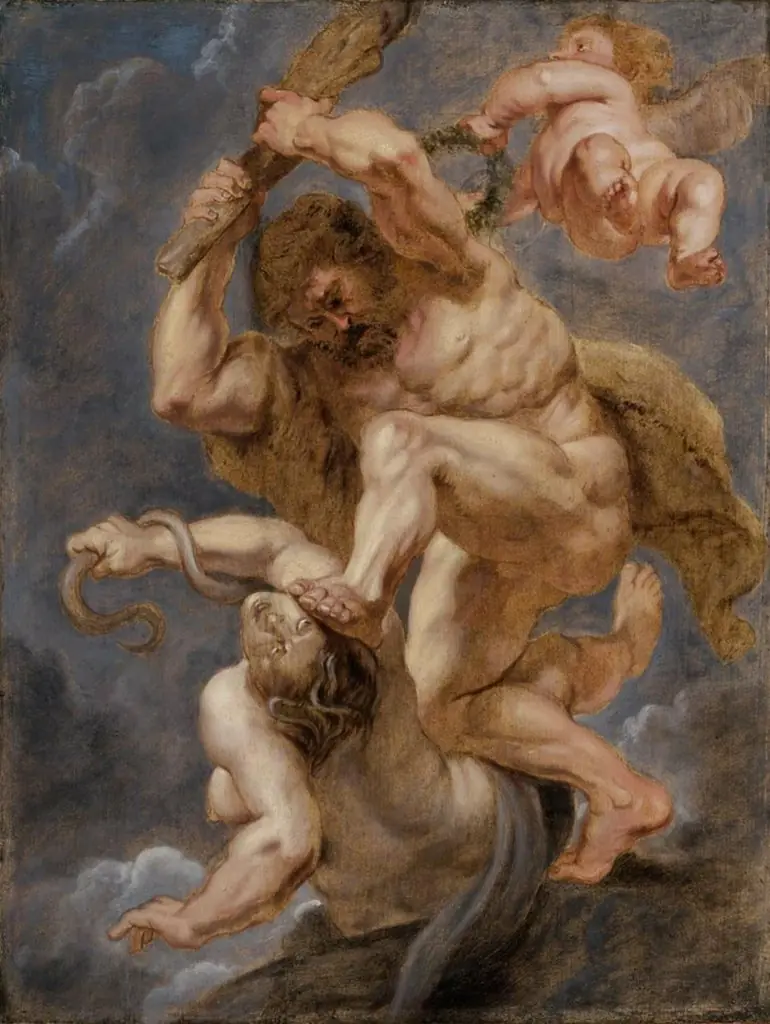 Hercules as Heroic Virtue Overcoming Discord
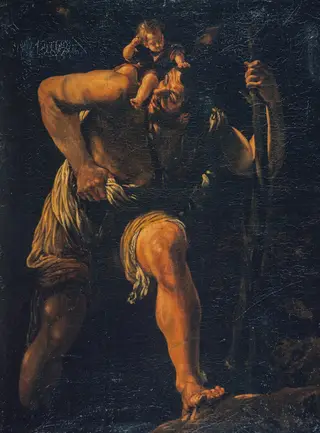 Saint Christopher
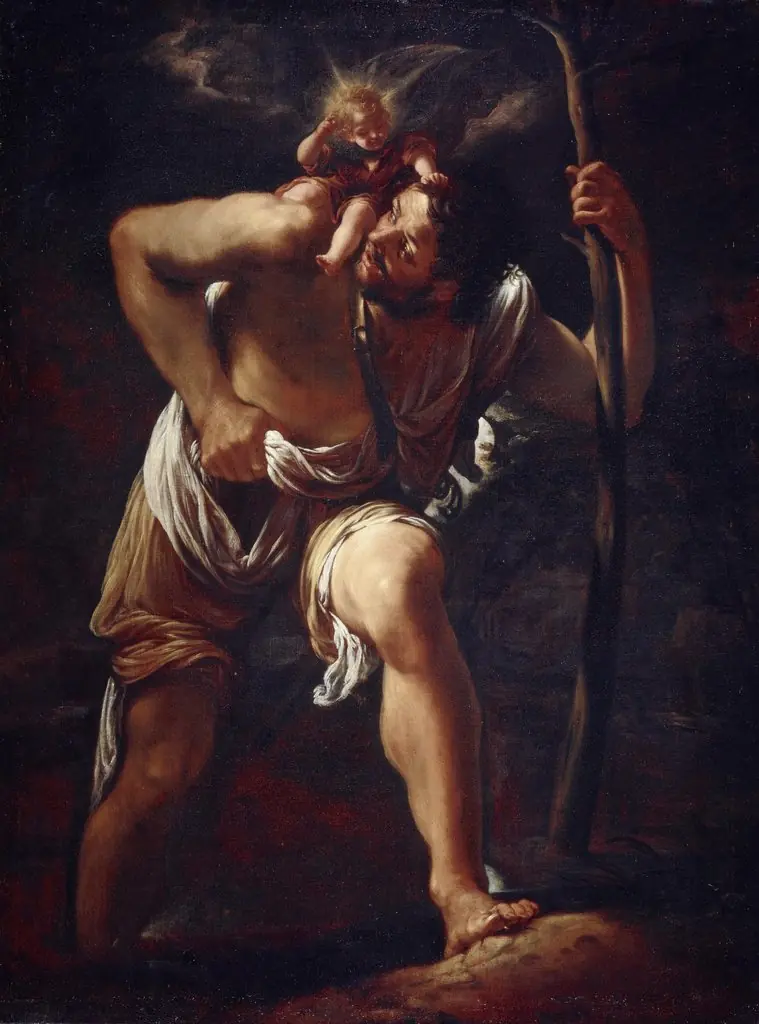 Saint Christopher Carrying the Infant Christ
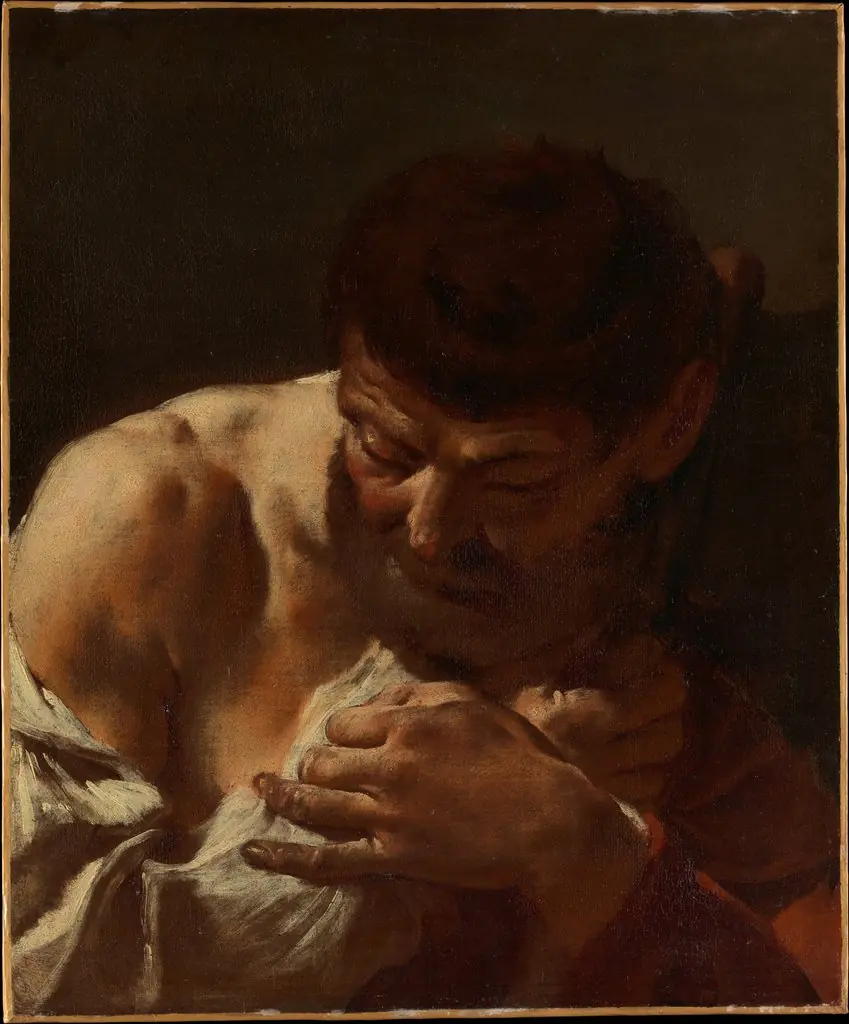 Bust of a Man (Saint Matthias?)
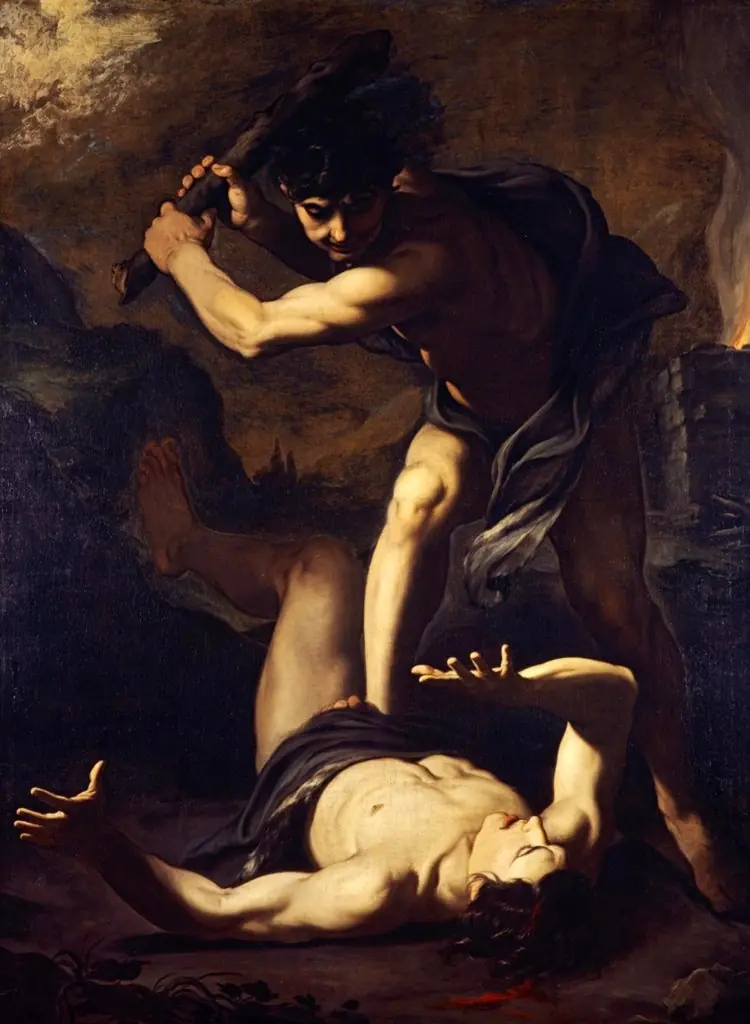 Cain Killing Abel
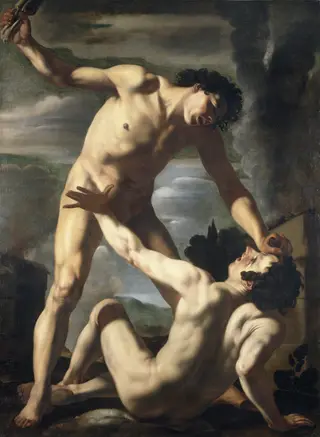 Cain and Abel
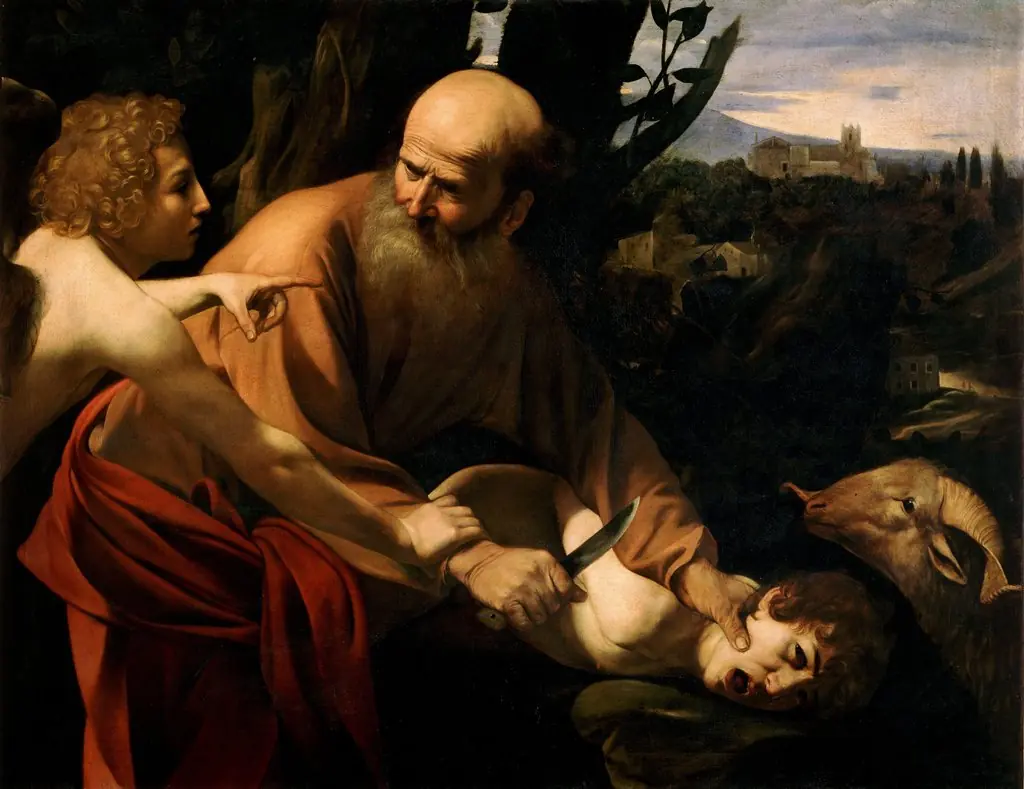 Sacrifice of Isaac
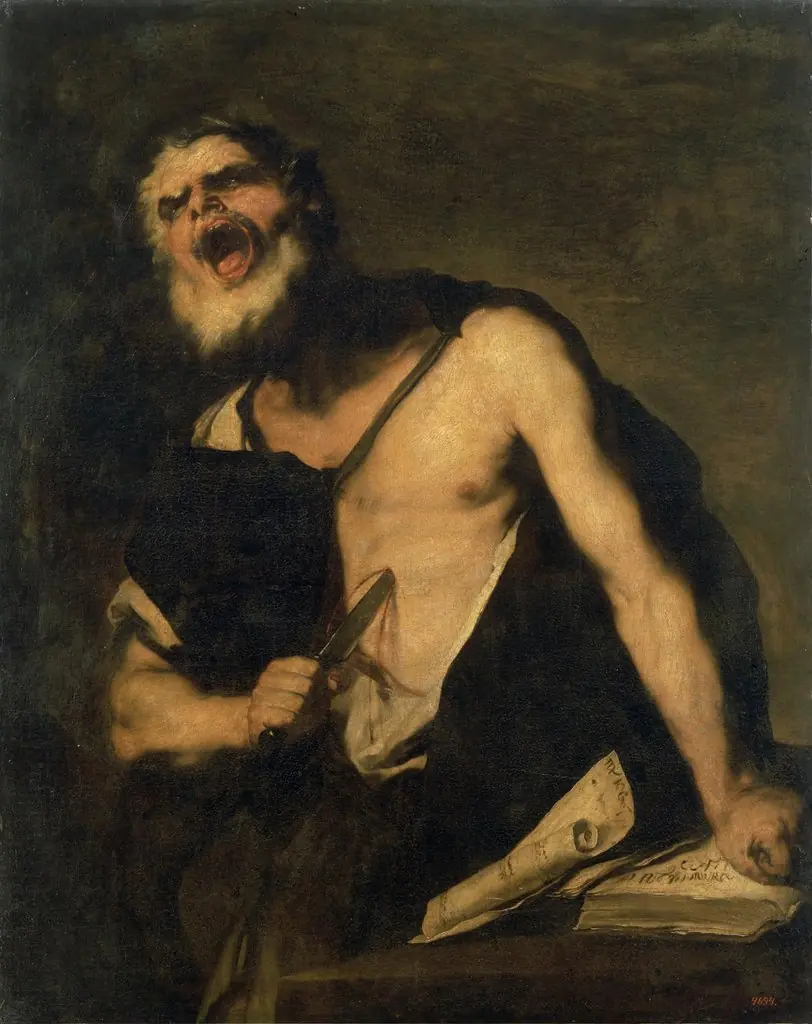 Death of Cato of Utica
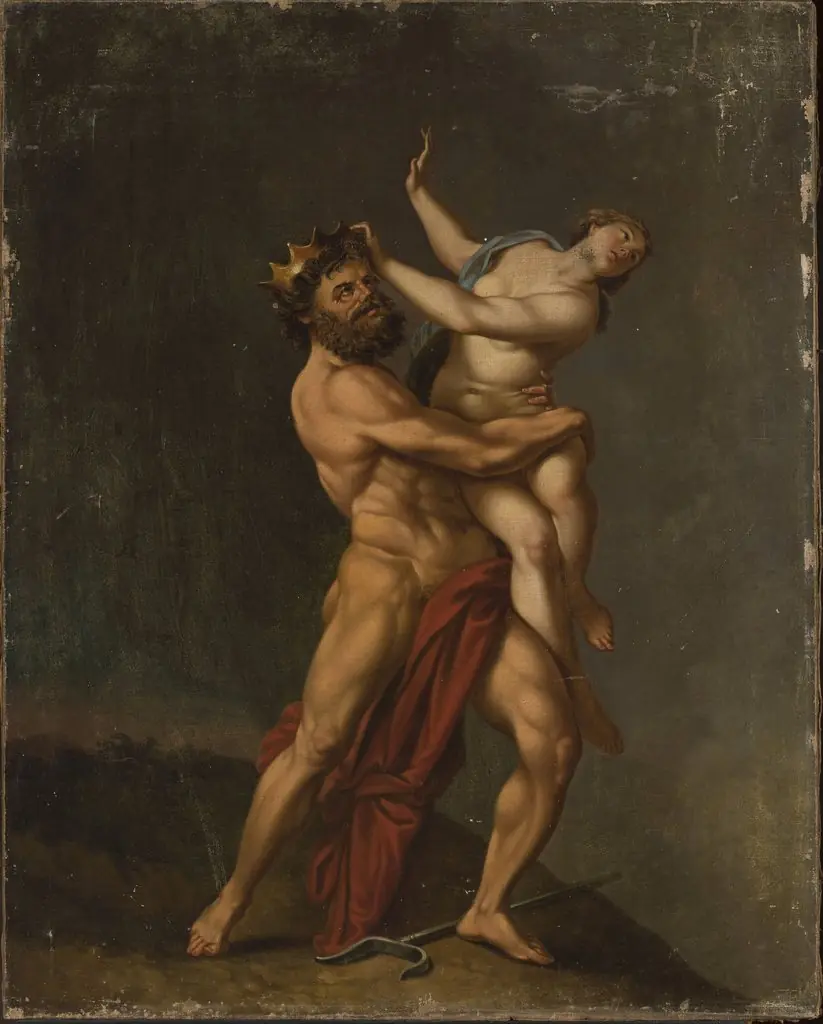 Abduction of Proserpina by Pluto
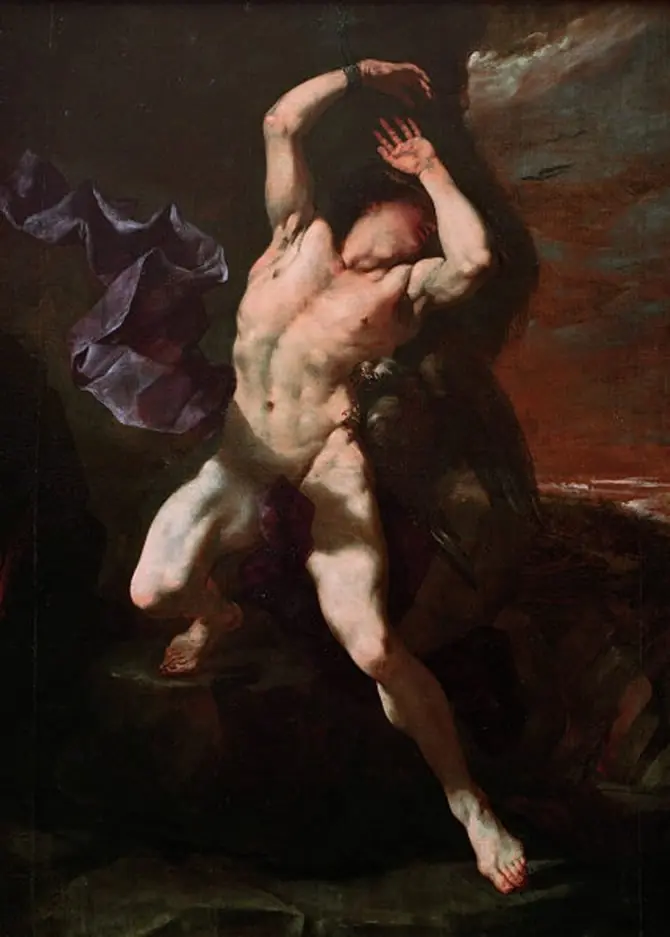 Prometheus
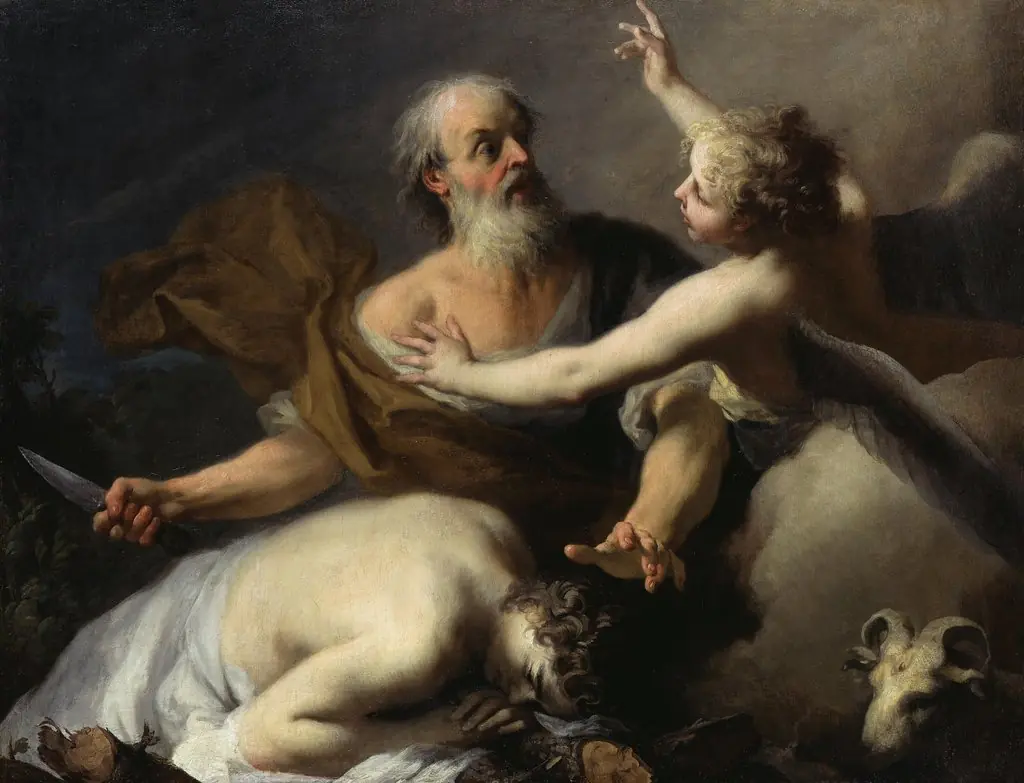 Abraham's Sacrifice of Isaac
- Saturn Devouring His Son