Artwork
The Death of Eurydice
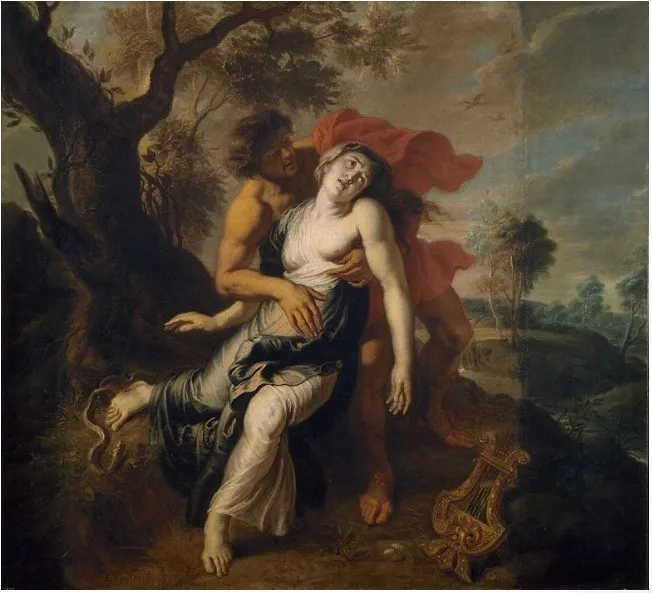
The Death of Eurydice is an oil painting by the Baroque artist Peter Paul Rubens. It dates from 1630 and is held in the collection of the Museo del Prado.
About this work
Subject & Meaning
The painting illustrates the tragic moment from Ovid's Metamorphoses when Eurydice vanishes forever after her husband Orpheus looks back prematurely.
The painting illustrates the tragic moment from Ovid's Metamorphoses when Eurydice vanishes forever after her husband Orpheus looks back prematurely. Having successfully led her from the underworld on the condition that he not turn around until they reached the sunlight, Orpheus succumbs to despair and glances back just as Eurydice remains partially in the shadow of the infernal path.
Iconographically, the work features a snake to signify the cause of Eurydice's initial death and a lyre to identify Orpheus. These specific details, which clarify the mythological narrative, were added by the executor Erasmus Quellinus II while faithfully adhering to the original compositional sketches provided by Peter Paul Rubens.
Technique & Style
The painting is executed in oil on canvas, a support typical of seventeenth‑century Flemish practice, and measures roughly 179 cm by 195 cm. Its execution belongs to the Baroque tradition, employing the dramatic chiaroscuro and dynamic figure arrangement associated with Rubens’ workshop. Erasmus Quellinus II painted the scene of Orpheus mourning Eurydice’s death, incorporating the snake that bites her and the lyre that identifies Orpheus, details that clarify the mythological narrative. The composition reflects Rubens’ compositional sketches, which Quellinus adapted for the decorative program of the Torre de la Parada commissioned by Philip IV.
The work’s formal qualities include a tightly organized spatial layout and a vivid interplay of light and shadow that heightens the emotional intensity.
History & Provenance
The Death of Eurydice was commissioned by King Philip IV of Spain for the decorative scheme of the Torre de la Parada, a royal hunting lodge in the Pardo mountains. The project was initiated in 1636, when more than sixty works were shipped from Antwerp to Madrid for the site. Although the painting is attributed to Erasmus Quellinus II, a pupil of Peter Paul Rubens, it was executed based on Rubens's original sketches, which were donated to the collection by the Duchess of Pastrana in 1889.
The work, dated to 1630, was created as part of this larger collaborative effort that also involved artists such as Diego Velázquez. Quellinus followed his master's designs faithfully while adding specific narrative elements, such as the snake and the lyre, to clarify the mythological scene.
The painting is part of the collection of the Museo del Prado in Madrid, where it is housed in the museum's galleries. It was originally commissioned by King Philip IV for the decorative scheme of the Torre de la Parada, a leisure pavilion in the mountains of El Pardo, and was transported to Madrid in 1636 along with more than sixty other works sent from Antwerp. This commission formed part of the royal program that brought the artwork into public view as part of the palace's interior decoration.
Context
The Death of Eurydice belongs to the cycle of mythological paintings commissioned by Philip IV of Spain from Peter Paul Rubens and his Antwerp workshop for the Torre de la Parada, a hunting lodge in the Pardo mountains near Madrid. The decorative program, which also involved other artists including Velázquez, was executed from 1636, when more than sixty works were dispatched from Antwerp to the Spanish court. Erasmus Quellinus II, a pupil of Rubens, executed the canvas in 1630, faithfully following sketches by his master that were later donated to the Prado in 1889 by the Duchess of Pastrana.
Quellinus introduced clarifying elements such as the snake that bit Eurydice and the lyre identifying Orpheus, drawing on Ovid's account in Book X of the Metamorphoses. The work is classified within Baroque Flemish painting and is held by the Museo del Prado.
The painting reflects the broader collaboration between Rubens's studio and Spanish royal patronage, situating Quellinus's contribution within the master's wider output of Ovidian subjects for the Spanish court.
Overview
Peter Paul Rubens, a prominent Flemish artist and diplomat, completed The Death of Eurydice in 1630. This oil painting exemplifies the Flemish Baroque style, known for its vibrant palette and emotional intensity. The work depicts a pivotal moment from classical mythology, capturing the dramatic incident that sets in motion the tragic tale of Orpheus and Eurydice. It is currently housed in the collection of the Museo del Prado.
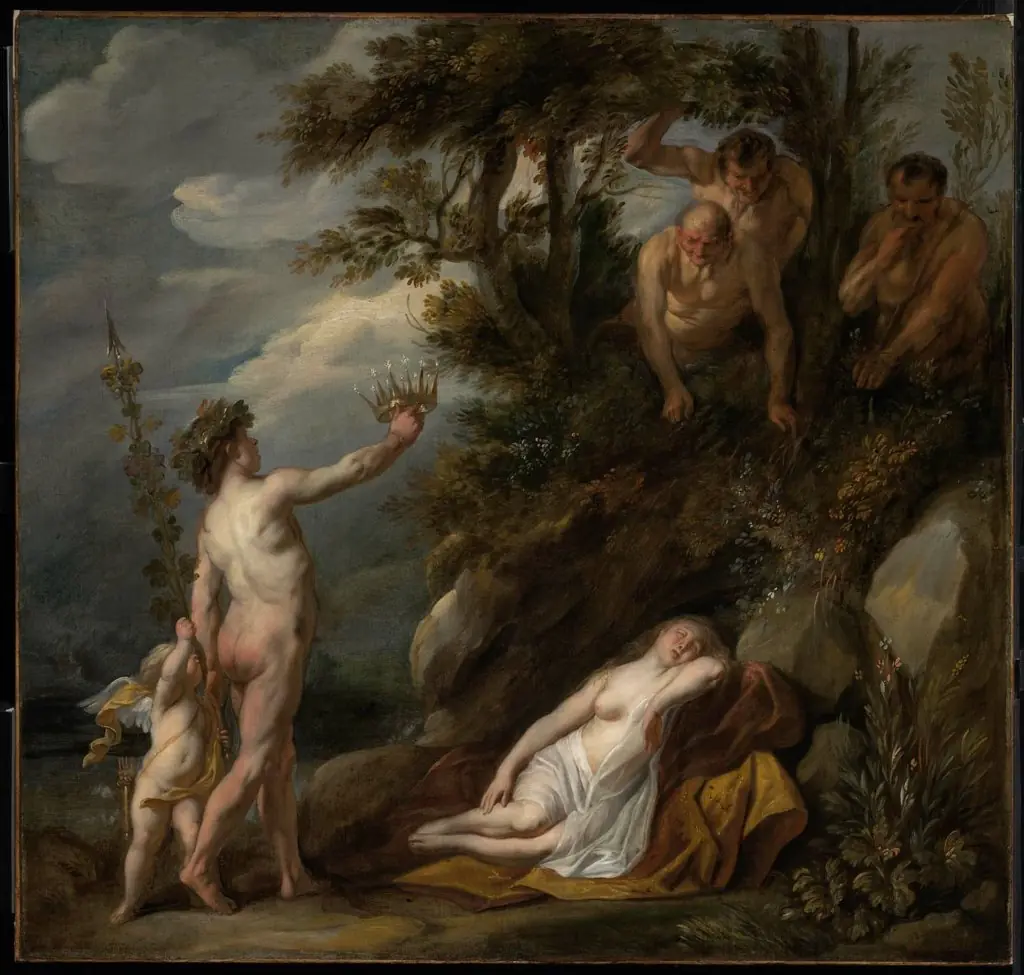
Artist & collection
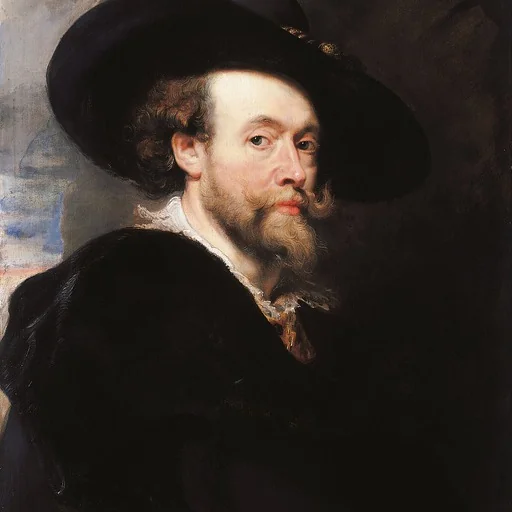
Artist
Sir Peter Paul Rubens ( ROO-bənz; Dutch:; 28 June 1577 – 30 May 1640) was a Flemish artist and diplomat.

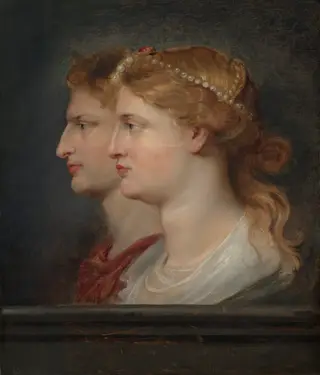
- Bacchus Discovering Ariadne
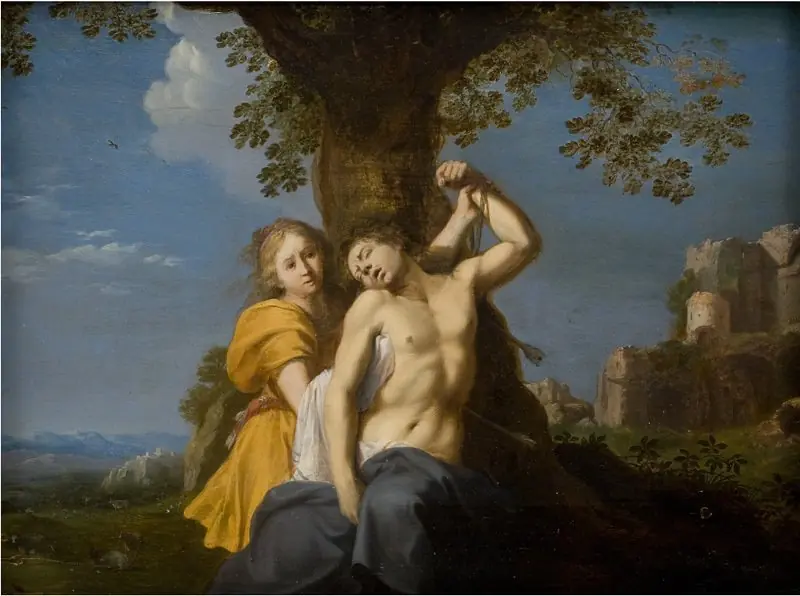 St Sebastian
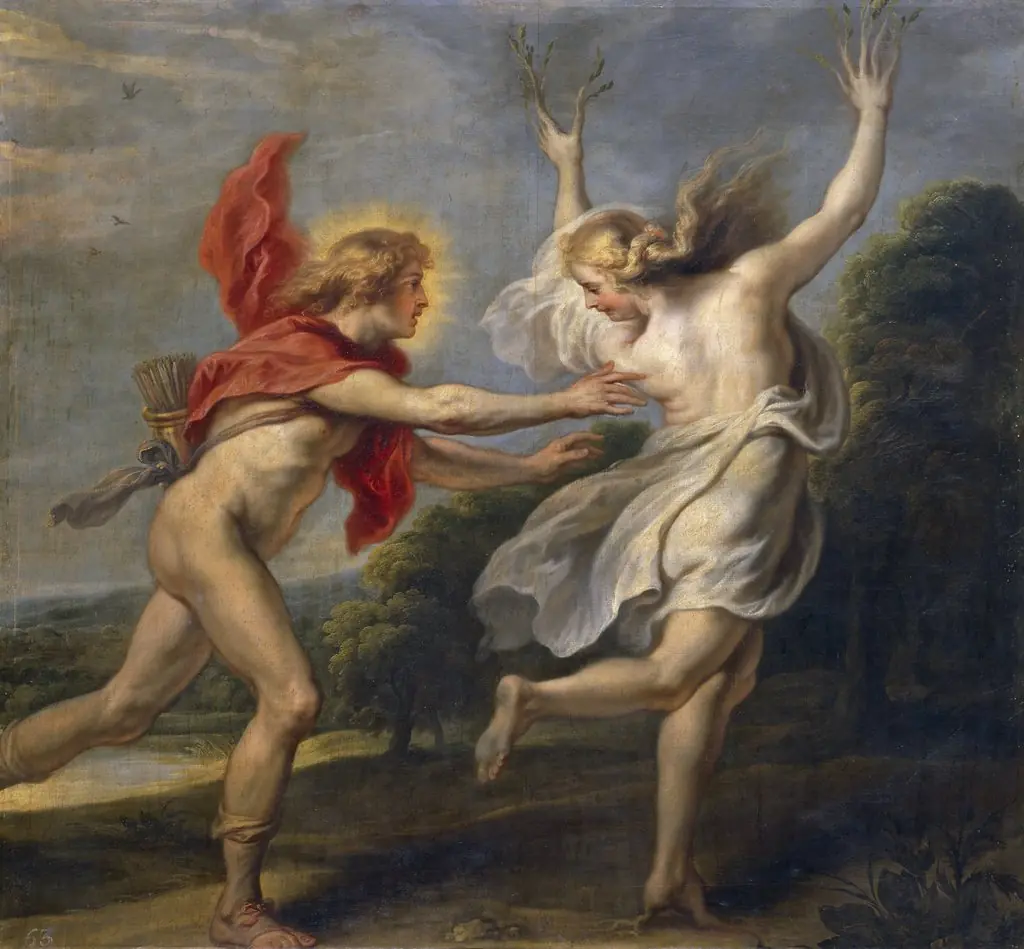 Apollo and Daphne
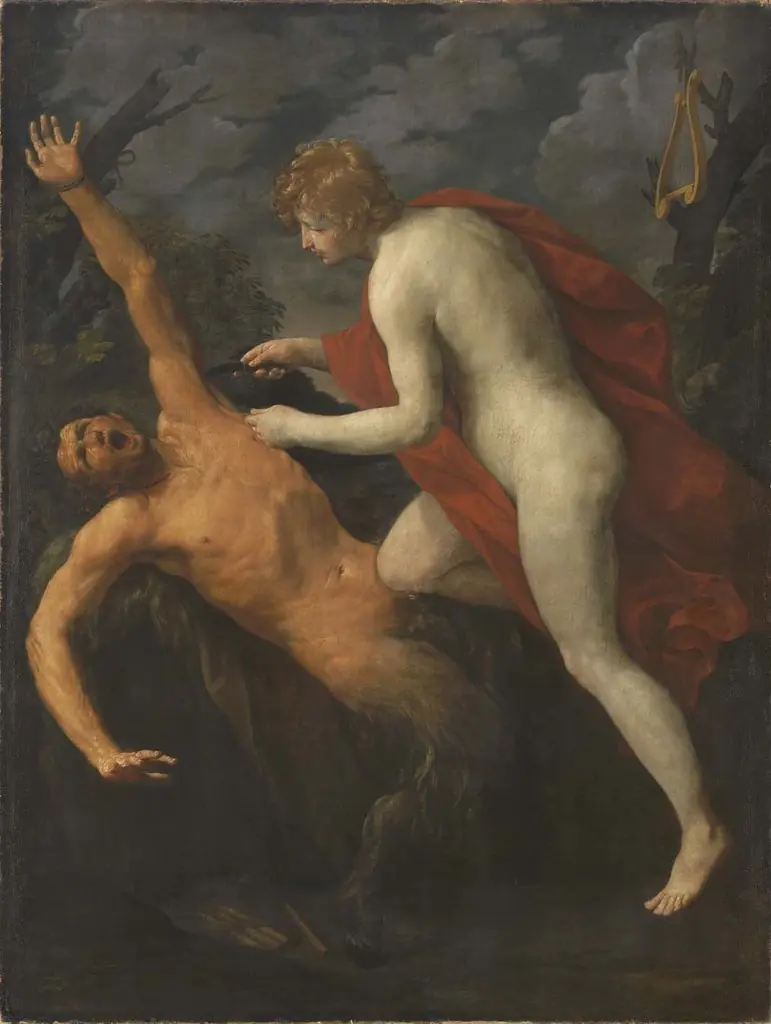 Apoll schindet Marsyas
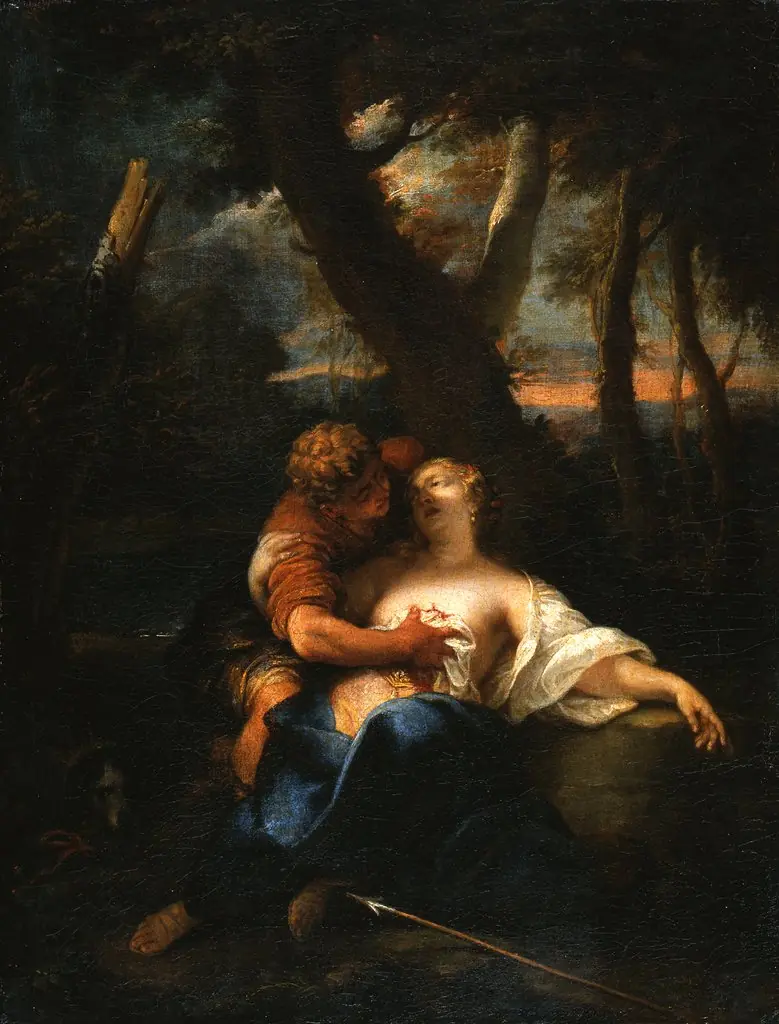 Cephalus and Procris
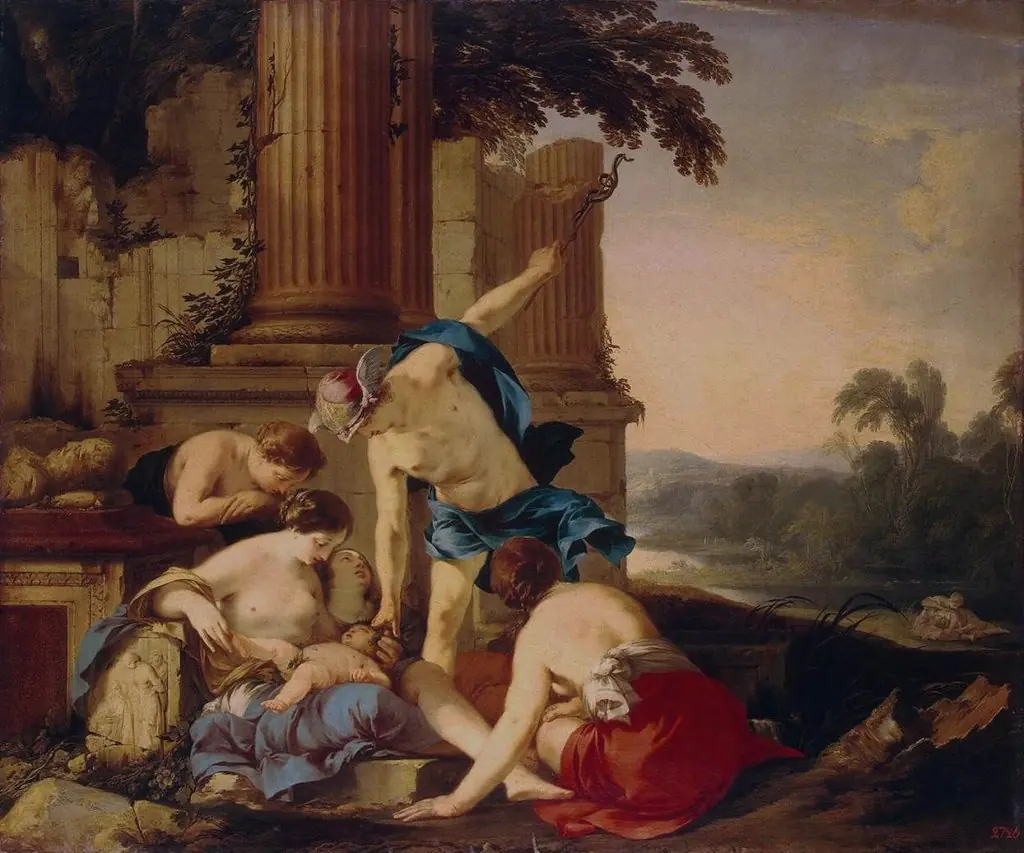 Mercury Takes Bacchus to be Brought up by Nymphs
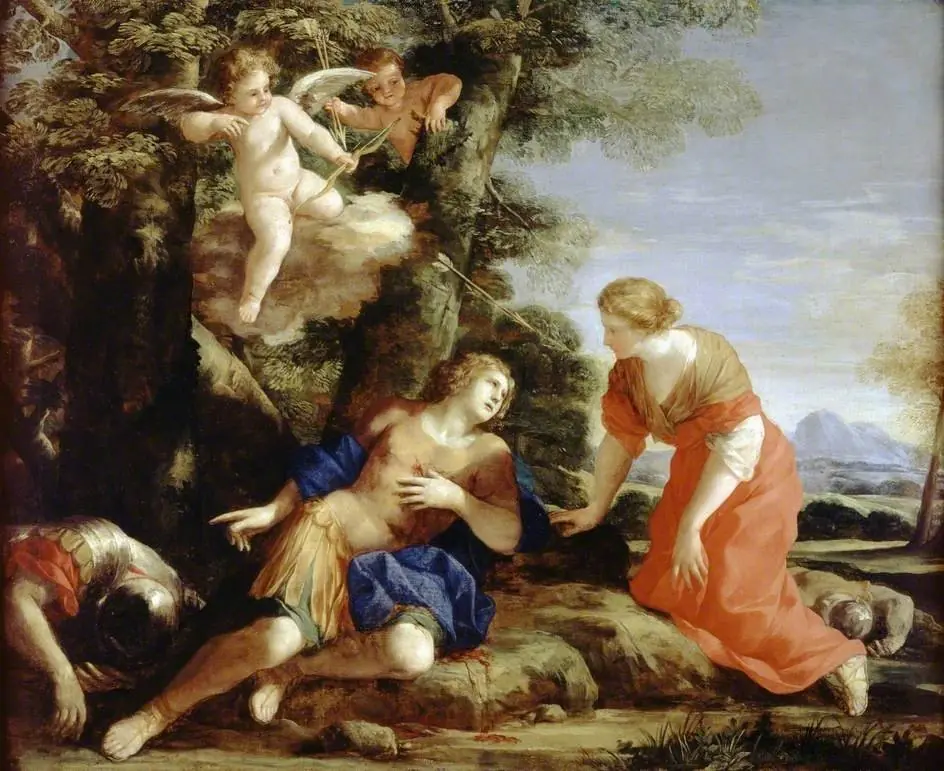 Angelica encountering the wounded Medoro
 Diana and Endymion
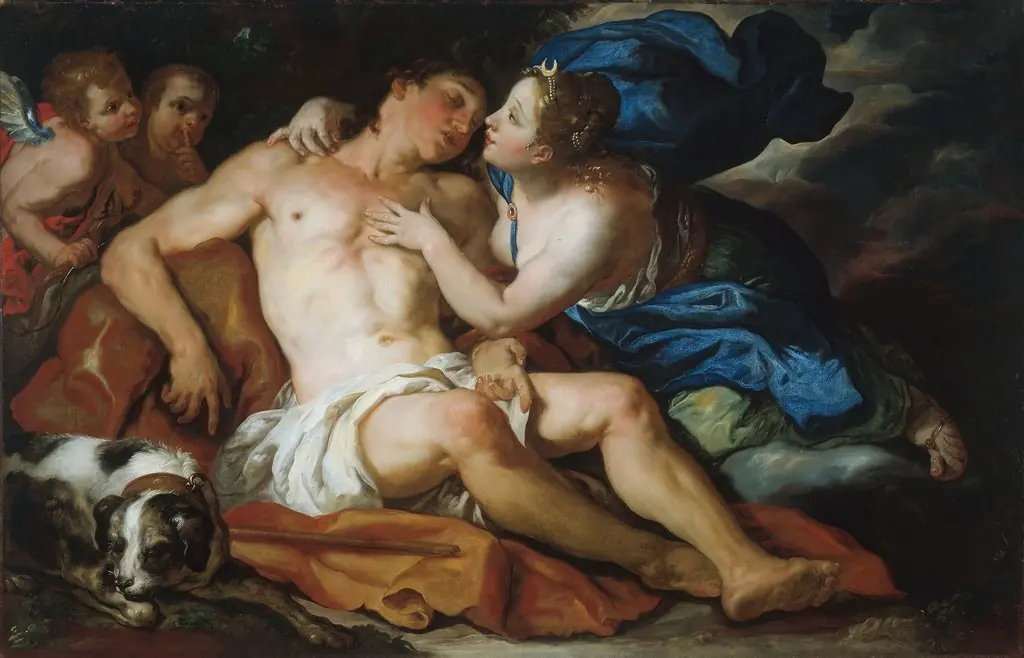 Diana and Endymion
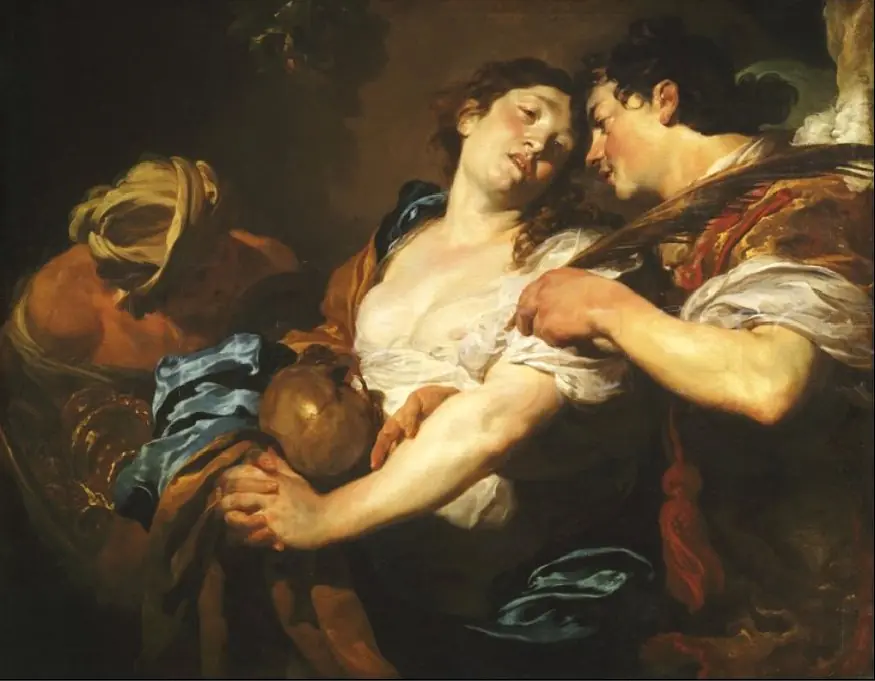 Temptation of Saint Mary Magdalen
 St Sebastian
 Diana and Endymion or Venus and Adonis