Artwork
The Emperor Maximilian I
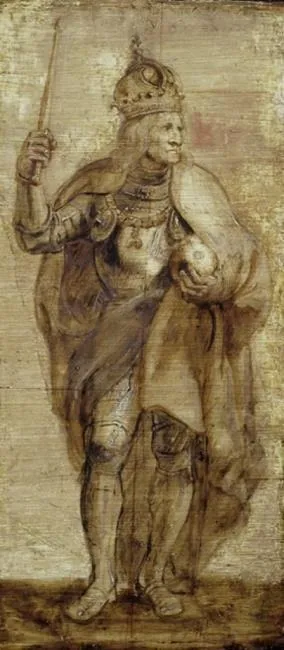
The Emperor Maximilian I is an oil painting by the Flemish Baroque painting artist Peter Paul Rubens. It dates from 1634 and is held in the collection of the Ashmolean Museum.
About this work
Subject & Meaning
The subject is shown wearing body armor and holding imperial regalia, specifically a crown, a sceptre, and an orb.
The work depicts Holy Roman Emperor Maximilian I as a central figure within a series of portraits of emperors. The subject is shown wearing body armor and holding imperial regalia, specifically a crown, a sceptre, and an orb. These objects serve as traditional symbols of sovereign authority and the divine right to rule.
The inclusion of armor further emphasizes the emperor's role as a military leader and defender of the realm. By portraying Maximilian in this manner, the painting represents the power and legitimacy of the imperial office.
History & Provenance
Peter Paul Rubens created the portrait The Emperor Maximilian I in 1634. The work is executed in oil paint on a panel support. It was originally owned by Chambers Hall, who presented the painting to the Ashmolean Museum in 1855 as a gift.
The museum assigned it the accession number WA1855.161 following this donation. The piece depicts the Holy Roman Emperor wearing body armor and holding a sceptre and orb.
The painting is held in the collection of the Ashmolean Museum. It entered the institution in 1855 as a presentation from Chambers Hall and is registered under the accession number WA1855.161. The work measures 38.7 cm in height and 18.8 cm in width. No specific exhibition history for this piece is detailed in the available records.
Overview
Peter Paul Rubens executed this oil portrait in 1634, presenting the Habsburg ruler Maximilian I in full ceremonial armor. The figure stands before a neutral, light‑toned wall, holding a crown and an orb, with a sword at his side. Rubens’ composition emphasizes the sovereign’s authority through posture and regalia, while the restrained background keeps focus on the sitter.
Technique & Style
Rubens employs the Baroque language of movement and rich coloration, even within a relatively static pose. His handling of oil paint renders the metallic sheen of the armor and the plush texture of the cloak with subtle chiaroscuro, creating depth against the flat wall. The brushwork balances detailed rendering of regalia with broader, more fluid passages in the background.
Context
The portrait aligns with Counter‑Reformation visual strategies that emphasized the dignity and divine right of Catholic monarchs. In the early 1630s, Rubens was active as both painter and diplomat, using portraiture to reinforce political alliances. By depicting Maximilian I in full regalia, the work participates in a broader tradition of imperial iconography prevalent in Habsburg territories.
Artist & collection
Artist
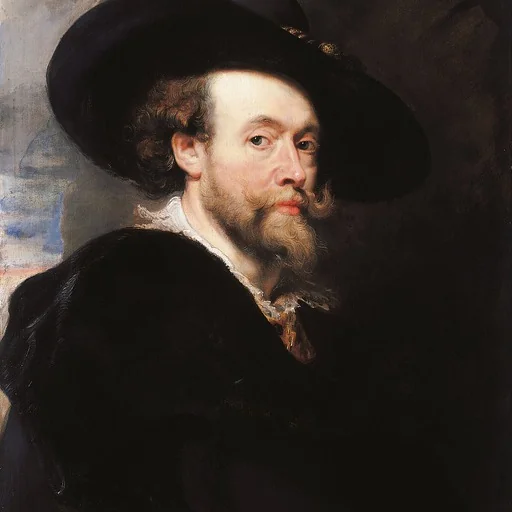
Sir Peter Paul Rubens ( ROO-bənz; Dutch:; 28 June 1577 – 30 May 1640) was a Flemish artist and diplomat.

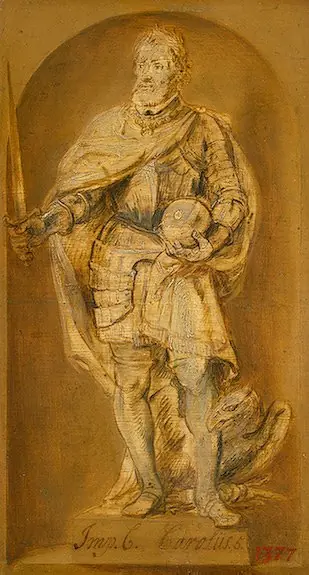
- Statue of Charles V in a niche
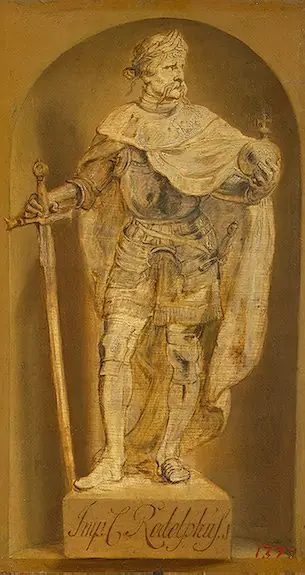 Statue of Rudolf II in a niche
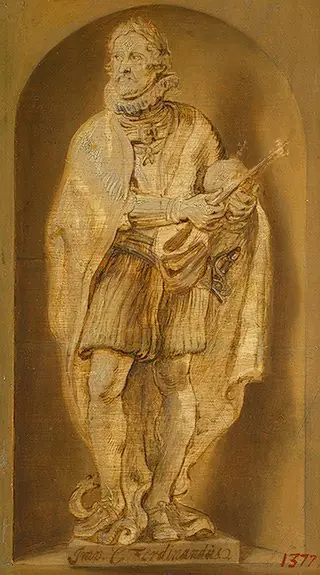 Statue of Ferdinand II in a niche
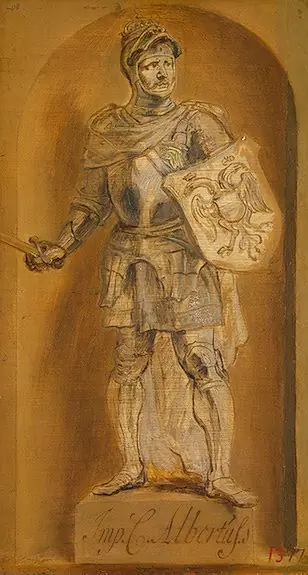 Statue of Albert I in a niche
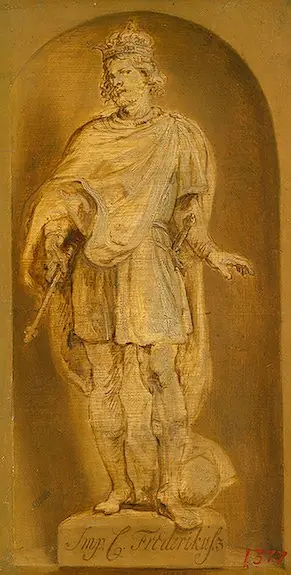 Statue of Frederick III in a niche
 A Standing Man Leaning on a Stick
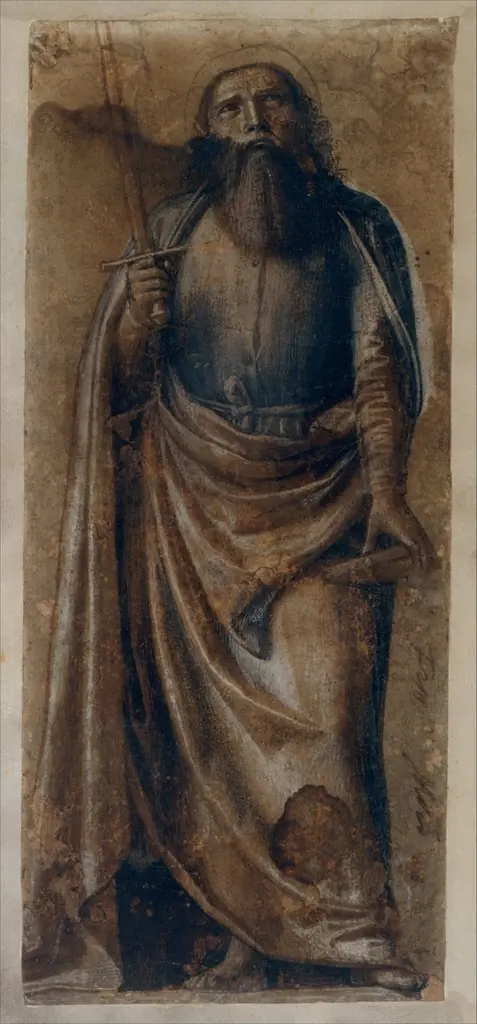 Saint Paul
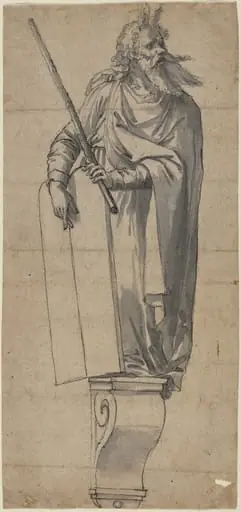 A Sculpture of Moses
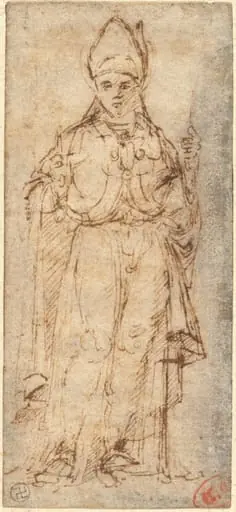 Saint Louis of Toulouse Holding a Staff
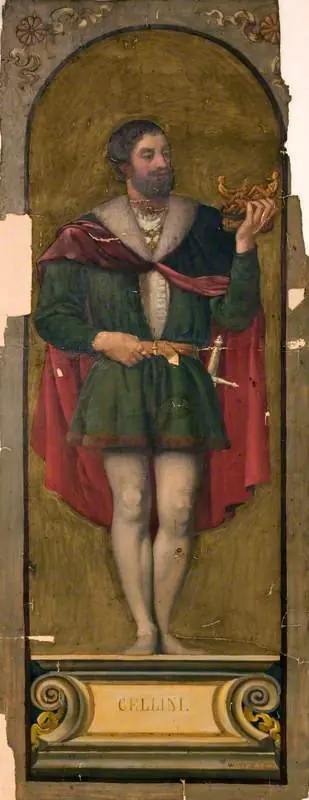 Benvenuto Cellini (1500–1571) (design for a mosaic in the Victoria and Albert Museum)
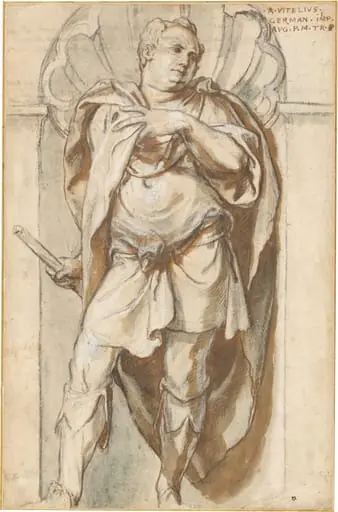 The Emperor Aulus Vitellius
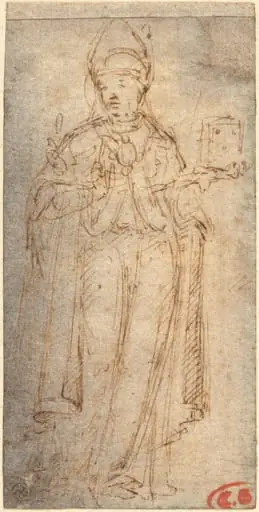 Saint Louis of Toulouse Holding a Book