Artwork
The Great Last Judgement
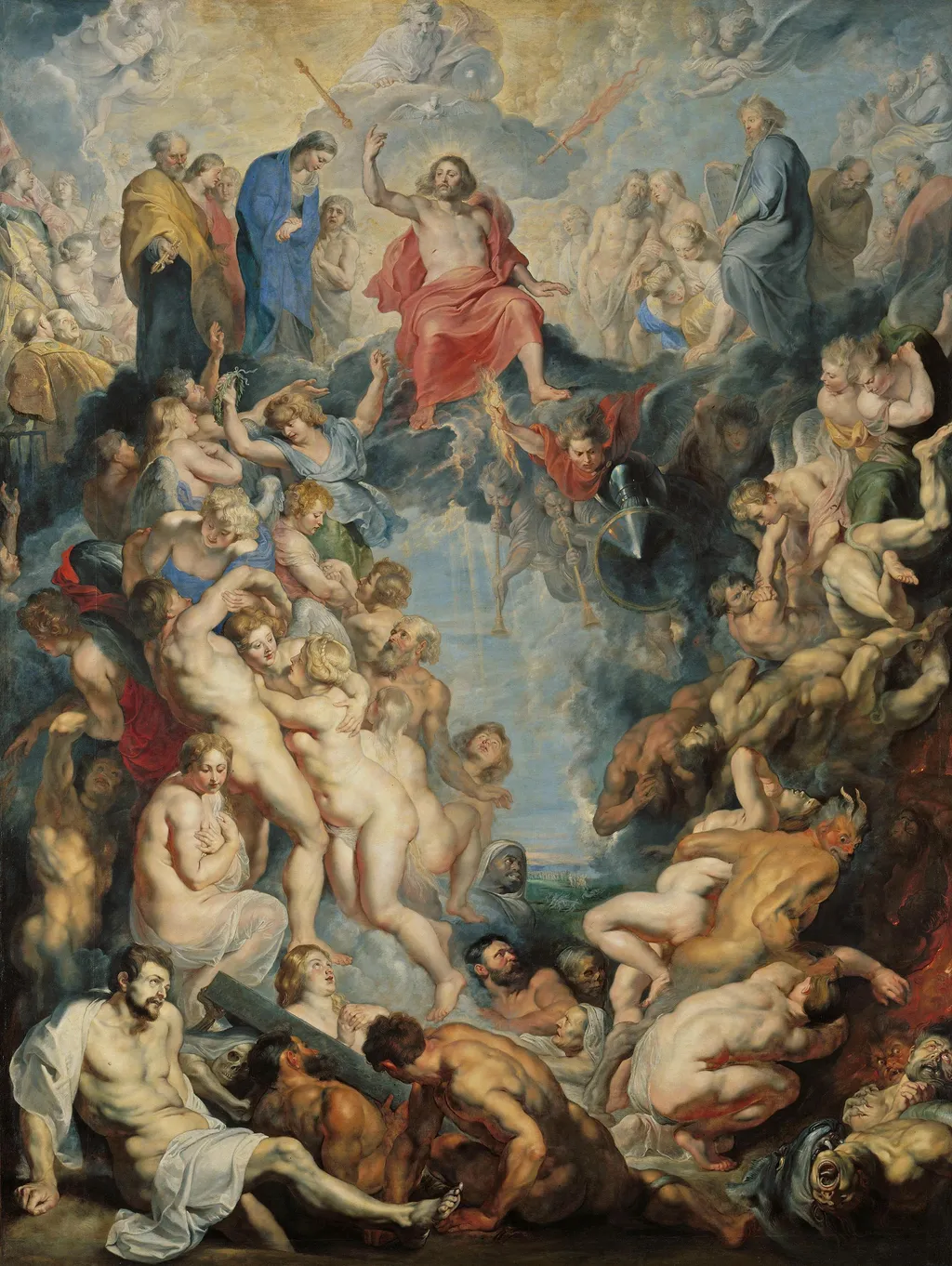
The Great Last Judgement is an oil painting by the Flemish Baroque painting artist Peter Paul Rubens. It dates from 1617 and is held in the collection of the Bavarian State Painting Collections.
About this work
Subject & Meaning
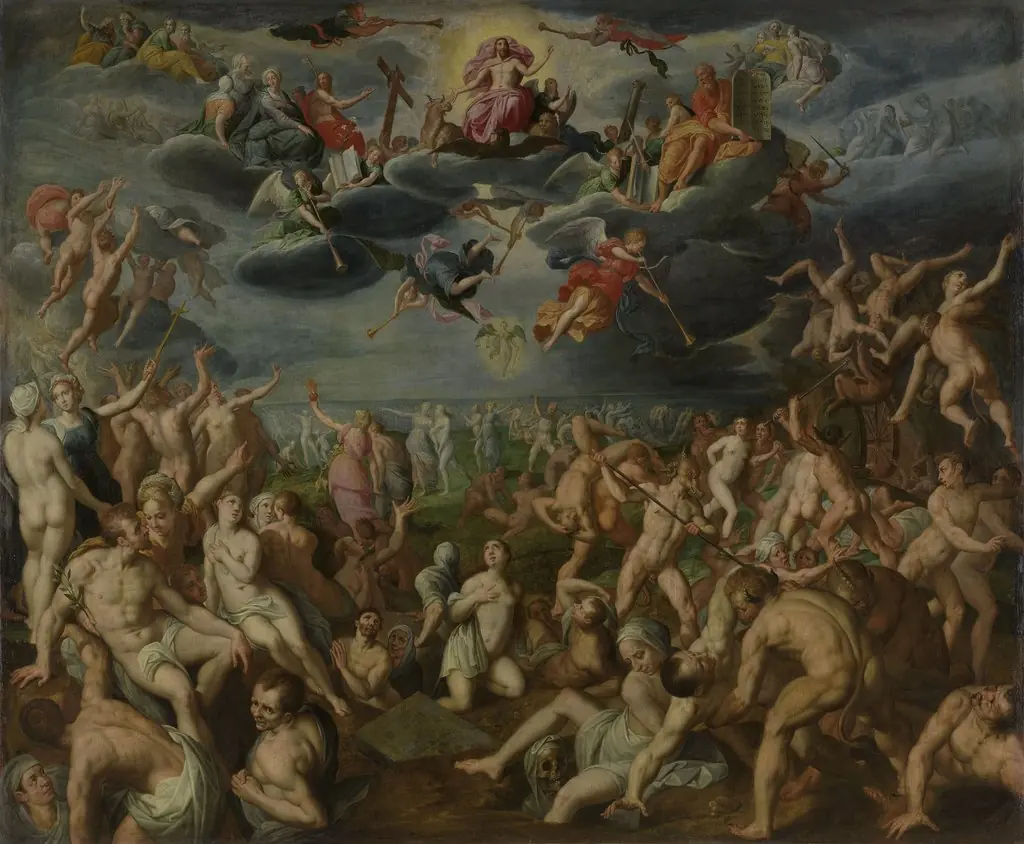
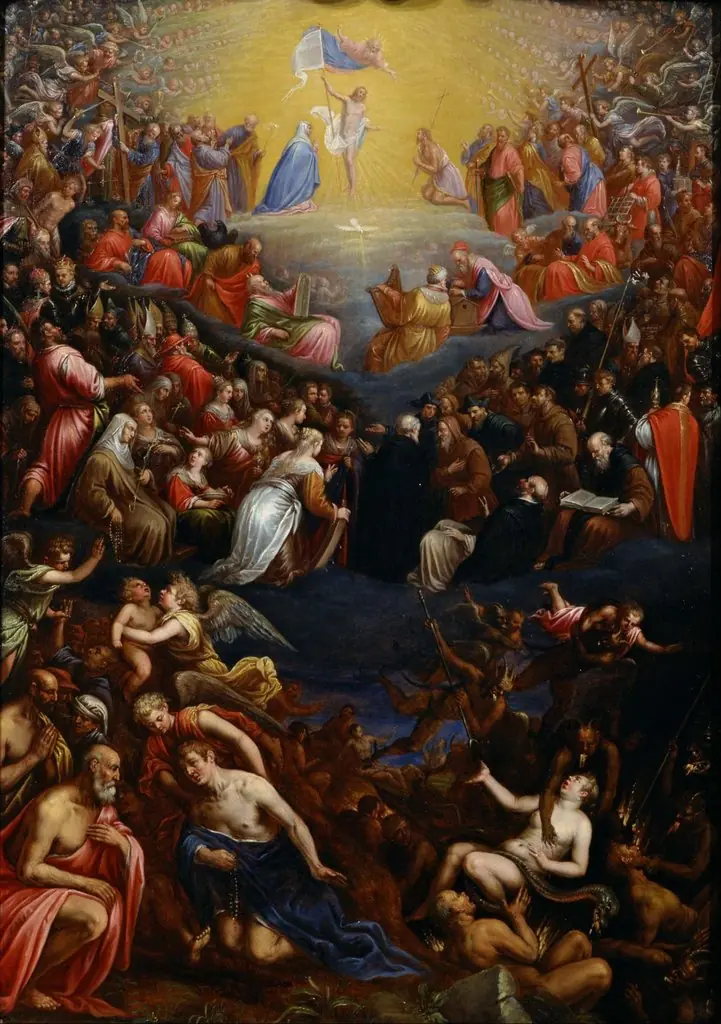
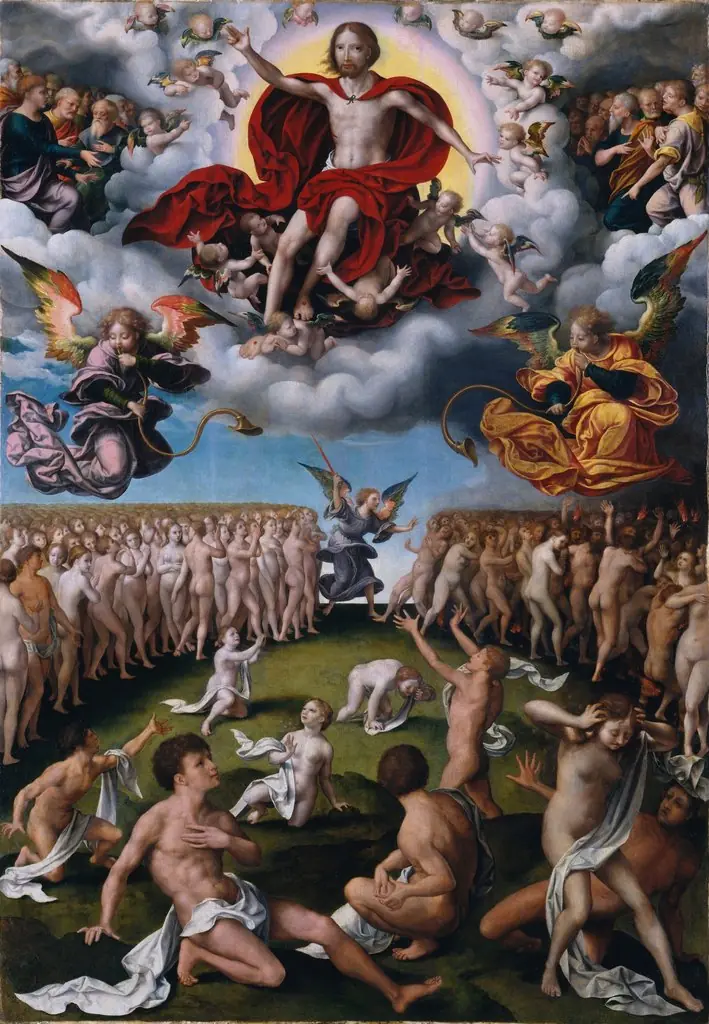
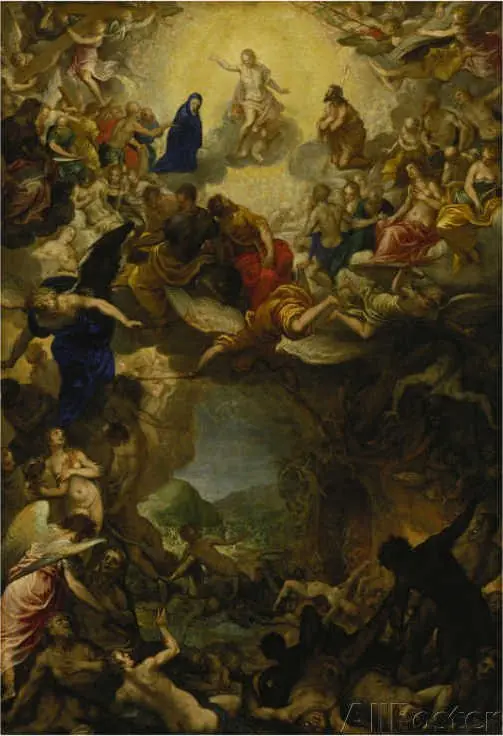
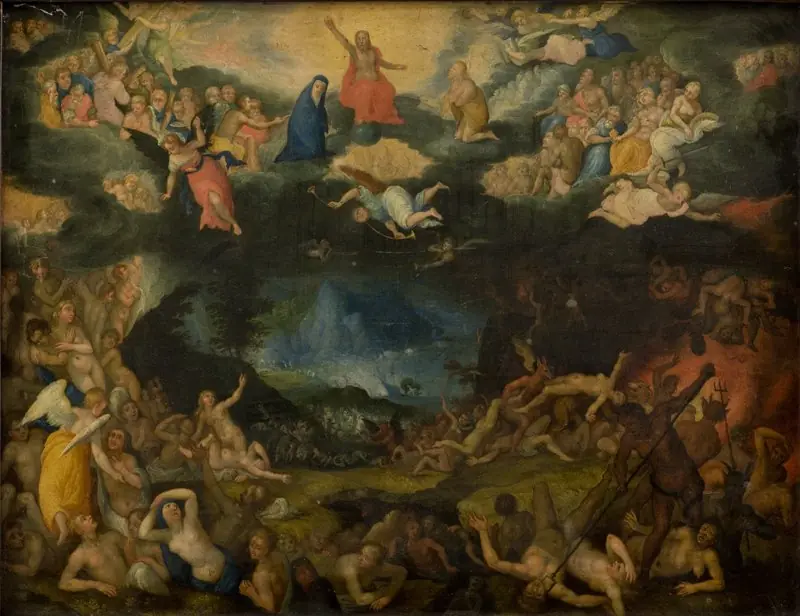
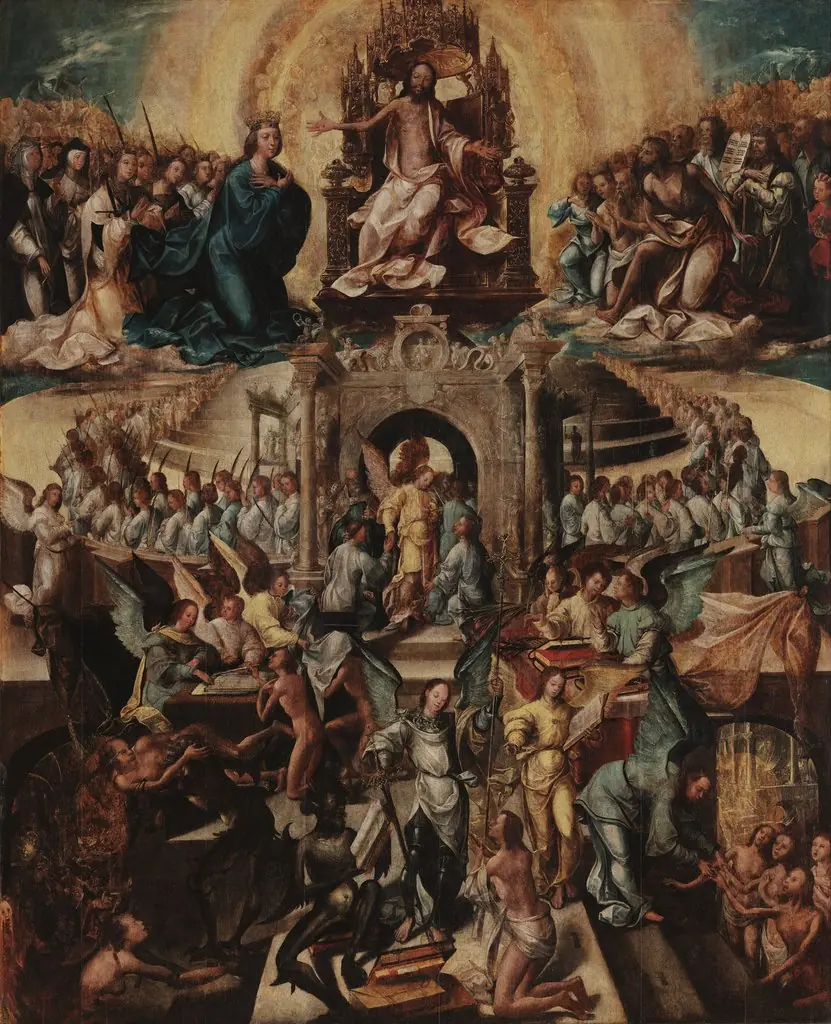
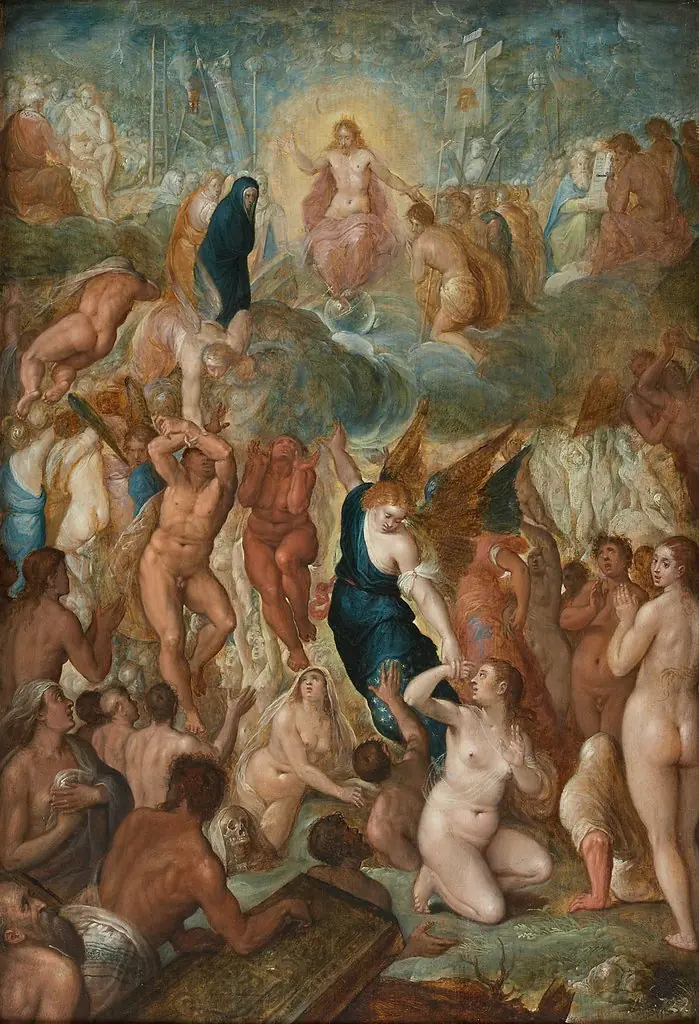
The Great Last Judgement depicts the biblical scene of the Last Judgment, showing God the Father at the top centre with Jesus just below him, flanked by the Virgin Mary to his right and Moses holding the Ten Commandments to his left. The composition separates the blessed, ascending on the left, from the damned falling into hell on the right, while figures at the base represent the resurrected dead. The work was commissioned by Wolfgang William, Count Palatine of Neuburg, for the Jesuit church at Neuburg an der Donau as an altarpiece for the high altar, reflecting Counter-Reformation themes of divine judgment and salvation. After passing through the private collection of Johann Wilhelm, Elector Palatine, it entered the Alte Pinakothek in Munich in 1805/06, where it remains on permanent display in Hall VII, the Rubens Hall, in its original position since the museum's founding in 1836. The iconography includes traditional symbols such as the Ten Commandments held by Moses and the heavenly ascent of the elect, while the dramatic treatment of naked bodies and the depiction of both salvation and damnation underscore its theological function during the Catholic Reformation. Contemporary reception noted its humanized Christ figure inviting the elect with tenderness, contrasting with darker later Last Judgment works, and scholars have interpreted the composition as a visual affirmation of Counter-Reformation doctrine concerning resurrection and divine judgment. Scholarship emphasizes the painting’s scale, measuring 608.5 by 463.5 centimeters, and its status as Rubens’s largest work, created between 1614 and 1617 with contributions from nine to nineteen assistants under Rubens’s supervision. The work’s complex program draws on earlier models such as Rubens’s 1615-1616 sketch for The Last Judgment and incorporates elements from related altarpieces commissioned for the same church, including side panels depicting the Adoration of the Shepherds and the Outpouring of the Holy Spirit, now housed in the Neuburg State Gallery.
Technique & Style
The depiction of nude figures caused offense in its original ecclesiastical setting, and the canvas was partially concealed until 1692.
The Great Last Judgement is an oil on canvas altarpiece executed in Rubens's workshop between 1614 and 1617. Its monumental scale, 608.5 cm high and 463.5 cm wide, required multiple strips of canvas to be sewn together. It is the largest painting Rubens ever produced and remains the largest work in the Alte Pinakothek. The composition and final touches are Rubens's own, and his is the only signature on the work, though an estimated nine to twenty studio assistants are believed to have contributed to its execution. Stylistically, the painting is rooted in Counter-Reformation Baroque, employing a vivid and dramatic treatment of the Last Judgement. Christ the Judge sits at the apex of the composition, flanked by the Virgin Mary and Moses bearing the tablets of the Law, with the blessed ascending on the left and the damned cast into hell on the right. The depiction of nude figures caused offense in its original ecclesiastical setting, and the canvas was partially concealed until 1692.
History & Provenance
The Great Last Judgement is held in the Alte Pinakothek in Munich, inventory number 890, and is displayed centrally in Hall VII on the first floor. The work entered the museum's collection through the private collection of Johann Wilhelm, Elector Palatine, after it was moved from the Düsseldorf gallery in 1805/06. It was originally commissioned by Wolfgang William, Count Palatine of Neuburg for the high altar of the court church in Neuburg an der Donau in 1617 and later transferred to the Bavarian State Painting Collections. The painting is the largest in the museum and remains in its original display location from the museum's founding in 1836.
Two side panels, the Adoration of the Shepherds and the Outpouring of the Holy Spirit, are housed in the Neuburg State Gallery.
Context
The Great Last Judgement was created by Peter Paul Rubens between 1614 and 1617 as an oil on canvas altarpiece for the Jesuit church at Neuburg an der Donau, commissioned by Wolfgang William, Count Palatine of Neuburg. The work depicts the Day of Judgment with God the Father at the apex, Christ below, the Virgin Mary to his right, and Moses holding the tablets of the Law to his left; the blessed ascend on the left side while the damned fall into hell on the right, and the lower register shows the resurrected and dying. After its completion, the painting and two side panels were installed in the court church, later moved to the Alte Pinakothek in Munich in 1805/06, where it remains on permanent display in Hall VII, the largest gallery of the museum, and is the only artwork still positioned as it was at the museum's founding in 1836. Contemporary reception was mixed: Jacob Burckhardt offered a critical assessment, while theologian Mareike Hartmann praised the compassionate portrayal of Christ toward the elect, giving the composition a positive overall tone compared with Rubens' later, darker Last Judgment works.
Legacy
The Great Last Judgement has secured a prominent place in the canon of Western religious painting. It is the largest work ever painted by Rubens and remains the largest painting in the Alte Pinakothek, where it has occupied the same central position in Hall VII since the museum's founding in 1836. The hall, known as the "Rubens Hall," was designed around the canvas, with its triumphal arch opposite the painting deliberately referencing the work.
The painting also inaugurated a series of related Last Judgement compositions by Rubens, preceding The Small Last Judgement of 1619 and The Fall of the Damned of 1620. Its reception has been mixed: the Swiss historian Jacob Burckhardt judged the work rather dismissively, while the theologian Mareike Hartmann described the enthroned Christ as "very human and tender," lending the judgement scene a notably positive tone compared to Rubens's later, darker treatments of the theme.
The canvas has been recognized as one of the "105 decisive works of Western painting" in Michel Butor's musée imaginaire, cementing its standing as a landmark of Counter-Reformation Baroque art.
Own this work as a print
Artist & collection
Artist
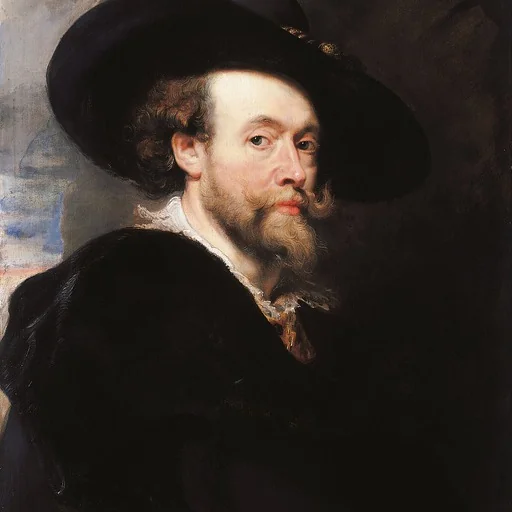
Sir Peter Paul Rubens ( ROO-bənz; Dutch:; 28 June 1577 – 30 May 1640) was a Flemish artist and diplomat.