Artwork
The raising of Lazarus (copy)
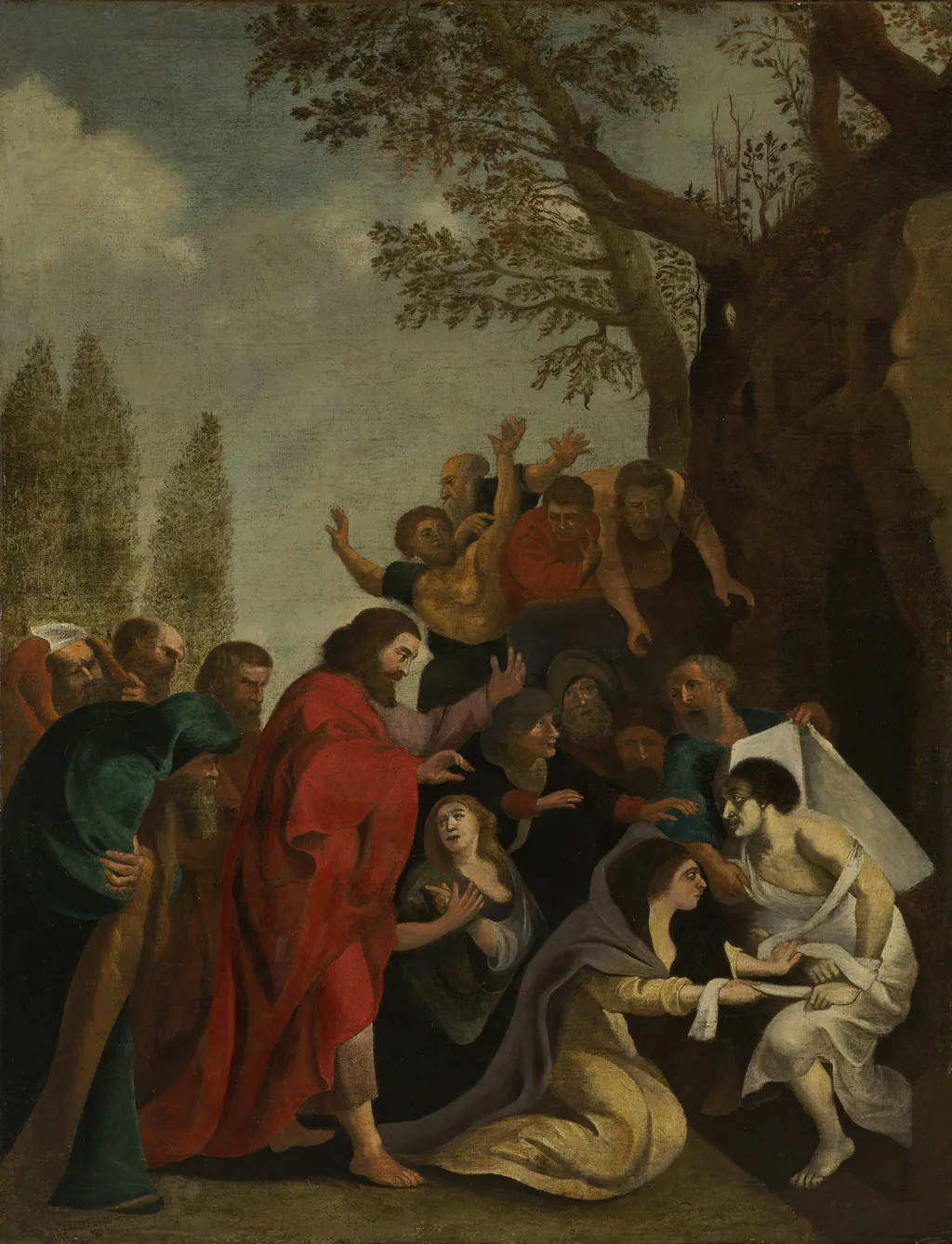
The raising of Lazarus (copy) is an oil painting by the Flemish Baroque painting artist Peter Paul Rubens. It is held in the collection of the Rijksmuseum.
About this work
Subject & Meaning
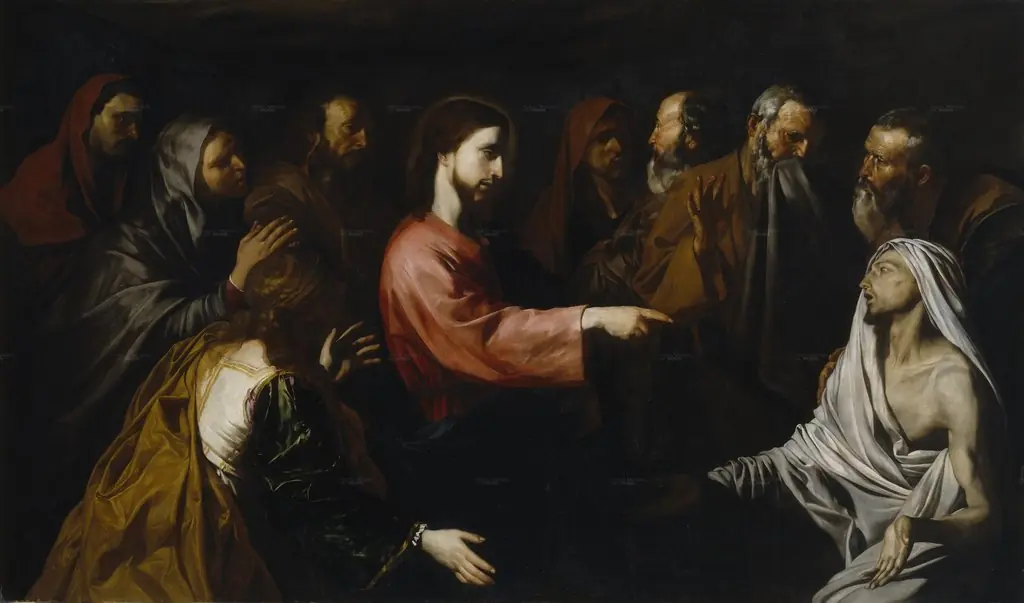
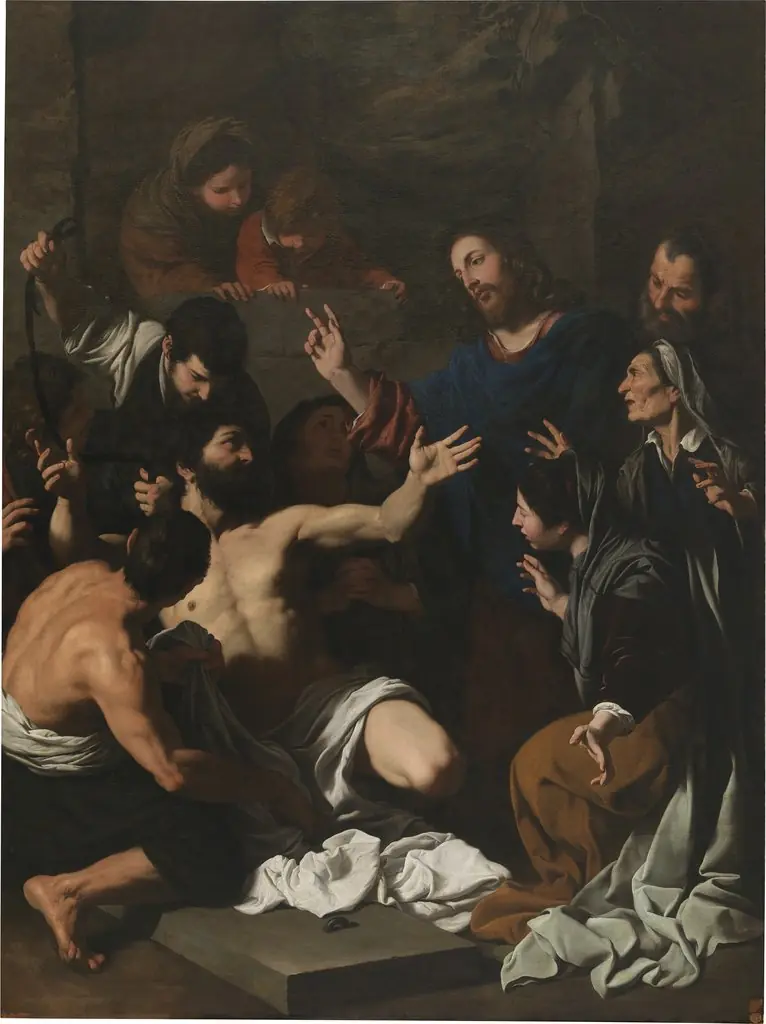
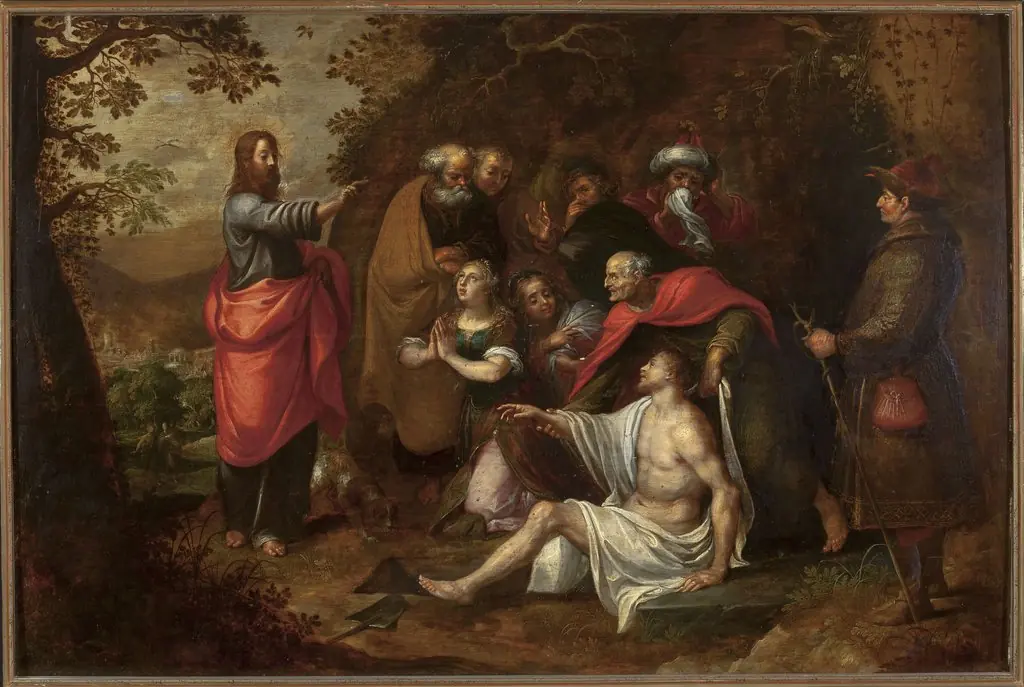
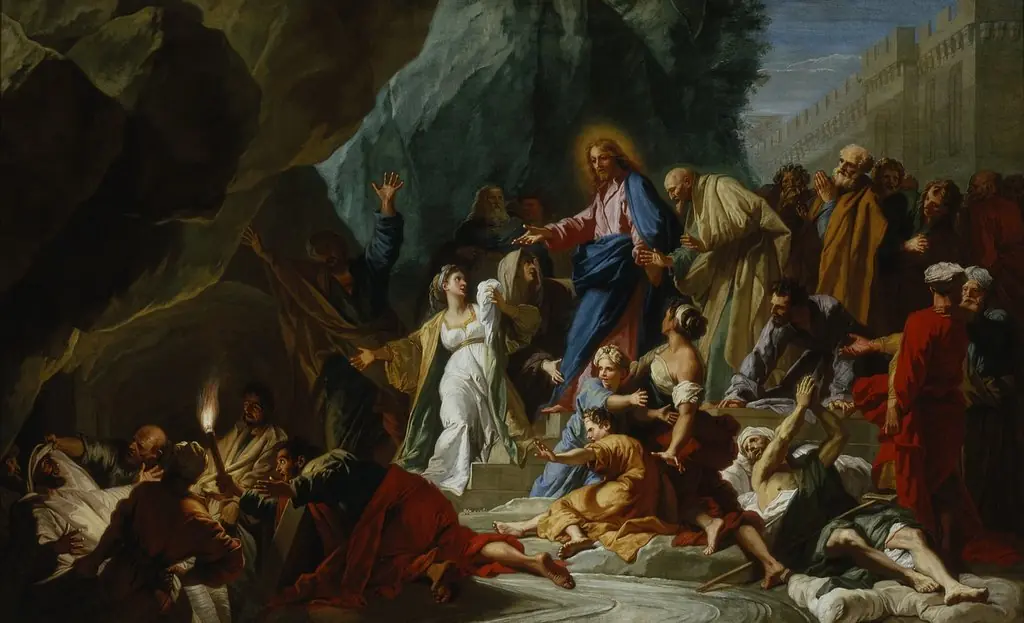
The painting depicts the Raising of Lazarus, a miracle recorded in the Gospel of John in which Jesus restores Lazarus of Bethany to life four days after his burial. Rubens's composition treats this New Testament episode as a religious subject, focusing on the dramatic moment of resurrection rather than a contemporary or secular theme.
In traditional iconography, the scene is identified by its central action: Lazarus emerging from the tomb at Christ's command, often shown wrapped in burial cloths and rising from a stone sarcophagus or cave, while witnesses react with astonishment. The miracle is read as a demonstration of divine power over death and a foreshadowing of Christ's own resurrection, giving the image its core symbolic meaning as a statement of faith and the promise of eternal life.
As a copy of a Rubens composition, the work transmits these iconographic conventions to viewers through the recognizable visual vocabulary of Baroque religious painting, where gesture, lighting, and emotional response are used to convey the miracle's spiritual significance.
Technique & Style
The handling of drapery and anatomy reflects Rubens’s broader stylistic traits, though as a studio replica, it lacks the inventiveness of his autograph works.
The copy is painted in oil on canvas, with Rubens’s handling characterized by fluid, layered brushwork and a warm, saturated palette typical of his workshop practice. The composition emphasizes dramatic light and shadow to heighten the miraculous moment of Lazarus’s emergence from the tomb, aligning with the Baroque emphasis on emotional intensity and theatricality. The handling of drapery and anatomy reflects Rubens’s broader stylistic traits, though as a studio replica, it lacks the inventiveness of his autograph works.
The canvas measures 120 cm in height and 92 cm in width, consistent with the dimensions recorded for the version at the Rijksmuseum.
Overview
This oil painting, dating to approximately 1700, reproduces a composition by Sir Peter Paul Rubens, the preeminent figure of Flemish Baroque art. The work belongs to the collection of the Rijksmuseum and exemplifies the theatrical visual language that defined Rubens's circle and influence.
History & Provenance
Produced around 1700, this canvas functions as a copy rather than an autograph work by Rubens himself. Such reproductions played a significant role in disseminating Rubens's compositions across Europe in the decades following his death in 1640. The painting entered the collection of the Rijksmuseum, where it serves as documentary evidence of Rubens's enduring artistic influence and the sustained demand for his imagery.
Own this work as a print
Artist & collection
Artist
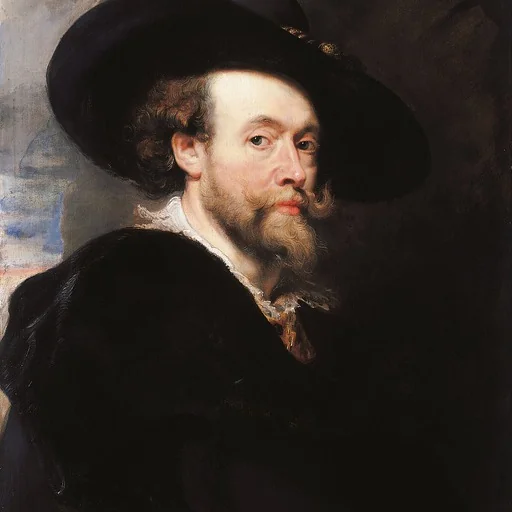
Sir Peter Paul Rubens ( ROO-bənz; Dutch:; 28 June 1577 – 30 May 1640) was a Flemish artist and diplomat.