Artwork
Woman Seated on a Mule
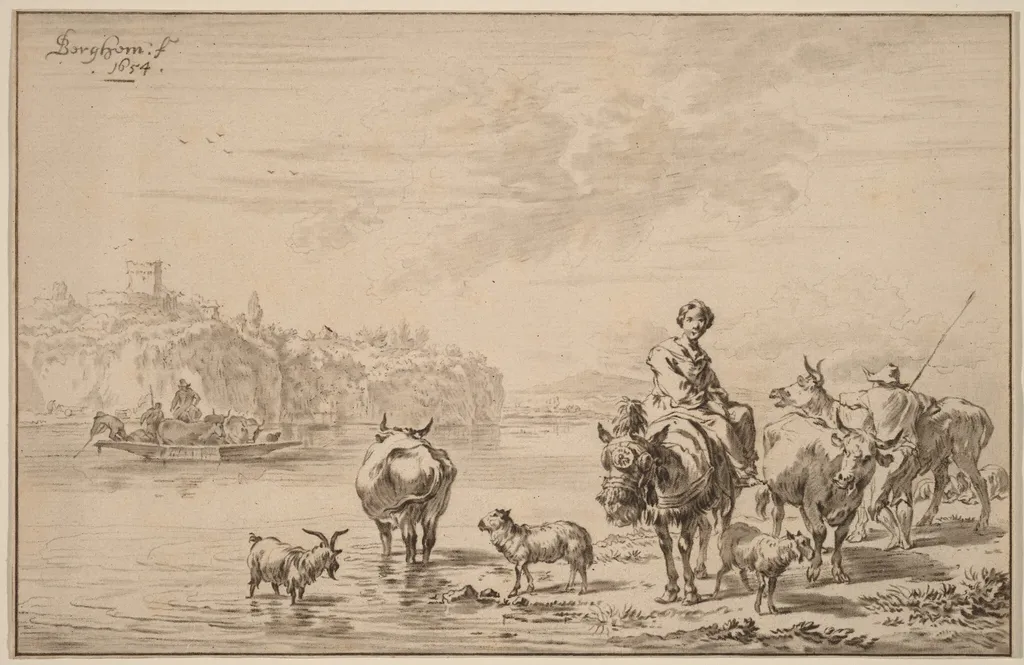
Woman Seated on a Mule is a chalk print by the Romanticist artist Cornelis Ploos van Amstel. It dates from 1769 and is held in the collection of the National Gallery of Art.
- Inscription
- Inscribed:upper left corner in image: Berghem.f / .1654.; verso in center in graphite: Aan myne / Vriend! / den Heere J Lublink d j / Door syn ed D... / Ploos v Amstel JC; verso along bottom in graphite: N. Berghem del 1654 / Ploos vAmstel F1765
- Markings
- Marked:verso: artist's mark (Eusman 7)
About this work
The artist used a technique called roulette printing, tiny dots made by rolling a spiked wheel, to create the dark outlines.
This sketch shows a woman riding a mule in shallow water, surrounded by cows, sheep, and a goat. In the background, a man leads more cattle, and another person rows a boat with animals. The scene is drawn in soft, sketchy lines with light shading, giving it a quiet, everyday feel.
The artist used a technique called roulette printing, tiny dots made by rolling a spiked wheel, to create the dark outlines. This method was common in the 18th century for quick, detailed sketches.
If you like this style, check out the National Gallery of Art, Washington, where this work is held.
Overview
Cornelis Ploos van Amstel’s 1769 print titled Woman Seated on a Mule is executed in chalk manner and roulette on laid paper. The work measures a modest sheet of paper and is rendered entirely in black ink, presenting a quiet rural tableau that captures a moment of everyday life in the Dutch countryside.
Subject & Meaning
The composition depicts a woman perched on a mule as it wades through shallow water, surrounded by a small herd of cows, sheep and a goat. In the distance a man guides additional cattle while another figure rows a boat carrying more animals, suggesting a bustling yet tranquil agrarian scene.
Technique & Style
Ploos van Amstel employed roulette printing, a method that uses a spiked wheel to produce a field of fine dots for outlining and shading. Combined with chalk manner, the technique yields soft, sketchy lines and subtle tonal variation, characteristic of eighteenth‑century preparatory drawings intended for rapid dissemination.
History & Provenance
The print was produced in 1769, a period when the artist was active in Amsterdam’s printmaking circles. It entered the collection of the National Gallery of Art in Washington, D.C., where it remains catalogued as part of the museum’s holdings of Dutch graphic works.
Context
During the mid‑1700s Dutch artists frequently documented rural labor and domestic scenes, reflecting both a nostalgic view of the countryside and an interest in genre subjects. Ploos van Amstel’s work aligns with this tradition, offering a visual record of everyday activities rather than an idealized landscape.
Own this work as a print
Artist & collection

 Portrait of Cornelis Ploos van Amstel
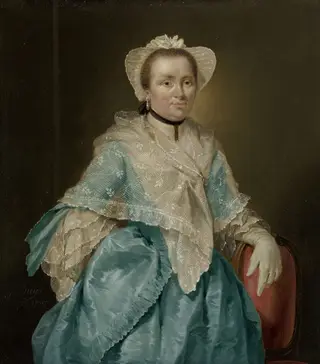 Portrait of Elisabeth Troost (1730-1790)
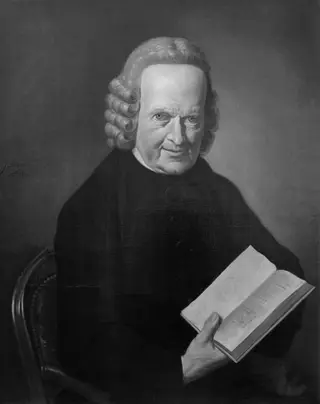 Johannes Monnikhoff (1707-1787)
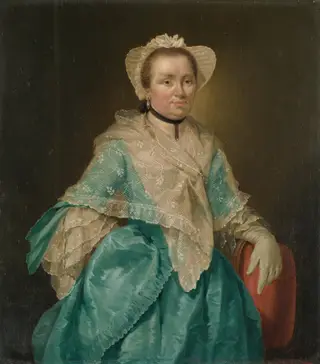 Portrait of Elisabeth Troost (1730-1790)
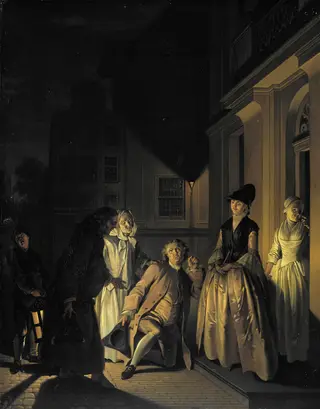 Scene from the Play 'Lubbert Lubbertse of de geadelde boer' by M. van Breda
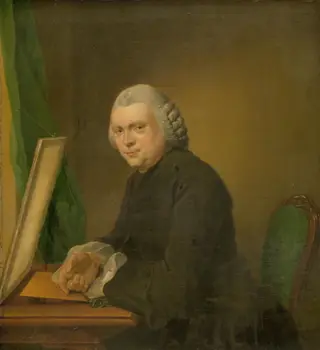 Portrait of Cornelis Ploos van Amstel
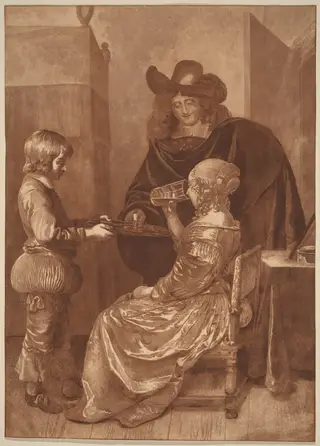 Cavalier and Lady with a Page
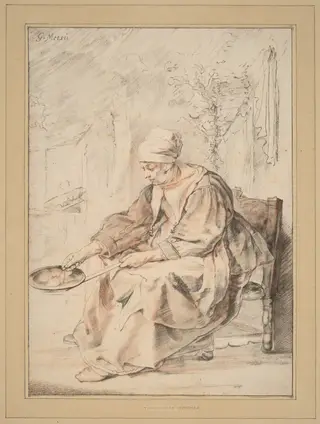 Pancake Woman
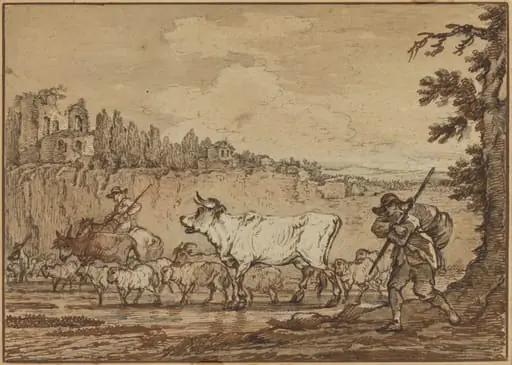 Herdsman Crossing a River
 Shepherd and Shepherdess with Their Flock
 Liber Veritatis: No. 42, A River Landscape with a Shepherd and Shepherdess and a Herd of Cattle
 Cow, Bull and Calf
 Shepherdess on a Donkey
 Cow Drinking
 The Dance on the River Bank (La danse au bord de l'eau)
 Two Goats Lying Down
 Cow Drinking
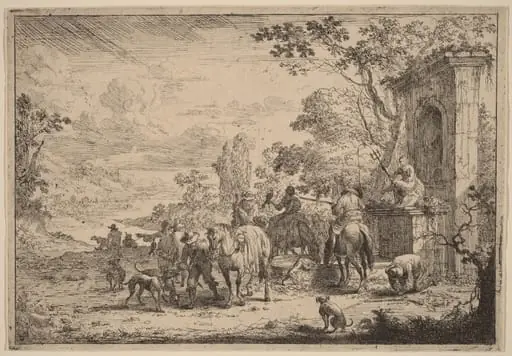 Huntsmen Resting
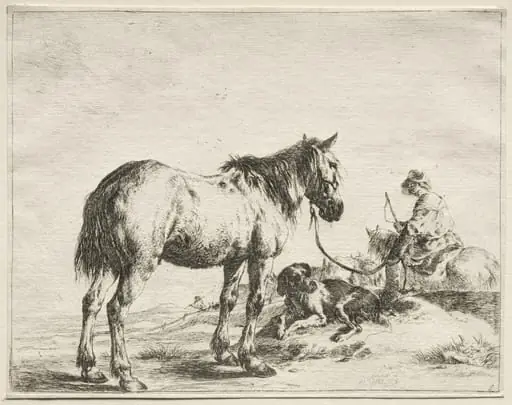 A Horse Fastened to a Stake
- Rock in the Middle of a River