Artwork
The fishwife
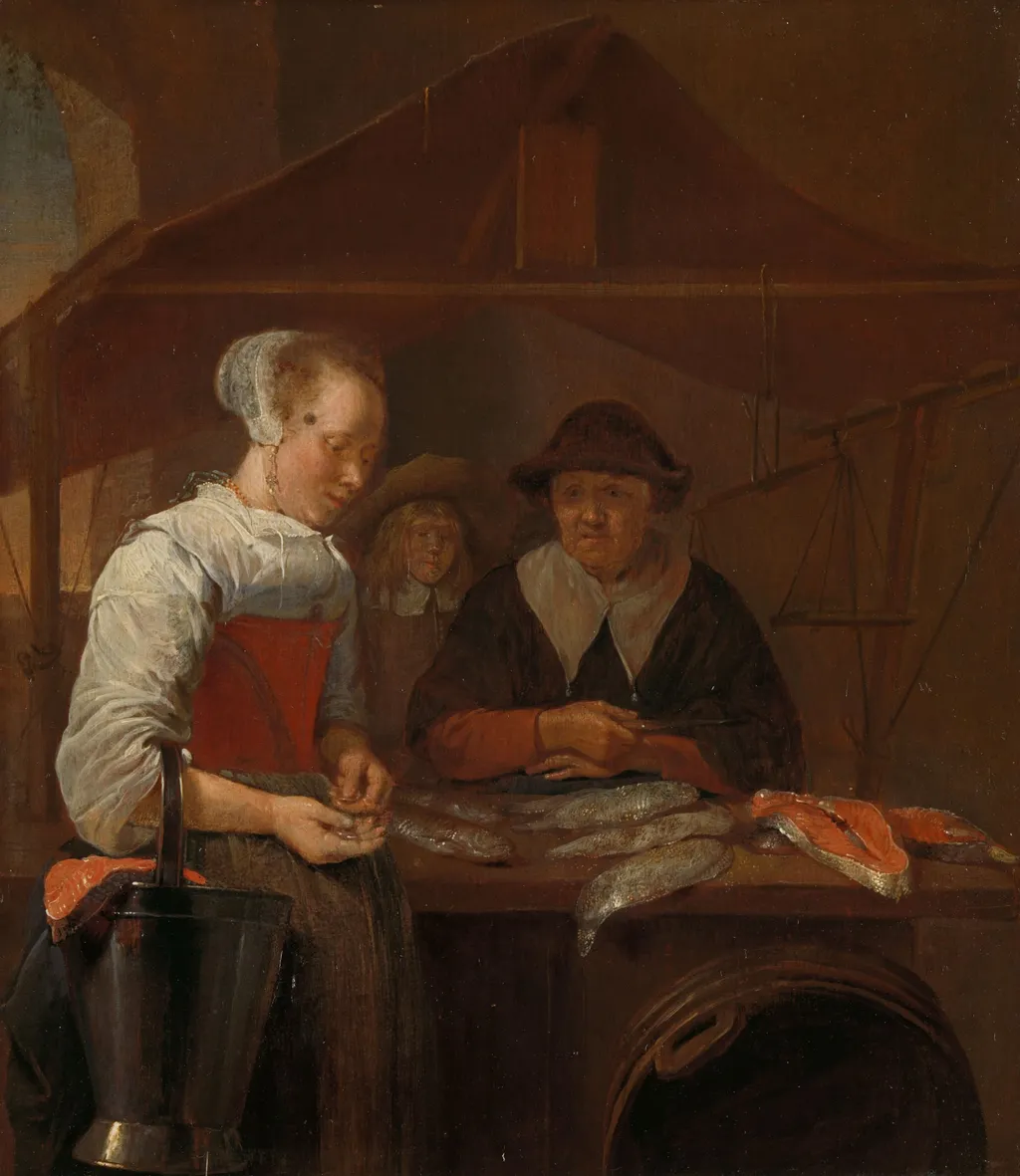
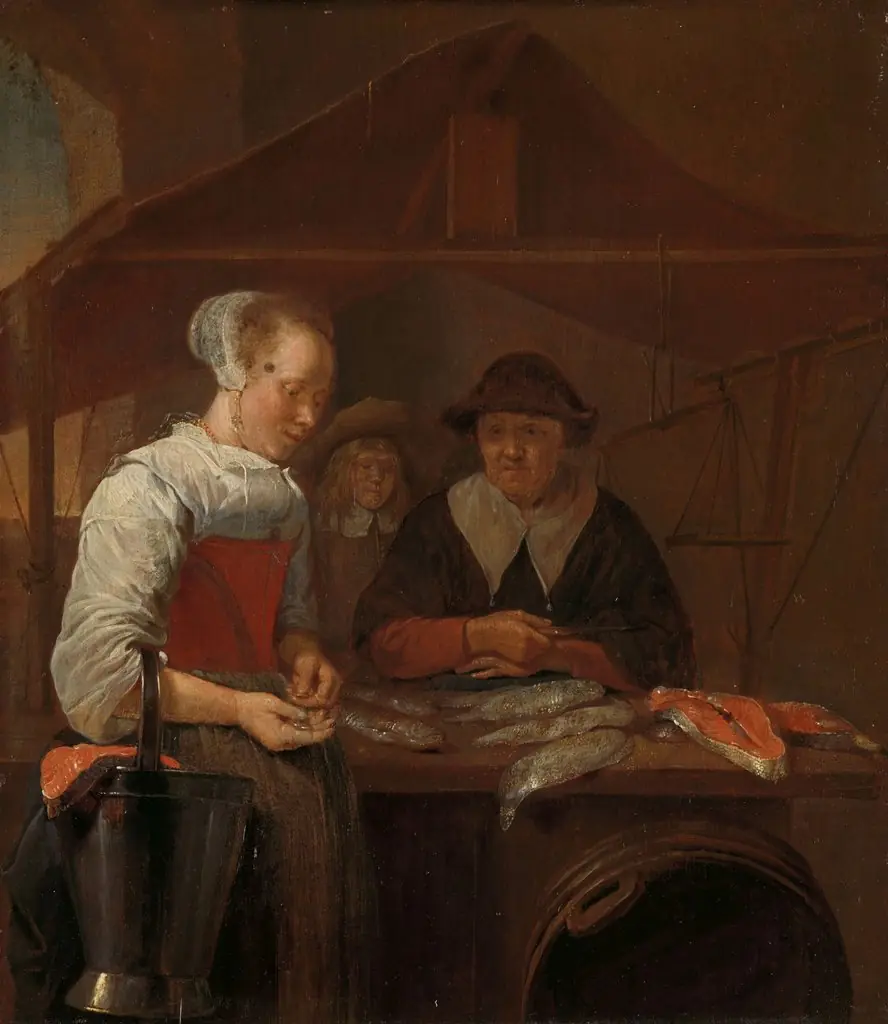
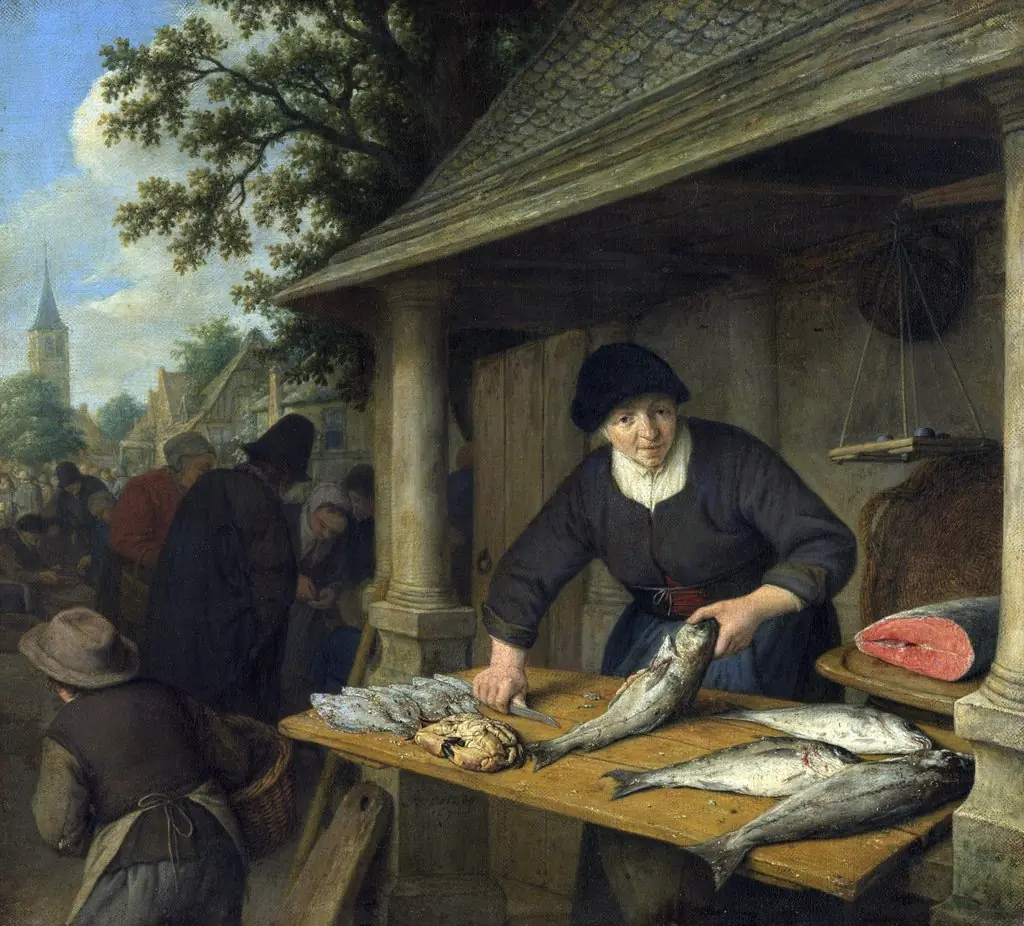
The fishwife is an unspecified painting by the Dutch Golden Age artist Quirijn van Brekelenkam. It dates from 1660 and is held in the collection of the Rijksmuseum. The work depicts a young woman in a dark apron standing at a fish stall, a bucket slung over her arm as she counts coins.
About this work
Subject & Meaning
The painting The fishwife depicts everyday commercial activity through its portrayal of a fishwife in a domestic interior, reflecting the social visibility of women who sold fish in 17th-century Dutch market culture. The subject functions as a genre scene emphasizing modest labor and household economy, where the figure’s occupation serves as both narrative detail and symbolic commentary on material sustenance. This representation aligns with broader trends in Dutch Baroque genre painting that elevated mundane trades to subjects of artistic contemplation, using domestic settings to explore themes of work, gender, and economic exchange without moralizing judgment. The iconography centers on the fishwife’s physical labor and spatial relationship to household objects, with the fish displayed as both commodity and domestic element. Symbolically, the work connects to contemporary Dutch civic values associating frugality and domestic order with moral virtue, while the figure’s modest attire and focused expression reinforce ideals of quiet diligence. The composition’s emphasis on tactile details, such as the texture of fish scales and woven baskets, elevates ordinary activity into a study of sensory realism characteristic of the Leiden school’s approach to genre painting. The meaning of The fishwife emerges through its integration of occupational specificity with broader cultural narratives about gendered labor and household economics. By situating the fishwife within a domestic interior rather than a public market, the painting reframes commercial activity as an intimate, almost sacred, part of home life. This framing reflects the artist’s engagement with the social fabric of Leiden, where such scenes celebrated the dignity of manual work while subtly commenting on the interdependence of family and economic survival in early modern Dutch society.
History & Provenance
A 1665 version resides in a private collection in Berlin, while the Museum Heylshof in Worms holds a work titled *The Fish Sale*.
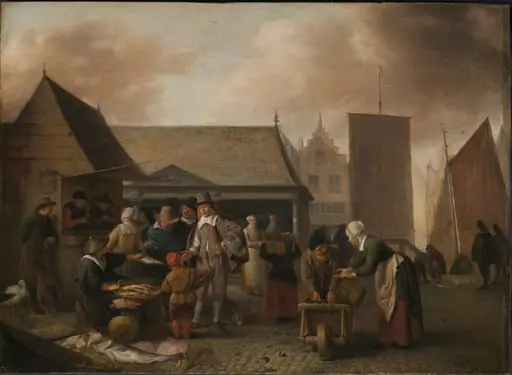
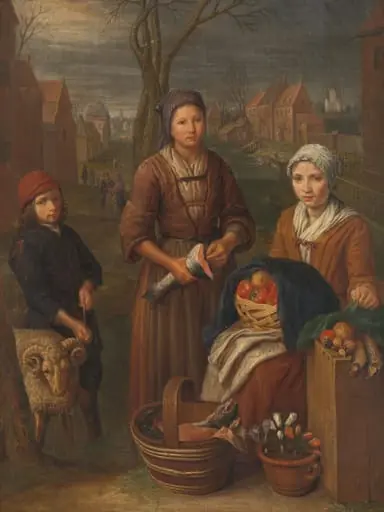
Quiringh van Brekelenkam's painting *The Fishwife* (or *Die Fischverkäuferin*) is held in multiple public and private collections, though specific accession numbers are not provided in the sources. The Suermondt-Ludwig-Museum in Aachen possesses a version of the work. Another iteration, dated 1664, is located at the Herzog Anton Ulrich-Museum in Braunschweig. A 1665 version resides in a private collection in Berlin, while the Museum Heylshof in Worms holds a work titled *The Fish Sale*. Additionally, the Leipzig Museum der bildenden Künste lists a 1666 version of the subject. The Rijksmuseum in Amsterdam also holds a painting titled *La femme du poissonnier* (The Fishwife's Wife), though the sources do not explicitly confirm if this is the same specific work as the others listed. No exhibition history or specific inventory numbers are detailed in the provided texts.
Context
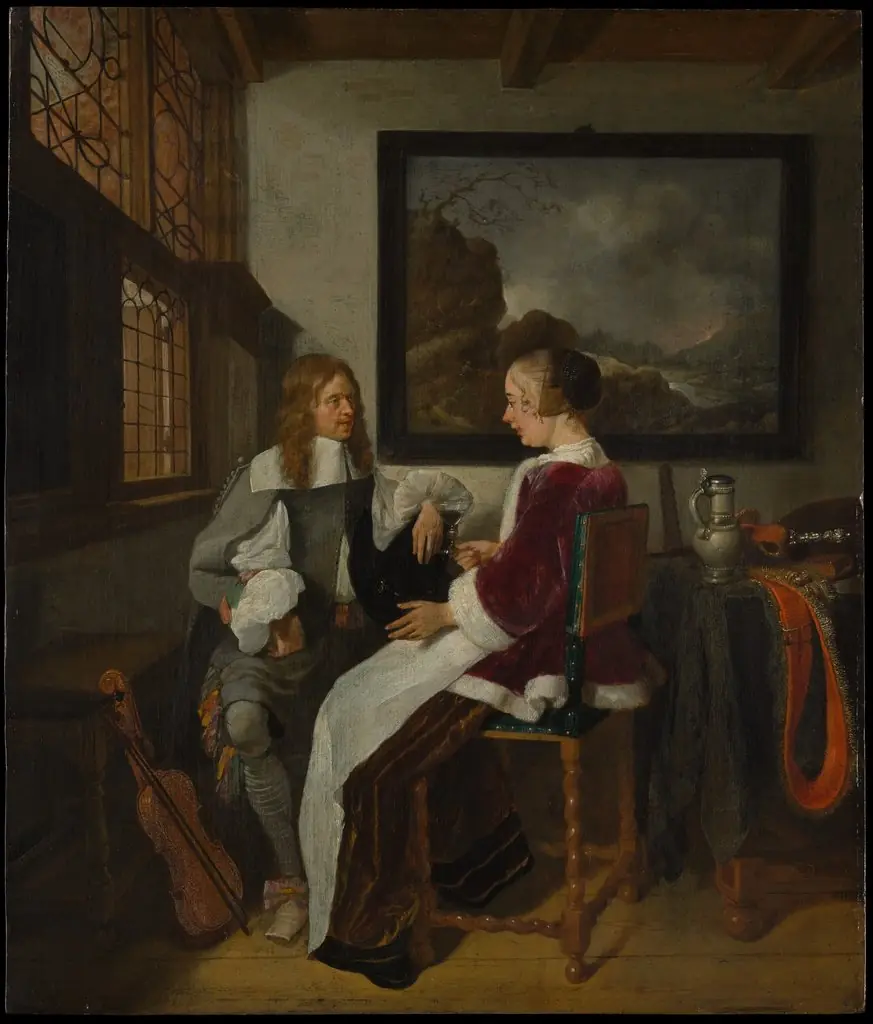
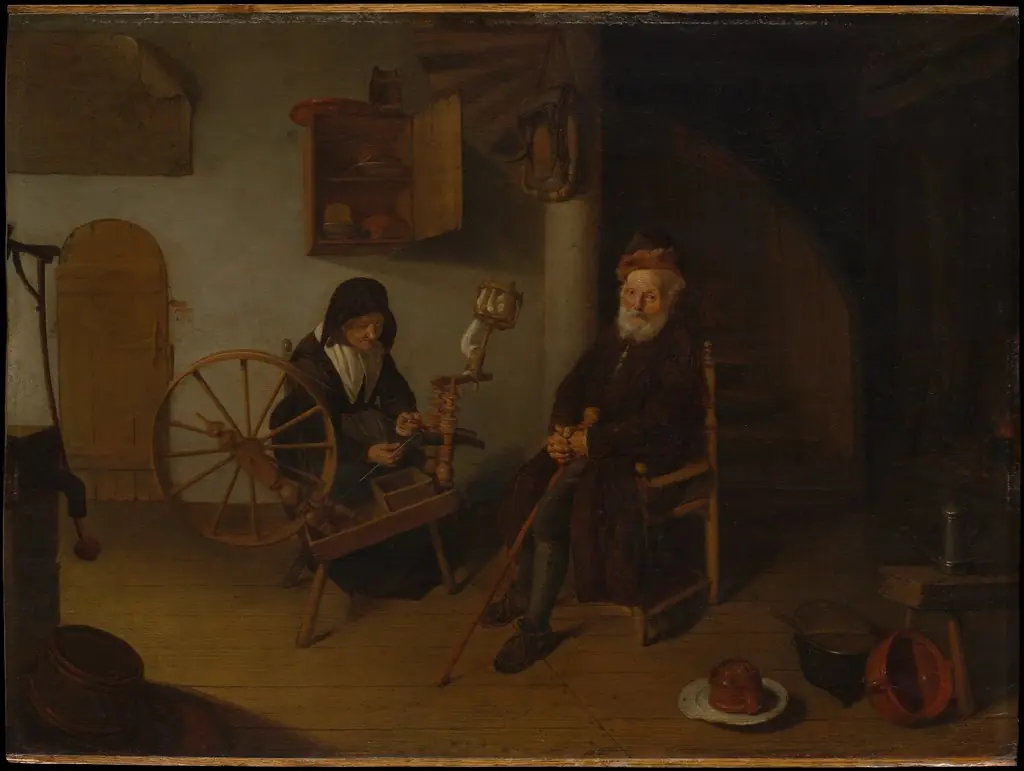
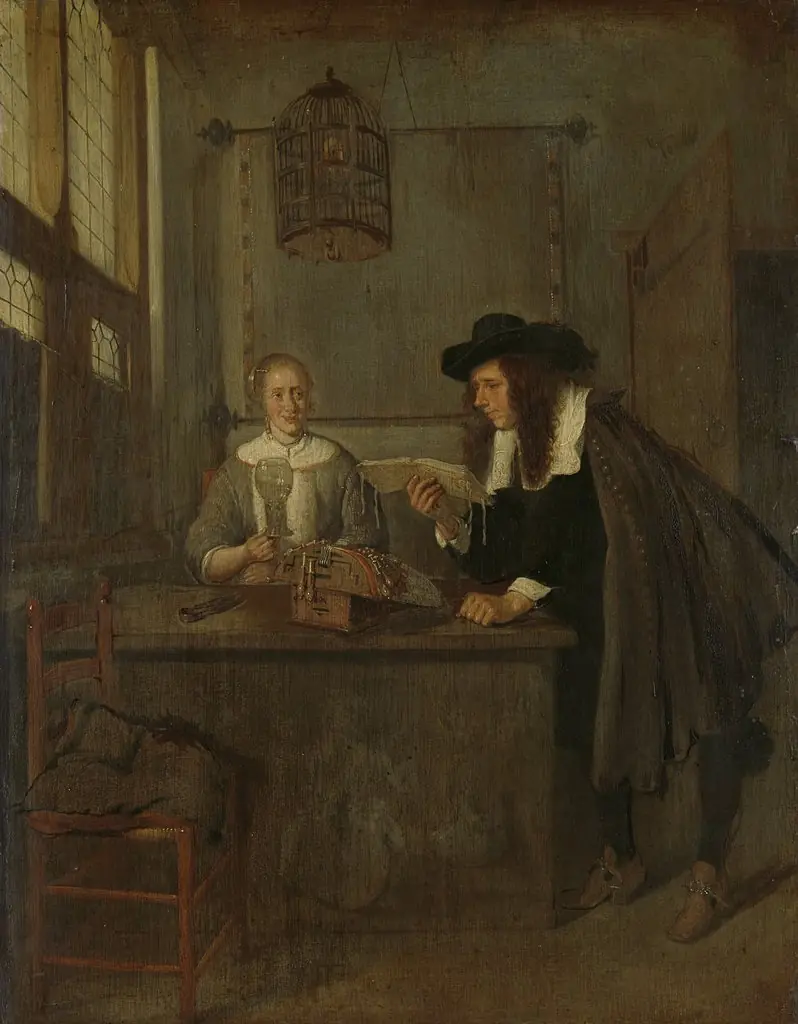
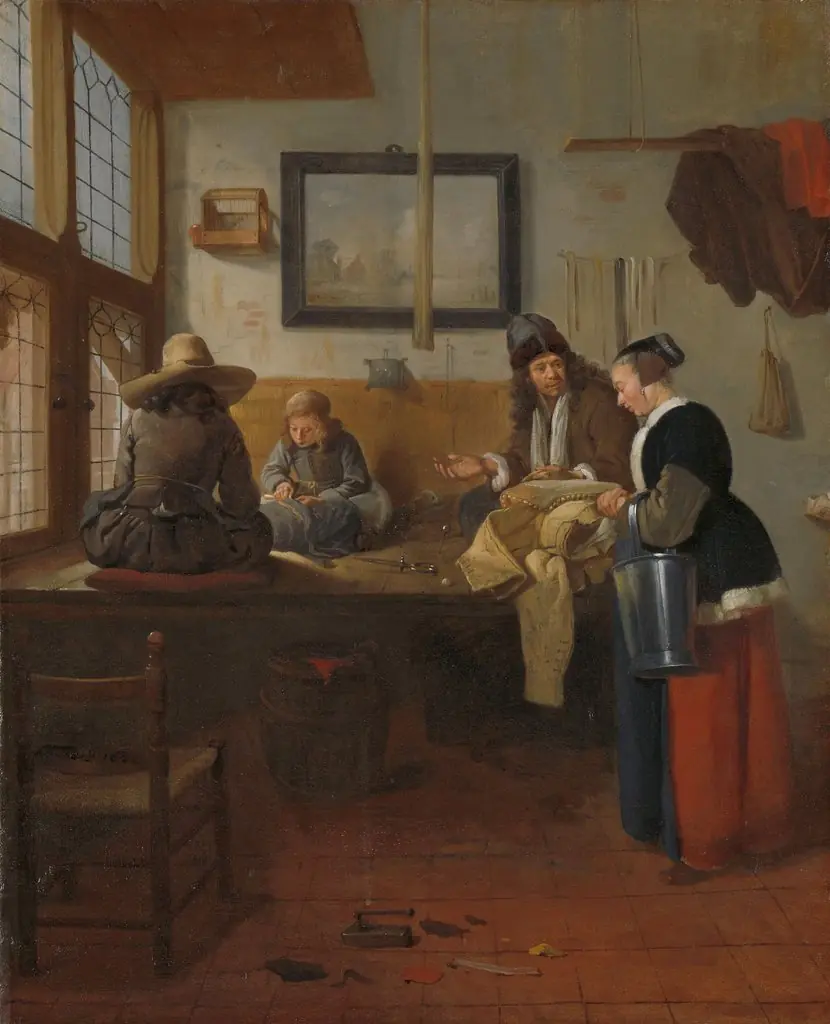
Quiringh Gerritsz van Brekelenkam worked within the Dutch Golden Age tradition of genre painting, focusing on domestic interiors and tradespeople. His subject matter included fish vendors, seamstress workshops, and quiet domestic scenes, often depicting women engaged in daily tasks such as sewing or reading. These works reflect the meticulous detail and domestic focus characteristic of the Leiden school, where he was active alongside contemporaries like Gerard Dou. His paintings frequently featured recurring motifs of household commerce and quiet interiors, with documented versions of similar scenes held in major collections including the Rijksmuseum and the Metropolitan Museum of Art.
Own this work as a print
Artist & collection
Artist
Quirijn or Quiringh Gerritsz van Brekelenkam (1622/29, Zwammerdam – 1669/79, Leiden) was a Dutch Baroque genre painter.