Artwork
The anatomy lesson of Dr. Joan Deijman
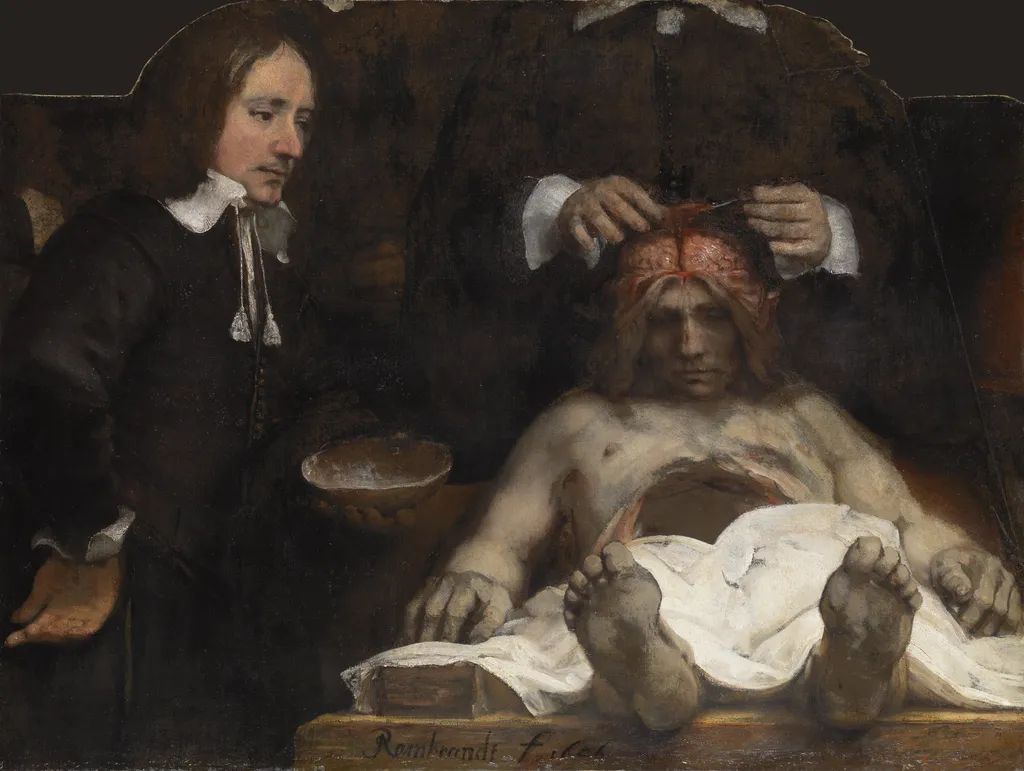
The anatomy lesson of Dr. Joan Deijman is an oil painting by the Dutch Golden Age artist Rembrandt van Rijn. It dates from 1656 and is held in the collection of the Rijksmuseum. Rembrandt’s 1656 oil painting, now housed in the Amsterdam Museum, depicts a medical demonstration in which Dr.
About this work
Rembrandt painted a group portrait showing a brain dissection led by Dr. Jan Deijman. It was started in 1656 in oil paint. Most of the original canvas burned in 1723.
The artist left enough for a clear scene. A sketch shows what got lost. The surviving work still gives a strong sense of the moment.
Look up the technique called chiaroscuro next.
Subject & Meaning
The firearm Fonteijn carried during the burglary was displayed above his head "for the edification of others," functioning as a moral warning.
The painting is a group portrait documenting a public anatomy lesson held under the Amsterdam surgeons' guild, in which Dr. Jan Deijman, the city's praelector anatomiae, performs a brain dissection on the cadaver of an executed criminal. The body on the table is that of Joris Fonteijn, nicknamed "Black Jan," a Flemish tailor and habitual offender hanged in January 1656 after a knife robbery; his body was released to the surgeons for three days of instruction.
Deijman's assistant, the surgeon Gijsbert Calkoen, stands to the left holding the removed top of the skull, with the brain's meninges exposed and the next step being a horizontal section. A black cloth draped over Calkoen's arm may have served to cover the corpse between sessions. The firearm Fonteijn carried during the burglary was displayed above his head "for the edification of others," functioning as a moral warning.
The corpse is rendered with exaggerated foreshortening, placing the viewer directly before the dissection table. This compositional device echoes Andrea Mantegna's Lamentation of Christ, a print of which Rembrandt owned, lending the scientific subject a resonance with traditional depictions of the dead Christ.
Technique & Style
Executed in 1656, this work is an oil painting on canvas. The surviving fragment measures 100 by 134 cm, a significant reduction from its original dimensions of approximately 2.45 meters in height and 3 meters in width. This size change resulted from a fire in 1723 that destroyed much of the canvas, necessitating that the painting be recut to its current state.
Stylistically, the composition employs exaggerated foreshortening for the corpse, creating an immersive perspective that places the viewer directly before the dissection table. This dramatic spatial arrangement draws a formal comparison to Andrea Mantegna's Lamentation of Christ, a composition Rembrandt likely knew through prints. Before its damage, the piece was noted for its coloristic qualities, which Sir Joshua Reynolds described as reminiscent of Titian.
History & Provenance
Rembrandt painted the work in 1656, commissioned by the Amsterdam Surgeons' Guild to commemorate Dr. Jan Deijman's first public anatomy lesson. The dissection subject was Joris Fonteijn, an executed criminal whose body was provided to the surgeons for three days of training in early 1656. Originally, the canvas was a massive group portrait measuring approximately 2.45 meters high by 3 meters wide, depicting Deijman and eight master surgeons.
It was initially installed in the anatomy hall of the Waag, alongside Rembrandt's earlier 1632 anatomy lesson. In 1660, the painting was moved to a new location, where a fire in 1723 destroyed most of the canvas. During subsequent restoration, the surviving fragment was recut to its present dimensions of 100 by 134 cm. A preparatory sketch documents the composition of the original full group.
The Anatomy Lesson of Dr. Joan Deijman is held in the Amsterdam Museum, where it is catalogued under the inventory number A 198 (acquired from the Amsterdam City Archives in 1885). The work entered public view during the 1898 exhibition "Late Rembrandt," mounted to celebrate the accession of Queen Wilhelmina, and later appeared in the joint Hermitage Amsterdam project with the Rijksmuseum. Its provenance includes an original commission by the Amsterdam surgeons' guild in 1656, a fire in 1723 that destroyed most of the canvas, and subsequent trimming to the present dimensions of 100 cm by 134 cm. The painting was displayed at the Rijksmuseum in the "Late Rembrandt" exhibition (8 September–31 October 1898) and has been part of the Amsterdam Museum collection since the 19th‑century acquisition.
Context
Scholars highlight the painting’s significance within Rembrandt’s oeuvre as a late exemplar of the Amsterdam anatomy‑lesson genre, executed in 1656 for the city’s Surgeons’ Guild and now a fragmentary survivor of the 1723 fire in the Waag that destroyed most of the original composition.
The work’s radical foreshortening and concentrated composition reflect Rembrandt’s engagement with contemporary anatomical pedagogy and with graphic precedents, notably Andrea Mantegna’s Lamentation of Christ, whose perspectival devices Rembrandt reinterpreted to stage an anatomist’s theater of knowledge. Critical writing emphasizes how the surviving fragment, reduced to the praelector Dr. Jan Deijman and his assistant Gijsbert Calkoen, condenses the historical moment when Dutch medical culture shifted from guild‑level craft to academic anatomy under praelectors like Deijman, successor to Nicolaes Tulp.
Subsequent reception has been shaped by loss: early modern praise of its “Titianesque” coloring, recorded by Joshua Reynolds, survives only in textual testimony, anchoring the fragment’s place in art‑historical memory as both a masterpiece and a poignant casualty of preservation history.
Legacy
Originally one of Rembrandt's most significant works, the painting's current fragmentary state and relative obscurity compared to his earlier anatomy lesson are direct consequences of a devastating fire in 1723. Before this event, Sir Joshua Reynolds viewed the complete canvas and praised its Titian-esque coloration. The work's dramatic foreshortening of the corpse is frequently analyzed for its visual parallel to Andrea Mantegna's Lamentation of Christ, a composition Rembrandt likely knew through prints.
Modern scholarship continues to examine the piece, with publications exploring its context from Rembrandt's era to contemporary interpretations involving artists like Damien Hirst.
Overview
Rembrandt’s 1656 oil painting, now housed in the Amsterdam Museum, depicts a medical demonstration in which Dr. Jan Deijman conducts a brain dissection. The work survives only as a reduced fragment; the original, larger composition was largely destroyed by fire in 1723 and later trimmed to its current size. Despite its incomplete state, the remaining canvas conveys the intensity of the scientific gathering.
Own this work as a print
Artist & collection

Artist
Rembrandt Harmenszoon van Rijn, known mononymously as Rembrandt, was a Dutch Golden Age painter, printmaker, and draughtsman.




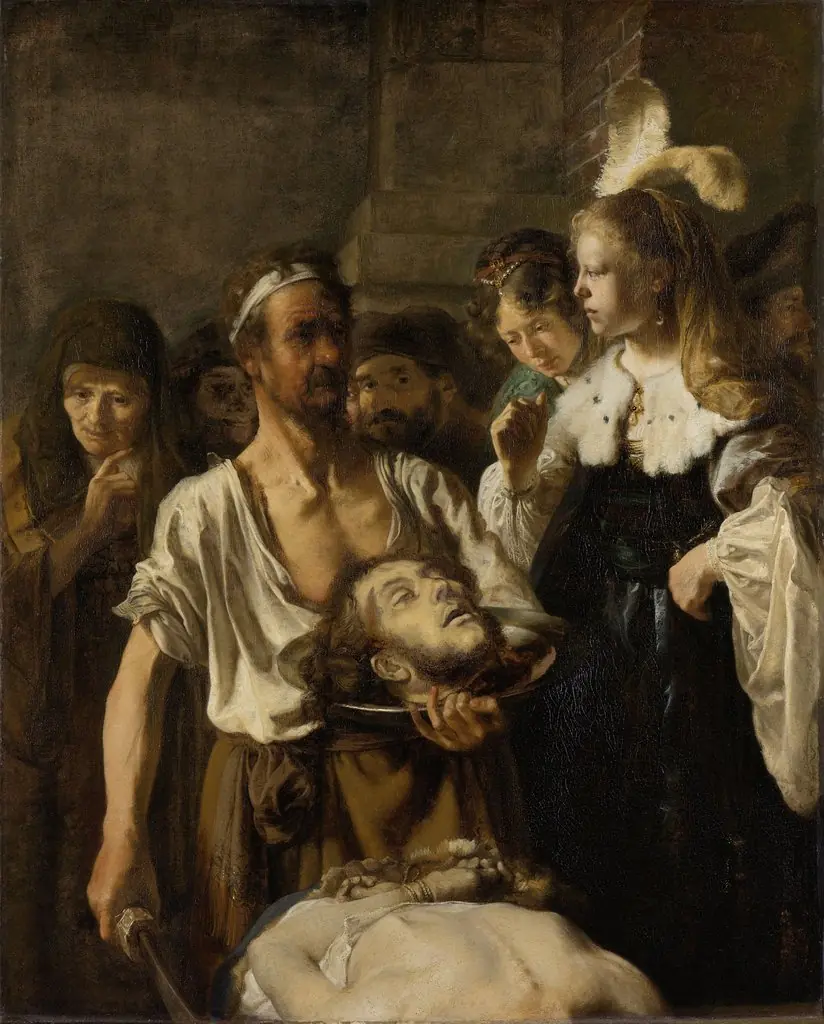 The beheading of John the Baptist
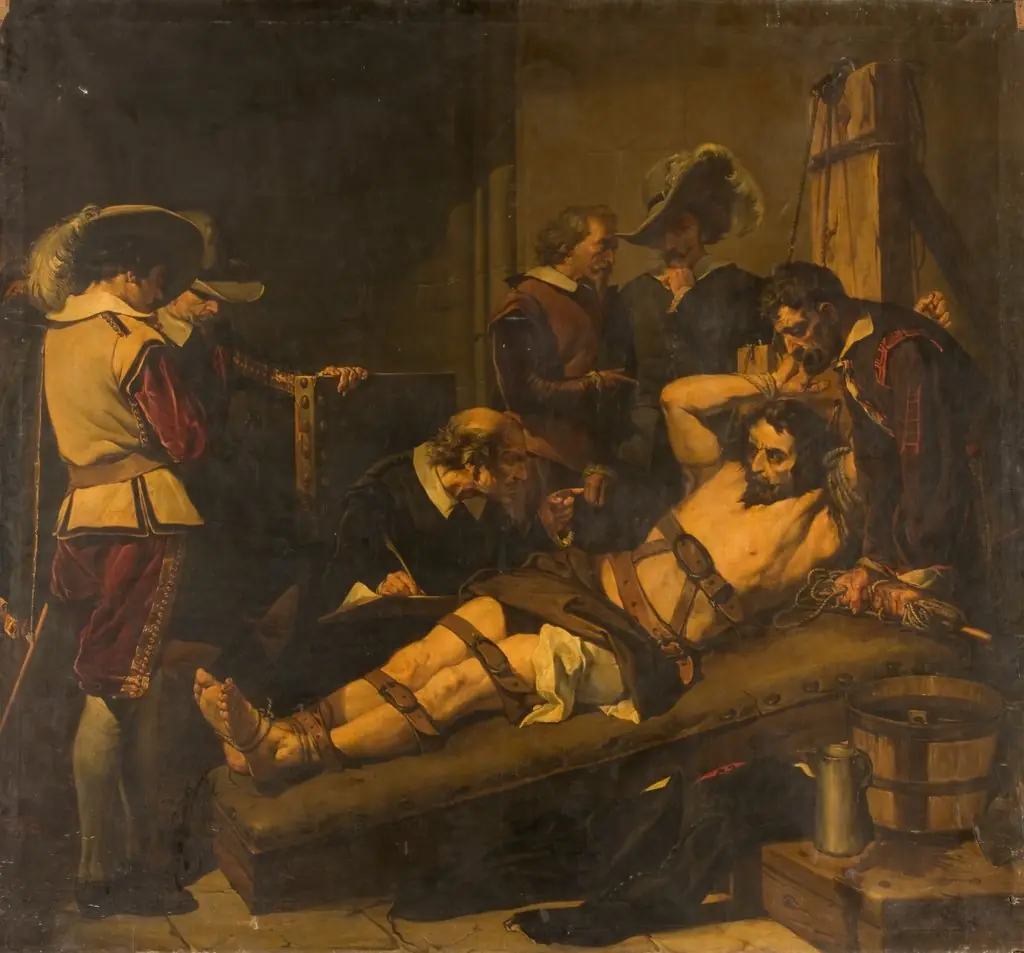 Don Rodrigo Calderón en el tormento
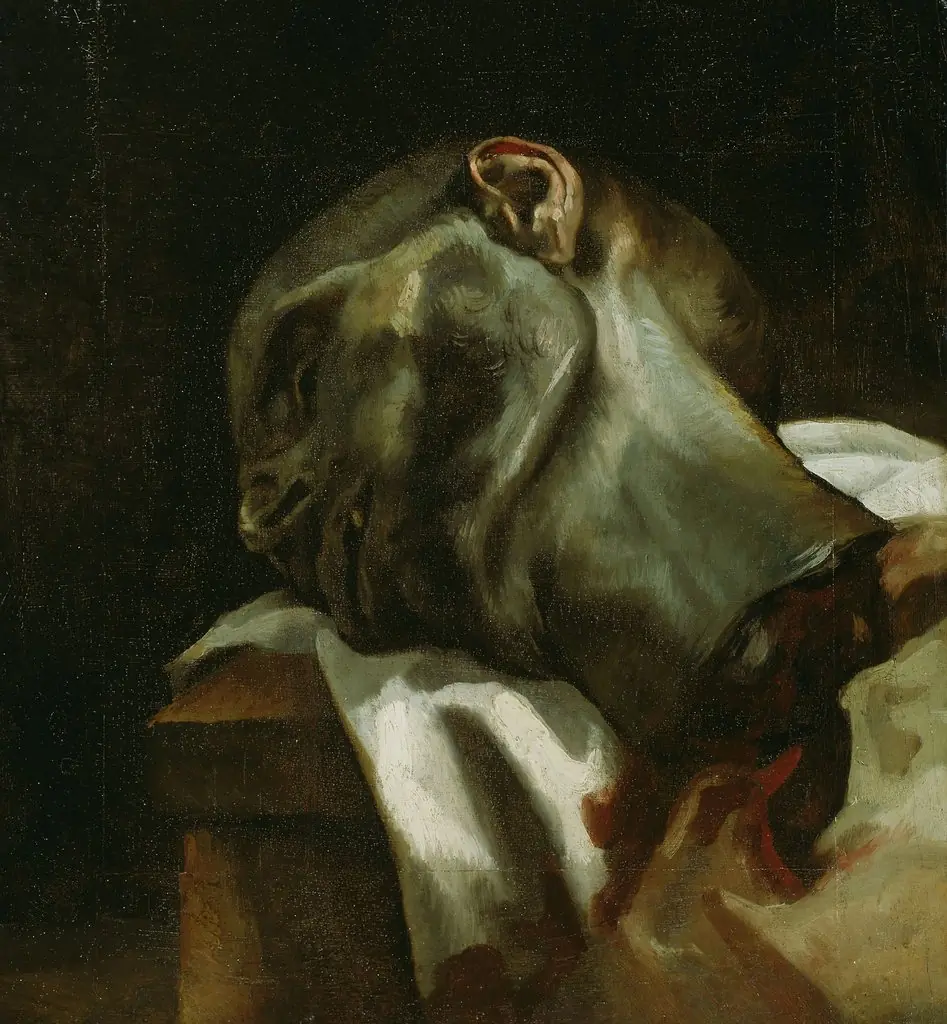 Head of a Guillotined Man
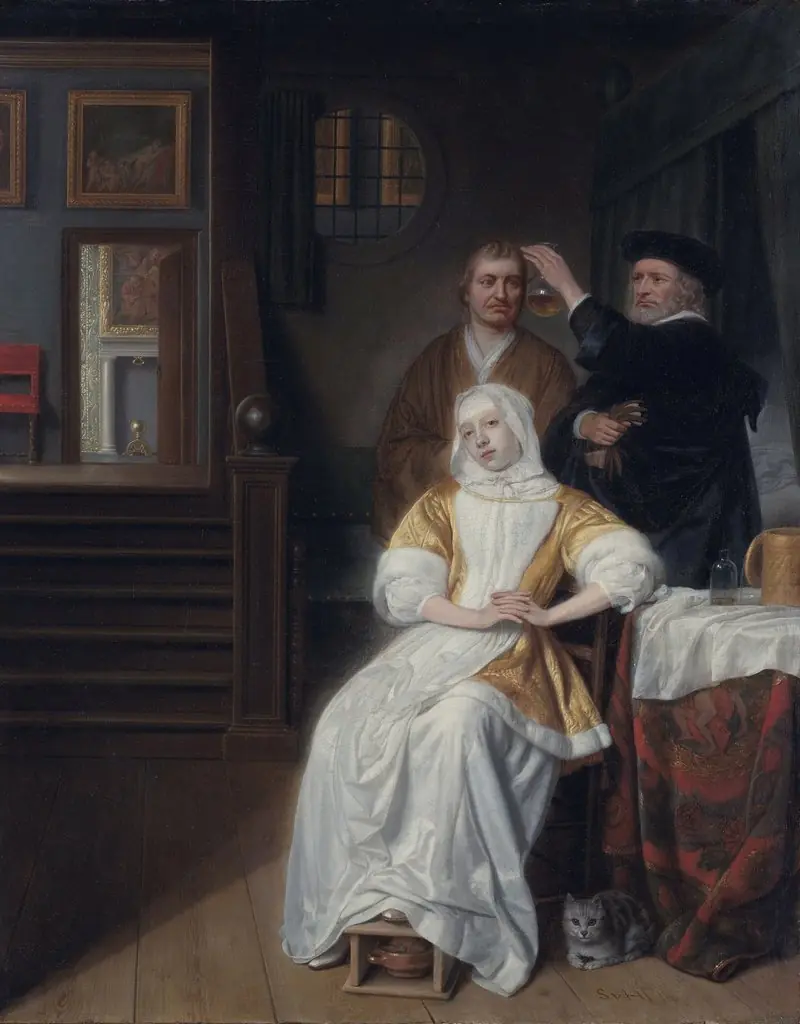 'The anemic lady'
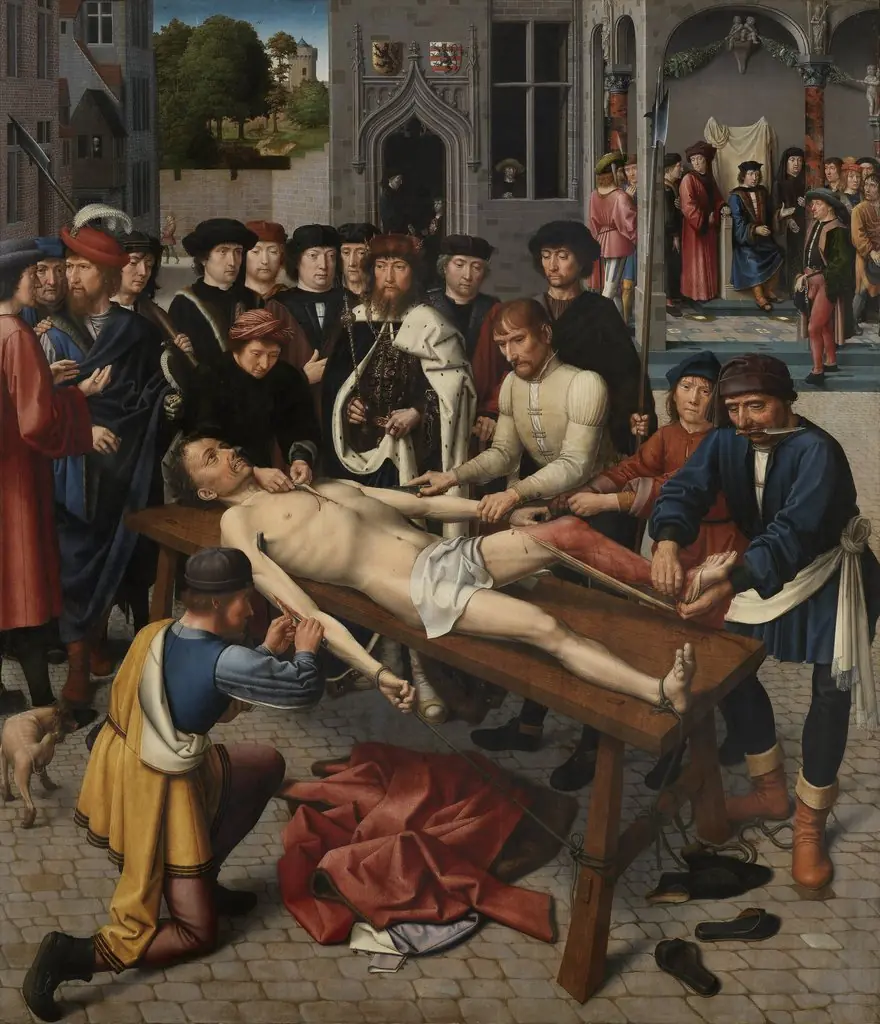 Judgement of Cambyses: The skinning of Sisamnes
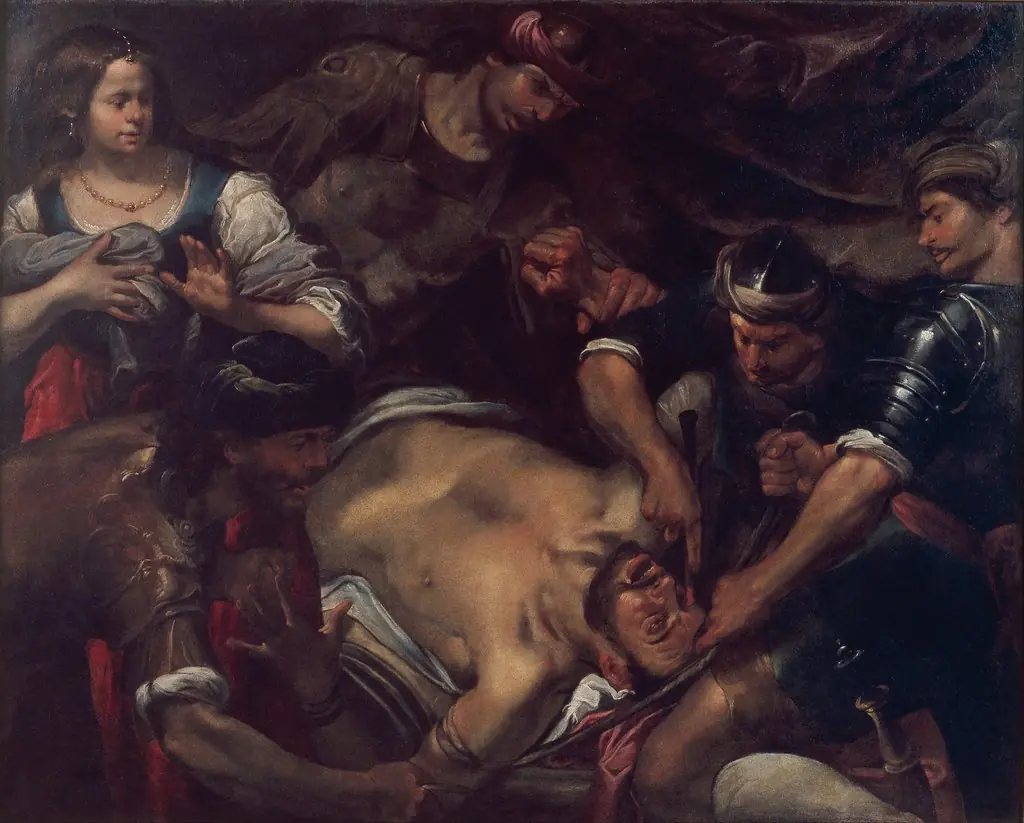 The Philistines Gouging out Samson's Eyes
 Skinned Head of an Ox
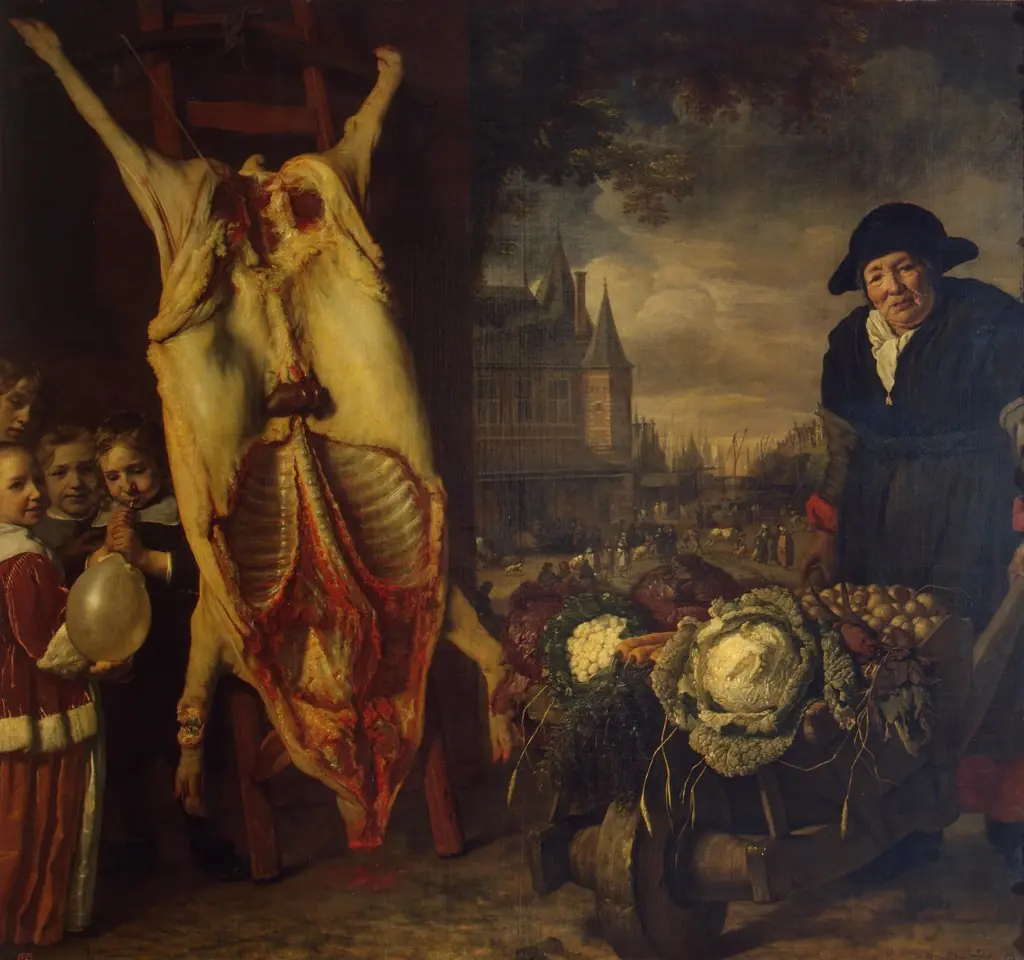 Nieuwmarkt in Amsterdam
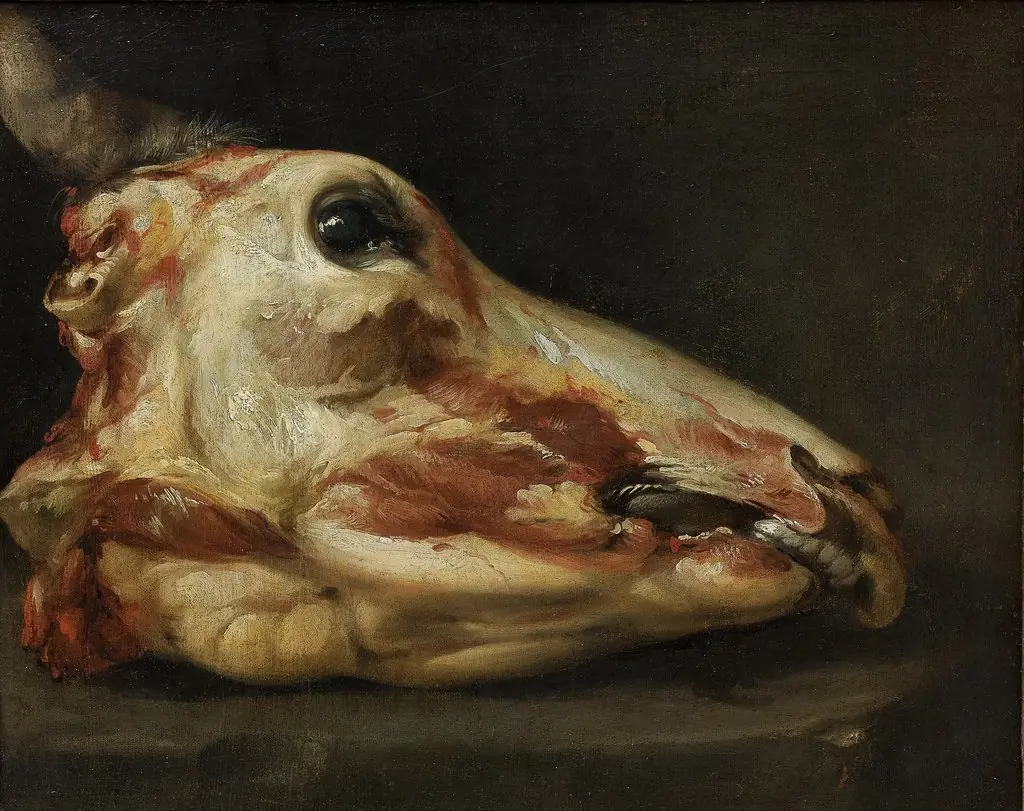 Skinned Head of a Young Bull
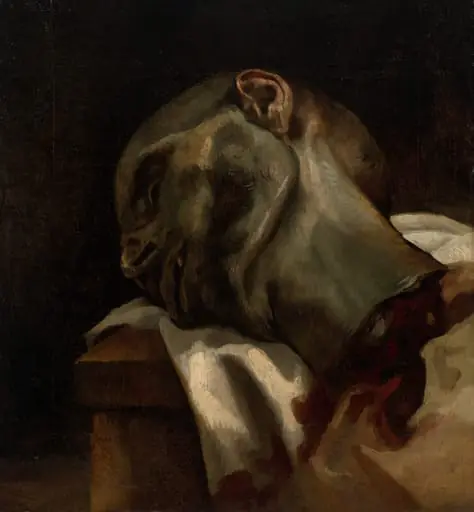 Head of a Guillotined Man
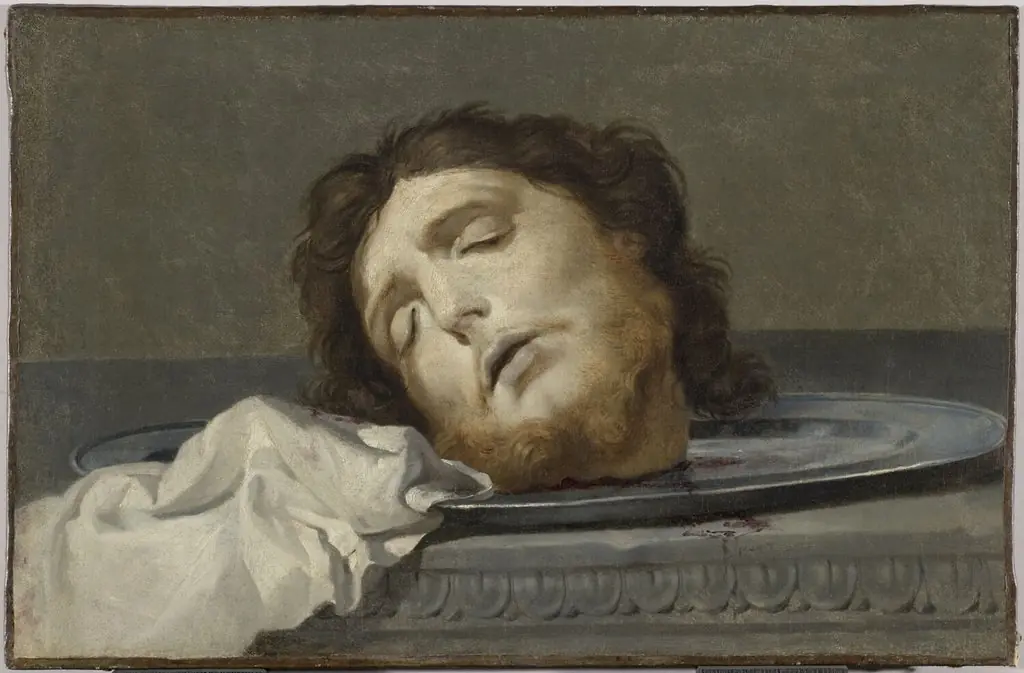 Le Chef de saint Jean-Baptiste
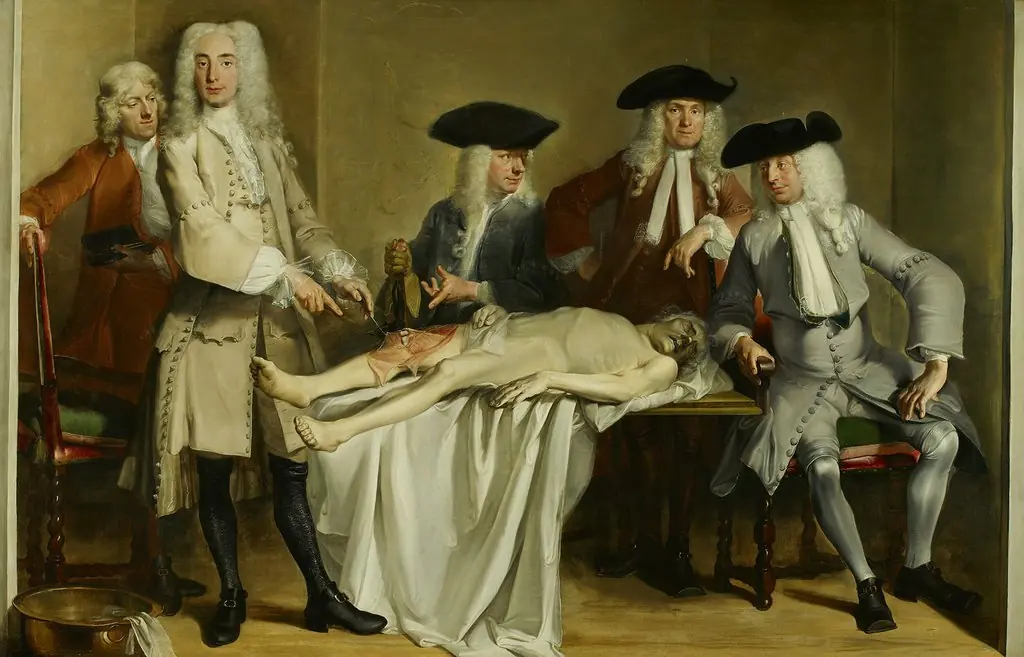
- Anatomy lesson of Dr Willem Röell.