Artwork
Shah Jahan
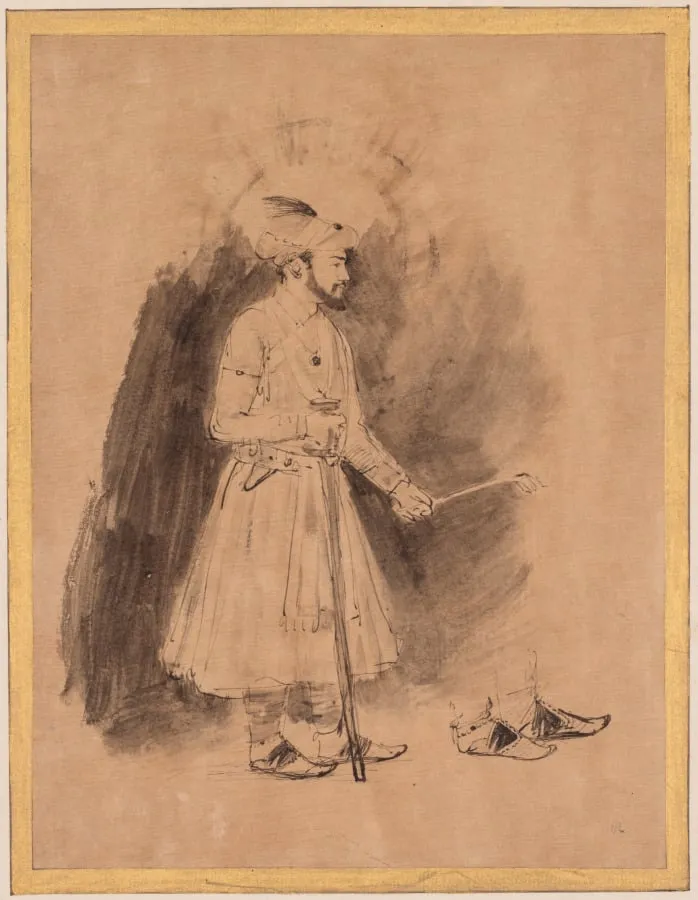
Shah Jahan is a drawing by the Baroque artist Rembrandt van Rijn. It dates from 1658 and is held in the collection of the Cleveland Museum of Art.
- Accession no.
- 1978.38
- Credit line
- Leonard C. Hanna Jr. Fund
About this work
Overview
Rembrandt created this drawing as part of a series of twenty-three works based on Mughal miniatures accessible in a Dutch album during the 1630s.
Rembrandt created this drawing as part of a series of twenty-three works based on Mughal miniatures accessible in a Dutch album during the 1630s. Though he never traveled to India or met Shah Jahan, he engaged deeply with the imported Indian imagery, translating its formal elegance into his own expressive idiom. The use of rare Japanese paper and refined penwork signals his respect for the source material, elevating the drawing beyond mere imitation.
Subject & Meaning
The portrait depicts Shah Jahan, the fifth Mughal emperor, depicted in profile wearing a turban and ornate robes, holding a flower, a symbol of courtly refinement. Rembrandt’s focus on the ruler’s facial expression and posture suggests an interest in individual presence rather than imperial iconography. The subtle nimbus formed by scraping the paper implies a spiritual or authoritative aura, adapted from Mughal conventions but rendered through a European lens.
Technique & Style
Rembrandt employed fine pen lines to define the face and footwear, contrasting with soft, translucent brown ink washes that suggest volume and atmosphere. He abandoned the miniature’s intricate detailing, opting instead for suggestive, economical strokes that convey immediacy. The deliberate scraping of the paper to form a halo-like shape around the head demonstrates his experimental approach, merging Mughal symbolism with his own mastery of light and texture.
History & Provenance
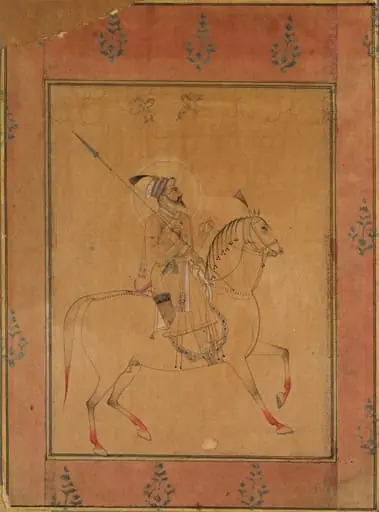
The original Mughal miniature that inspired this drawing was part of an album that circulated in the Netherlands during the early 17th century. By the 1700s, the album had been disassembled; the source image is now held at Schloss Schönbrunn in Vienna. Rembrandt’s drawing remained in European collections, preserved as a testament to cross-cultural artistic exchange during the Dutch Golden Age.
Context
In the 1630s, European collectors increasingly acquired Indian and Persian artworks through trade networks. Rembrandt, like other artists in Amsterdam, had access to these exotic materials, which challenged prevailing European conventions of representation. His engagement with Mughal miniatures reflects a broader curiosity about non-Western visual cultures, treated not as curiosities but as legitimate sources of artistic inquiry.
Legacy
This drawing stands as a rare example of a European artist interpreting South Asian portraiture with intellectual seriousness. Rather than exoticizing the subject, Rembrandt sought to capture psychological presence, bridging stylistic divides. His approach influenced later European engagements with non-Western art, establishing a precedent for respectful adaptation over superficial imitation.
Artist & collection

Artist
Rembrandt Harmenszoon van Rijn, known mononymously as Rembrandt, was a Dutch Golden Age painter, printmaker, and draughtsman.

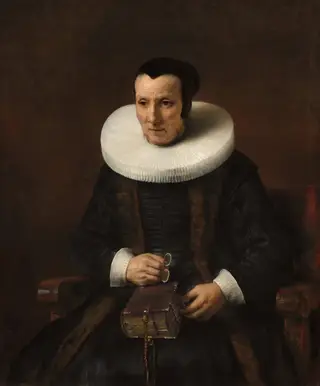
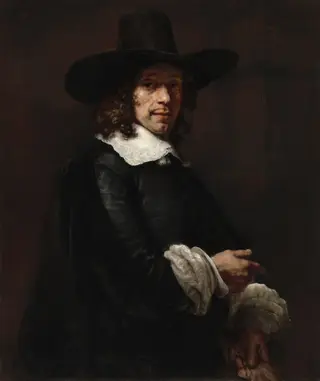
- Emperor Shah Jahan
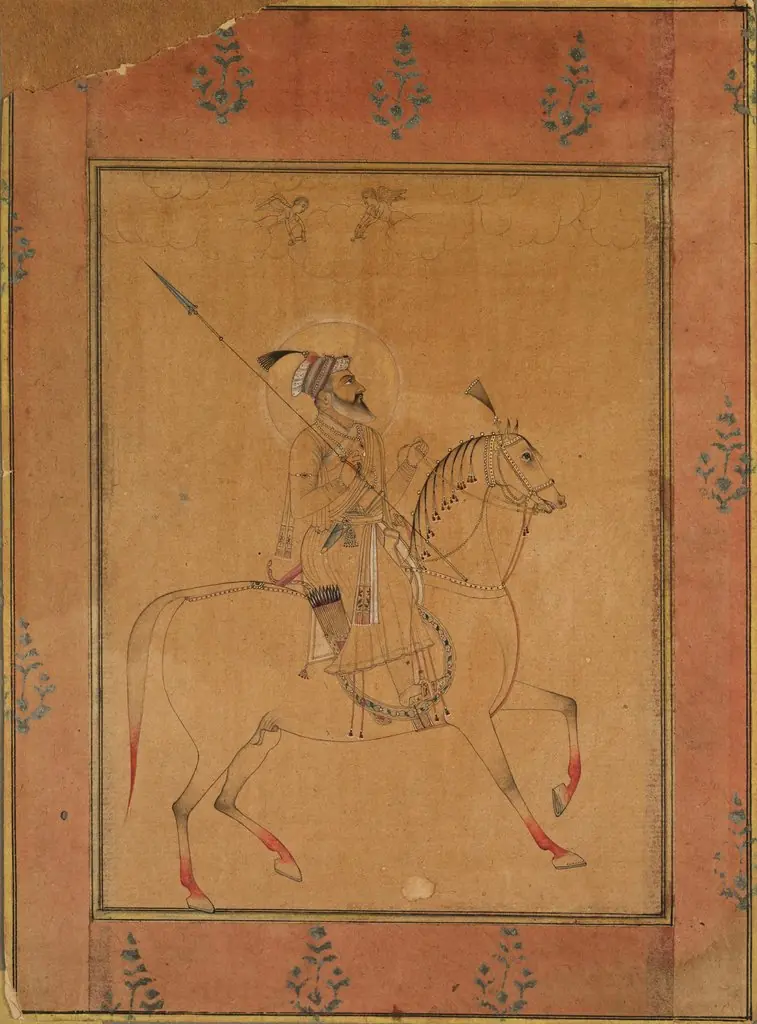 Emperor Shah Jahan
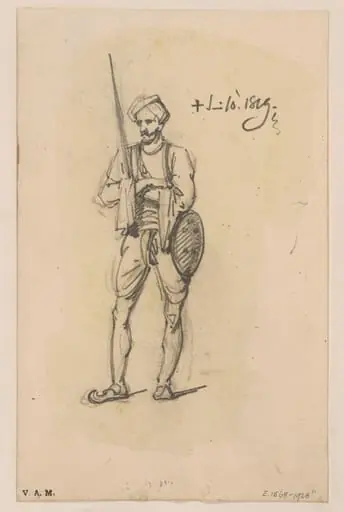 An Indian chowkidar
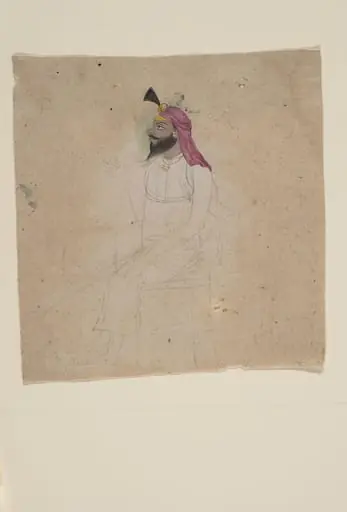 Untitled
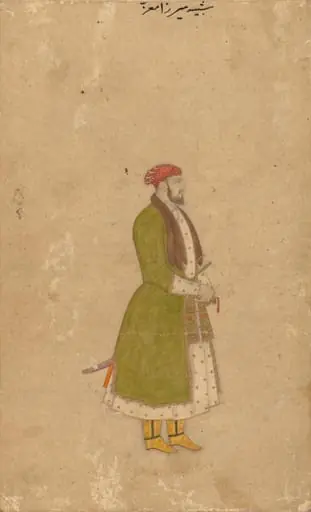 Portrait of the Courtier Mirza Muizz
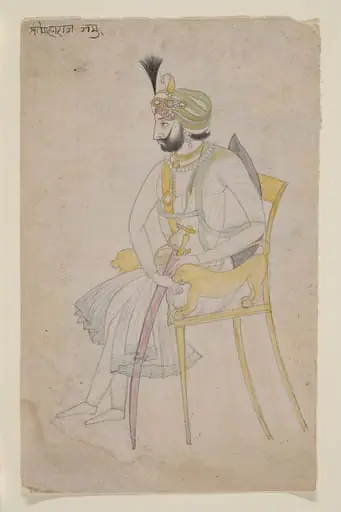 Untitled
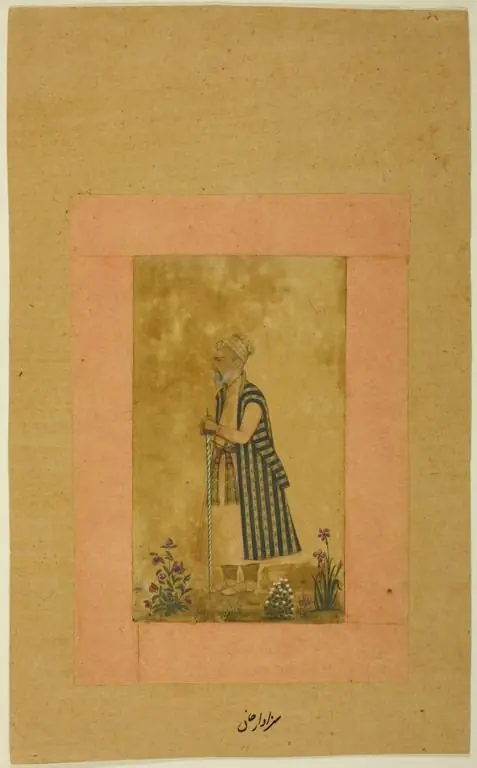 Portrait of an Aged Courtier
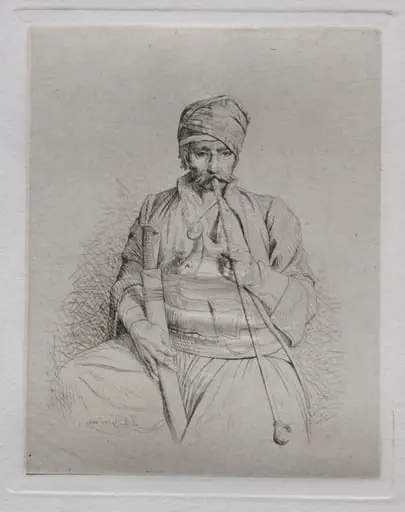 Egyptian Smoker
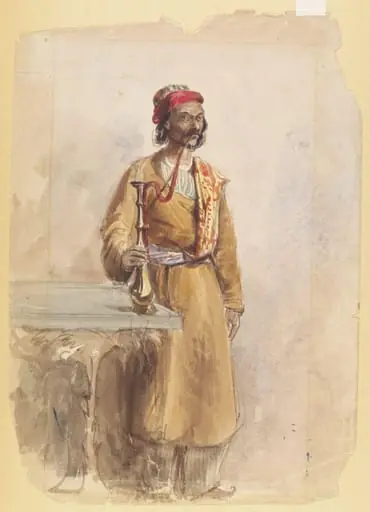 Figure of an oriental Man, full-length, smoking a hookah
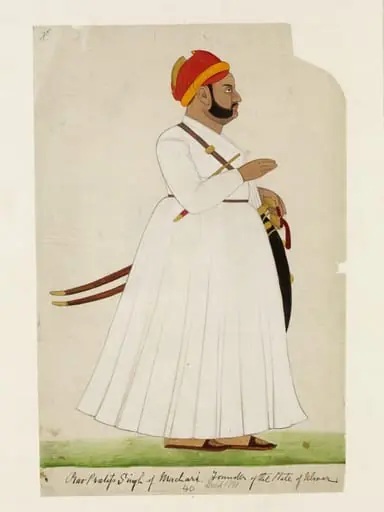 Rao Pratap Singh
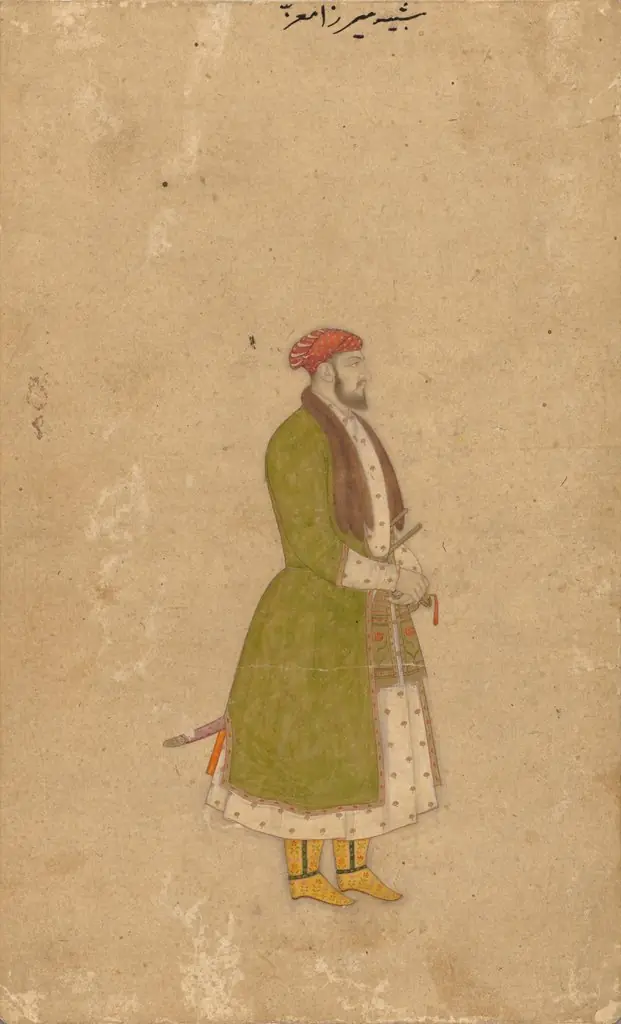 Portrait of the Courtier Mirza Muizz
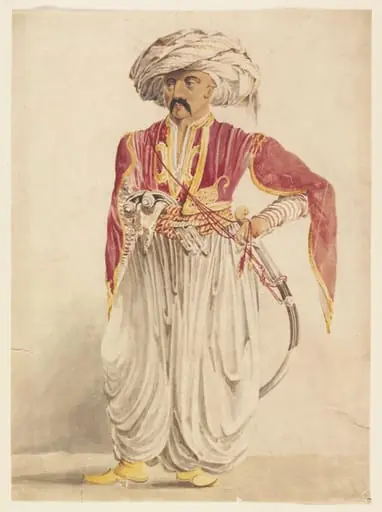 Figure of a Man in Turkish Military Costume