Artwork
Polycrates' Crucifixion
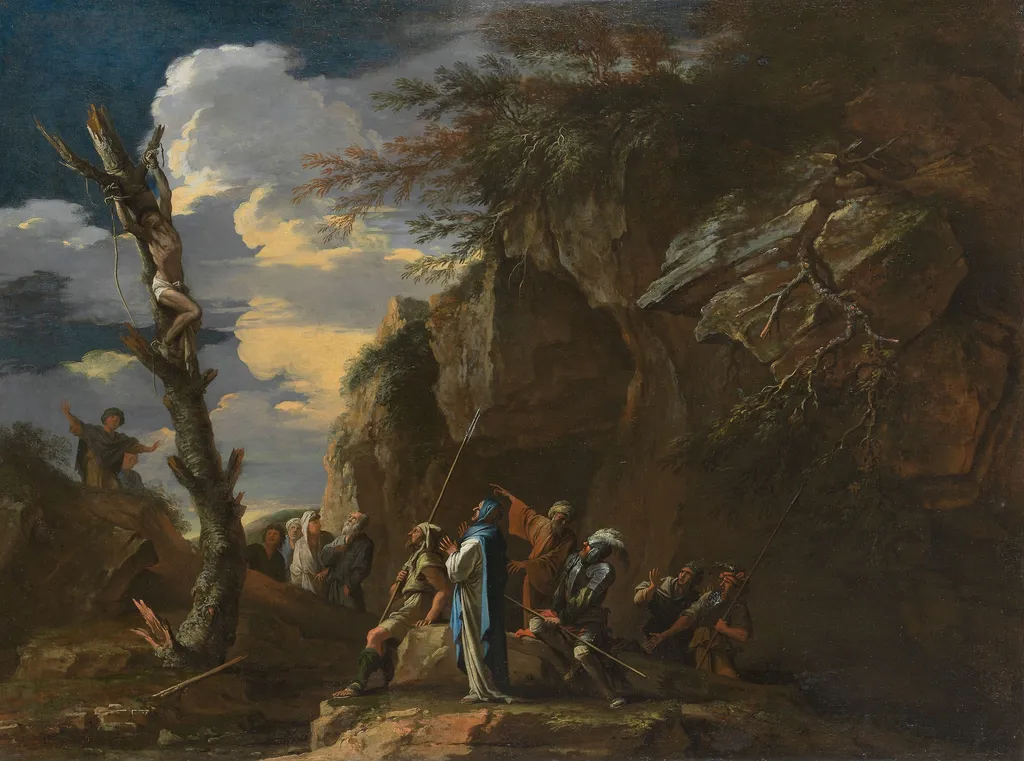
Polycrates' Crucifixion is an oil painting by the Early Baroque Italian artist Salvator Rosa. It dates from 1664 and is held in the collection of the Art Institute of Chicago.
About this work
Overview
The painting reflects his engagement with Baroque themes of suffering and spectacle, rendered through intense emotional and visual contrasts.
Painted in 1664, Polycrates' Crucifixion is an oil-on-canvas work by Salvator Rosa, executed during his mature period in southern Italy. Though titled with a reference to the ancient tyrant Polycrates, the scene diverges from historical narrative, instead presenting a stylized crucifixion that blends religious iconography with Rosa’s signature dramatic sensibility. The painting reflects his engagement with Baroque themes of suffering and spectacle, rendered through intense emotional and visual contrasts.
Subject & Meaning
The painting portrays a solitary figure crucified on a gnarled tree trunk, his body exposed and arms stretched upward in a gesture of anguish or supplication. Around him, a group of onlookers react with visible distress, their postures amplifying the scene’s emotional weight. While the title alludes to Polycrates of Samos, the imagery lacks specific historical markers, suggesting Rosa intended a universal meditation on injustice, martyrdom, or divine abandonment rather than a literal biography.
Technique & Style
Rosa employs chiaroscuro with deliberate force, carving forms from deep shadow and sharp light that fall diagonally across the composition. The figure’s torso catches a slanting glow, contrasting with the obscurity of the crowd and the jagged terrain behind. Brushwork is vigorous yet controlled, particularly in the rendering of foliage and rock, where texture is built through layered strokes. The sky, thick with turbulent clouds, adds to the painting’s sense of impending doom.
History & Provenance
Commissioned during Rosa’s time in Naples, the painting entered private collections in Italy before being acquired by the Galleria Nazionale d'Arte Antica in Rome, where it remains today. Its attribution has remained consistent since the 17th century, supported by stylistic parallels to Rosa’s other works from the 1660s. No significant alterations or restorations are documented, preserving the original tonal dynamics and compositional balance.
Context
Rosa worked amid a cultural climate in which religious subjects were often infused with personal or political allegory. His reputation as a painter of wild landscapes and morally complex scenes set him apart from more conventional religious artists. In this period, Naples was a hub of Counter-Reformation art, yet Rosa’s approach, marked by emotional intensity and naturalistic detail, reflected his individualist stance and literary interests, particularly in tragic themes from classical antiquity.
Legacy
Though less widely known than his landscapes, Polycrates' Crucifixion exemplifies Rosa’s unique fusion of history painting and emotional realism. It influenced later artists drawn to psychological depth in religious scenes and contributed to the evolution of Baroque drama beyond ecclesiastical norms. The painting endures as a testament to Rosa’s refusal to conform to idealized piety, instead offering a raw, human confrontation with suffering.
Own this work as a print
Artist & collection
Artist
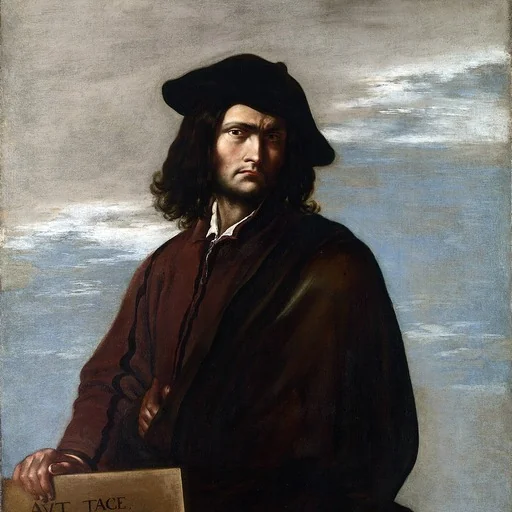
Salvator Rosa (1615 – 15 March 1673) is best known today as an Italian Baroque painter, whose romanticised landscapes and history paintings, often set in dark and untamed nature, exerted considerable influence from the 17th century into…

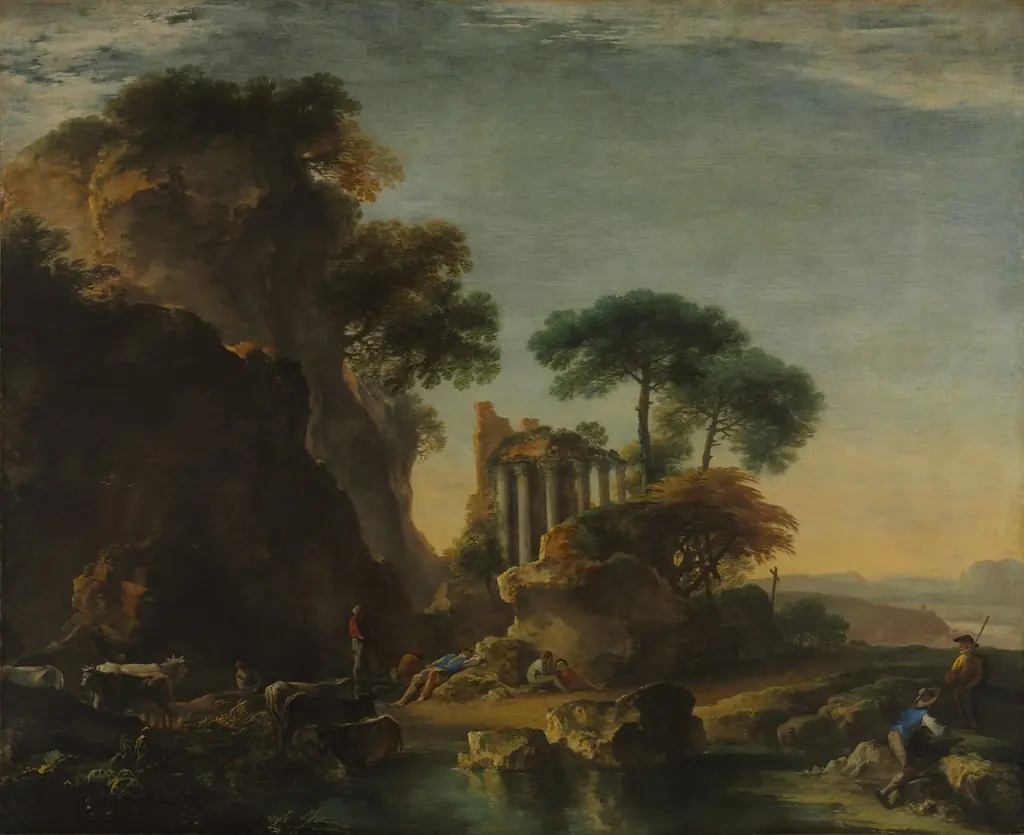
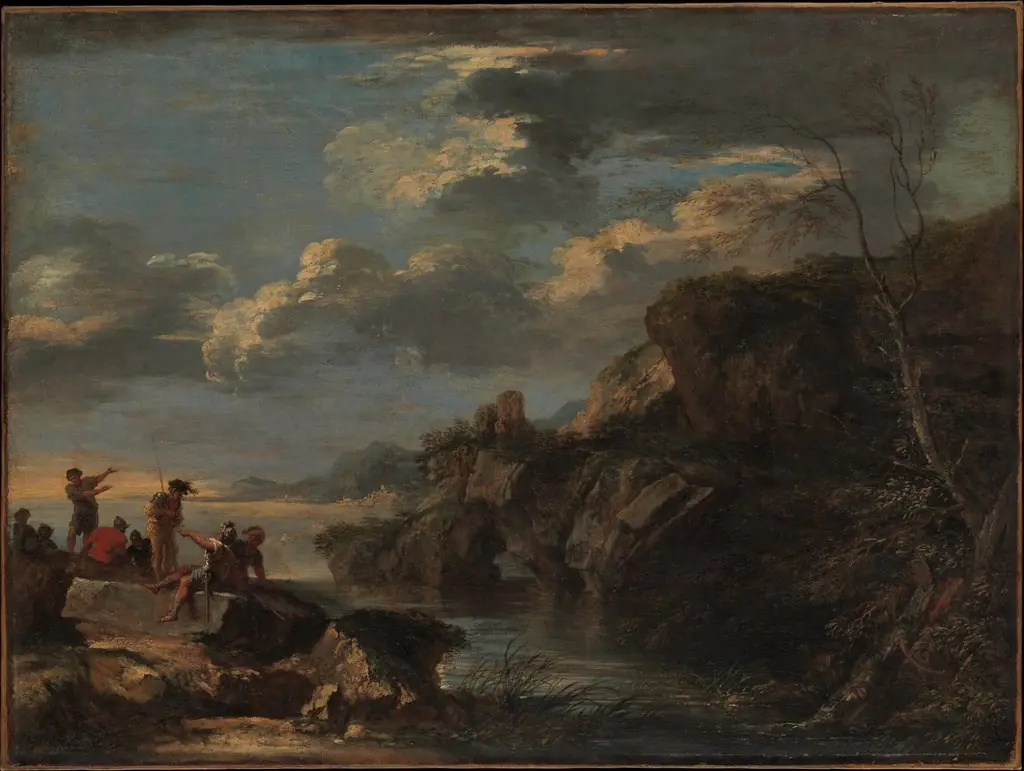
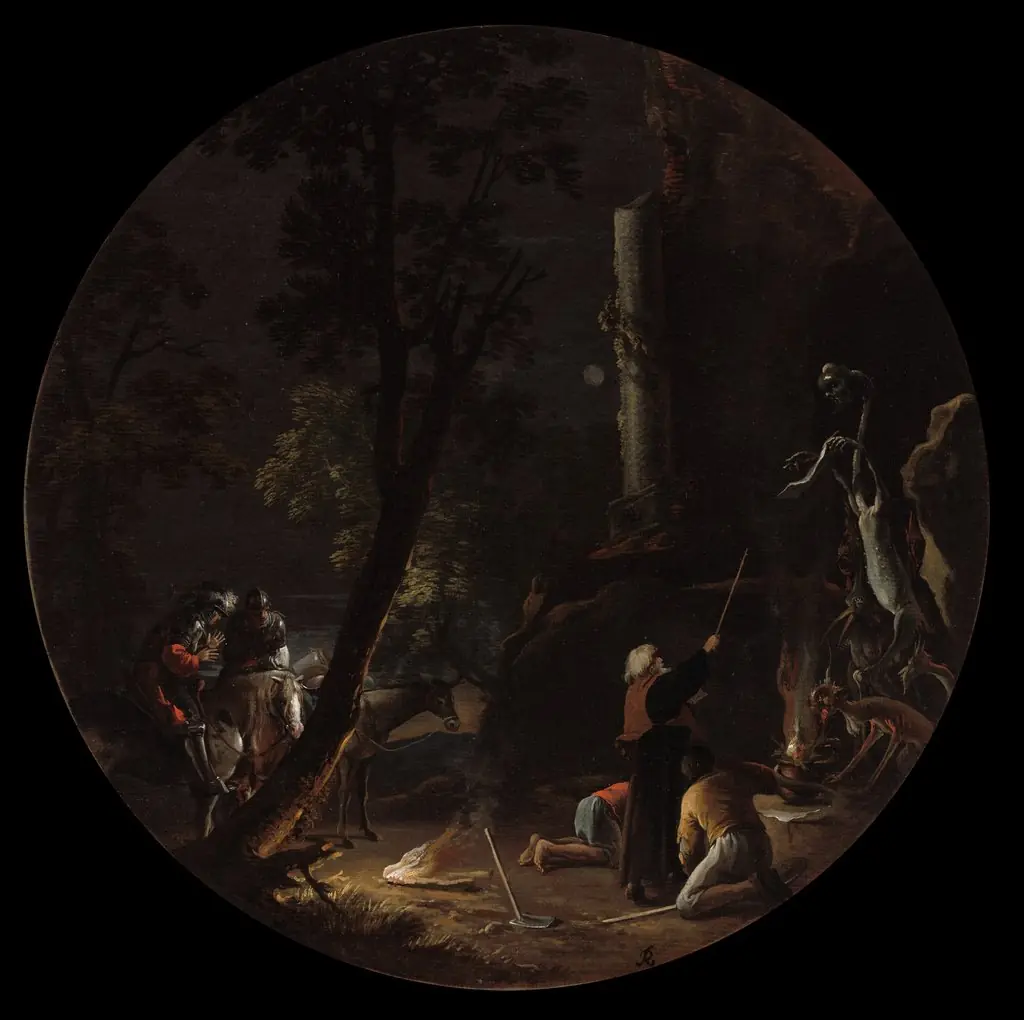
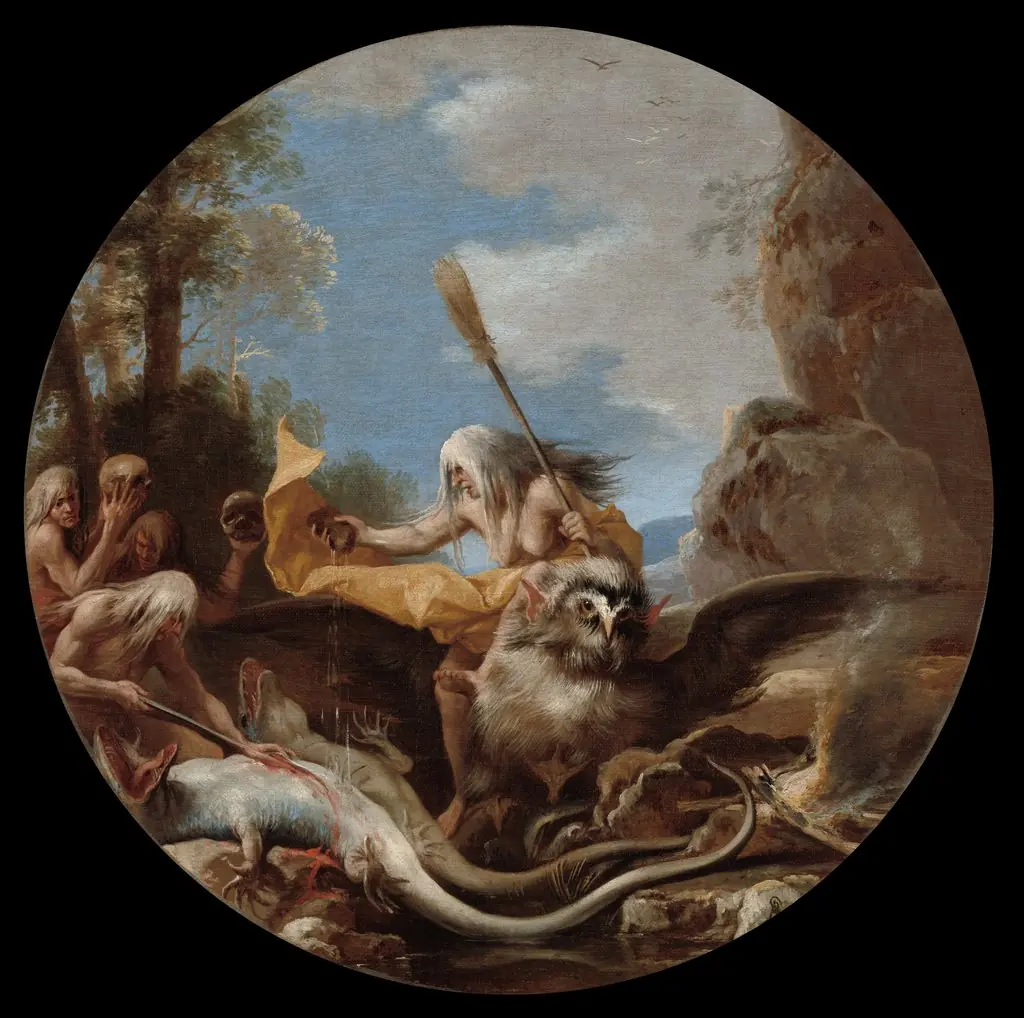
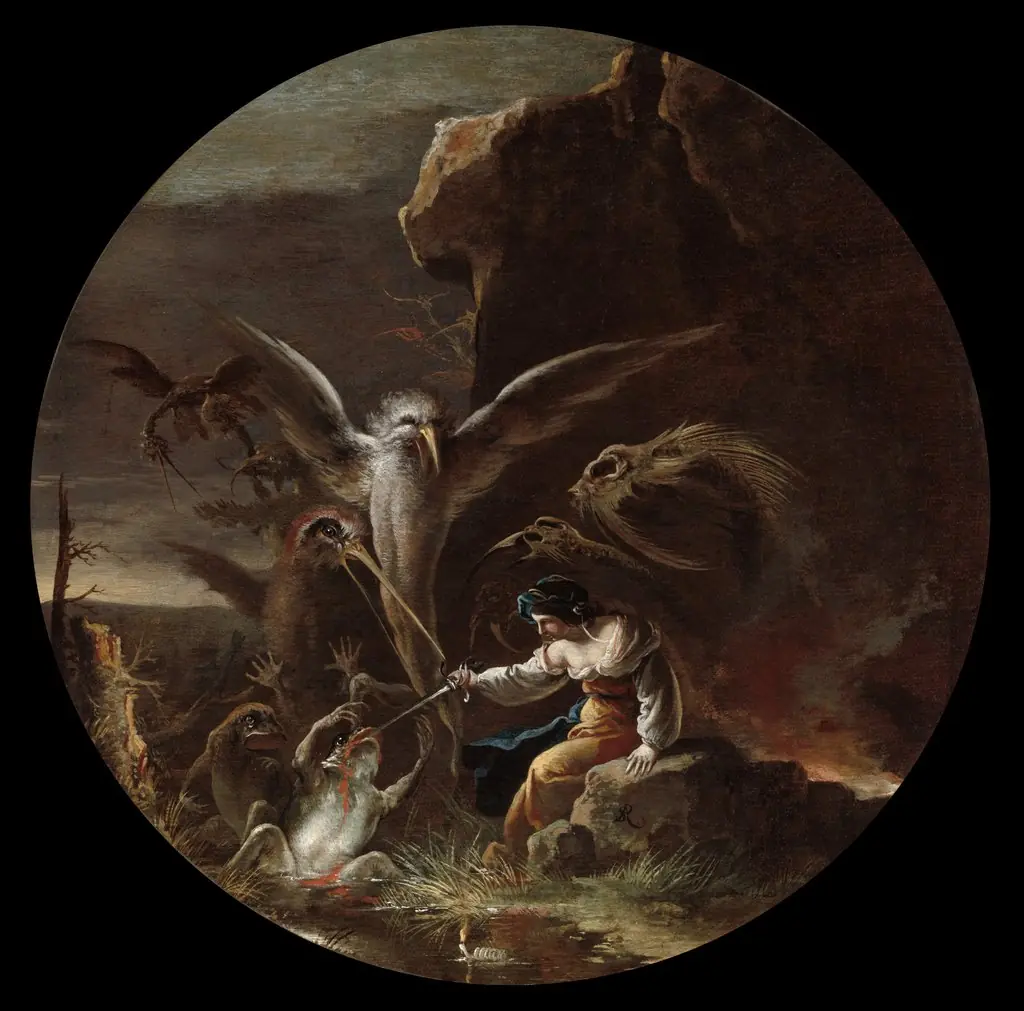
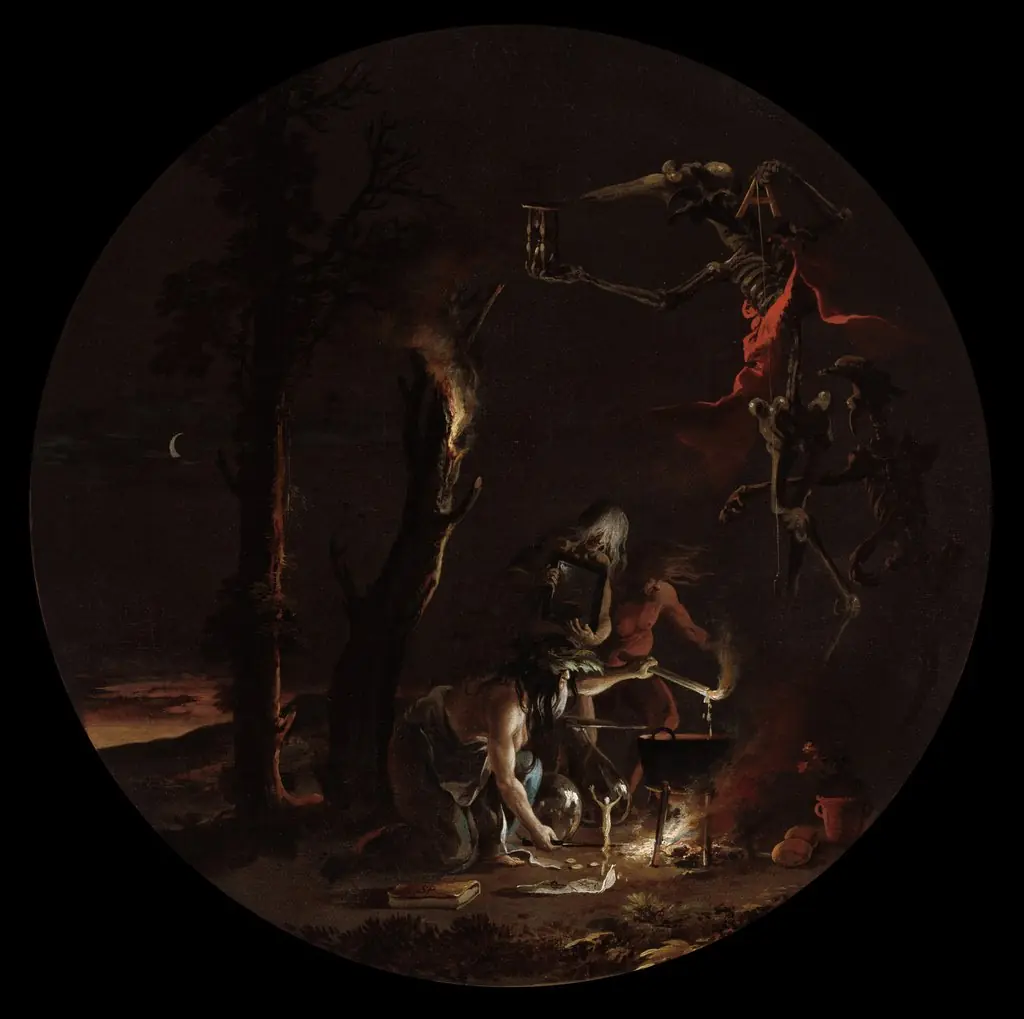
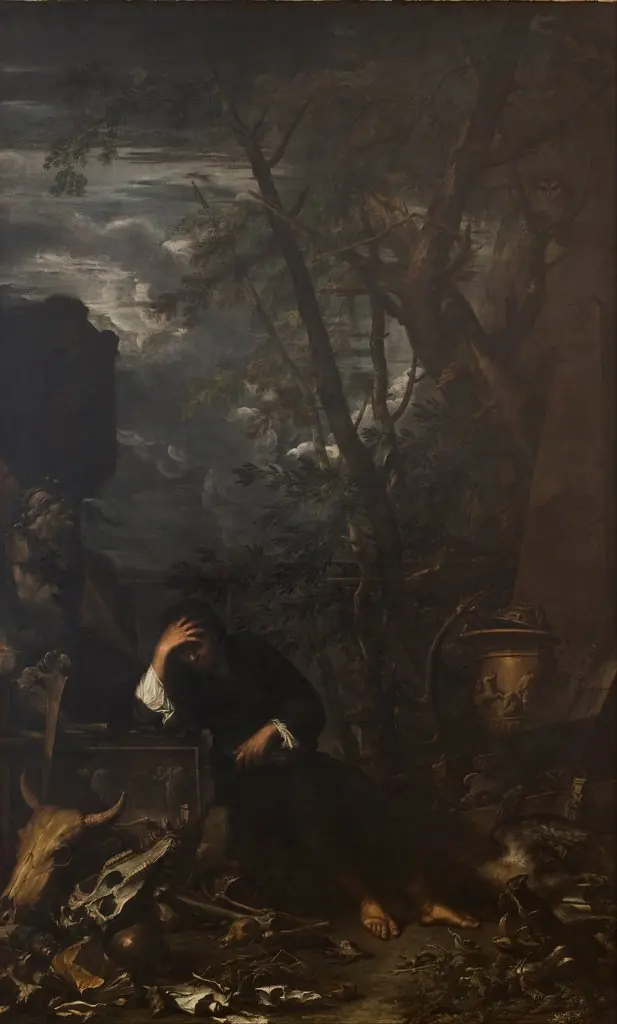
- Polycrates' Crucifixion
 Hl. Maria Aegyptiaca
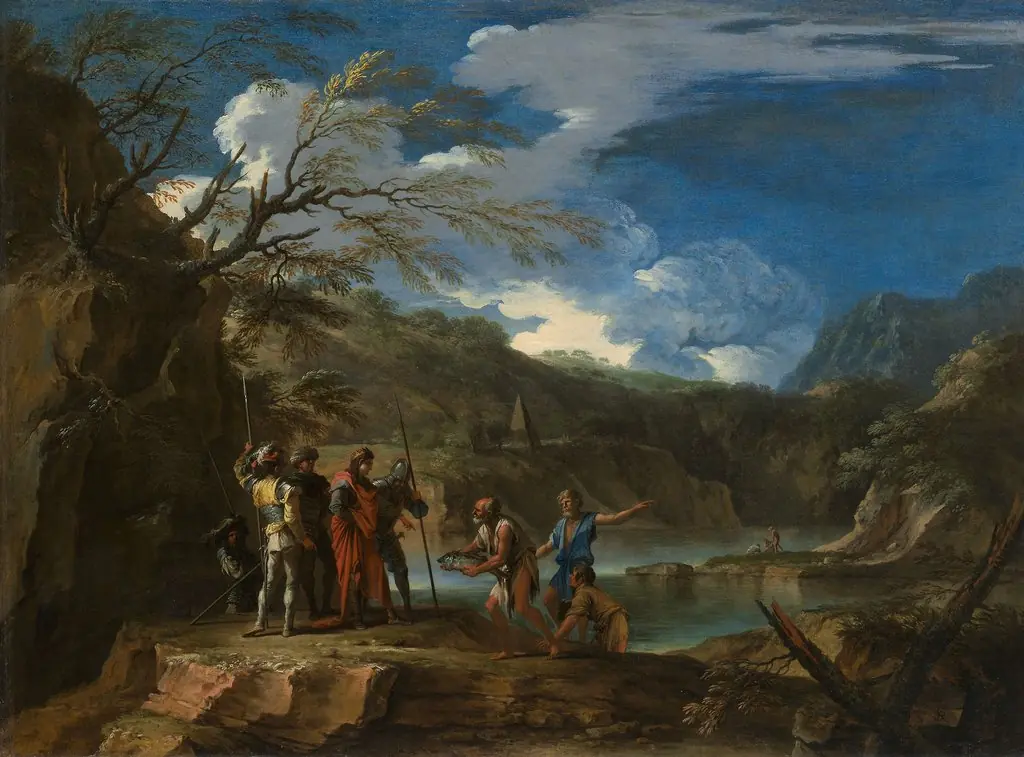 Polycrates and the Fisherman
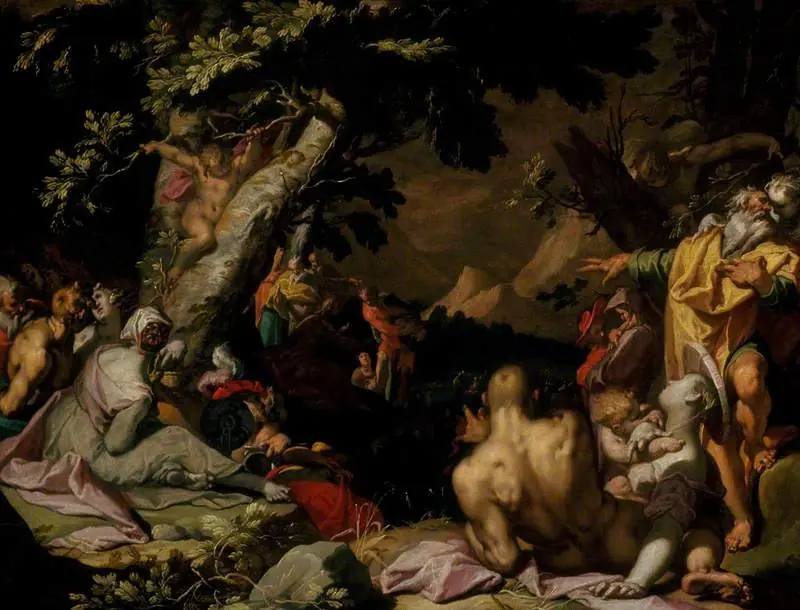 Miracle of the loaves (Jesus feeds the five thousand)
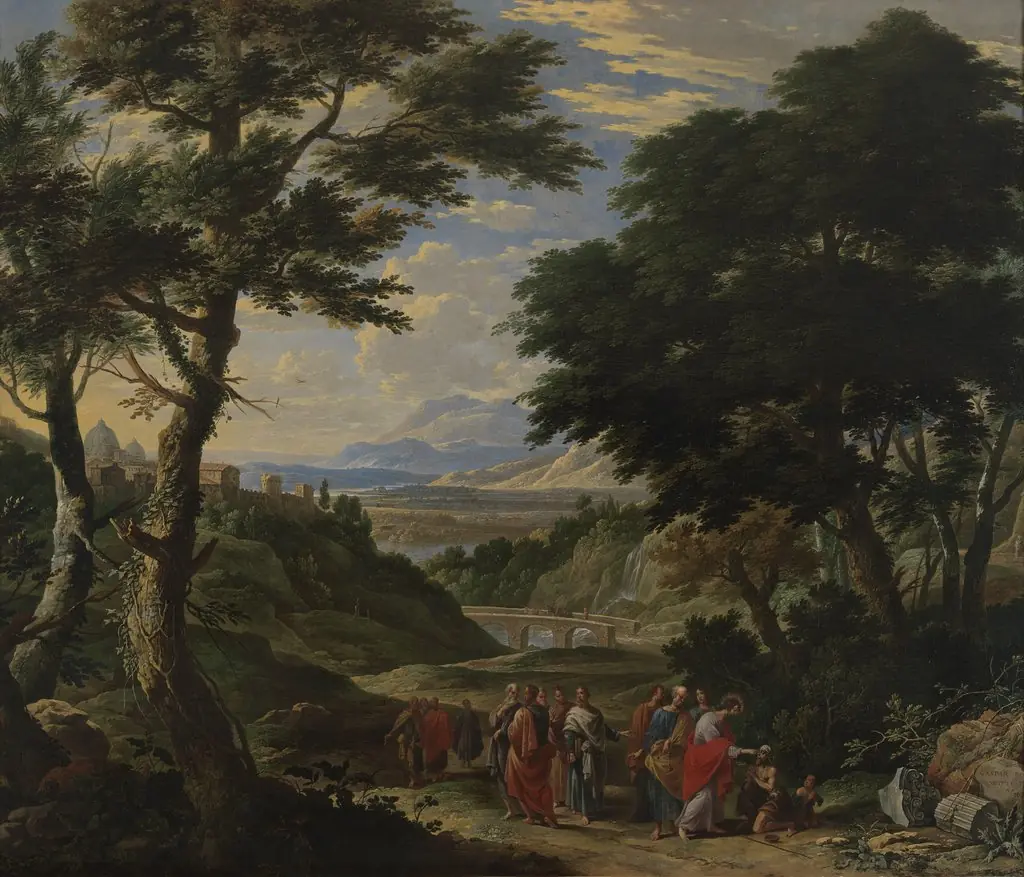 Christ Healing the Blind Man at Jericho
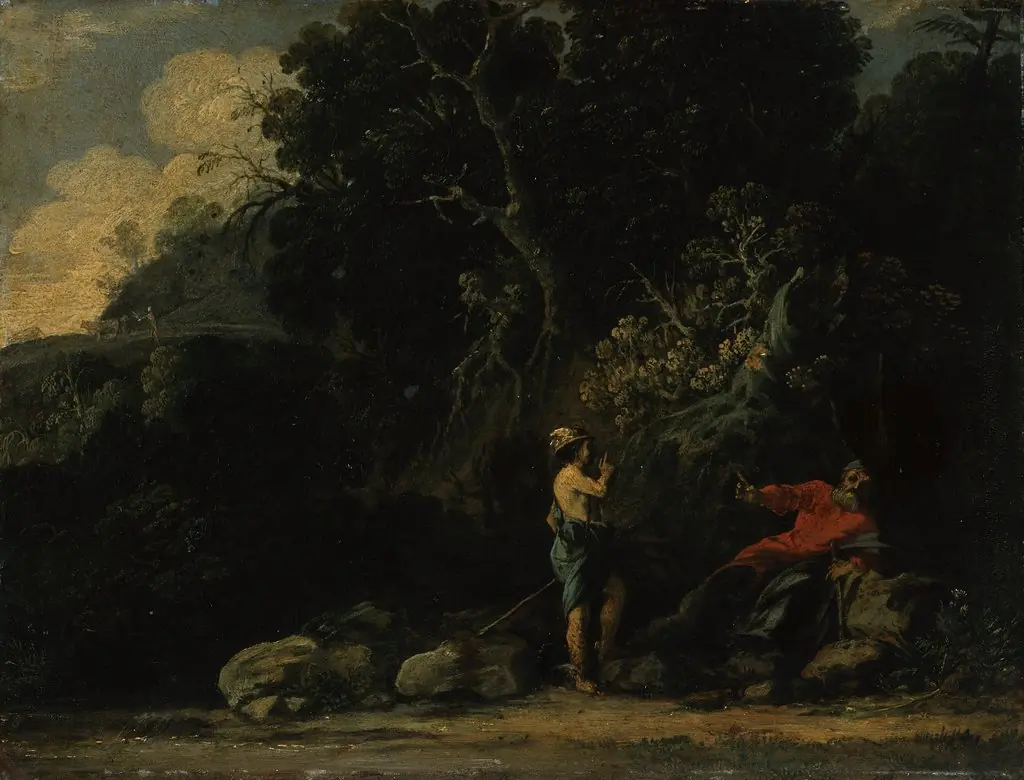 Forest Landscape with Mercury and Battus
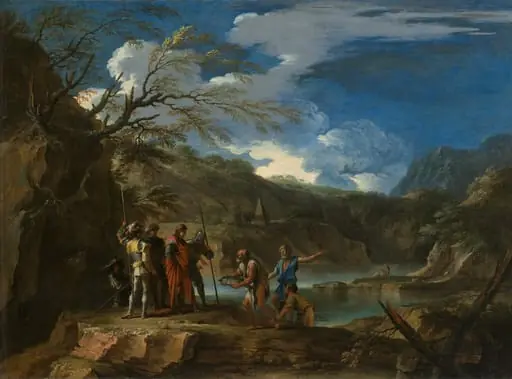 Polycrates and the Fisherman
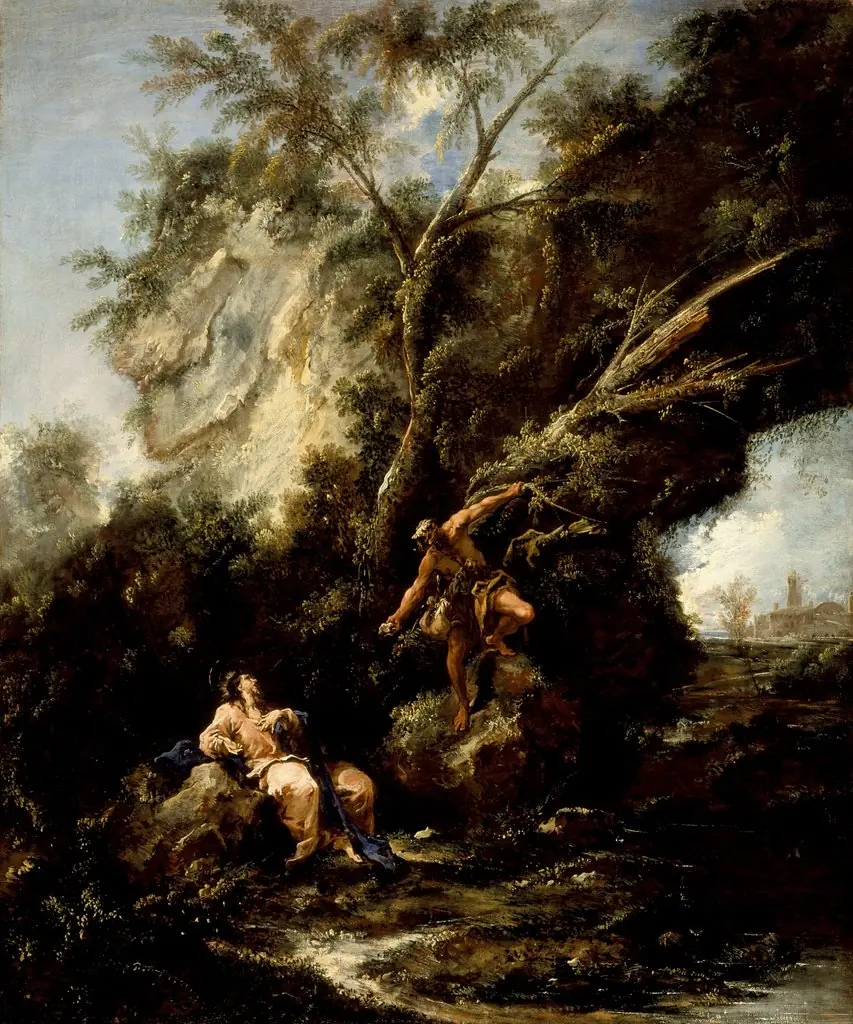 Landscape with the Temptation of Christ
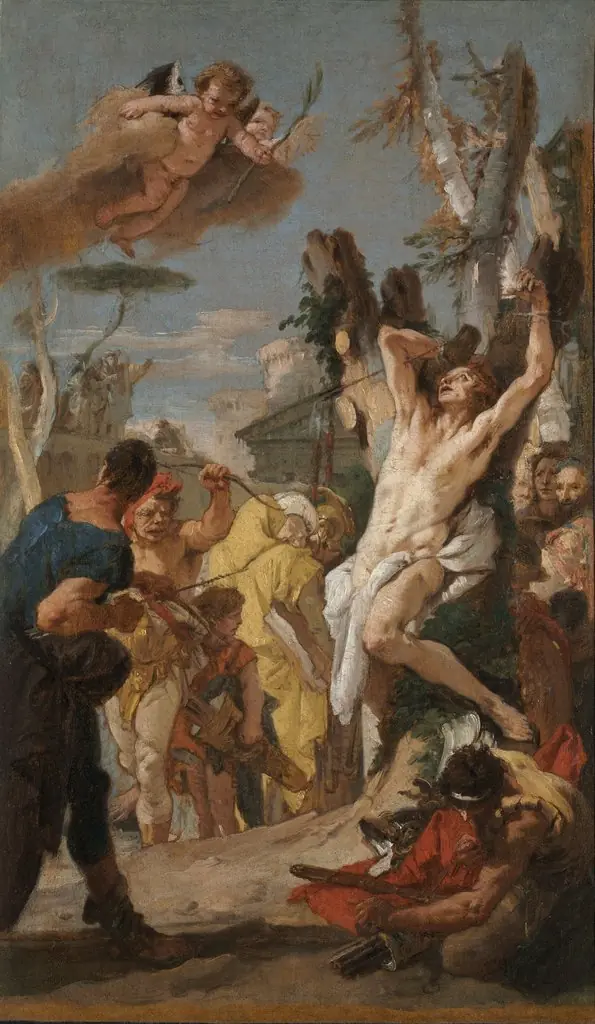 Study for "The Martyrdom of Saint Sebastian" (for the Augustinian monastery at Diessen, Germany)
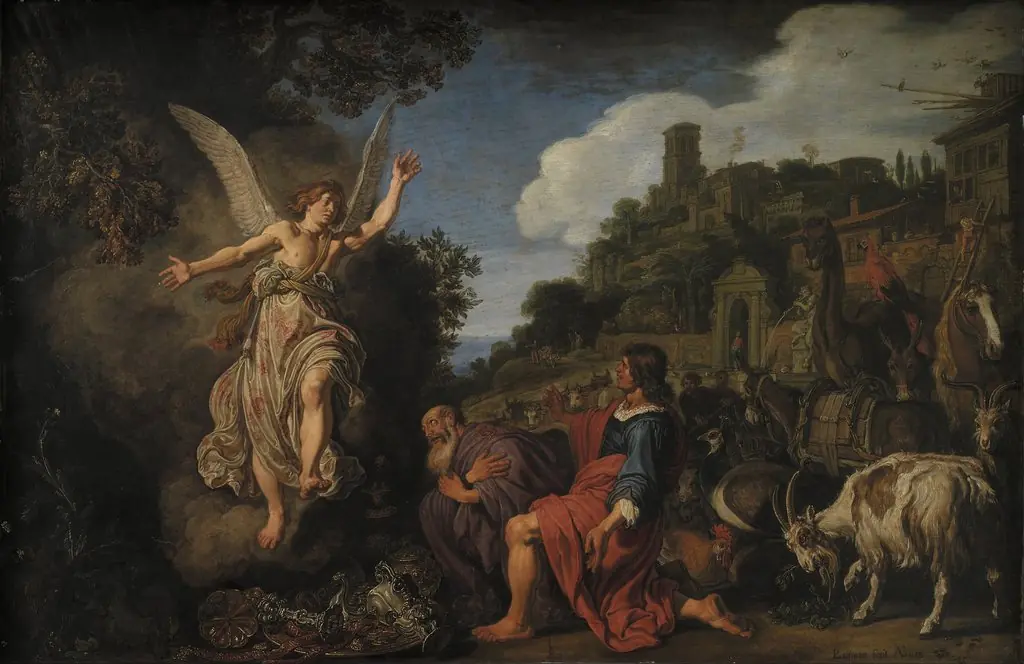 The Angel Raphael Takes Leave of Old Tobit and his Son Tobias
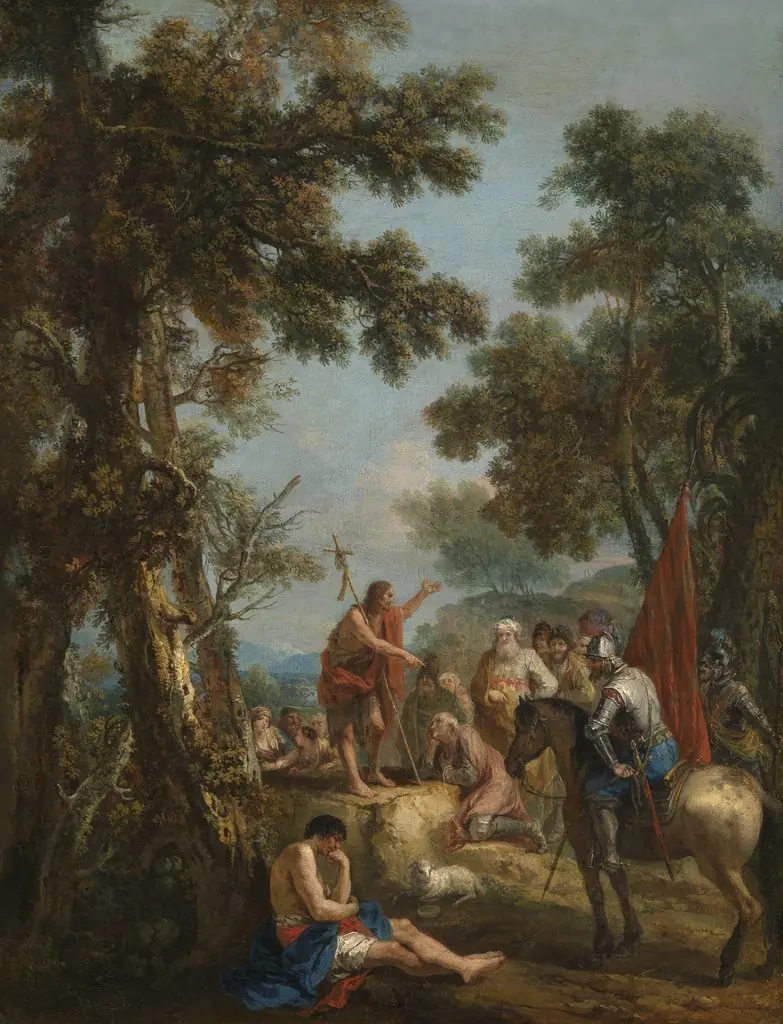 John the Baptist Preaching
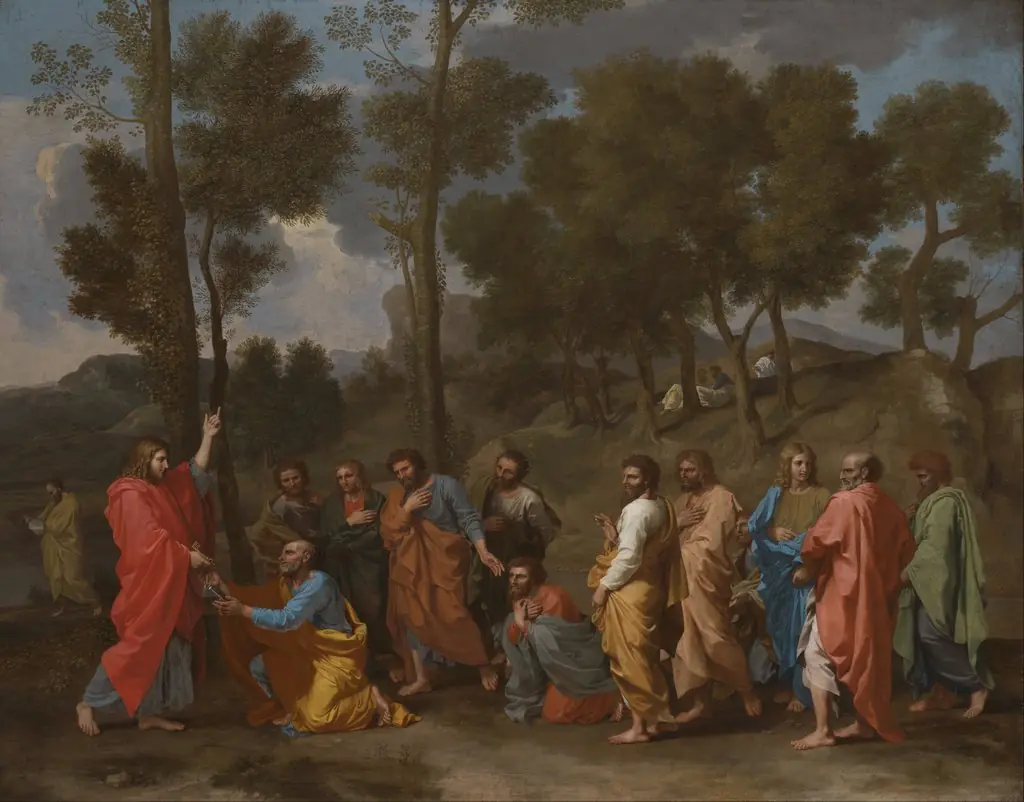 Ordination