Artwork
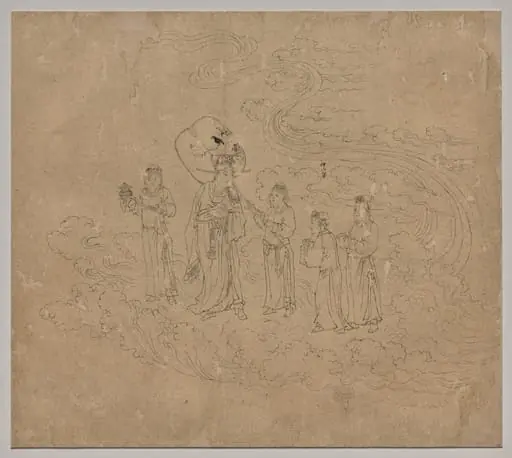
Album of Daoist and Buddhist Themes: Procession of Daoist Deities: Leaf 1
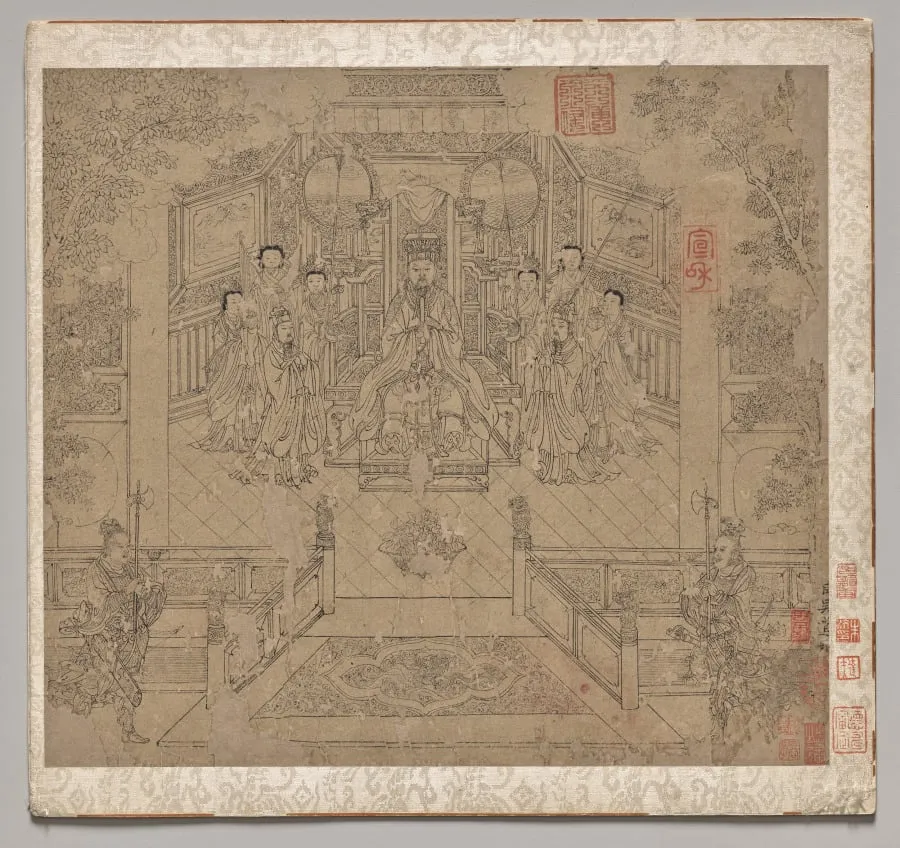
Album of Daoist and Buddhist Themes: Procession of Daoist Deities: Leaf 1 is an unspecified painting by the Song dynasty painting artist Unknown. It dates from 1204 and is held in the collection of the Cleveland Museum of Art. This painting is the first leaf of a scroll depicting a Daoist celestial procession.
- Accession no.
- 2004.1.1
- Credit line
- John L. Severance Fund in honor of Dr. Ju-hsi Chou and Gift of various donors to the department of Asian Art (by exchange)
About this work
He holds a flat tablet the way a real ruler would, and guards with spears stand below his platform.
You see a line of gods in bright robes marching under red umbrellas, like a parade for the sky.
This is one of three top Daoist gods, dressed like a Chinese emperor. He holds a flat tablet the way a real ruler would, and guards with spears stand below his platform. The artist made heaven look like earth, same clothes, same rules.
To see more paintings like this, look up subject: china, southern song dynasty (1127-1279).
Overview
This painting is the first leaf of a scroll depicting a Daoist celestial procession. It centers on one of the Three Pure Ones, the highest deities in Daoist cosmology, rendered with the formal dignity of a human emperor. The scene blends heavenly authority with earthly courtly protocol, presenting divinity through familiar imperial iconography.
Subject & Meaning
The central deity, clad in imperial robes and bearing a ceremonial tablet, embodies cosmic order and moral authority. Surrounding figures, consorts, attendants, and armed guards, mirror the structure of a Song dynasty imperial court, suggesting that the Daoist heavens operate under the same hierarchical principles as the human realm. The procession implies divine legitimacy and the continuity of sacred power.
Technique & Style
Fine, fluid brushwork defines the flowing drapery and delicate features of the figures. The composition is symmetrical and carefully balanced, yet the lines retain a rhythmic vitality that animates the scene. Architectural elements are rendered with precision, integrating the divine figures into a structured, almost architectural space that enhances their solemn presence.
History & Provenance
Created during the Southern Song dynasty (1127–1279), this leaf likely belonged to a larger album commissioned for courtly or religious use. Such albums were often produced in professional painting academies in Hangzhou, where artists synthesized Buddhist, Daoist, and Confucian imagery for elite patrons seeking spiritual and aesthetic refinement.
Context
The depiction of deities in imperial attire reflects the Song dynasty’s tendency to align religious authority with state structure. Daoist rituals were increasingly formalized under imperial patronage, and visual representations followed suit, using courtly dress and ceremonial protocol to convey divine legitimacy. This painting thus bridges religious belief and political symbolism.
Legacy
The album’s integration of Daoist theology with Song aesthetic ideals influenced later religious painting traditions in East Asia. Its emphasis on refined line, spatial harmony, and the blurring of sacred and secular realms became a model for both Daoist and Buddhist visual narratives in subsequent centuries.
Artist & collection









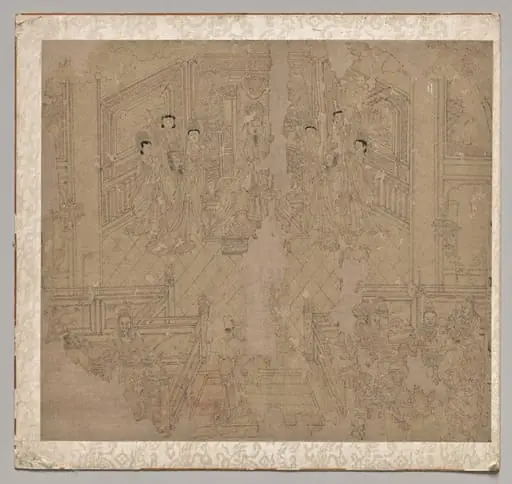
- Album of Daoist and Buddhist Themes: Procession of Daoist Deities: Leaf 2
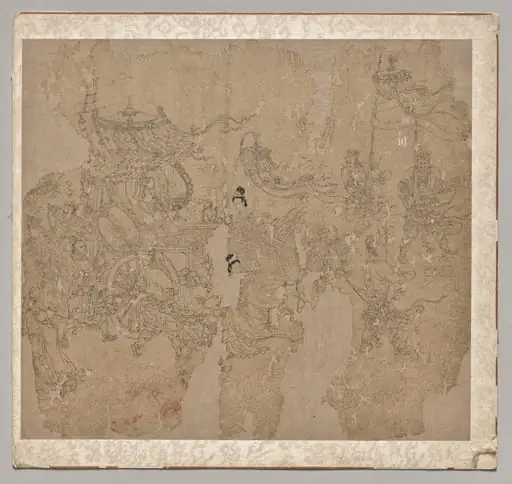 Album of Daoist and Buddhist Themes: Procession of Daoist Deities: Leaf 3
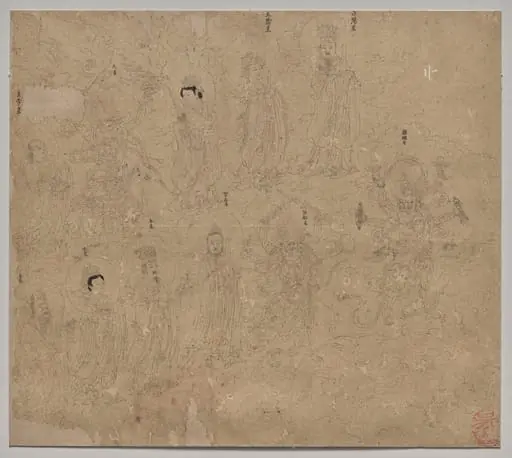 Album of Daoist and Buddhist Themes: Procession of Daoist Deities: Leaf 21
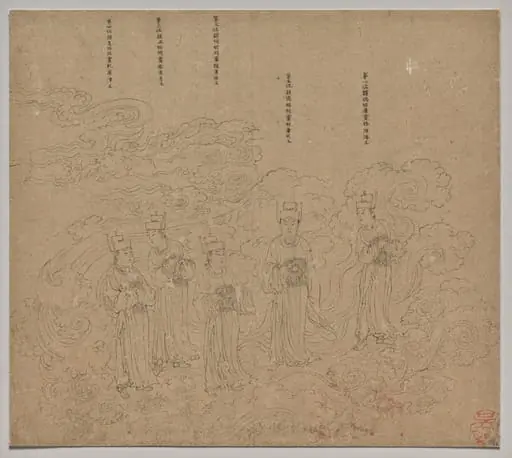 Album of Daoist and Buddhist Themes: Procession of Daoist Deities: Leaf 22
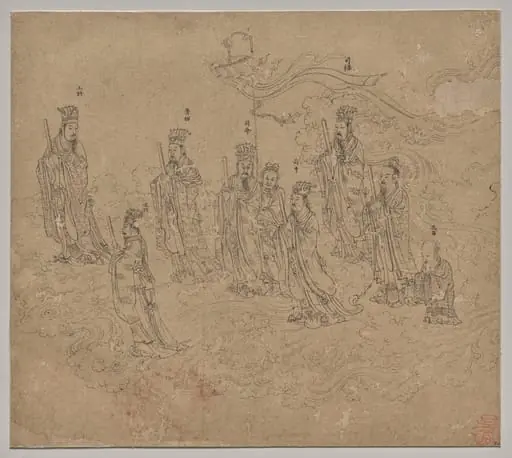 Album of Daoist and Buddhist Themes: Procession of Daoist Deities: Leaf 26
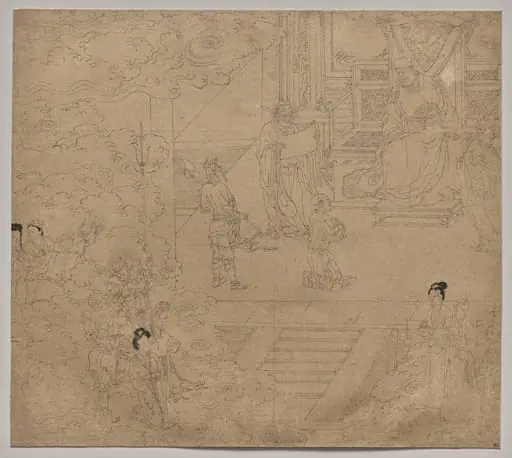 Album of Daoist and Buddhist Themes: Kings of Hells: Leaf 32
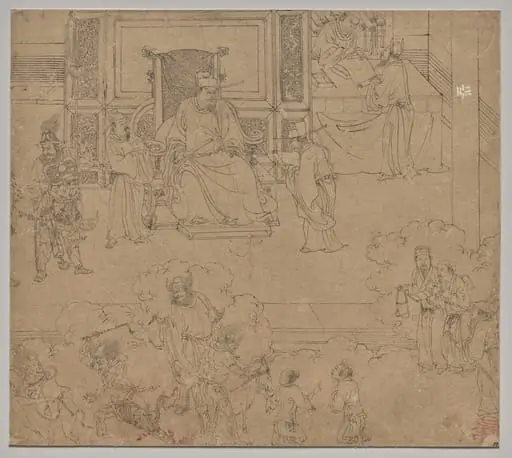 Album of Daoist and Buddhist Themes: Kings of Hells: Leaf 33
 Album of Daoist and Buddhist Themes: Kings of Hells: Leaf 36
 Album of Daoist and Buddhist Themes: Kings of Hells: Leaf 37
 Album of Daoist and Buddhist Themes: Kings of Hells: Leaf 40
 Album of Daoist and Buddhist Themes: Procession of Daoist Deities: Leaf 16
 Album of Daoist and Buddhist Themes: Procession of Daoist Deities: Leaf 10