Artwork
Buddha in the Preaching Attitude
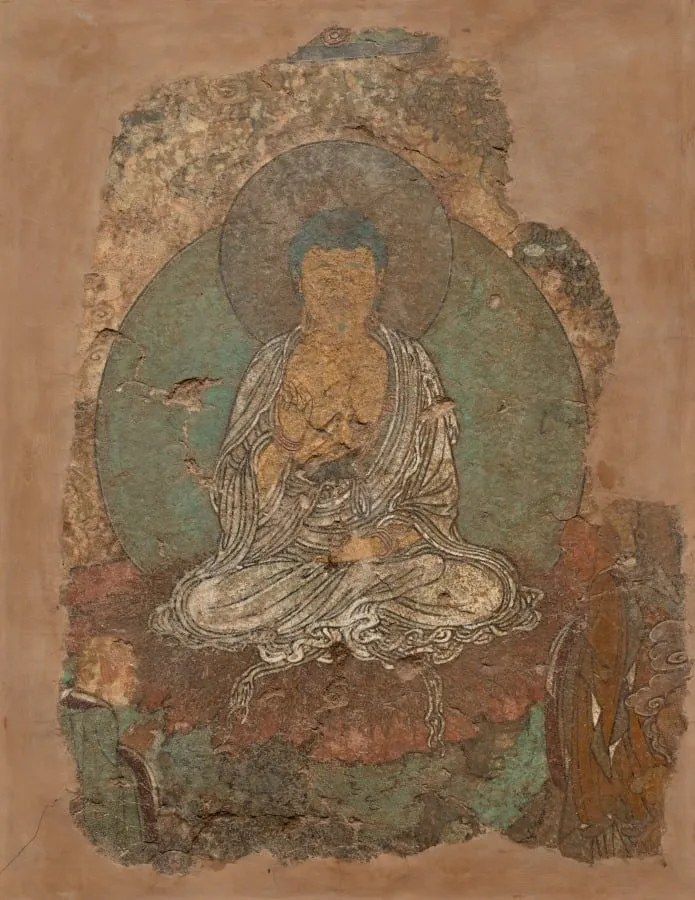
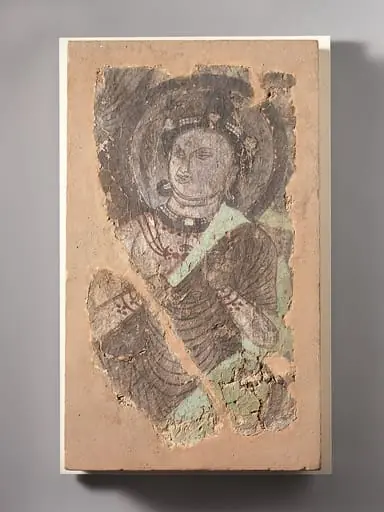
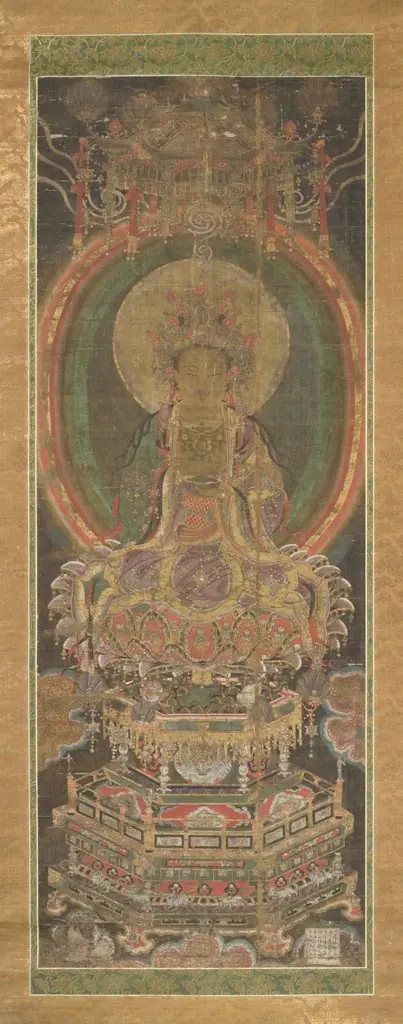
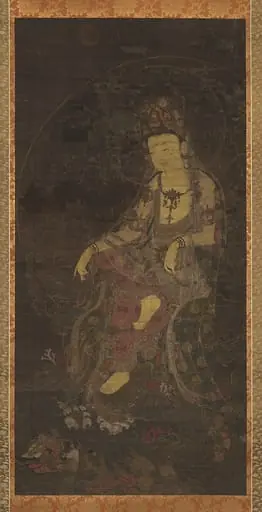
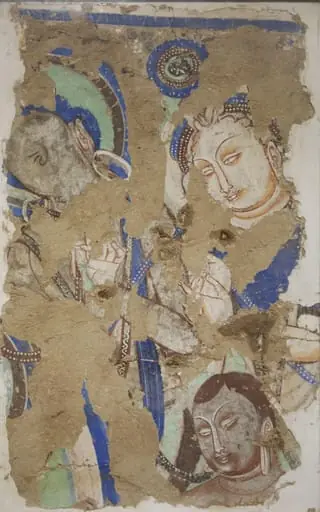
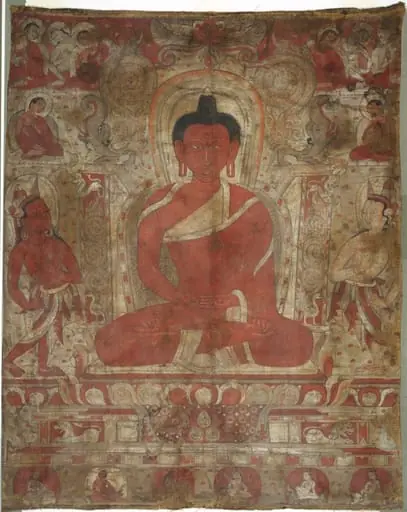
Buddha in the Preaching Attitude is an unspecified painting by the Song dynasty painting artist Unknown. It dates from 948 and is held in the collection of the Cleveland Museum of Art. This painting depicts a seated Buddhist figure in a meditative posture, rendered in a traditional style with minimal background detail.
- Accession no.
- 1926.238
- Credit line
- Gift of John L. Severance
About this work
Overview
The palette is muted, with faint traces of green, red, and brown in the surrounding space, suggesting an aged, possibly devotional context.
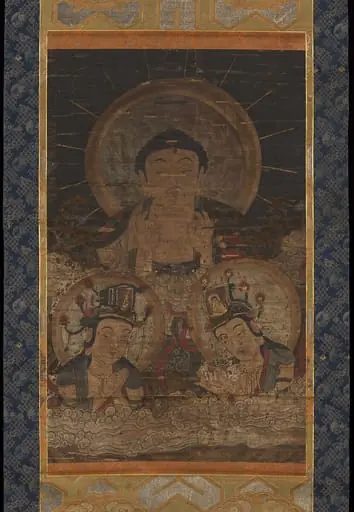
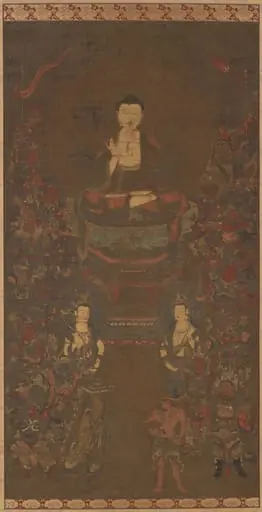
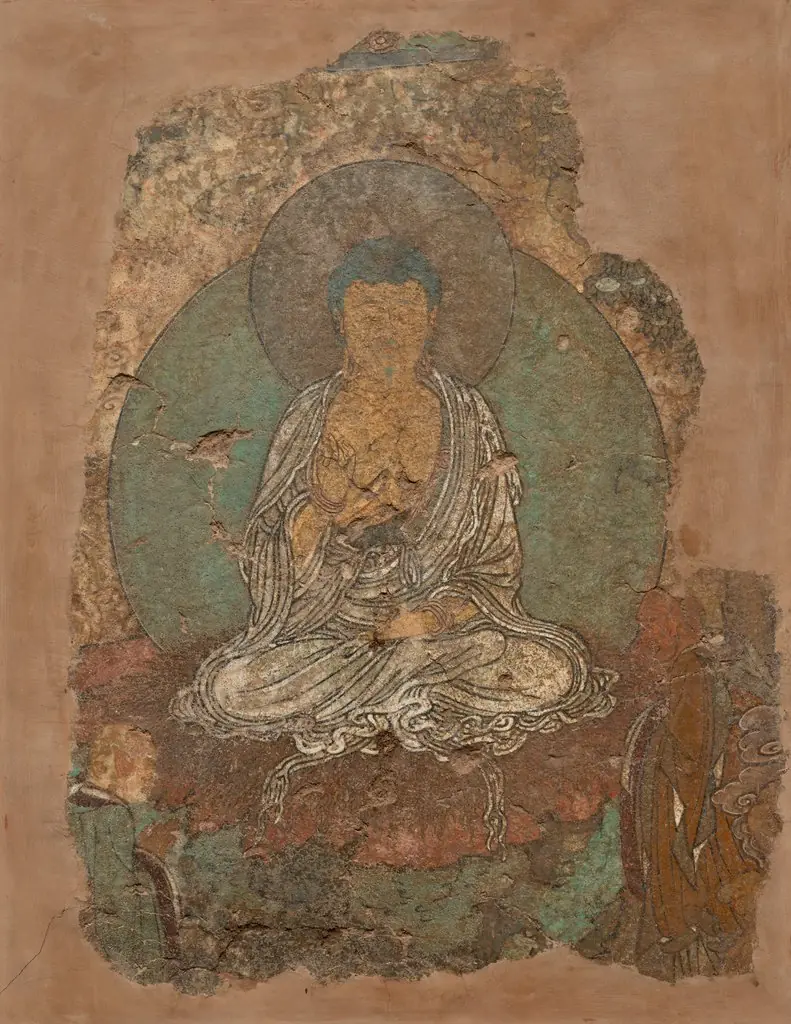
This painting depicts a seated Buddhist figure in a meditative posture, rendered in a traditional style with minimal background detail. The figure is centered, surrounded by a circular halo, and dressed in softly folded robes. The palette is muted, with faint traces of green, red, and brown in the surrounding space, suggesting an aged, possibly devotional context. Surface wear and cracking indicate significant age, consistent with religious artworks preserved over centuries.
Subject & Meaning
The figure represents the Buddha in the preaching mudra, a gesture associated with teaching and spiritual transmission. Seated cross-legged on an elevated platform, the posture conveys stillness and authority. The halo signifies enlightenment, while the simplicity of the robes and setting reflects the renunciation of worldly concerns central to Buddhist practice. The image functions as a visual aid for contemplation rather than narrative storytelling.
Technique & Style
The artist employed fine, flowing lines to define the robes and facial features, emphasizing serenity over realism. The background lacks detail, focusing attention on the central figure. Pigments have faded over time, and the surface shows signs of cracking, typical of works on organic supports like cloth or paper.
The restrained color scheme and lack of perspective align with devotional painting traditions in South and Southeast Asia.
History & Provenance
The painting’s age and condition suggest it originated in a monastic or domestic devotional setting, likely in a region with strong Theravāda or Mahāyāna Buddhist traditions. Its preservation indicates it was carefully maintained, possibly within a temple or family shrine. While its exact origin and maker are unknown, its stylistic features point to a pre-modern workshop tradition, common in areas such as Sri Lanka, Thailand, or Myanmar.
Context
In Buddhist cultures, such images served as focal points for meditation and ritual. They were often created by lay artisans under monastic guidance, using locally available materials. The absence of elaborate scenery or accompanying figures reflects an emphasis on inner stillness rather than mythological storytelling. Similar works were used in both public temples and private altars to support spiritual discipline.
Legacy
This painting exemplifies a long-standing visual language in Buddhist art, where simplicity and symbolic form prioritize spiritual presence over naturalism. Its endurance through time reflects the enduring role of such imagery in religious life. Though not attributed to a specific artist or period, it remains part of a continuous tradition of devotional representation that continues to inform contemporary Buddhist art practices.
Artist & collection