Artwork
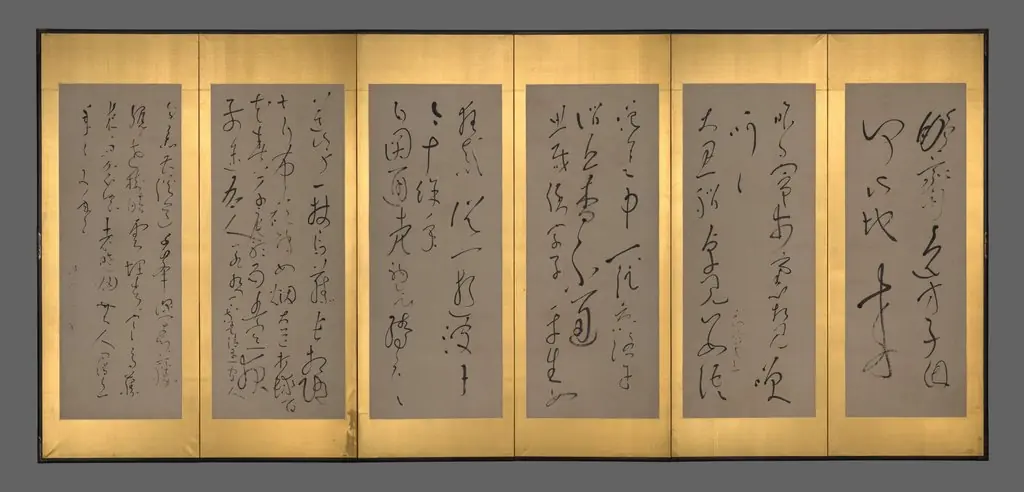
Calligraphy (reverse)
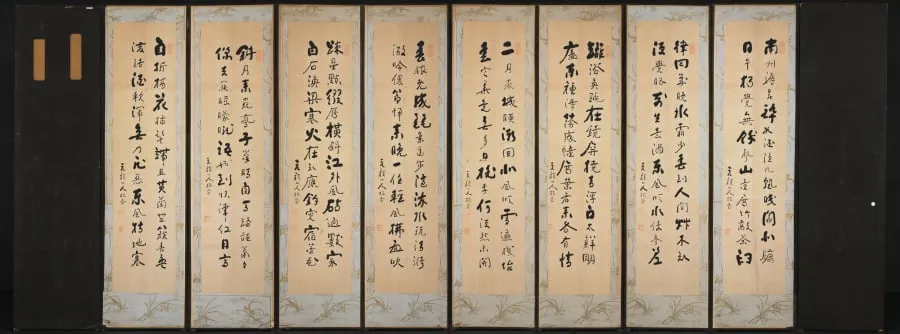
Calligraphy (reverse) is an unspecified painting by the Impressionist artist Unknown. It dates from 1804 and is held in the collection of the Cleveland Museum of Art. This folding screen, created during the late Joseon dynasty, is unusual for its dual-sided composition.
- Accession no.
- 1998.286.b
- Credit line
- Bequest of Gordon K. Mott
About this work
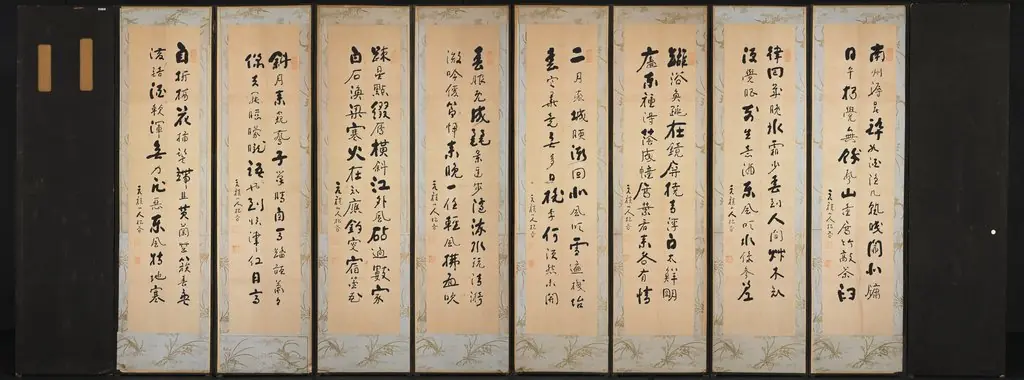
You see a folding screen with black ink poems brushed on the back, no pictures, just lines of Korean characters.
You see a folding screen with black ink poems brushed on the back, no pictures, just lines of Korean characters.
Most screens like this were painted on one side only. This one holds poems about seasons on the reverse, turning furniture into a quiet book. The words celebrate fleeting beauty, meant to be read while sitting on the floor.
Look up korea, joseon dynasty (1392–1910) to see more screens from the same time.
Overview
This folding screen, created during the late Joseon dynasty, is unusual for its dual-sided composition. While most screens of the period featured imagery on one side only, this piece displays calligraphic poems on its reverse, transforming a domestic furnishing into a vessel for literary reflection. The absence of pictorial decoration emphasizes text as the primary artistic medium, aligning with scholarly tastes of the time.
Subject & Meaning
The reverse side contains classical Korean poems centered on the transient beauty of the four seasons. These verses, written in elegant brushwork, evoke impermanence through imagery of blossoms, autumn winds, snow, and spring rain. Designed to be read while seated on the floor, the poems invite quiet contemplation, reinforcing Confucian and Buddhist ideals of mindfulness and the ephemeral nature of existence.
Technique & Style
The poems are executed in monochrome ink brushwork, adhering to the refined aesthetics of Korean literati tradition. Characters are fluid yet controlled, with subtle variations in stroke weight that convey rhythm and emotion. The absence of color or illustration focuses attention on the calligraphy itself, treating writing as both art and philosophy, where form and meaning are inseparable.
History & Provenance
By the 19th century, two-sided folding screens emerged in Korean homes, possibly influenced by Japanese examples used as room dividers. This shift reflects changing domestic practices and cross-cultural exchange. While earlier screens served primarily as backdrops, this piece’s dual function, decorative and textual, suggests a growing appreciation for intellectual engagement within private interiors.
Context
During the Joseon dynasty, calligraphy was a respected art form among the educated elite, often linked to Confucian ideals of self-cultivation. Screens with poetic inscriptions were not merely furnishings but tools for moral and aesthetic reflection. The popularity of two-sided screens in this era signals a broader cultural turn toward integrating literature into daily domestic life.
Legacy
This screen exemplifies a quiet revolution in Korean interior design, where functional objects became carriers of literary culture. Its preservation highlights the value placed on textual art in domestic spaces, distinguishing Korean practices from contemporaneous traditions elsewhere. Today, it stands as a testament to the harmony between everyday life and poetic contemplation in late Joseon society.
Artist & collection









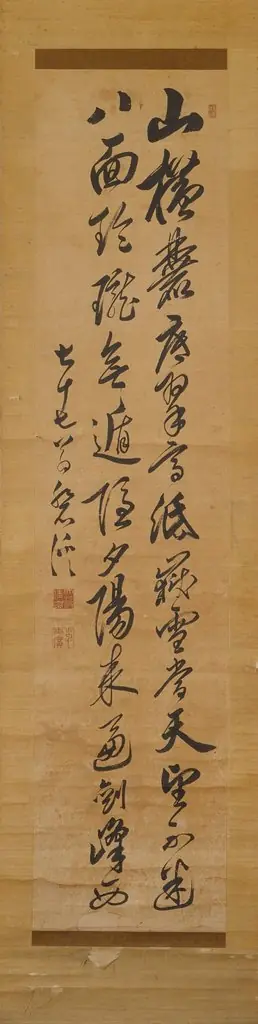 Chinese Poem: Seven-character-quatrain
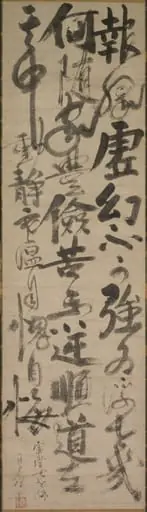 Reflections of Priest Foyen
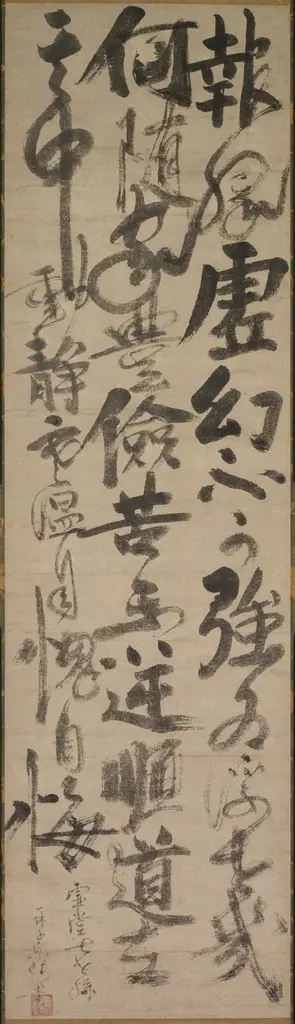 Reflections of Priest Foyen
 Commentary on Growing a Beard
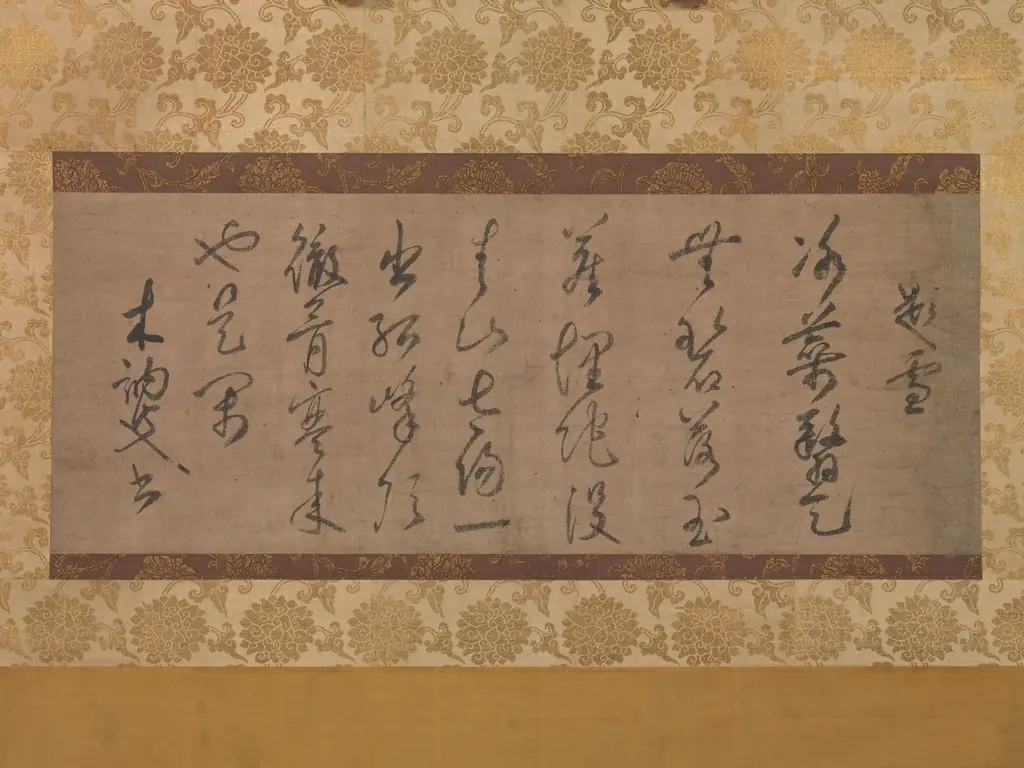 Poem on the Theme of Snow
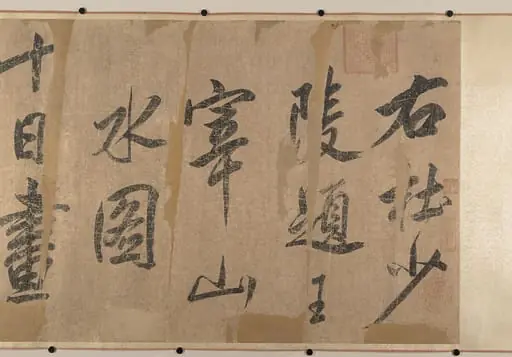 Untitled
 Landscape with Bamboo
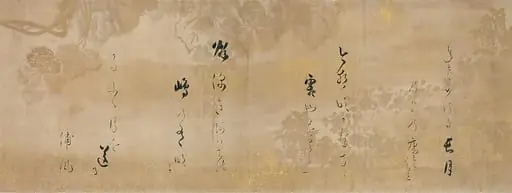 本阿弥光悦書 木版下絵和歌巻断簡|Twelve Poems from the New Collection of Poems Ancient and Modern
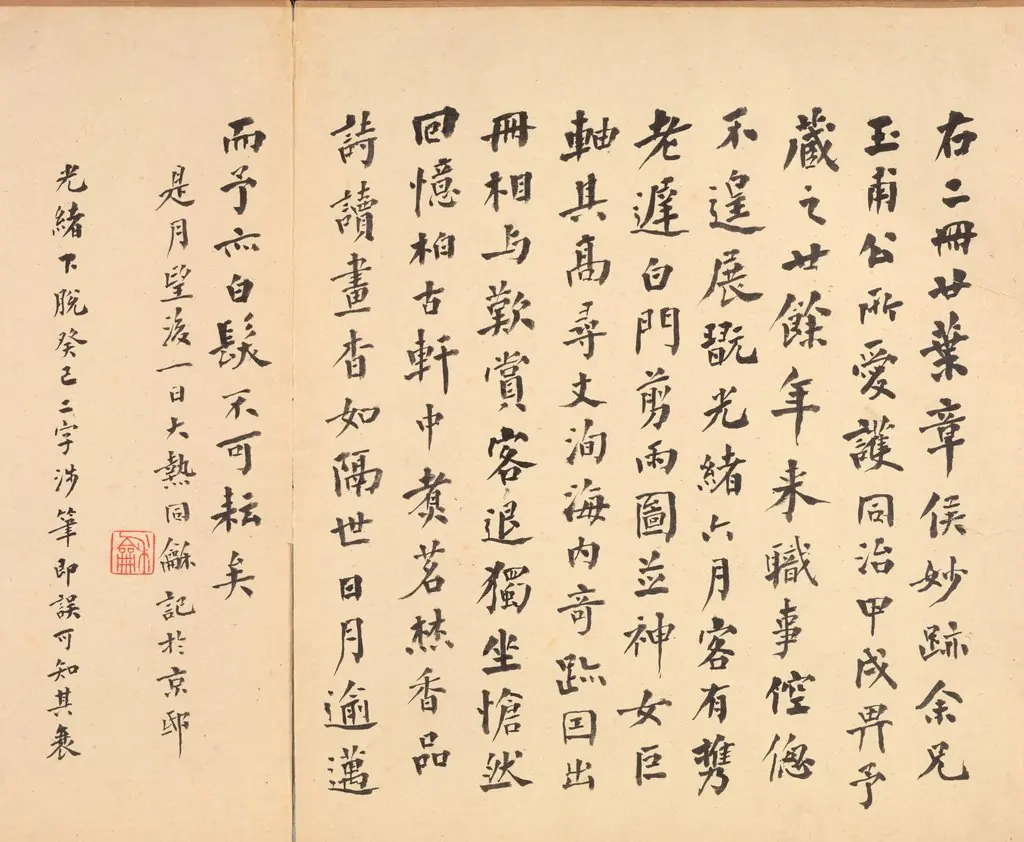 Paintings after Ancient Masters: Calligraphy
 Calligraphy 「鵬齋逸才子」 書
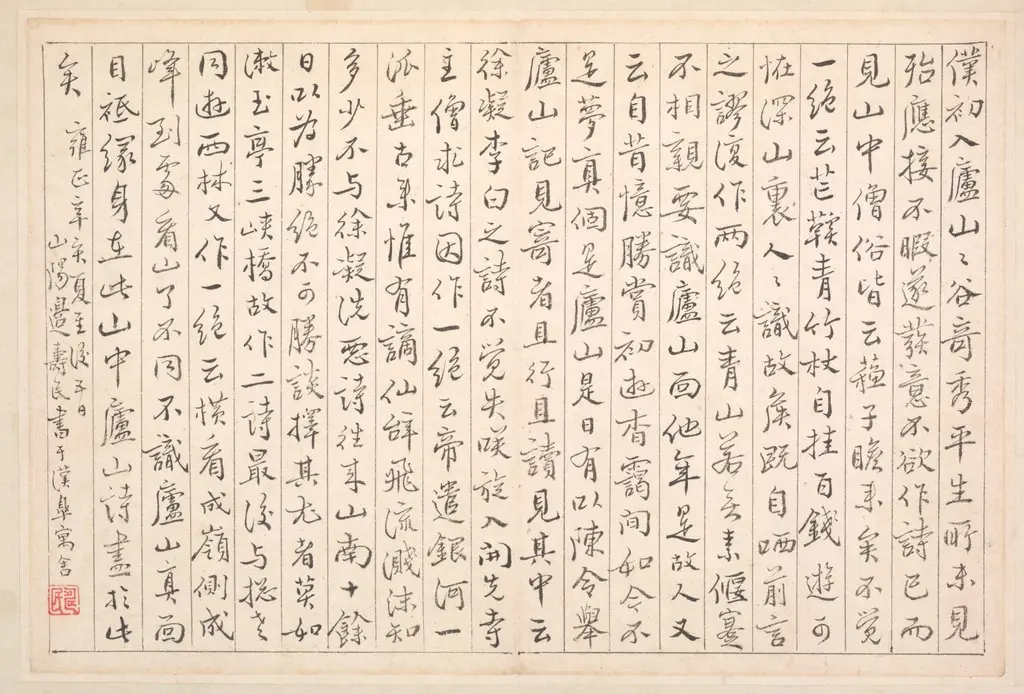 Album of Calligraphy and Paintings
- Calligraphy (reverse)