Artwork
Dispute about the Blessed Sacrament
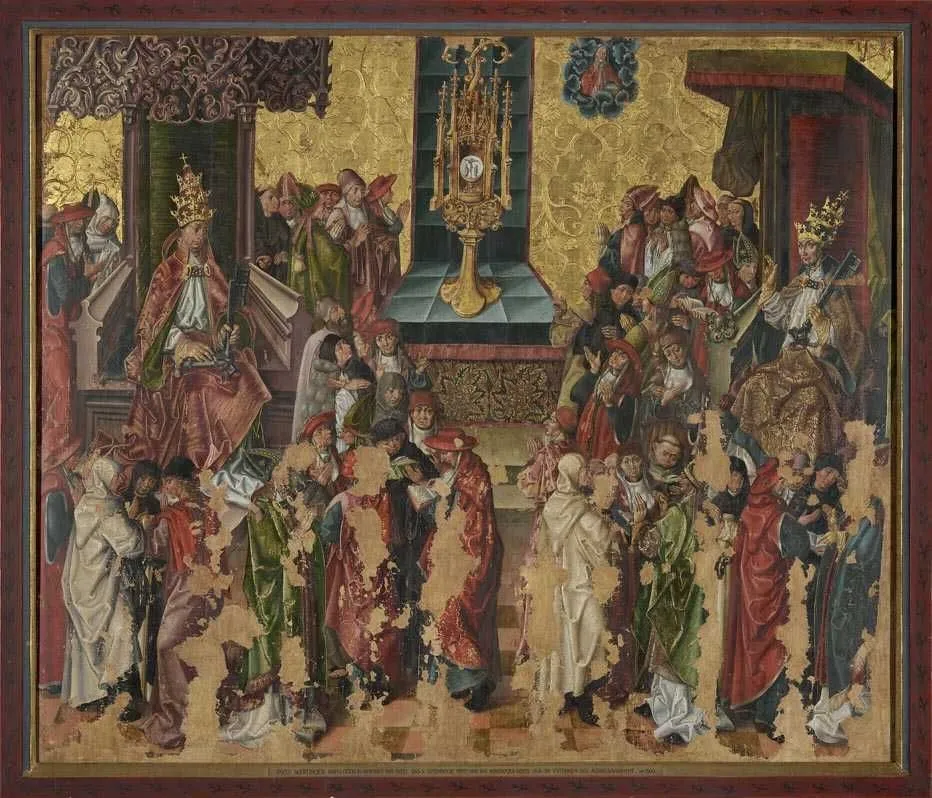
Dispute about the Blessed Sacrament is an oil painting by the Northern Renaissance artist Unknown. It dates from 1500 and is held in the collection of the Bavarian State Painting Collections.
About this work
Overview
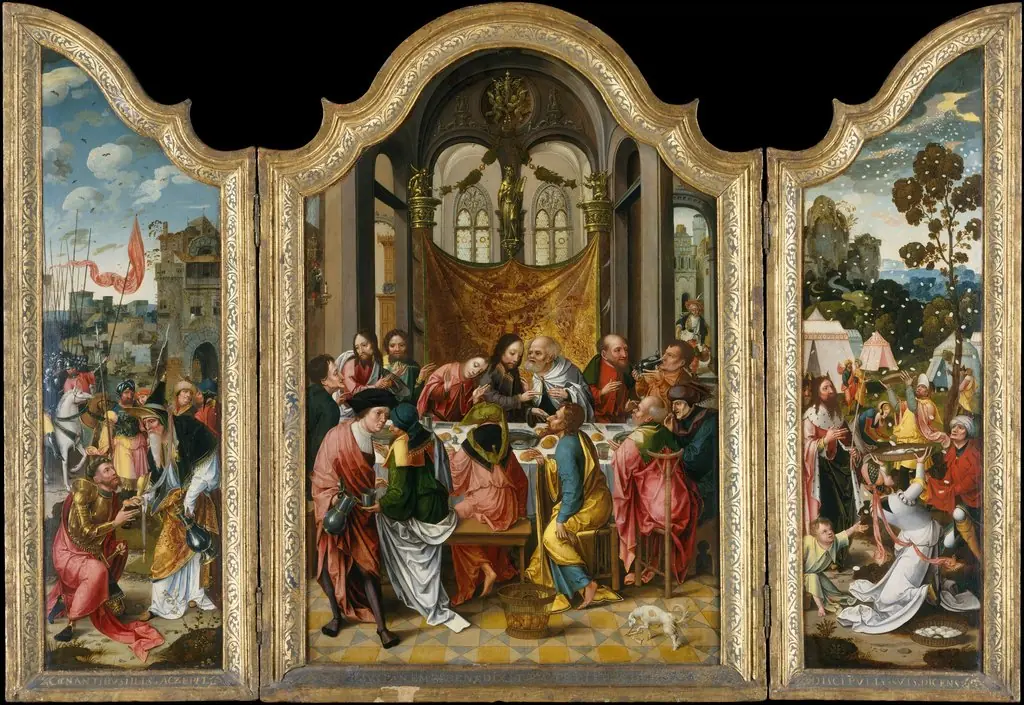
The oil painting titled “Dispute about the Blessed Sacrament” depicts an interior church scene crowded with figures of varied social standing.
The oil painting titled “Dispute about the Blessed Sacrament” depicts an interior church scene crowded with figures of varied social standing. At the focal point a priest raises a circular object, presumably a consecrated host, within an ornate container before a gilded altar. Above, angels hover, while the surrounding participants, some in elaborate vestments, others in modest attire, gesture toward the sacrament, their expressions tense and attentive.
Subject & Meaning
The work visualises a theological controversy surrounding the Eucharist, emphasizing the reverence and conflict that the sacrament could provoke. By juxtaposing clergy and laypeople, the composition suggests a dialogue between ecclesiastical authority and the faithful, while the celestial presence of angels underscores the spiritual significance of the dispute.
Technique & Style
Executed in oil on canvas, the artist employs a bright yet slightly muted palette of reds, greens, and golds, allowing the gilded altar and decorative frames to dominate the visual hierarchy. Light and shadow are modelled to create depth, and the use of gold leaf on the altar enhances the sense of opulence. Figures are rendered with detailed facial expressions, conveying tension.
History & Provenance
The painting’s title and subject place it within the Counter‑Reformation period, when debates over the nature of the Blessed Sacrament were common in Catholic art. Its provenance traces through private collections before entering a museum setting, where it is displayed as an example of religious narrative painting of the era.
Context
During the 16th and 17th centuries, the Catholic Church commissioned works that illustrated doctrinal disputes to educate and reaffirm orthodoxy. This piece reflects that agenda, aligning with contemporary theological treatises and liturgical reforms that emphasized the real presence of Christ in the Eucharist.
Legacy
The painting continues to serve as a visual reference for scholars studying the intersection of art and theology in early modern Europe. Its detailed portrayal of a liturgical debate offers insight into how visual culture was employed to mediate religious controversies and to reinforce ecclesiastical authority.
Artist & collection









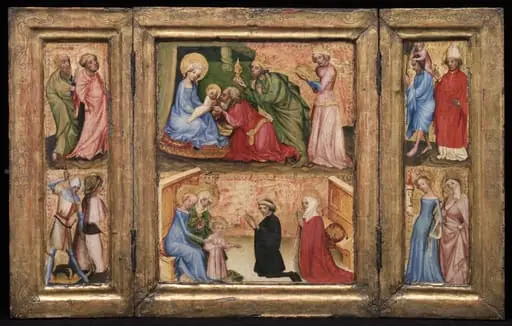
- Triptych with the Adoration of the Magi
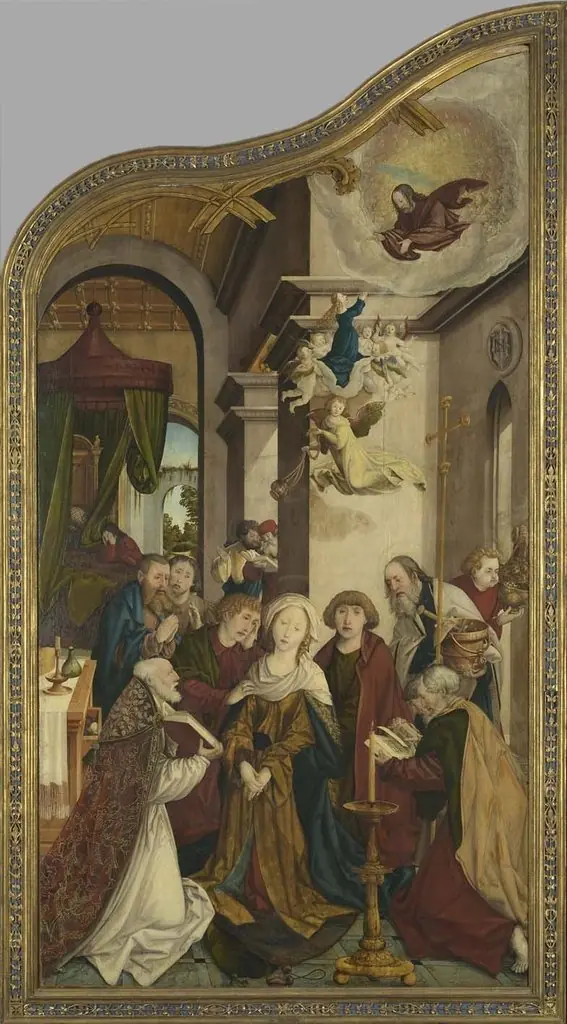 Wettenhauser Hochaltar: Tod Mariae Rückseite: Abschied Christi (rechte Hälfte) mit Stifter Ulrich Hieber
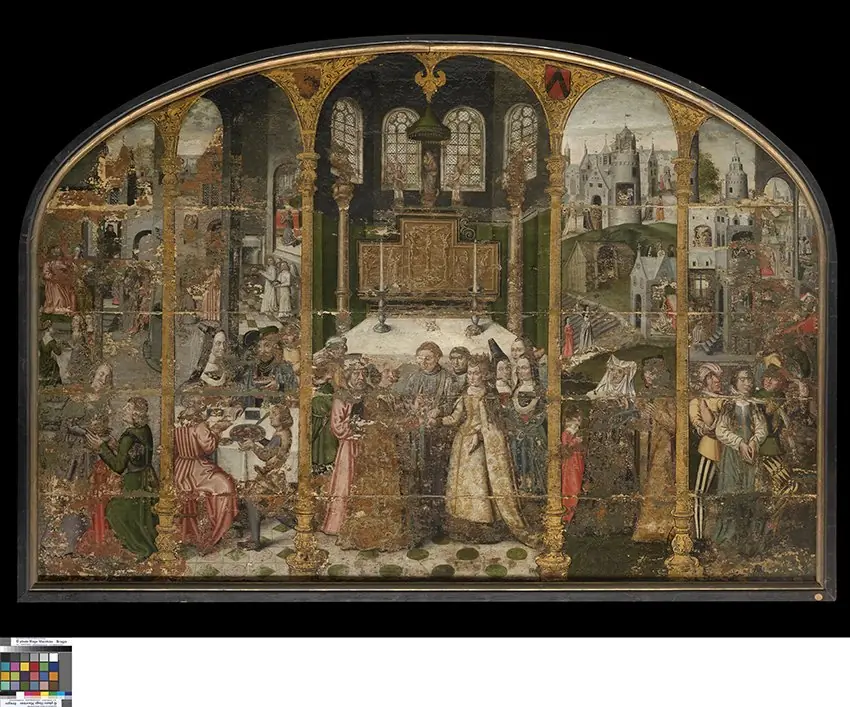 Legende van de heilige Godelieve
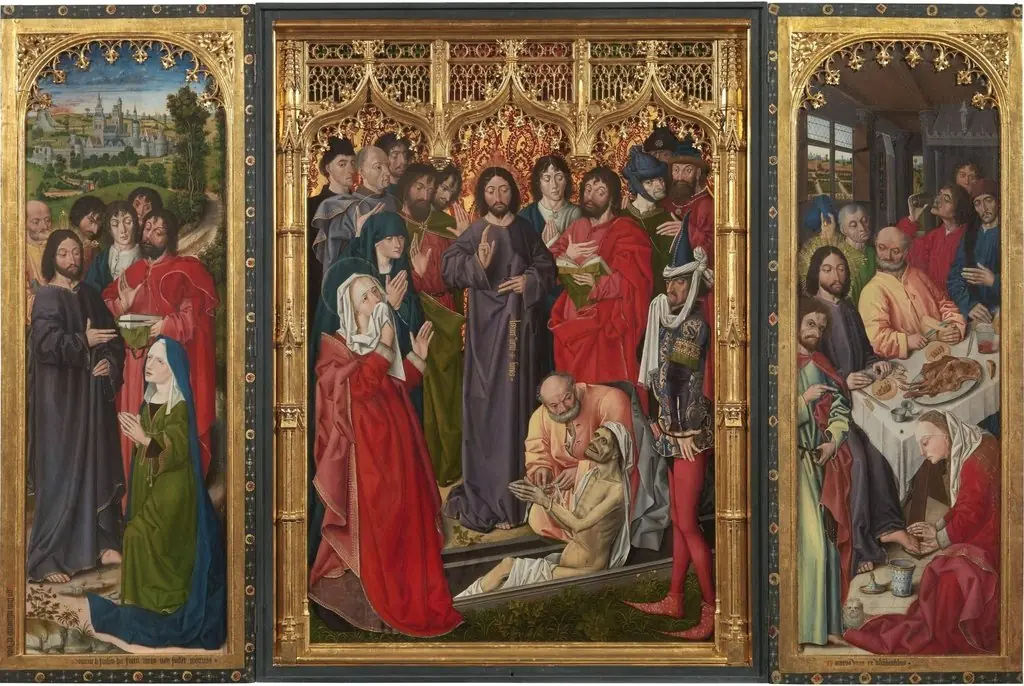 Resurrection of Lazarus
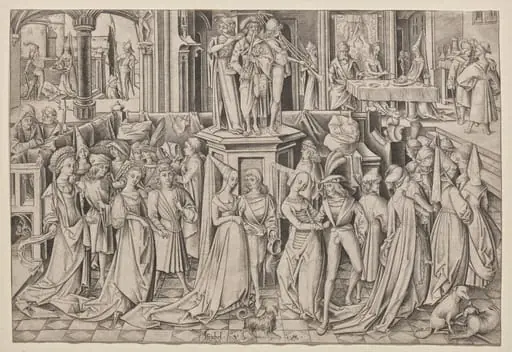 The Dance at the Court of Herod
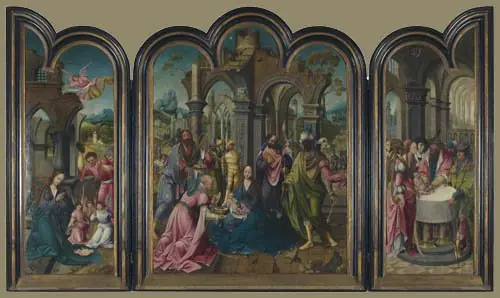 Triptych with adoration by the Magi
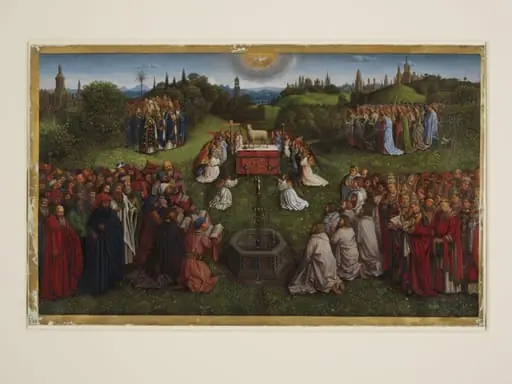 Copy of a detail of the Ghent Altarpiece, Adoration of the Lamb, by Hubert and Jan van Eyck in the church of St Bavon, Ghent.
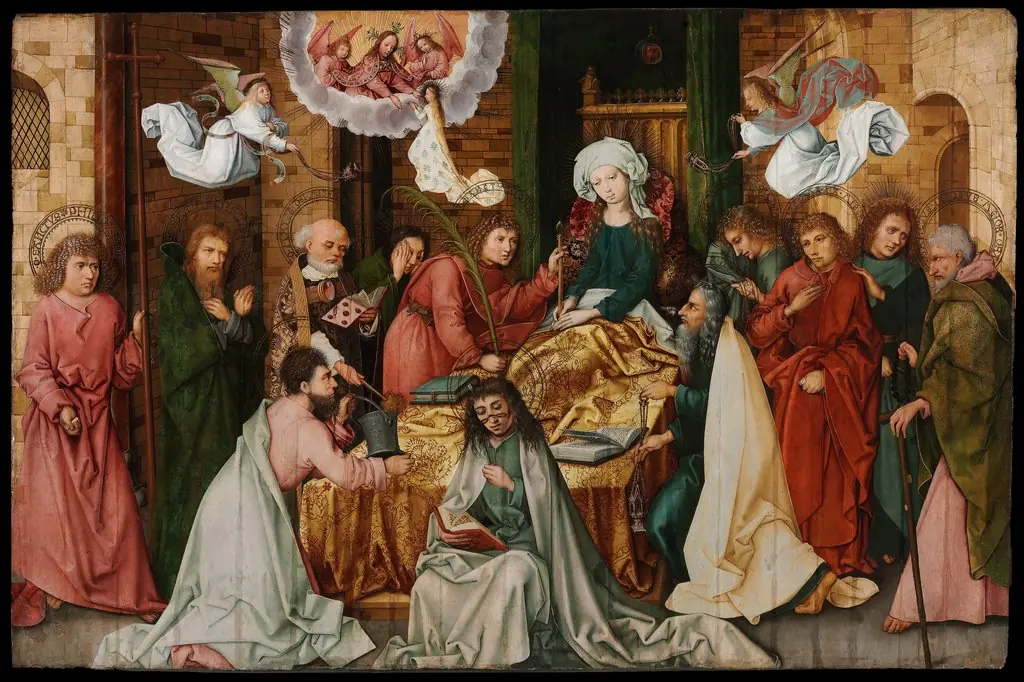 The Dormition of the Virgin
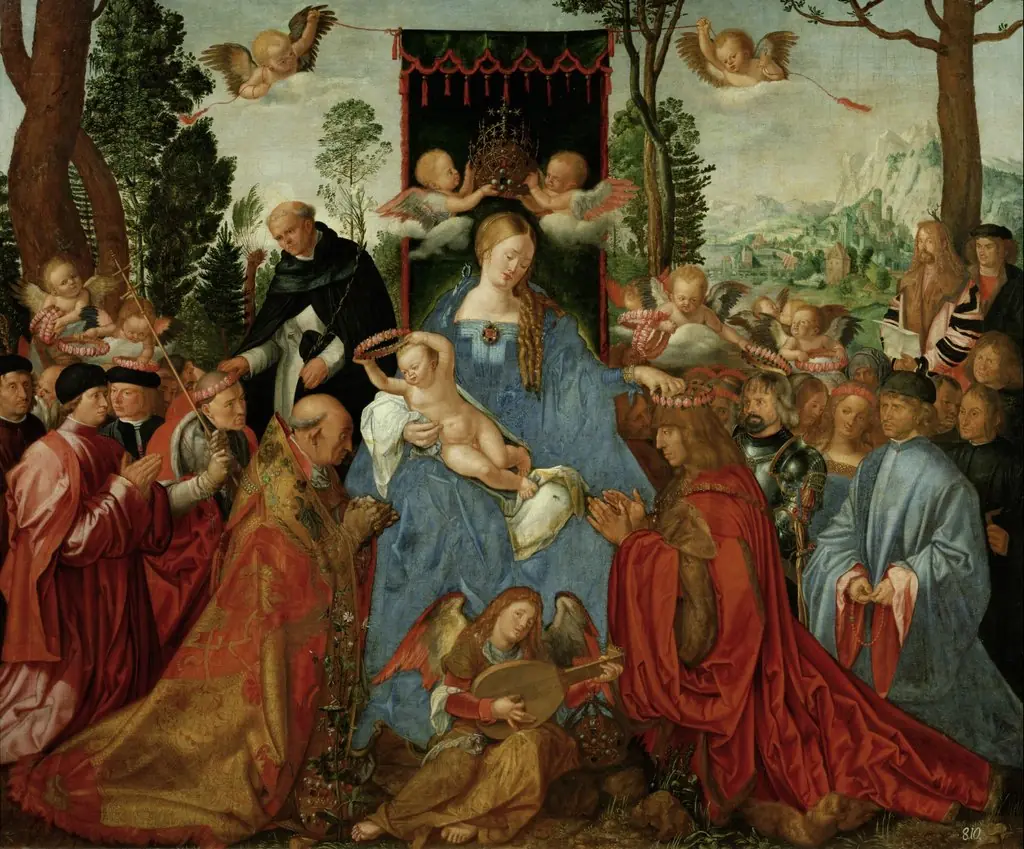 Rosenkranzfest
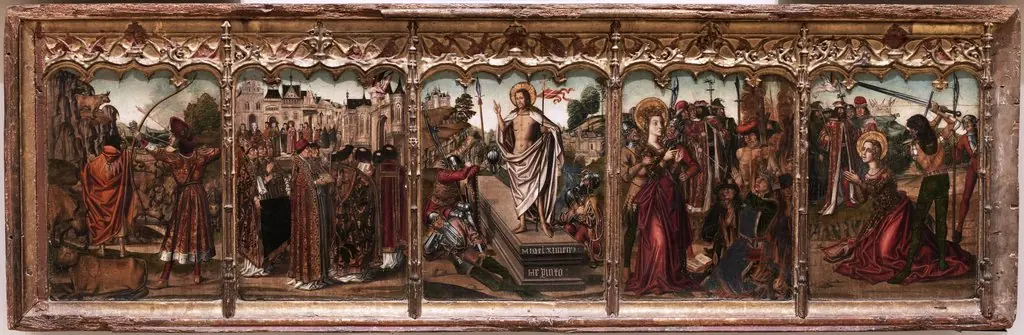 Predella with the Resurrection of Christ
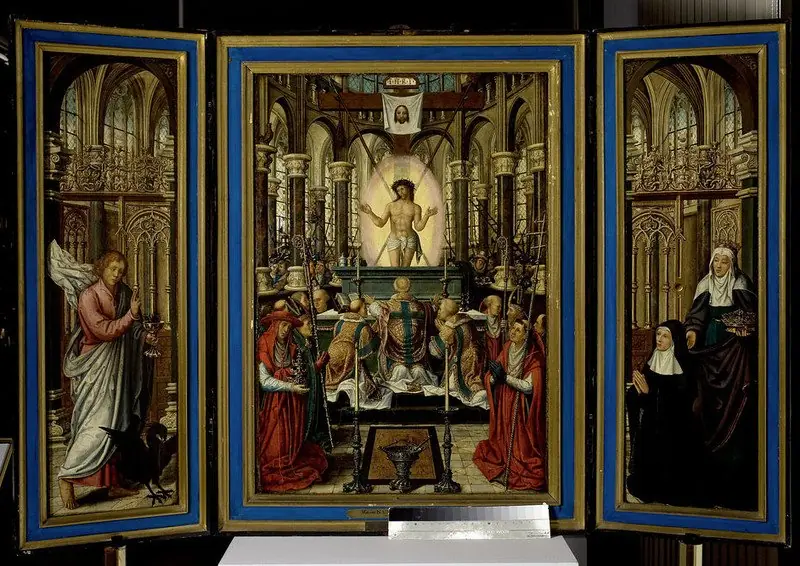 Triptych of the Mass of St. Gregory; left wing: St. John the Evangelist; right wing: St. Elisabeth of Hungary with the founder, Elisabeth van der Meren
 The Last Supper