Artwork
Kinderbildnis des Philipp, Sohn des Großherzogs Ferdinand I. von Toskana
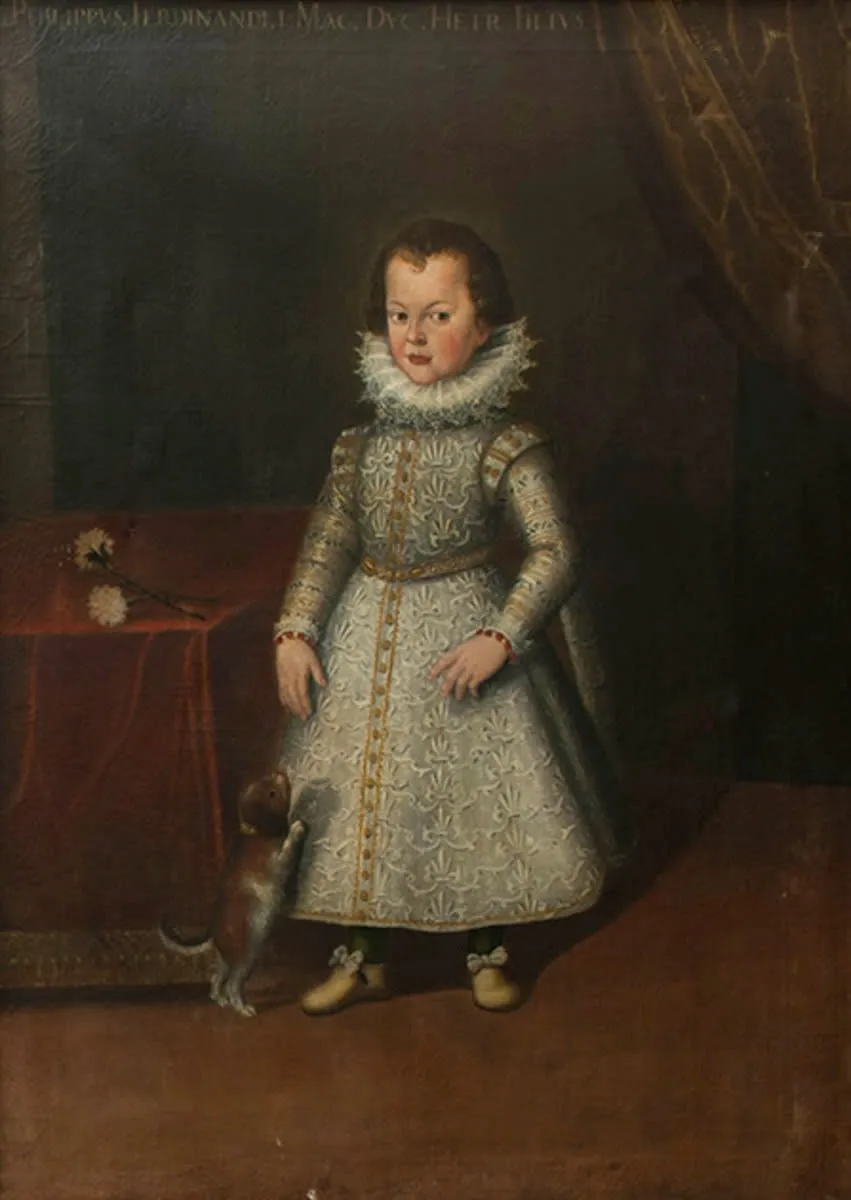
Kinderbildnis des Philipp, Sohn des Großherzogs Ferdinand I. von Toskana is an unspecified painting by the Early Baroque Italian artist Unknown. It dates from 1601 and is held in the collection of the Bavarian State Painting Collections. This portrait depicts Philipp, the young son of Grand Duke Ferdinand I of Tuscany, standing alone in a modest interior.
About this work
Subject & Meaning
As a dynastic portrait, the painting would have functioned to document the lineage of the Medici grand ducal house and to project the prestige of the family.
The painting is a portrait of Filippino de' Medici, the son of Grand Duke Ferdinand I of Tuscany, as indicated by its title. Created in 1601, the work belongs to the genre of portraiture and serves as a representative image of a young member of the Medici dynasty, a family that ruled Tuscany and held significant political and cultural influence in late Renaissance and early Baroque Italy.
As a dynastic portrait, the painting would have functioned to document the lineage of the Medici grand ducal house and to project the prestige of the family. Portraits of Medici children were typically commissioned to mark their place within the ruling house, to be displayed in family residences, and to be sent as diplomatic gifts to allied courts, reinforcing political ties through visual representation of shared dynastic connections.
History & Provenance
The portrait Kinderbildnis des Philipp, Sohn des Großherzogs Ferdinand I. von Toskana was created in 1601, as indicated by its documented inception date in the Bavarian State Painting Collections records.
The work entered the holdings of the Bavarian State Painting Collections and has been located at the Alte Pinakothek since at least the time of its cataloguing. Its dimensions are recorded as 139 cm in height and 100.7 cm in width.
Context
The portrait was created by an Italian artist active in Florence, documented in the Bavarian State Painting Collections' holdings at the Alte Pinakothek in Munich. It entered the collection as part of their early 17th-century acquisitions and was studied by scholars examining Medici family representations in Counter-Reformation portraiture. The work's dimensions of 139 cm by 100.7 cm establish its scale within the corpus of Medici-related portraiture, reflecting evolving artistic conventions in Tuscan court painting circa 1601.
Research on the painting's iconography has contributed to broader understandings of dynastic self-representation, with analyses appearing in studies of Medici collections published in the Journal of Renaissance Studies. Its attribution to the circle of Italian painters working under Medici patronage has been cited in exhibitions focused on Tuscan artistic networks.
The piece is formally classified as a portrait within the Alte Pinakothek's catalog, listed under genre descriptors that align with contemporary portrait conventions of the period.
Overview
This portrait depicts Philipp, the young son of Grand Duke Ferdinand I of Tuscany, standing alone in a modest interior. Dressed in elaborate silver and gold attire adorned with lace and fine embroidery, he holds a small dog on a leash. The setting is restrained, a dark wall and a wooden table with a single flower, drawing focus to the boy’s refined garments and composed demeanor. The lighting suggests careful attention to volume and depth.
Technique & Style
The painter employs chiaroscuro to model the boy’s voluminous sleeves and textured fabric, enhancing the three-dimensionality of his attire. Subtle gradations of light define the lace at his collar and the sheen of metallic thread, while the background remains muted to isolate the figure. The dog’s fur is rendered with quiet precision, mirroring the boy’s calm posture. Brushwork is controlled, avoiding theatricality in favor of dignified realism.
Legacy
The portrait contributes to a broader tradition of Habsburg and Medici family imagery, where children were depicted as symbols of future rule. Its quiet intensity influenced later court portraiture in Central Europe, particularly in its use of subdued interiors and symbolic objects. Though not widely exhibited, it remains a key example of how aristocratic identity was cultivated through visual culture in early modern Italy.
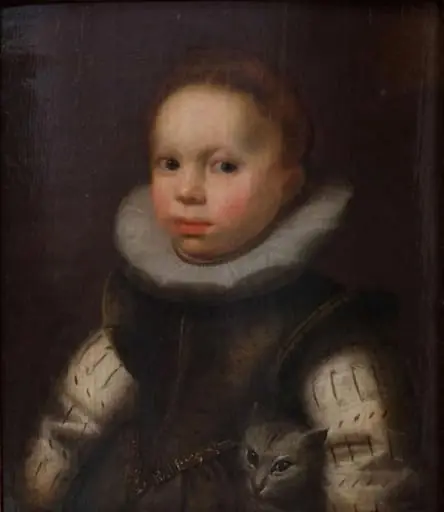
Artist & collection









- Fetița cu pisica
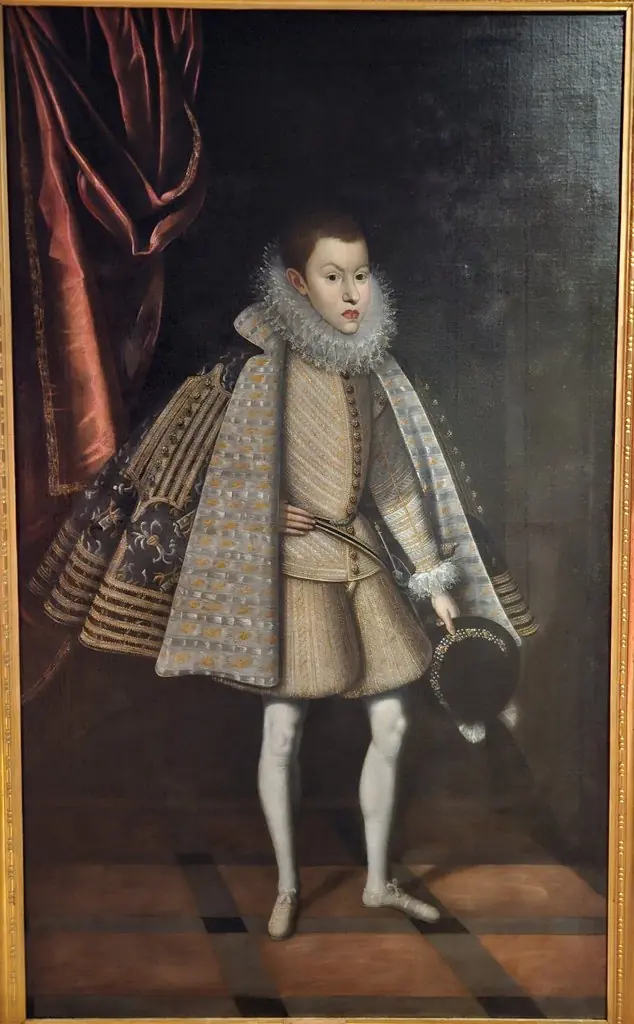 Retrato do Infante Carlos de Áustria
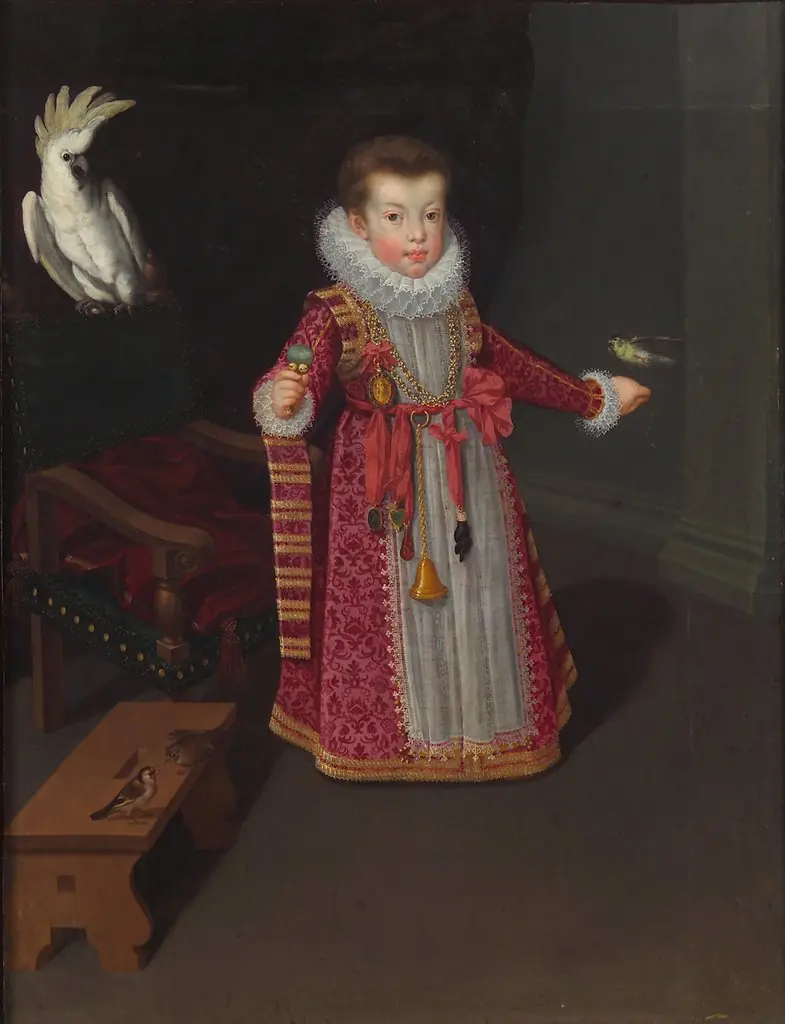 Erzherzog Johann Karl (1605-1619) im Alter von etwa drei Jahren
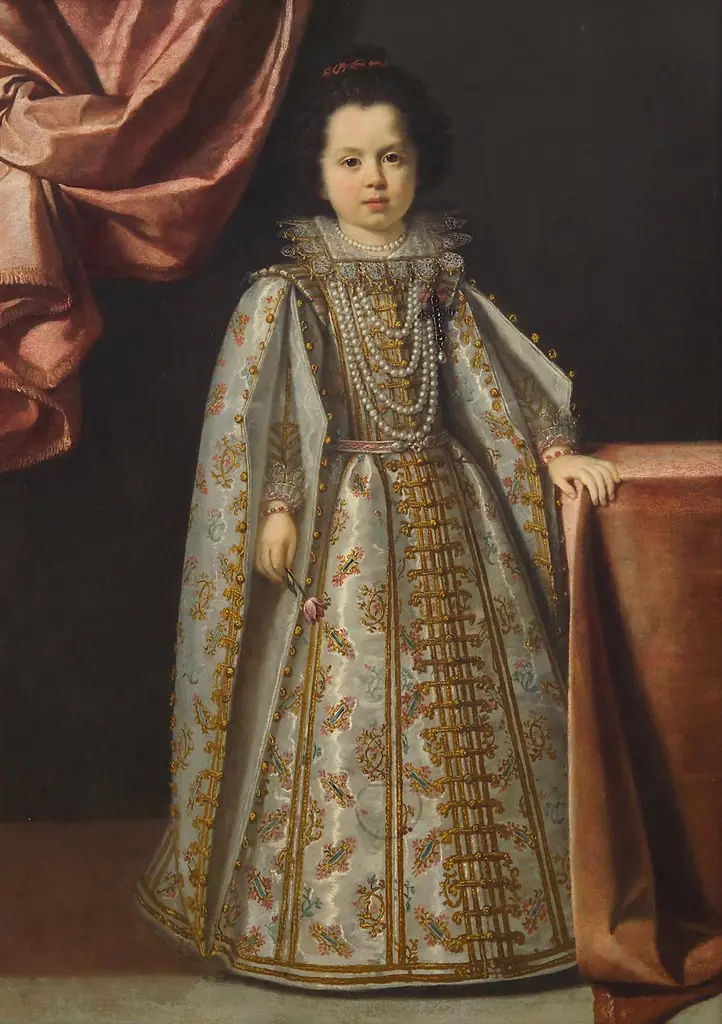 Portrait of Vittoria della Rovere (1622-1694) aged 4 or 5
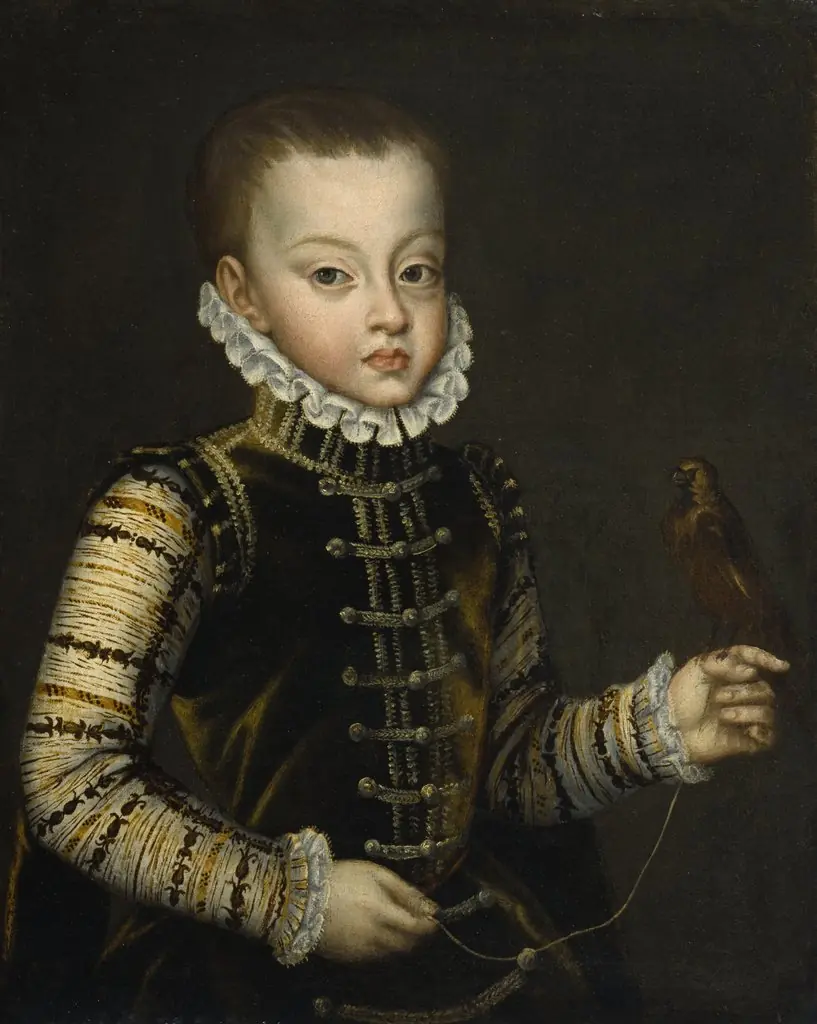 Portrait of Infante Ferdinand of Spain
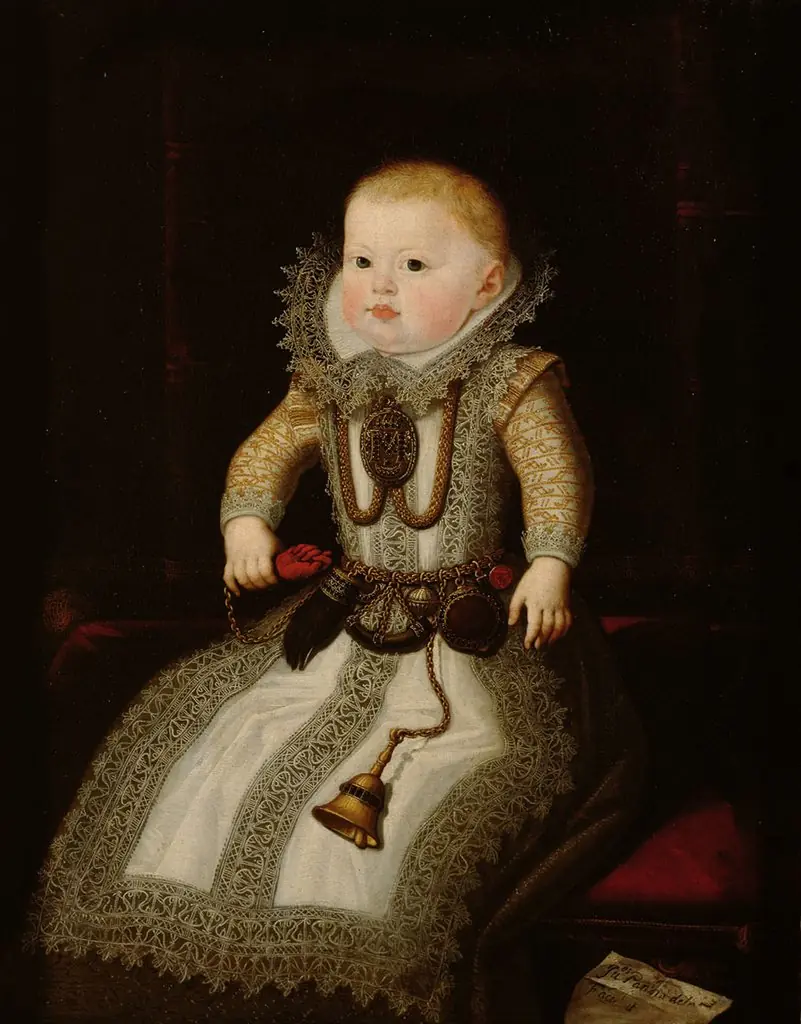 Infantin Maria Anna (1606-1646), Kaiserin, im Alter von 4 bis 5 Monaten, Bildnis in ganzer Figur
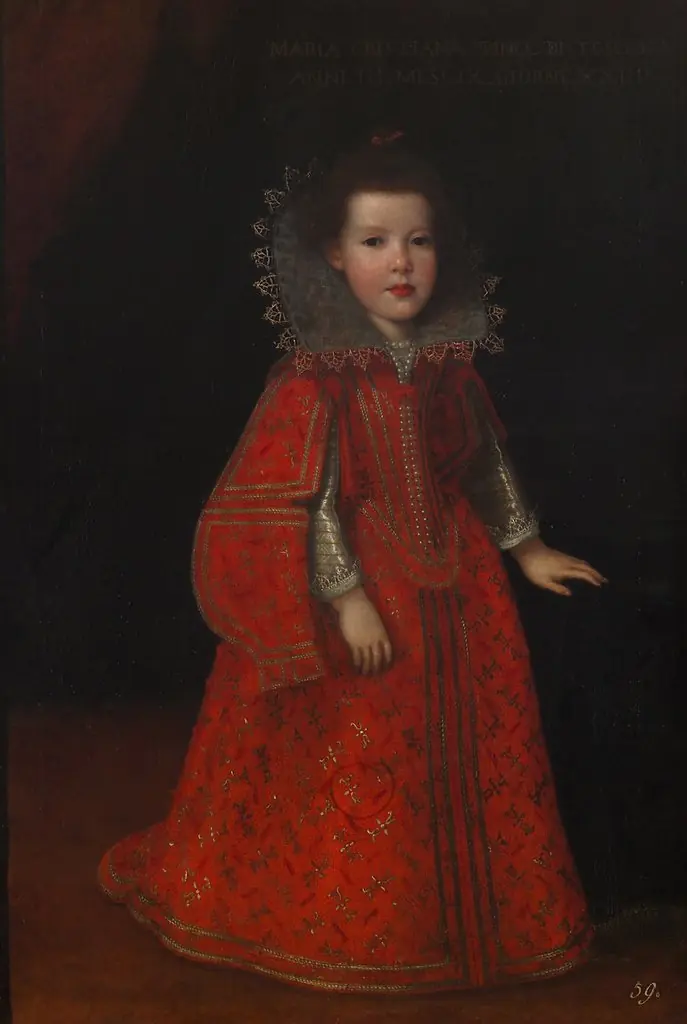 Maria Cristina de' Medici (1609-1632) im Alter von drei Jahren
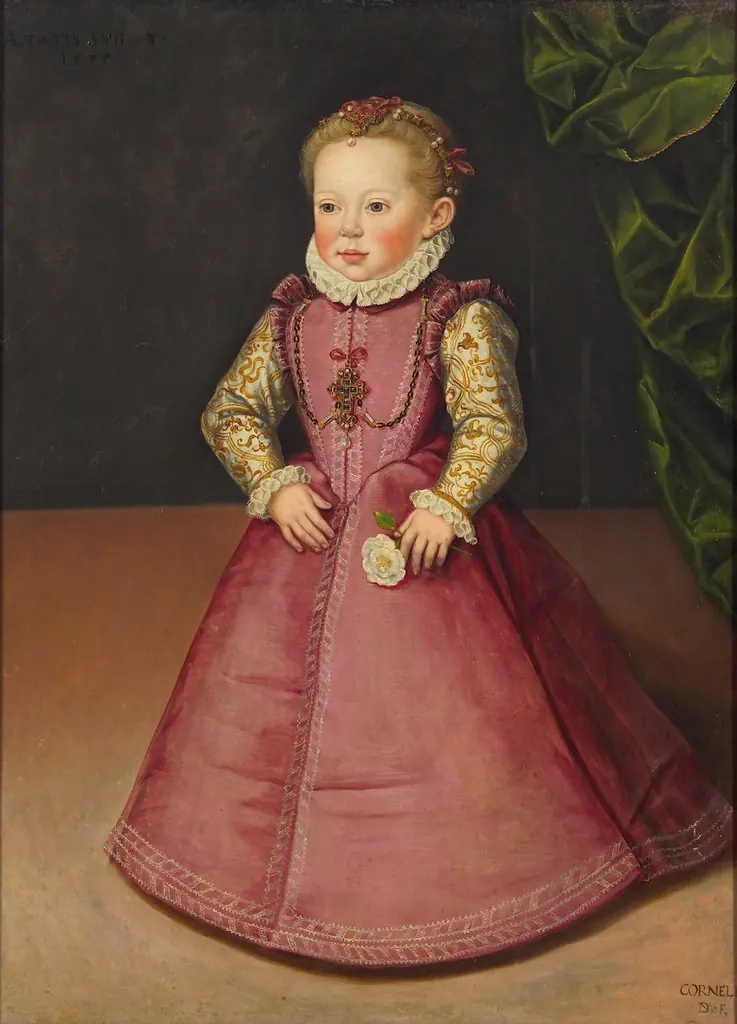 Erzherzogin Maria Christierna (1574-1621) im Alter von drei Jahren, in ganzer Figur
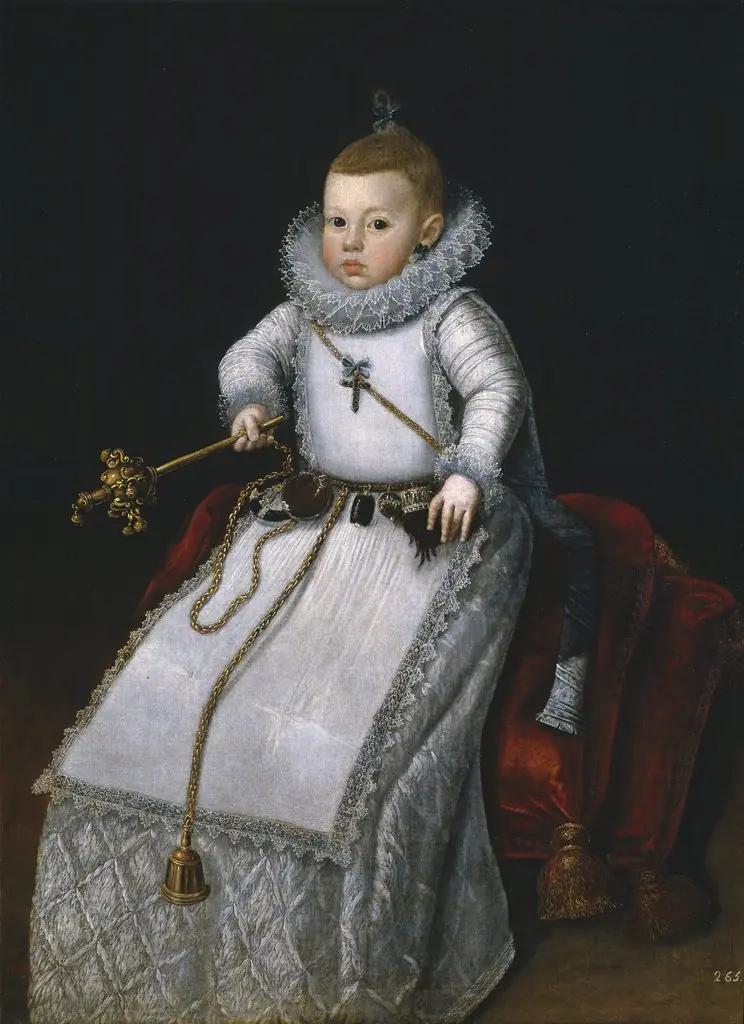 Infanta Margarita Francisca, Daughter of Philip III
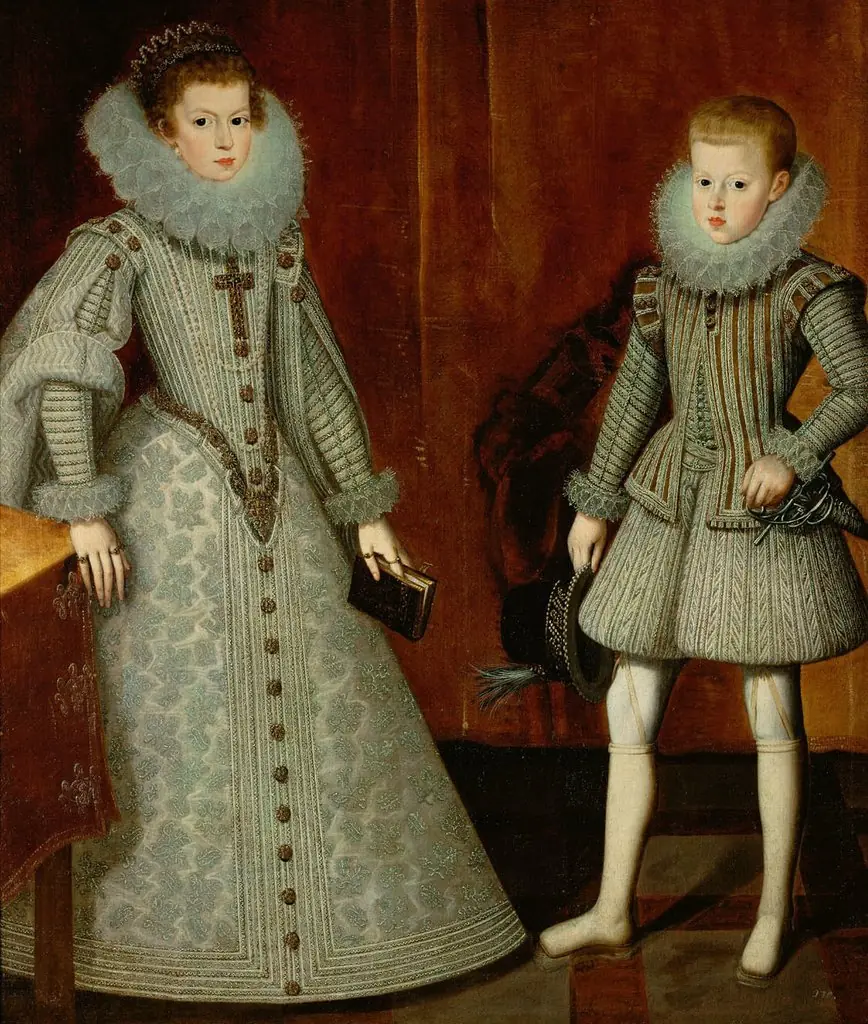 König Philipp IV. von Spanien (1605-1665) mit seiner Schwester, der Infantin Anna (1601-1666), Bildnis in ganzer Figur
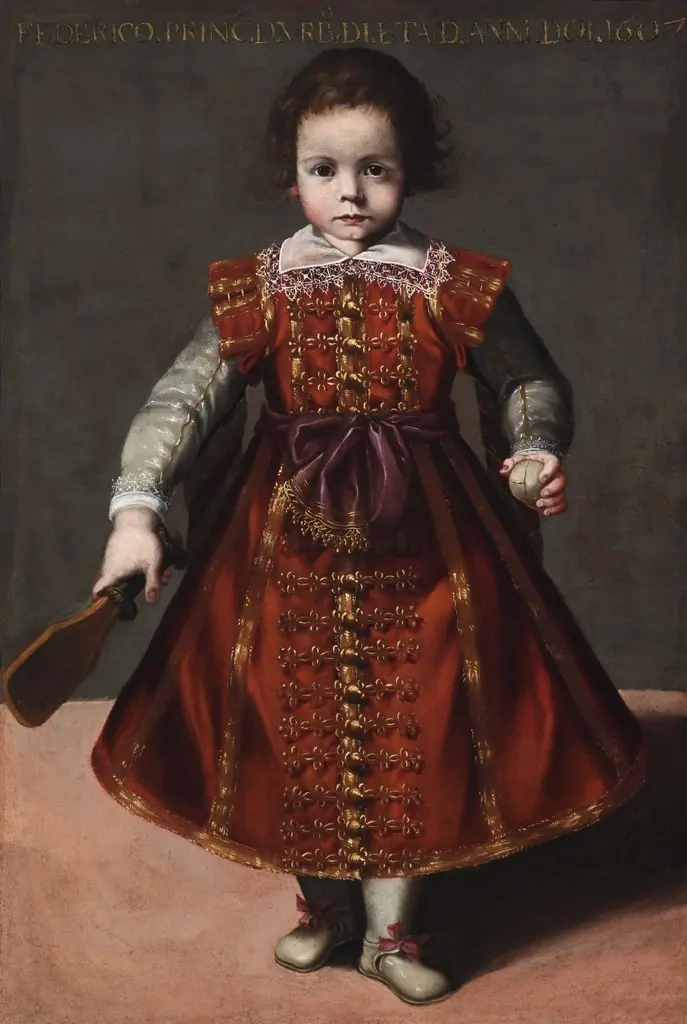 Federico, Prince of Urbino, at the Age of Two Years
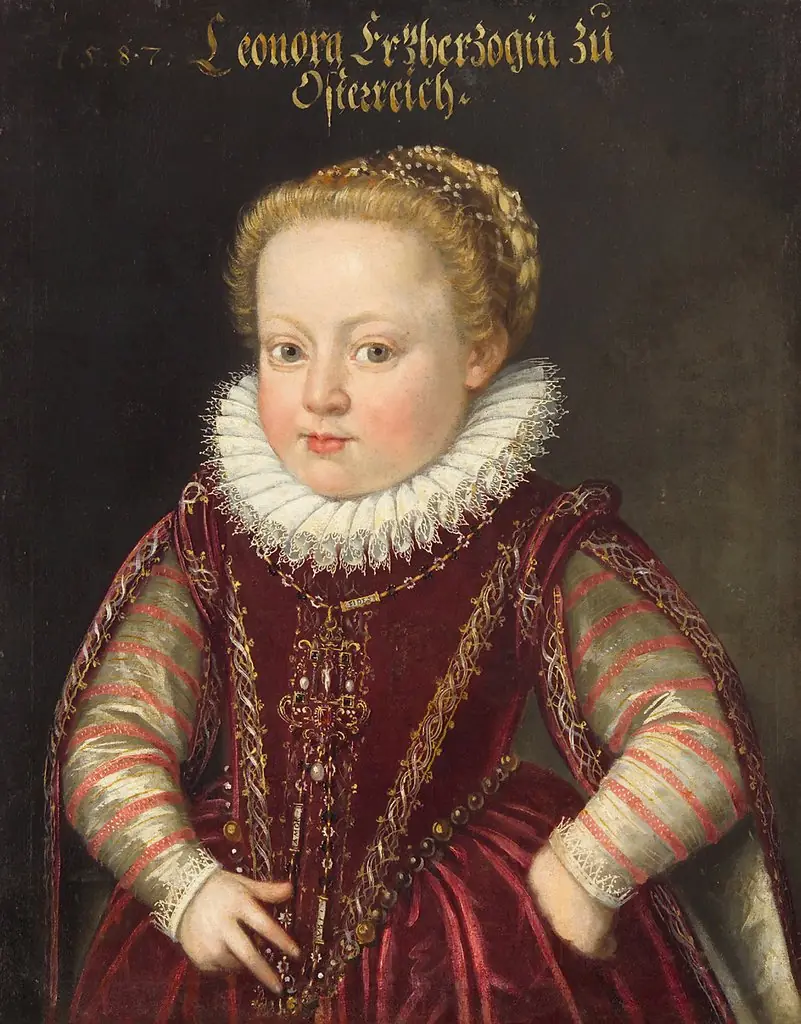 Erzherzogin Eleonore (1582-1620) im Alter von 5 Jahren, Halbfigur