Artwork
Master of the Tiburtine Sibylle. The Sibylle of Tibur, the prophecies of the emperor Augustus
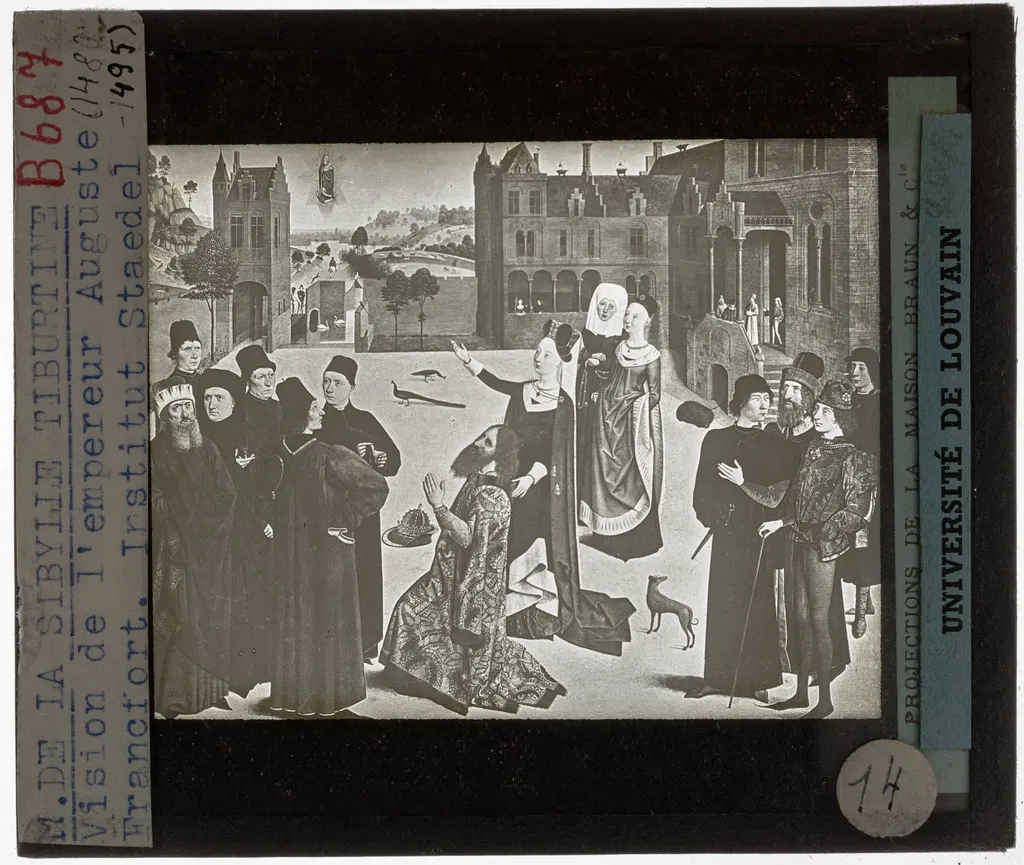
Master of the Tiburtine Sibylle. The Sibylle of Tibur, the prophecies of the emperor Augustus is an unspecified painting by Unknown. It dates from 1924 and is held in the collection of the Catholic University of Leuven.
About this work
Overview
Created between 1480 and 1485, this panel painting attributed to the Master of the Tiburtine Sibylle depicts the Sibyl of Tibur holding a book and a crown. Rendered in the style of the Flemish Primitives, the work combines oil and tempera on wood and is now housed in the Städel Museum in Frankfurt.
Subject & Meaning
The composition presents the prophetic Tiburtine Sibyl seated in a modest interior, surrounded by a few objects that emphasize her scholarly and regal attributes. The narrative references the legendary prophecies concerning the Roman emperor Augustus, linking classical myth with Christian medieval thought.
Technique & Style
The artist employed a layered approach, applying tempera for fine details and oil for richer color modulation, characteristic of late‑15th‑century Flemish painting. The handling of light and subtle transitions anticipates the sfumato technique, creating a softened atmospheric effect within the confined space.
History & Provenance
The panel entered the collection of the Städel Museum in Frankfurt after passing through various private hands. Its attribution to the anonymous Master of the Tiburtine Sibylle rests on stylistic parallels with other works from the same workshop active in the Low Countries during the late medieval period.
Context
During the late Middle Ages, sibyls were incorporated into Christian iconography as pre‑Christian seers who foretold the coming of Christ. The Tiburtine Sibyl, in particular, was associated with legends about Augustus, reflecting the period’s interest in reconciling classical antiquity with contemporary religious narratives.
Artist & collection








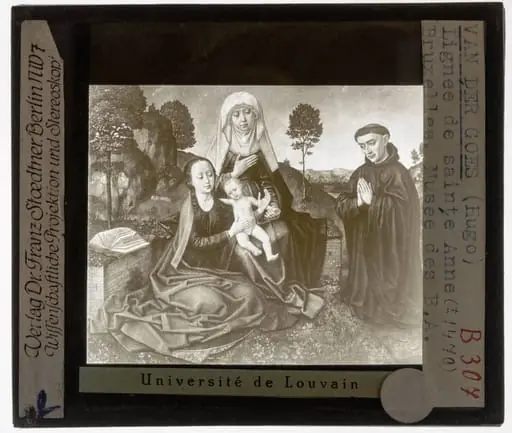
- Hugo van der Goes. St Anne's with a Franciscan donor
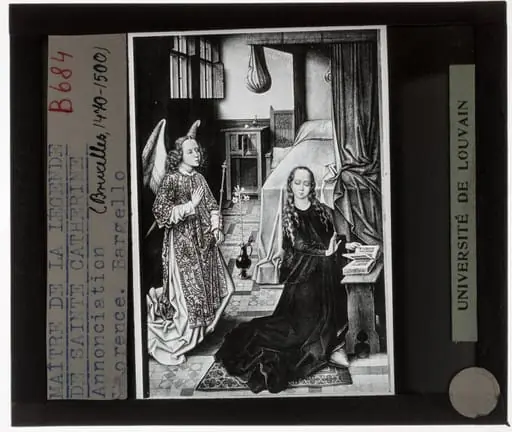 Master of the Legend of Saint Catherine. Triptych Central panel, detail: Annunciation
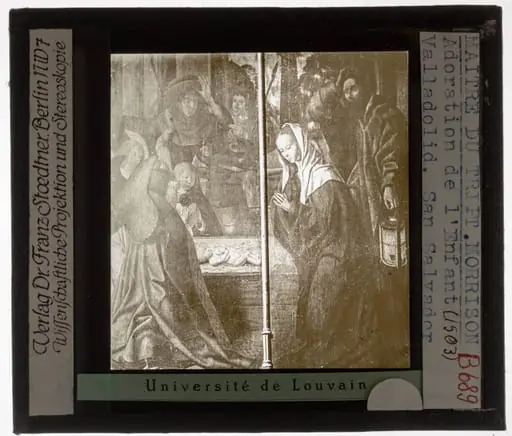 Master of the Morrison Triptych. Adoration of Christ
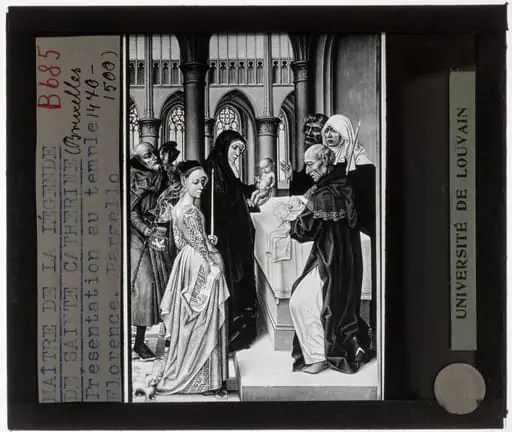 Meester van de Legende van Sint Catherina. Triptiek Maria-Lichtmis Presentatie in de tempel
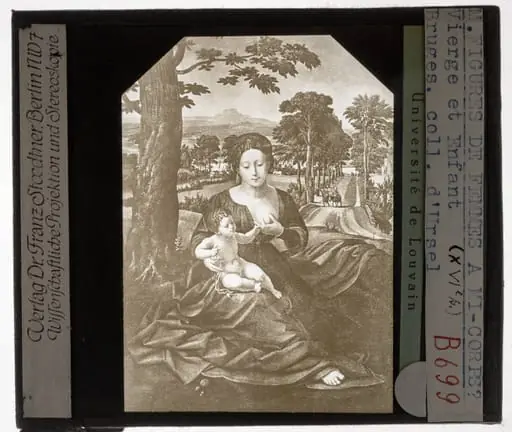 Anoniem. Madonna met kind
 Pieter Brueghel de Oude. De val van Icarus
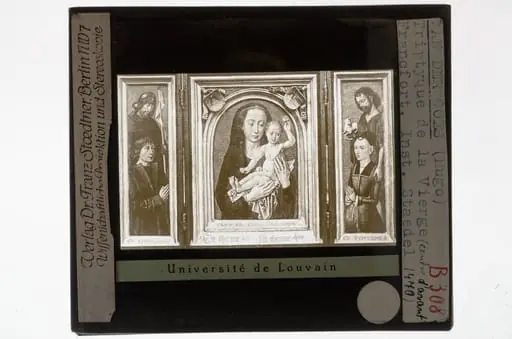 Hugo van der Goes. Triptych
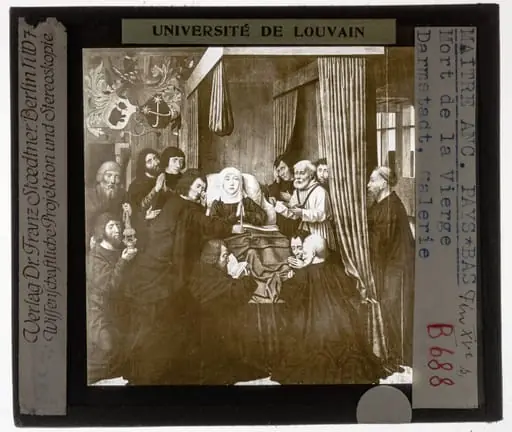 Simon van Haarlem (toegeschreven aan). Dood van Maria
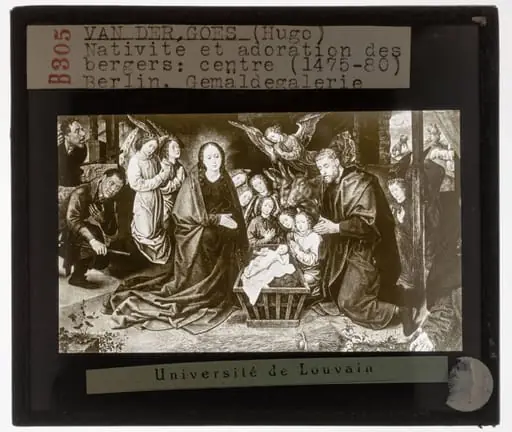 Hugo van der Goes. Kerstverhaal. Aanbidding der Herders Detail, centraal
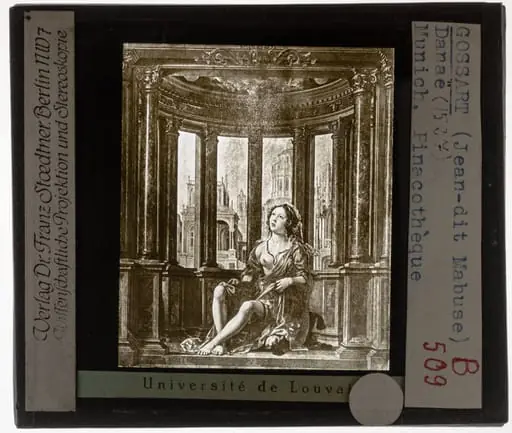 Jan Gossaert. Danaë
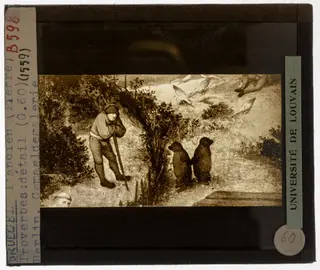 Pieter Brueghel de Oude. Nederlandse spreekwoorden Detail: Wilde beeren, die zijn bij den ander gheeren