Artwork
Monju Dressed in a Robe of Braided Grass (Nawa Monju)
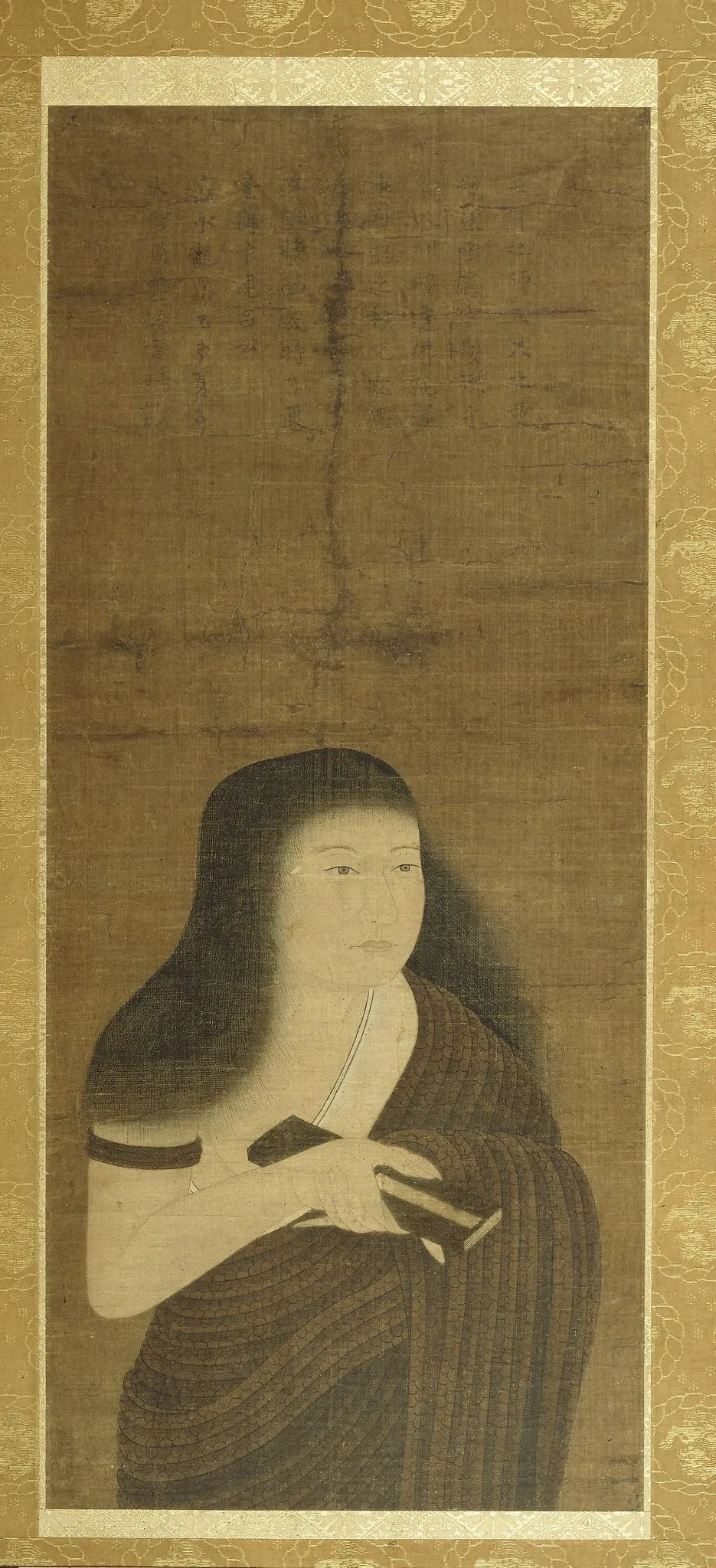
Monju Dressed in a Robe of Braided Grass (Nawa Monju) is an unspecified painting by the Northern Renaissance artist Unknown. It dates from 1415 and is held in the collection of the Art Institute of Chicago.
About this work
Overview
The absence of contextual elements focuses attention entirely on the form and texture of the figure, creating a contemplative, isolated presence.
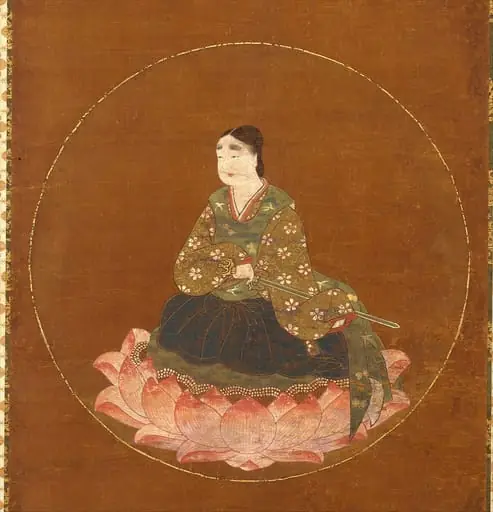
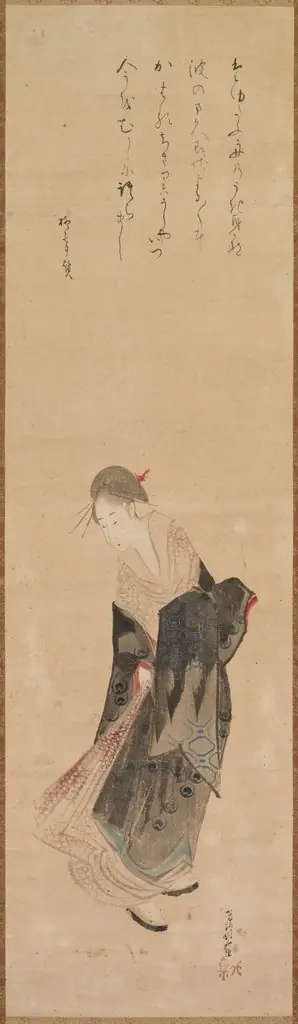
This painting depicts a solitary figure draped in a robe woven from braided grass, rendered against a uniform, unbroken background. The figure, with long dark hair and a sidelong gaze, holds a small object in their hands. The absence of contextual elements focuses attention entirely on the form and texture of the figure, creating a contemplative, isolated presence. The composition avoids narrative detail, emphasizing instead the materiality and stillness of the subject.
Subject & Meaning
The figure is identified as Monju, a bodhisattva associated with wisdom in East Asian Buddhism. The grass robe symbolizes asceticism and detachment from worldly materials, reflecting a tradition of spiritual renunciation. The modest object held may represent a scripture or ritual implement, hinting at the figure’s role as a guardian of insight. The quiet demeanor and averted gaze suggest inward reflection rather than outward engagement.
Technique & Style
The artist employs subtle tonal gradations to model the form of the figure, suggesting volume through careful modulation of light and shadow. The grass robe is rendered with textured brushwork that mimics the fibrous, layered quality of woven reeds. The solid background enhances the figure’s sculptural presence, isolating it from spatial context and reinforcing a meditative stillness. The style leans toward restrained realism, prioritizing tactile accuracy over decorative flourish.
History & Provenance
The painting originates from a tradition of Japanese Buddhist art that flourished between the 15th and 17th centuries, often created for private devotional use. While its exact origin and early ownership remain undocumented, its format and iconography align with works produced in monastic circles. It likely served as an object of contemplation, used in rituals or personal meditation rather than public display.
Context
This work emerges from a broader cultural practice in which Buddhist figures were depicted in unconventional, ascetic forms to emphasize spiritual purity over ornate iconography. The use of natural materials like grass in robes reflects Zen and esoteric Buddhist ideals of humility and impermanence. Such images contrasted with more elaborate courtly depictions, offering a quieter, more introspective vision of enlightenment.
Legacy
The painting contributes to a lineage of minimalist Buddhist portraiture that values restraint and material symbolism over grandeur. Its influence can be seen in later Japanese ink paintings and modern interpretations of spiritual figures that prioritize simplicity and tactile presence. Though not widely known outside specialized circles, it remains a quiet example of how devotion was expressed through understated visual language.
Artist & collection









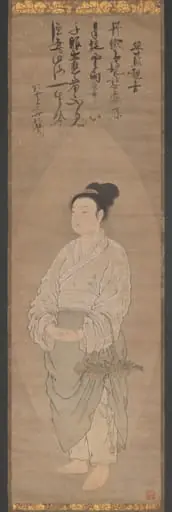
- Fish Basket Kannon (Gyoran Kannon)
 元 佚名 仕女像 軸|Portrait of a Lady
 Untitled
 Untitled
 「扇屋内花扇図」|The Courtesan Hanaōgi of the Ōgiya Brothel in Yoshiwara (Ōgiya uchi Hanaōgi, Yoshino, Tatsuta)
 歌撰恋之部 夜毎に逢恋|A Young Woman Reading A Letter
 Figure of a Woman
 春日若宮曼荼羅|Mandala of Wakamiya of Kasuga Shrine (Kasuga wakamiya mandara)
 丹生明神像|Niu Myōjin
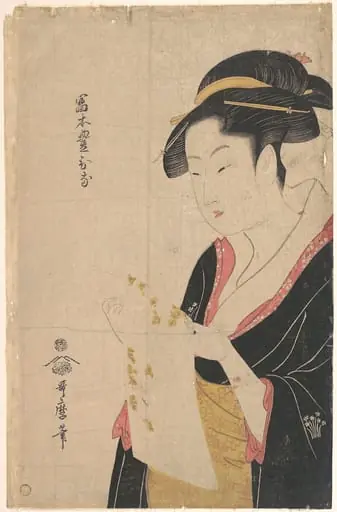 富本豊ひな|The Lady Tomimoto Toyohina Reading a Letter
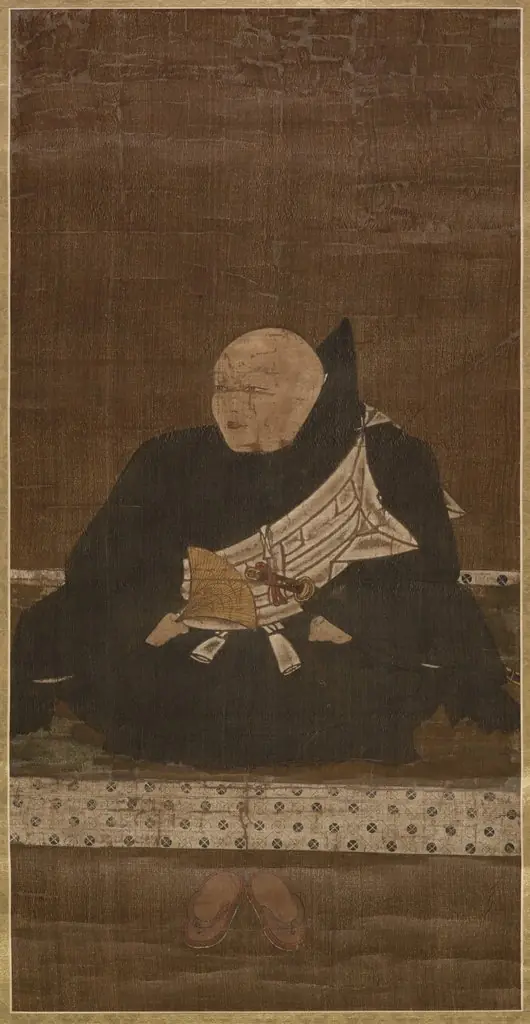 A High-ranking Noble in Priest's Robe
 Beauty (Bijin)