Artwork
Nymph and Hunter
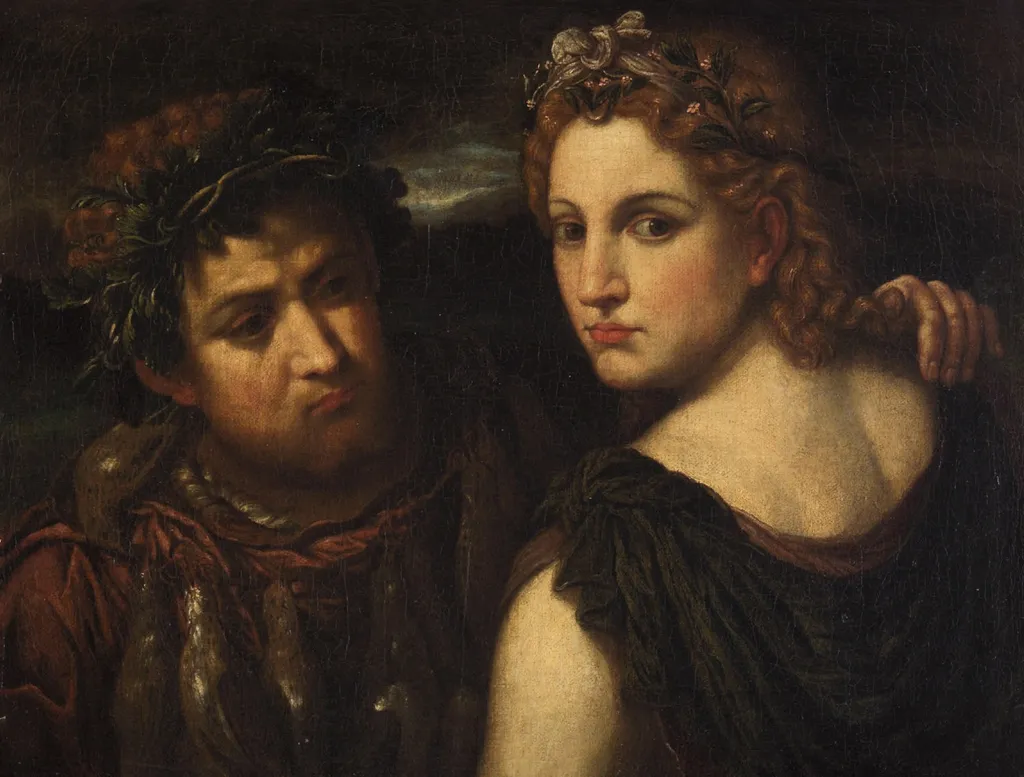
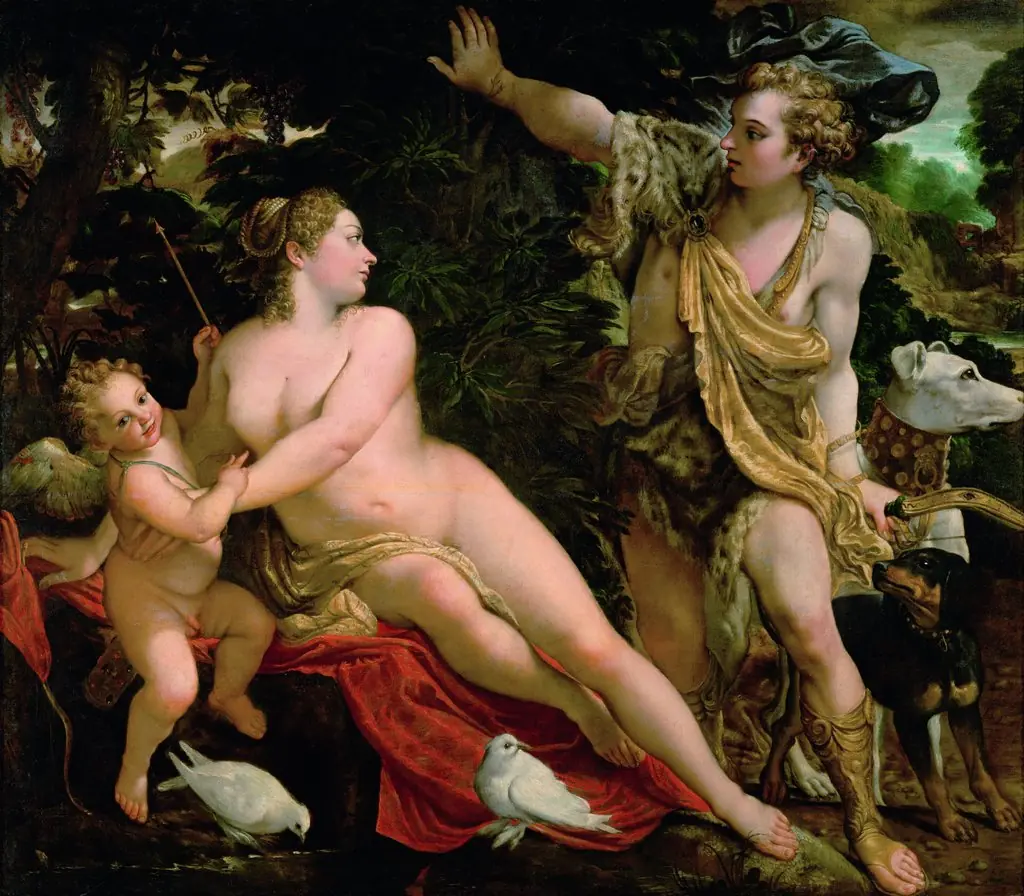
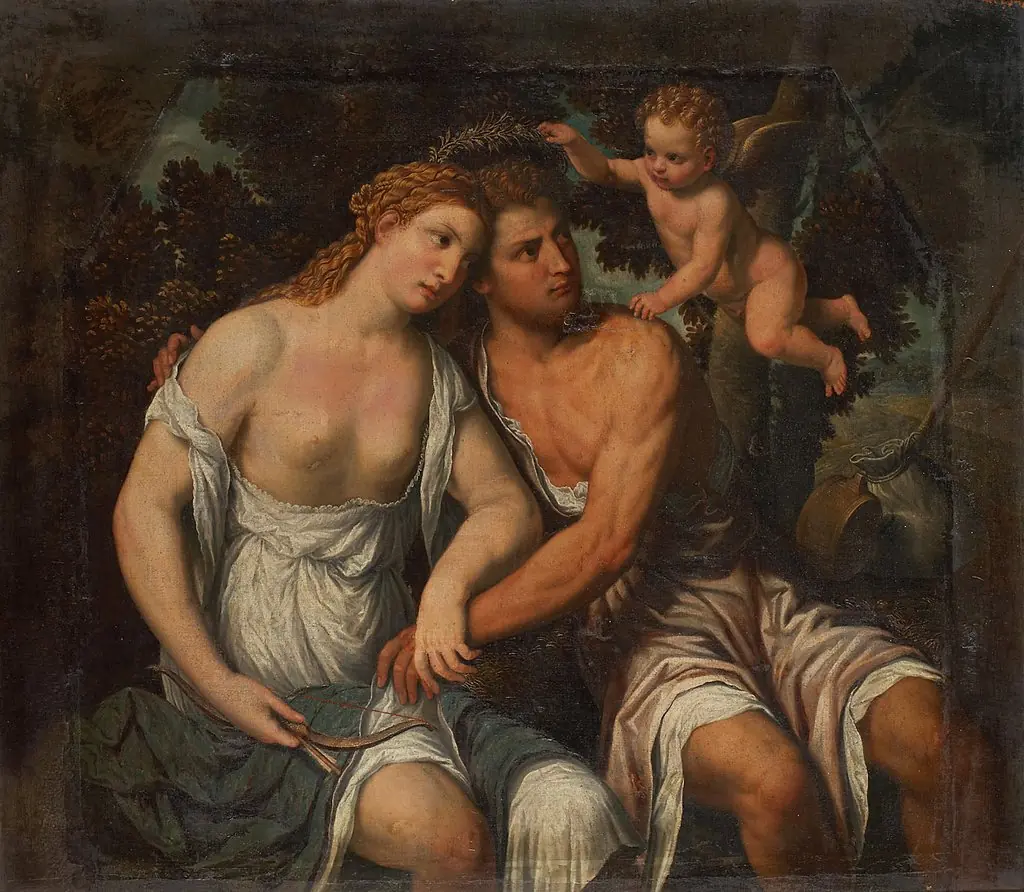
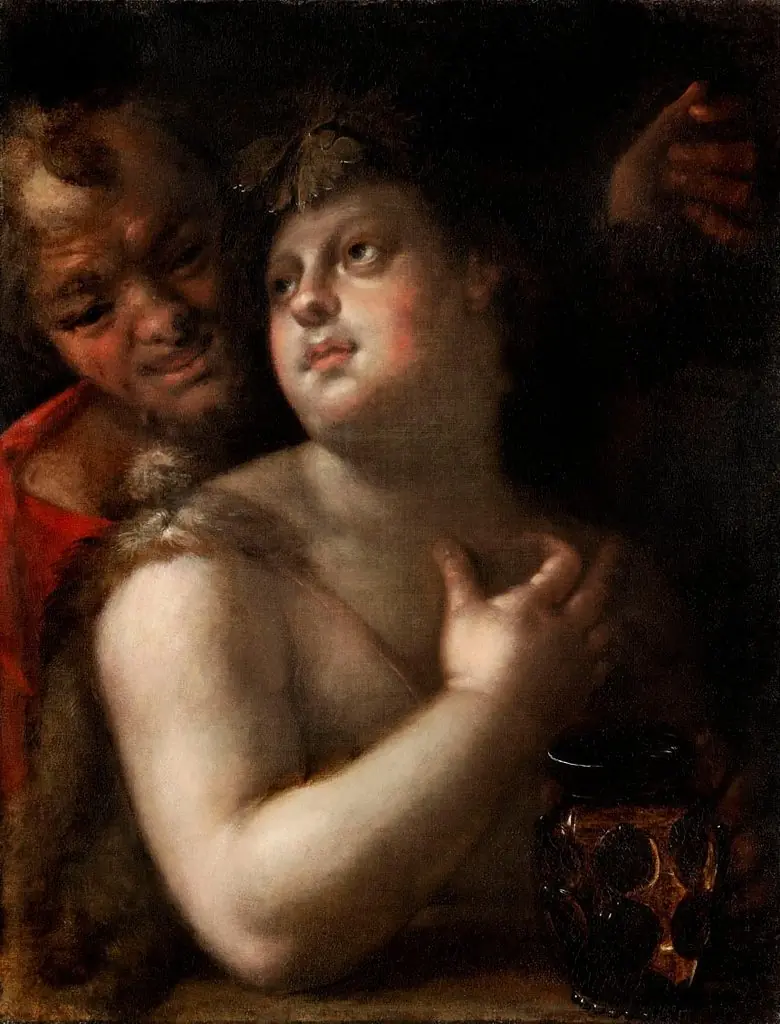
Nymph and Hunter is an unspecified painting by the Mannerist artist Unknown. It dates from 1555 and is held in the collection of the Kunsthistorisches Museum. The work depicts a man and a woman standing in close proximity.
About this work
Subject & Meaning
Such encounters often carried symbolic weight, exploring themes of pursuit, seduction, transformation, or the vulnerability of nature before human intrusion.
Nymph and Hunter is classified as a mythological painting, situating the work within the Renaissance tradition of depicting classical narratives. The composition portrays a nymph alongside a male figure, identified in the source as a hunter, a pairing common in mythological iconography where nymphs, female spirits of nature, frequently encounter mortal or divine male counterparts in pastoral or wooded settings. Such encounters often carried symbolic weight, exploring themes of pursuit, seduction, transformation, or the vulnerability of nature before human intrusion.
The painting is held in the collection of the Kunsthistorisches Museum in Vienna, where it is catalogued as a mythological work by the circle of Paris Bordone, dated 1555. Within this Venetian mid-sixteenth-century context, the nymph-and-hunter motif drew on Ovidian and pastoral literary sources, blending erotic undertones with classical allegory.
Technique & Style
Nymph and Hunter is classified as a painting of the mythological genre, dated 1555, and attributed to the circle of Paris Bordone. The work is held in the collection of the Kunsthistorisches Museum. Its physical dimensions are recorded as 45 cm in height by 61 cm in width, indicating a modest horizontal panel or canvas format suited to a cabinet-scale mythological scene. The subject matter centers on a nymph and a man, consistent with the painting's mythological classification.
No further technical details regarding medium, support, handling, condition, or stylistic qualities are documented in the available sources.
History & Provenance
The work is dated to 1555 and is associated with the circle of Paris Bordone, a Venetian painter active in the mid-sixteenth century. It entered the holdings of the Kunsthistorisches Museum, Vienna, where it remains today. The painting’s dimensions are recorded as 45 cm in height and 61 cm in width.
Context
Attributed to the circle of Paris Bordone, this mythological painting entered the Kunsthistorisches Museum's collection in 1555. Depicting a nymph and a hunter, the work exemplifies Venetian Renaissance approaches to mythological narrative and composition, reflecting broader trends in 16th-century Italian art where classical themes were rendered with heightened sensuality and atmospheric perspective. Its stylistic analysis situates it within the influence of Bordone's workshop while acknowledging unresolved questions about precise authorship, a topic explored in scholarly discussions of Venetian painting circa 1550-1570.
Overview
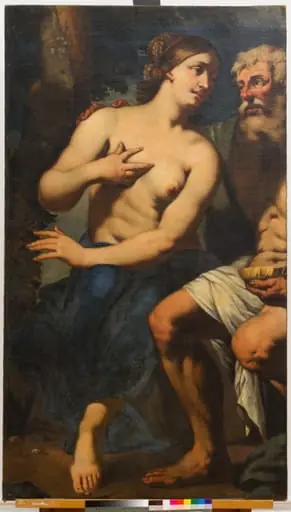
The work depicts a man and a woman standing in close proximity. The female figure has curly hair, a dark dress exposing one shoulder, and rests her hand gently on the man’s cheek. He wears a red‑brown tunic topped with a crown of leaves, his expression solemn. Both faces are rendered in deep shadow, giving the skin a smooth, three‑dimensional appearance.
Artist & collection