Artwork
Portrait of Ferdinand Karl and his wife Maria Beatrice d'Este
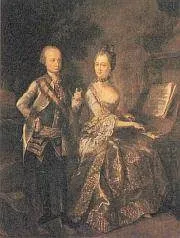
Portrait of Ferdinand Karl and his wife Maria Beatrice d'Este is an unspecified painting by the Rococo painting artist Unknown. It dates from 1750 and is held in the collection of the Kunsthistorisches Museum. The canvas presents Ferdinand Karl, Duke of Modena, alongside his consort Maria Beatrice d’Este, positioned side by side in formal attire.
About this work
Overview
The canvas presents Ferdinand Karl, Duke of Modena, alongside his consort Maria Beatrice d’Este, positioned side by side in formal attire.
The canvas presents Ferdinand Karl, Duke of Modena, alongside his consort Maria Beatrice d’Este, positioned side by side in formal attire. Both figures gaze directly toward the viewer, set against a muted, dark backdrop that emphasizes their presence. The composition underscores their rank and marital alliance rather than personal intimacy, reflecting the conventions of aristocratic portraiture in the early eighteenth century.
Subject & Meaning
Ferdinand Karl (1652–1715) and Maria Beatrice (1658–1718) were prominent members of the Este dynasty, a ruling family of Modena and Reggio. Their joint portrait serves to affirm dynastic continuity and political legitimacy, presenting the couple as a unified authority. The inclusion of a small book or music sheet in Maria’s hand hints at cultivated refinement, a common attribute ascribed to noblewomen of the period.
Technique & Style
Executed in oil on canvas, the work employs a restrained palette of deep blacks, rich browns, and subtle flesh tones. The figures are rendered with meticulous attention to textile detail, gold‑buttoned coat, lace‑trimmed dress, and a towering hat, while the background remains flat, eliminating spatial depth. This formal, linear approach aligns with the Baroque court portrait tradition that prioritized status over naturalism.
History & Provenance
The painting originated in the Este court’s collection in Modena and remained in the family’s holdings for several generations. It entered the Kunsthistorisches Museum’s inventory in the late nineteenth century, acquired through a bequest from a private collector who had purchased it from the former ducal archives. The work has since been catalogued as a key example of the Este family’s visual self‑representation.
Context
Created during a period when European courts used portraiture to negotiate power, the image reflects the diplomatic alliances forged by marriage. Ferdinand Karl’s rule was marked by efforts to modernize his duchy, while Maria Beatrice’s lineage linked the house of Este to the broader Italian aristocracy. The portrait thus functions both as a personal record and a political instrument within the intricate network of early‑modern Italian states.
Artist & collection









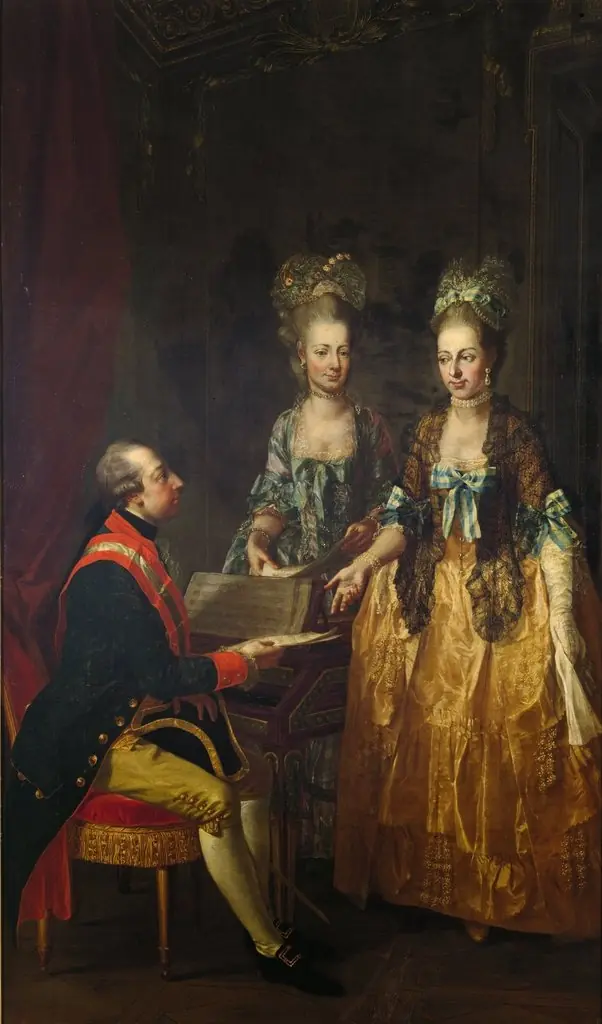 Emperor Joseph II at the spinet, with his sisters Maria Anna and Maria Elisabeth
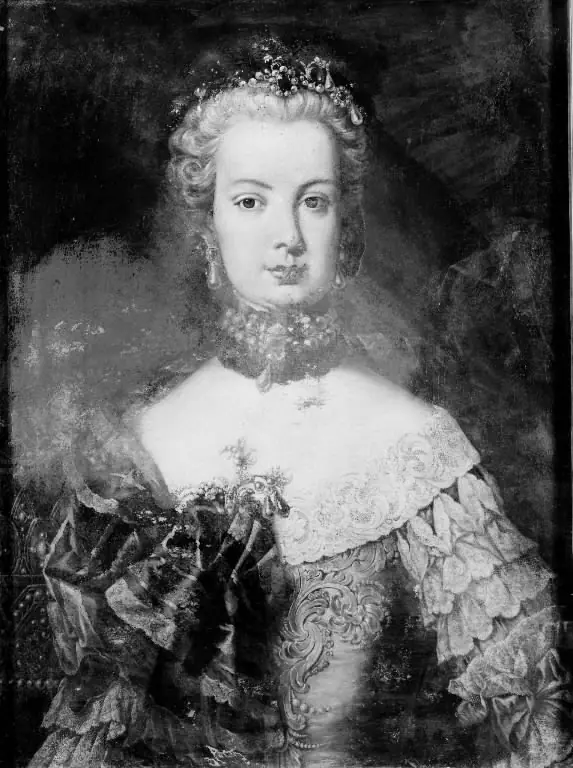 Elisabeth Christine von Braunschweig-Wolfenbüttel
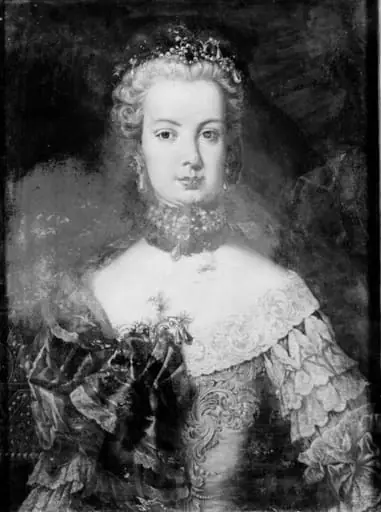 Elisabeth Christine von Braunschweig-Wolfenbüttel
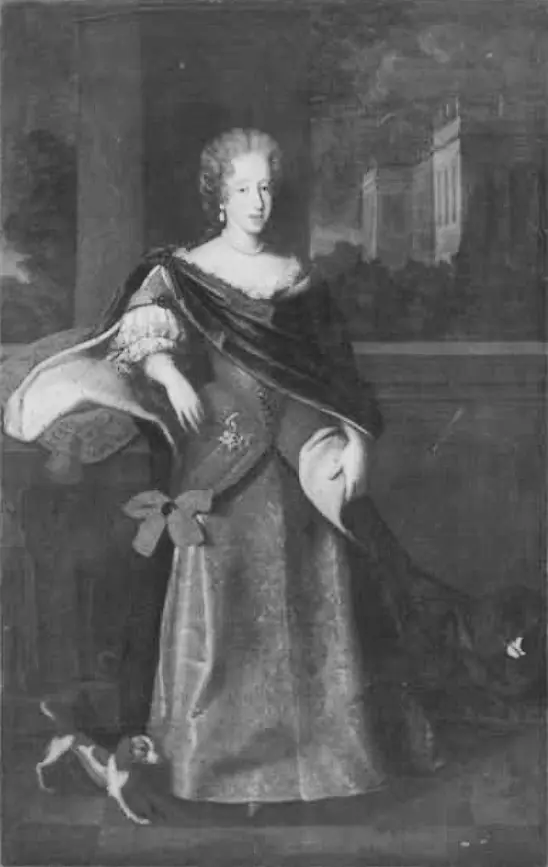 Bildnis einer Fürstin
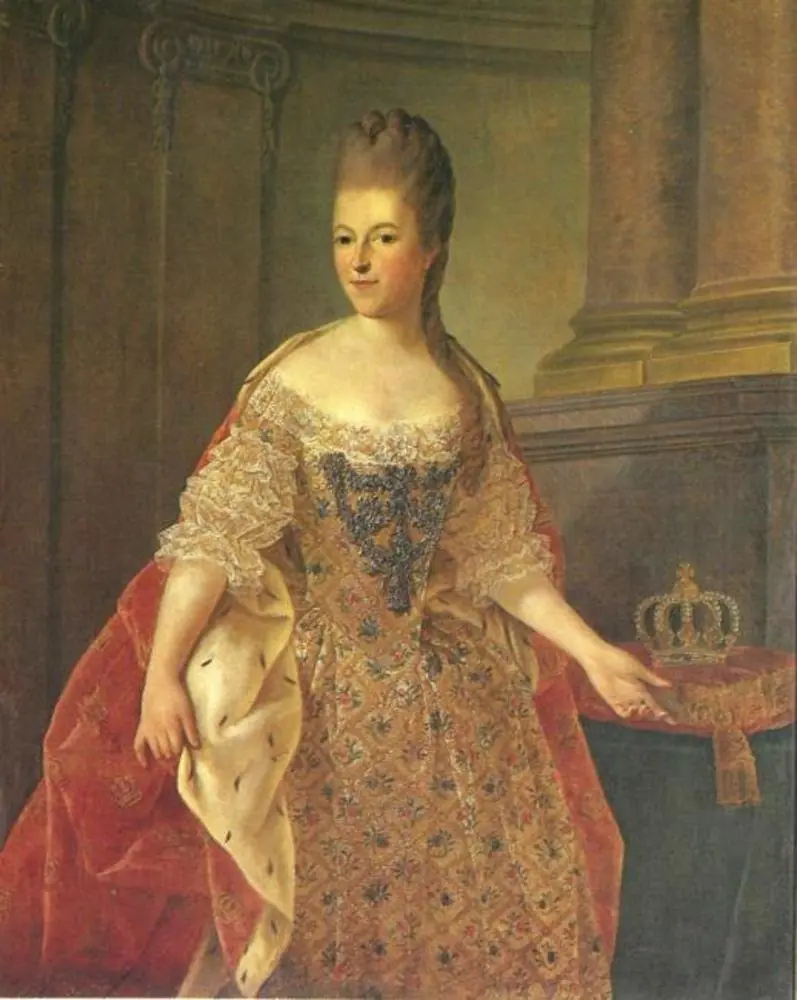 Frederika Sophia Wilhelmina (Wilhelmina; 1751-1820), prinses van Pruisen. Echtgenote van prins Willem V
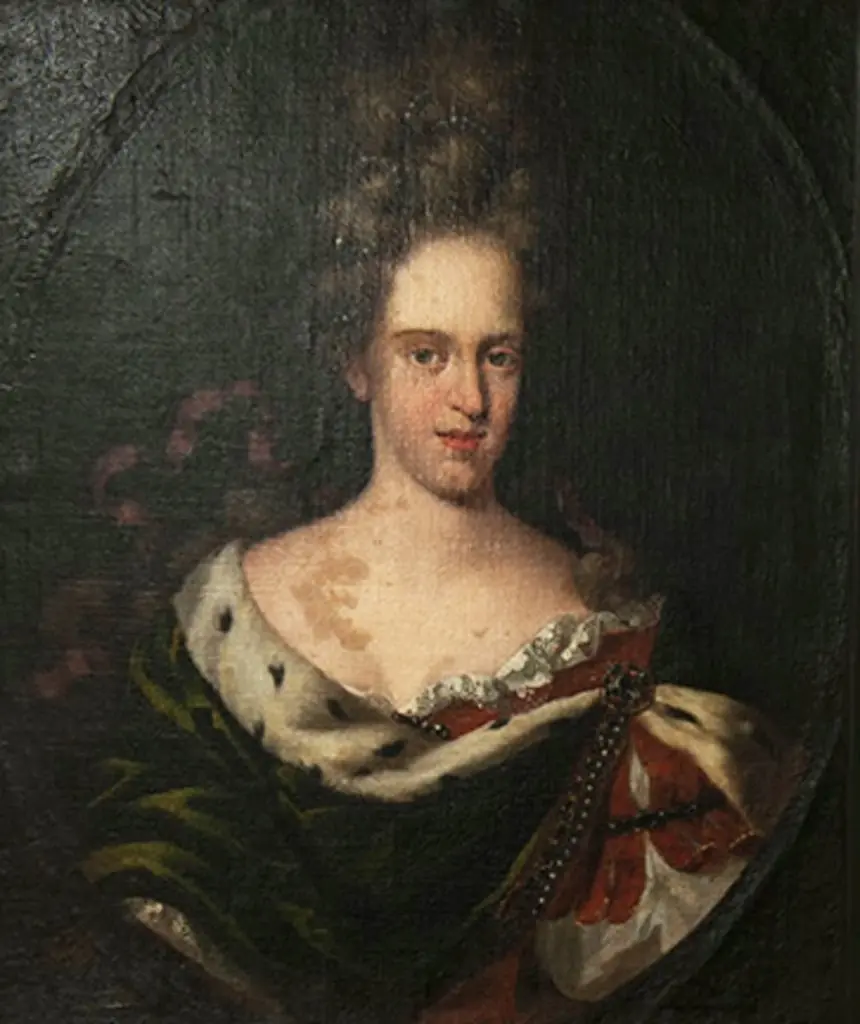 Maria Josepha Anna von Bayern
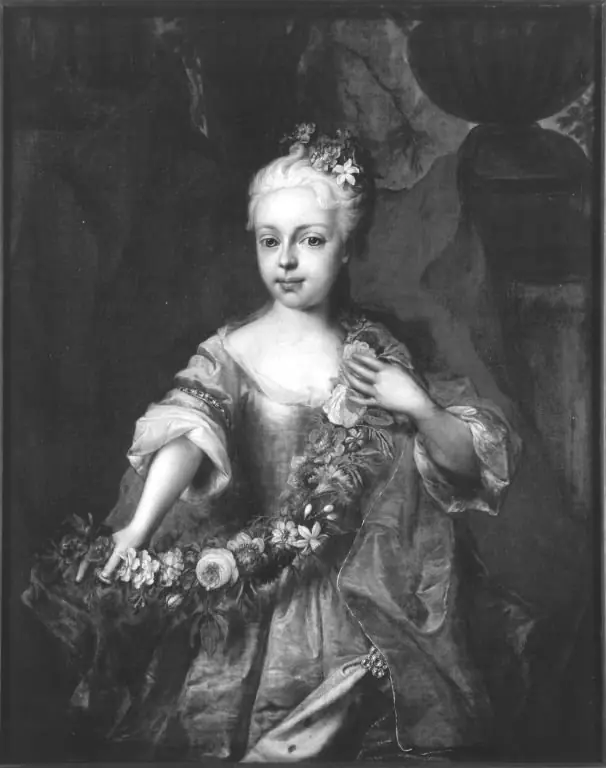 Portrait of Archduchess Maria Theresa of Austria, later Empress (1717-1780)
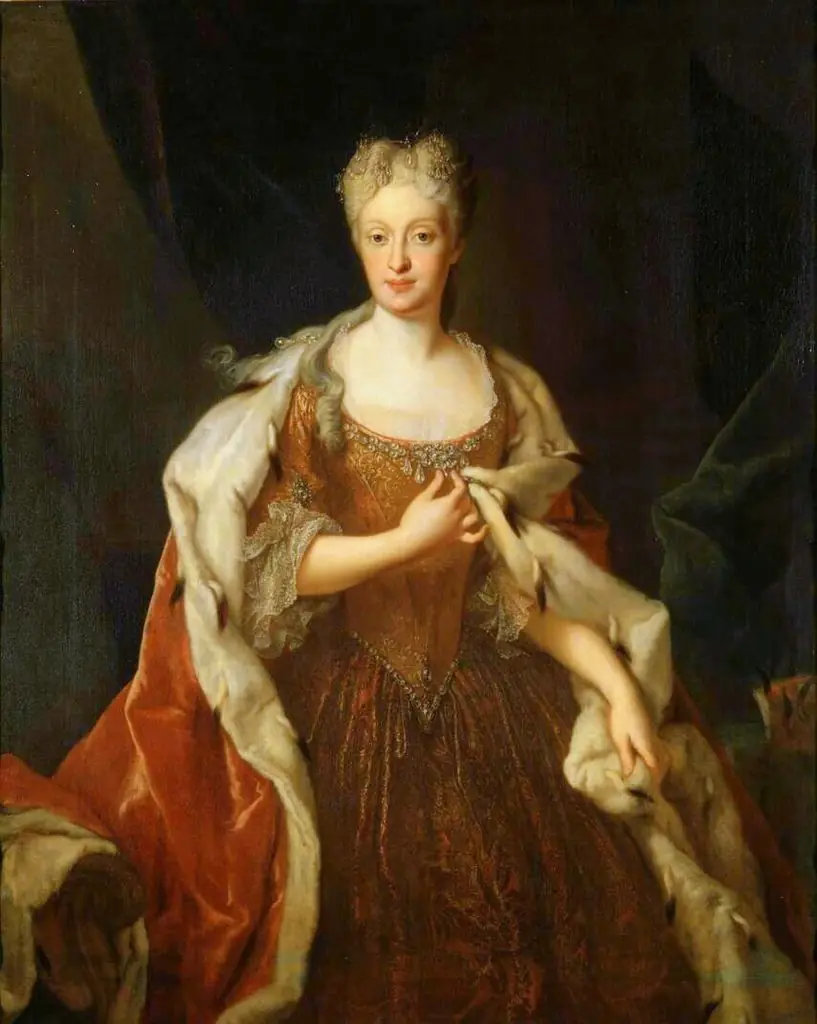 Porträt der Maria Josepha of Austria (1699-1757), Electress of Saxony and Queen of Poland
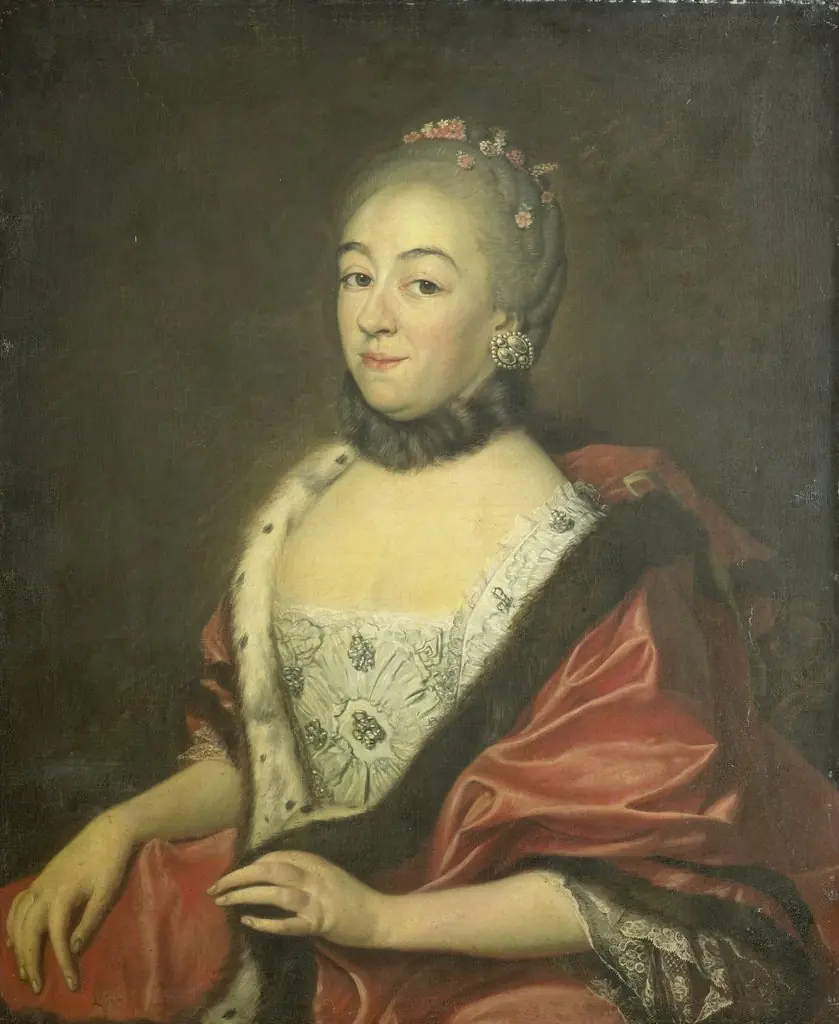 Sandrina van den Broecke, Wife of George Lodewijk Matthes
 Ana Maria de Orleans, soția regelui Victor Amedeu al II-lea de Savoia (în registrulinventar: „Soția regelui Emanuel al Sardiniei”); pandant: Victor Amedeu al II-lea, regele Savoiei