Artwork
Portrait of James Stuart (1661-1667)
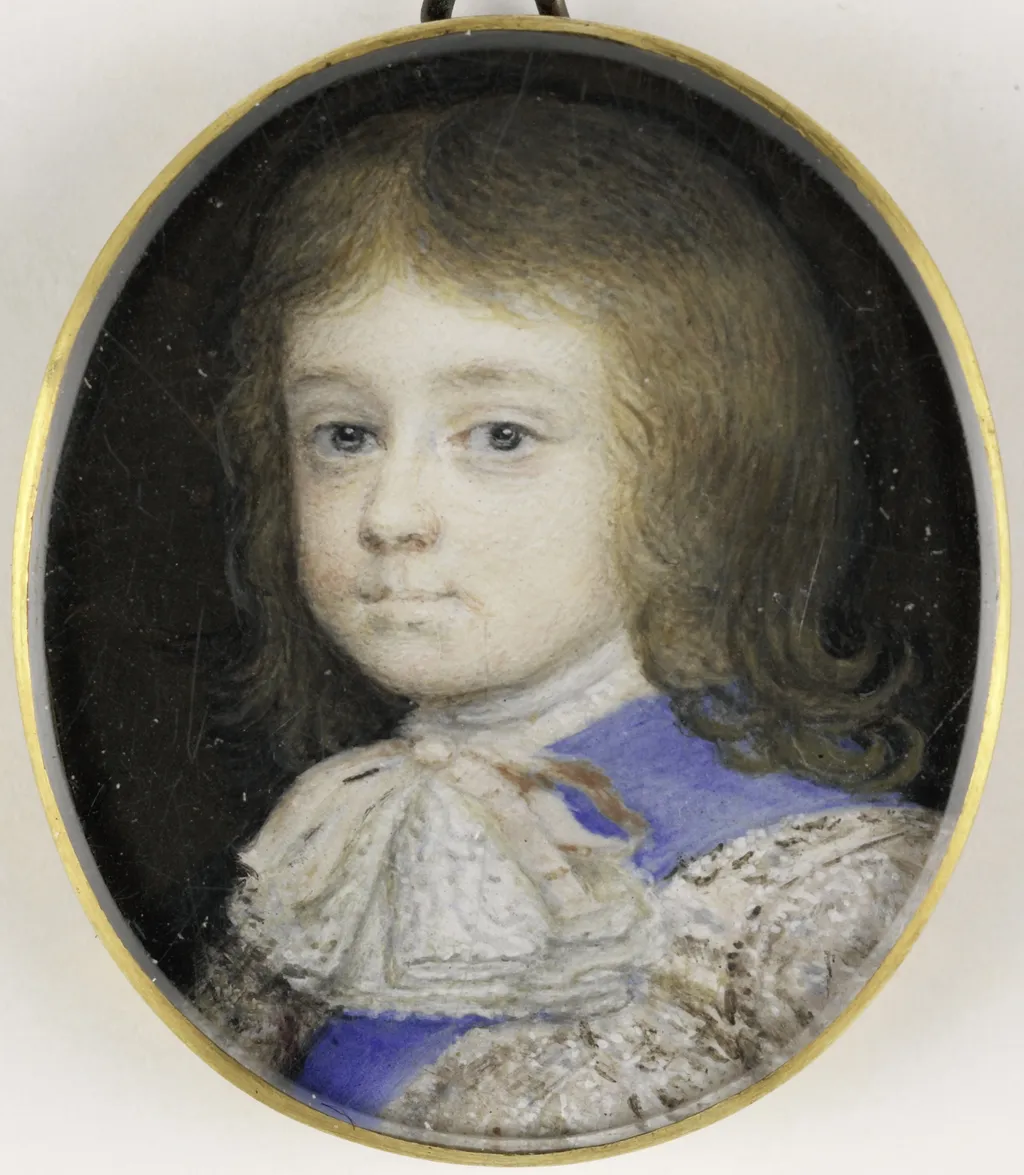
Portrait of James Stuart (1661-1667) is an unspecified painting by the Flemish Baroque painting artist Unknown. It dates from 1667 and is held in the collection of the Rijksmuseum. Portrait of James Stuart (1661‑1667) is a modestly sized, circular image executed on parchment.
About this work
Technique & Style
Executed in a restrained naturalistic style, it captures the sitter with fine detail characteristic of Dutch portrait miniatures of the period.
The work is a miniature created on parchment support, measuring 3 cm in height by 2.6 cm in width. Executed in a restrained naturalistic style, it captures the sitter with fine detail characteristic of Dutch portrait miniatures of the period. The handling of line and subtle tonal modeling reflect the conventions of 17th‑century Dutch portraiture, emphasizing clarity of facial features and delicate rendering of texture on the parchment surface.
Legacy
The portrait was later catalogued as a miniature painting in the Rijksmuseum collection, reflecting its enduring scholarly attention to early Dutch portraiture. Its precise dimensions of 3 cm by 2.6 cm, recorded in the museum’s inventory, have been cited in studies of 17th‑century portrait conventions, underscoring its role in shaping the visual language of elite representation during the period.
Overview
Portrait of James Stuart (1661‑1667) is a modestly sized, circular image executed on parchment. The work presents a youthful male sitter, his light‑colored hair and solemn gaze directed straight toward the viewer. A stark white collar frames his shoulders, while muted blue and brown accents appear at the garment’s edges. The composition is set against a predominantly dark backdrop that isolates the face.
Subject & Meaning
The portrait depicts a young James Stuart, likely a member of the Stuart family, rendered with an earnest expression that conveys both innocence and a nascent sense of responsibility. The plain white collar and restrained attire suggest a focus on the individual rather than status, emphasizing personal identity within a period when portraiture often served to affirm lineage.
History & Provenance
Created between 1661 and 1667, the work’s early ownership records are scarce, but its survival on parchment indicates it may have been intended for private, perhaps familial, circulation rather than public display. The piece has remained within collections that value intimate portraiture from the mid‑17th century, preserving its original format and condition.
Artist & collection









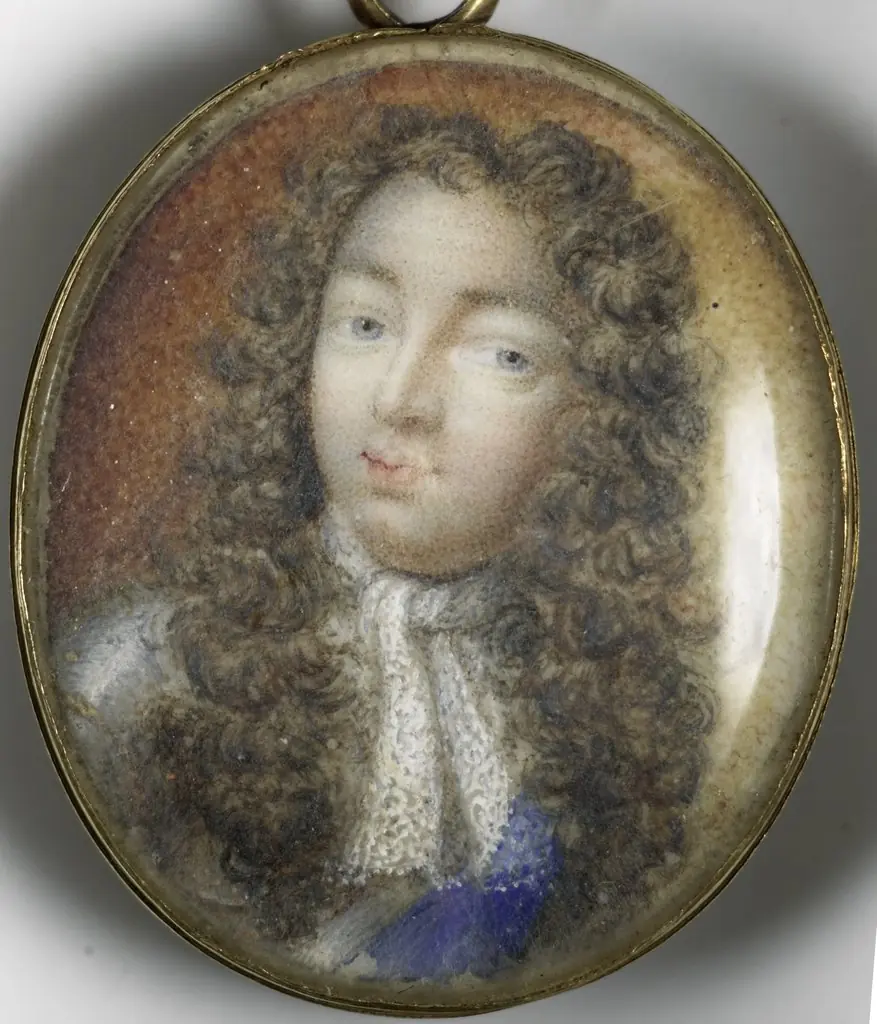 Portret van een man en een vrouw (keerzijde) vermoedelijk Willem Frederik Markgraaf van Brandenburg-Anspach (1686-1723) en zijn vrouw Christiane Charlotte van Württemberg (1694-1723)
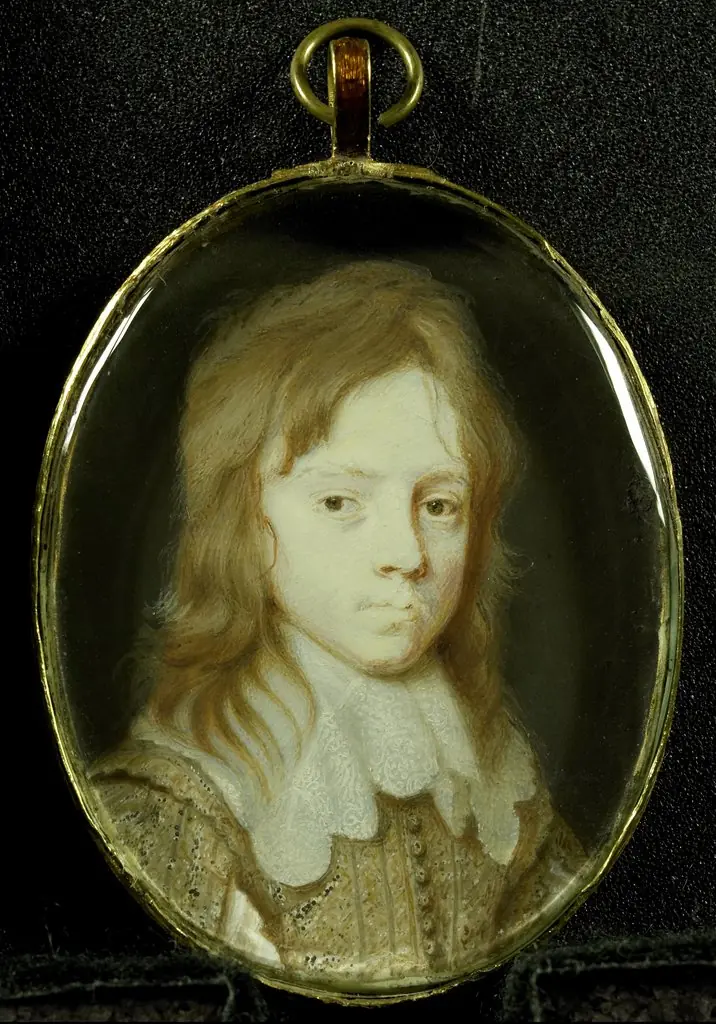 Willem II (1626-1650). Prince of Orange
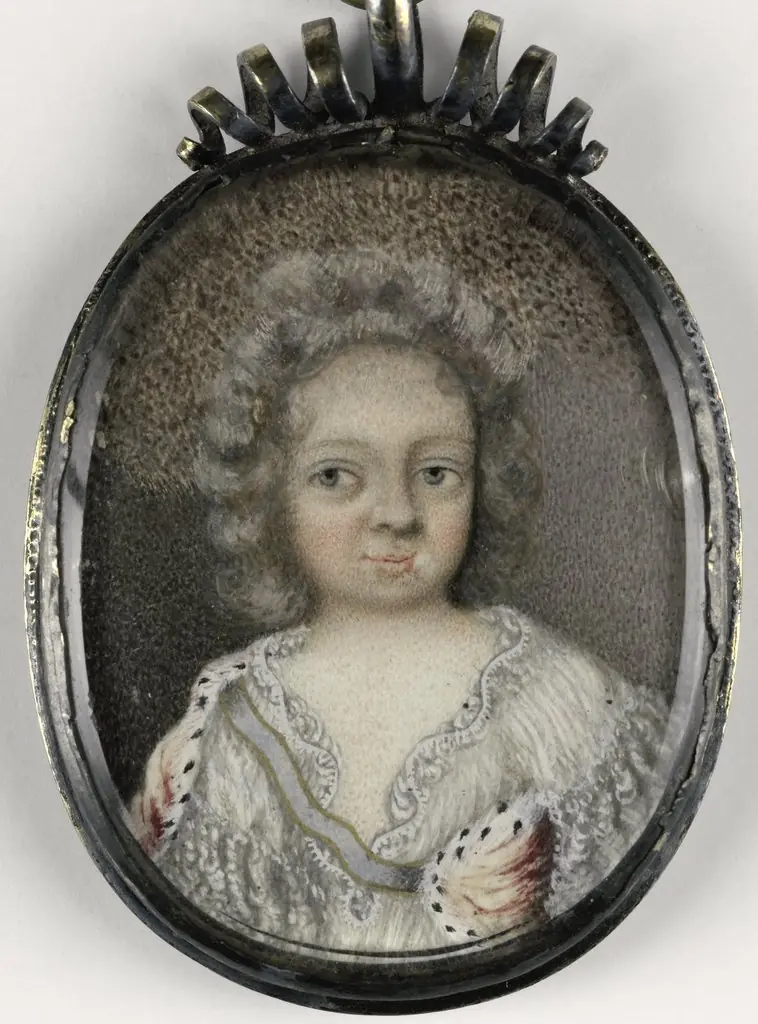 Portrait of mogelijk Willem IV van Oranje- Nassau (1711-1751)
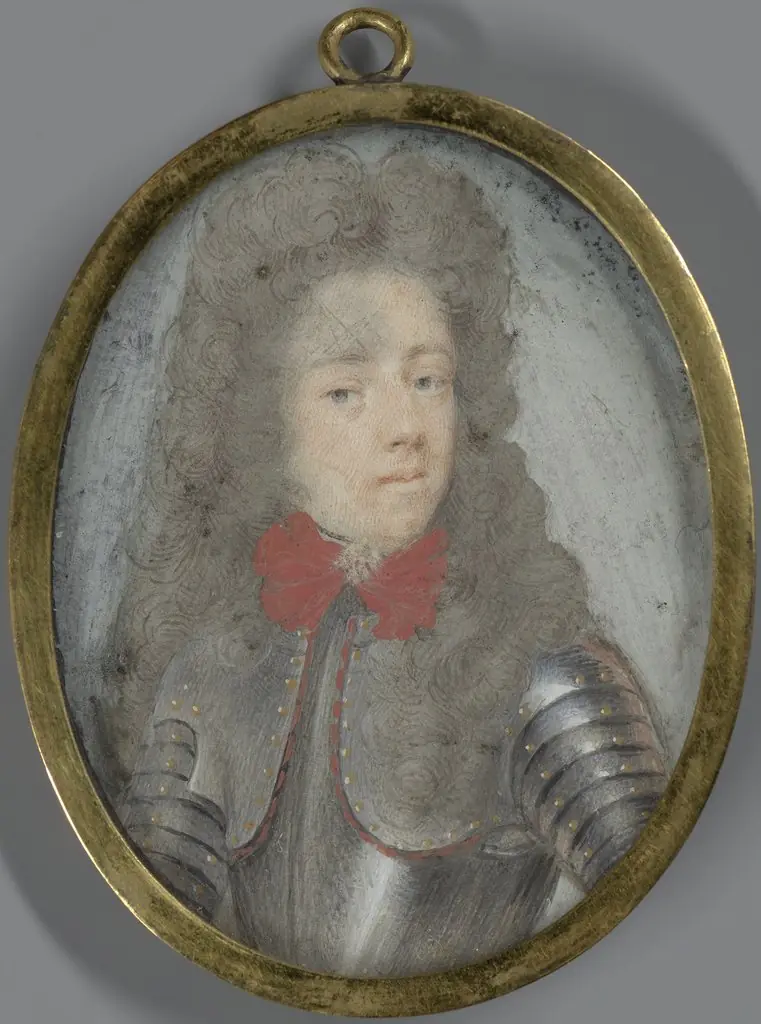 Portrait of Hendrik Casimir II (1657-96), ruler of Nassau-Dietz
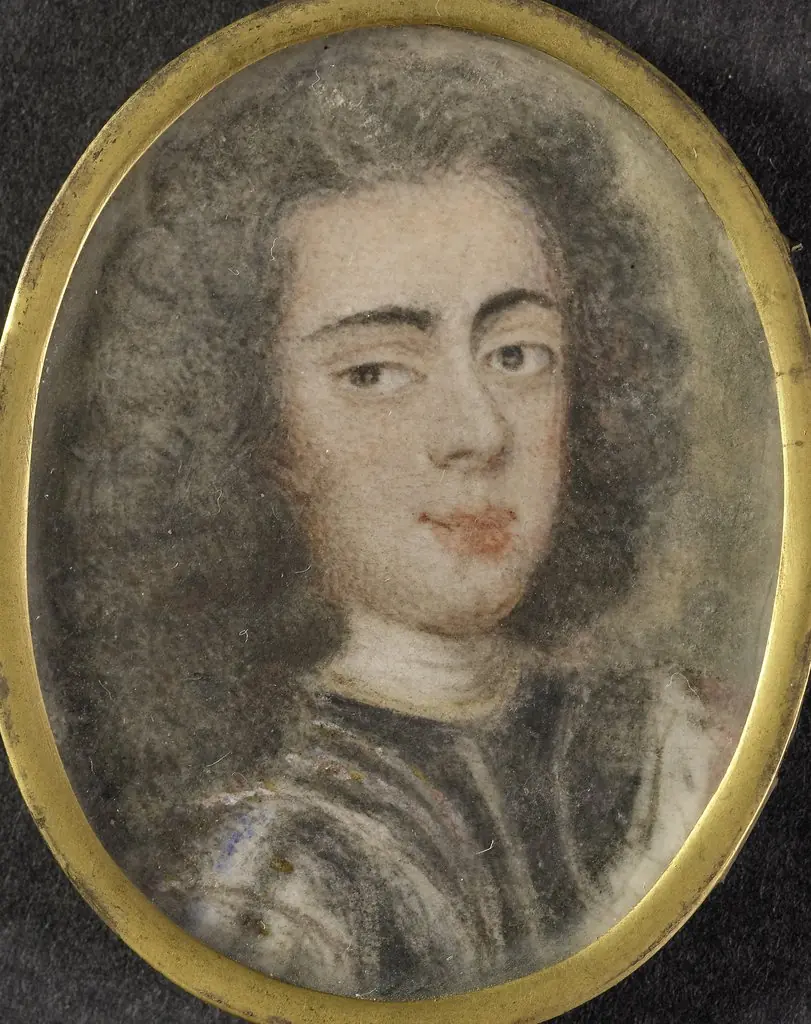 Portrait of Johan Willem Friso van Oranje- Nassau (1687-1711)
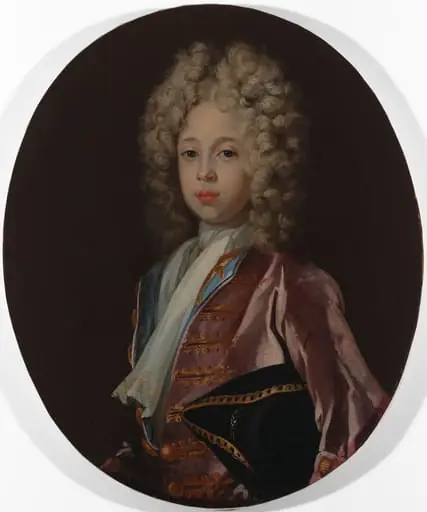 Carl Gustaf von Liewen (1695–1722)
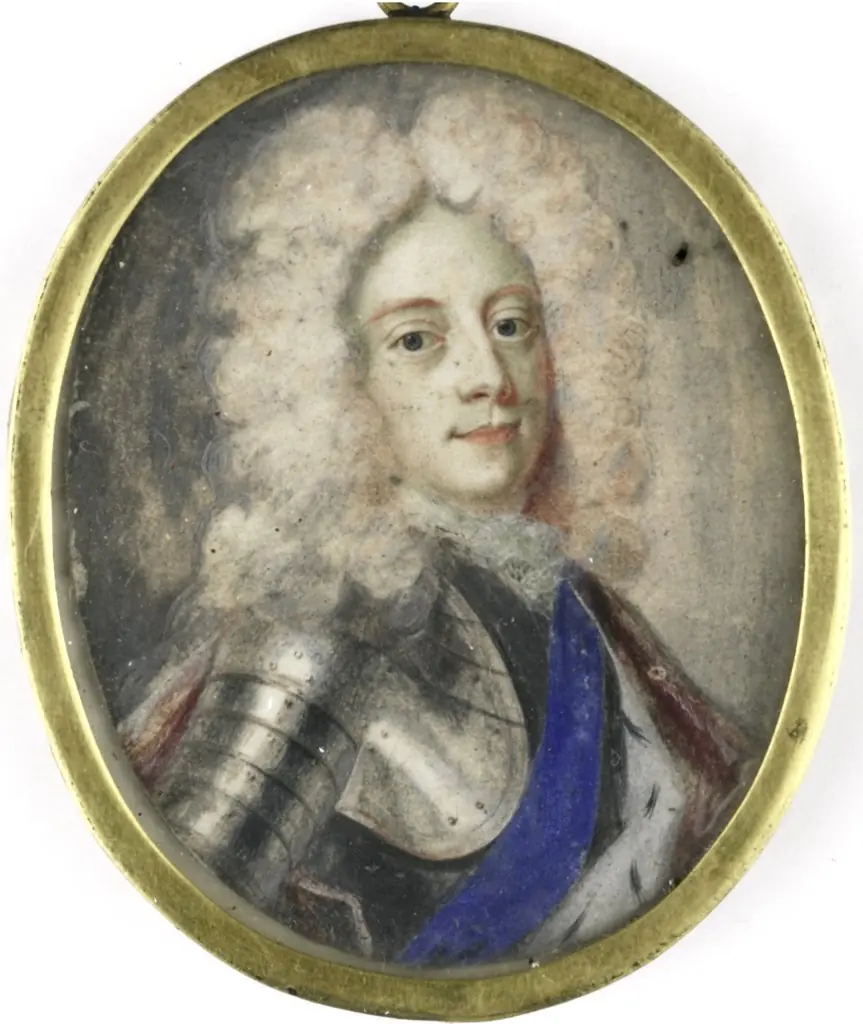 Portrait of Christiaan V van Denemarken (1646-1699)
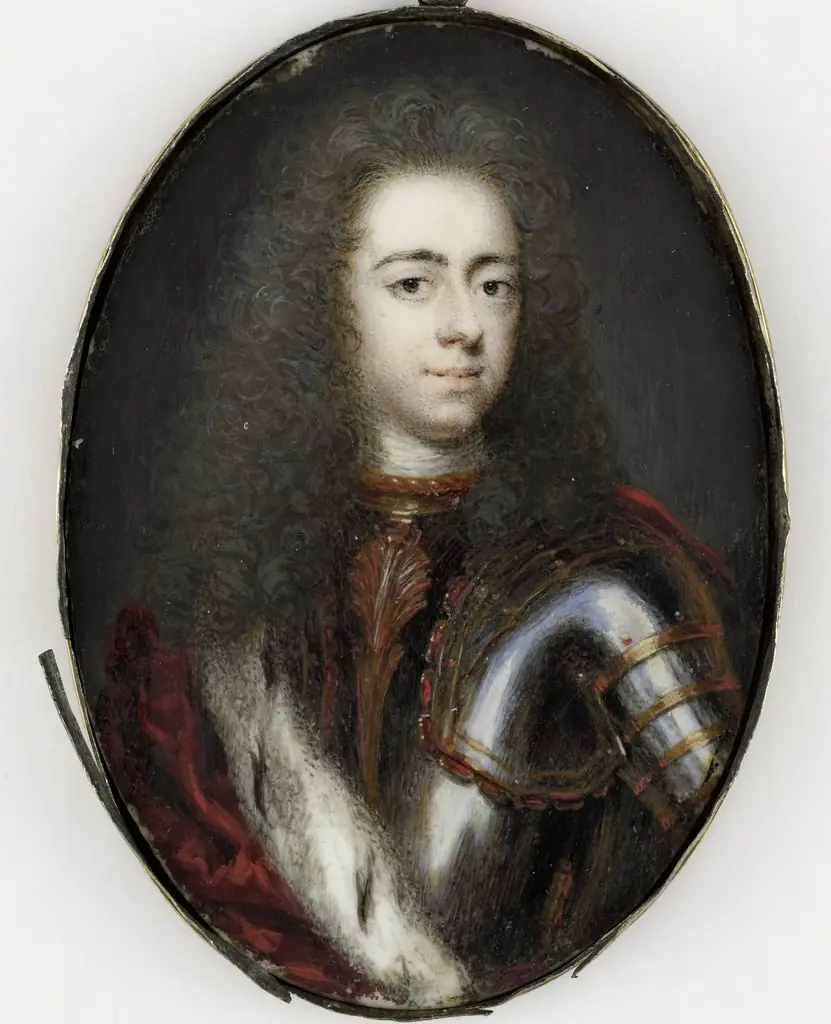 Portrait of John William Friso, Prince of Orange
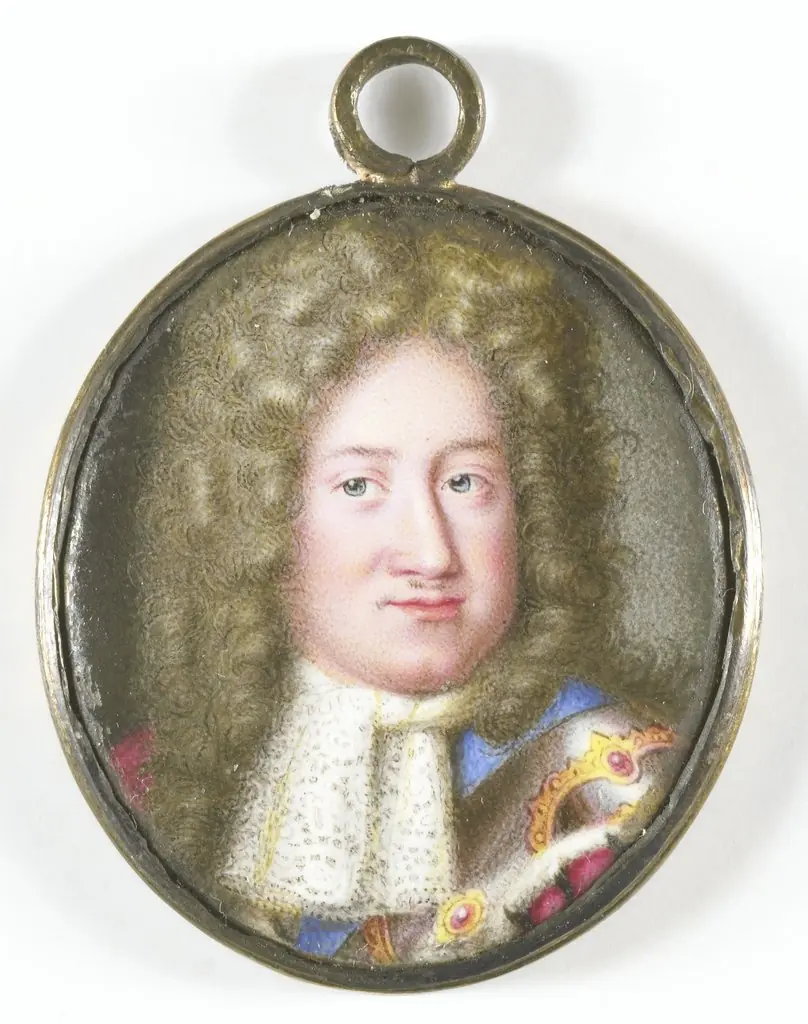 Portrait of Friedrich I van Pruisen (1657-1713)