Artwork
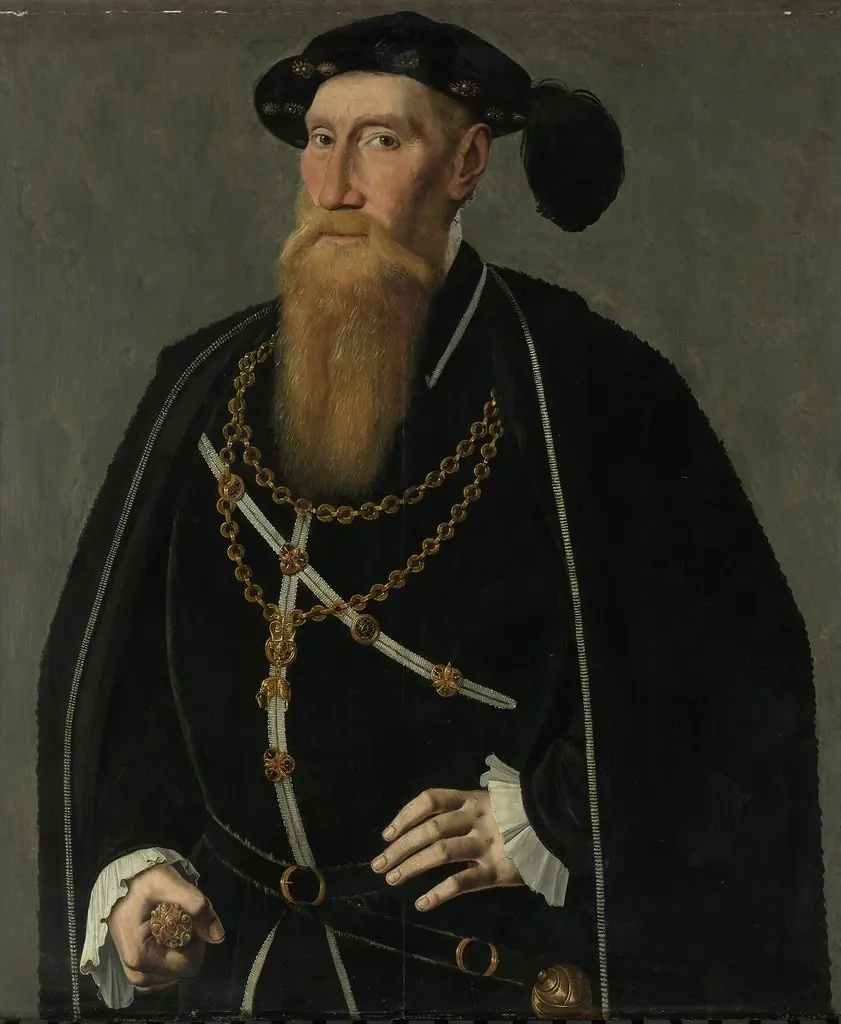
Portrait of Jan Herbut of Felsztyn (1508–1577), Castellan of Sanok and Starost of Przemyśl
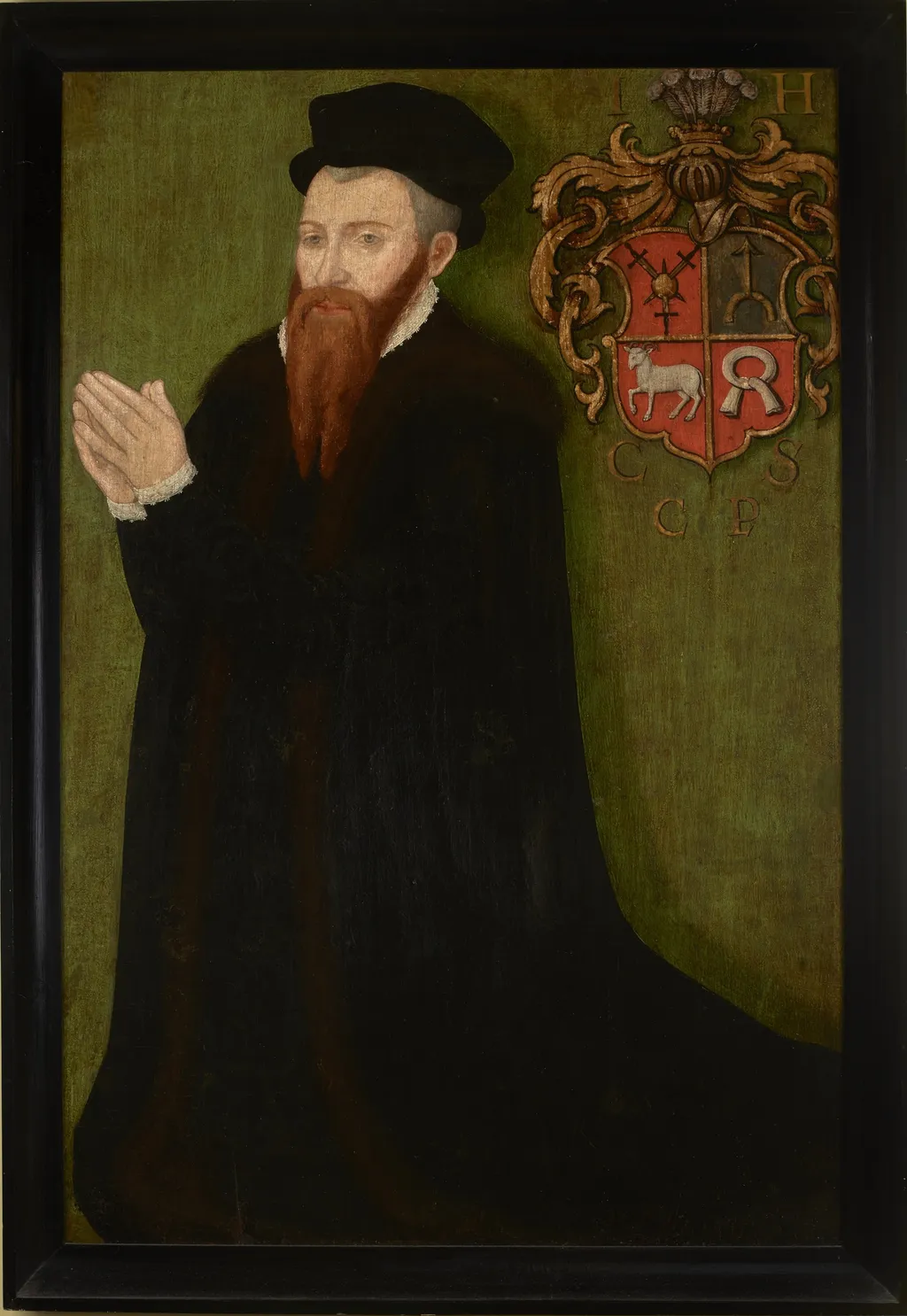
Portrait of Jan Herbut of Felsztyn (1508–1577), Castellan of Sanok and Starost of Przemyśl is a tempera painting by the Late Mannerist artist Unknown. It dates from 1565 and is held in the collection of the National Museum in Kraków.
About this work
Overview
Rendered in a restrained, frontal pose, the subject stands before a plain green background, his posture and attire conveying official dignity.
This tempera painting, dated to the early 16th century, depicts Jan Herbut of Felsztyn, a Polish nobleman who held the positions of Castellan of Sanok and Starost of Przemyśl. Rendered in a restrained, frontal pose, the subject stands before a plain green background, his posture and attire conveying official dignity. The work is a formal portrait typical of regional elite representation in the Polish-Lithuanian Commonwealth during the Renaissance.
Subject & Meaning
Jan Herbut is portrayed with a raised right hand, a gesture likely signaling authority or acknowledgment, common in civic portraiture of the period. The shield to his right bears heraldic symbols, a white lamb and a cross, indicating his noble lineage and possibly his affiliation with a specific family or order. The combination of his attire and emblem suggests a man whose status derived from both administrative office and inherited rank.
Technique & Style
Executed in tempera, a pigment bound with egg yolk, the painting exhibits a flat, precise rendering typical of late medieval and early Renaissance panel painting. The colors are muted, with emphasis on texture in fabric and metal rather than atmospheric depth. The background is deliberately unadorned, focusing attention on the figure and his heraldic emblem, reflecting a functional rather than decorative intent.
History & Provenance
The portrait was likely commissioned during Herbut’s tenure as a regional official, possibly for display in a civic or familial setting. Its survival into the modern era suggests it remained in the possession of his descendants or local institutions in southeastern Poland. No documented exhibition history exists prior to the 20th century, but its preservation indicates continued recognition of Herbut’s status within regional memory.
Context
In early 16th-century Poland, portraits of nobles and officials were rare outside royal circles. Herbut’s image reflects the growing self-awareness among regional elites who sought to assert their authority through visual representation. The use of tempera, an older medium, points to conservative artistic preferences in provincial centers, even as oil painting gained favor elsewhere in Europe.
Legacy
The portrait remains one of the few surviving panel paintings of a non-royal Polish noble from this era. It serves as a material record of administrative class identity and heraldic tradition in the Polish-Lithuanian Commonwealth. While not widely known beyond regional scholarship, it contributes to understanding how local elites visually constructed their authority in a period of political consolidation.
Artist & collection









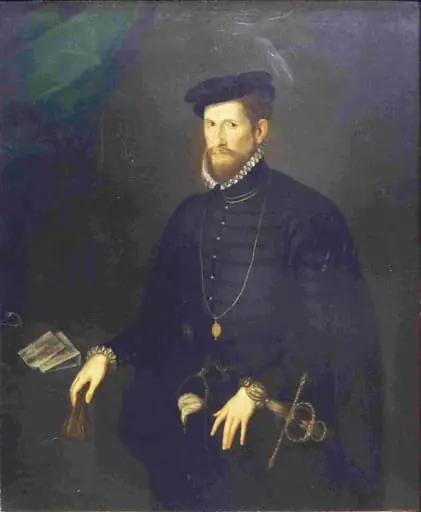 Portretul lui Nicholas Throckmorton
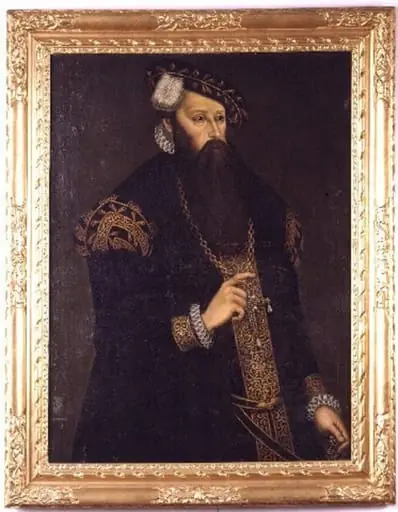 porträtt av Gustav Wasa
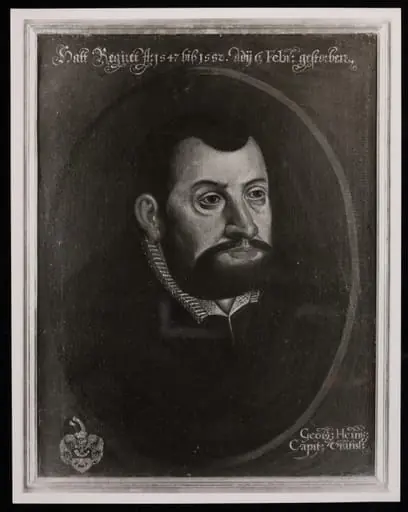 Hernig, Georg
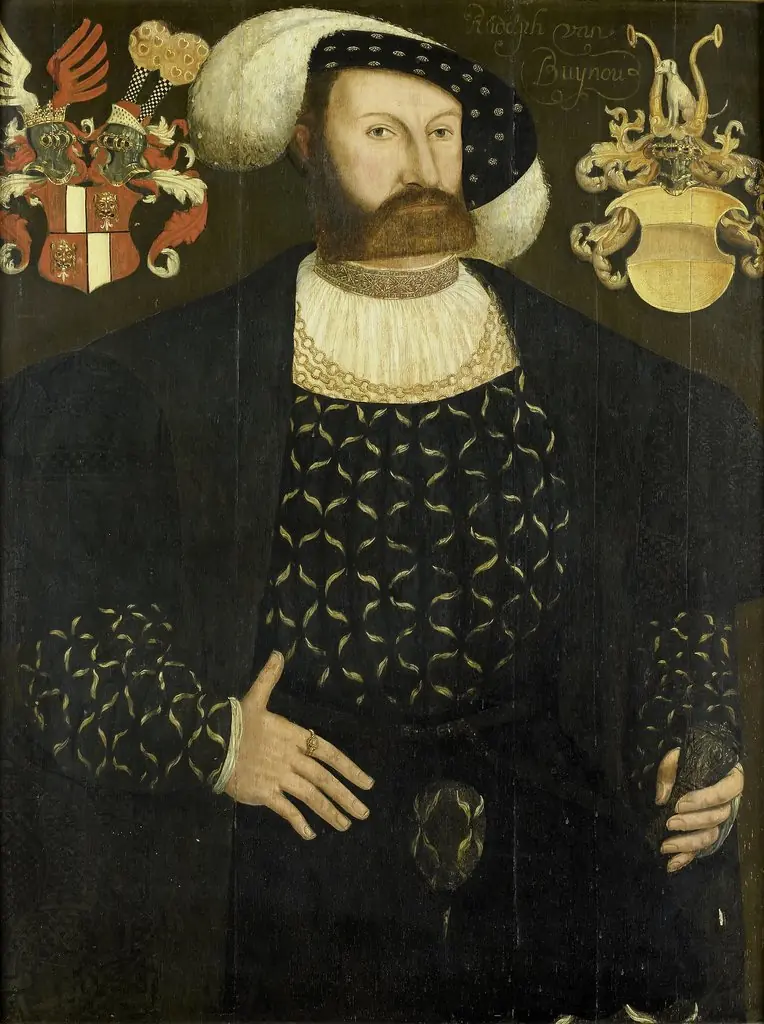 Presumed Posthumous Portrait of Rudolph van Buynou (Bunau), Drossard of Stavoren and Chief Magistrate of Gaasterland
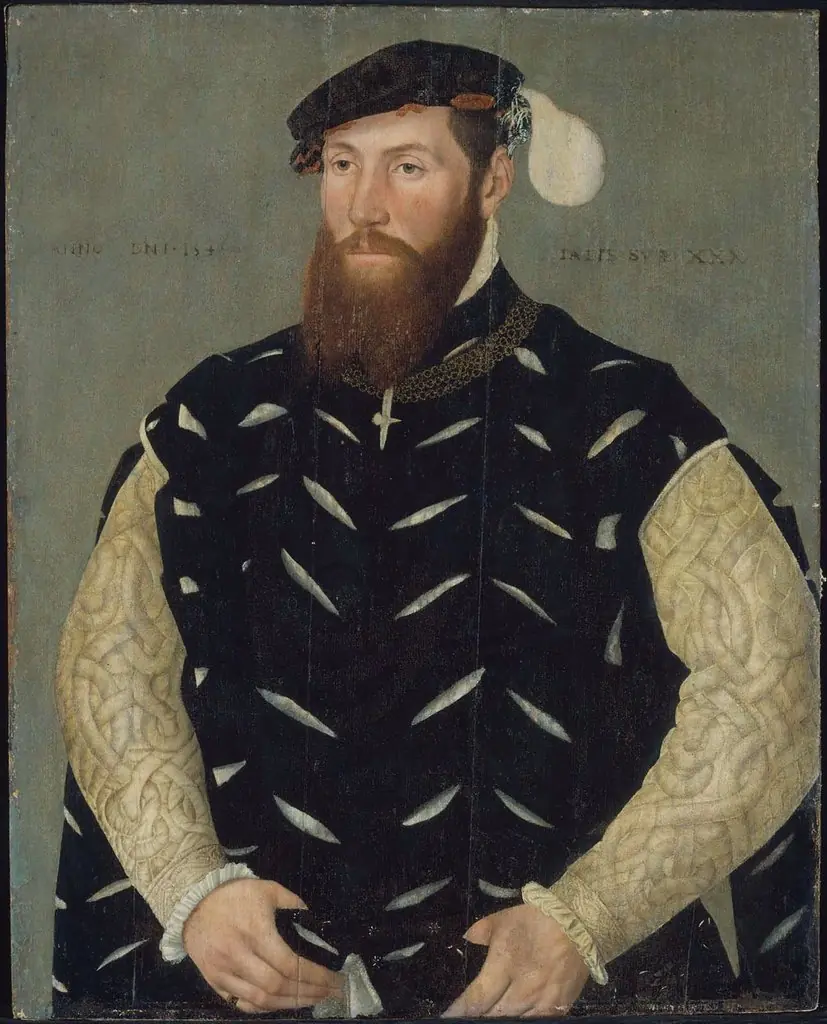 Sir William Butts
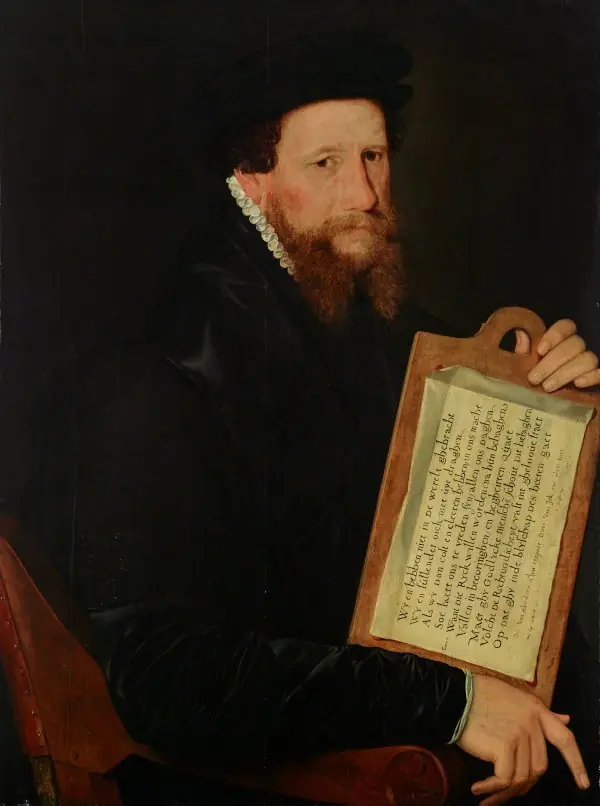 Portrait of a Protestant minister of religion
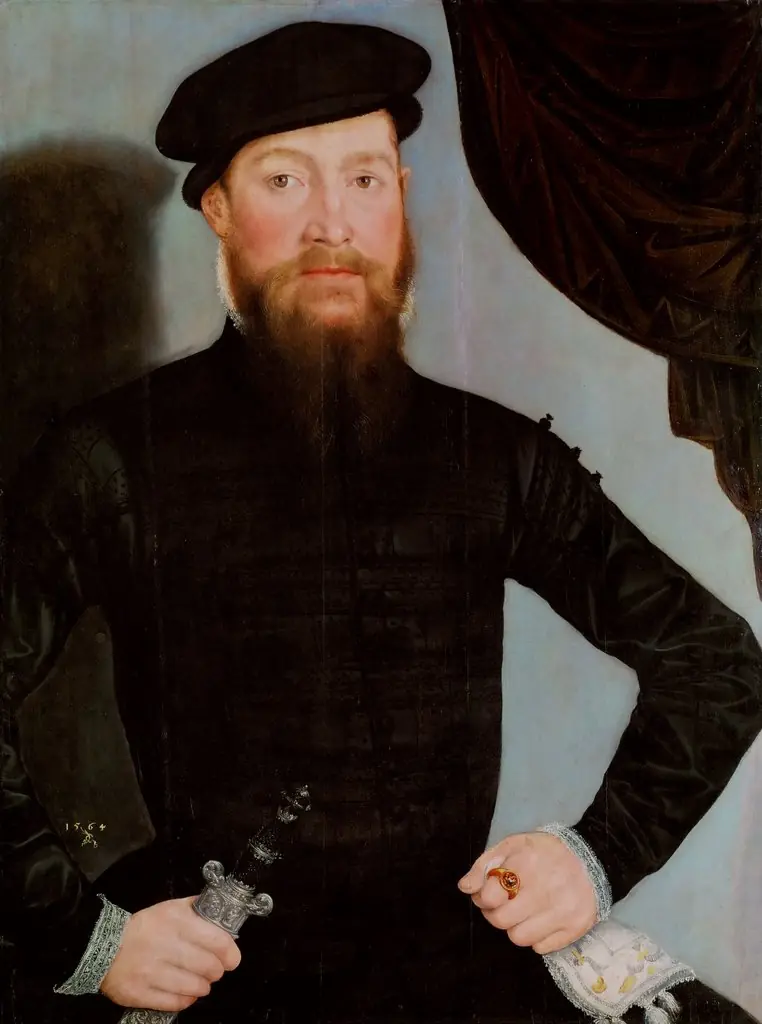 Male Portrait
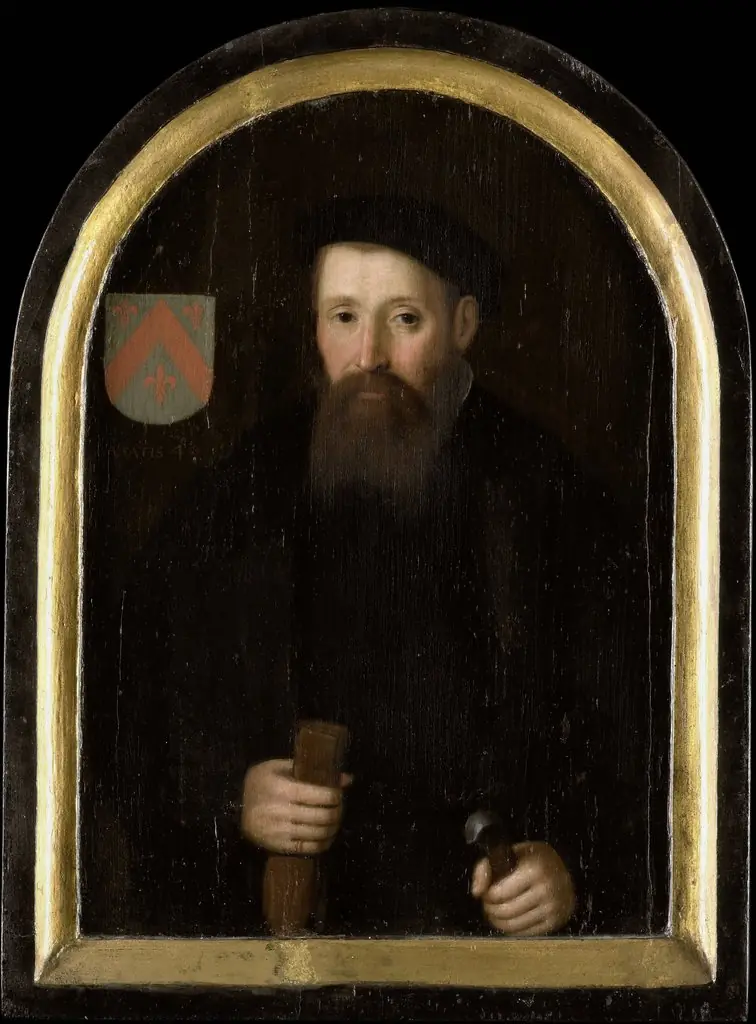 Portrait of Willem Fransz Overrijn van Schoterbosch (c.1510-?)
 Portrait of Willem Fransz van Schoterbosch (c. 1510-?)
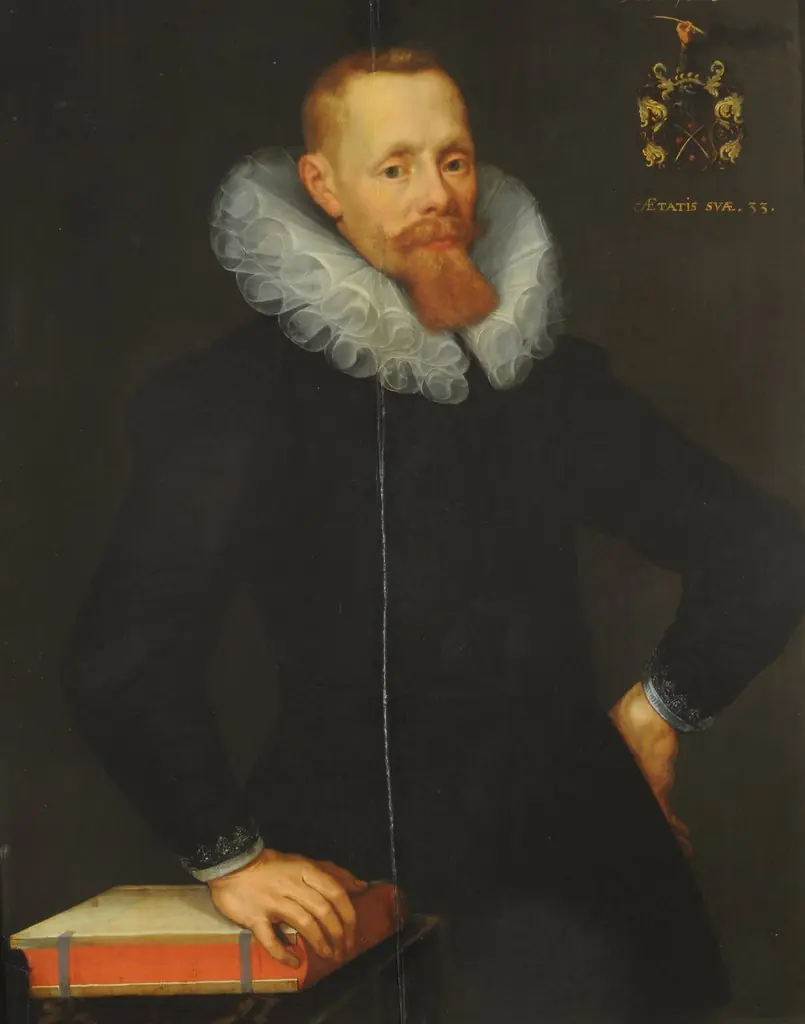 Male portrait
 Portrait of Reinoud III of Brederode
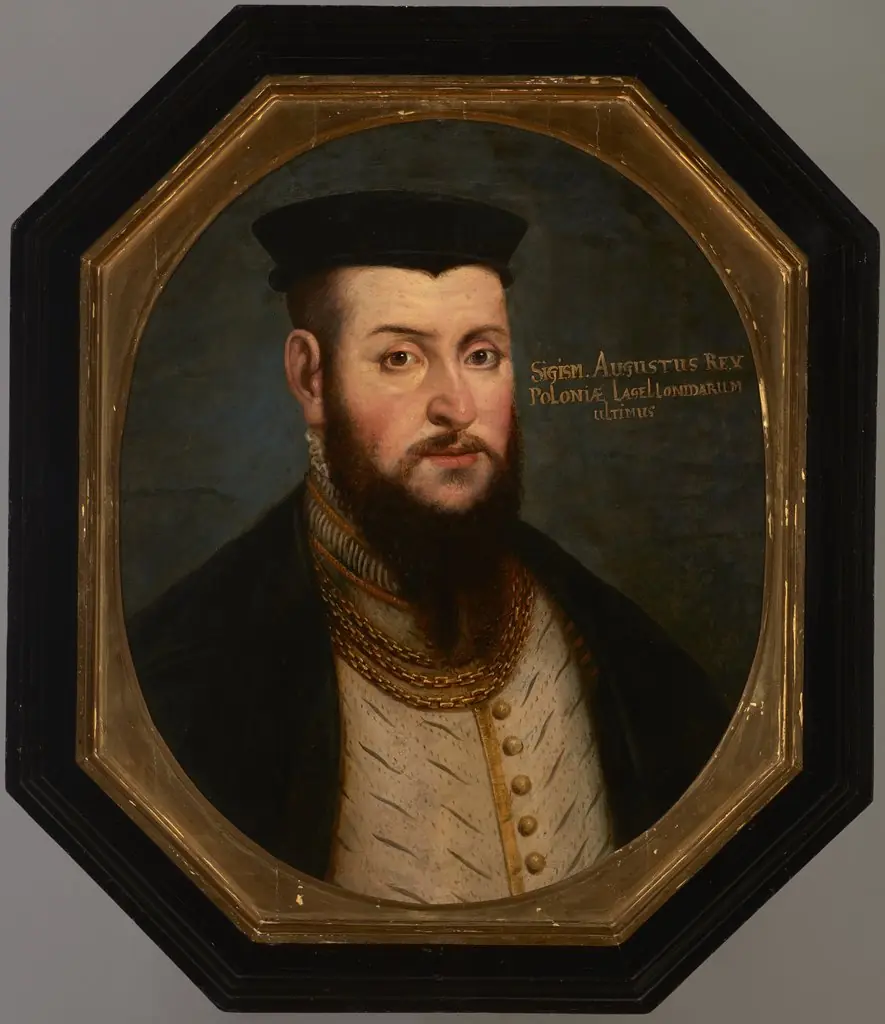
- Portrait of Sigismund Augustus (1520–1572), King of Poland