Artwork
Portrait of Johan van Ceters (1602-29)
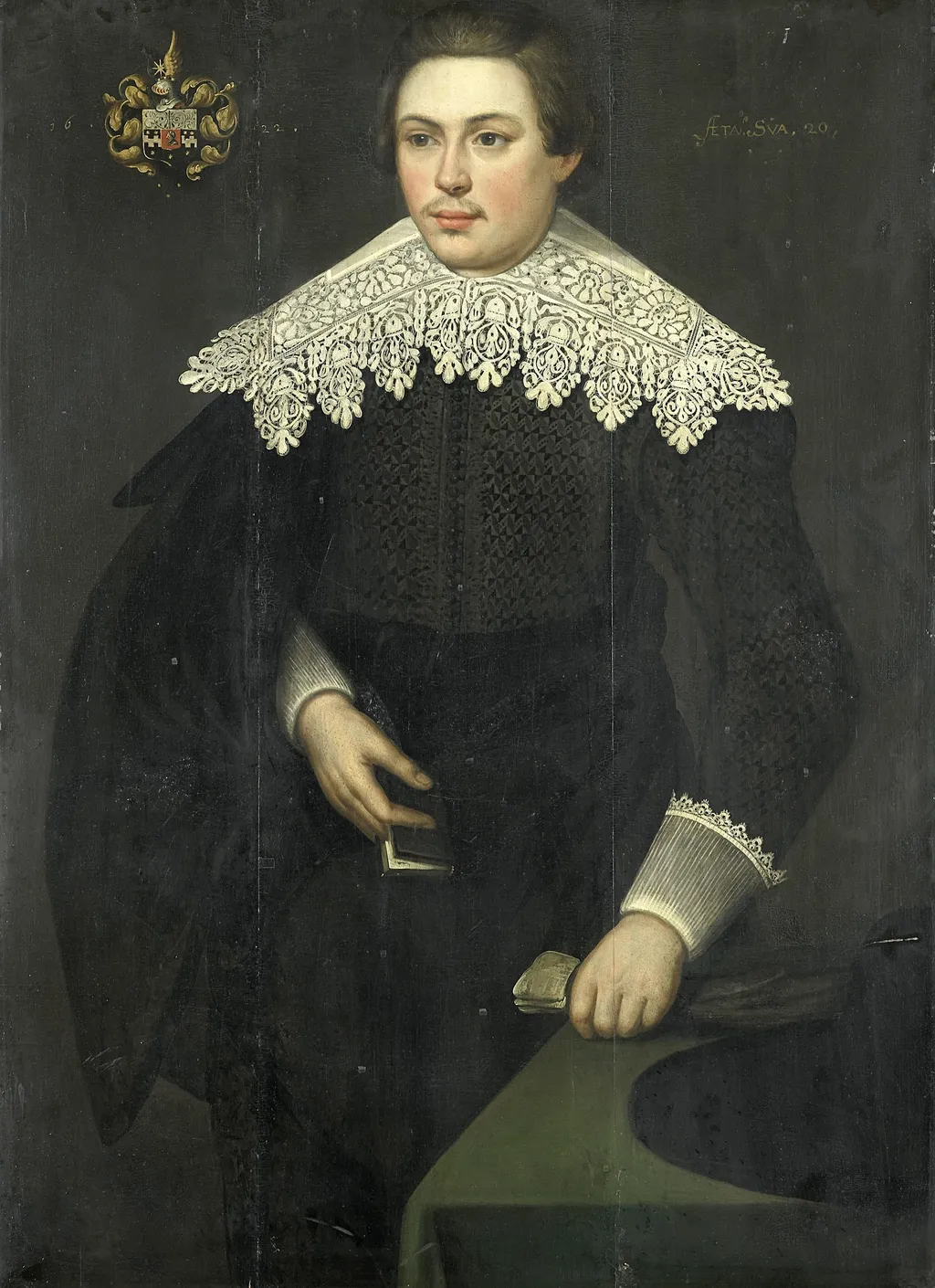
Portrait of Johan van Ceters (1602-29) is an oil painting by the Dutch Golden Age artist Unknown. It dates from 1650 and is held in the collection of the Rijksmuseum. The work is an oil portrait of Johan van Ceters, a man who lived from 1602 to 1629.
About this work
Subject & Meaning
The background features a muted interior setting without overt symbolic objects, suggesting a focus on the sitter's identity rather than narrative allegory.
The portrait shows Johan van Ceters, a merchant active in the Dutch Republic during the mid-17th century. He is depicted in formal attire typical of his social class, wearing a black doublet with a ruffled collar that signals his respectable standing. The background features a muted interior setting without overt symbolic objects, suggesting a focus on the sitter's identity rather than narrative allegory.
No additional iconographic attributes are recorded in the source material, and the work remains primarily valued as a representative example of 17th-century Dutch portraiture.
Technique & Style
The work is an oil painting on panel, measuring 104.2 cm in height and 76.5 cm in width. Executed in 1650 in the Northern Low Countries, it exemplifies a restrained naturalism typical of Dutch portraiture of the period, with precise handling of light and surface texture. The composition emphasizes the sitter’s presence through careful rendering of facial features and drapery, reflecting contemporary stylistic conventions in portraiture.
History & Provenance
The portrait of Johan van Ceters, an oil painting on panel created in 1650, originates from the Northern Low Countries. The work was executed by an anonymous artist, as no specific creator is attributed in the available records. It was commissioned for or owned by Jacob de Witte van Citters, a member of the subject's family. The painting dates to the mid-17th century and has been held in the collection of the Rijksmuseum.
The portrait of Johan van Ceters, dated 1650, is held in the collection of the Rijksmuseum in the Netherlands. The work is an oil painting on panel measuring 104.2 cm in height and 76.5 cm in width. It was created in the Northern Low Countries and is attributed to an anonymous artist within the museum's holdings.
The painting was previously owned by Jacob de Witte van Citters before entering the Rijksmuseum collection. No specific inventory number or exhibition history is provided in the available records.
Legacy
The legacy of Portrait of Johan van Ceters (1602-29) is anchored in its preservation at the Rijksmuseum and scholarly attention to its authorship and provenance. The painting is part of the Rijksmuseum's collection and remains on display in Amsterdam, where it contributes to the museum's representation of 17th-century Dutch portraiture. Its attribution to the anonymous painter and creation in the Northern Low Countries have informed studies of regional artistic practices.
The work's dimensions of 104.2 cm by 76.5 cm and use of oil paint on panel underscore its material historical context. Ownership by Jacob de Witte van Citters highlights its early collecting history, reinforcing its role in narratives of art preservation and institutional curation.
Overview
The work is an oil portrait of Johan van Ceters, a man who lived from 1602 to 1629. He is rendered in a half‑length format, set against a dark, unadorned backdrop that concentrates attention on his features and attire. The composition is restrained, emphasizing the sitter’s dignified bearing rather than any narrative setting.
Context
Portraits of this period often served as markers of social rank and personal achievement. The restrained setting, combined with the careful rendering of clothing and accessories, aligns the work with the Dutch and Flemish portrait traditions that valued realism and subtle symbolism over elaborate backgrounds.
Artist & collection









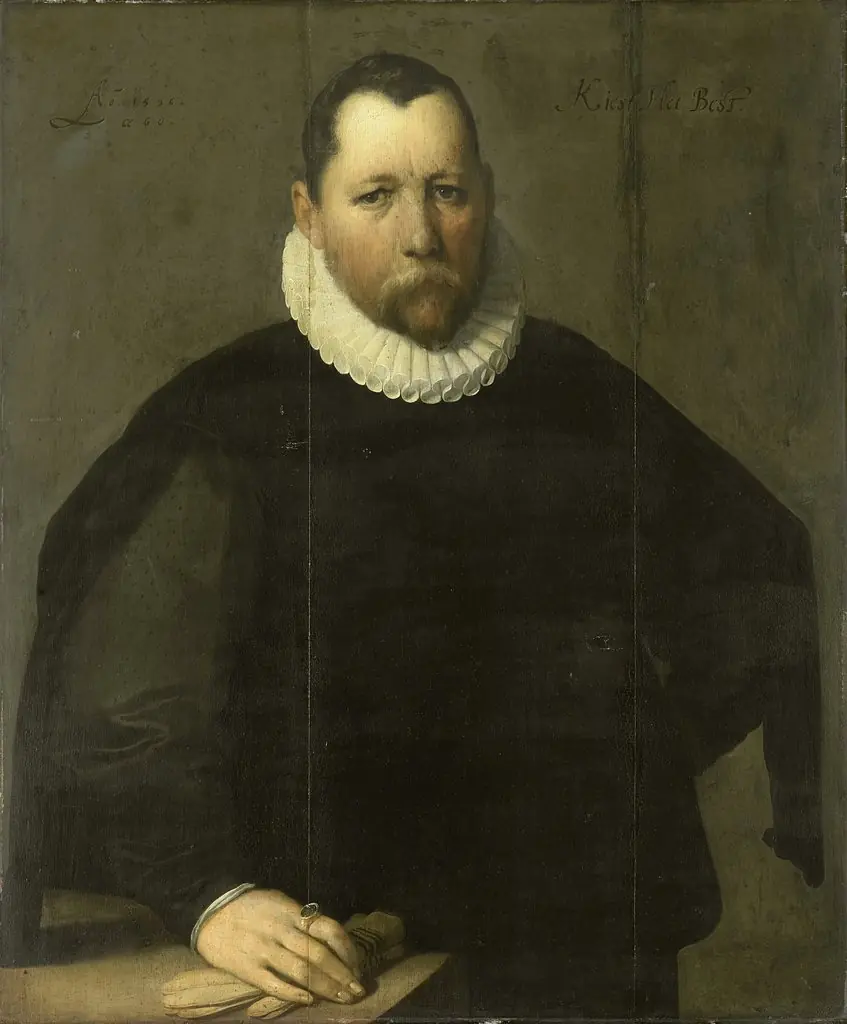 Portrait of Pieter Jansz. Kies
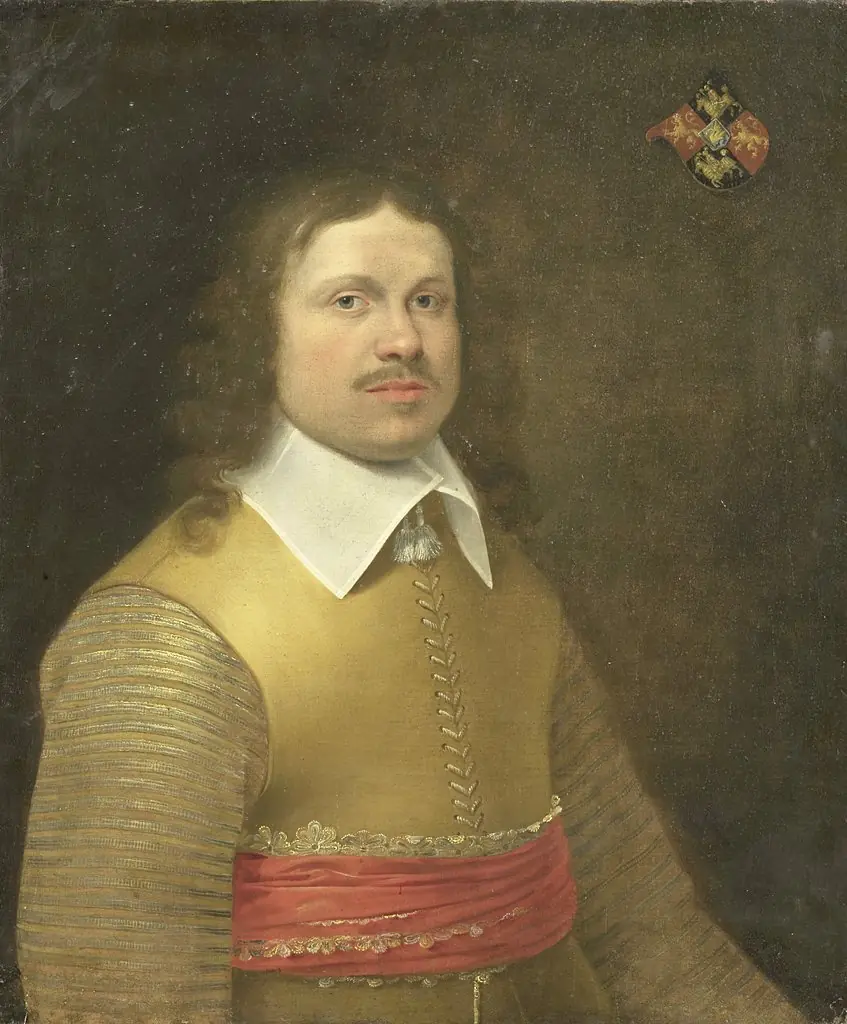 Portrait of Herman van der Hem van Nederstein (Herman Gysbert van der Hemm van Niederstein) (died 1671)
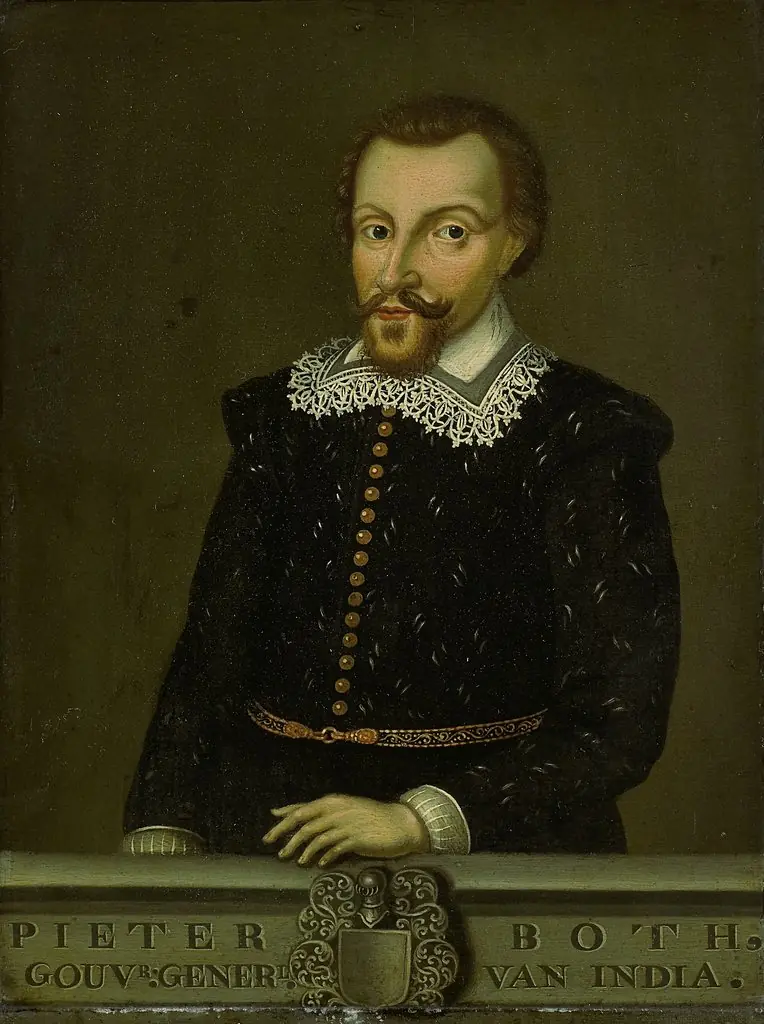 Portrait of Pieter Both (....-1615)
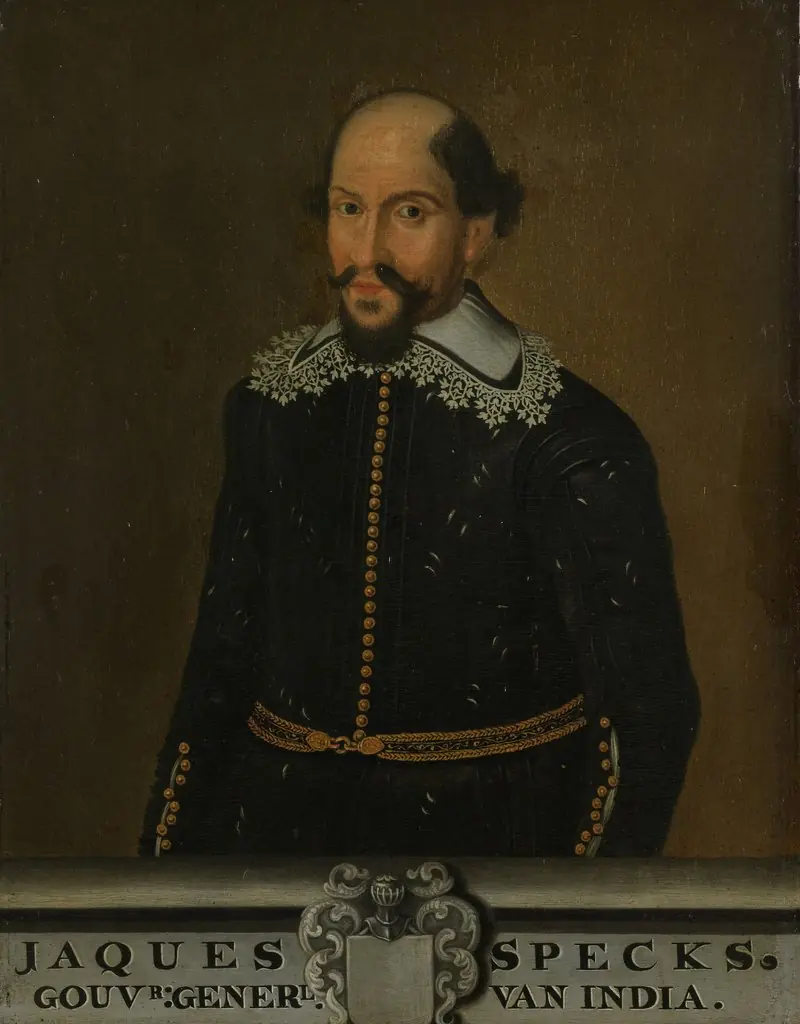 Jacques Specx (geb. 1588). Gouverneur-generaal (1629-32)
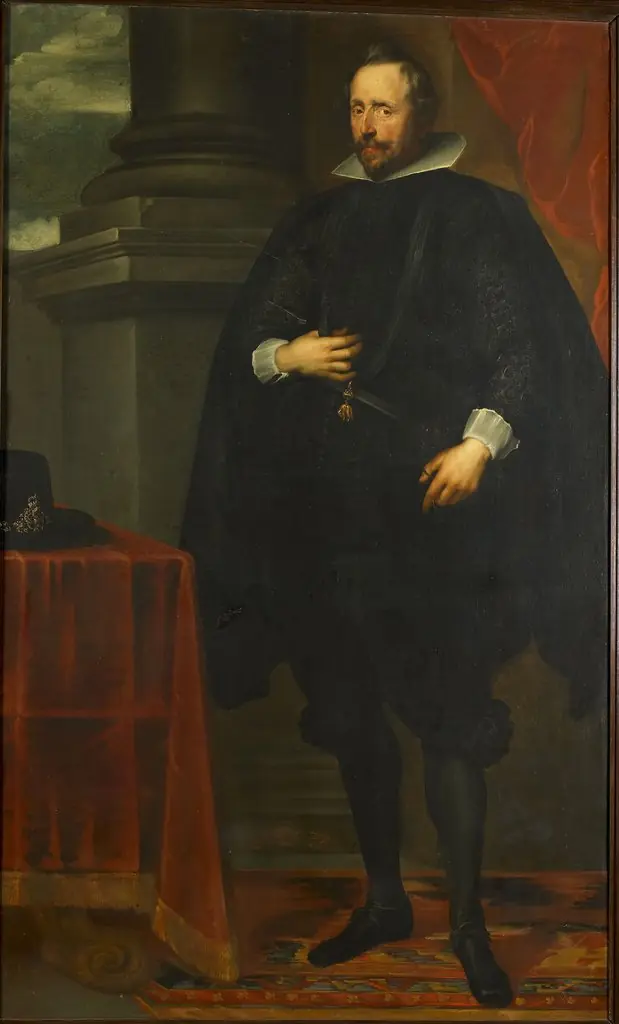 Portrait of Wolfgang Wilhelm, Count Palatine of Neuburg
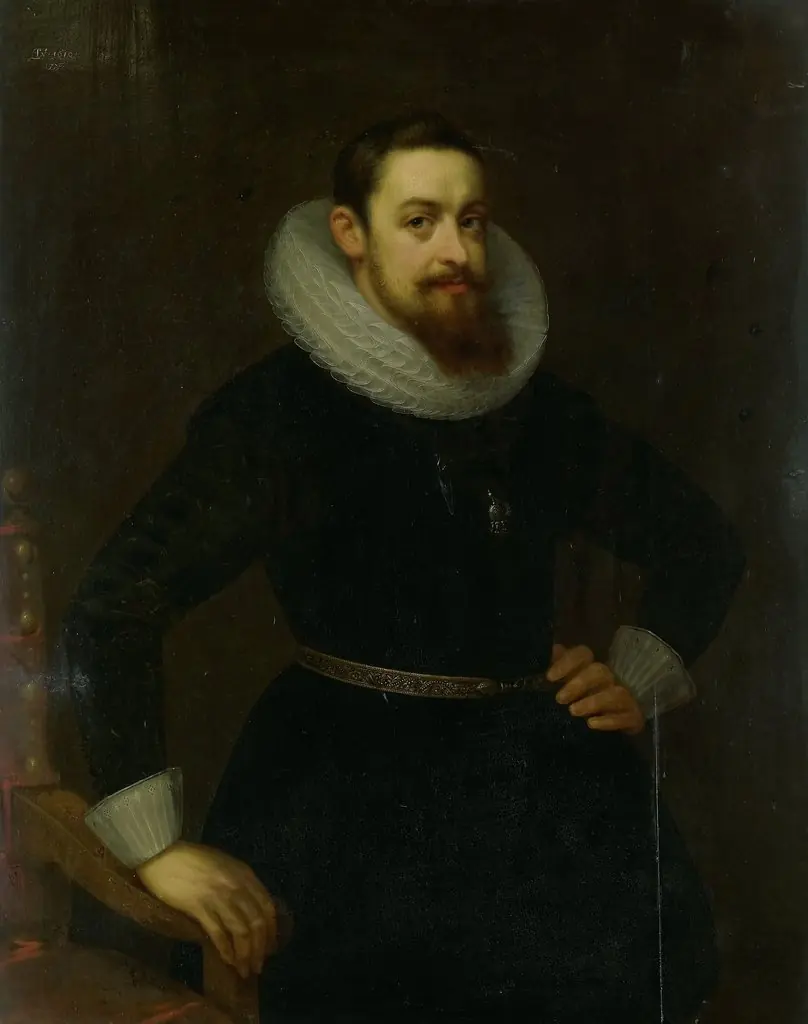 Portrait of Jeremias Boudinois
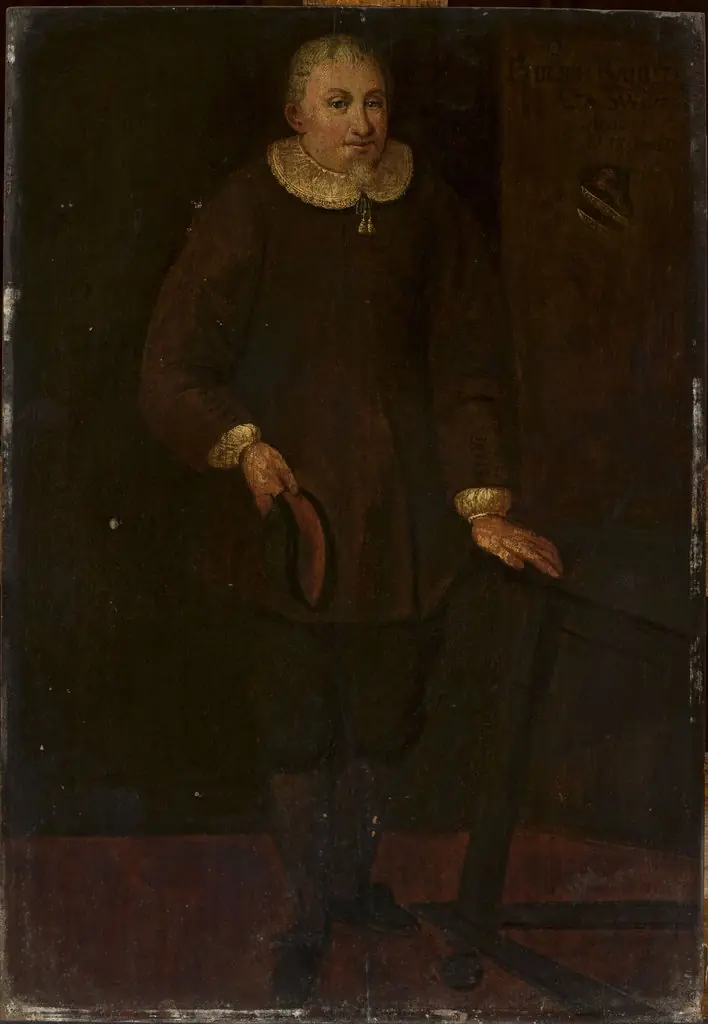 Portrait of Paulo Bardti
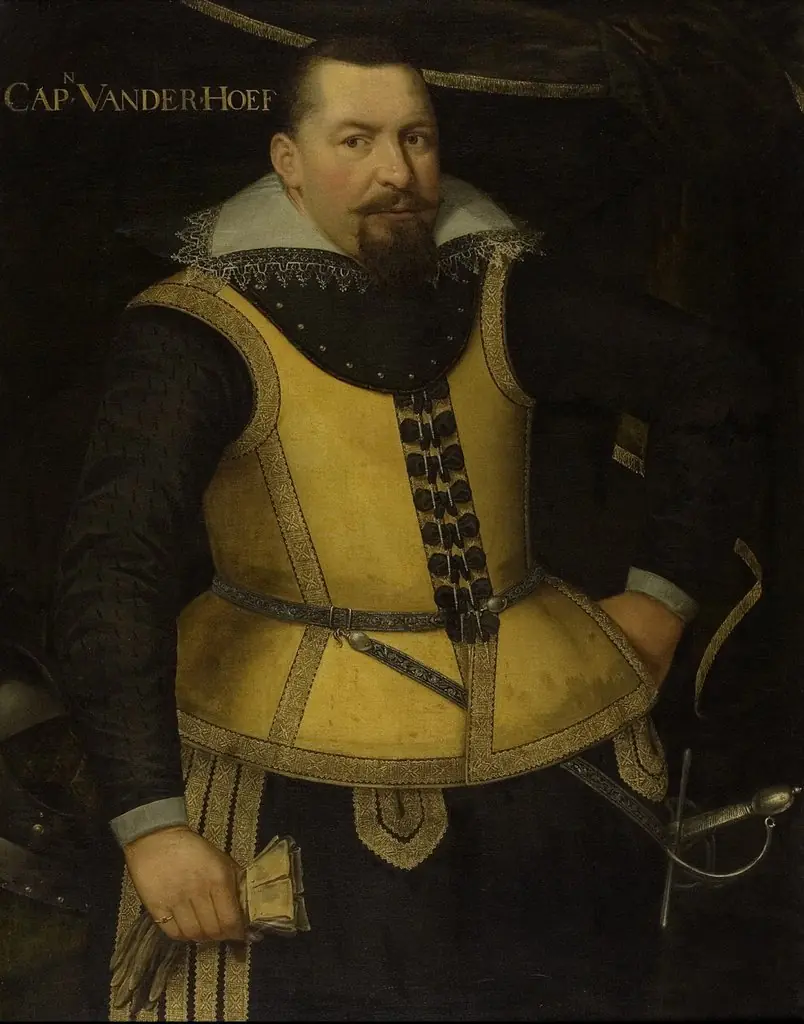 Portrait of Karel van der Hoeven
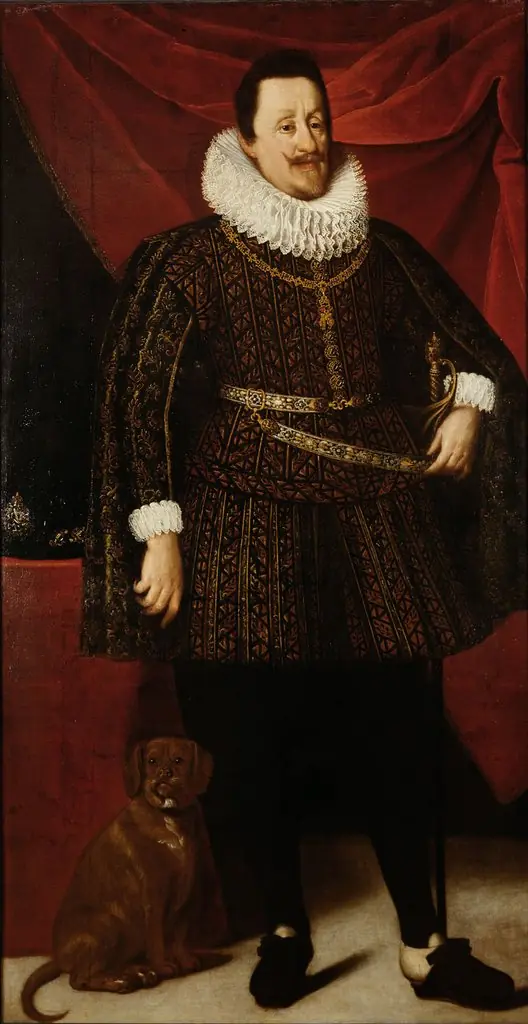 Portrait of Ferdinand II of Habsburg (1578-1637, Holy Roman Emperor
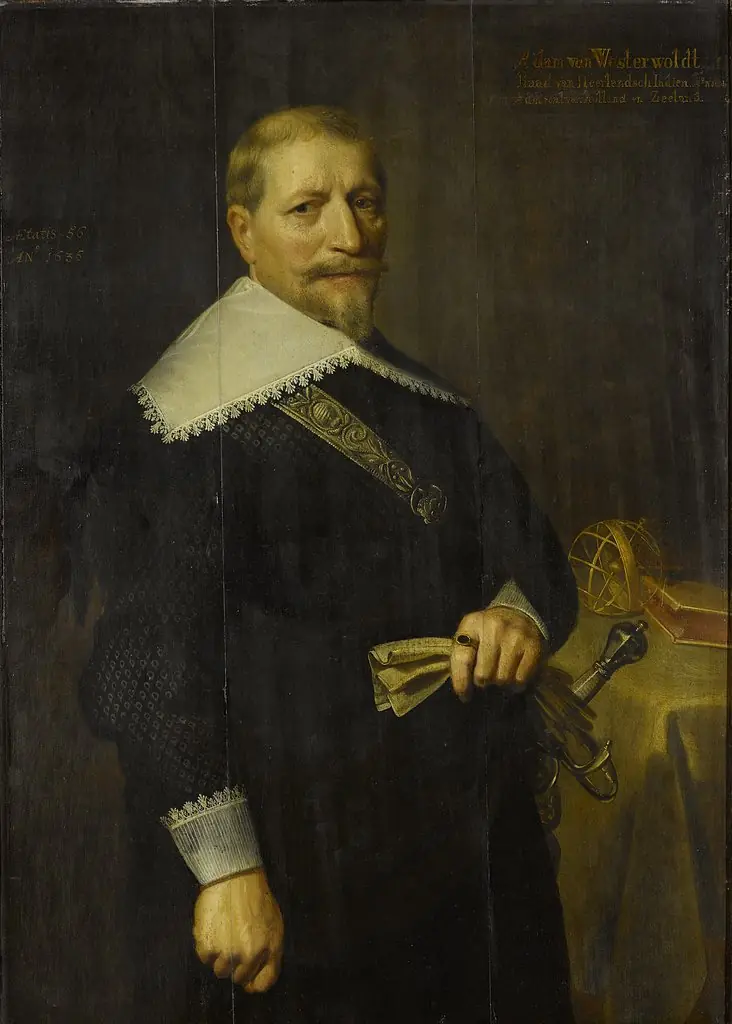 Portrait of Adam van Westerwolt (1580-1639)