Artwork
Portrait of Pieter Bruegel the Younger (called "Hell Brueghel")
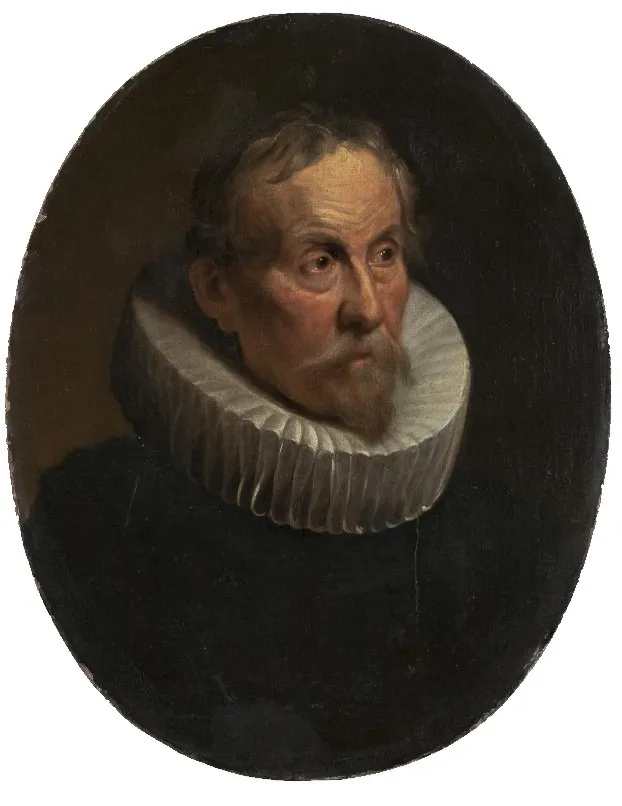
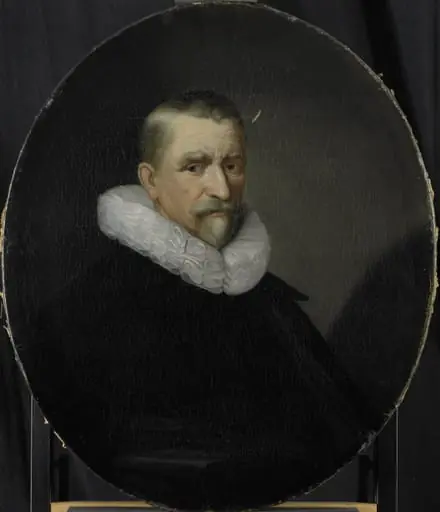
Portrait of Pieter Bruegel the Younger (called "Hell Brueghel") is an oil painting by the Flemish Baroque painting artist Unknown. It dates from 1630 and is held in the collection of the Hermitage Museum. The work is an oil painting depicting a close-up view of a man wearing a white ruff.
About this work
Overview
The Portrait of Pieter Brueghel the Younger, commonly called "Hell Brueghel," is an oval-framed oil painting on canvas dated to 1630, measuring 58 by 45.
The Portrait of Pieter Brueghel the Younger, commonly called "Hell Brueghel," is an oval-framed oil painting on canvas dated to 1630, measuring 58 by 45.5 centimeters. The work, formerly attributed to Anthony van Dyck, is now listed as by an unknown artist. It depicts the Flemish painter Pieter Brueghel the Younger, who earned his nickname from a longstanding but erroneous belief that he painted fantastical scenes of fire and grotesque imagery, works now attributed to his brother Jan Brueghel the Elder. The portrait is held in the collection of the Hermitage Museum in Saint Petersburg, where it remains an important document of a painter whose studio output played a significant role in disseminating his father's imagery across Europe.
Subject & Meaning
The portrait presents Pieter Brueghel the Younger bust-length, turned three-quarters to the right, his gaze directed slightly upward and to the right. The sitter's appearance conveys professional status and middle age: a furrowed brow, wrinkles around the eyes, and a graying pointed beard and mustache are rendered with careful attention to the effects of aging. The large starched white ruff collar with crisp, radiating pleats frames the jawline and serves as the primary signifier of social standing, contrasting sharply against dark garments and a deep brown-black background. The absence of any setting, objects, or additional details focuses attention entirely on the sitter's physiognomy and the social markers of his dress. This restraint suggests a conventional approach to portraiture of the Flemish professional class, emphasizing respectability and craft identity rather than the imaginative subjects for which the Brueghel family name was known.
Technique & Style
The painting is executed in oil on canvas with a restrained palette dominated by blacks, warm browns, and the white of the collar, with touches of pink and ruddy tones in the cheeks and nose. Light falls from the upper left, illuminating the left side of the face and collar while the right side recedes into shadow, a conventional Baroque lighting scheme. The brushwork appears smooth and controlled, with subtle blending in the flesh tones and more precise, linear handling of the ruff's folds. The oval format, popular for intimate portraiture in the period, contains the figure against an undefined dark background without spatial cues. The surface shows some fine vertical cracking, particularly visible in the lower right, indicating age and the natural aging of the paint film. The overall handling suggests a competent but not innovative hand, consistent with workshop practice in Flanders around 1630 rather than the more fluid and expressive technique associated with Van Dyck.
History & Provenance
The painting is dated to 1630 and was made in Flanders. Its attribution history reflects evolving scholarly understanding: once given to Anthony van Dyck, it is now listed as by an unknown artist. The work entered the collection of the Hermitage Museum, where it remains on public display. No detailed provenance or exhibition history is recorded in the available sources, and the circumstances of its commission or early ownership are unknown. The misattribution to Van Dyck suggests that at some point the portrait was considered worthy of association with the leading Flemish portraitist of the generation, perhaps due to its competent execution and the sitter's artistic eminence.
Context
Pieter Brueghel the Younger operated within a distinctive familial and artistic context. His father, Pieter Bruegel the Elder, died in 1569 when his sons were young, leaving no original works accessible to them. Brueghel the Younger and his brother Jan Brueghel the Elder worked from preparatory drawings and reproduction cartoons to produce copies, variations, and pastiches of their father's compositions, thereby sustaining and spreading his imagery across European markets. The younger Pieter worked almost exclusively in his father's manner throughout his career, with his studio generating large output for local and export markets. The nickname "Hell Brueghel" emerged from the mistaken attribution to him of fantastical fire scenes actually painted by his brother Jan, who successfully developed a more personal style in landscapes and still lifes. This portrait thus documents a painter whose own artistic identity remained closely bound to filial replication rather than independent invention, a position that has complicated his critical reputation despite his commercial significance.
Legacy
The portrait's value lies primarily in its documentary function as a likeness of a figure whose historical importance rests on transmission rather than innovation. Pieter Brueghel the Younger's studio produced numerous copies of his father's Winter Landscape with Skaters and Bird Trap, contributing to a market for Bruegel-imitation that sustained the elder painter's fame when his originals were inaccessible. The younger Brueghel's role in this economy of replication has been reassessed by modern scholarship, which distinguishes between the creative achievements of his father and brother and his own more mechanical practice. The portrait itself, stripped of its former Van Dyck attribution, now stands as an honest record of a secondary figure in a major artistic dynasty, its unknown authorship perhaps appropriately mirroring the workshop anonymity that characterized much of his production. Its residence in the Hermitage ensures continued scholarly attention as researchers trace the networks of Flemish artistic production and family enterprise in the early seventeenth century.
Artist & collection









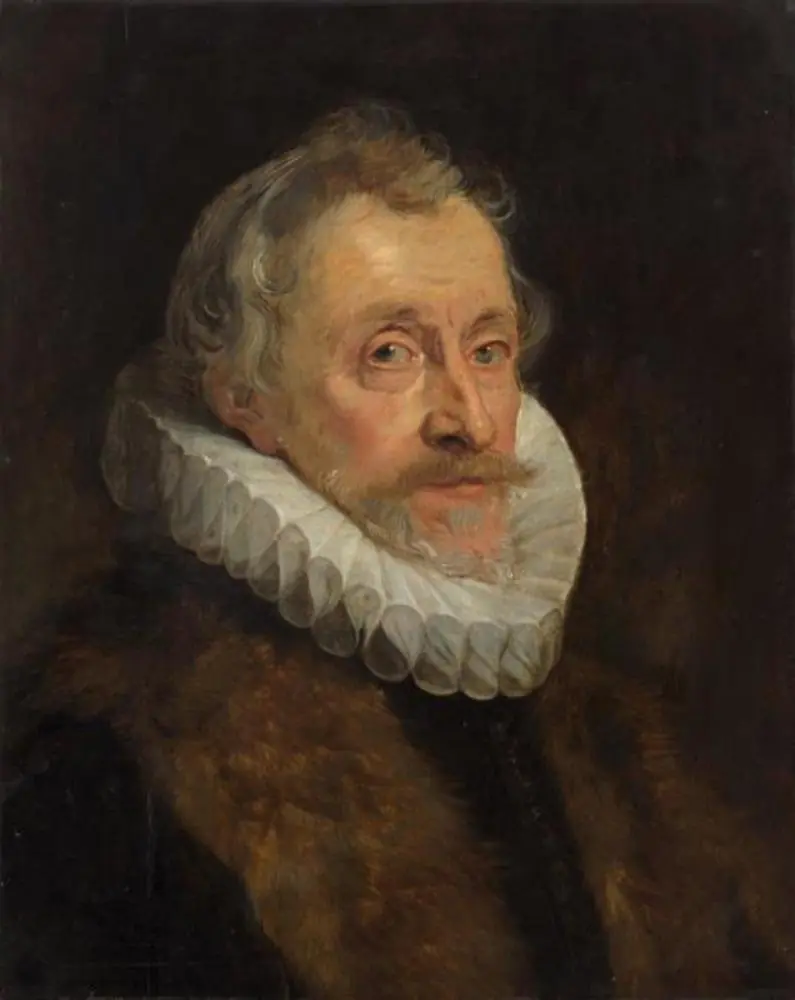 Man in a Fur Wrap and Pleated Collar
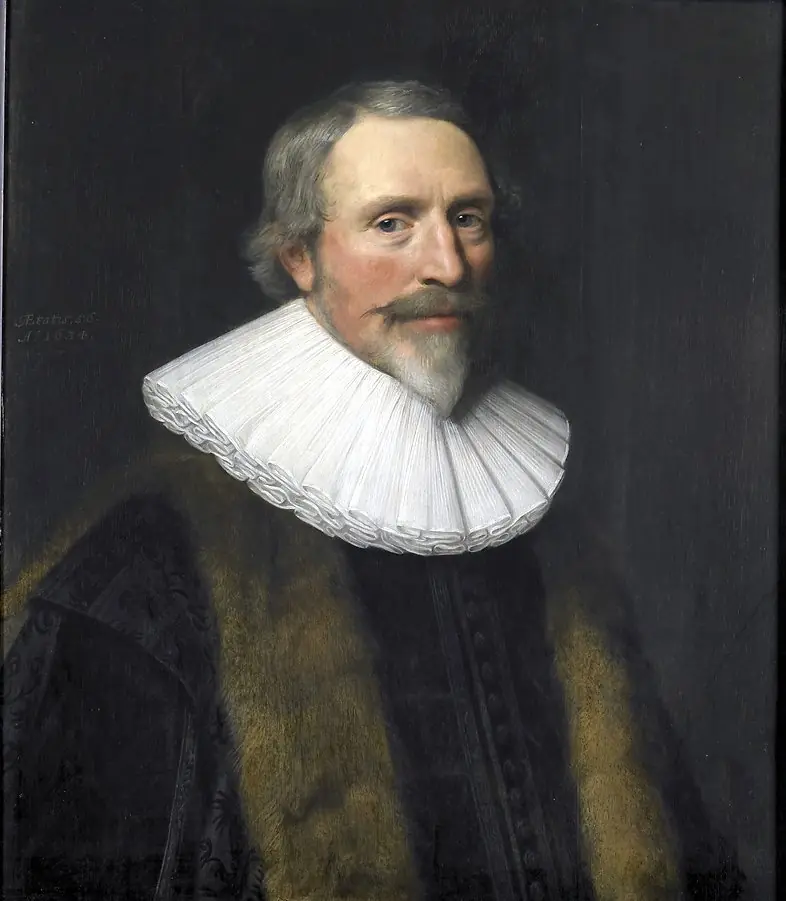 Portrait of Jacob Cats (1577-1660)
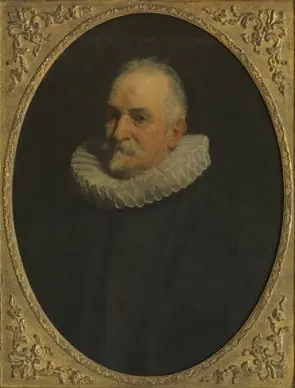 Portrait of an unknown 70 year old man
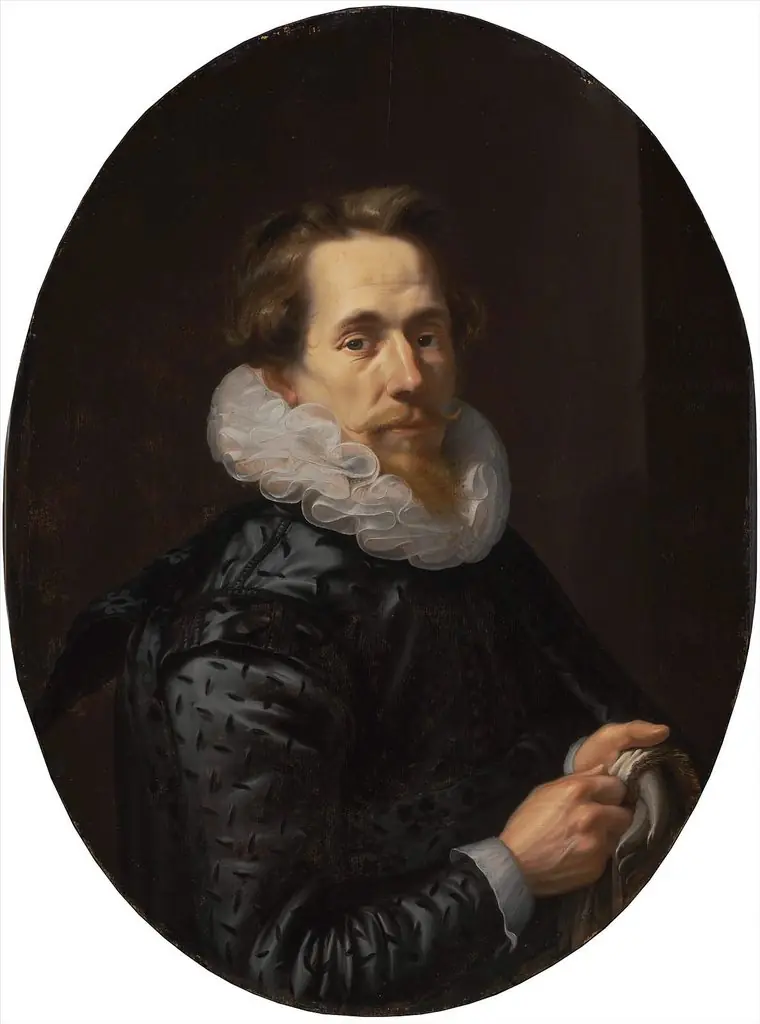 Portrait of a Man with a Ruff
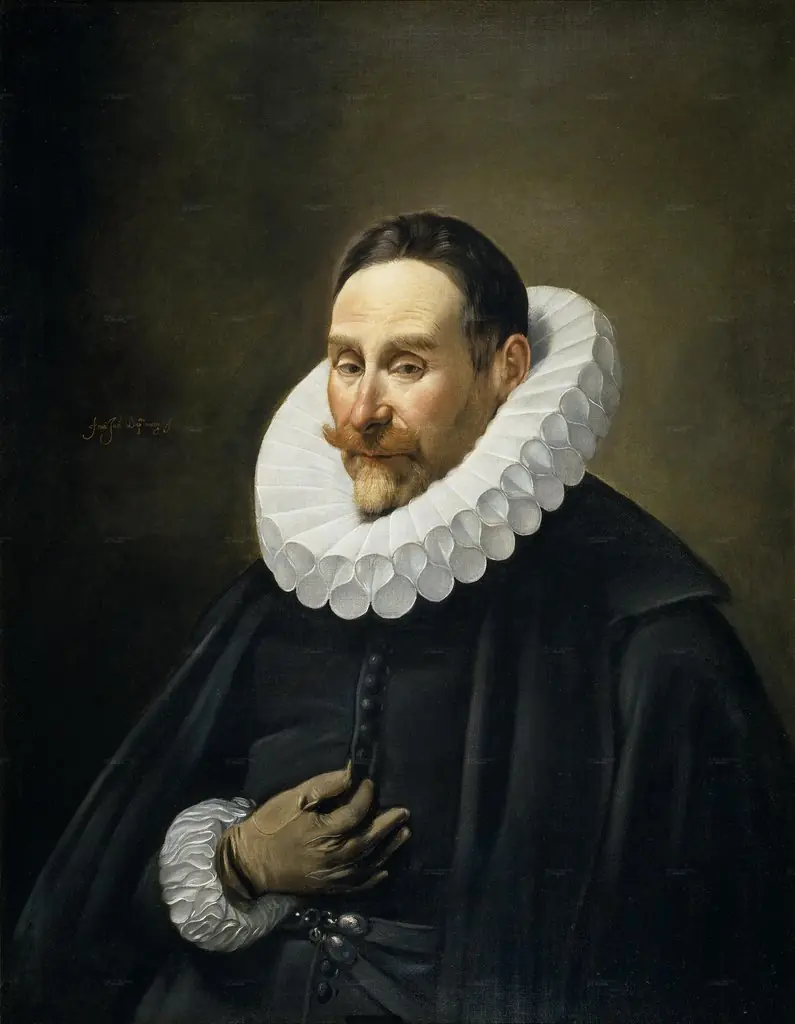 Portrait of a Gentleman
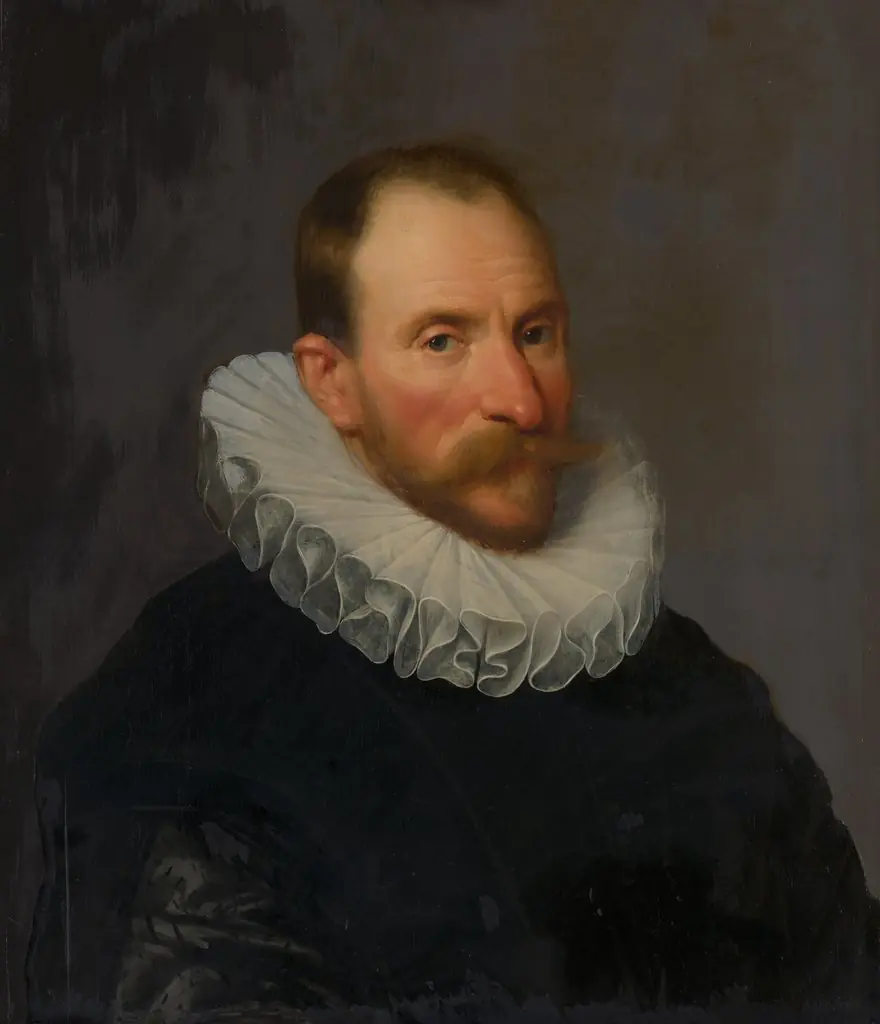 Portrait of Cornelis van Aerssen (1545-1627)
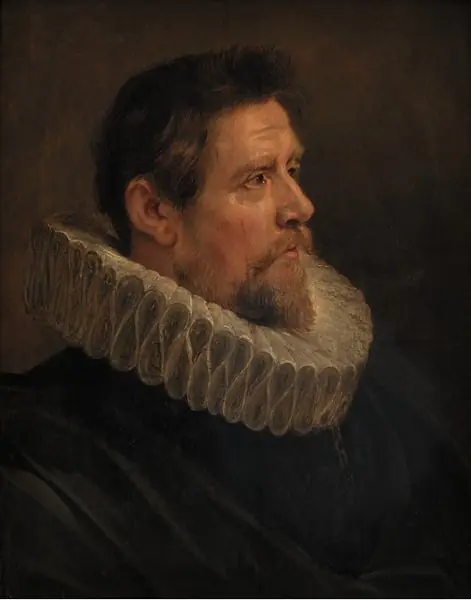 Portrait of a Man
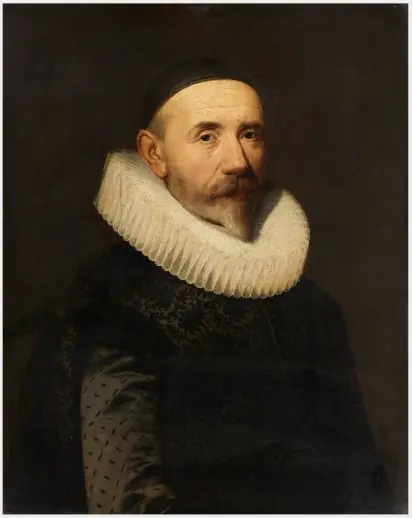 Portrait of a Gentleman
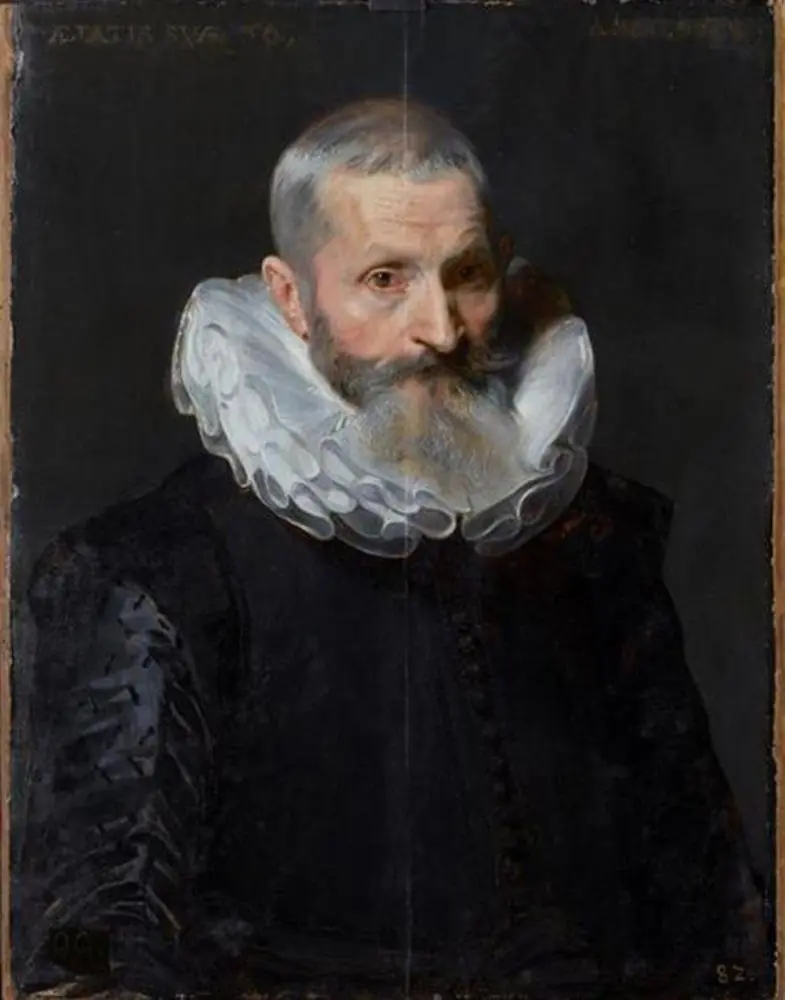 Portrait of a 60-year-old Man
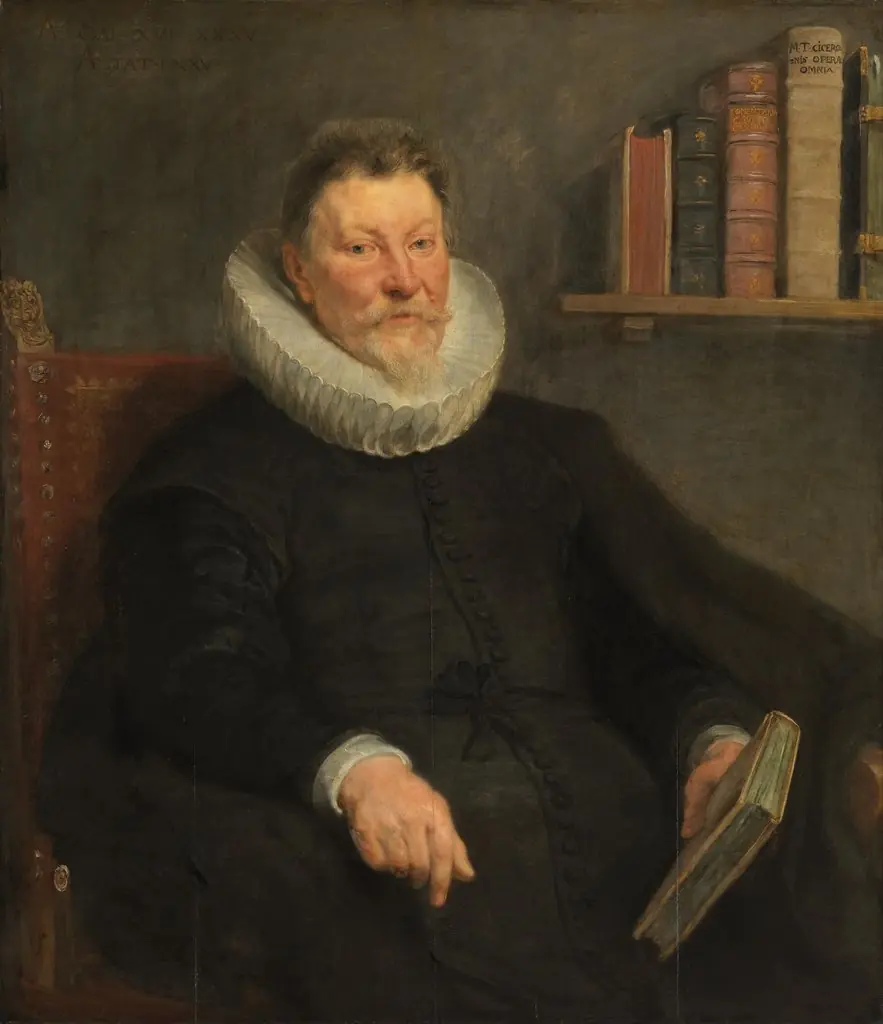 Portrait of Jan Brant
 Portrait of Cornelis Jansz Hartigsvelt, Director of the Rotterdam Chamber of the Dutch East India Company, elected 1639
- Portrait of the painter Jan Brueghel