Artwork
Raga Bhairaon, Page from a Jaipur Ragamala Set
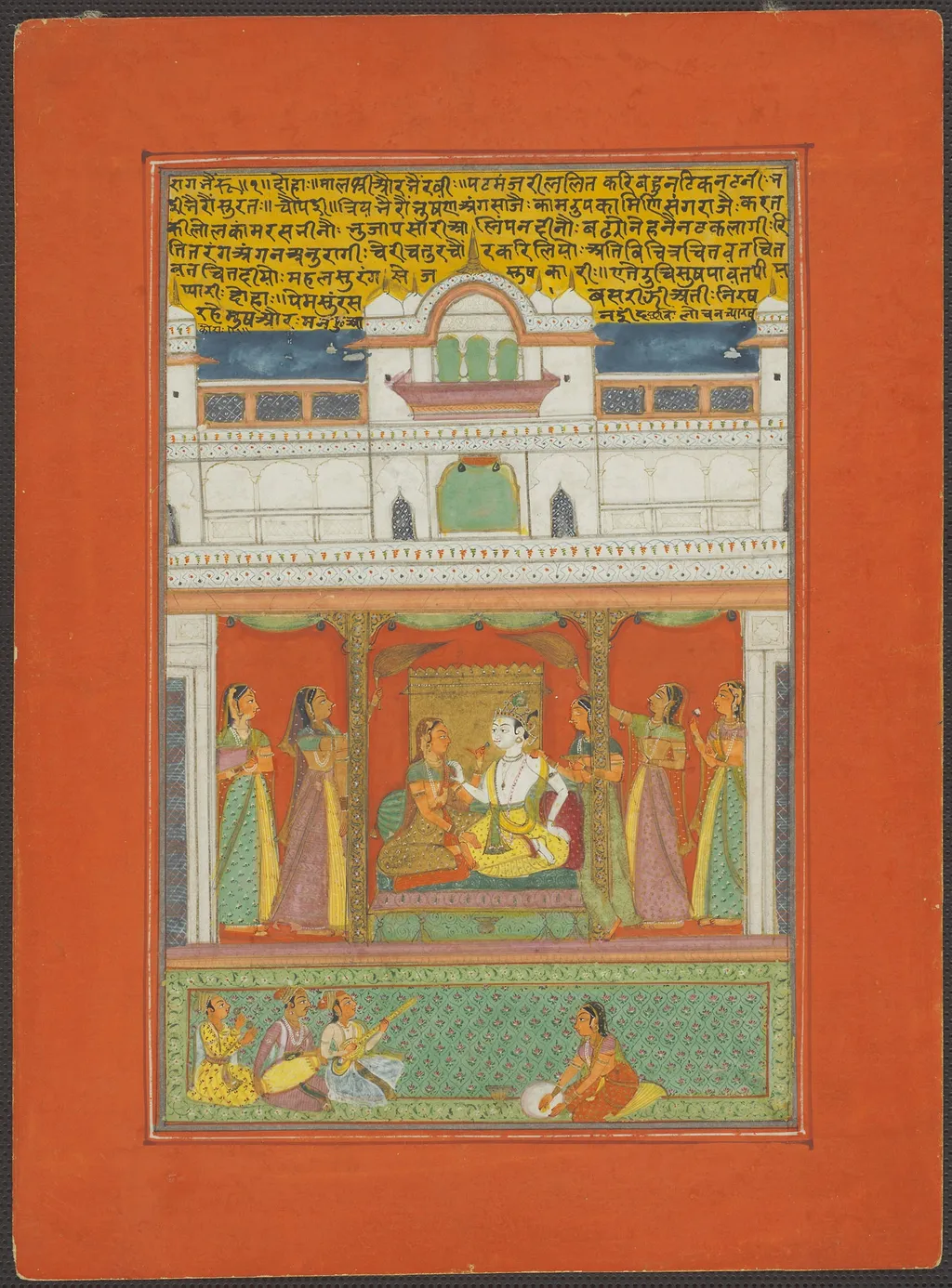
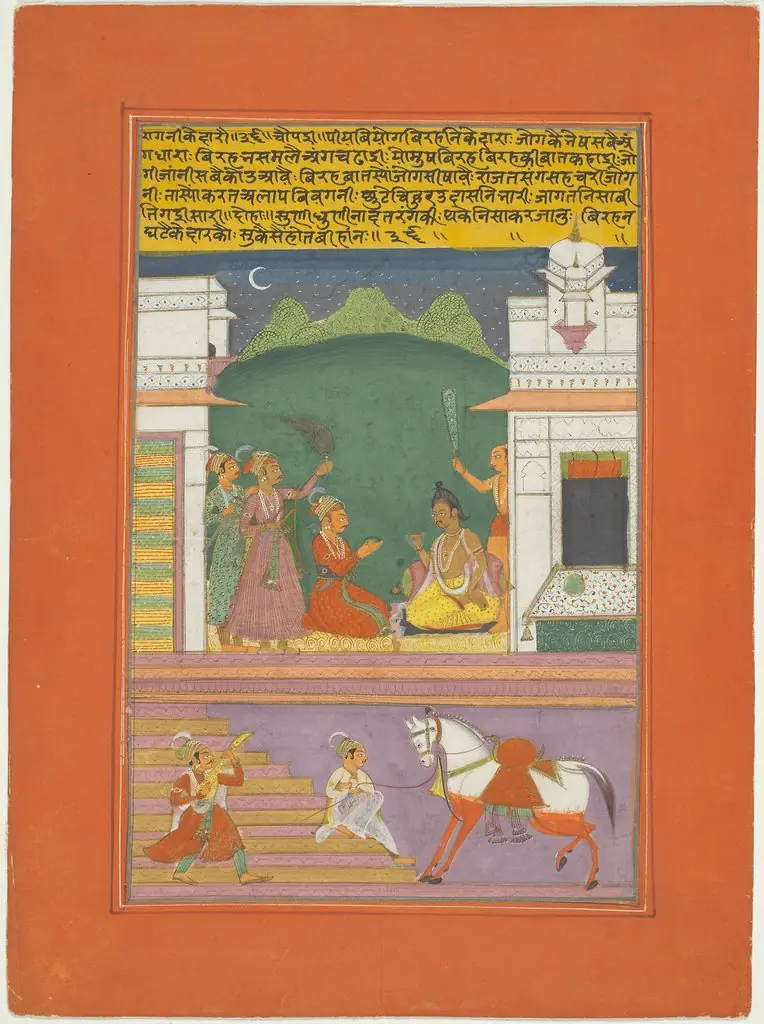
Raga Bhairaon, Page from a Jaipur Ragamala Set is an unspecified painting by the Rajput painting artist Unknown. It dates from 1757 and is held in the collection of the Art Institute of Chicago. Raga Bhairaon is a miniature painting from a Jaipur Ragamala series, portraying a festive court scene.
About this work
Overview
Raga Bhairaon is a miniature painting from a Jaipur Ragamala series, portraying a festive court scene. A man in yellow and white garments occupies a throne, encircled by women in multicoloured dresses. Musicians in the foreground play a variety of instruments, while a building with a balcony and windows forms the backdrop, suggesting an interior palace setting.
Subject & Meaning
The composition illustrates a raga, musical mode, associated with the Bhairav scale, traditionally linked to solemn yet celebratory moods. The central figure likely represents a patron or deity, surrounded by courtiers and performers, embodying the harmonious convergence of music, dance, and royal patronage that characterises Ragamala iconography.
Technique & Style
Executed in the Jaipur school of miniature painting, the work employs fine brushwork on paper, with vibrant mineral pigments and delicate gold leaf accents. The figures are rendered with graceful outlines and stylised gestures, while the architectural elements display a flattened perspective typical of Indian courtly art.
History & Provenance
The piece belongs to a set of Ragamala illustrations produced in the early 18th century for a Jaipur court patron. Though the exact collector history is undocumented, similar Jaipur Ragamala sets have entered museum collections worldwide, reflecting the period’s flourishing patronage of visual music narratives.
Context
Ragamala paintings translate musical modes into visual allegories, a practice that flourished across northern India from the 16th to 18th centuries. Jaipur’s version is noted for its refined colour palette and courtly elegance, distinguishing it from contemporaneous Mughal or Rajput styles while sharing the broader cultural aim of linking sound and sight.
Artist & collection









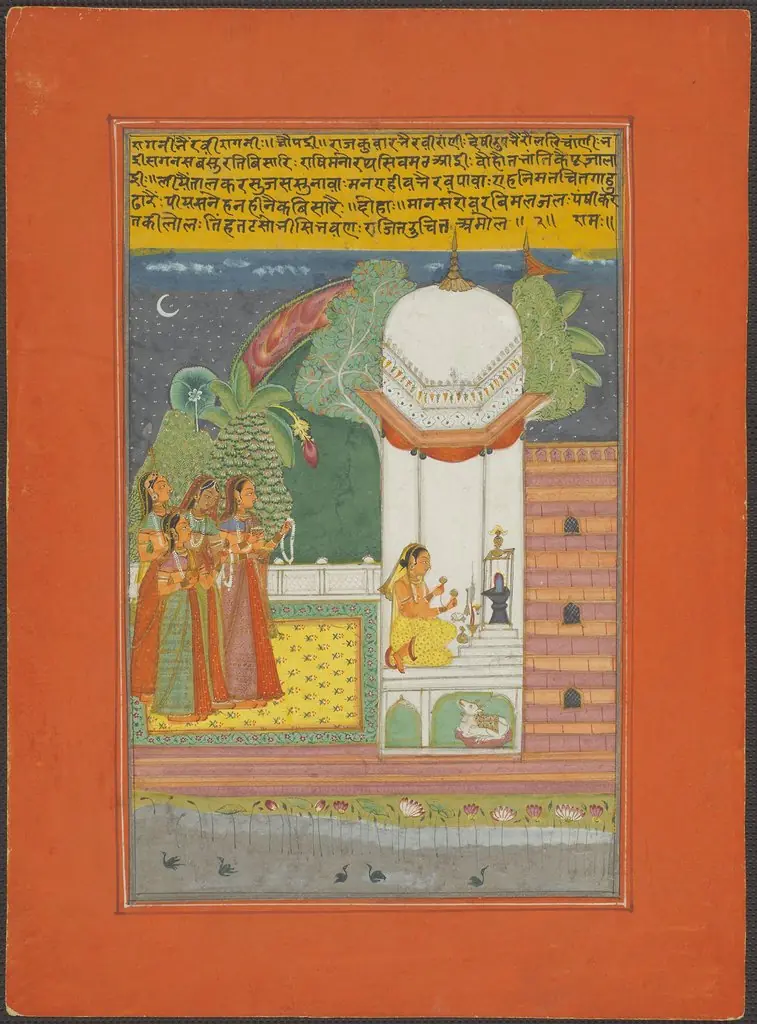
- Ragini Bhairavi, Page from a Jaipur Ragamala Set
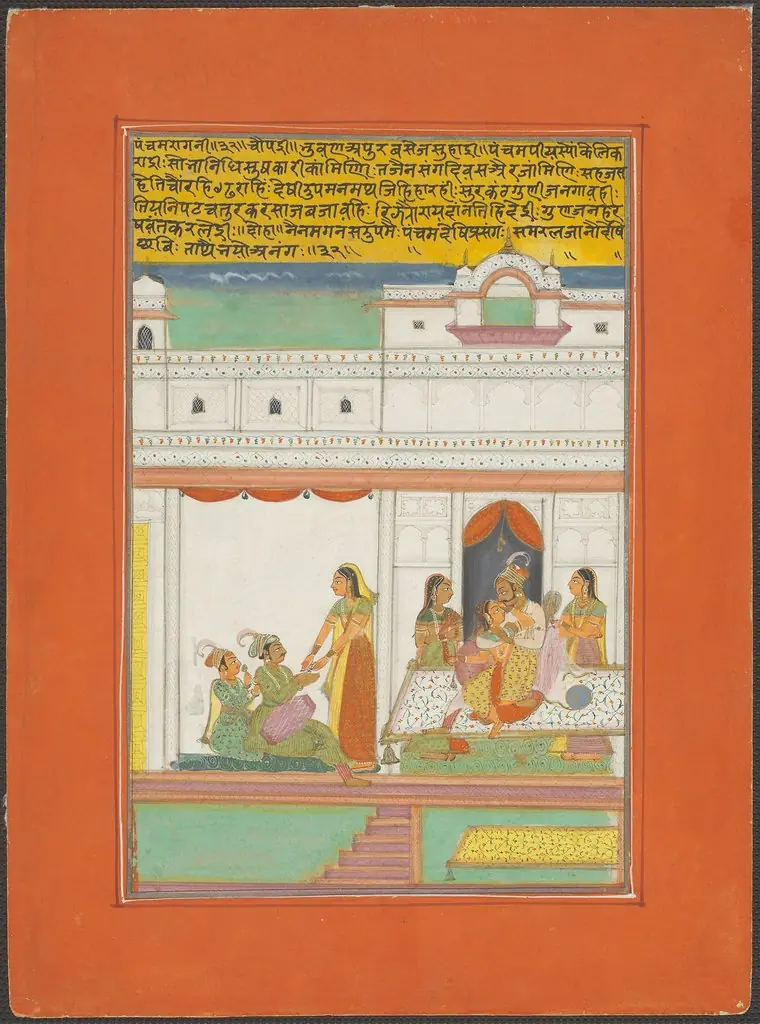 Panchama Ragini, Page from a Jaipur Ragamala Set
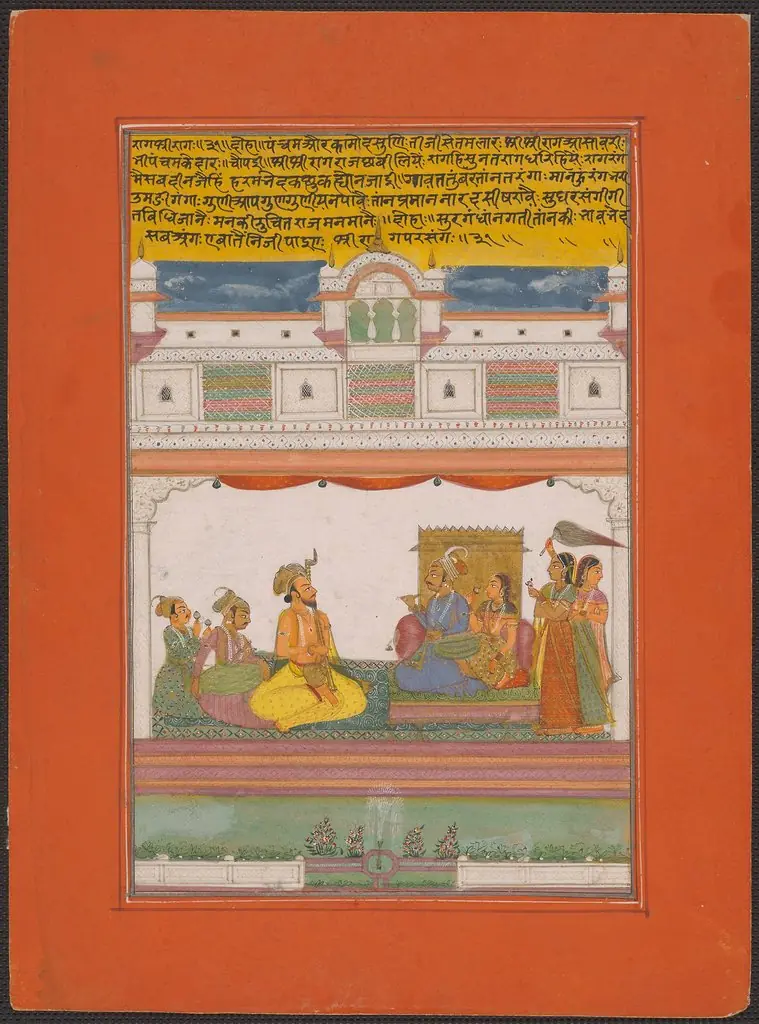 Raga Shri-rag, Page from a Jaipur Ragamala Set
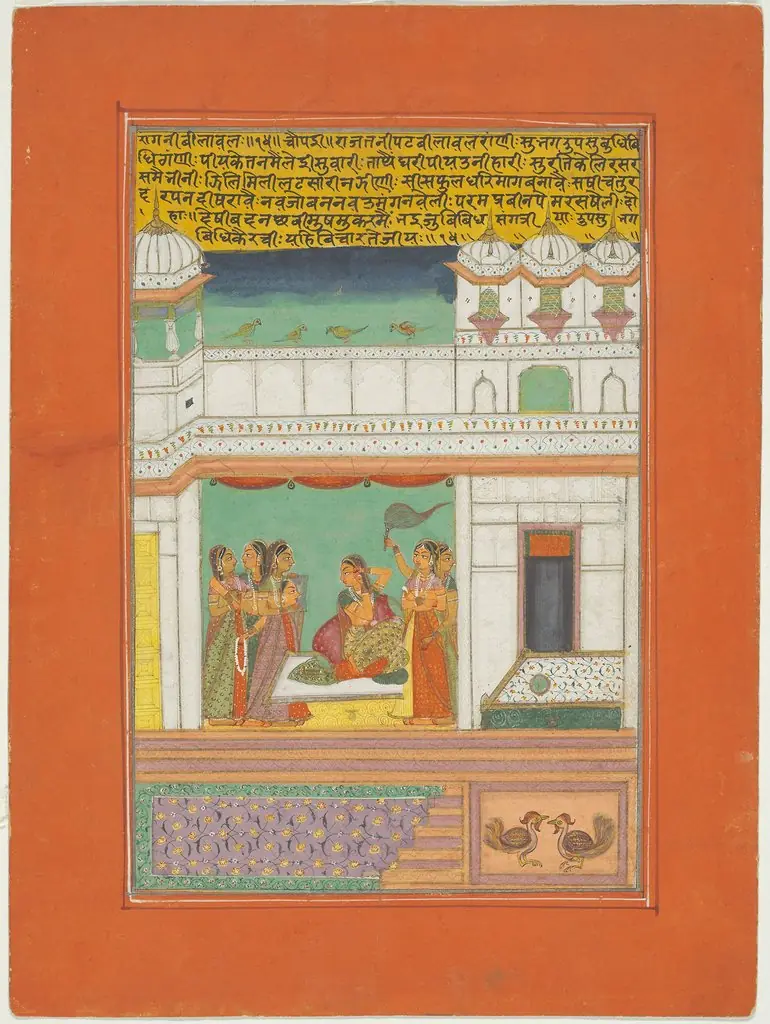 Ragini Bilaval, Page from a Jaipur Ragamala Set
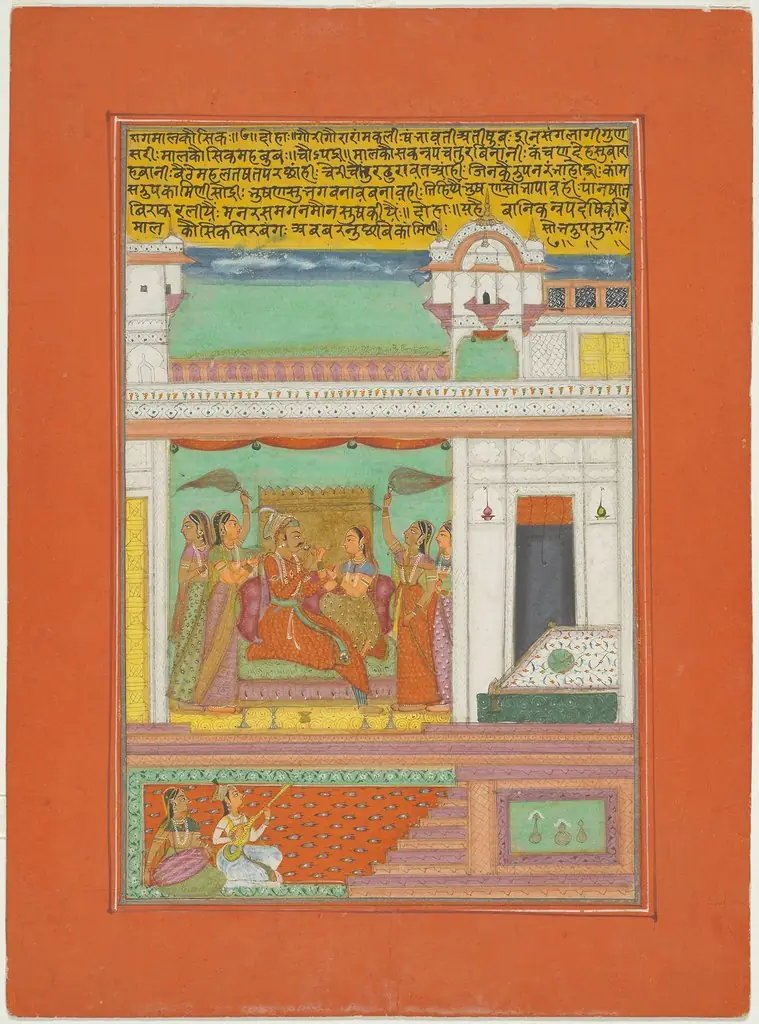 Raga Malkaushika, Page from a Jaipur Ragamala Set
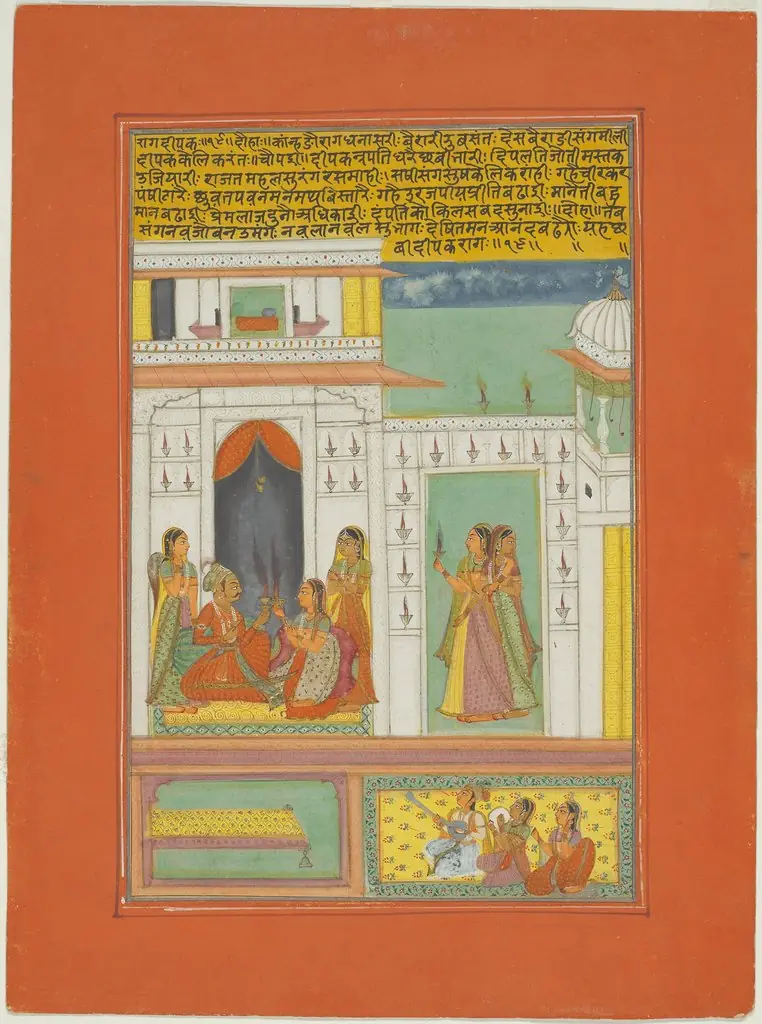 Raga Dipak, Page from a Jaipur Ragamala Set
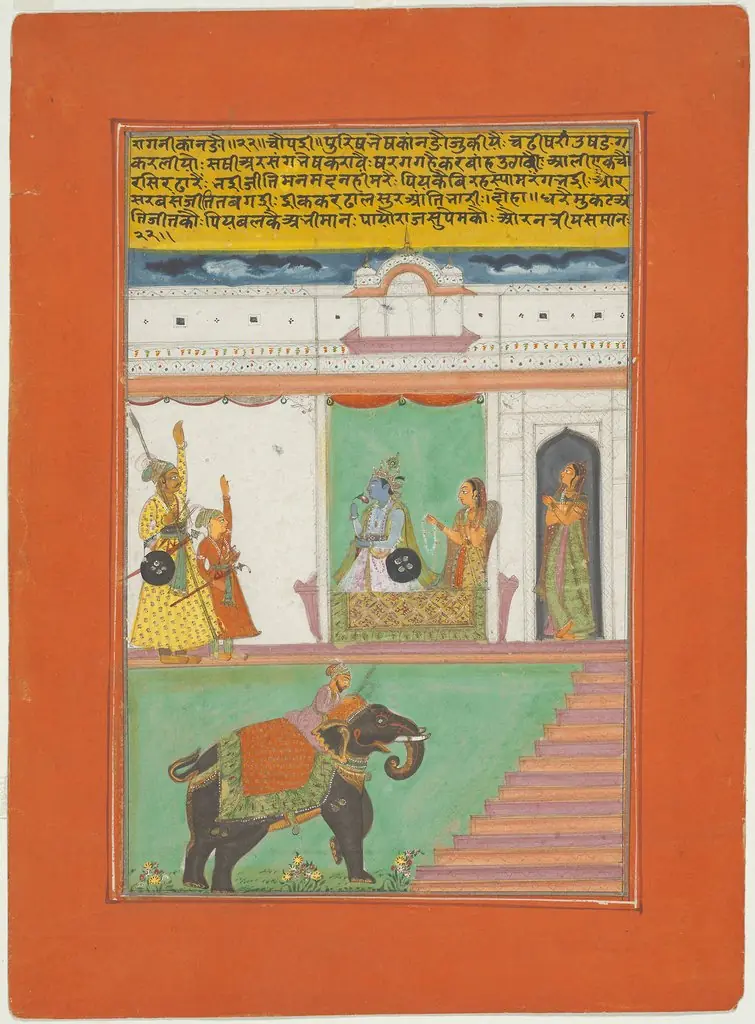 Ragini Kanada, Page from a Jaipur Ragamala Set
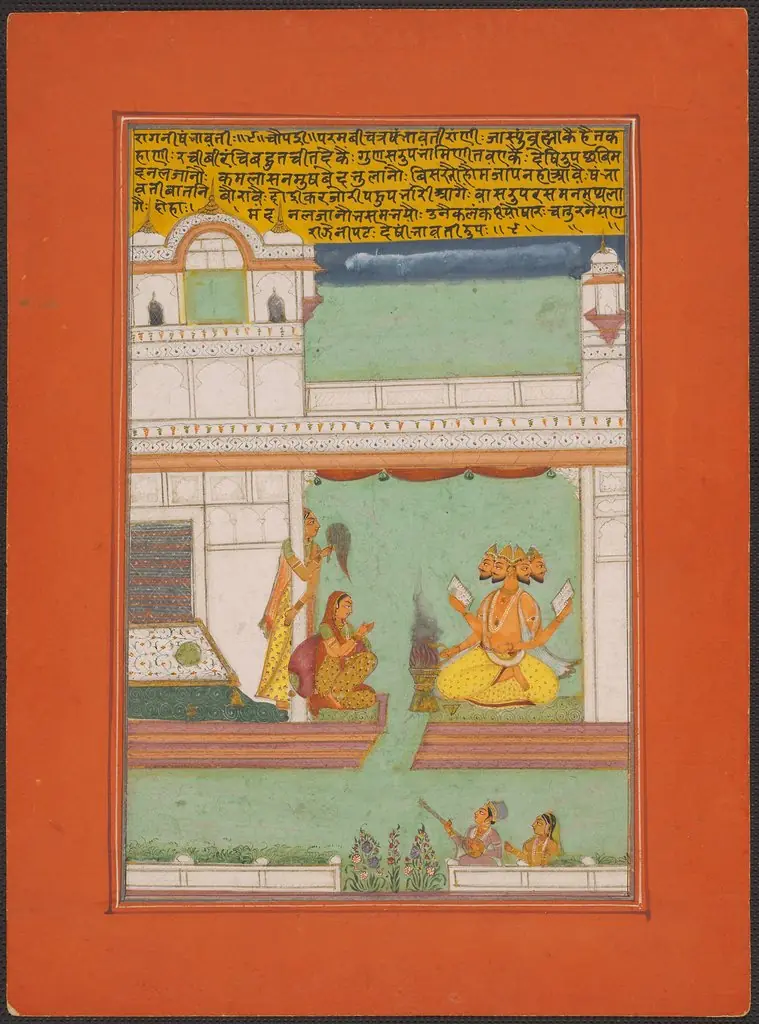 Ragini Khambavati, Page from a Jaipur Ragamala Set
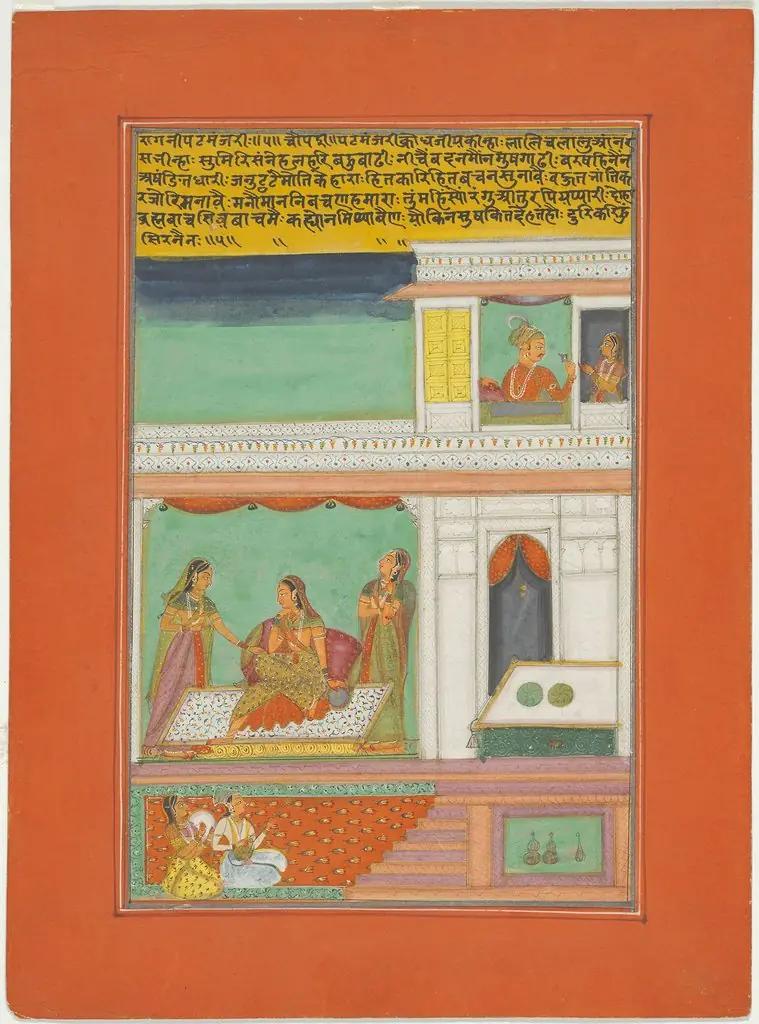 Ragini Patmanjari, Page from a Jaipur Ragamala Set
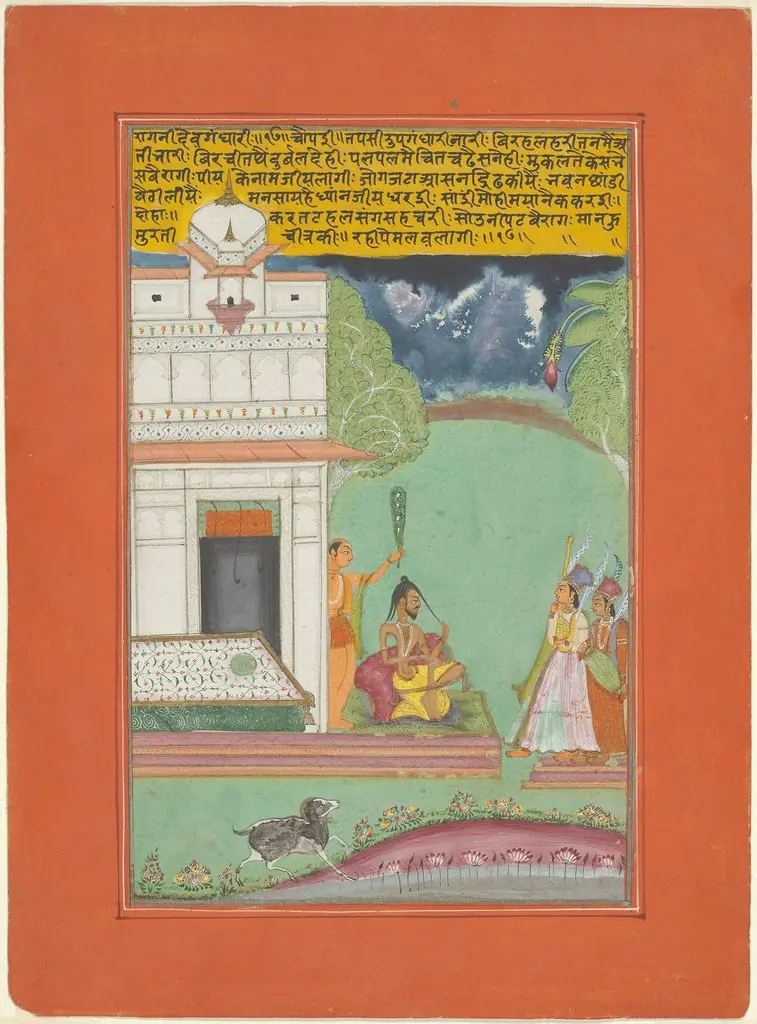 Ragini Devagandhari, Page from a Jaipur Ragamala Set
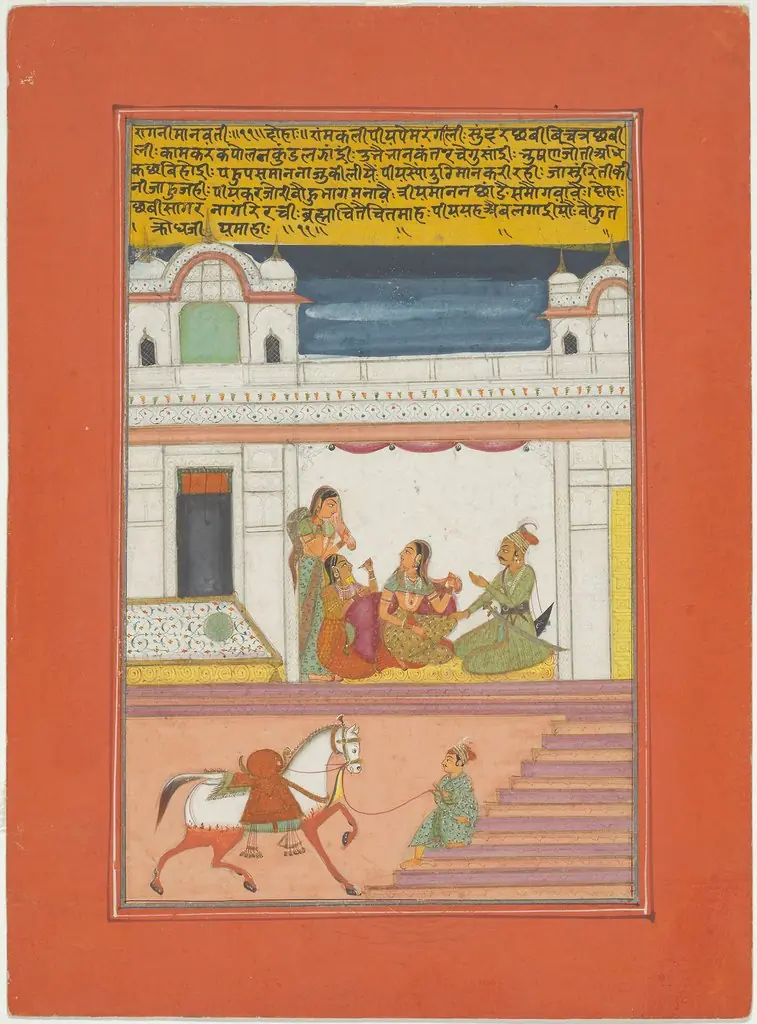 Ragini Manavati, Page from a Jaipur Ragamala Set
 Ragini Kedara, Page from a Jaipur Ragamala Set