Artwork
Ragini Kanada, Page from a Jaipur Ragamala Set
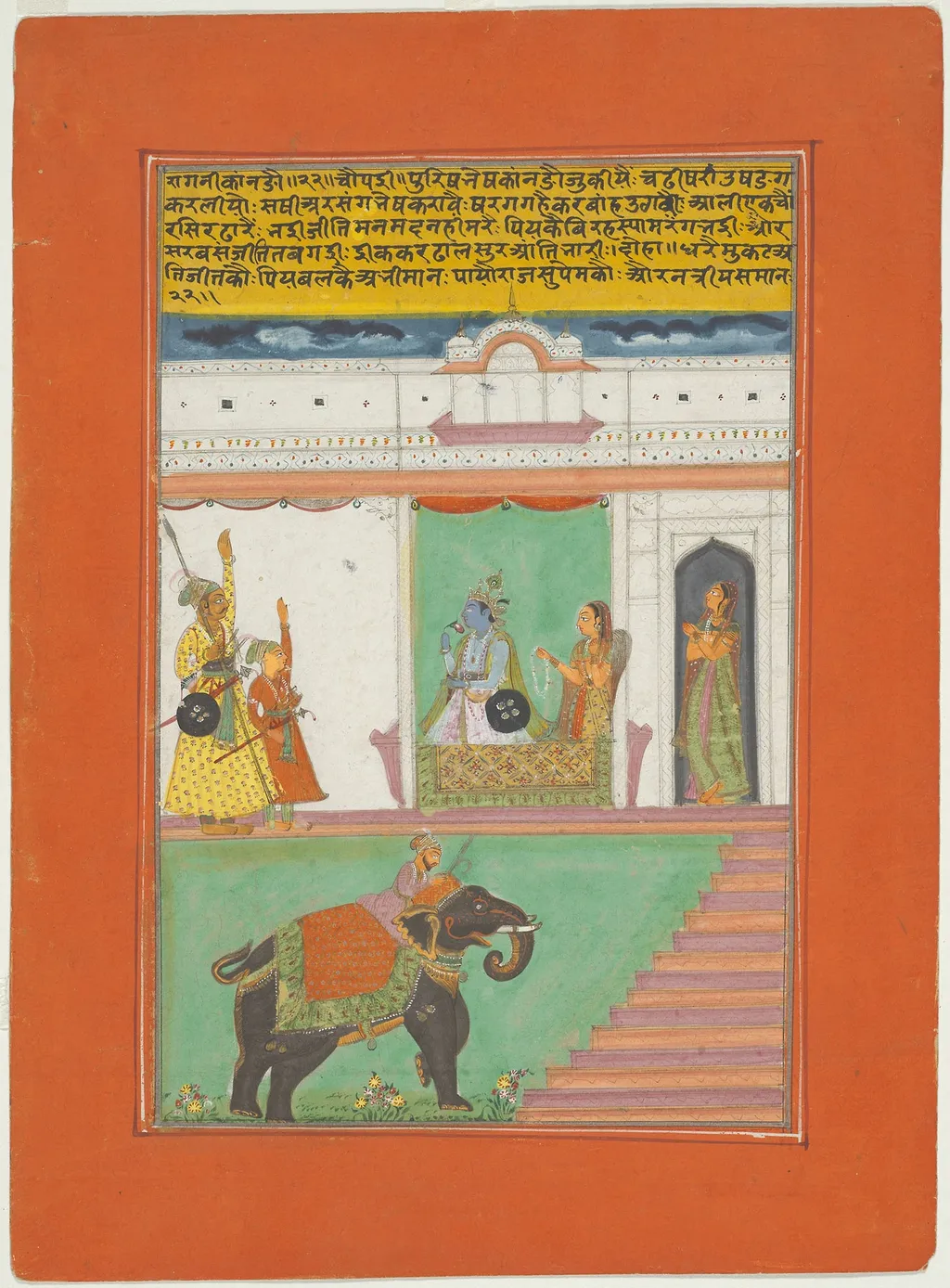
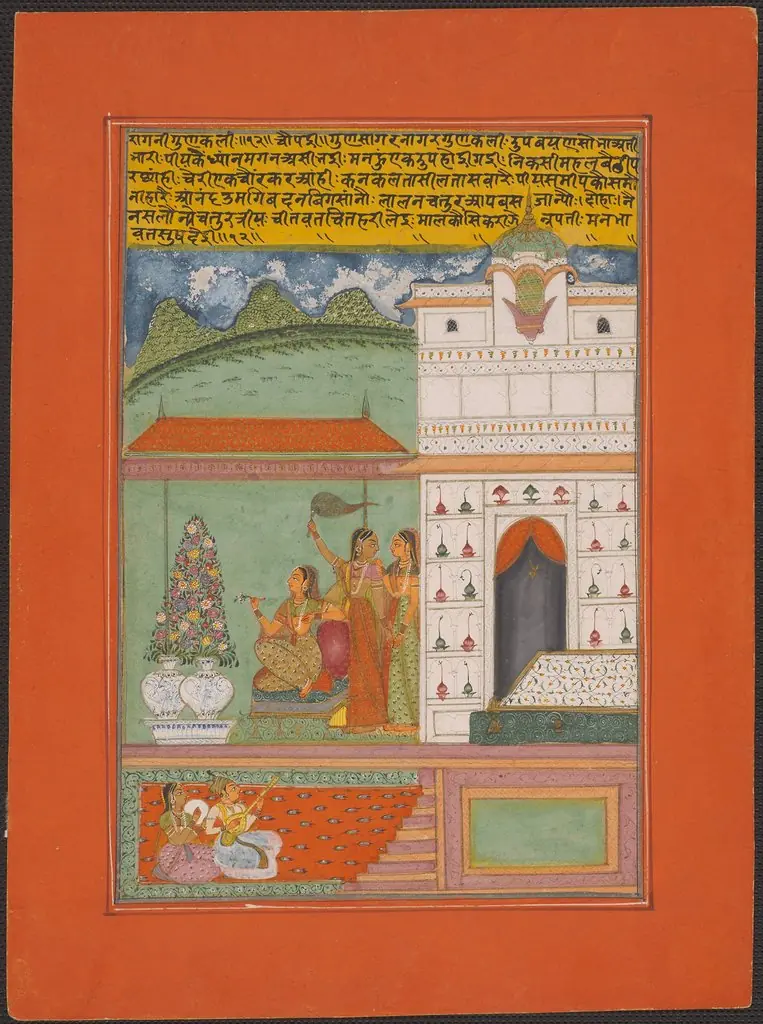
Ragini Kanada, Page from a Jaipur Ragamala Set is an unspecified painting by the Rajput painting artist Unknown. It dates from 1757 and is held in the collection of the Art Institute of Chicago. This painting is a folio from a Jaipur Ragamala series, a set of illustrated musical modes from early modern Rajasthan.
About this work
Overview
This painting is a folio from a Jaipur Ragamala series, a set of illustrated musical modes from early modern Rajasthan. It illustrates Ragini Kanada, a feminine raga associated with evening devotion. The scene unfolds in a stylized architectural setting, blending human figures with symbolic elements to evoke the raga’s emotional character through visual narrative rather than literal storytelling.
Subject & Meaning
Together, these figures form a symbolic ensemble, translating the raga’s melodic structure into a moment of quiet tension and layered social interaction.
The central figure, a woman in green with crossed arms, embodies the raga’s introspective mood. A man on an elephant, dressed in orange and green, suggests royal or ceremonial presence, while the sword-bearer in yellow may represent protection or martial resolve. Together, these figures form a symbolic ensemble, translating the raga’s melodic structure into a moment of quiet tension and layered social interaction.
Technique & Style
The artist employs fine brushwork to render intricate textile patterns and architectural details, typical of Jaipur’s courtly painting tradition. Bright mineral pigments, vermilion, lapis, malachite, create vivid contrasts. Composition directs the eye diagonally from the doorway through the elephant’s path to the sword-bearer, enhancing rhythmic movement. Flat planes and decorative patterning prioritize symbolic harmony over spatial realism.
History & Provenance
Produced in the Jaipur royal atelier during the late 17th or early 18th century, this folio belongs to a commissioned set of Ragamala paintings intended for courtly contemplation. Such sets were often bound into albums and displayed during musical performances. Its survival reflects the sustained patronage of Rajput rulers who linked musical theory with visual art as expressions of refined culture.
Context
Ragamala paintings emerged from the fusion of North Indian musical traditions and Mughal-influenced miniature styles. Jaipur artists adapted these themes with local aesthetics, emphasizing bold color and stylized form. Ragini Kanada, associated with longing and evening solitude, was one of many raga-personifications that connected time, emotion, and cosmic order in Hindu philosophical frameworks.
Legacy
This folio exemplifies how Indian court painting translated abstract musical concepts into visual language, influencing later regional styles. Though largely overlooked in Western art histories, such works remain vital to understanding pre-colonial Indian aesthetics. Today, surviving Ragamala sets are studied for their synthesis of poetry, music, and visual symbolism in South Asian cultural practice.
Artist & collection









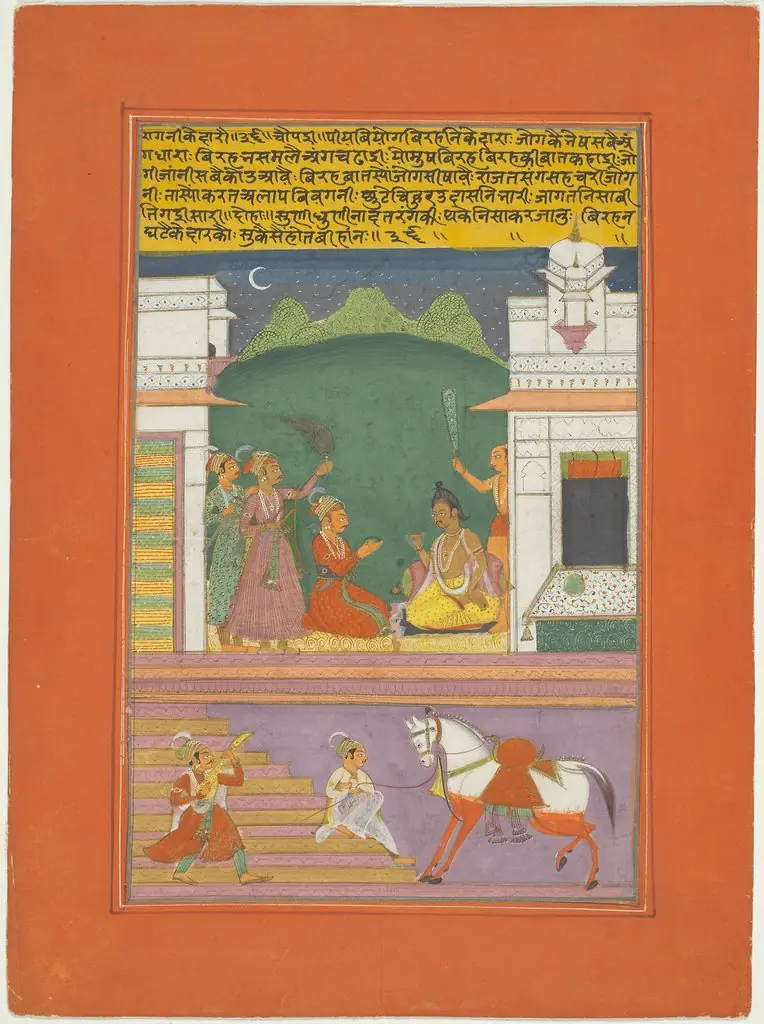
- Ragini Kedara, Page from a Jaipur Ragamala Set
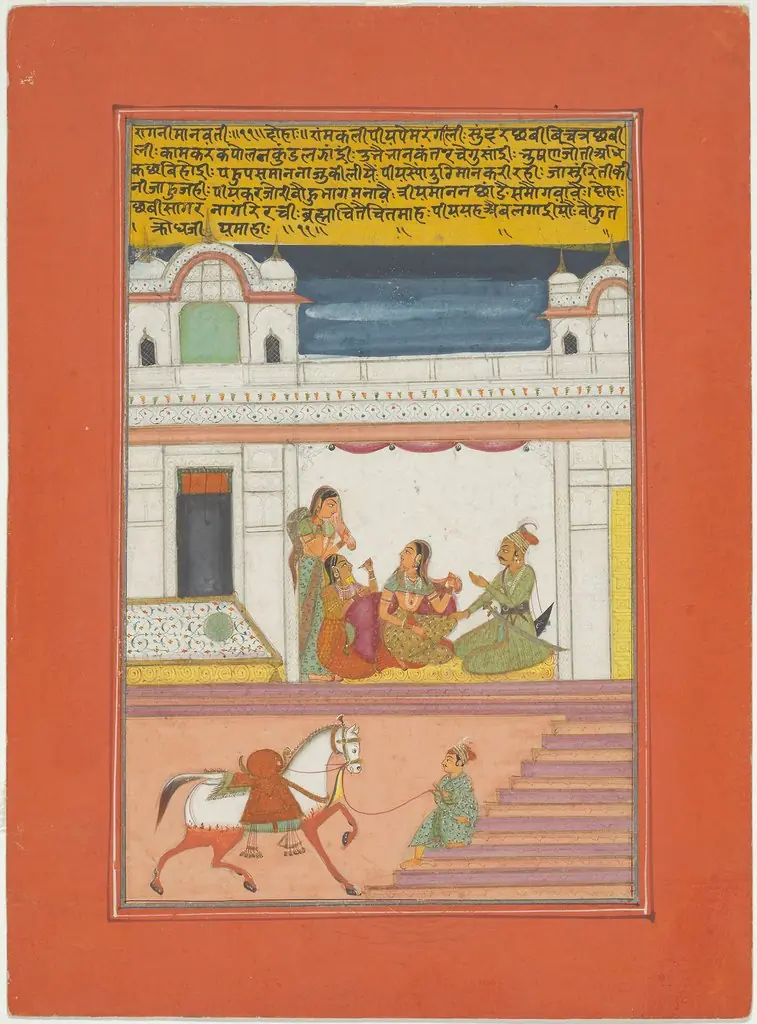 Ragini Manavati, Page from a Jaipur Ragamala Set
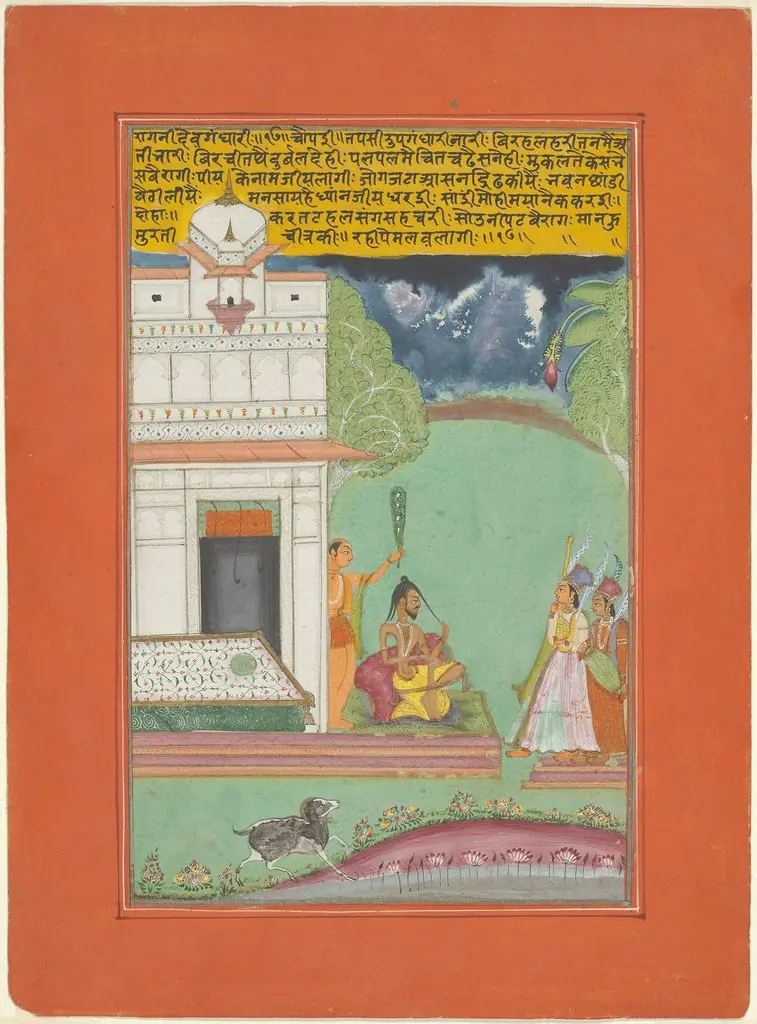 Ragini Devagandhari, Page from a Jaipur Ragamala Set
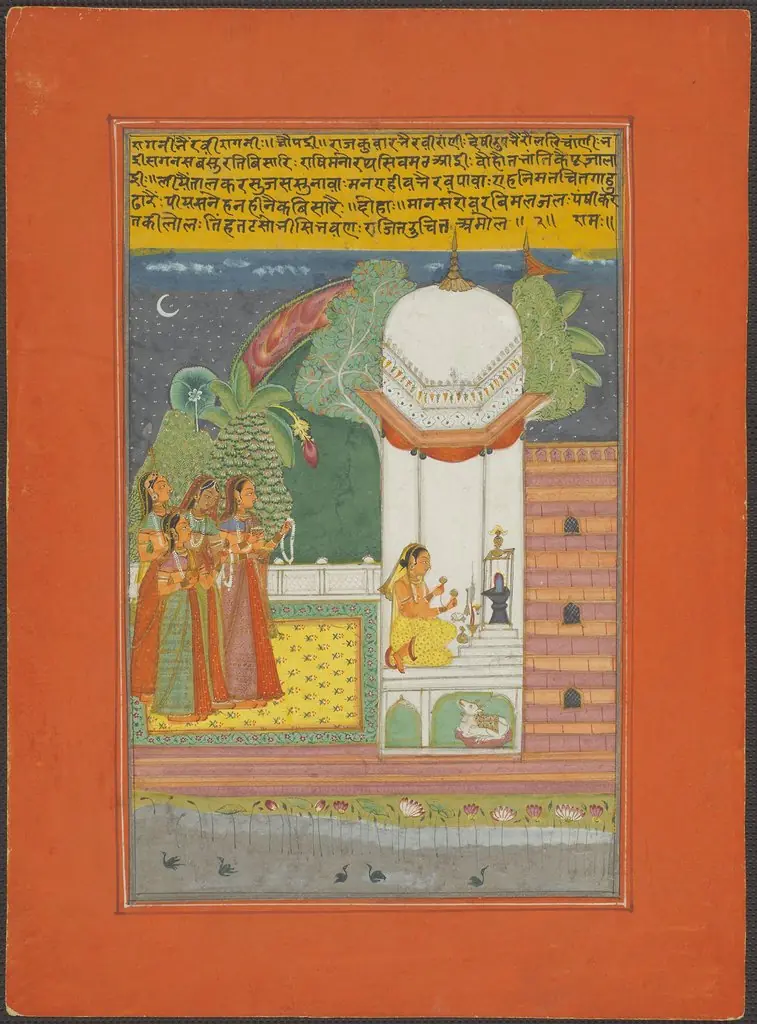 Ragini Bhairavi, Page from a Jaipur Ragamala Set
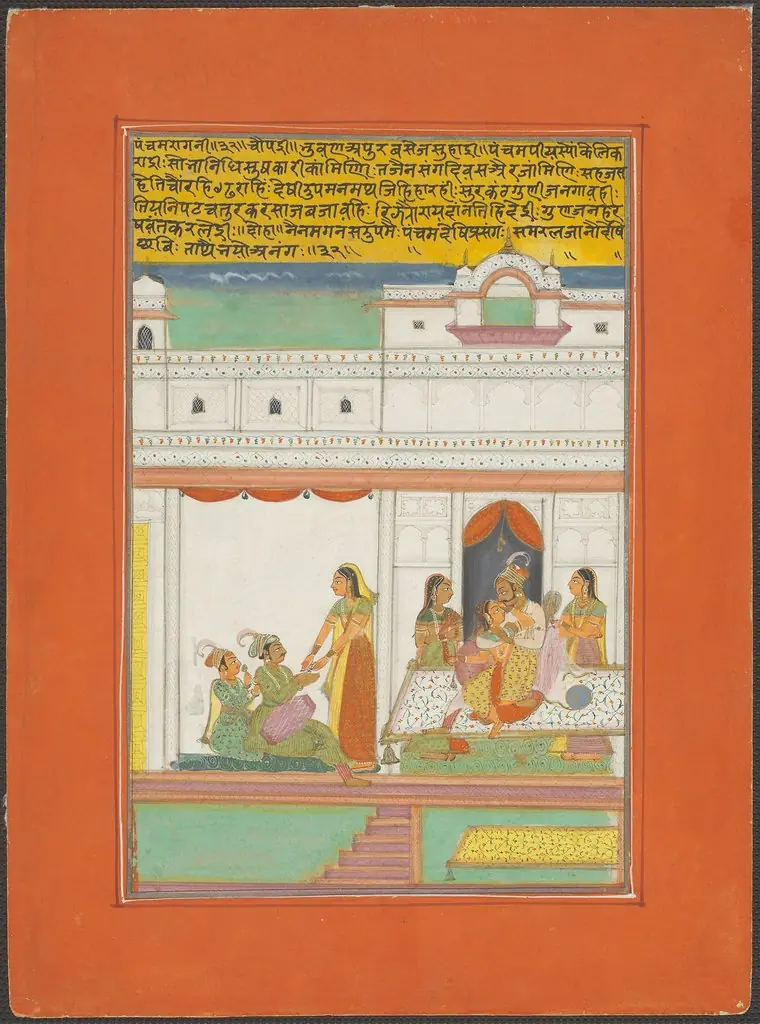 Panchama Ragini, Page from a Jaipur Ragamala Set
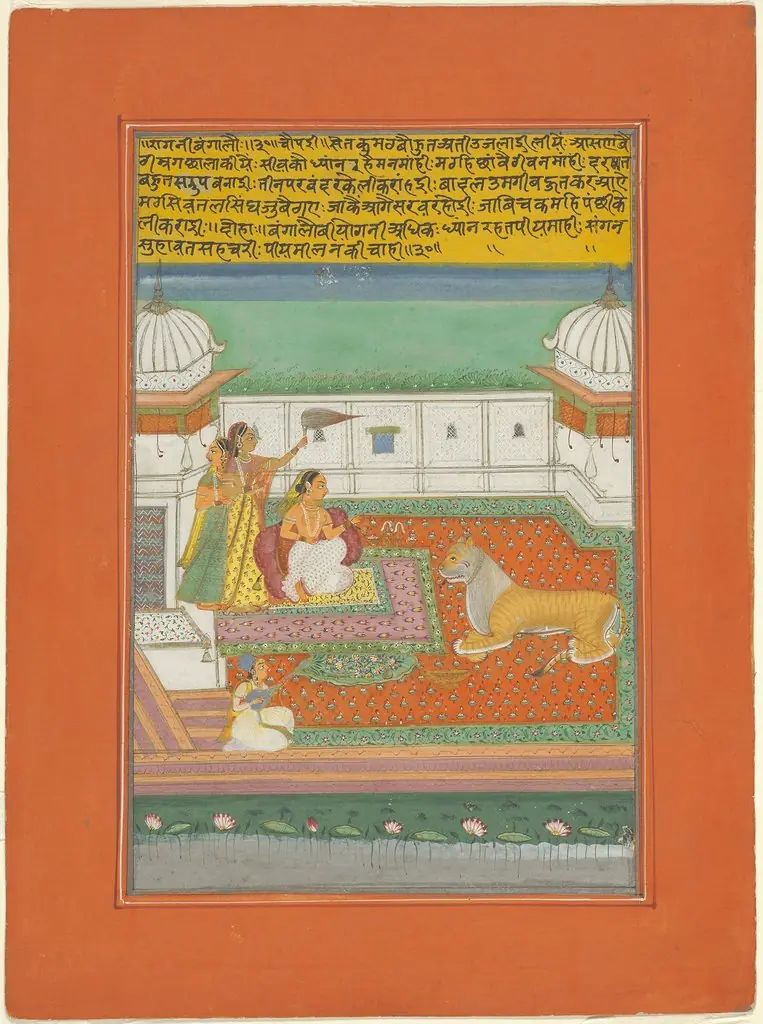 Ragini Bangali, Page from a Jaipur Ragamala Set
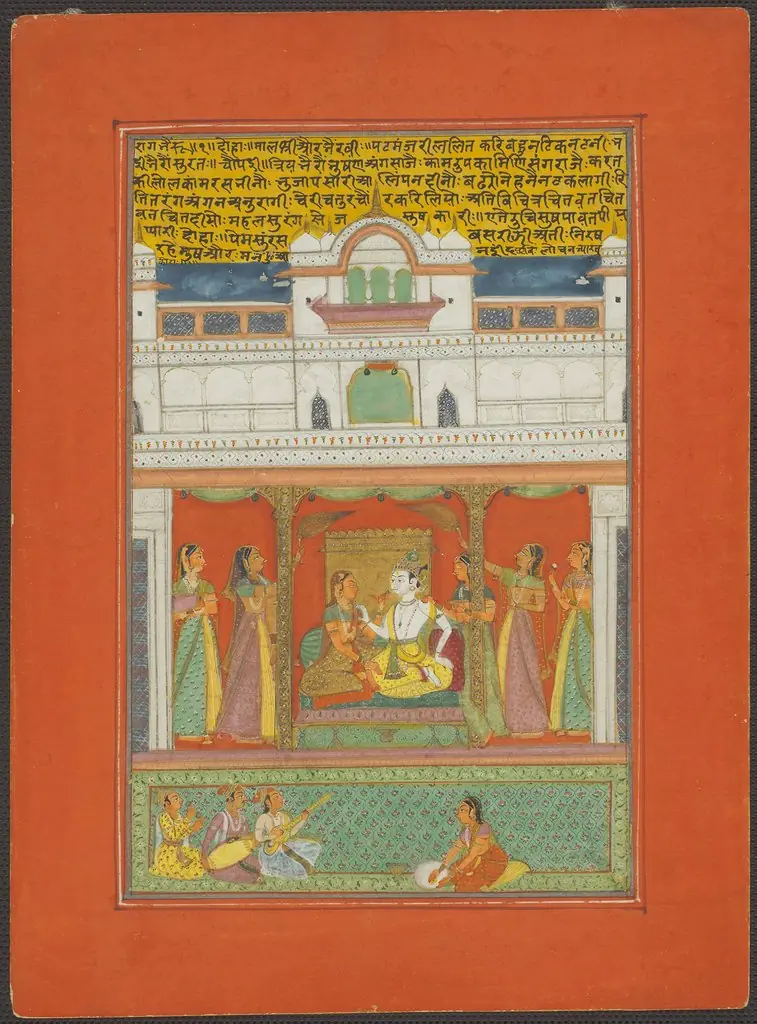 Raga Bhairaon, Page from a Jaipur Ragamala Set
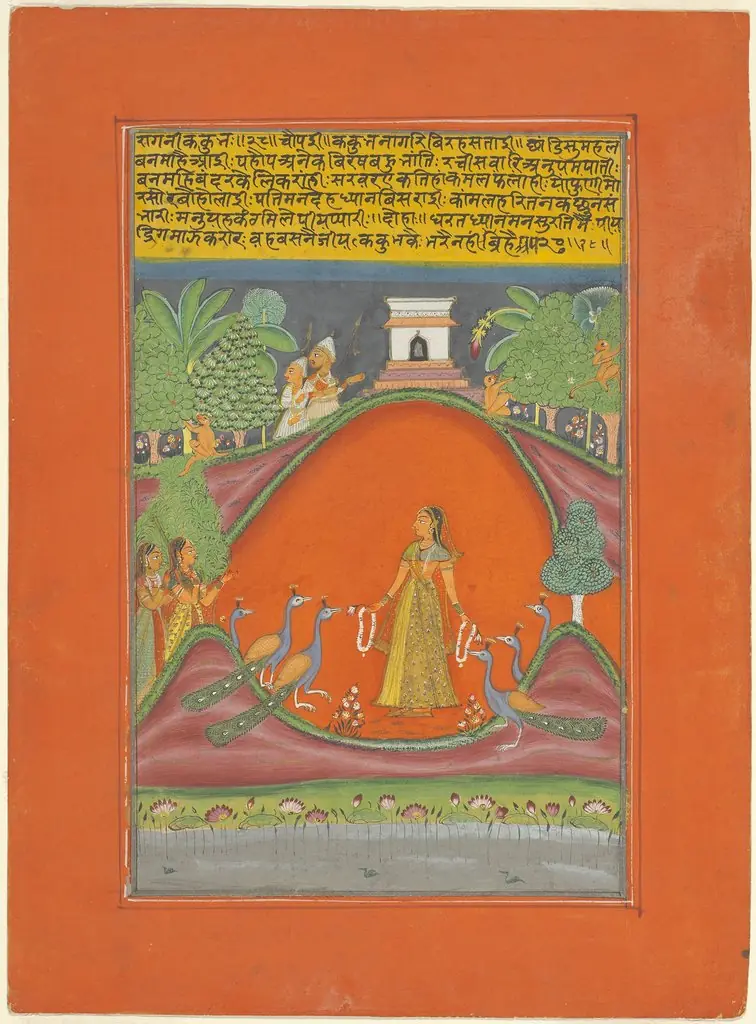 Ragini Kakubha, Page from a Jaipur Ragamala Set
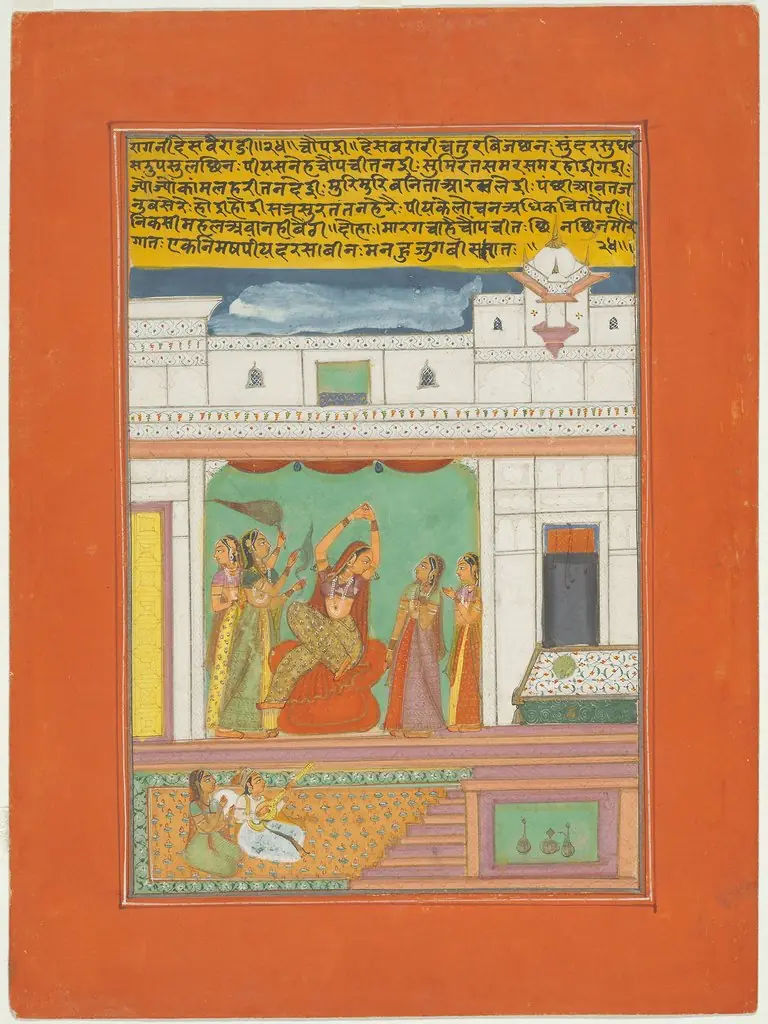 Ragini Desavaradi, Page from a Jaipur Ragamala Set
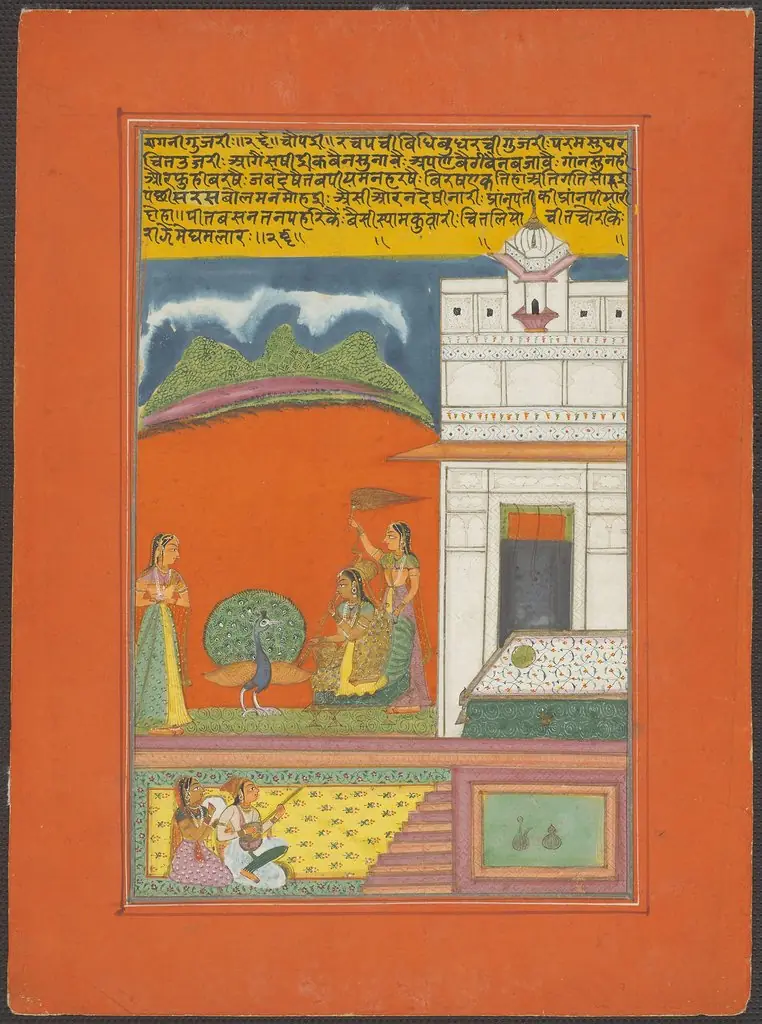 Ragini Gujari, Page from a Jaipur Ragamala Set
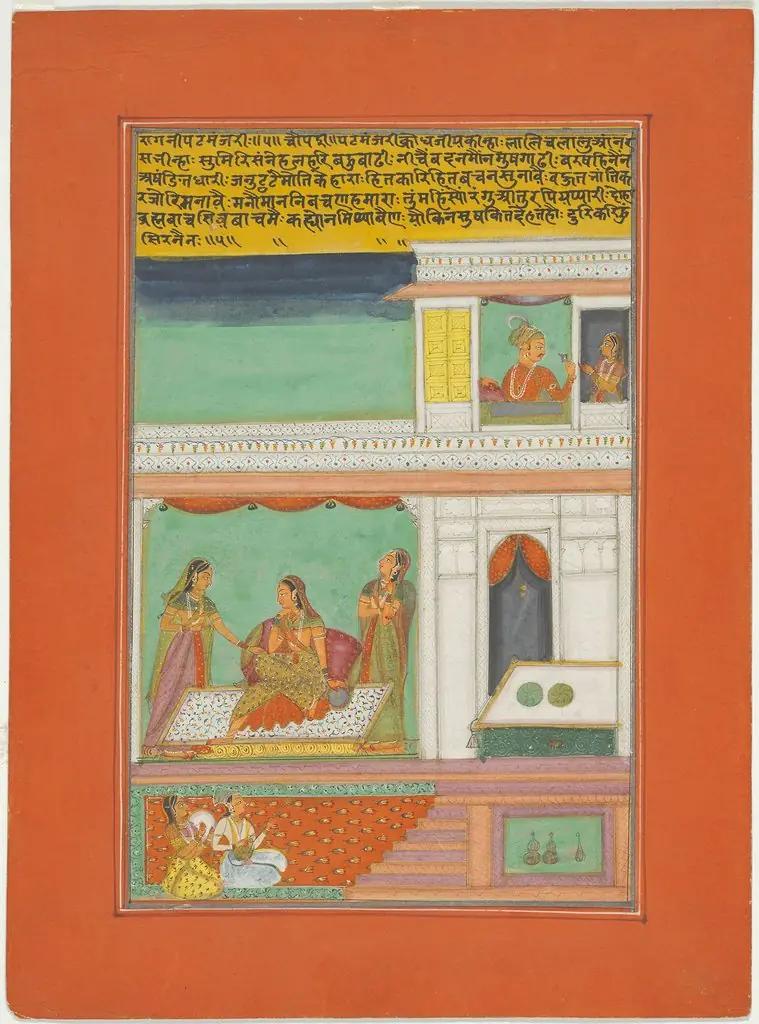 Ragini Patmanjari, Page from a Jaipur Ragamala Set
 Ragini Gunakali, Page from a Jaipur Ragamala Set