Artwork
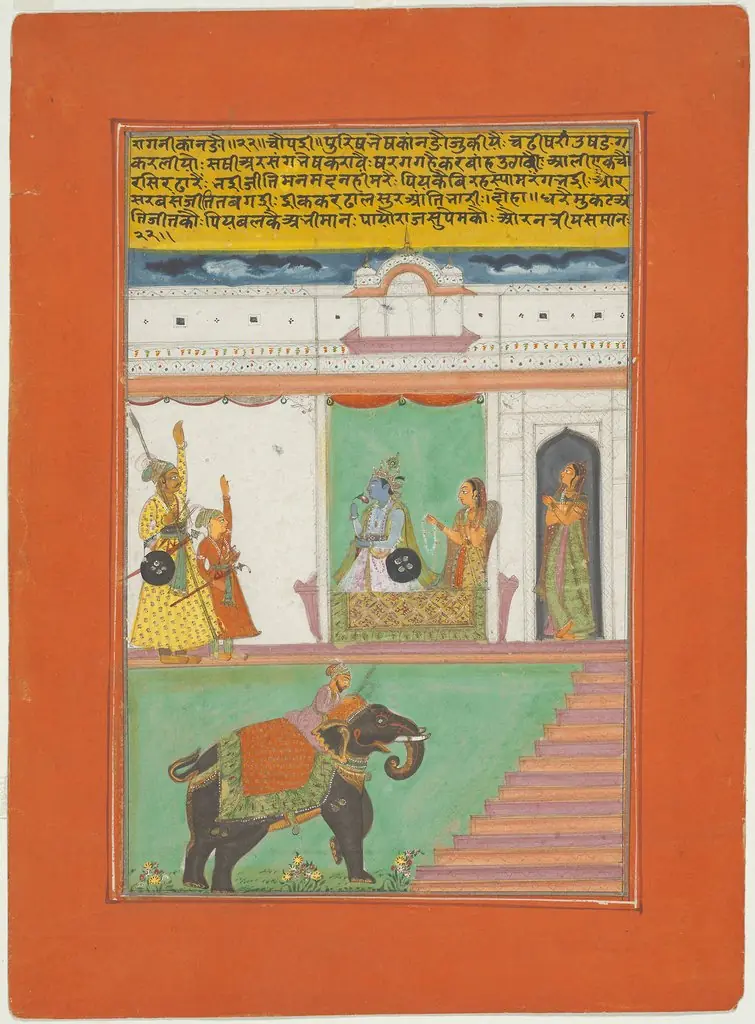
Ragini Bhairavi, Page from a Jaipur Ragamala Set
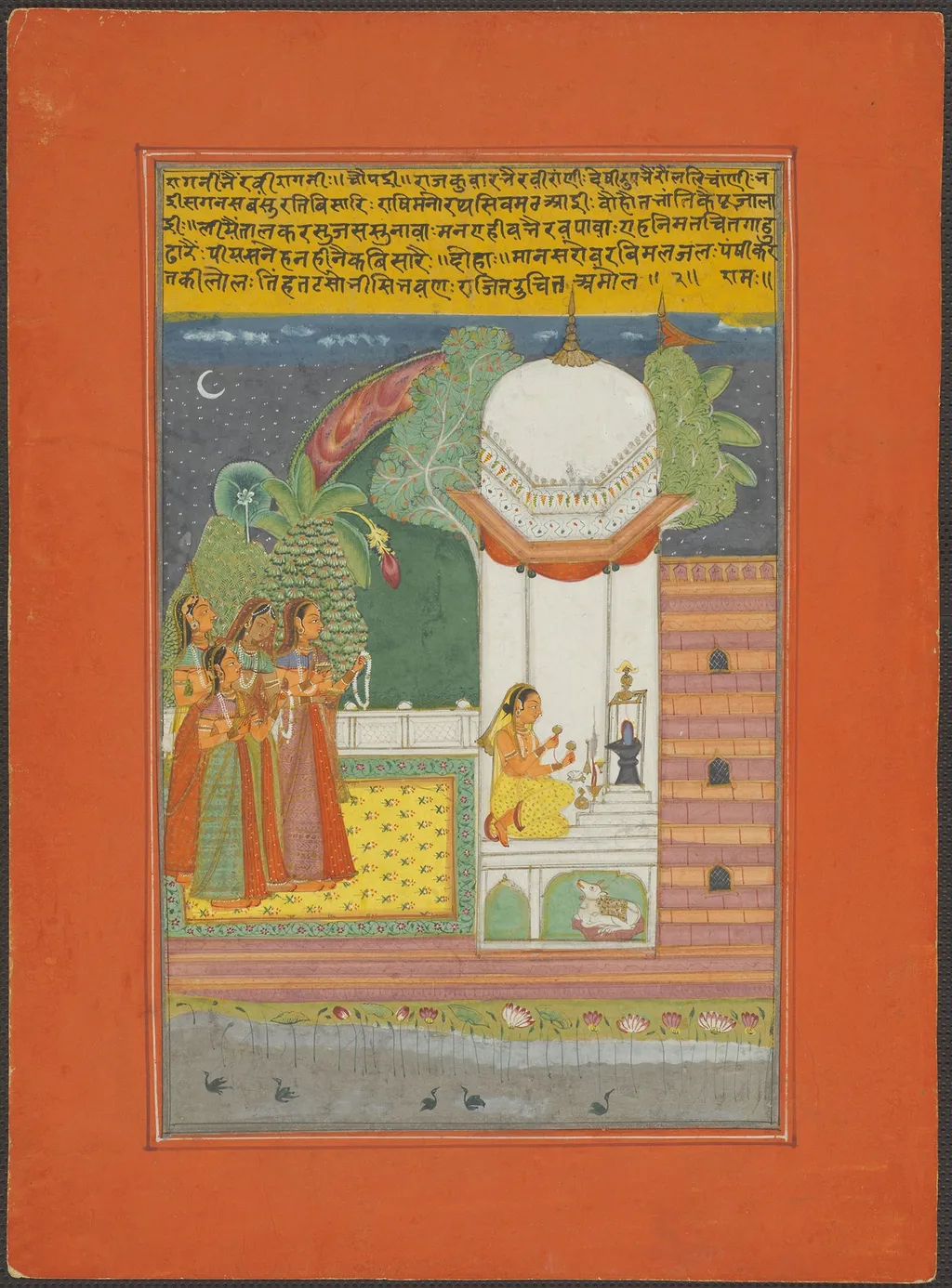
Ragini Bhairavi, Page from a Jaipur Ragamala Set is an unspecified painting by the Rajput painting artist Unknown. It dates from 1757 and is held in the collection of the Art Institute of Chicago. Ragini Bhairavi is a single leaf from a Jaipur Ragamala manuscript, executed as a painted illustration in the eighteenth century.
About this work
The woman's clothing and the architecture of the platform suggest an Indian or Middle Eastern setting.
This painting depicts a woman sitting on a white platform, playing a musical instrument. She is surrounded by other women, who are standing and watching her. The scene is set against a backdrop of trees and a body of water, with a night sky filled with stars.
The woman's clothing and the architecture of the platform suggest an Indian or Middle Eastern setting. The use of bright colors and intricate patterns adds to the overall sense of opulence and beauty. The painting is a beautiful example of Indian art from the 18th century.
Overview
Ragini Bhairavi is a single leaf from a Jaipur Ragamala manuscript, executed as a painted illustration in the eighteenth century. The work portrays a musical scene rendered in vivid pigments, characteristic of courtly Indian painting of the period.
Subject & Meaning
At the center, a seated woman plays a stringed instrument from a white platform, surrounded by onlookers. The gathering suggests a devotional or courtly performance, emphasizing the cultural importance of music and communal appreciation within the depicted setting.
Technique & Style
The composition employs bright, saturated colors and intricate decorative motifs on clothing and architecture. Fine brushwork delineates foliage, water, and a star‑filled night sky, reflecting the sophisticated visual vocabulary of Rajasthan’s court painters.
History & Provenance
Part of a larger Ragamala set produced in Jaipur, the leaf illustrates the raga Bhairavi. Such manuscripts were commissioned by regional elites, and surviving pages have entered museum collections through 19th‑century acquisitions and later scholarly exchanges.
Context
Ragamala paintings link musical modes to visual allegories, a tradition that flourished in northern India during the Mughal and post‑Mughal eras. The Jaipur school blended Persianate influences with indigenous motifs, situating this work within a broader syncretic artistic milieu.
Legacy
The piece exemplifies the integration of music, poetry, and visual art that defined the Ragamala genre, informing contemporary studies of Indian aesthetic theory and the cross‑cultural exchanges that shaped early modern South Asian art.
Artist & collection









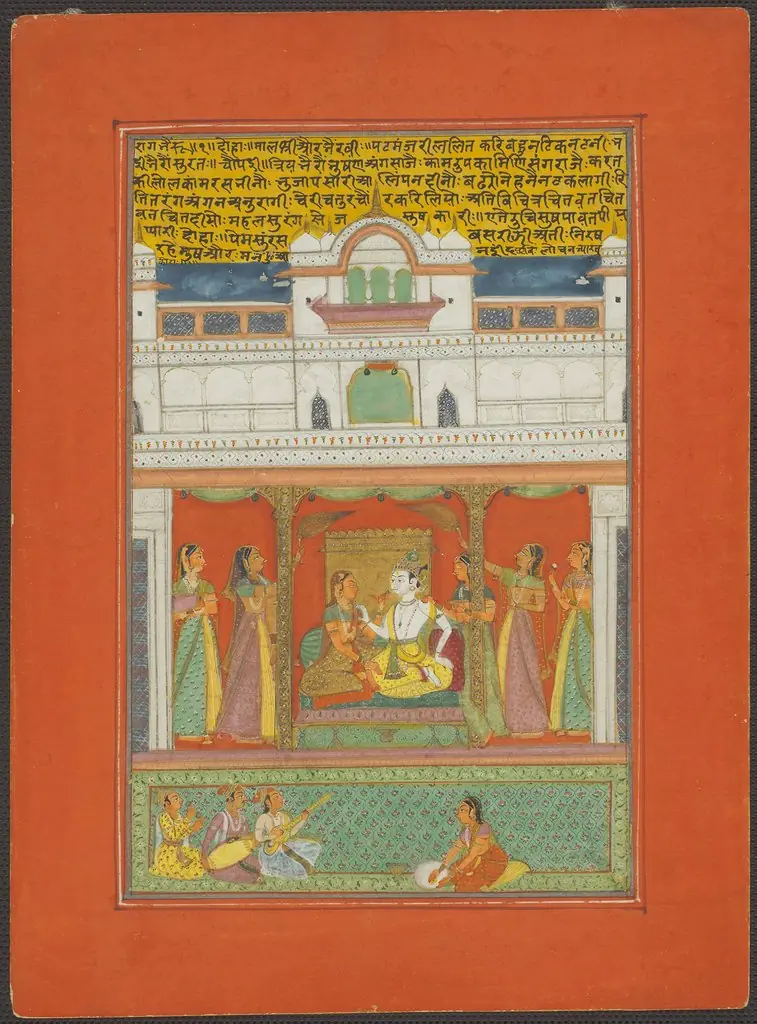
- Raga Bhairaon, Page from a Jaipur Ragamala Set
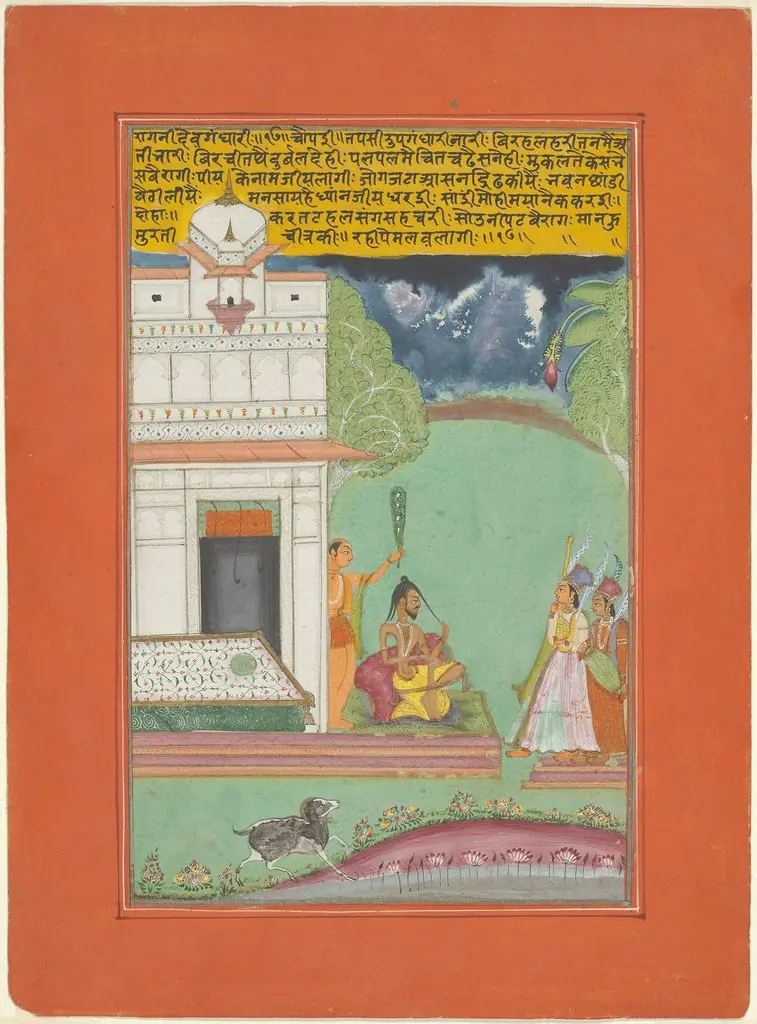 Ragini Devagandhari, Page from a Jaipur Ragamala Set
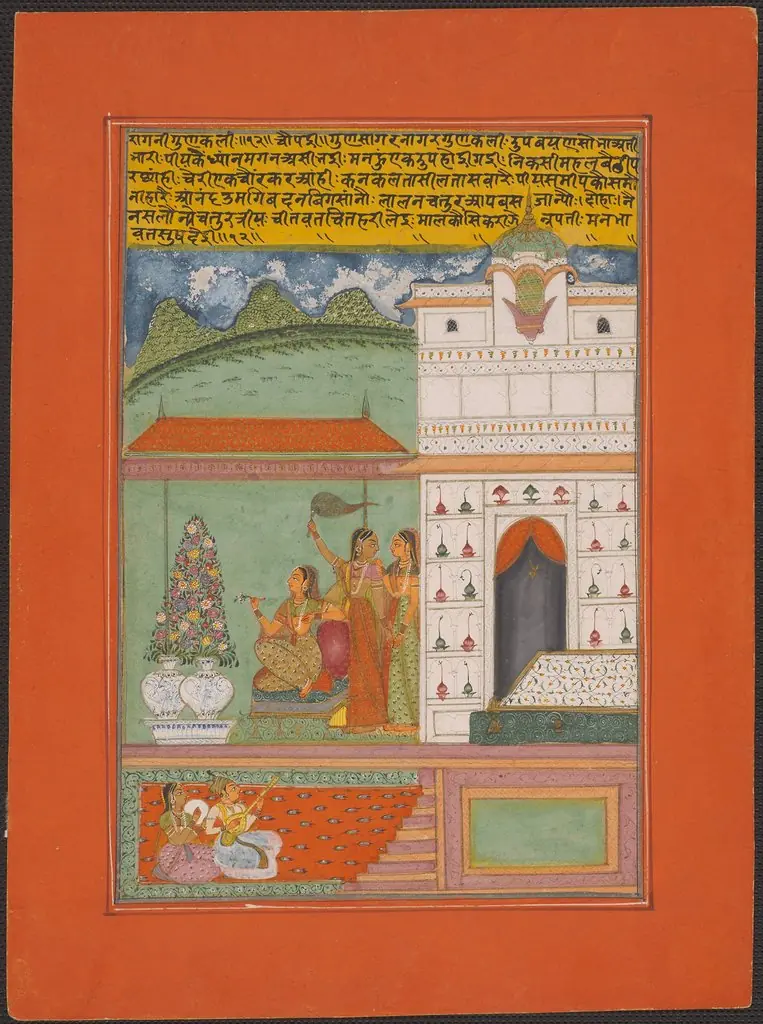 Ragini Gunakali, Page from a Jaipur Ragamala Set
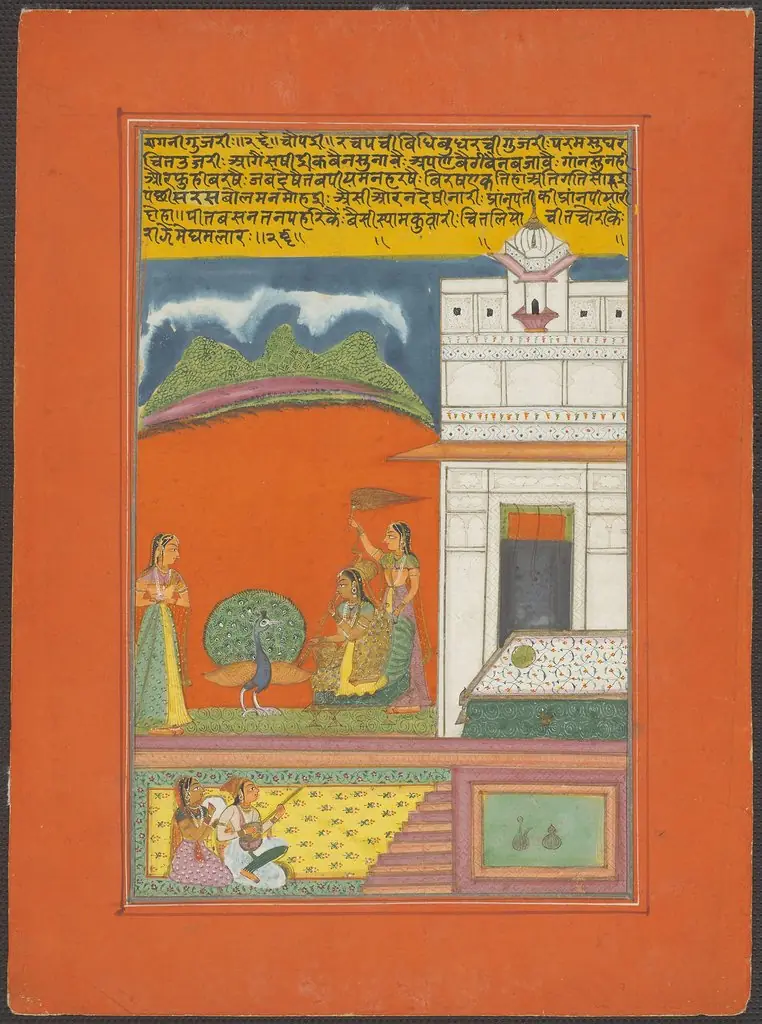 Ragini Gujari, Page from a Jaipur Ragamala Set
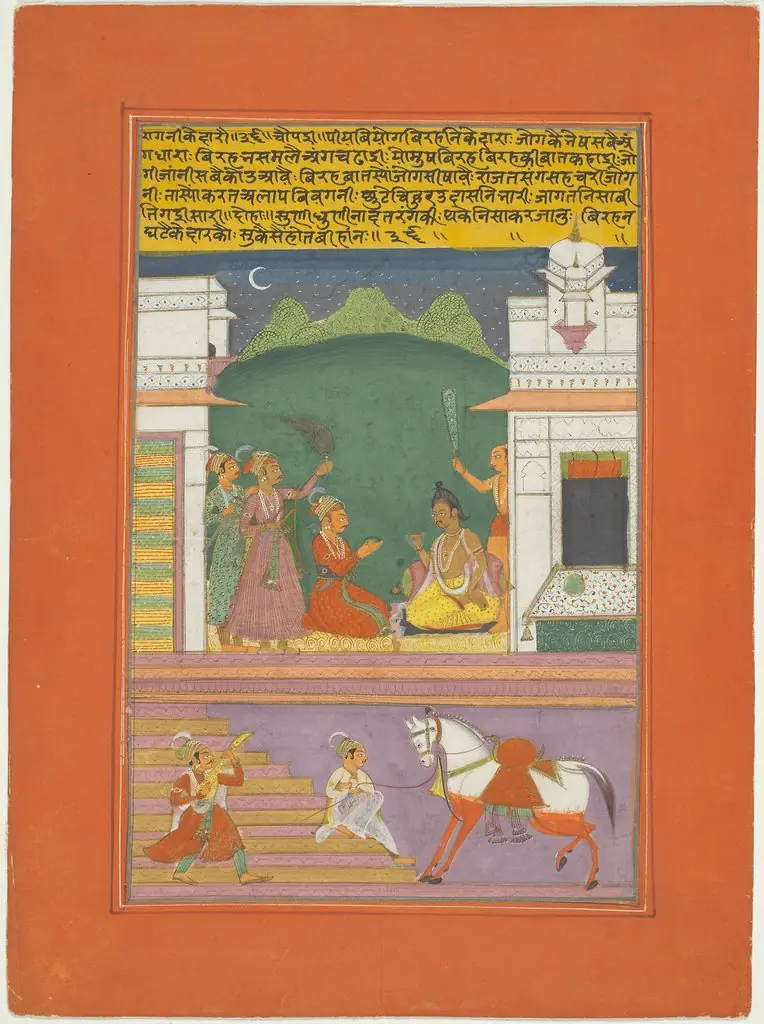 Ragini Kedara, Page from a Jaipur Ragamala Set
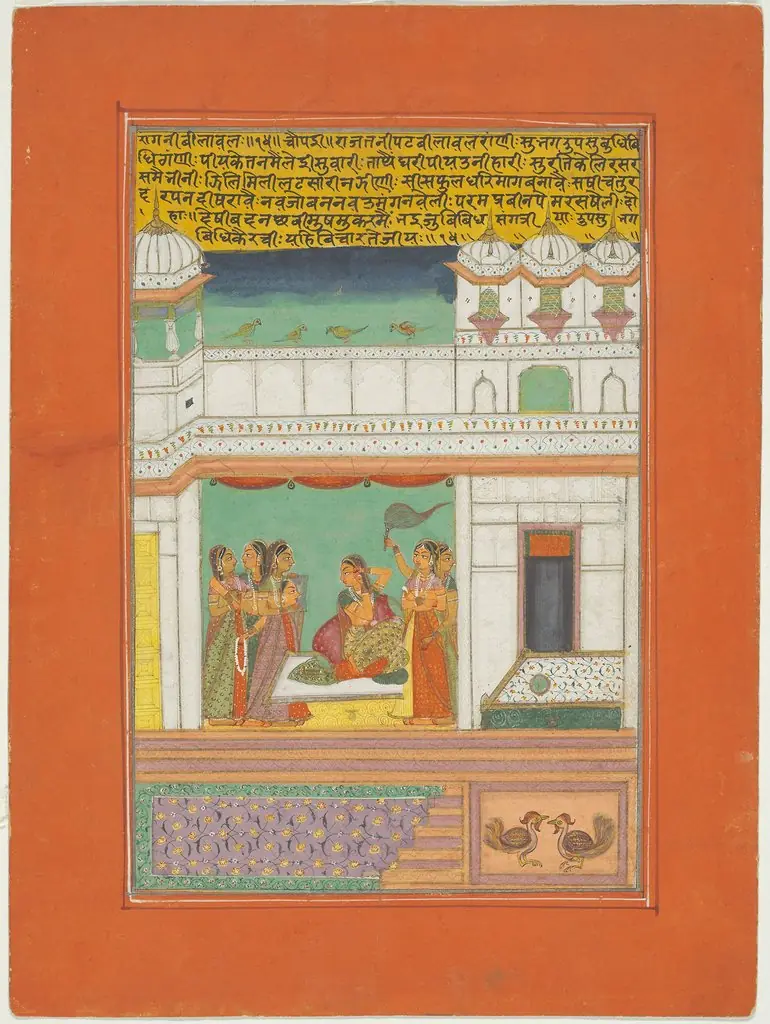 Ragini Bilaval, Page from a Jaipur Ragamala Set
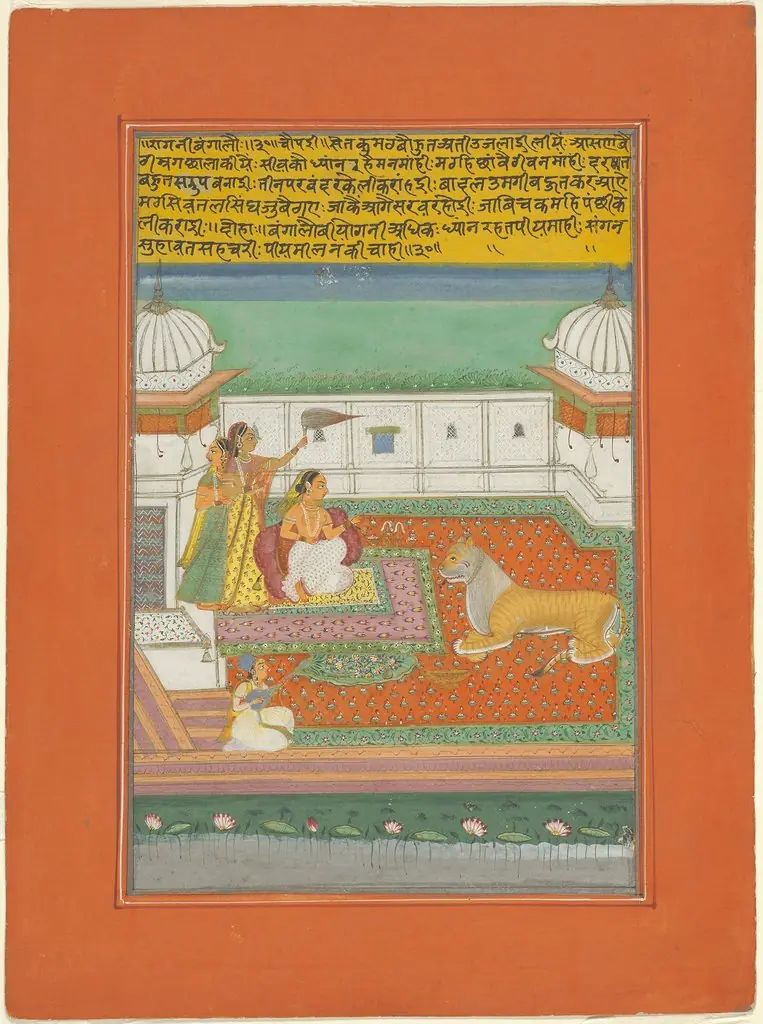 Ragini Bangali, Page from a Jaipur Ragamala Set
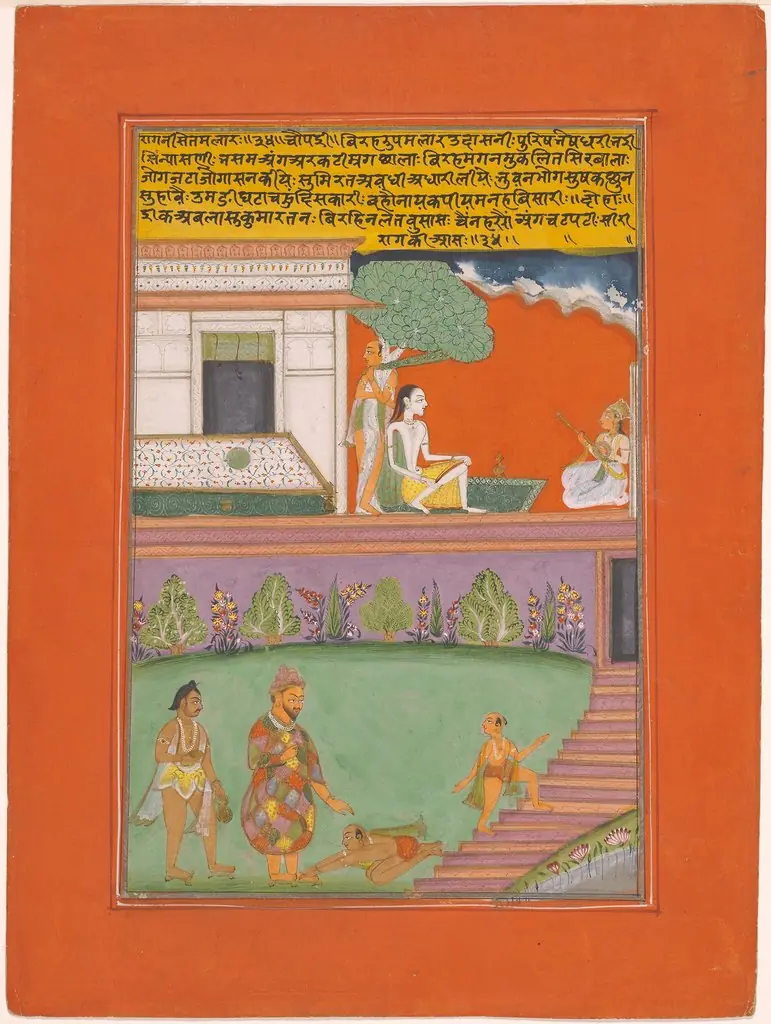 Ragini Setmalar, Page from a Jaipur Ragamala Set
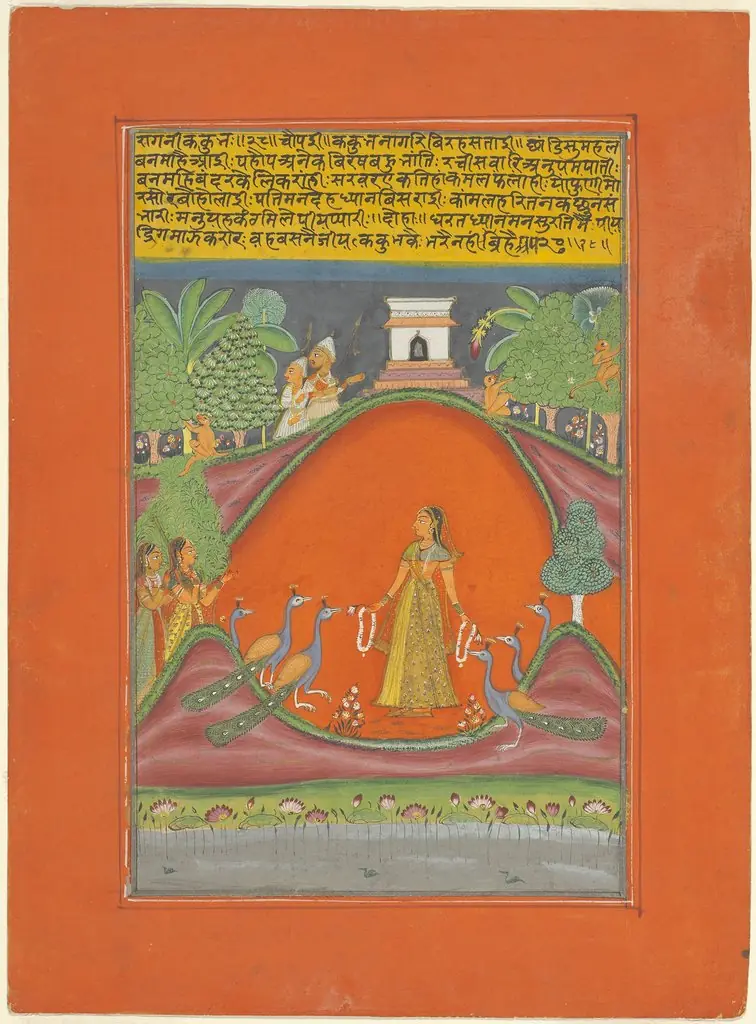 Ragini Kakubha, Page from a Jaipur Ragamala Set
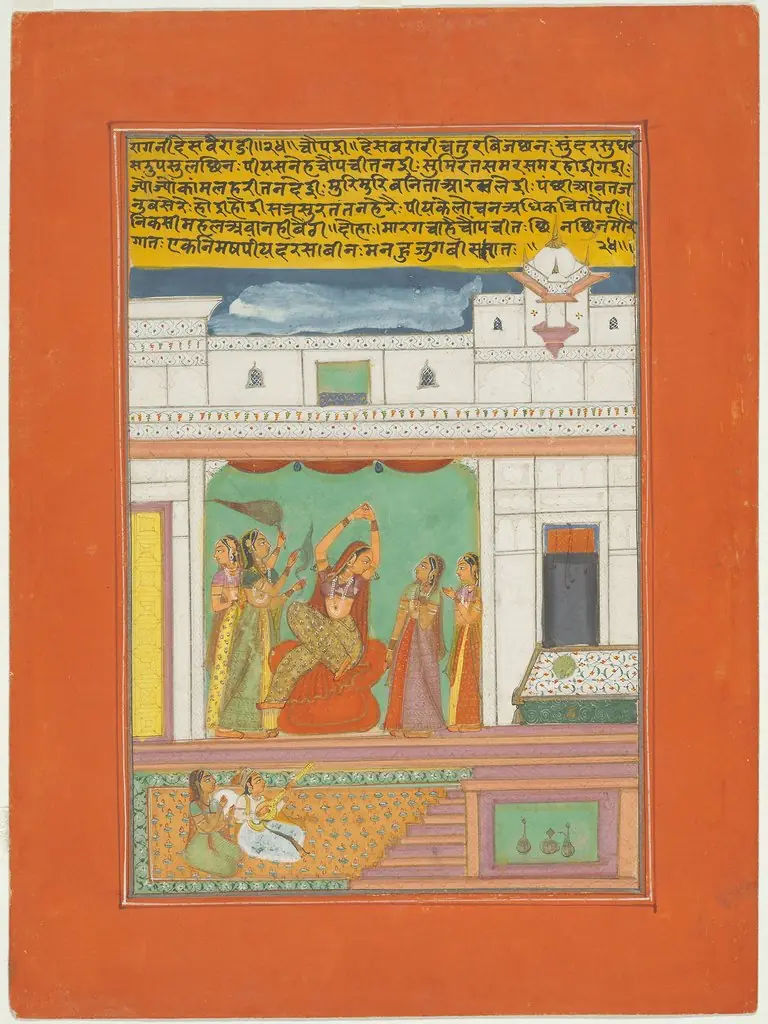 Ragini Desavaradi, Page from a Jaipur Ragamala Set
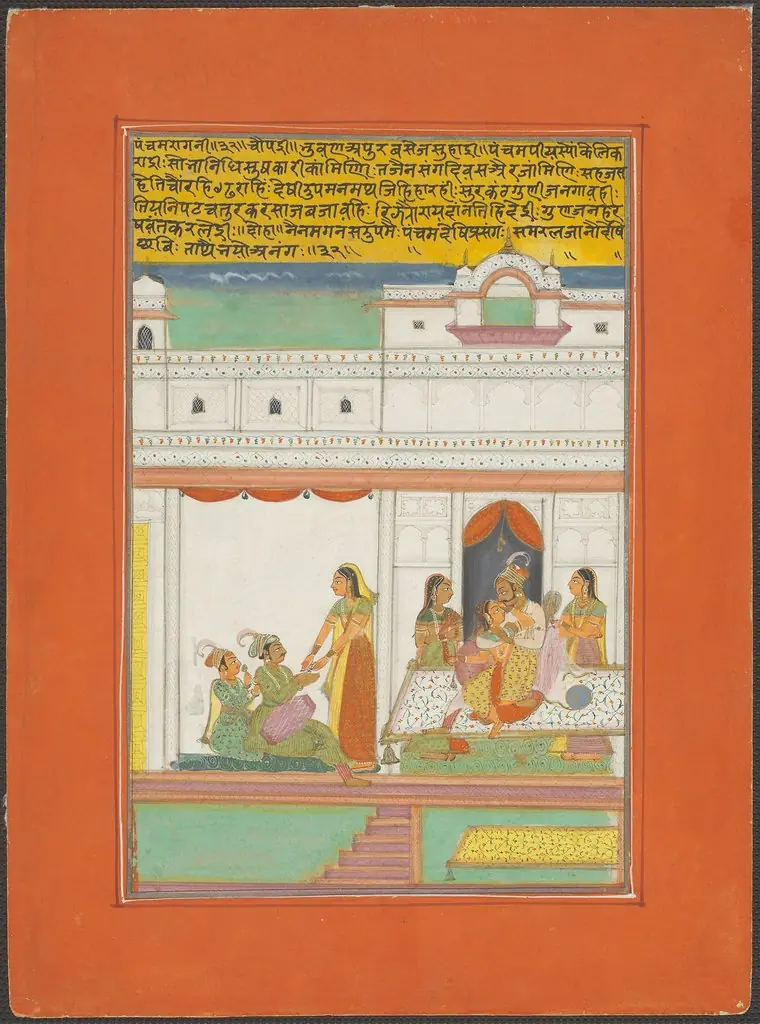 Panchama Ragini, Page from a Jaipur Ragamala Set
 Ragini Kanada, Page from a Jaipur Ragamala Set