Artwork
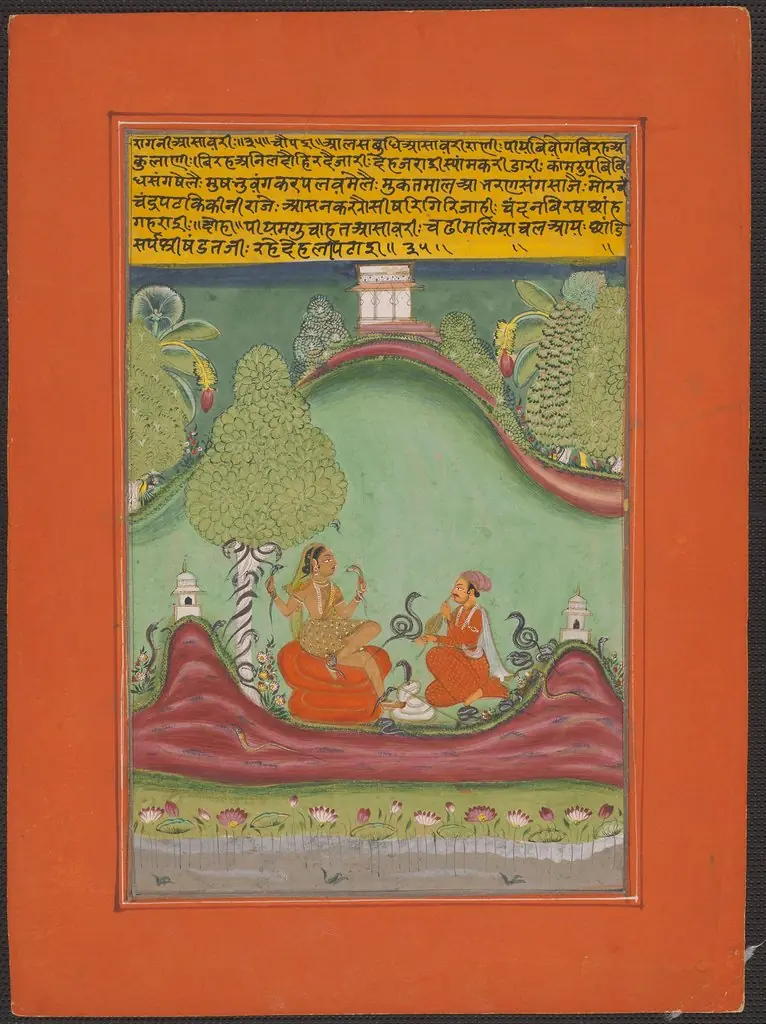
Ragini Gaudi, Page from a Jaipur Ragamala Set
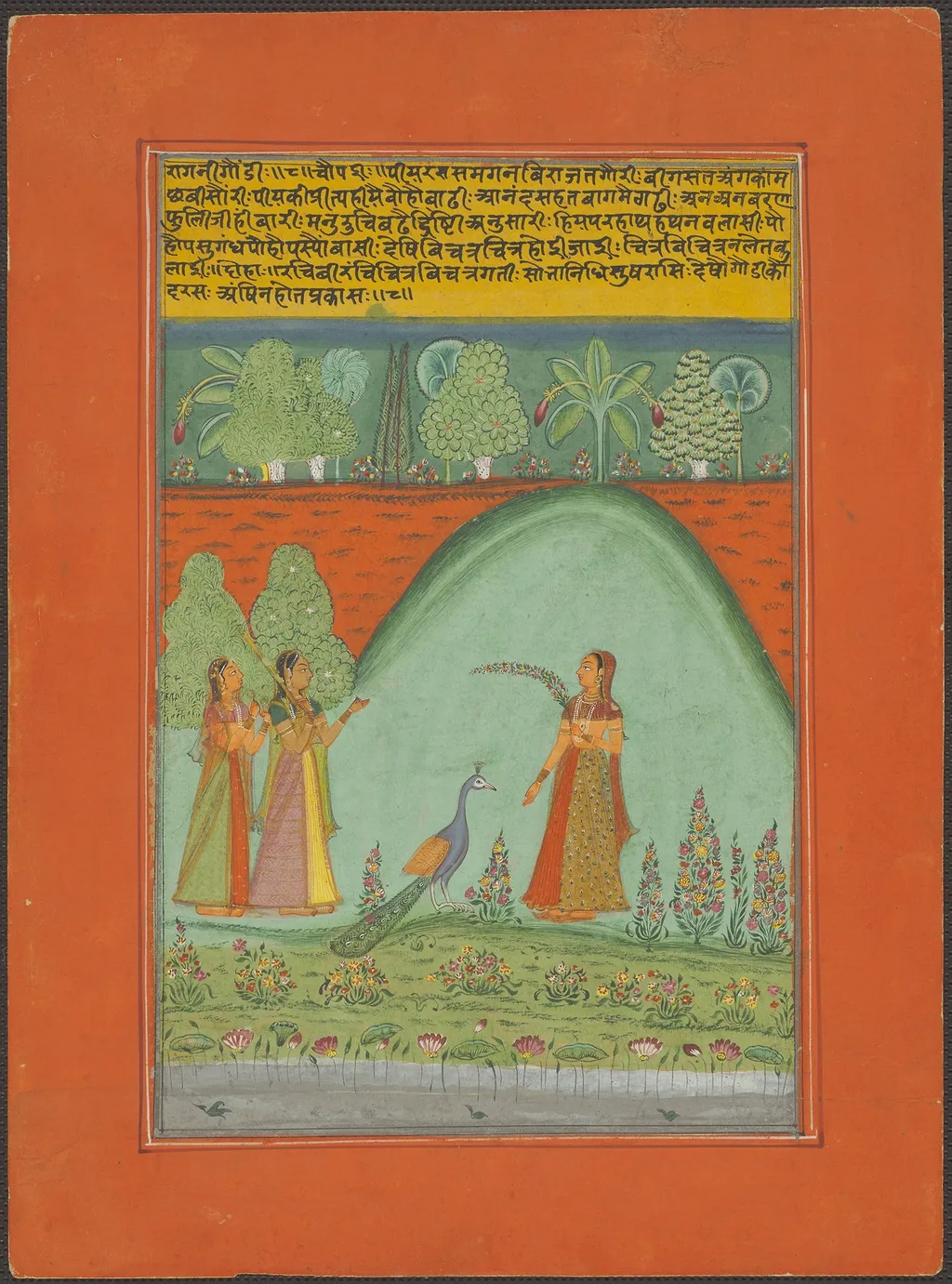
Ragini Gaudi, Page from a Jaipur Ragamala Set is an unspecified painting by the Rajput painting artist Unknown. It dates from 1757 and is held in the collection of the Art Institute of Chicago. This painting is one folio from a Ragamala series produced in Jaipur during the 18th century.
About this work
The woman's clothing and the style of the painting suggest that it may be from the Indian subcontinent, possibly from the 18th century.
This painting depicts a woman standing in a lush, green landscape, surrounded by trees and flowers. She is dressed in a long, flowing robe and is holding a small, delicate object in her hand. In the background, there is a large, curved structure that appears to be a hill or a mountain.
The woman's clothing and the style of the painting suggest that it may be from the Indian subcontinent, possibly from the 18th century. The use of bright colors and intricate details is characteristic of Indian art from this period.
The painting's use of chiaroscuro, a technique that uses strong contrasts between light and dark to create a sense of depth and volume, adds to its visual interest. To learn more about this technique, look up chiaroscuro.
Overview
This painting is one folio from a Ragamala series produced in Jaipur during the 18th century. It illustrates a specific raga, or melodic mode, through a poetic visual metaphor. The composition centers on a solitary female figure in a verdant setting, her posture and attire evoking the emotional tone associated with the raga Gaudi. Bright pigments and fine brushwork reflect regional courtly aesthetics of the time.
Subject & Meaning
The woman represents the personification of Raga Gaudi, a musical mode linked to devotion and longing. Her delicate gesture, holding an object likely a musical instrument or offering, symbolizes the raga’s expressive quality. The lush landscape and distant hill evoke a serene, contemplative atmosphere, aligning with the raga’s association with late afternoon or early evening. The imagery translates sound into visual emotion, a hallmark of Ragamala traditions.
Technique & Style
The painting employs mineral pigments on paper, with meticulous detailing in flora, fabric, and architecture. While Indian miniatures typically avoid Western chiaroscuro, this work subtly modulates light and shadow to model form, suggesting possible influence from Mughal or European sources. The flattened perspective and ornamental patterning remain rooted in Deccan and Rajput conventions, blending naturalism with symbolic stylization.
History & Provenance
Created in the Jaipur court atelier, this folio belonged to a larger set commissioned by a Rajput ruler to illustrate musical modes. Such sets were收藏品 for elite patrons and used in courtly performances or meditation. Its survival indicates careful preservation, likely within royal collections before entering modern institutional holdings. No documented provenance before the 20th century is publicly recorded.
Context
Ragamala paintings flourished in North Indian courts between the 16th and 19th centuries, merging poetry, music, and visual art. Each raga was assigned a mood, season, and gendered figure, creating a symbolic lexicon. Jaipur’s version, influenced by both Mughal precision and local folk traditions, emphasized lyrical detail over narrative drama, distinguishing it from Deccani or Pahari counterparts.
Legacy
This work exemplifies the synthesis of musical theory and visual culture in pre-colonial India. Though Ragamala sets are no longer actively produced, they remain vital to studies of Indian aesthetics and cross-disciplinary symbolism. Modern exhibitions and scholarly editions continue to reference such folios as key artifacts in understanding how sound was conceptualized through image.
Artist & collection









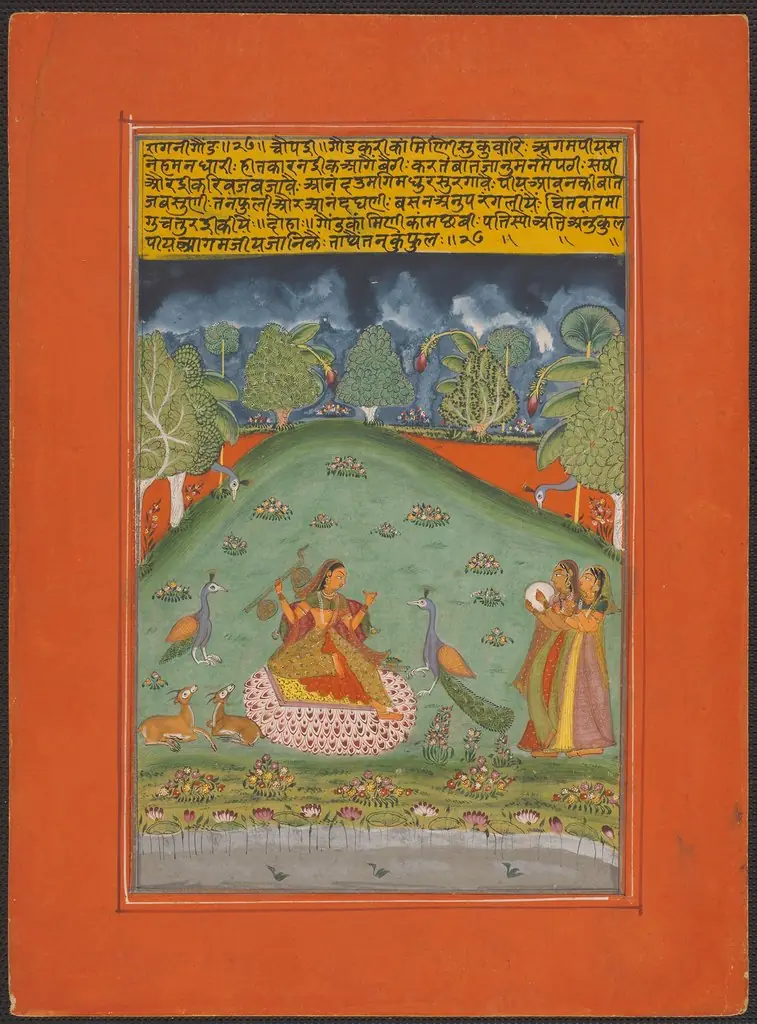
- Ragini Gaund, Page from a Jaipur Ragamala Set
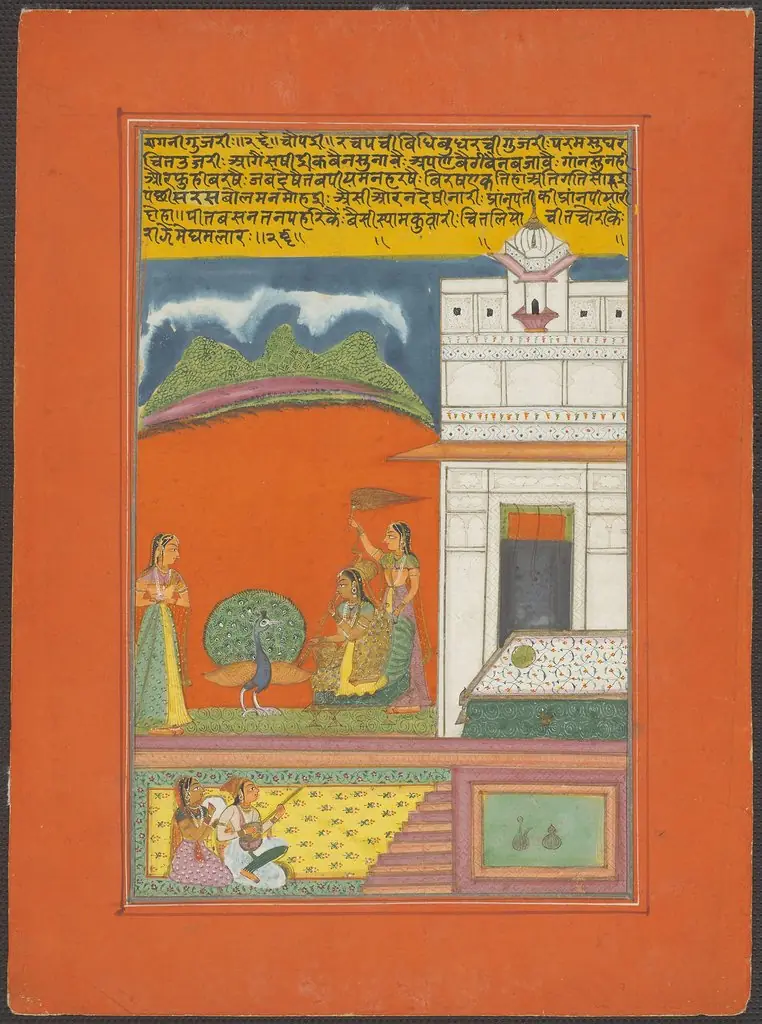 Ragini Gujari, Page from a Jaipur Ragamala Set
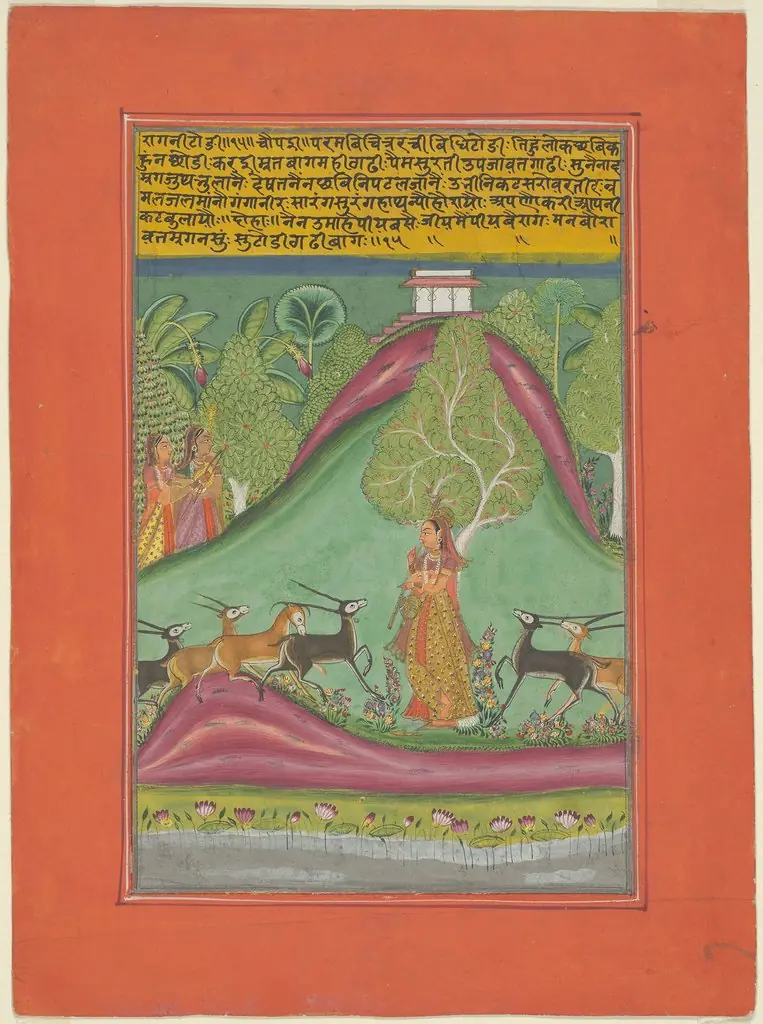 Ragini Todi, Page from a Jaipur Ragamala Set
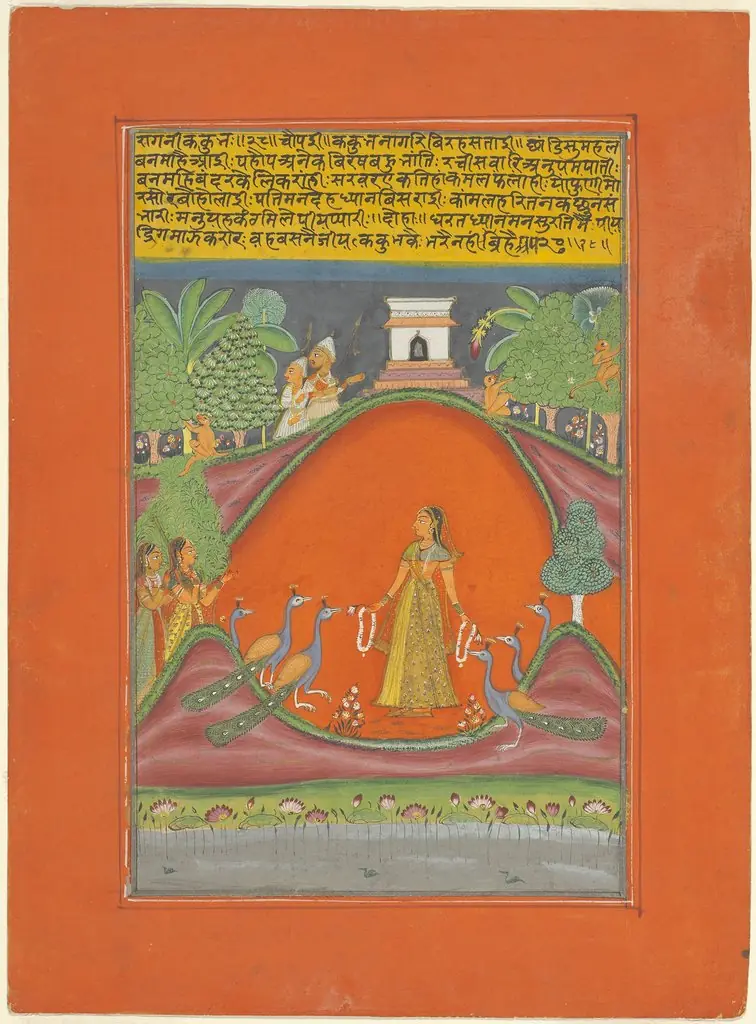 Ragini Kakubha, Page from a Jaipur Ragamala Set
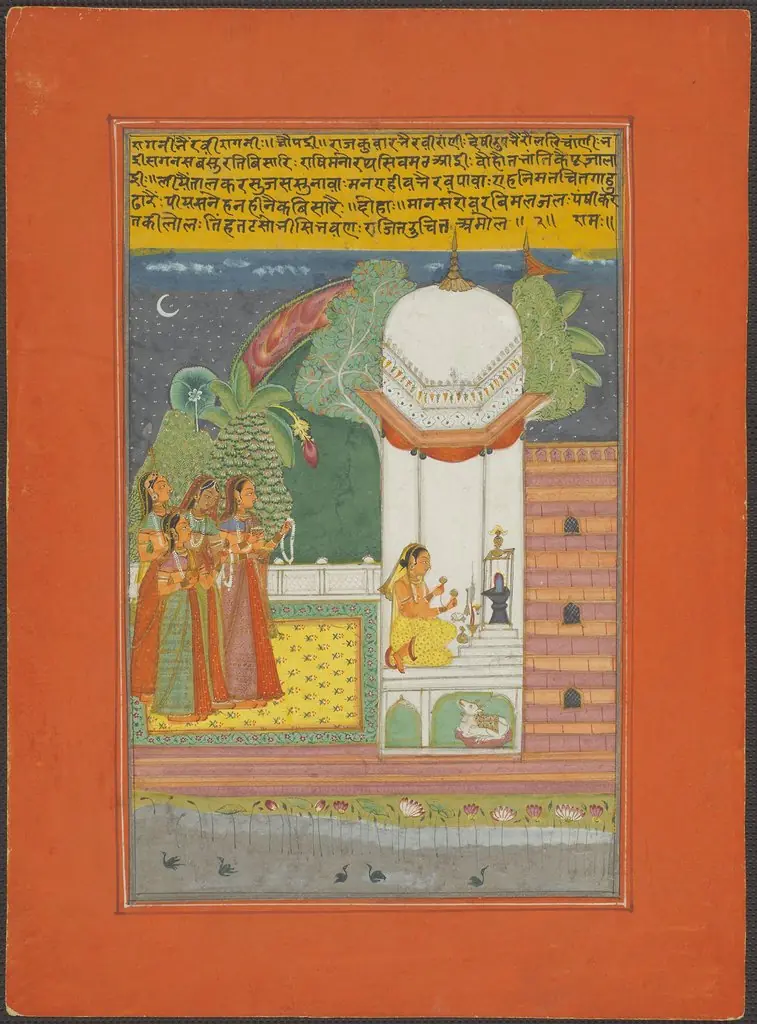 Ragini Bhairavi, Page from a Jaipur Ragamala Set
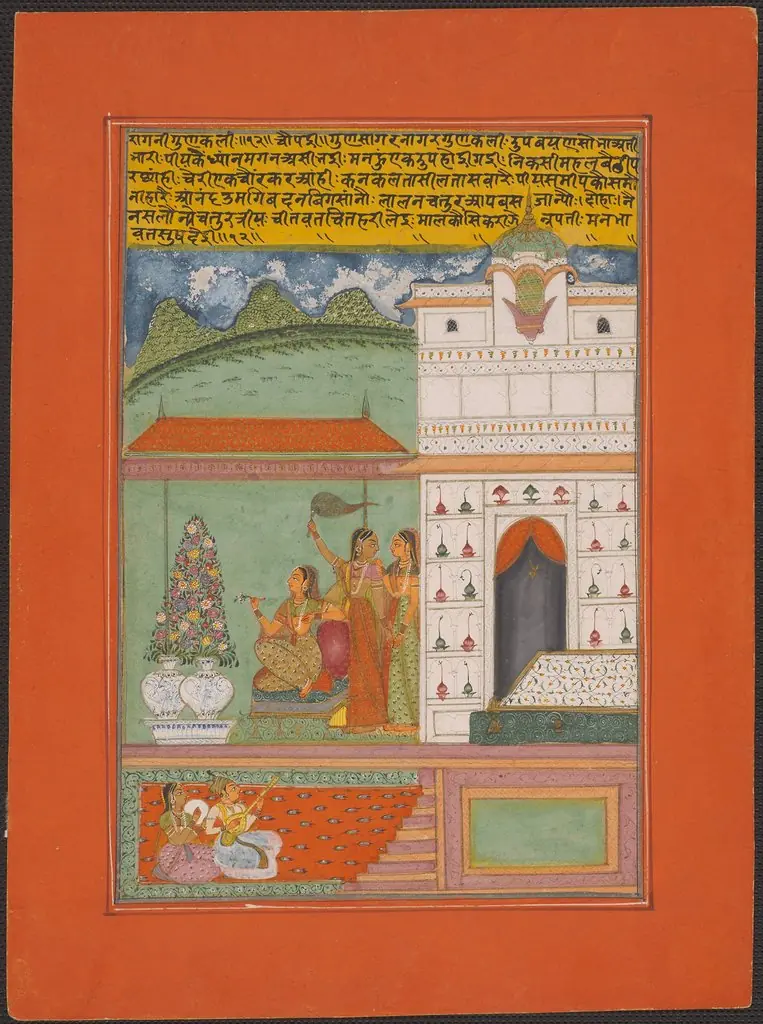 Ragini Gunakali, Page from a Jaipur Ragamala Set
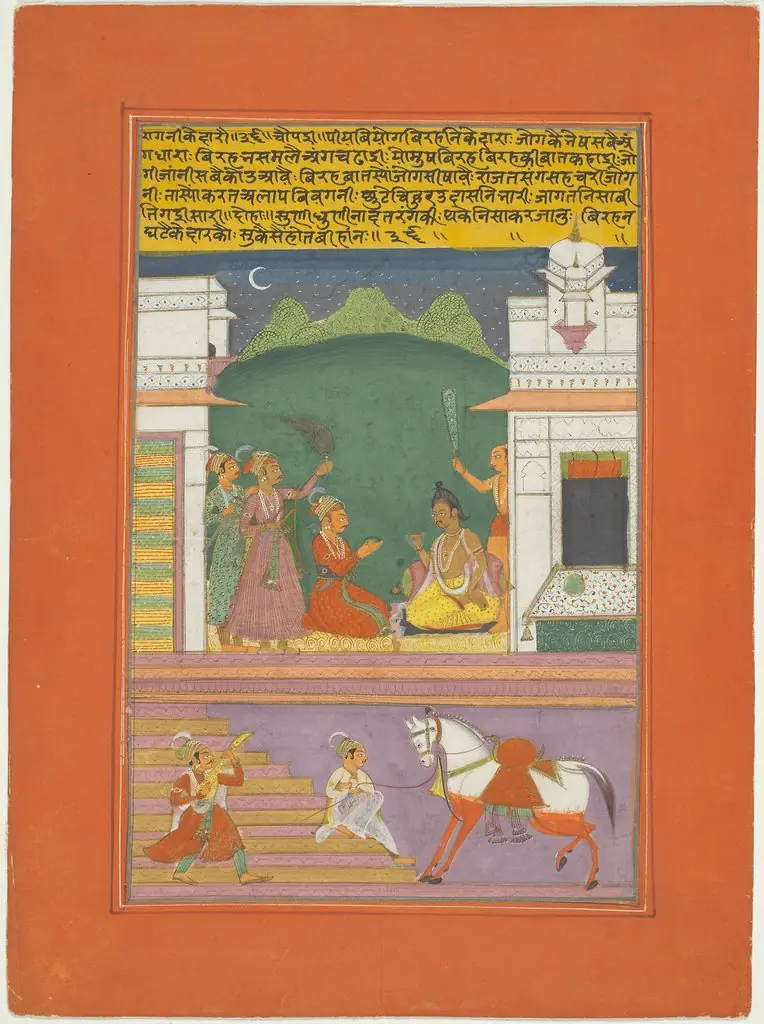 Ragini Kedara, Page from a Jaipur Ragamala Set
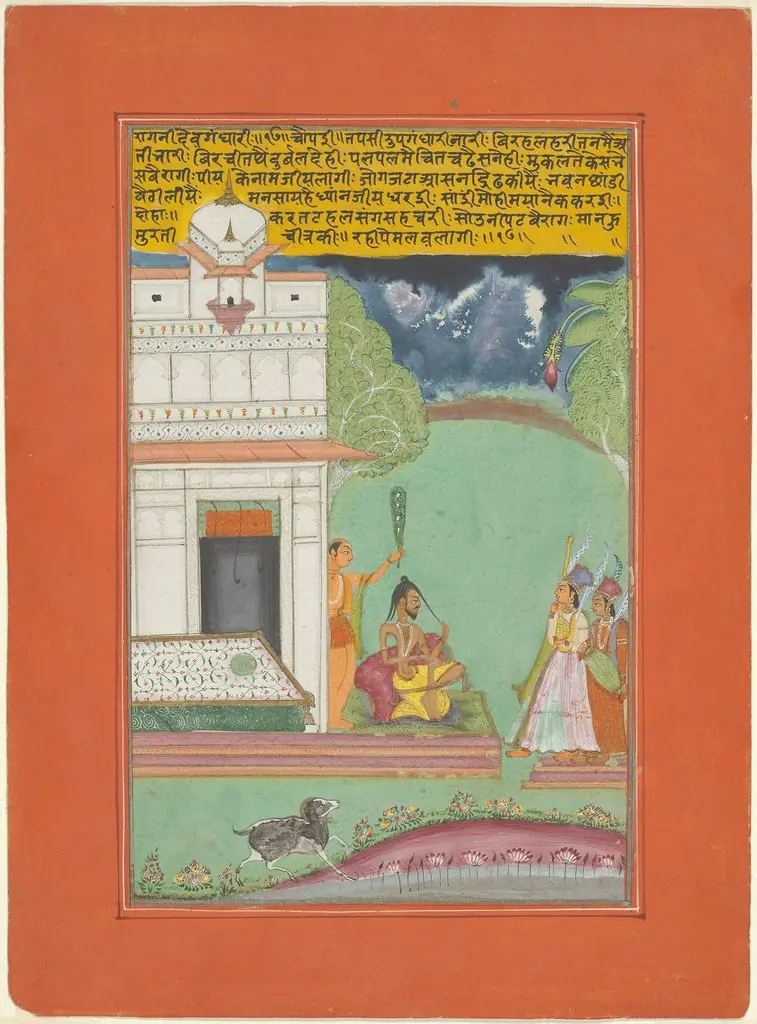 Ragini Devagandhari, Page from a Jaipur Ragamala Set
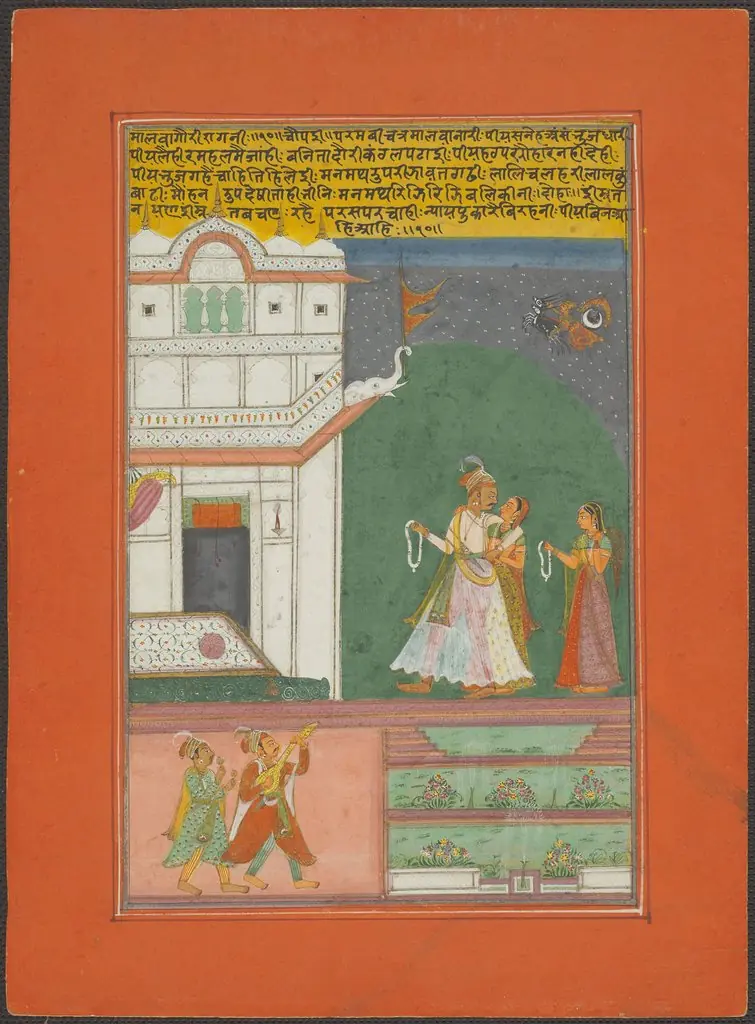 Malavagaudi Ragini, Page from a Jaipur Ragamala Set
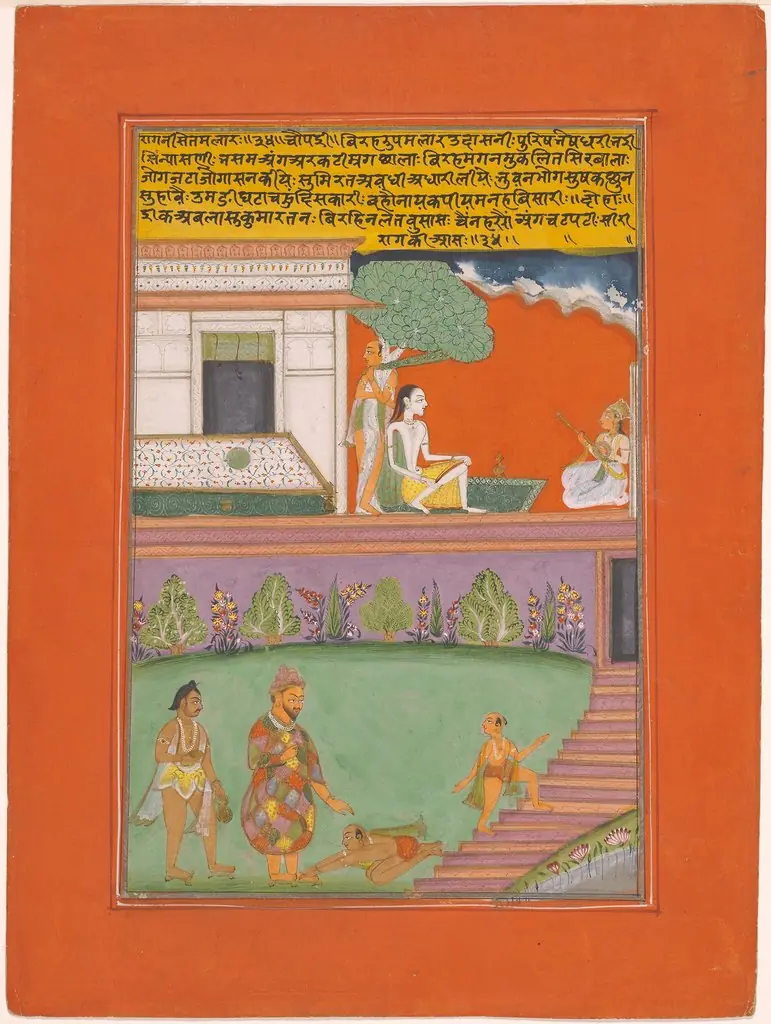 Ragini Setmalar, Page from a Jaipur Ragamala Set
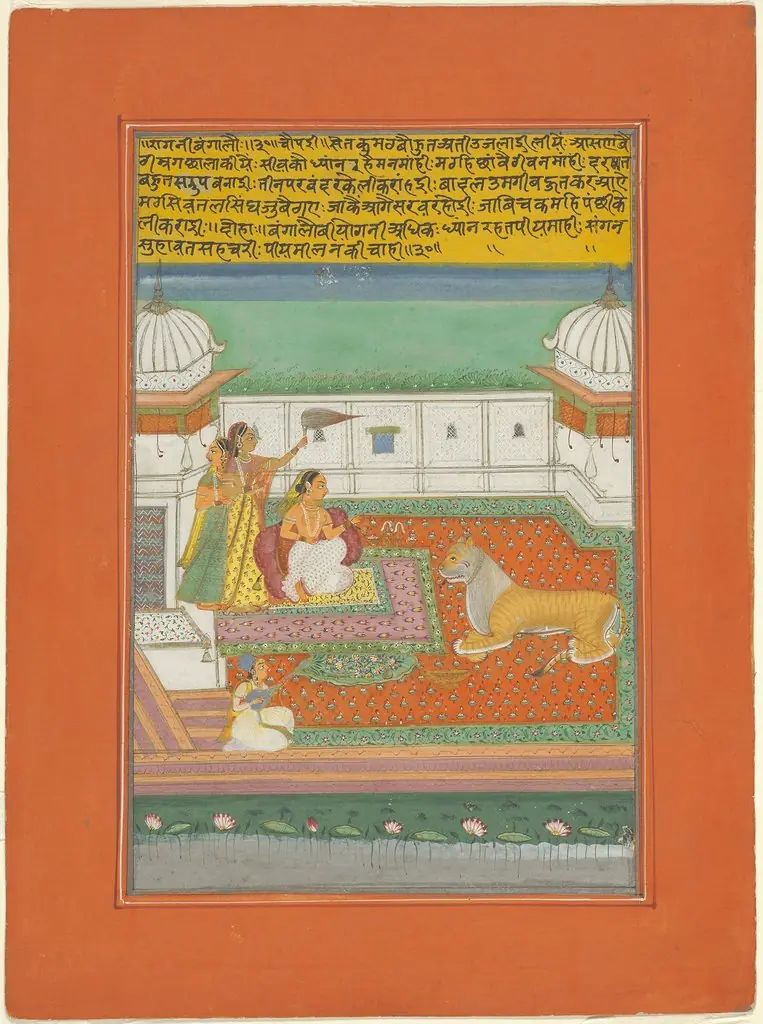 Ragini Bangali, Page from a Jaipur Ragamala Set
 Ragini Asavari, Page from a Jaipur Ragamala Set