Artwork
The Flood
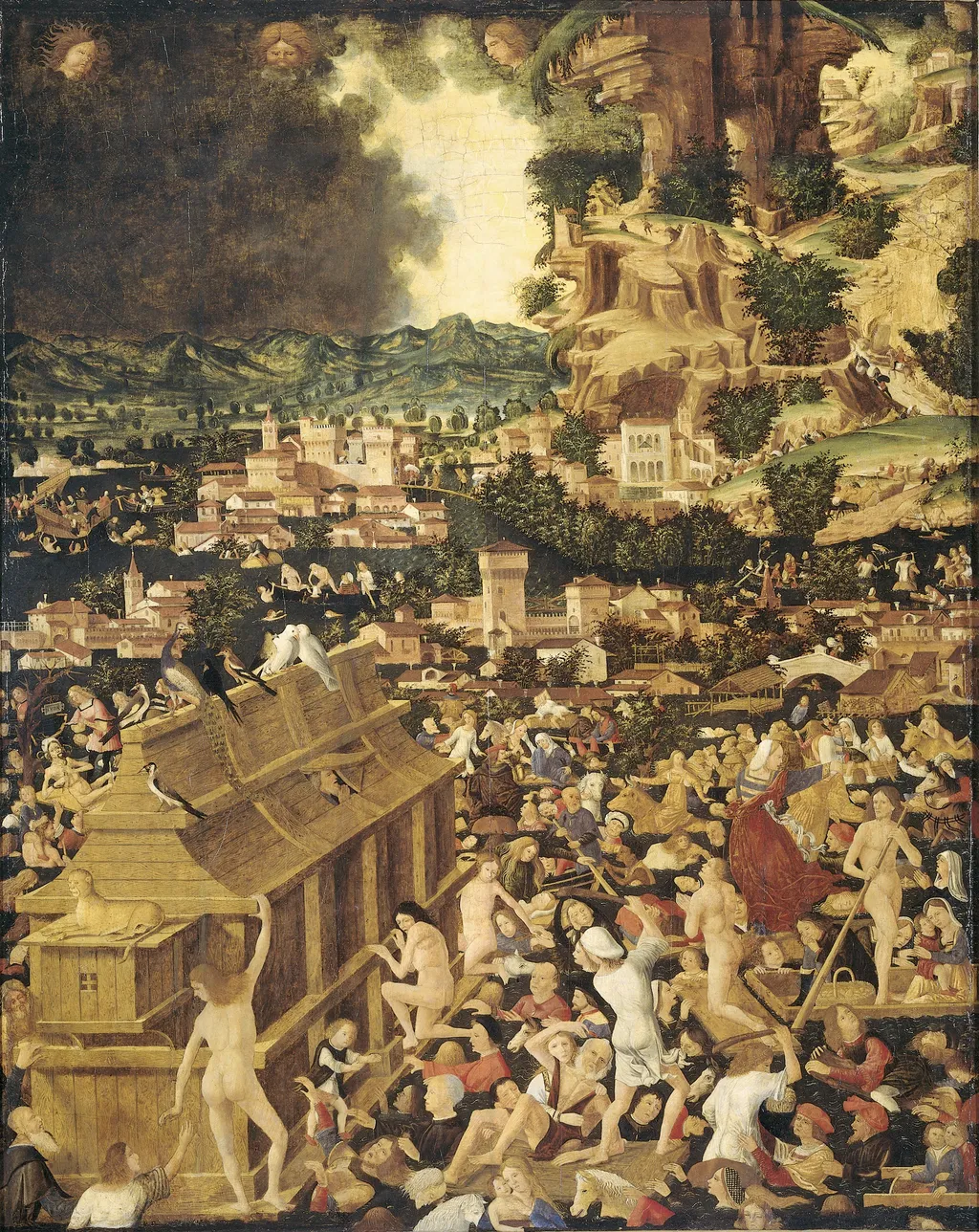
The Flood is an oil painting by the Early Renaissance artist Unknown. It dates from 1450 and is held in the collection of the Rijksmuseum.
About this work
Technique & Style
Its dimensions are 122 cm in height by 98 cm in width, as recorded by the Rijksmuseum.
The Flood is painted in oil on a wooden panel support. Its dimensions are 122 cm in height by 98 cm in width, as recorded by the Rijksmuseum. The work employs oil paint, a medium associated with fifteenth-century Northern European panel painting, allowing for layered glazes and fine detail in depicting the Genesis flood narrative.
Stylistically, the composition aligns with late medieval religious iconography, emphasizing dramatic figural grouping and a centralized, vertically oriented structure to convey the unfolding catastrophe. The handling reflects the period’s interest in naturalistic representation tempered by devotional clarity, with careful attention to surface textures and atmospheric recession in the depiction of water and sky.
History & Provenance
The Flood is dated to circa 1450 on the basis of its canonical inception year, aligning with Northern European devotional practices of the mid-fifteenth century.
The painting entered the Rijksmuseum’s collection as an anonymous work in the religious genre, where it remains housed. Its subject, the Genesis flood narrative, is treated in oil on panel with dimensions of 122 cm by 98 cm, consistent with panel painting formats used in the Burgundian Netherlands during this period.
Overview
The Flood is an oil painting depicting a catastrophic deluge. The work captures a moment of chaos and desperation as people and animals struggle to survive.
Subject & Meaning
The scene shows a range of human figures in various states of distress, from drowning to clinging to debris, set against a backdrop of a distant town and hills under stormy skies. The inclusion of animals adds to the sense of widespread calamity.
Artist & collection









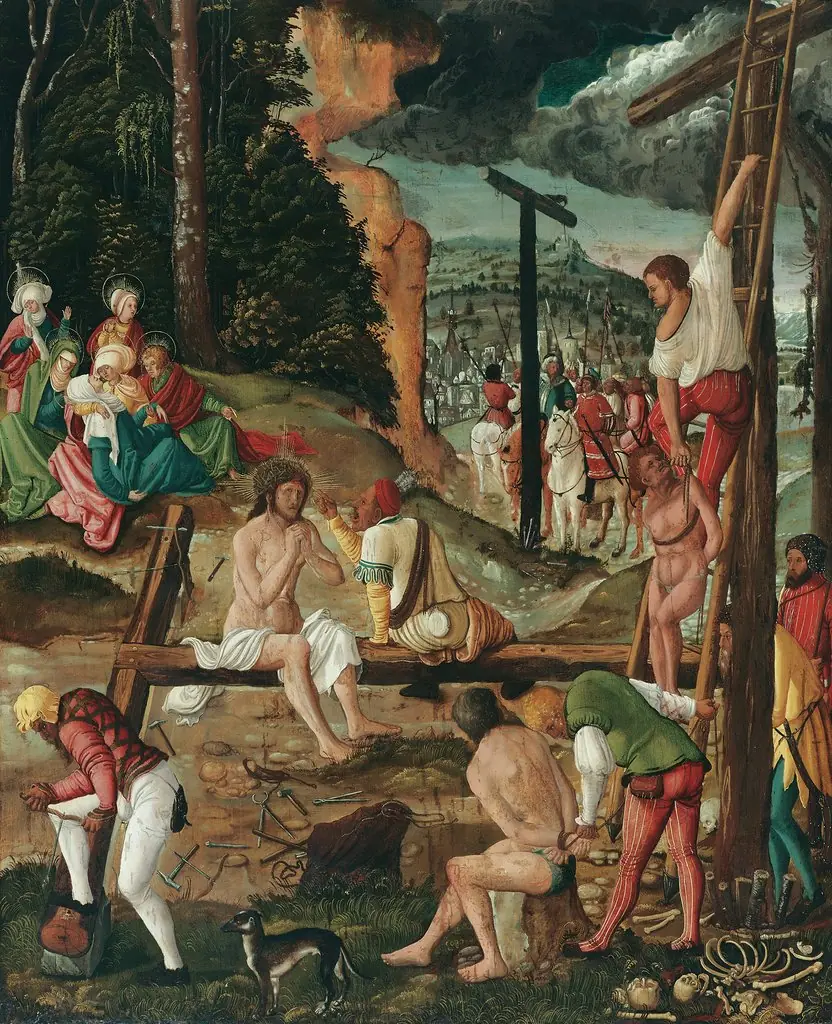 Before Christ's Crucifixion (Christ in Misery)
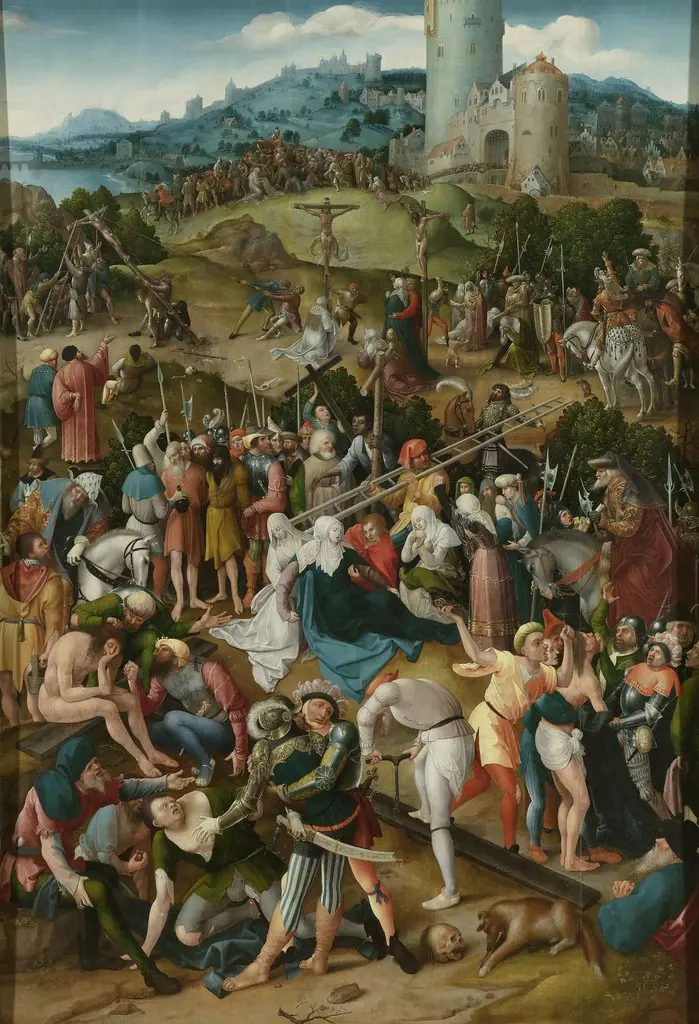 Calvary
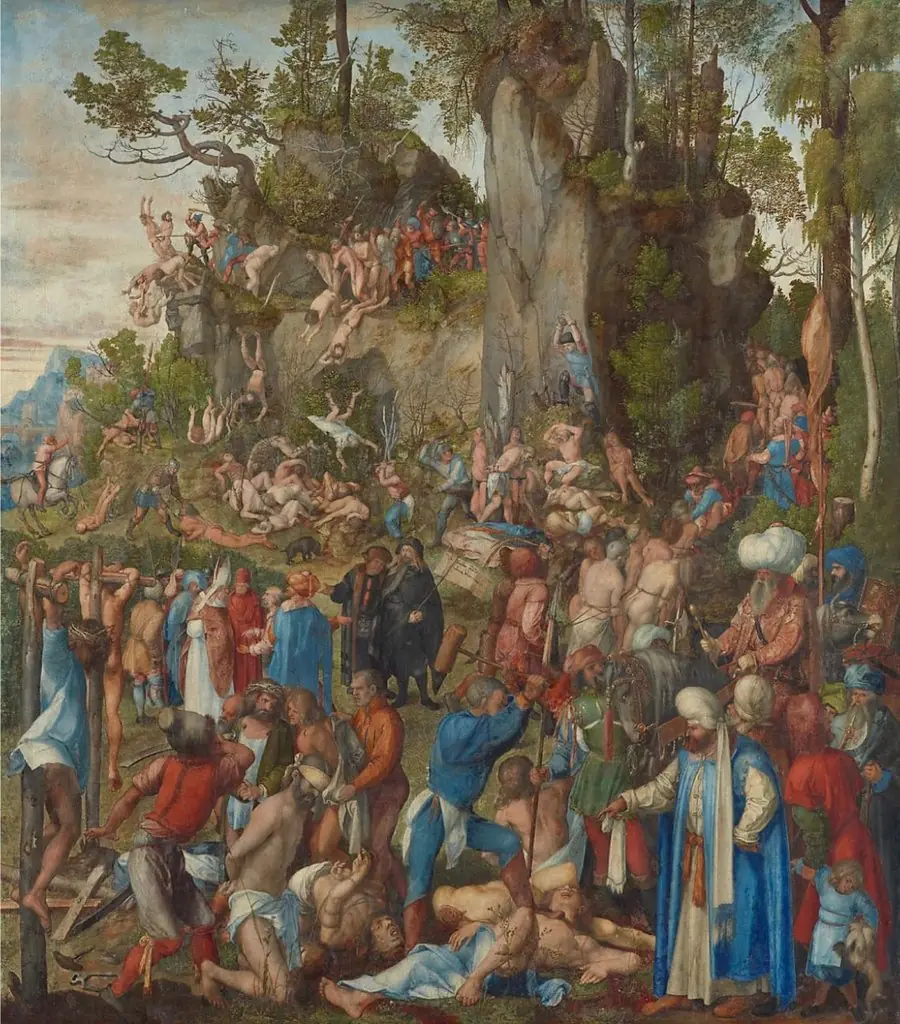 Martyrdom of the Ten Thousand
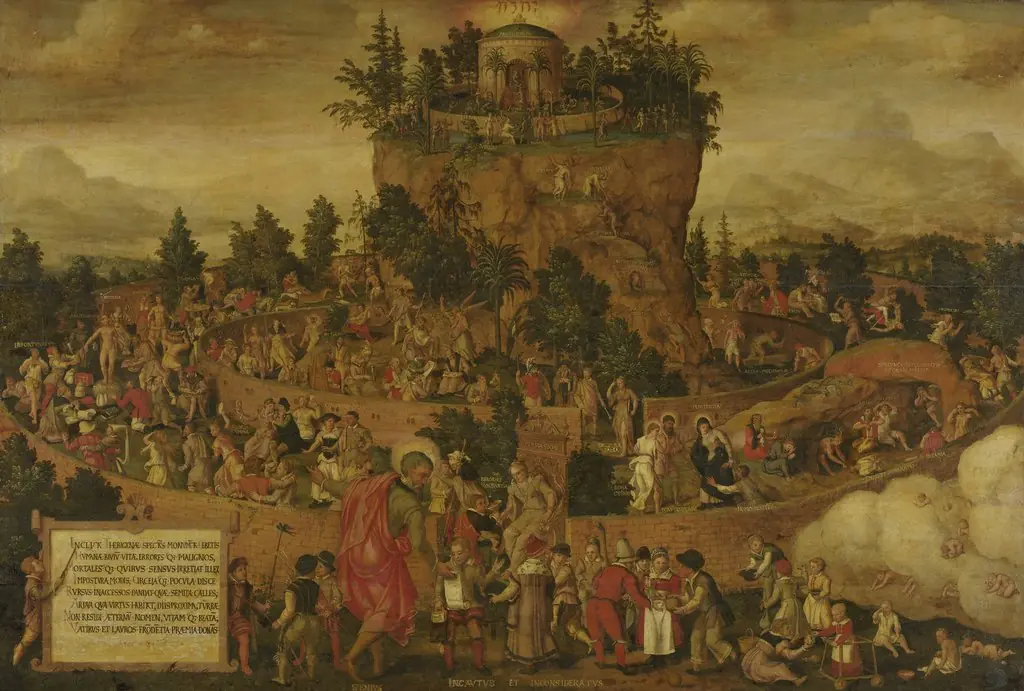 Tabula Cebetis (The Tabula of Cebes or The Journey of Human Life)
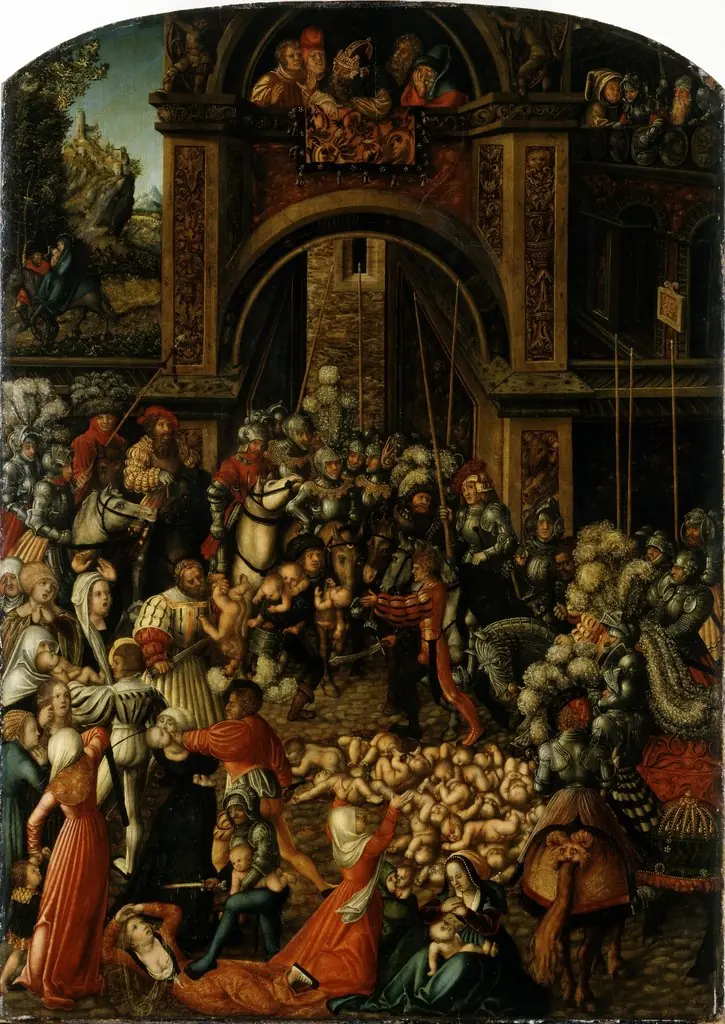 The Massacre of the Innocents
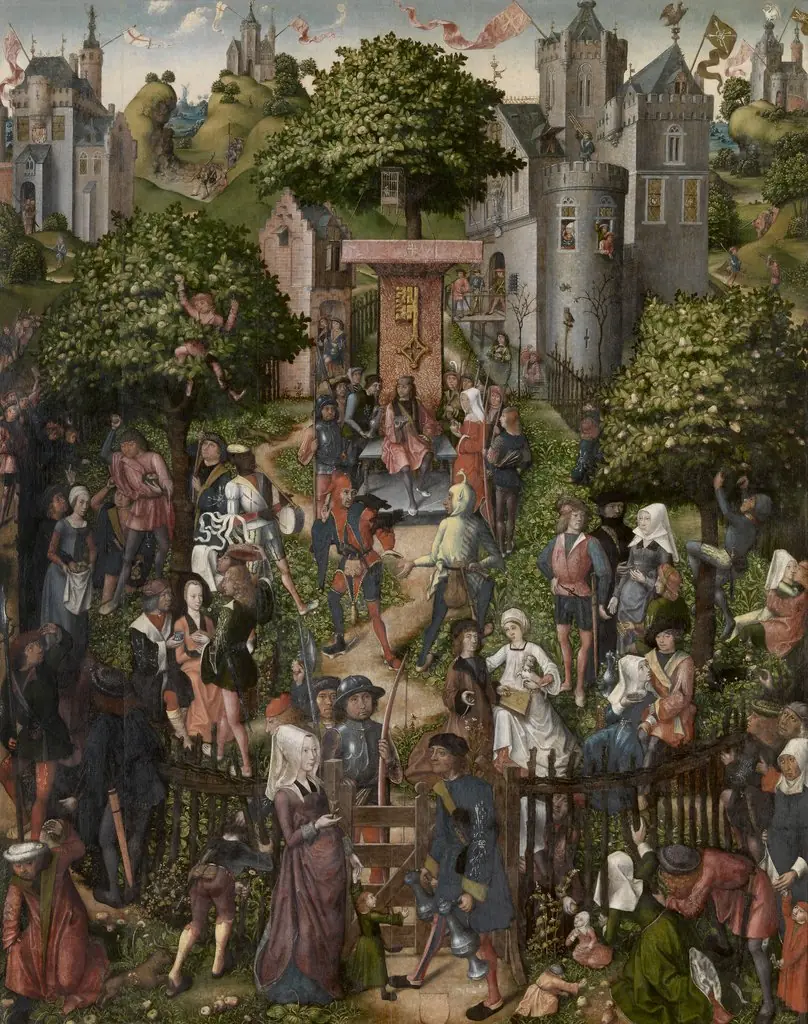 Festival of the Archers
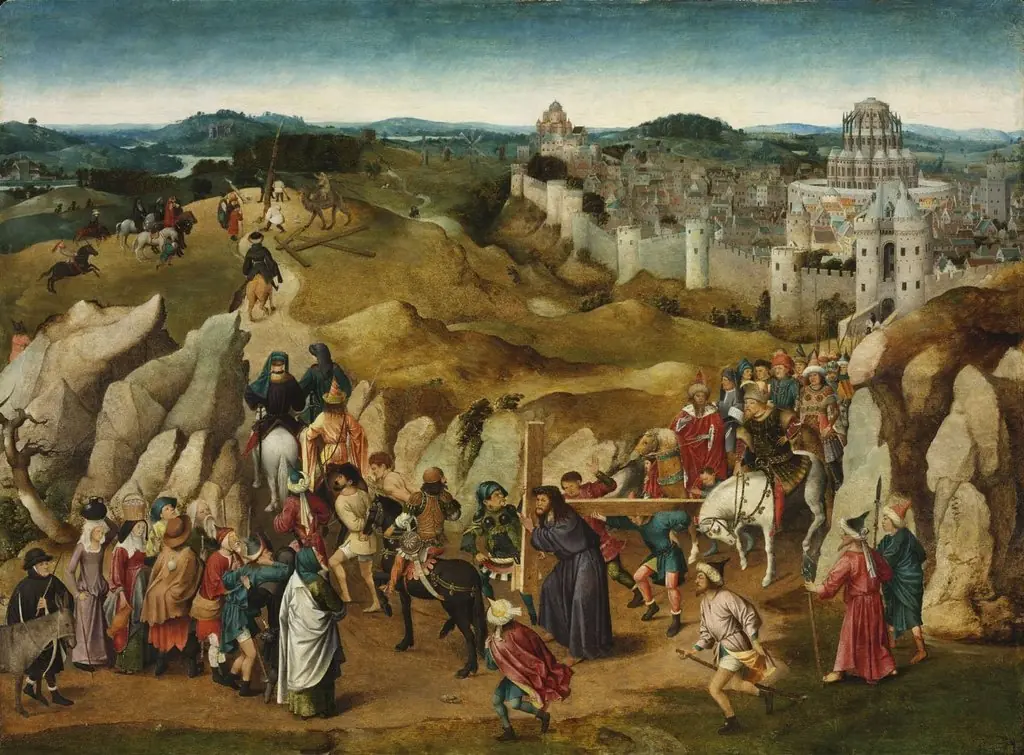 Christ Carrying the Cross
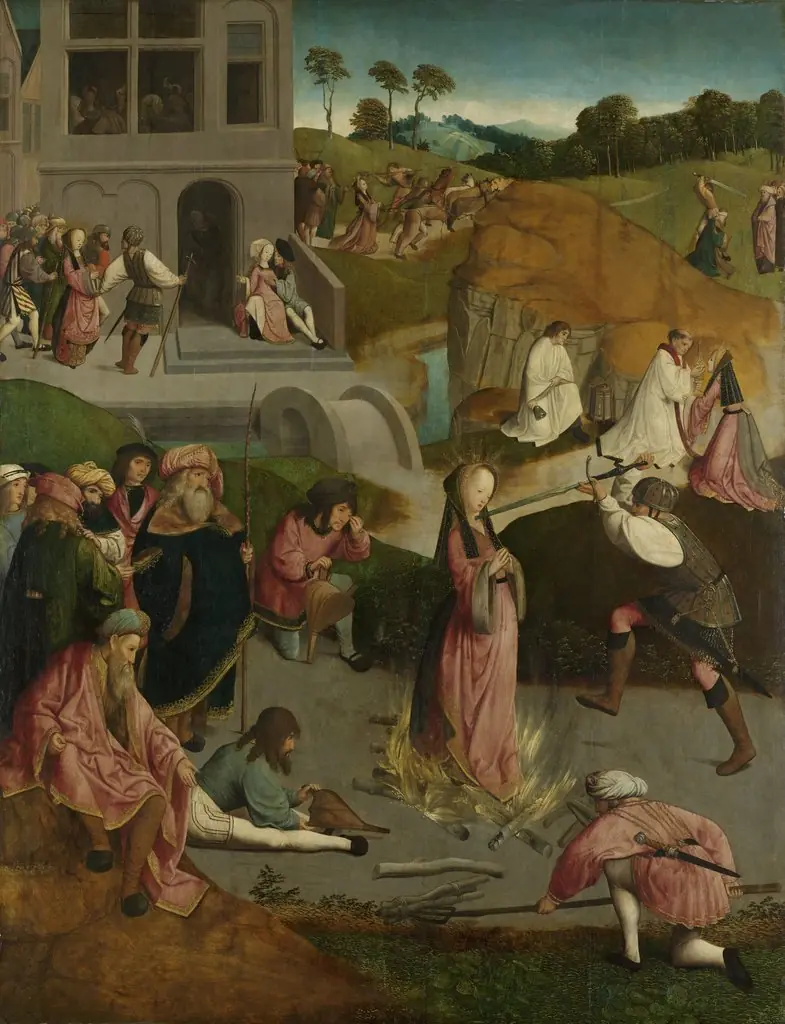 The Martyrdom of Saint Lucy
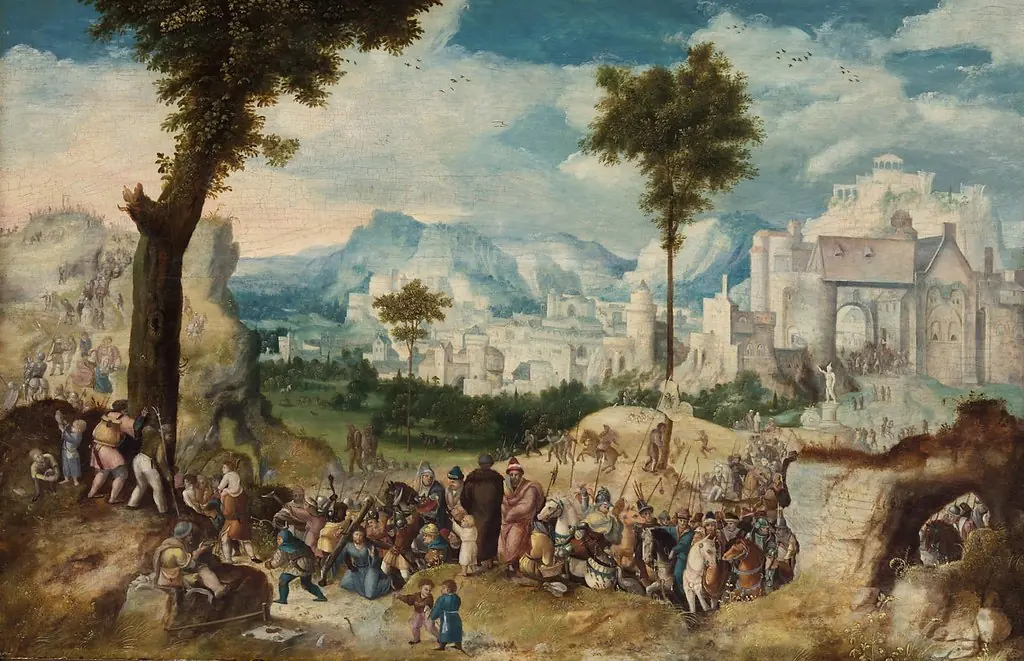 Kreuztragung Christi
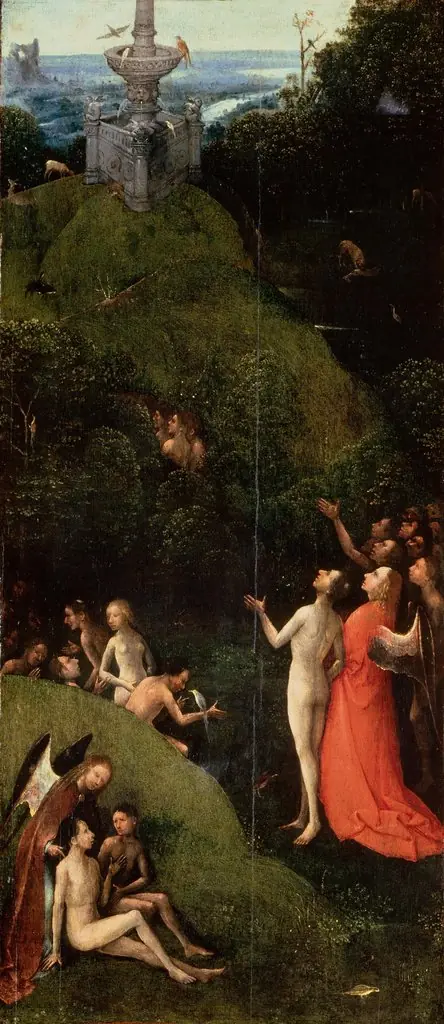 Visions of the Hereafter: Terrestrial Paradise