Artwork
Untitled
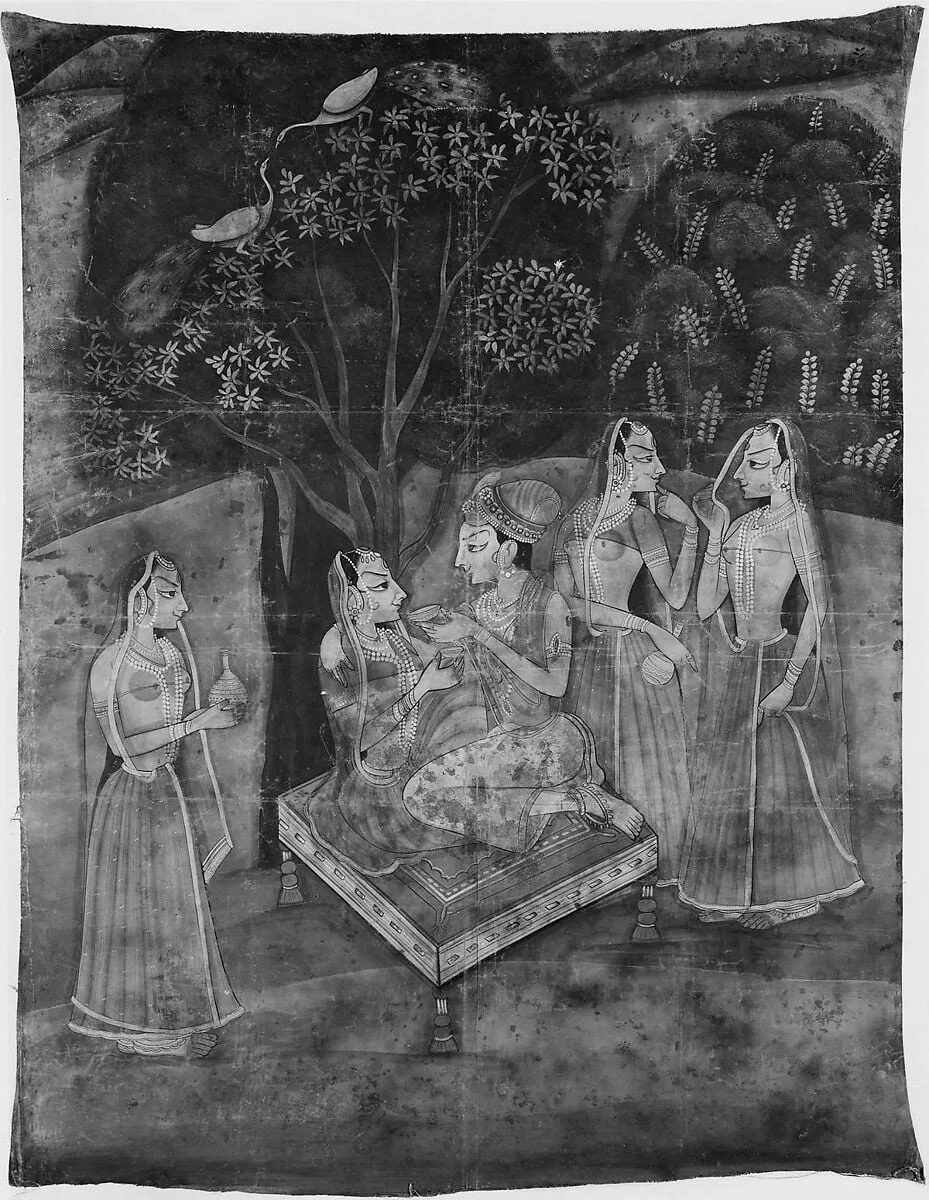
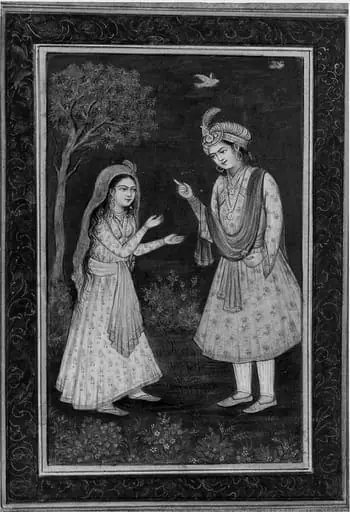
Untitled is an ink painting. It dates from 1949 and is held in the collection of the Metropolitan Museum of Art.
- Accession no.
- 69.125
- Credit line
- Rogers Fund, 1969
About this work
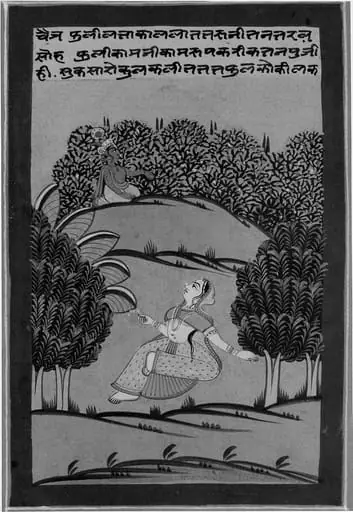
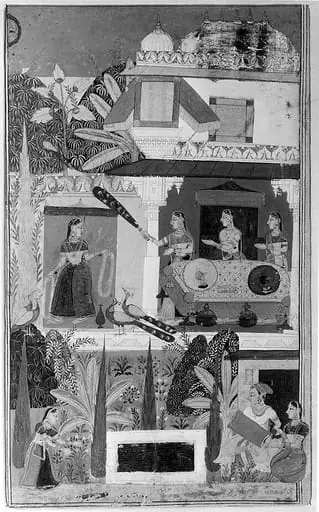
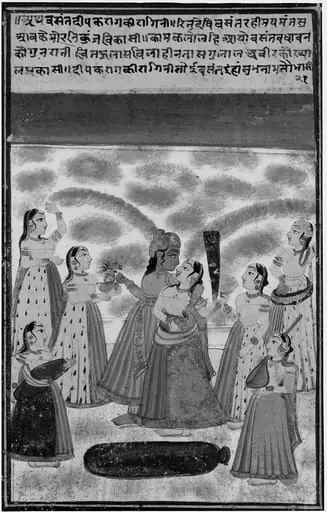
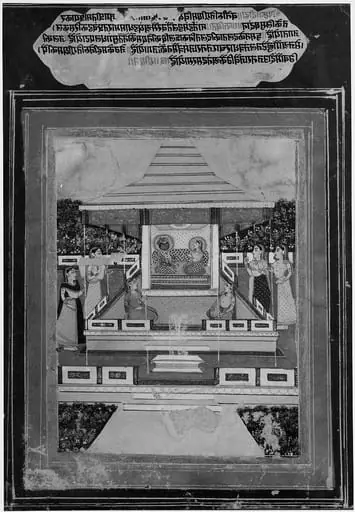
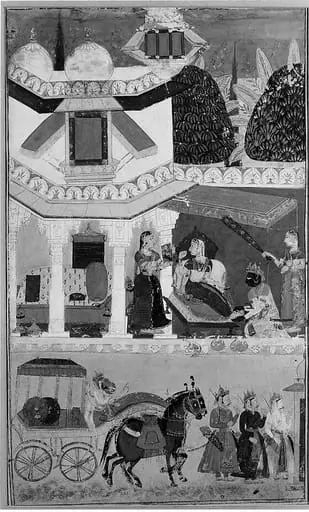
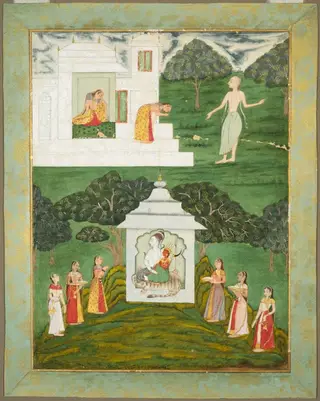
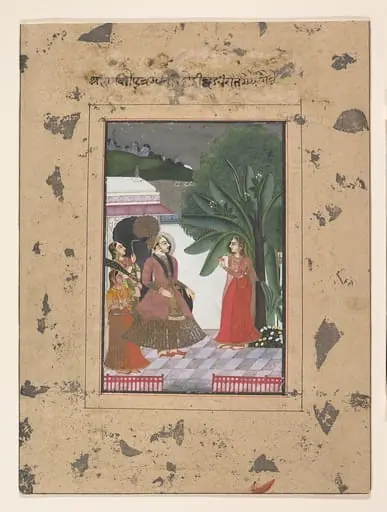
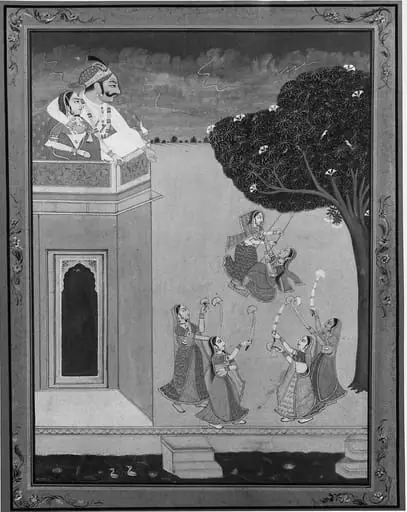
A large cotton wall hanging at the Met, acquired in 1969 through the Rogers Fund, shows Radha and Krishna in ink, color, and gilt. Over five feet tall, the twentieth-century Indian work sets peacocks, female figures, and a drinking scene into the story of Radha's triumph. The anonymous artist used gold leaf on cotton in the manner of devotional temple textiles.
Subject & Meaning
The composition includes a nude woman engaged in drinking, accompanied by a peafowl, elements that collectively establish a specific mythological narrative.
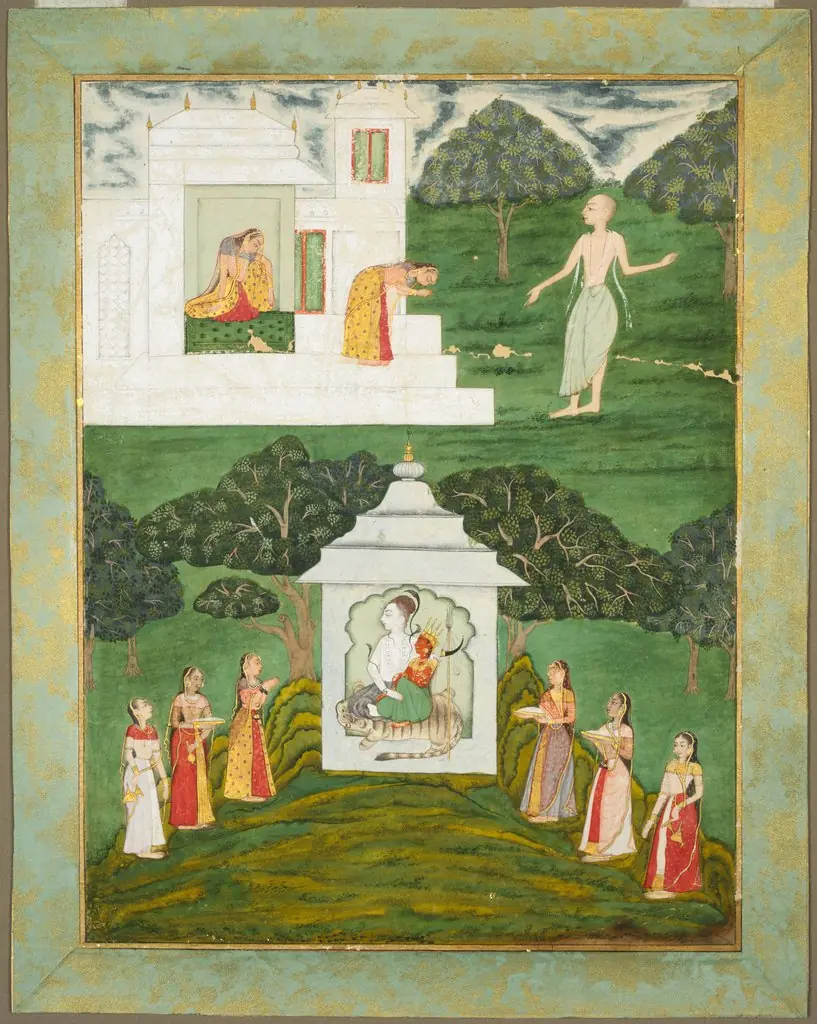
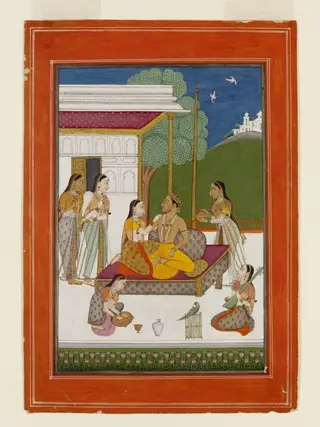
Created in 1949 by an anonymous Indian artist, this wall hanging depicts a genre scene featuring the divine figures Krishna and Rādhā. The composition includes a nude woman engaged in drinking, accompanied by a peafowl, elements that collectively establish a specific mythological narrative. The presence of these deities alongside the peacock, a creature traditionally associated with Krishna, suggests an iconographic representation of divine love or celestial leisure.
The work's classification as a genre scene indicates a portrayal of everyday or narrative life, yet the inclusion of sacred figures imbues the image with religious symbolism. Rendered in ink, color, and gilt on cotton, the piece visually communicates themes of intimacy and spiritual union through its specific arrangement of human and animal forms.
Technique & Style
Created in 1949 by an anonymous Indian artist, this work is classified as a painting executed on a cotton support. The artist employed ink, color, and gilt to render the scene, which functions technically as a wall hanging. The composition features figures identified as Krishna and Rādhā, depicted nude and engaged in drinking, accompanied by a peafowl.
Measuring approximately 161.3 by 125.1 centimeters, the piece utilizes a genre scene approach to portray these mythological subjects. The application of gilt alongside ink and pigment on the textile ground defines its material character, while the specific iconography of the deities and the bird establishes its formal narrative content.
Overview
This large-scale Indian wall hanging, titled The Triumph of Radha, dates to the 20th century and is rendered in ink, color, and gilt on cotton. Acquired by the Metropolitan Museum of Art in 1969, the work measures over five feet in height. It depicts a complex narrative featuring Radha, Krishna, female figures, and peacocks, reflecting themes central to Vaishnava devotional traditions. The museum classifies this piece as a painting, emphasizing its artistic intent despite its functional format.
History & Provenance
This wall hanging entered the collection of the Metropolitan Museum of Art in 1969. It was acquired through the Rogers Fund, an endowment established to support the museum's acquisitions. Cataloged as object number 69.125, the work became part of the institution's extensive Department of Asian Art, where it contributes to the representation of 20th-century Indian artistic traditions.
Context
In the 20th century, painted cotton hangings like The Triumph of Radha maintained their dual role in both religious practice and decorative display. These works preserved established techniques for applying mineral pigments and gold leaf, connecting contemporary production to historical artistic methods. While serving traditional devotional purposes, such pieces also found their way into broader art markets, reflecting their enduring cultural and aesthetic value.
Artist & collection