Artwork
Untitled
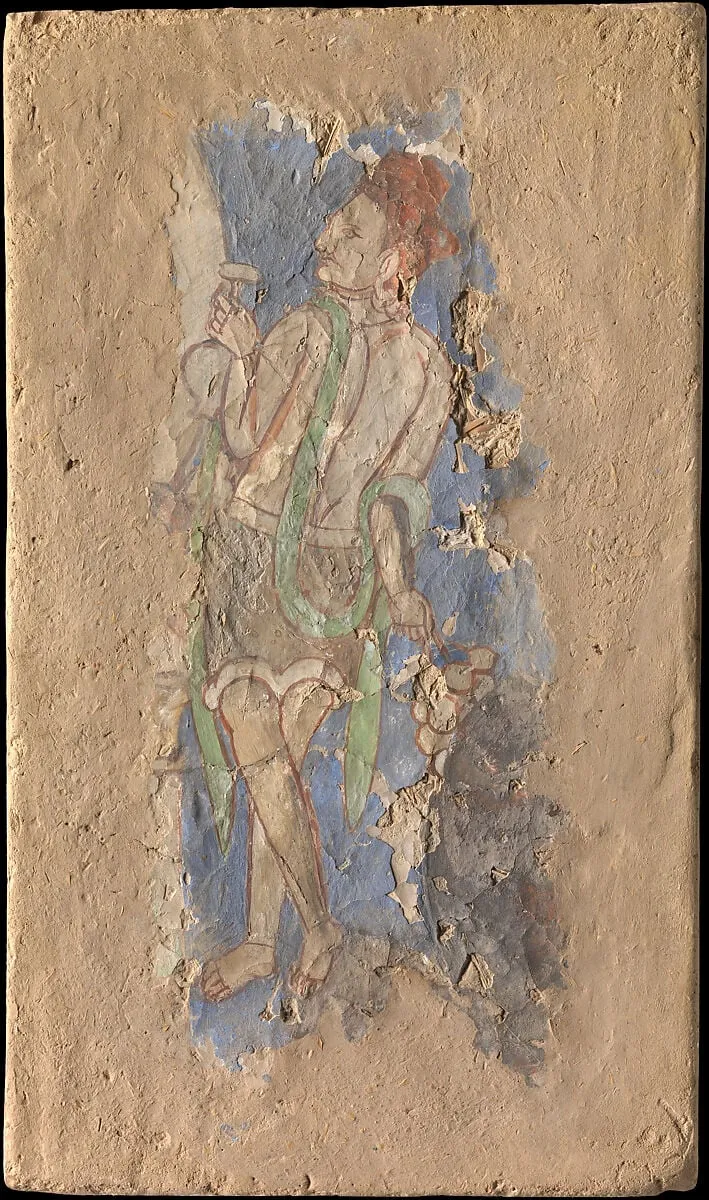
Untitled is an unspecified painting. It dates from 600 and is held in the collection of the Metropolitan Museum of Art.
About this work
Technique & Style
The piece belongs to the anonymous painter tradition and was created in China, as indicated by the collection metadata from the Metropolitan Museum of Art.
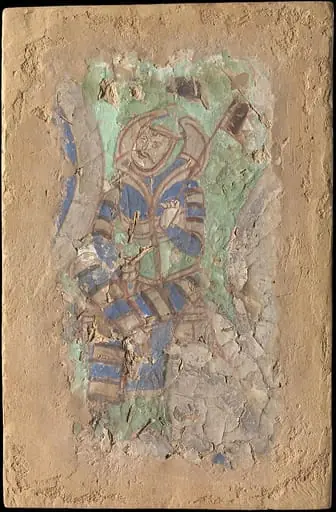
Untitled is a portrait painting executed in pigments applied to a mud plaster support, a technique typical of early medieval Chinese wall art. The work measures approximately 25.1 cm in height by 13.7 cm in width and portrays a male figure. Its classification as a painting and its genre as a portrait are documented in the source records.
The piece belongs to the anonymous painter tradition and was created in China, as indicated by the collection metadata from the Metropolitan Museum of Art. No further details about its condition or handling are provided in the available documentation.
History & Provenance
The painting is held by the Metropolitan Museum of Art, New York, where it is catalogued as part of its Asian Art holdings. It entered the museum’s collection with accession number 1979.455.1.
It has been exhibited in the museum’s galleries devoted to Chinese Buddhist art and early portraiture, including the 2000–2001 installation “Chinese Painting, 200–1500.”
Overview
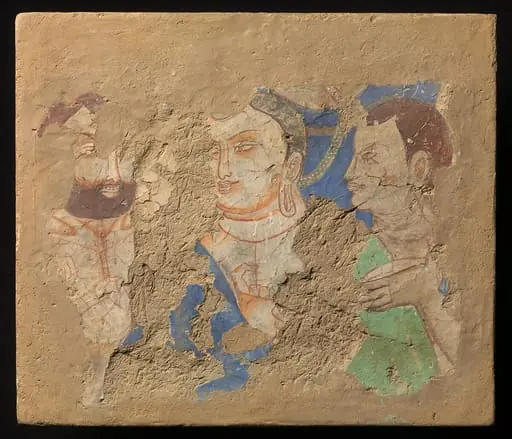
This untitled painting, executed with pigments on a mud plaster surface, depicts a human face. Created over a millennium ago in a region now part of western China, it originally adorned the interior of a cave temple. The artwork's enduring presence is partly due to the natural earth pigments used, which have largely retained their original intensity over centuries. Its simple yet striking visual qualities offer insight into ancient artistic practices.
Subject & Meaning
The painting presents a man's face, characterized by wide eyes and a substantial beard. His complexion appears ruddy, suggesting exposure to the elements. Rendered directly onto a coarse mud-plaster wall, the portrayal is direct and unadorned.
The artist focused on essential features, conveying a distinct human presence without elaborate detail or symbolic complexity, allowing the viewer to engage with the raw depiction.
Context
This painting originated within a cave temple complex in a geographical area corresponding to present-day western China. Unlike art intended for a private collection or public gallery, its purpose was integral to the sacred space it inhabited. Such works were part of a larger devotional environment, contributing to the spiritual atmosphere of the temple rather than serving as standalone objects for aesthetic contemplation.
Legacy
Works similar to this painting can be found throughout the Xinjiang Uyghur Autonomous Region, a historical crossroads in Central Asia. These regional examples collectively illustrate a distinct artistic tradition that flourished in cave temples across the area. Studying these related sites provides a broader understanding of the materials, techniques, and iconographies prevalent in the region's ancient art.
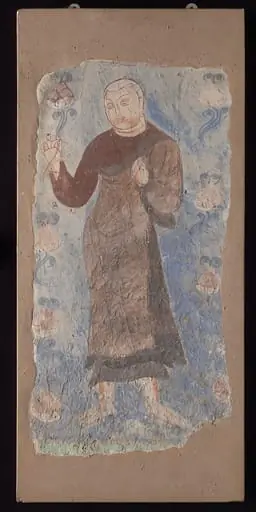
Artist & collection

- Untitled
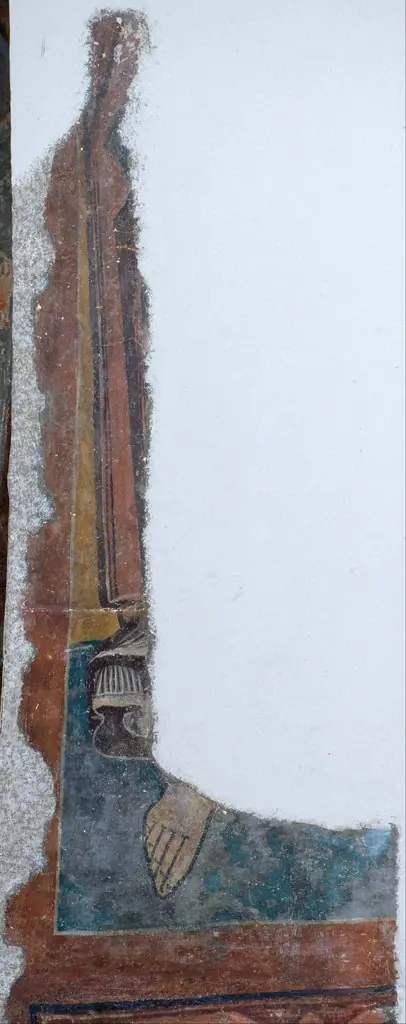 Remains of a figure from Santa Maria de Taüll
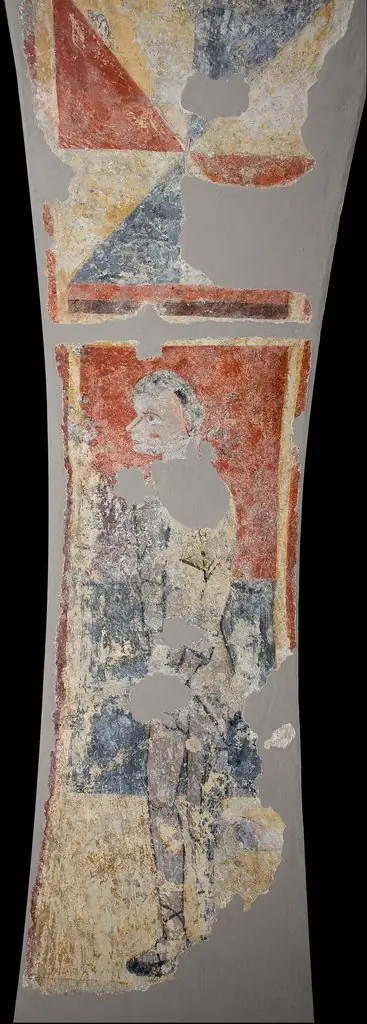 Lame man and sinner from Boí
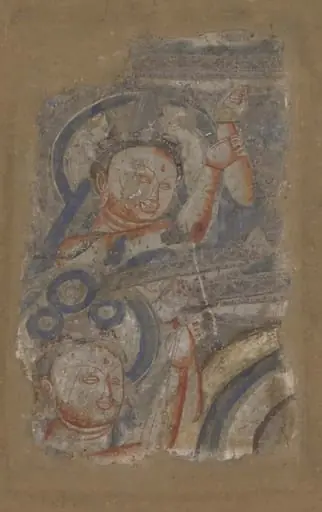 Untitled
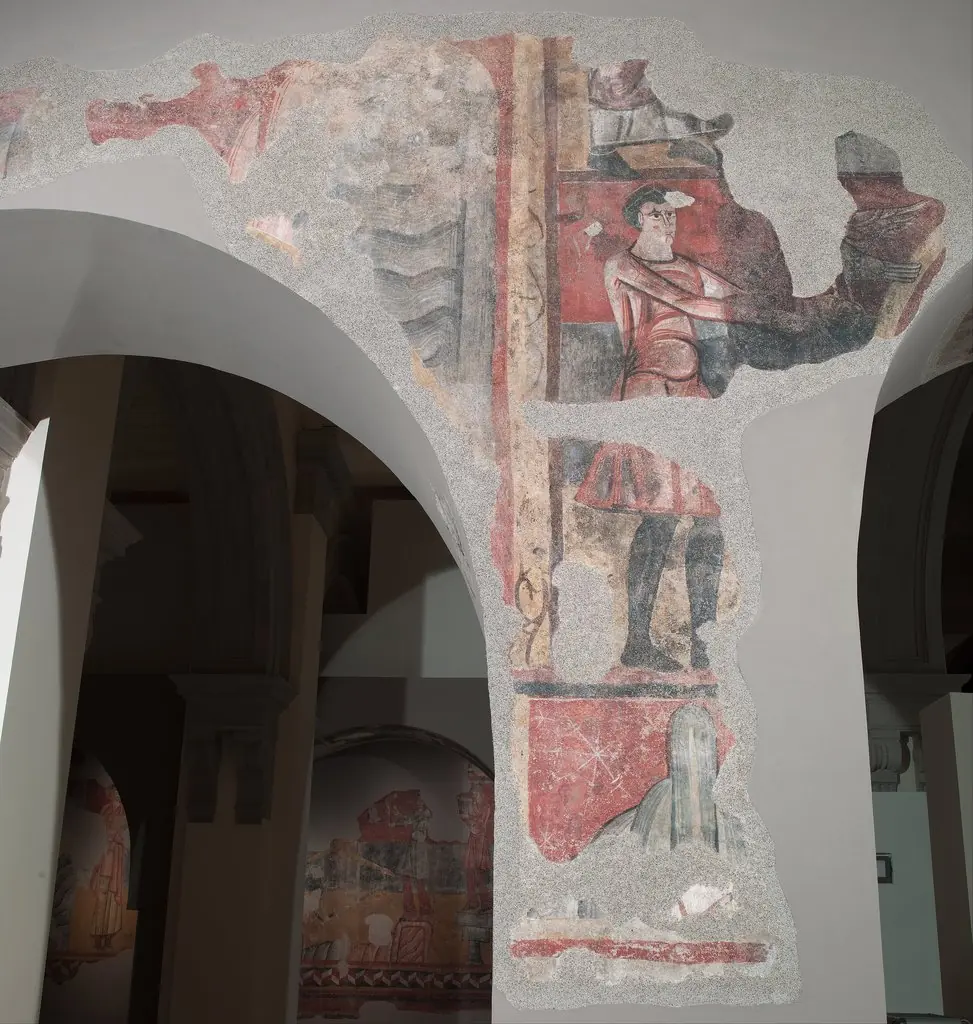 Falconer from Boí
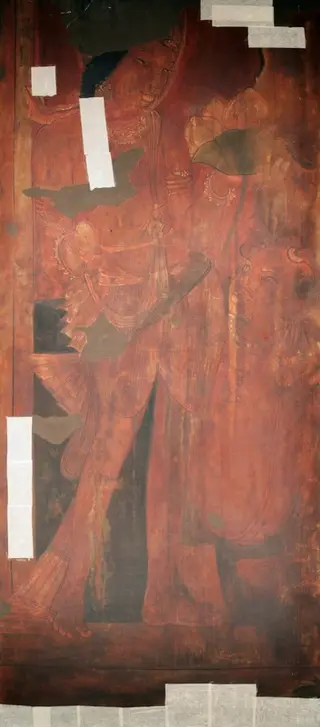 Copy of Painting inside the Caves of Ajanta (cave 17)
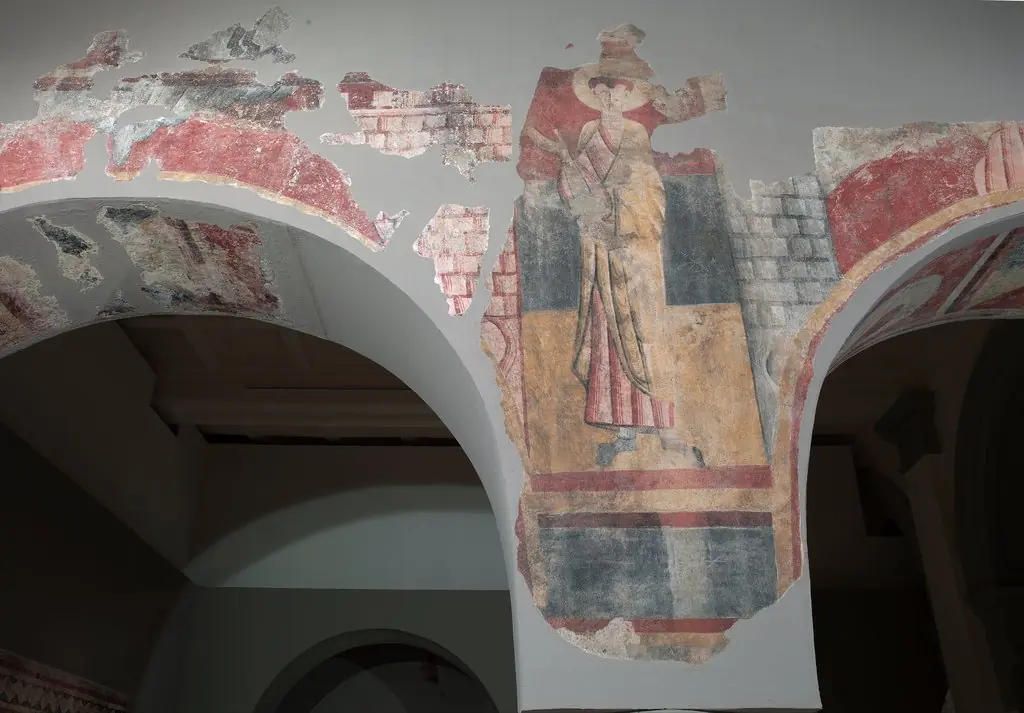 Saint between two towers from Boí
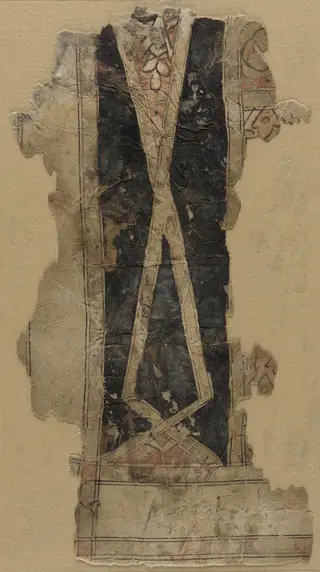 Fragmentary Playing Card
 Untitled
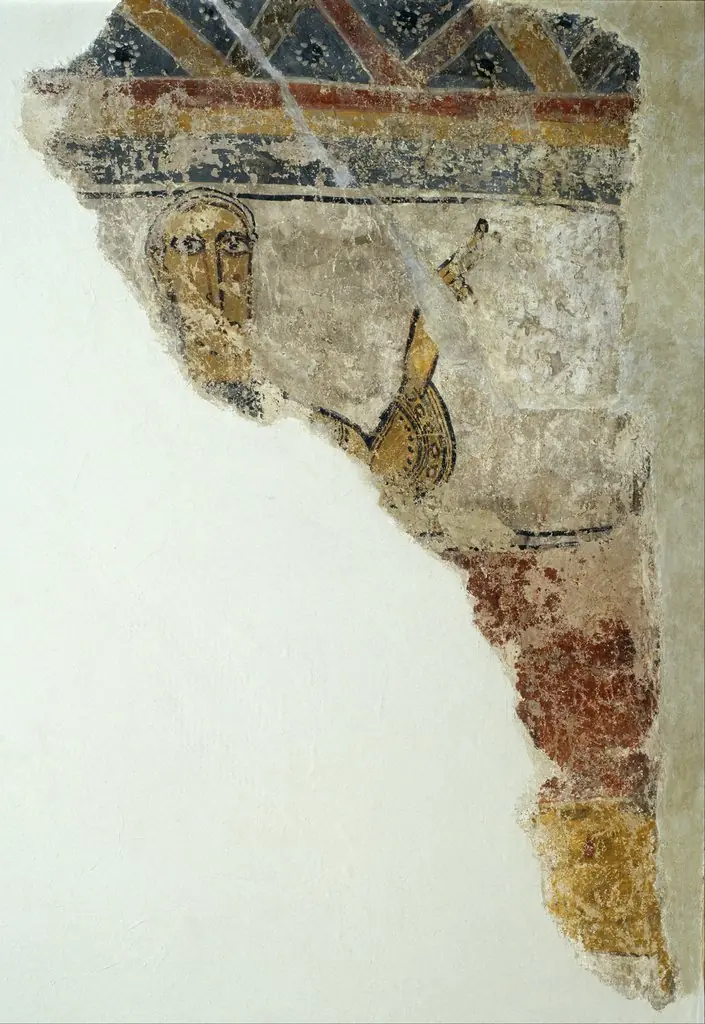 Remains of a figure from Santa Maria de Taüll
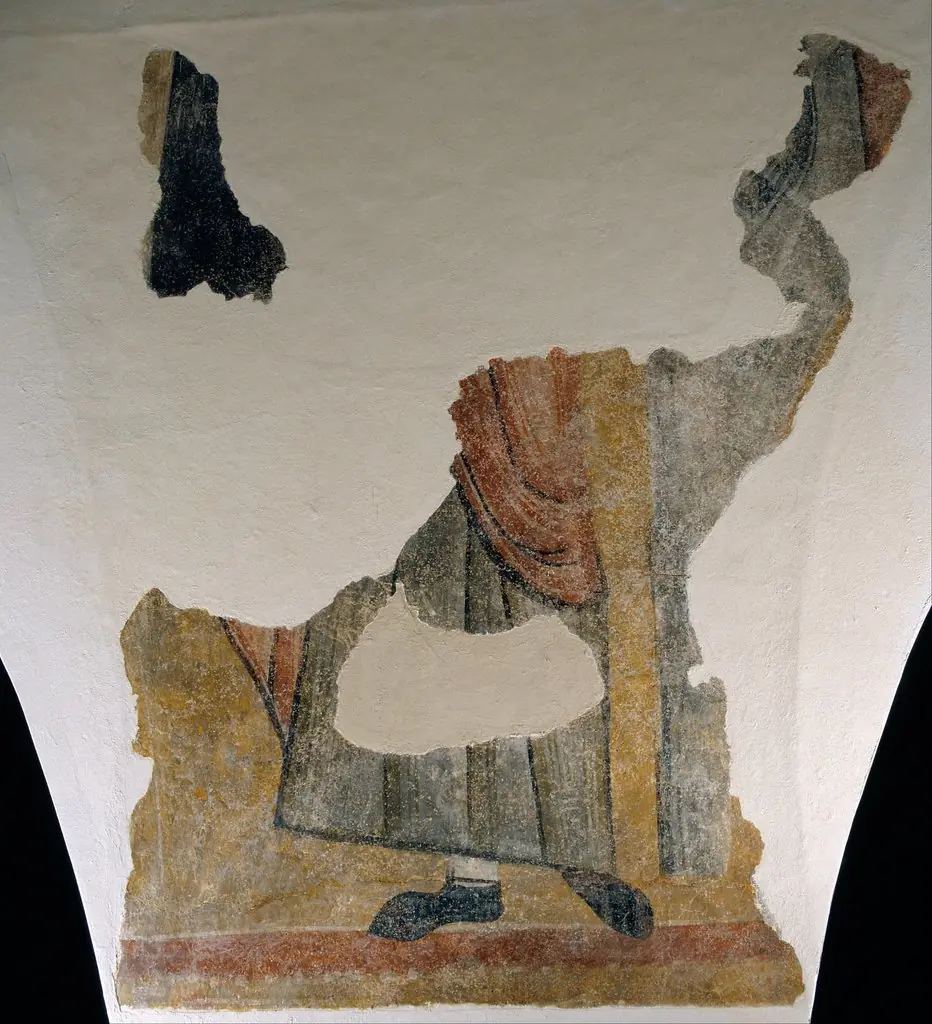 Remains of a saint figure from Boí
 Untitled