Artwork
View of Egmond aan Zee
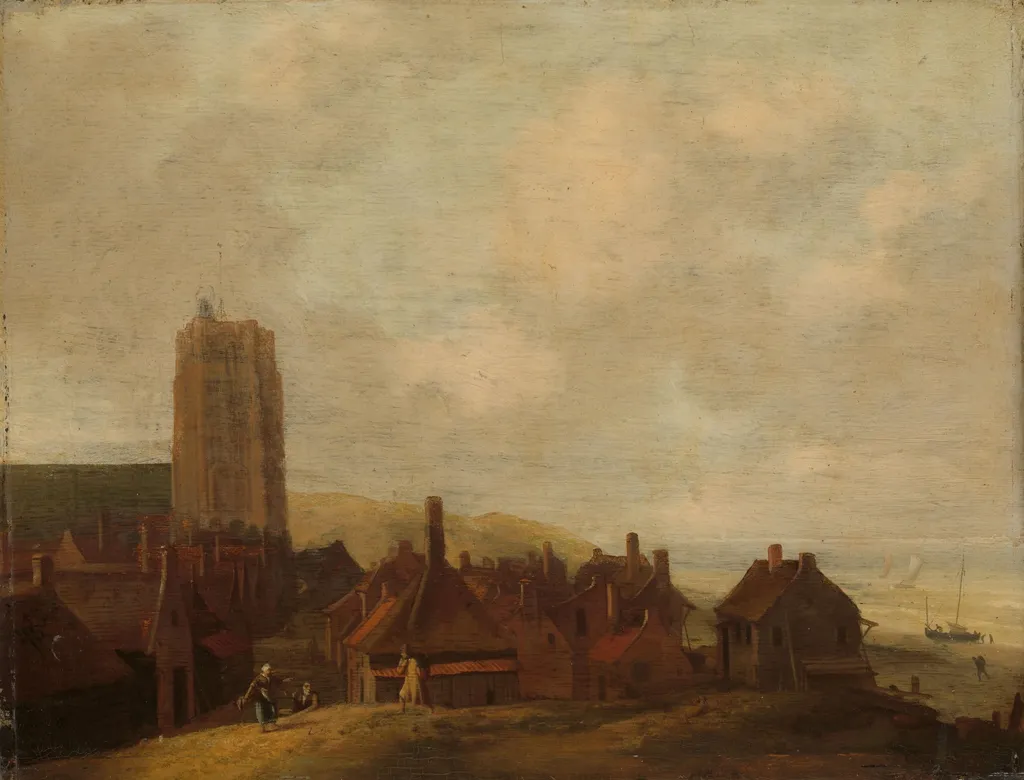
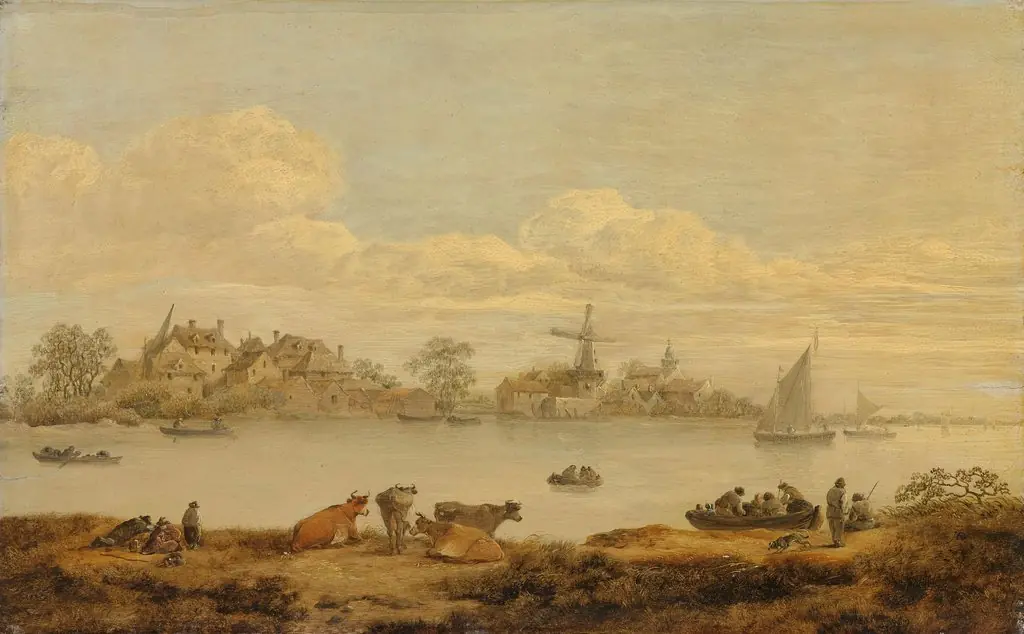
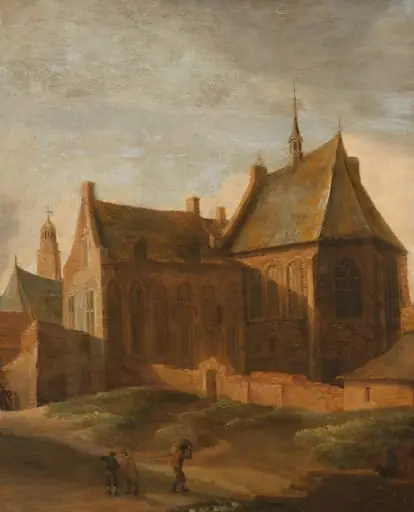
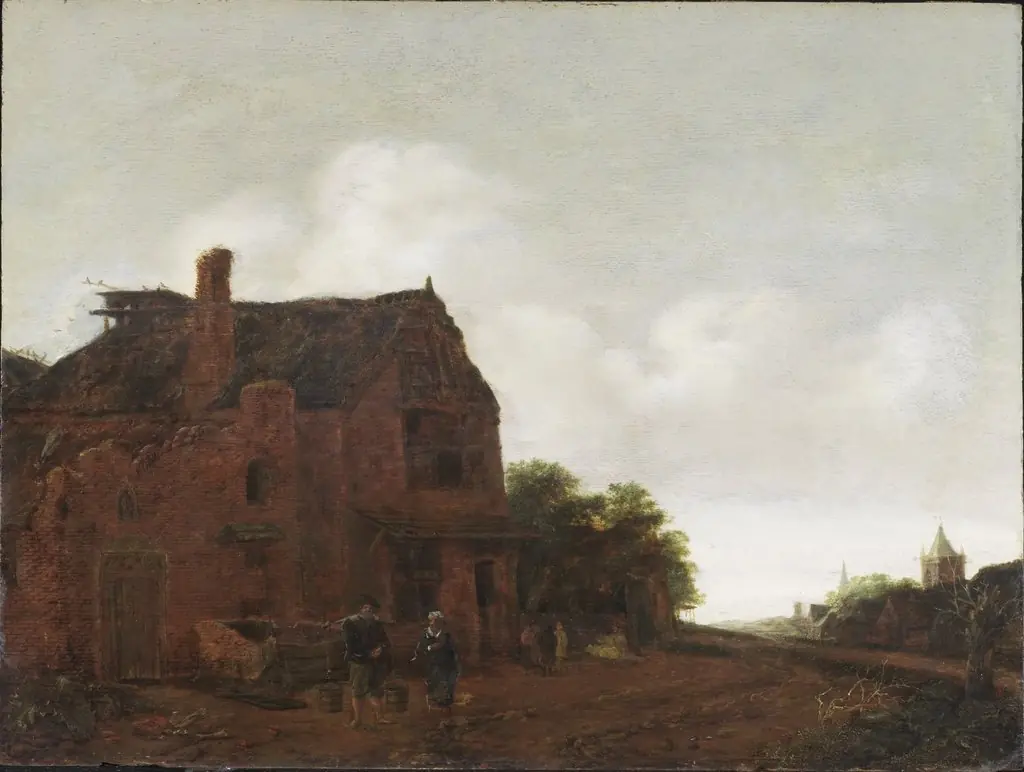
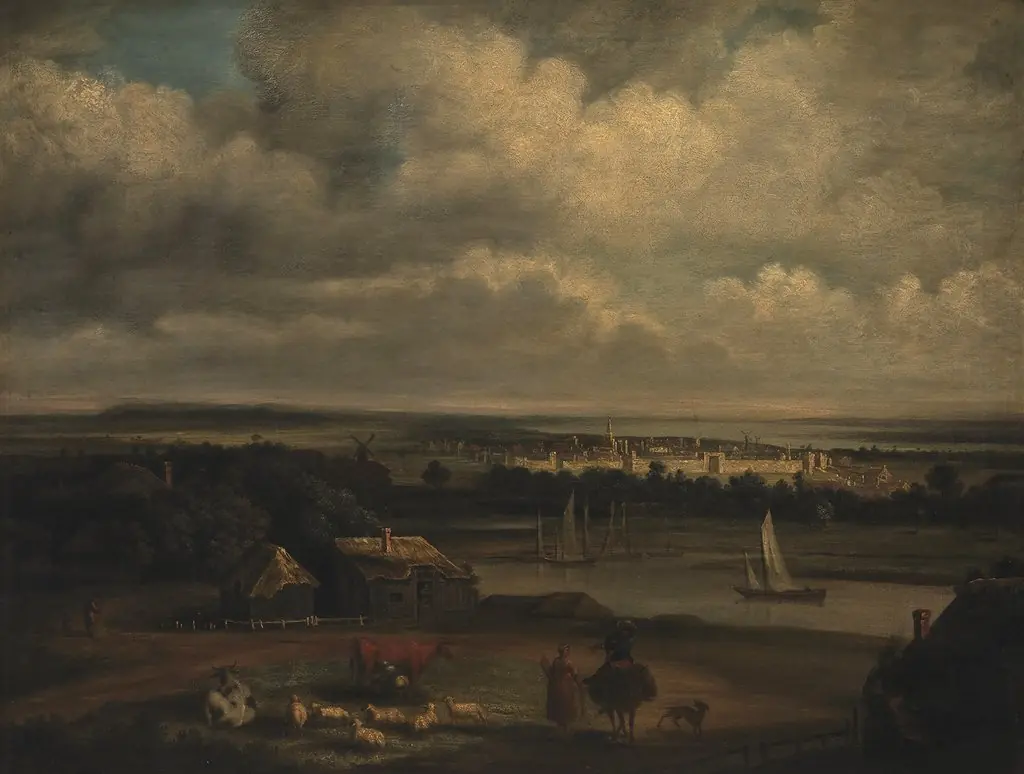
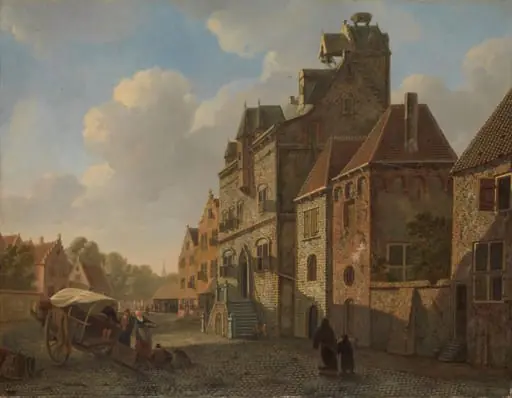
View of Egmond aan Zee is an unspecified painting by the Dutch Golden Age artist Unknown. It dates from 1684 and is held in the collection of the Rijksmuseum. The canvas presents a tranquil Dutch coastal settlement, Egmond aan Zee, seen from behind a strip of sand dunes.
About this work
Overview
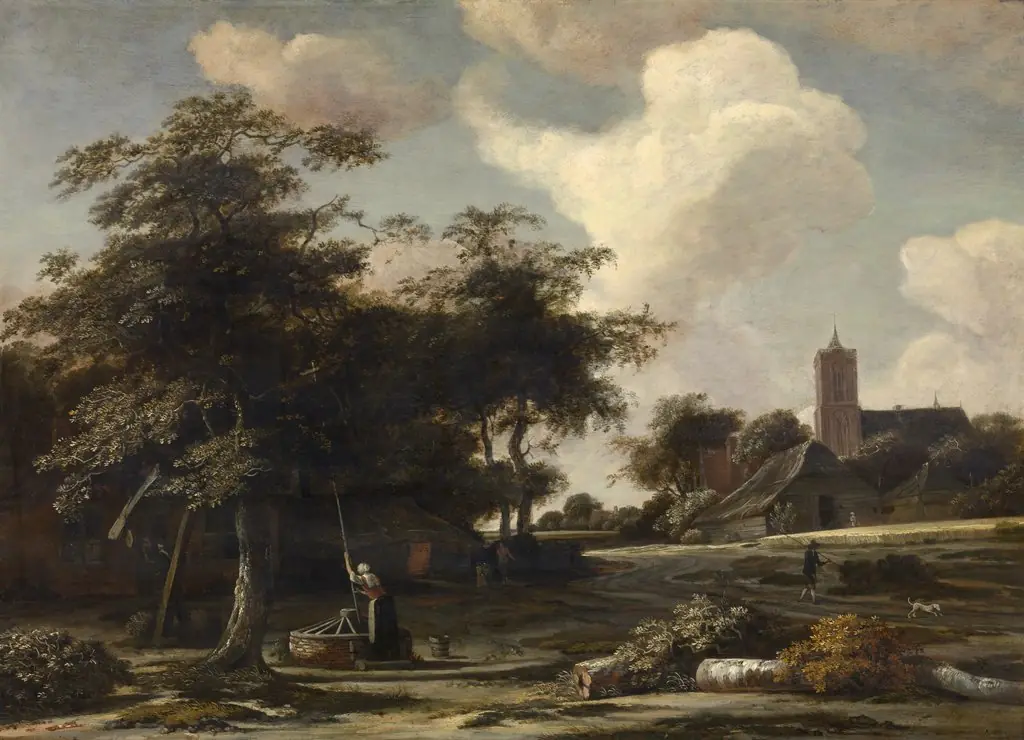
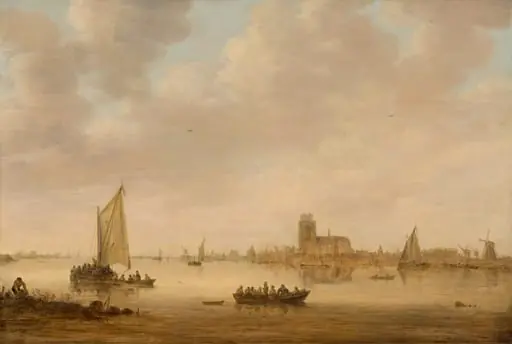
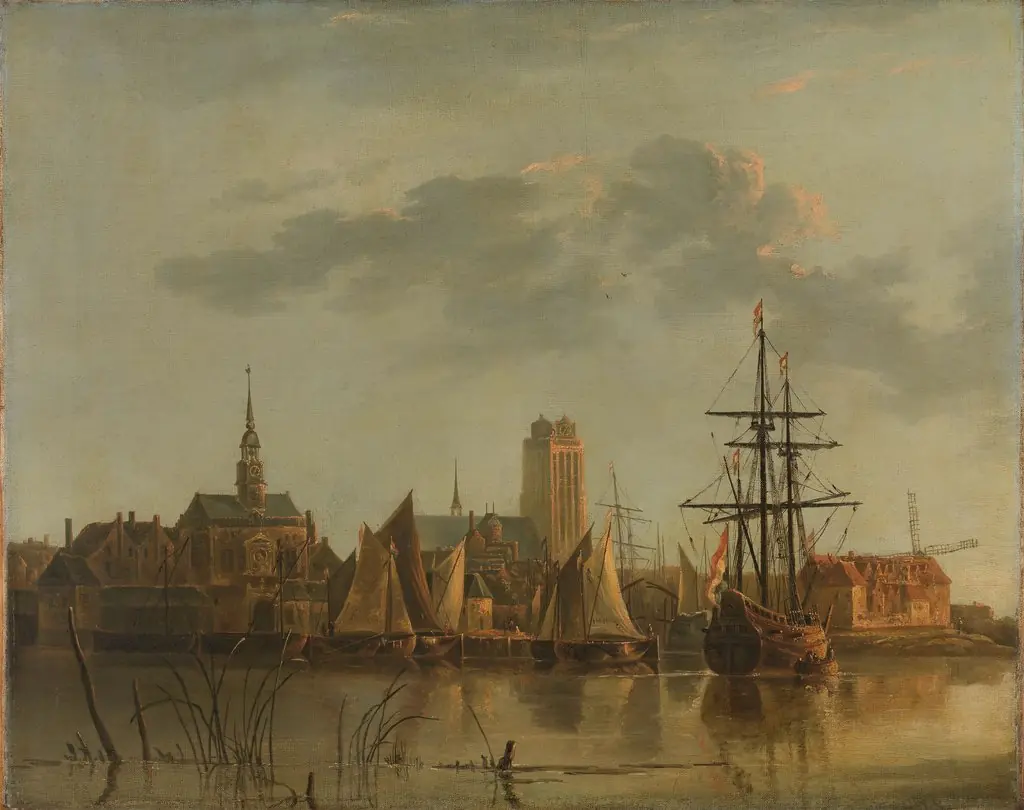
The canvas presents a tranquil Dutch coastal settlement, Egmond aan Zee, seen from behind a strip of sand dunes. The village’s modest white façades sit beneath a sky that diffuses a gentle light, while the sea stretches to the right, its surface catching the same soft illumination.
Subject & Meaning
The painting captures a moment of everyday life in a 17th‑century fishing community. Small figures populate the streets and shoreline, suggesting routine activity without dramatization, inviting viewers to contemplate the quiet rhythm of a seaside village.
Technique & Style
Executed in a realistic manner, the work relies on subtle tonal variations to render the glow on the white walls and the texture of the dunes. The composition balances foreground sand, middle‑ground architecture, and distant water, creating depth through atmospheric perspective.
History & Provenance
The artist’s identity remains unknown, as the painting bears no signature. Stylistic clues place its creation roughly three and a half centuries ago, situating it within the Dutch Golden Age of landscape painting.
Context
Egmond aan Zee was a modest fishing port in the 1600s, frequently depicted by Dutch painters interested in maritime and rural scenes. The work reflects contemporary interest in documenting local geography and daily life through a naturalistic lens.
Artist & collection