Artwork
Nile Journey, Esneh, Egypt
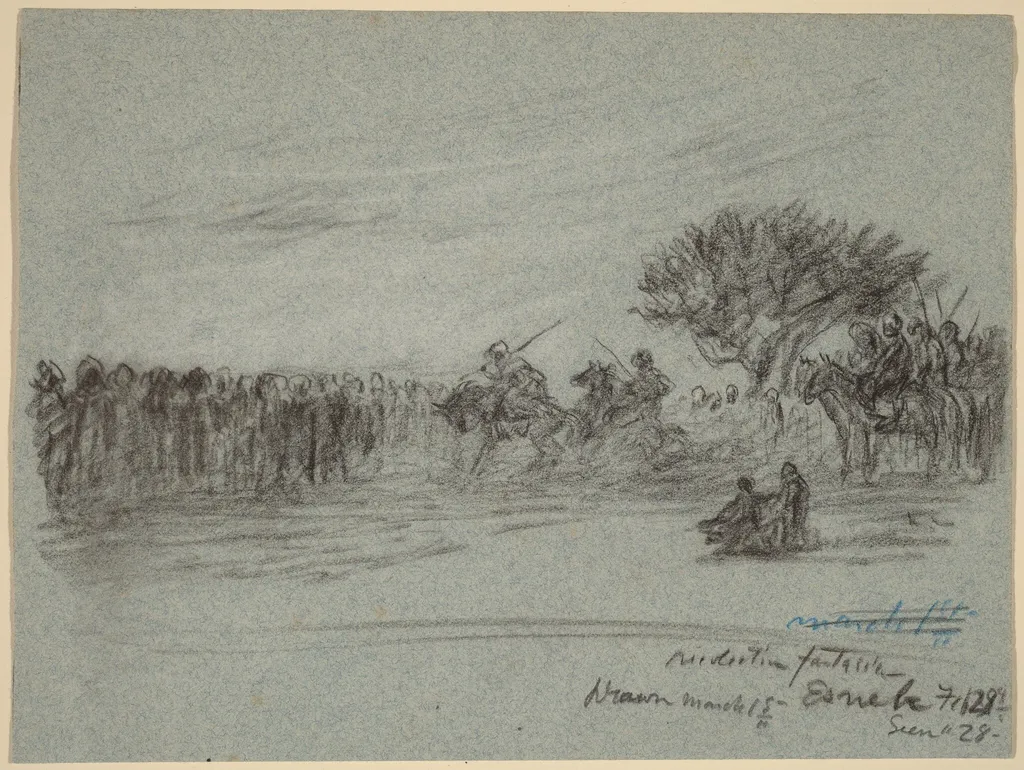
Nile Journey, Esneh, Egypt is a chalk drawing by the Impressionist artist Elihu Vedder. It dates from 1890 and is held in the collection of the National Gallery of Art.
- Inscription
- Inscribed:lower right in blue pencil: March 15th [crossed out]; lower right in black chalk: [undeciphered] fantasia / Esneh Feb 28; lower right in graphite: Drawn March 15th / Seen " 28; verso in graphite by unknown hand: 45 / Elihu Vedder / for Kennedy & Co.
About this work
Overview
Nile Journey, Esneh, Egypt is a drawing created by Elihu Vedder in 1890. It is executed in black chalk on folded blue paper.
Subject & Meaning
The drawing depicts a group of people walking along a riverbank, captured during Vedder's travels in Egypt. The scene conveys a sense of movement and tranquility, with figures rendered in loose lines and a calm river.
Technique & Style
Vedder employed black chalk on folded blue paper, resulting in a sketchy, unfinished quality. The technique emphasizes the fleeting nature of the scene, with varying densities of figures and a subtle treatment of the sky.
Context
The work reflects Vedder's experience as a traveler and artist, as well as his background in illustrating literary works, such as Edward FitzGerald's The Rubaiyat of Omar Khayyam.
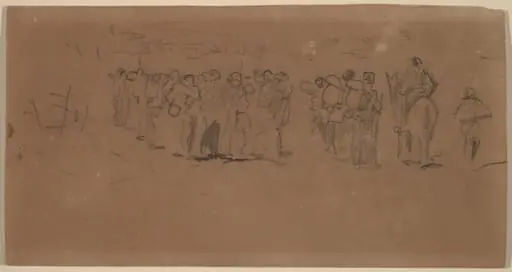
Own this work as a print
Artist & collection
Artist
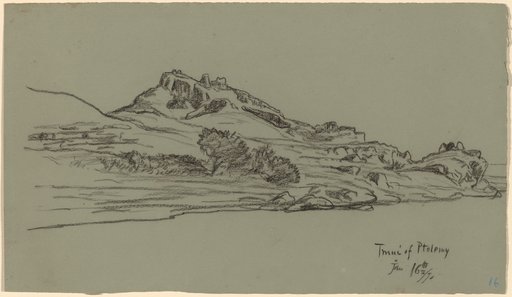
Elihu Vedder (26 February 1836 – 29 January 1923) was an American symbolist painter, book illustrator and poet from New York City.

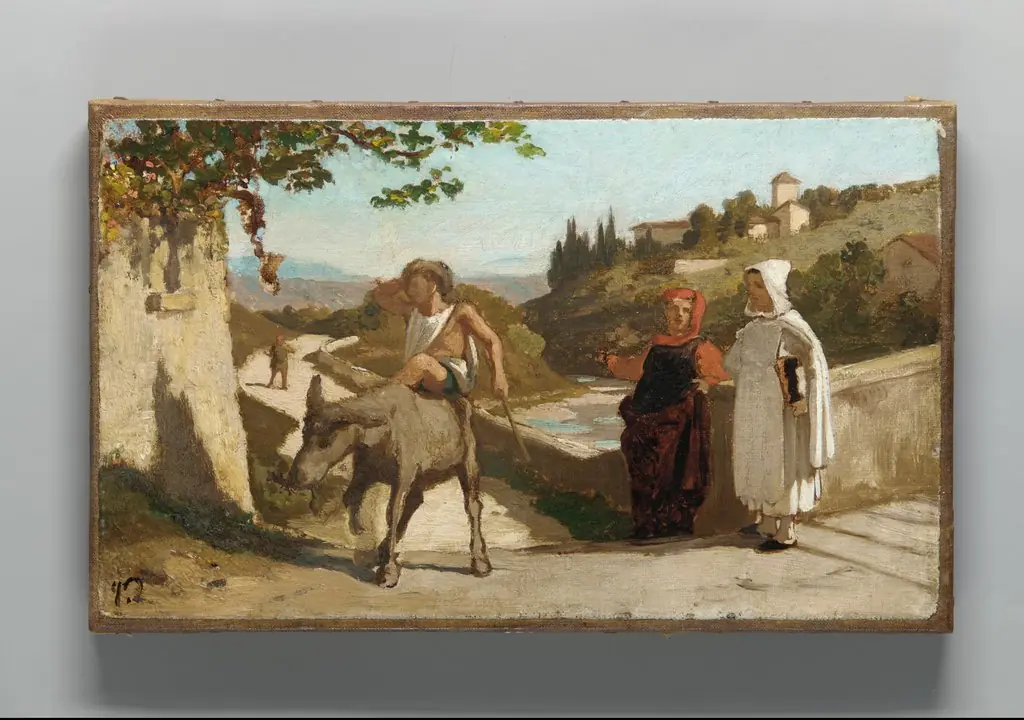 The Fable of the Miller, His Son, and the Donkey
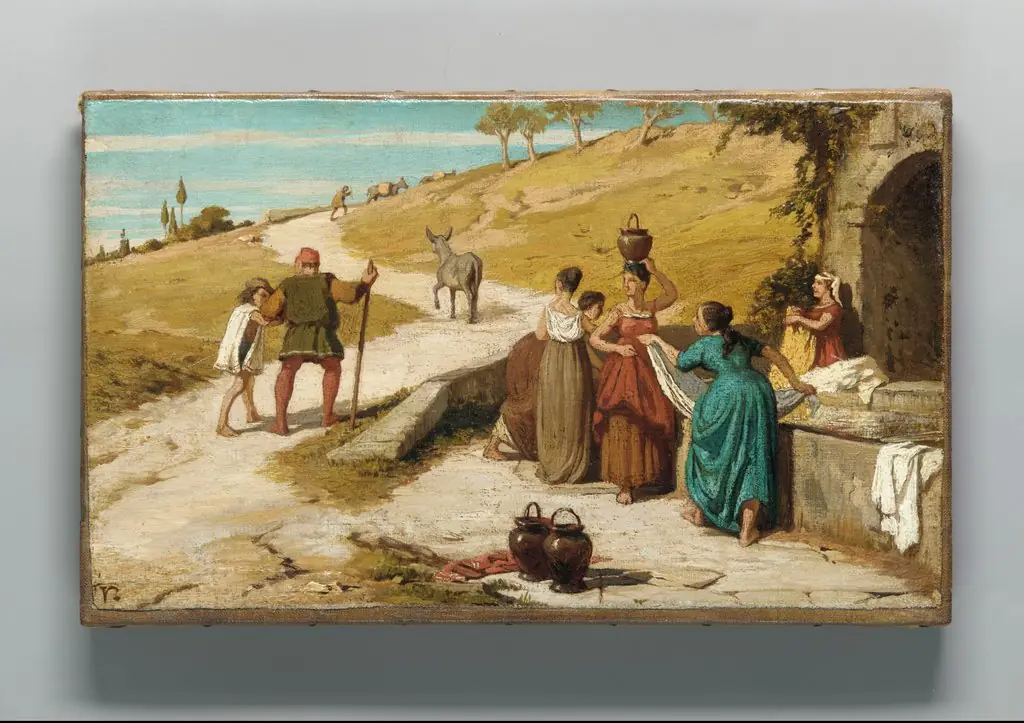 The Fable of the Miller, His Son, and the Donkey
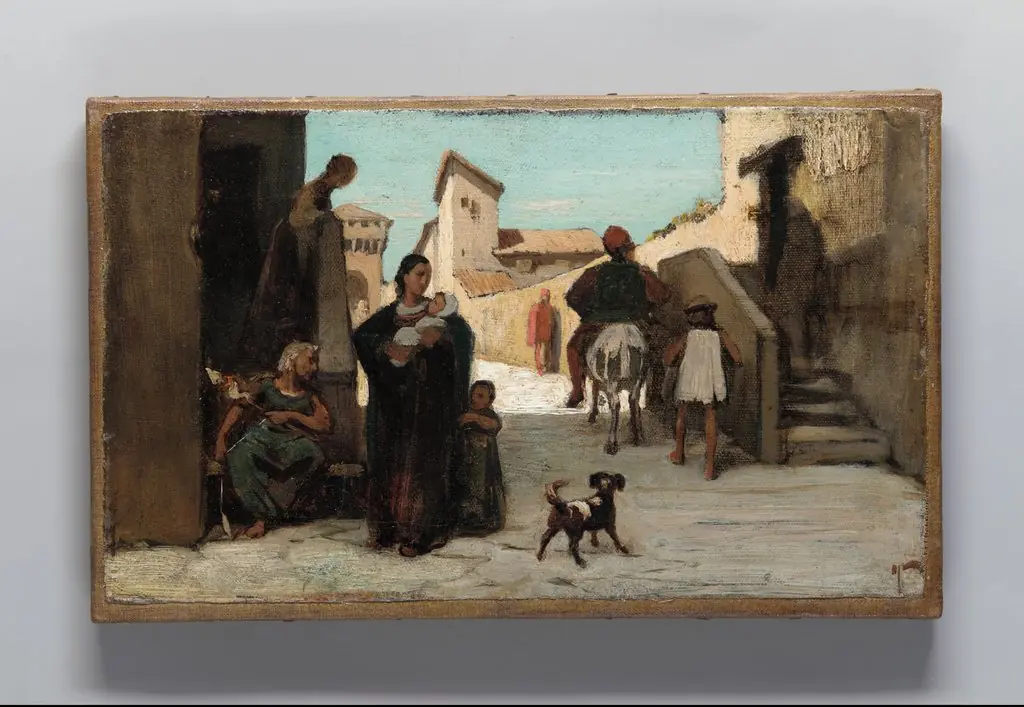 The Fable of the Miller, His Son, and the Donkey
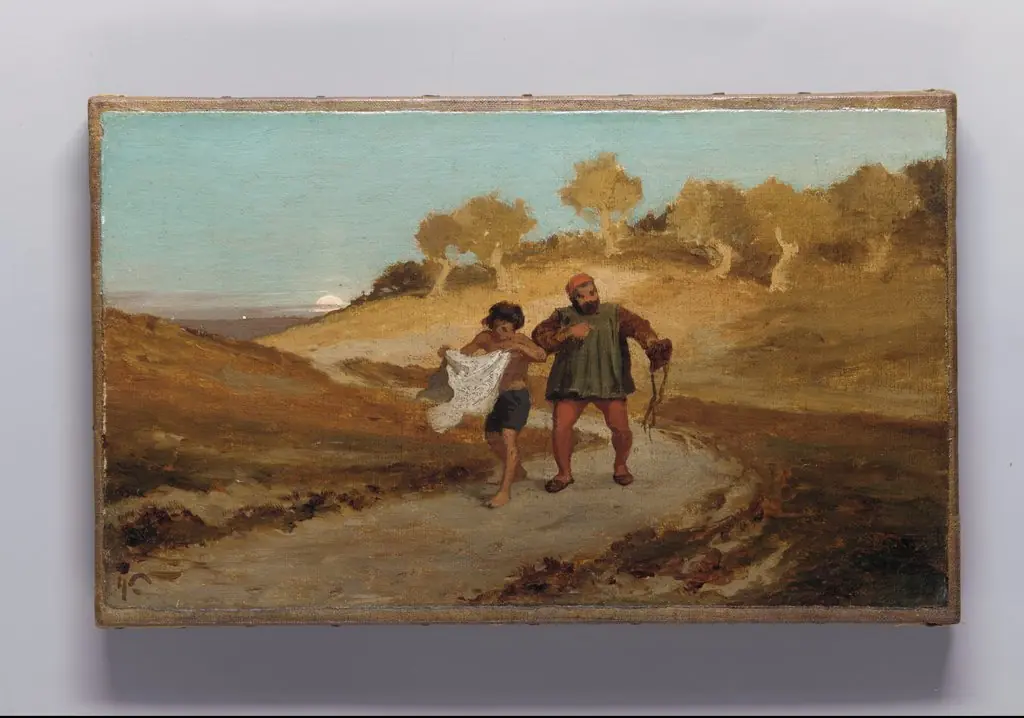 The Fable of the Miller, His Son, and the Donkey
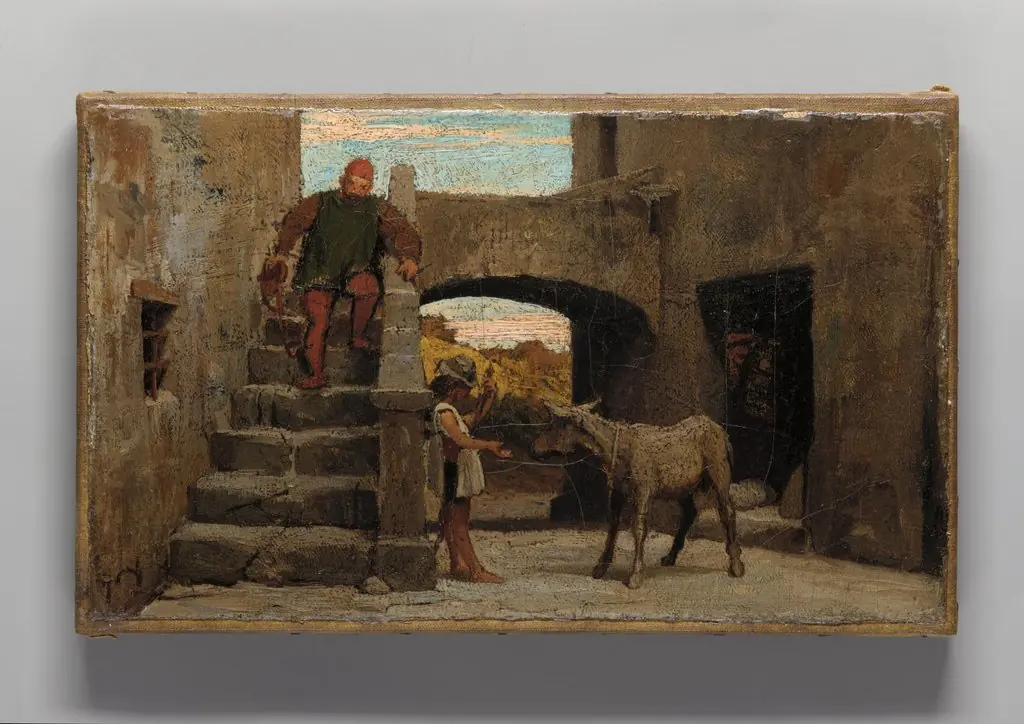 The Fable of the Miller, His Son, and the Donkey
 The African Sentinel
 Cypress and Poppies
 The Fable of the Miller, His Son, and the Donkey
- Preparing for the March
 In the Sierras, A Pack Train
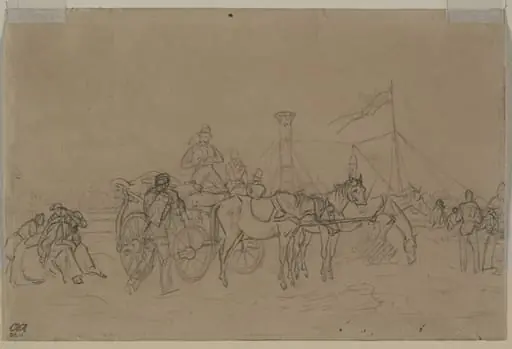 Passengers for Rhine Steamer (verso)
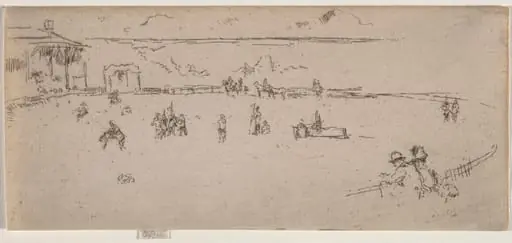 The Bucking Horse
![Skirmish Involving a Wagon Train [verso], by Winslow Homer](https://artifactworldgallery.com/img/winslow-homer--skirmish-involving-a-wagon-train-verso--6ee57b18fcbda7d4-w320.webp) Skirmish Involving a Wagon Train [verso]
Skirmish Involving a Wagon Train [verso]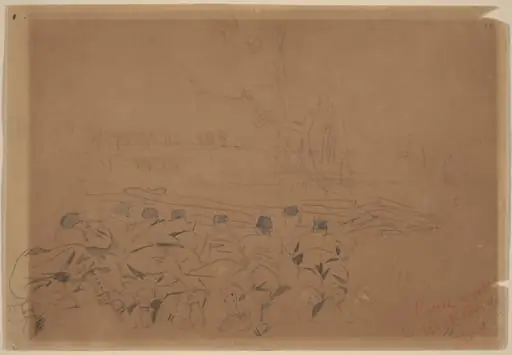 Rebel Works at Yorktown
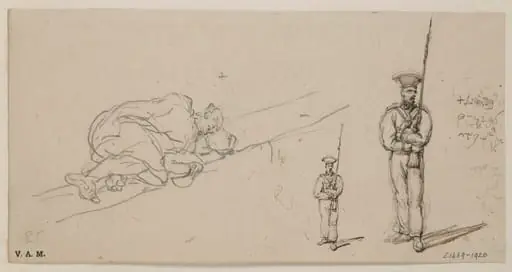 A sleeping Chinese man and a Portuguese soldier
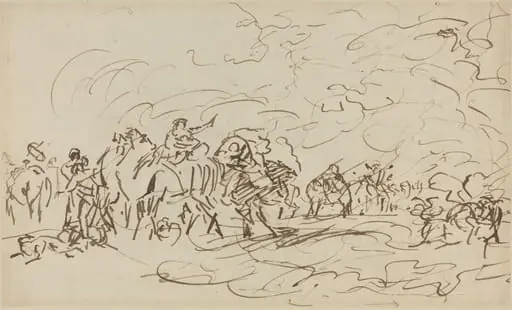 Sandstorm in the Desert Overtaking a Caravan
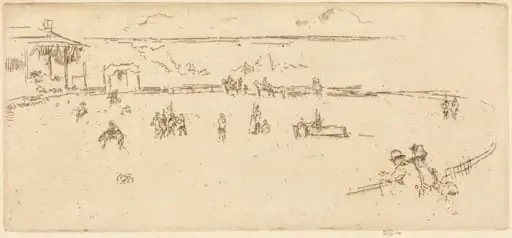 Bucking Horse
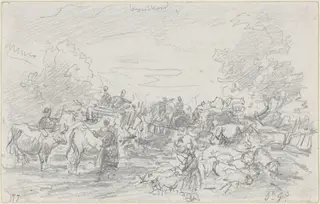 Herds Crossing a Stream
![Soldiers and Cannon [verso], by Winslow Homer](https://artifactworldgallery.com/img/winslow-homer--soldiers-and-cannon-verso--10871d9b29da5261-w320.webp) Soldiers and Cannon [verso]
Soldiers and Cannon [verso]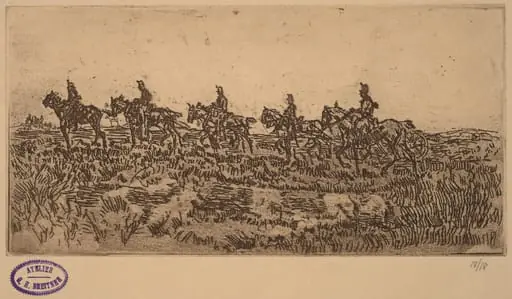 Hussars Riding Single File