Artwork
The Chinese in New York - Scene in a Baxter Street Club-House
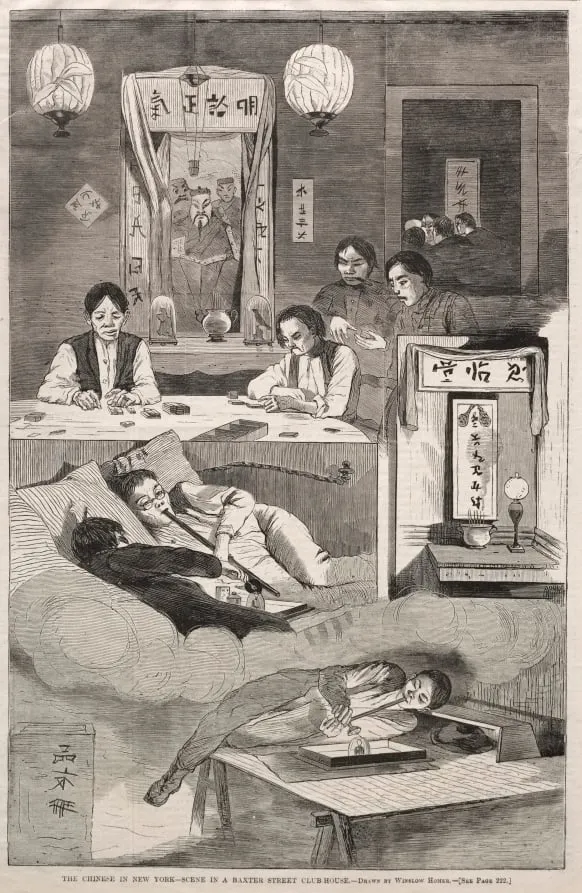
The Chinese in New York - Scene in a Baxter Street Club-House is a print by the Impressionist artist Winslow Homer. It dates from 1874 and is held in the collection of the Cleveland Museum of Art.
- Accession no.
- 1942.1318
- Credit line
- Purchase from the J. H. Wade Fund
About this work
Overview
The piece is part of a broader series of watercolors recording everyday scenes in late 19th-century America.
Created in 1874, this watercolor by Winslow Homer captures an intimate interior in a Baxter Street social club frequented by Chinese immigrants in New York City. Though best known for marine themes, Homer turned his attention to urban life during this period, producing observational works that documented the routines of marginalized communities. The piece is part of a broader series of watercolors recording everyday scenes in late 19th-century America.
Subject & Meaning
The scene portrays five individuals in a modest, enclosed space: three men engaged in a card game, two resting on a nearby bed. The setting suggests a place of respite and community, where laborers unwind after work. The presence of lanterns, framed notices, and a mirror reflecting additional figures implies a layered social environment, neither exoticized nor idealized, but presented with quiet attention to ordinary human behavior.
Technique & Style
Homer employed transparent watercolor washes to suggest dim lighting and confined space, allowing the paper’s texture to contribute to the atmosphere. Delicate lines define figures and furnishings without detail, while the mirror’s reflection adds spatial depth. His restrained palette and loose brushwork align with Realist principles, prioritizing observational accuracy over dramatic effect, and emphasizing the quiet dignity of the subjects.
History & Provenance
The watercolor was made during Homer’s time in New York, when he was actively sketching scenes of immigrant life. It entered the collection of the Metropolitan Museum of Art in 1903, acquired shortly after the artist’s death. Its preservation reflects early institutional interest in documenting urban diversity, though it was not widely exhibited until the 20th century, when scholars began reevaluating Homer’s non-marine works.
Context
In the 1870s, Chinese immigrants in New York were concentrated in areas like Baxter Street, often facing exclusion and discrimination. Social clubs like the one depicted served as vital spaces for cultural continuity and mutual aid. Homer’s depiction, though made by an outsider, avoids caricature, offering a rare visual record of these communities at a time when mainstream media largely ignored or misrepresented them.
Legacy
This work contributes to a growing recognition of Homer’s role in documenting America’s pluralistic urban fabric. Unlike many contemporaries who portrayed immigrant life through stereotype, Homer’s approach was observational and restrained. Today, the watercolor is studied for its nuanced portrayal of community life and its place in the history of American Realism beyond traditional rural or coastal subjects.
Artist & collection
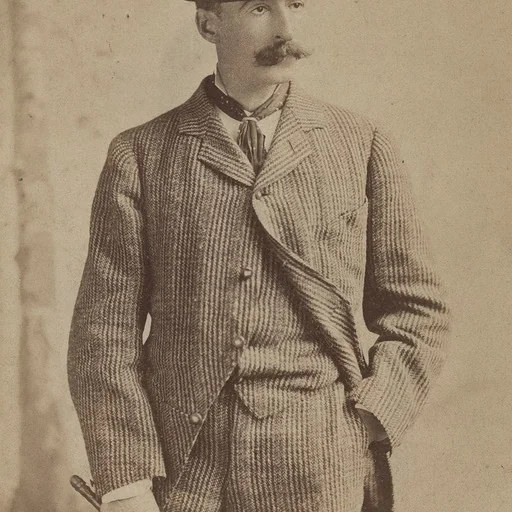
Artist
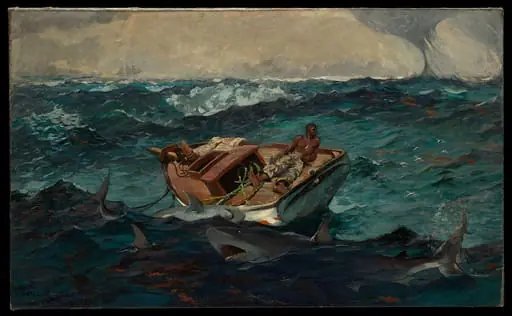
Winslow Homer (February 24, 1836 – September 29, 1910) was an American landscape painter and illustrator, best known for his marine subjects.

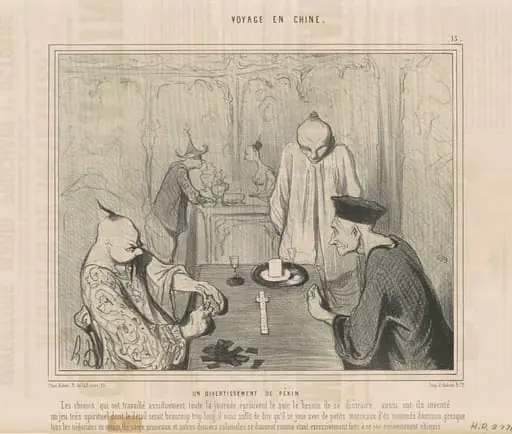
- Un divertissement de pékin
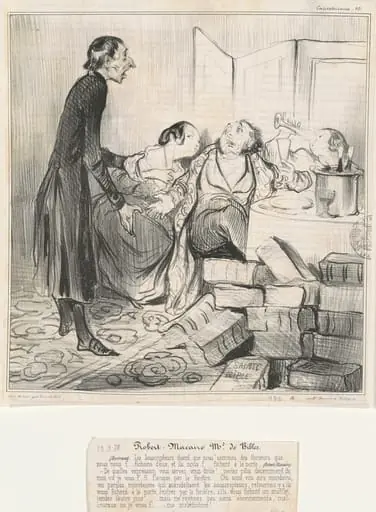 Robert Macaire Md de Bibles
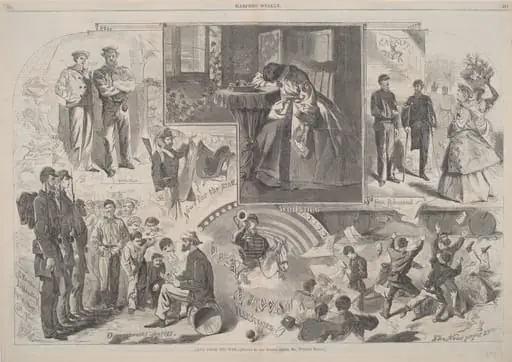 News from the War
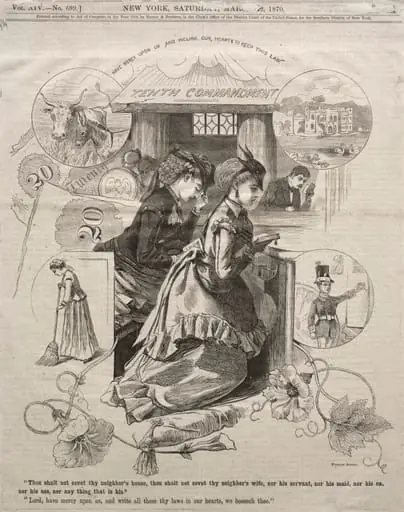 Tenth Commandment
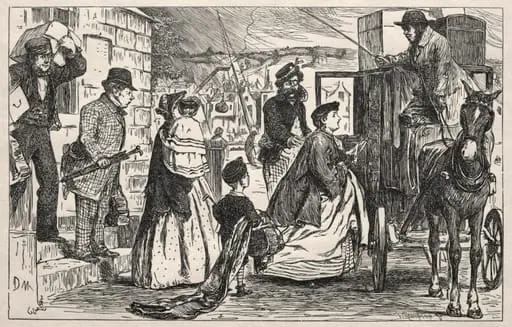 Our Brilliant Failure
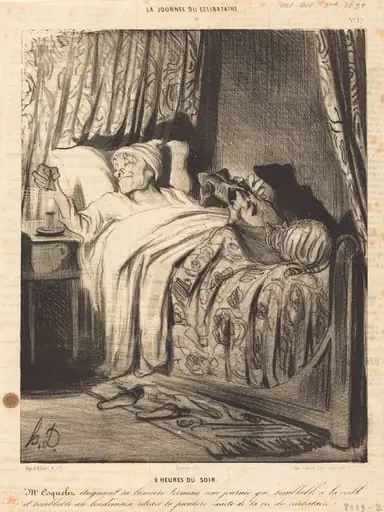 9 heures du soir
 A group of Chinese figures at a street corner
 Untitled
 Adresse de Labric
 Comment on passe ses soirées en chine
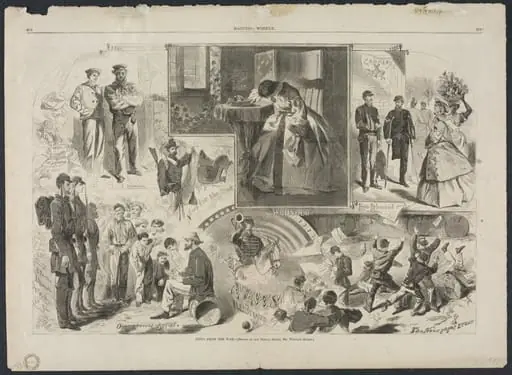 News from the War
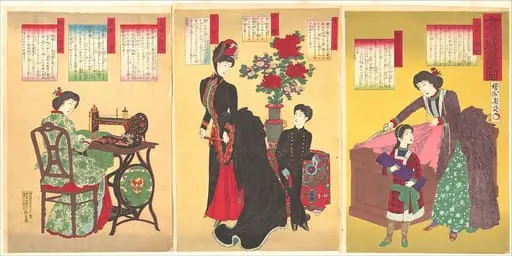 楊洲周延画 『女官洋服裁縫之図』|Court Ladies Sewing Western Clothing (Jokan yōfuku saihō no zu)