Artist
Subject
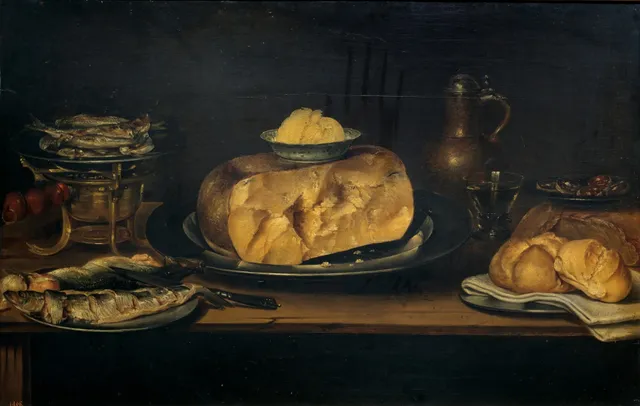
Cheese is a subject in art. The gallery holds 27 works in this subject in art, including works by Pieter Claesz, Jan Steen and Luis Egidio Meléndez.
Cheese is a type of dairy product produced in a range of flavors, textures, and forms by coagulation of the milk protein casein. It is composed of proteins and fat from milk, usually of cows, goats or sheep, and sometimes of water buffalo.
Artist
Cheese, a dairy product produced by coagulating milk protein casein, has served as a recurring motif in art from the Dutch Golden Age to the present day. Its appearance in painting reflects both its status as a staple food and its deeper cultural resonances. The subject appears in 27 works in the collection under discussion, ranging from still lifes to genre scenes, with titles including Still Life with Cheese, Et frokostbord, Picnic on the banks of the Manzanares, and Bodegón con manzanas pan queso y recipientes. As a painted subject, cheese offers artists a vehicle for exploring texture, abundance, national identity, and the pleasures of the senses.
In art, cheese carries layered meanings that shift with context. In Dutch Golden Age still lifes, cheese functioned as a symbol of prosperity and national pride, given the central role of cheese export in the Dutch economy. The depiction of stacked cheeses on expensive damask tablecloths, as in works by Floris van Dijck, signaled wealth and commercial success. Physicians' manuals of the period recommended cheese at meals to 'close the stomach,' lending the depictions a veneer of health and propriety that countered readings of mere gluttony. The plugged hole left by a cheese taster's scoop, visible in Clara Peeters' work, invited viewer participation and sensory engagement. In the 20th century, cheese acquired more conceptual associations: Salvador Dalí famously attributed the melting clocks in The Persistence of Memory to the sight of a soft Camembert, transforming the food into a metaphor for the malleability of time and space. René Magritte's Ceci est un morceau de fromage played with questions of representation and reality, while Roy Lichtenstein's Swiss cheese motifs carried social and political critique.
The treatment of cheese in art evolved significantly across periods. In the early 17th century, Dutch and Flemish painters developed the breakfast piece (ontbijtje), with cheese as a central element among imported and local foods. Artists like Clara Peeters and Floris van Dijck employed elevated viewpoints and meticulous detail to showcase texture and material abundance. A century later, Jean-Baptiste-Siméon Chardin refined this approach in France, subordinating cheese to formal considerations of color and tone in more restrained compositions. In the 19th century, American painter Raphaele Peale and French artist Antoine Vollon continued the still life tradition with emphasis on naturalistic color and texture. The 20th century brought rupture: Magritte's conceptual games, Dalí's surrealist biomorphism, and Lichtenstein's Pop art appropriation of Swiss cheese all detached the motif from its origins in naturalistic depiction. Contemporary artists including Mike Geno, Vik Muniz, Cosimo Cavallaro, and Tom Friedman have continued this experimental trajectory, employing cheese as medium, metaphor, and subject in installations and paintings that question the boundaries between food and art.
Clara Peeters' Still Life with Cheeses, Almonds and Pretzels stands as perhaps the most celebrated cheese painting, featuring a halved Gouda with visible taster's hole and a greenish Edam, the knife pointing outward to invite the viewer. Peeters, one of few female artists working in early 17th-century Antwerp, produced multiple versions of this composition and often concealed her signature on knife handles. Floris van Dijck's Still Life with Cheese rendered stacked cheeses with monumental gravity on red damask, asserting economic pride. Chardin's Jar of Apricots and Still Life with Copper Pot, Cheese and Eggs demonstrated French refinement in cheese depiction. Raphaele Peale's Cheese with Three Crackers marked American still life's emergence, while Antoine Vollon's Brie on straw celebrated pure formal beauty. Dalí's The Persistence of Memory (1931), inspired by Camembert, became one of art history's most reproduced images. Contemporary practitioner Mike Geno has painted approximately 400 cheese-focused works since 2011, working from life at cheese counters.
Cheese's afterlife in visual culture extends beyond painting into institutional and popular realms. The Dutch Cheese Museum, founded in 1983 in Alkmaar's historic weigh house, exhibits paintings among artifacts of cheese history, reflecting the motif's enduring connection to national heritage. The Musée du Fromage in Paris, opened more recently, frames cheese as embodying 'refinement and nobility, tradition and know-how, richness and diversity.' In contemporary art, cheese has served as building material for political statement, as in Cavallaro's cheese wall at the US-Mexico border, and as medium for photographic reconstruction in Vik Muniz's work. The subject's trajectory from Dutch commercial pride through surrealist metaphor to conceptual and installation art demonstrates its remarkable flexibility as cultural signifier. The continued production of cheese paintings by artists like Geno, and the motif's presence in museum collections worldwide, attest to its persistent hold on the artistic imagination across four centuries.
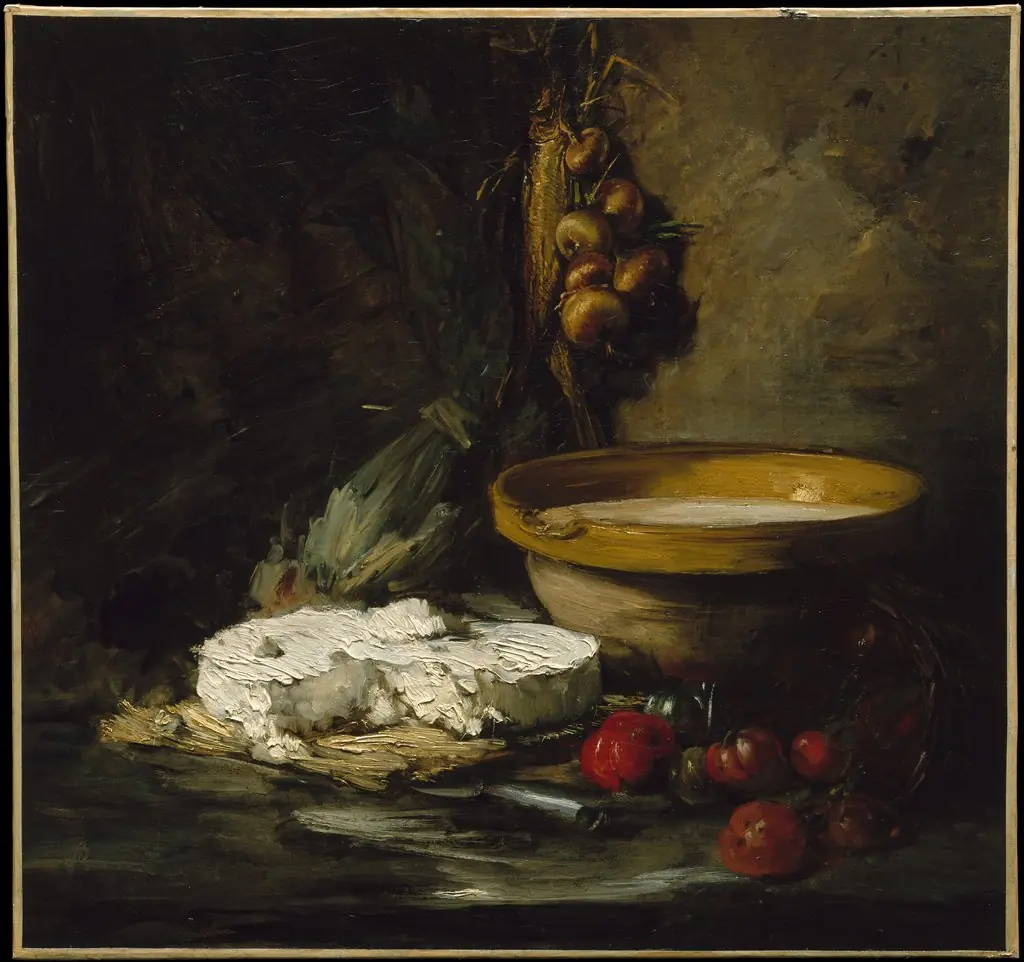 Still Life with Cheese
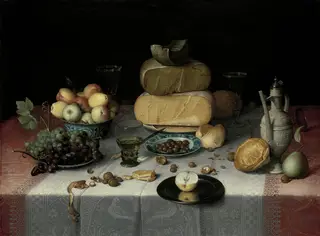 Still Life with Cheese
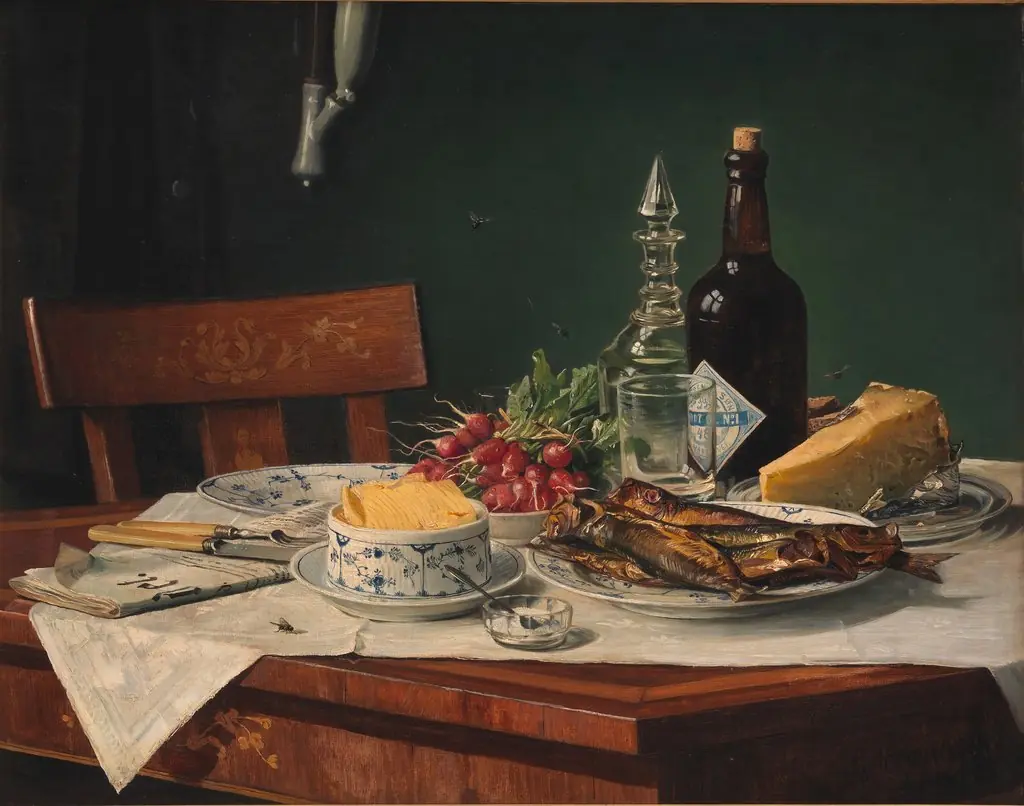 Et frokostbord
 Picnic on the banks of the Manzanares
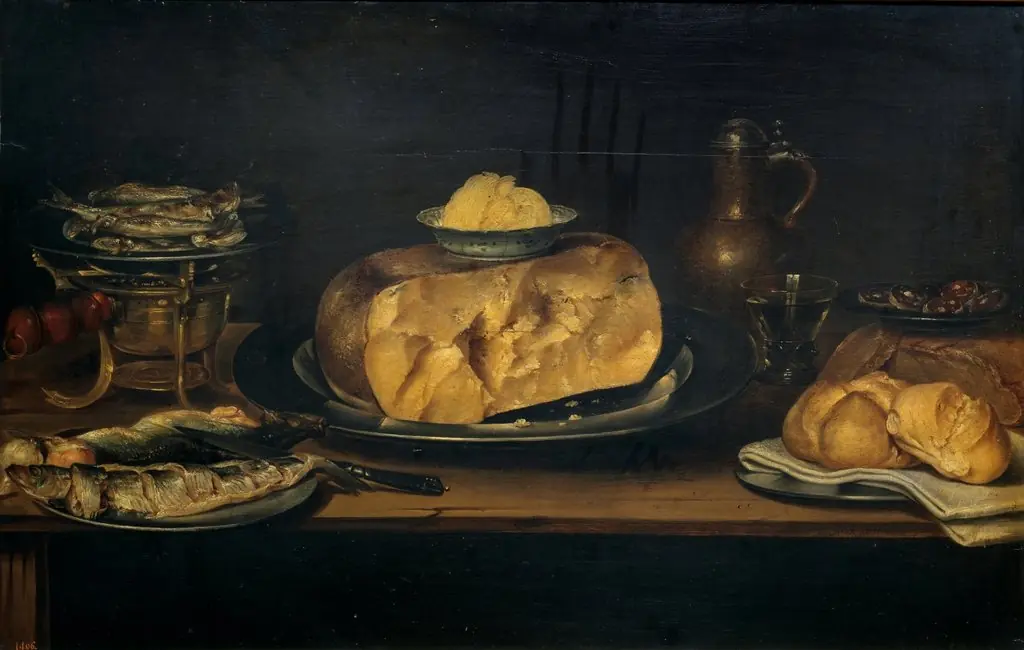 Still life of a table with crockery, cheese, sausage and fish
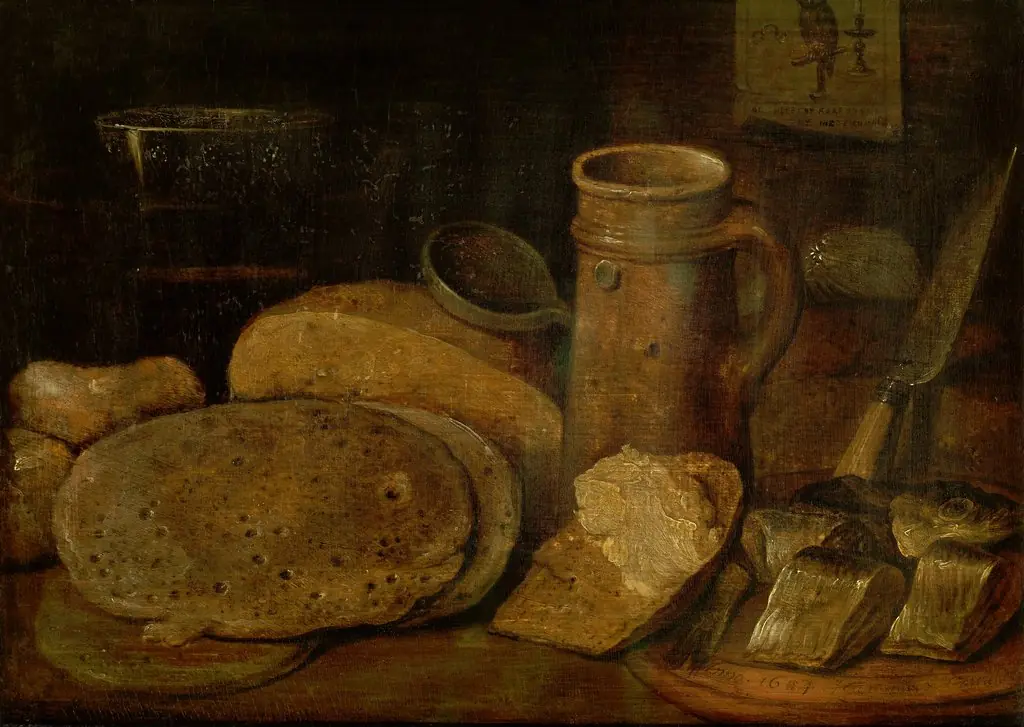 Still life with pottery, herring and pancakes, a print of an owl on the wall
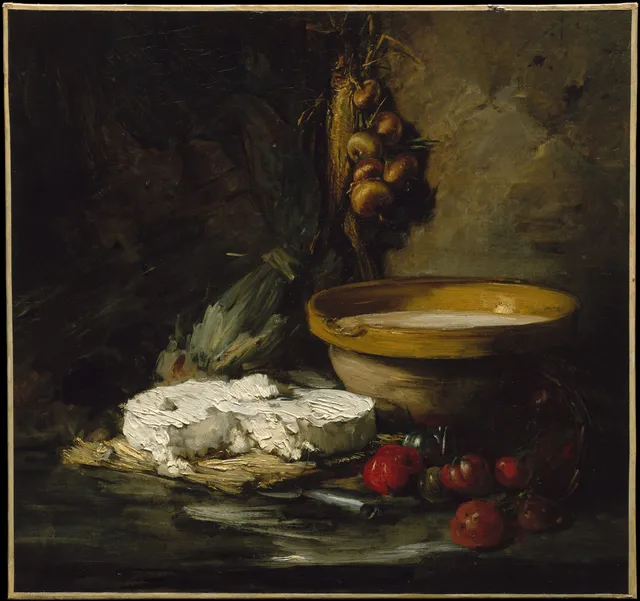
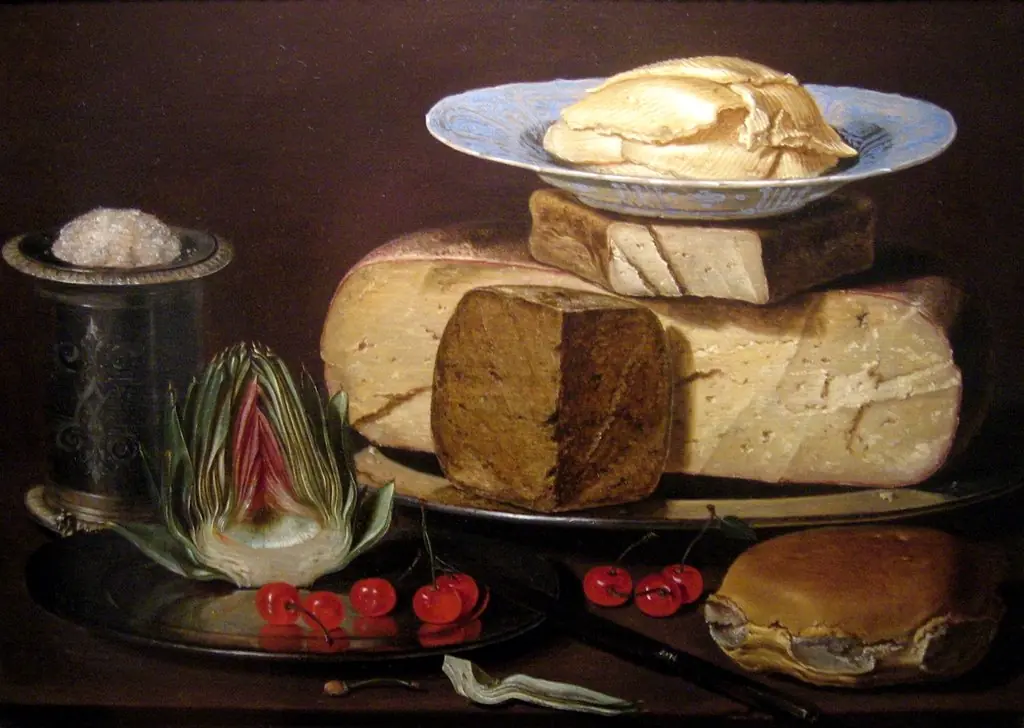 Still life with cheese, artichoke and cherries
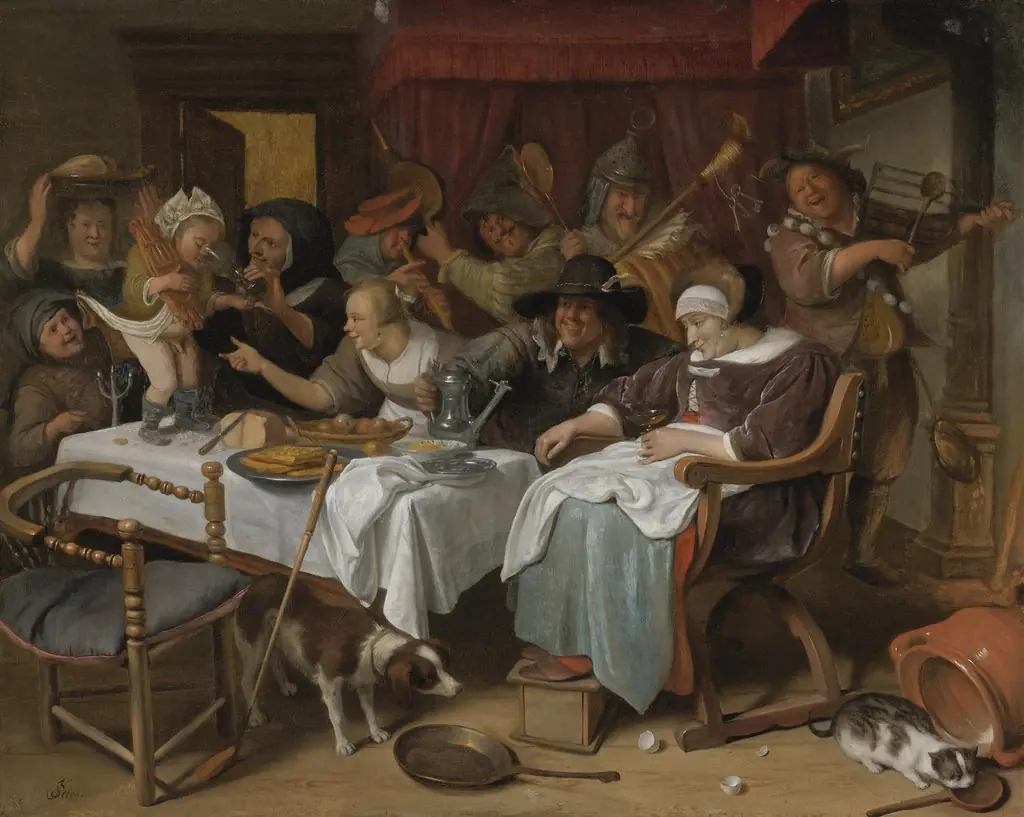 Twelfth Night
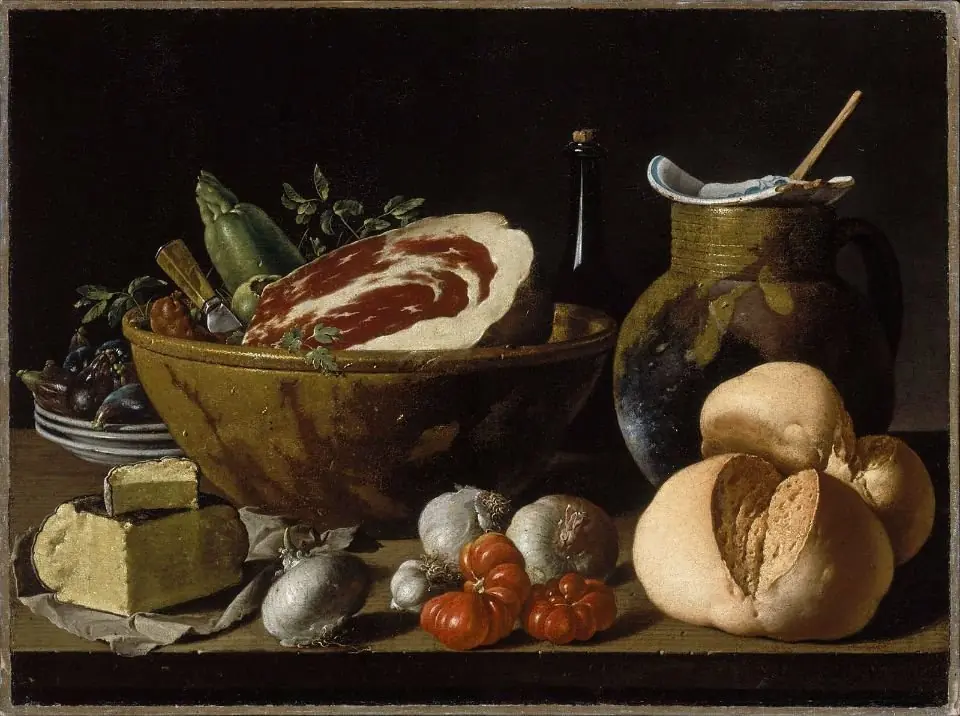 Still Life with Bread, Ham, Cheese, and Vegetables.Museum of Fine Art Boston
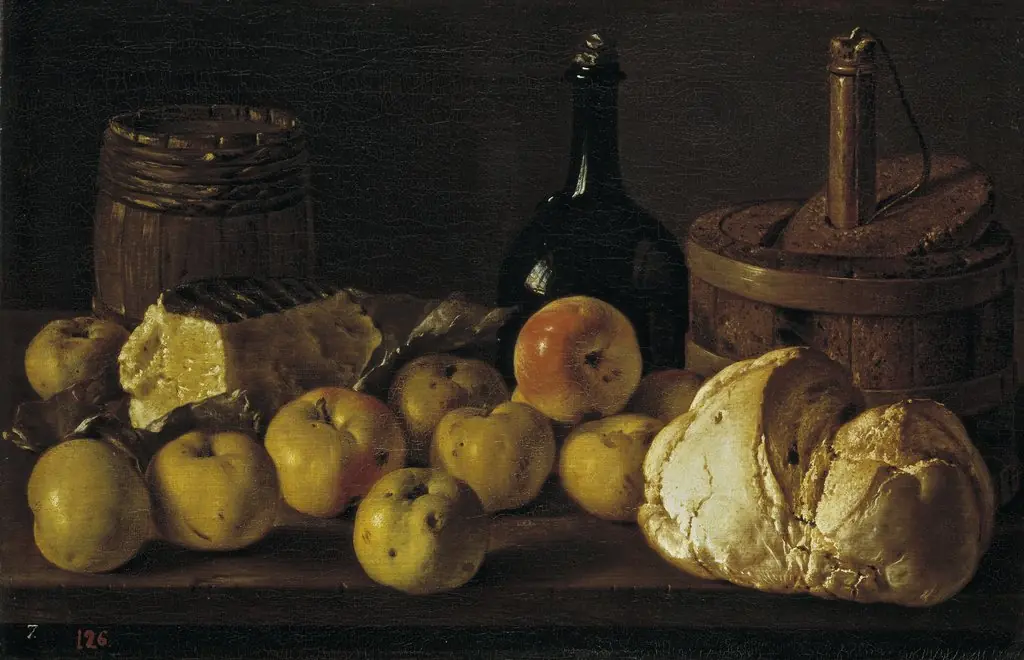 Bodegón con manzanas pan queso y recipientes
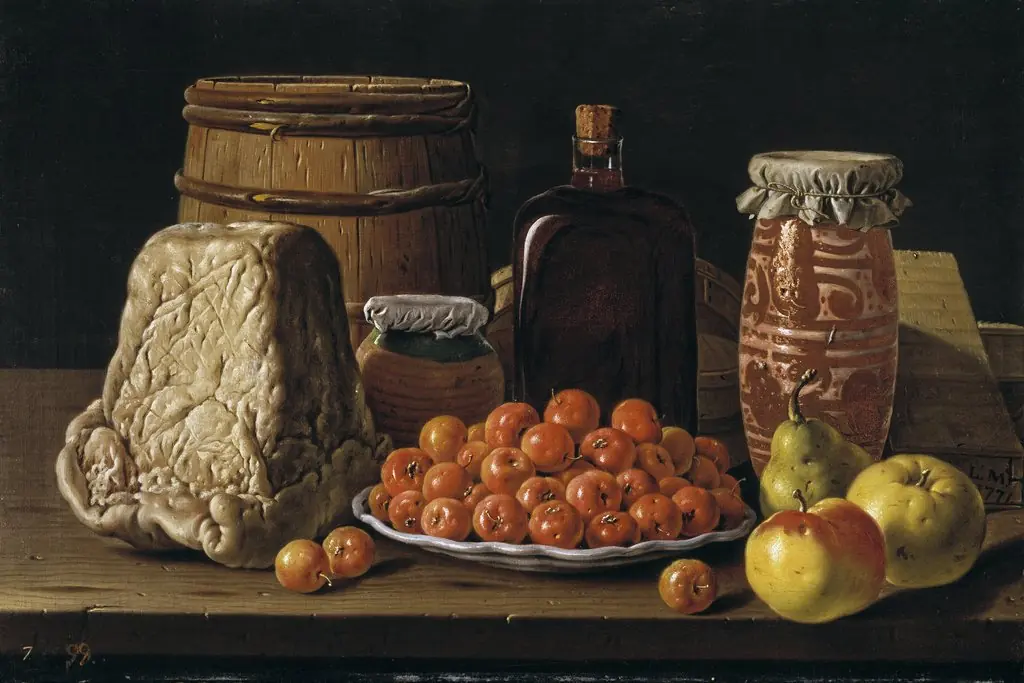 Still Life with Fruit and Cheese
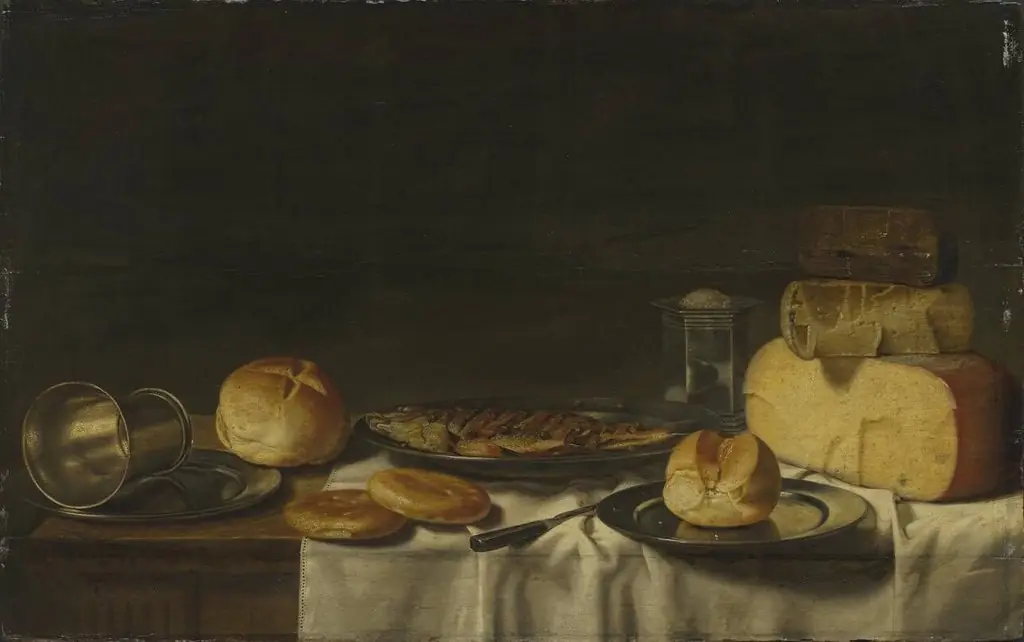 Still life of laid table with cheese
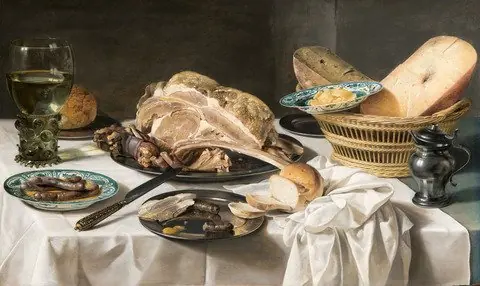 Breakfast Still Life with a Ham and a Basket of Cheese
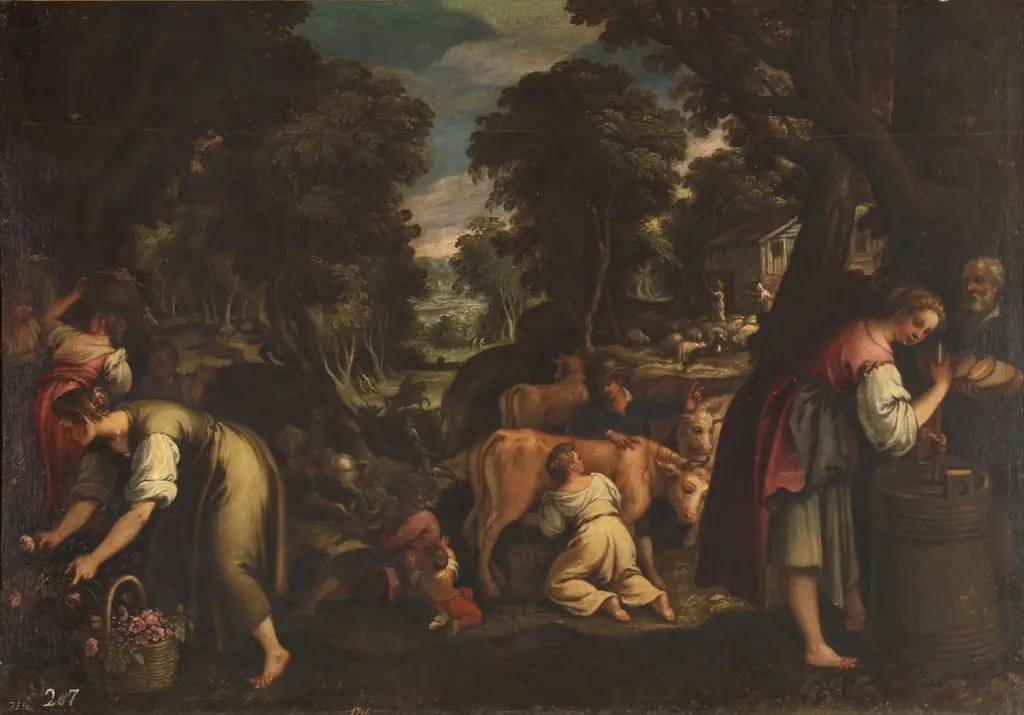 Rural labours or Spring
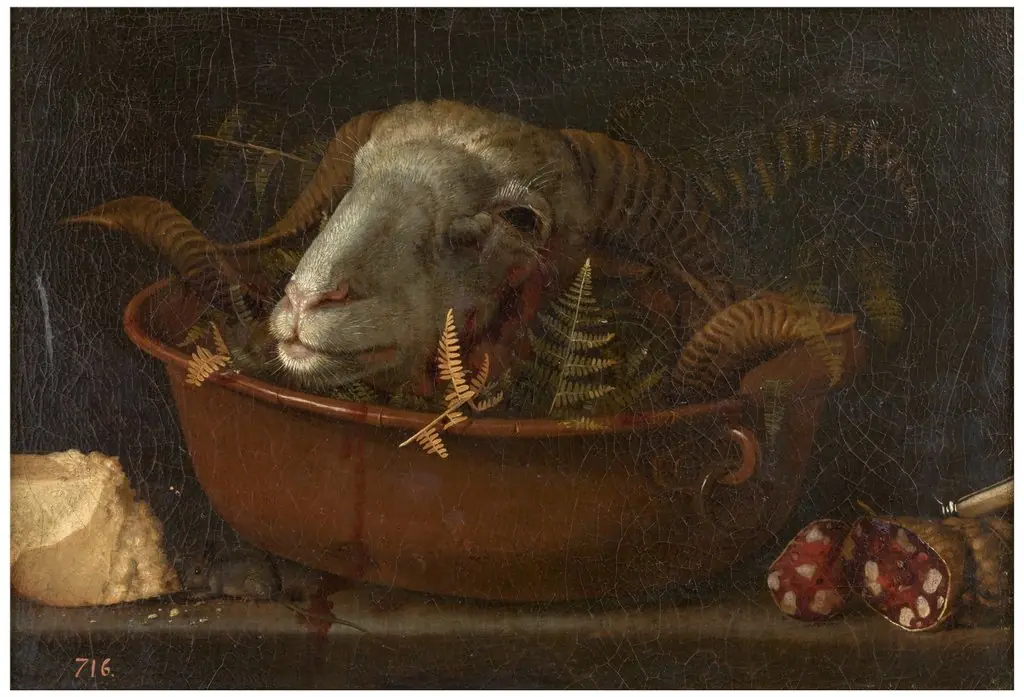 Still life with ram head
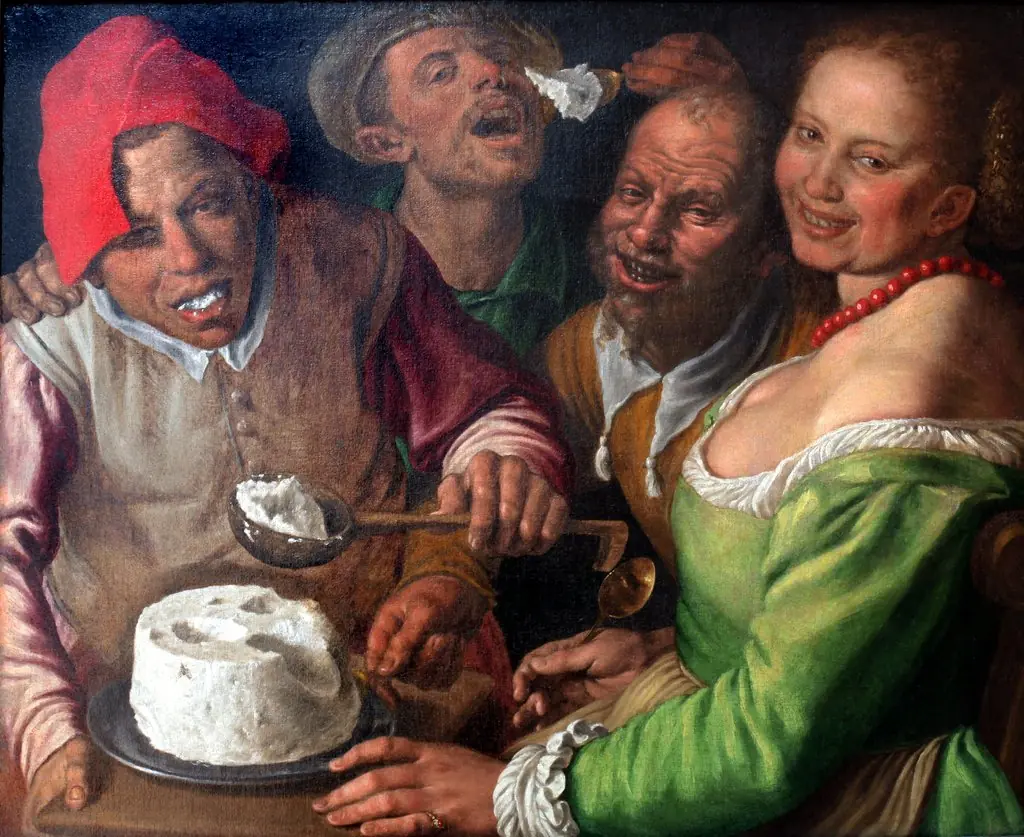 The Ricotta Eaters
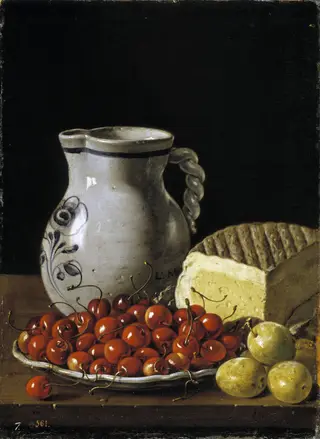 Still Life with a Plate of Cherries Plums a Pitcher and Cheese
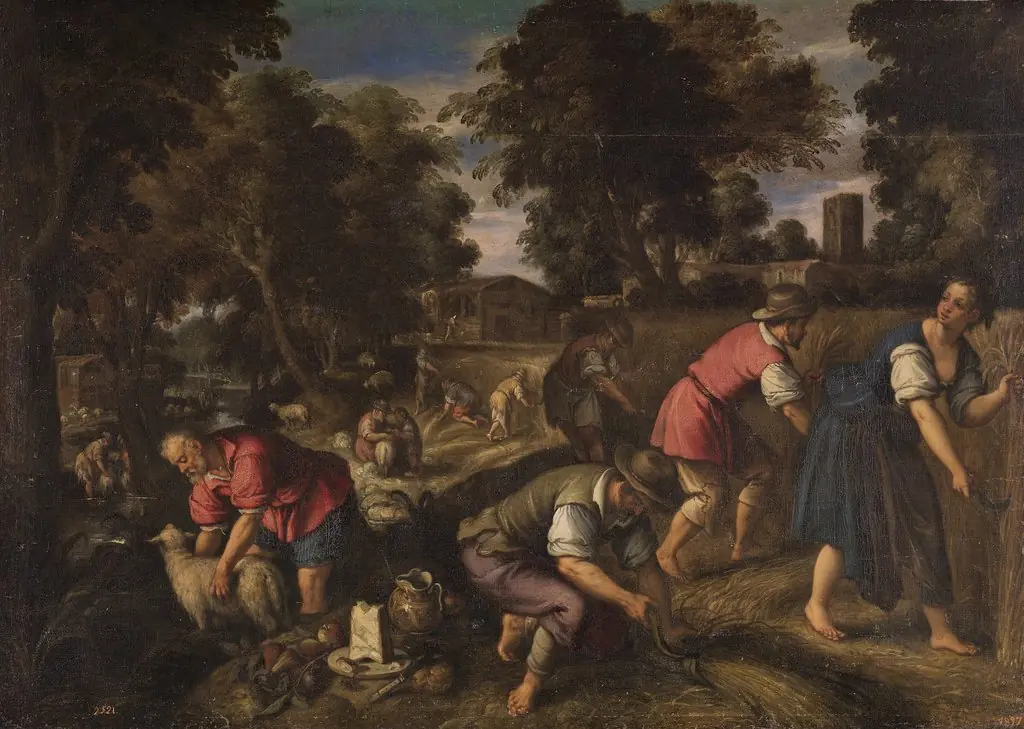 Mowing and Shearing, or The Summer
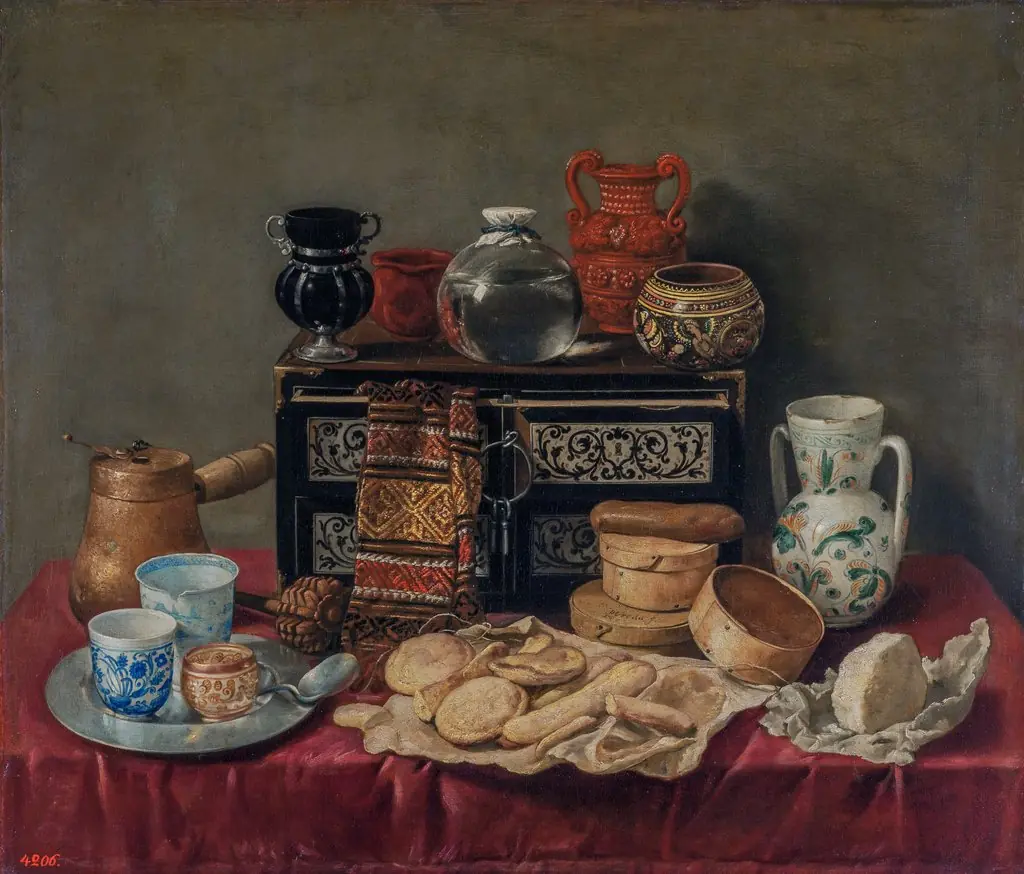 Still-Life with an Ebony Chest
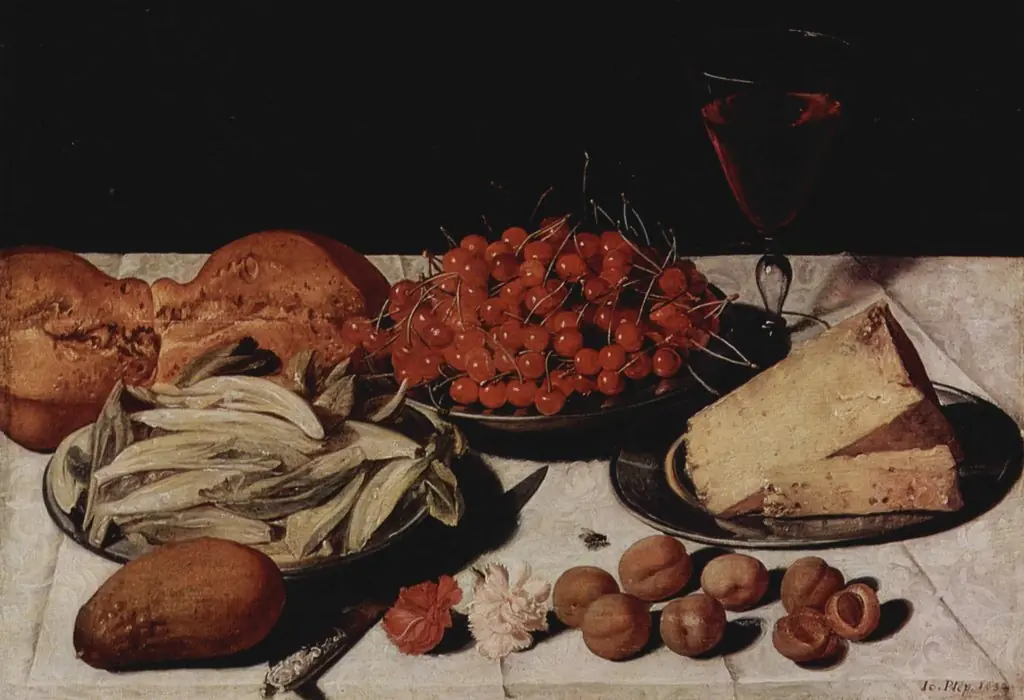 Still Life
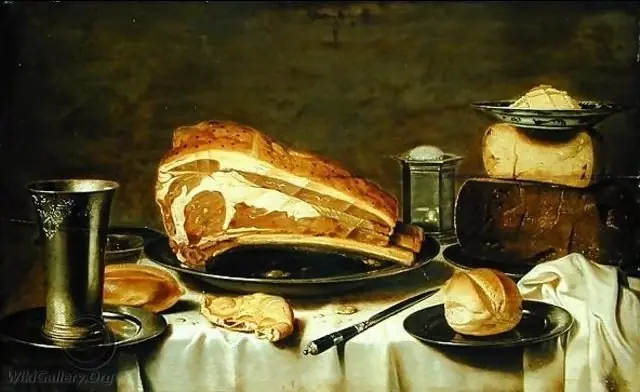 Still life of a laid table with cheese, meat and bread
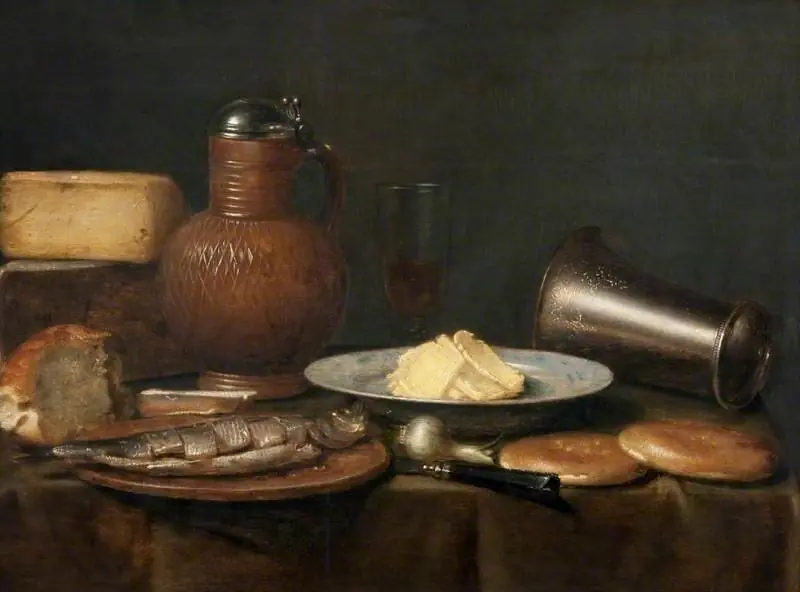 Still Life, a Breakfast Piece
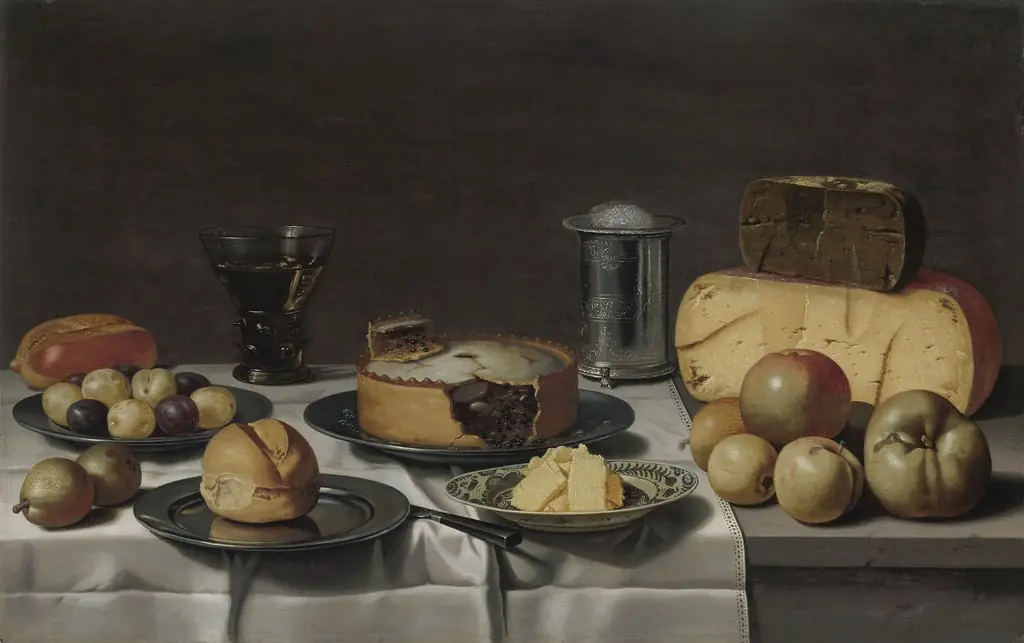 A Dutch breakfast
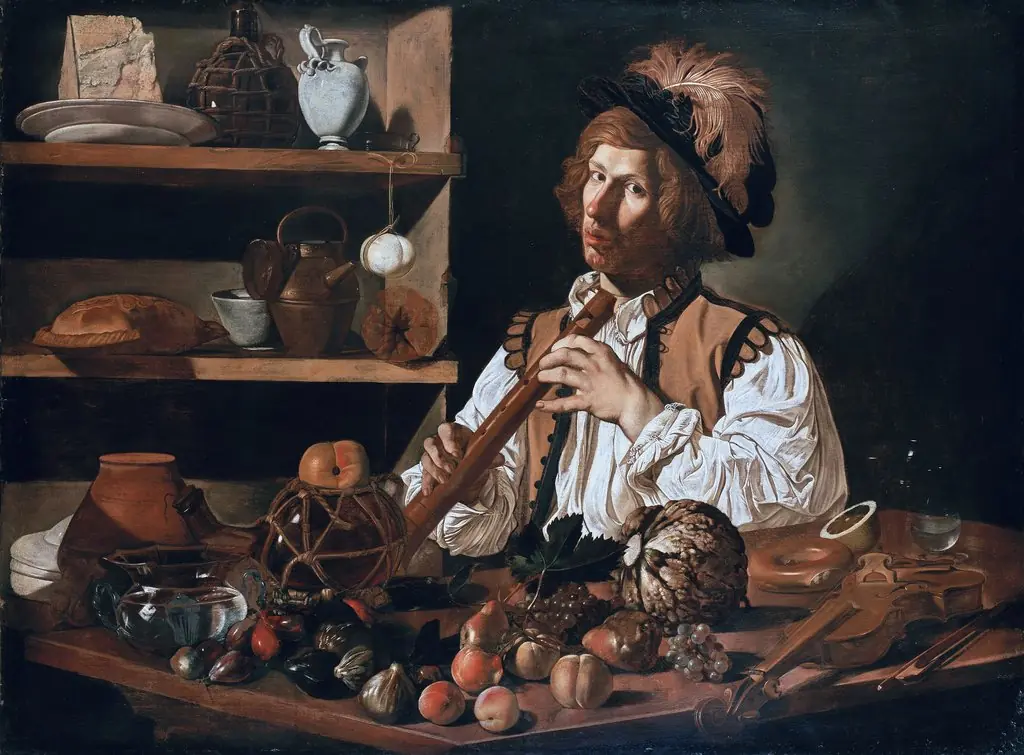 The Fluteplayer
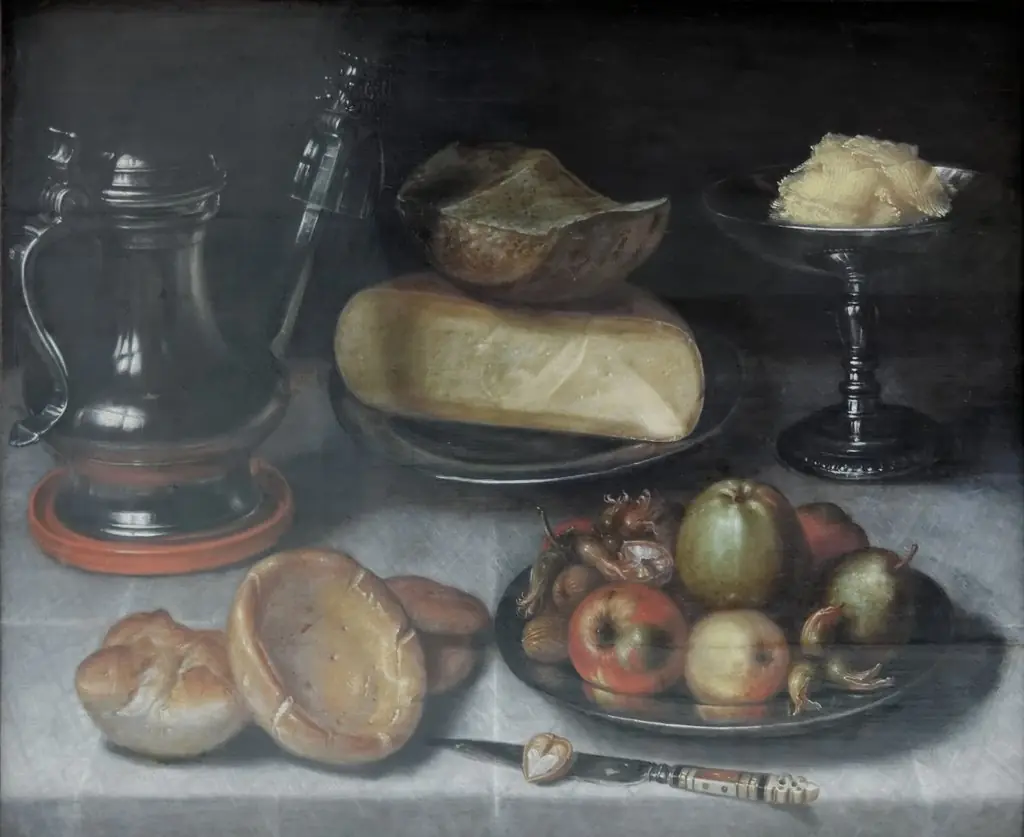 Still Life with Pewter Jug, Fruit and Cheese
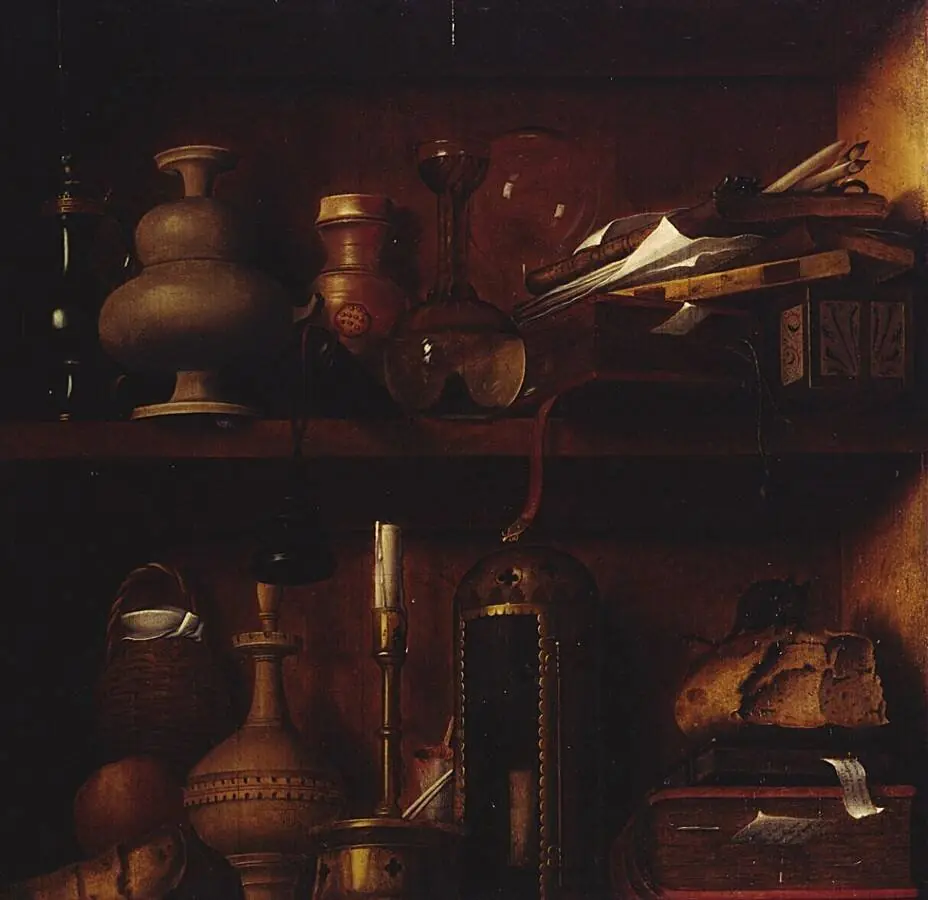 Still life in a Cupboard, 1538
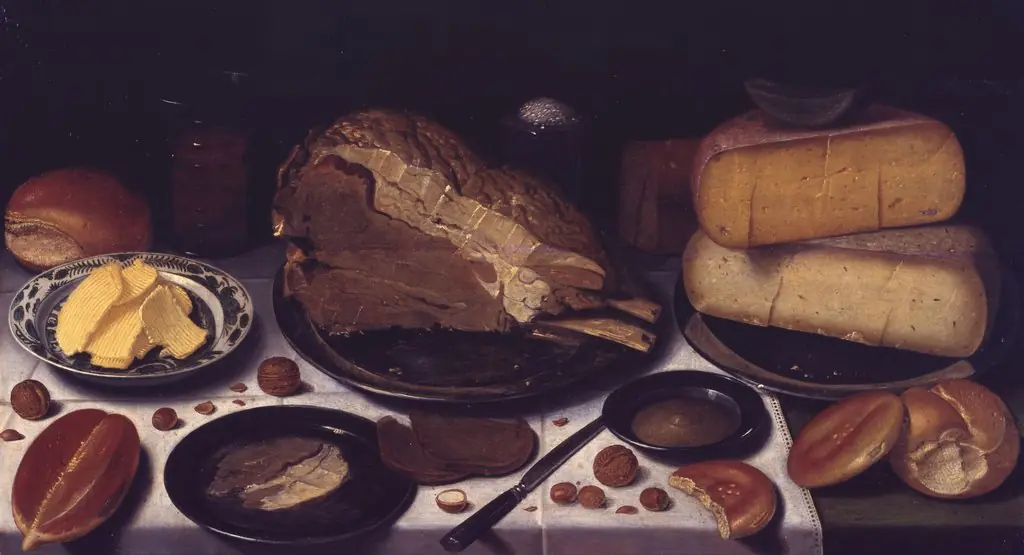 Breakfast
Cheese is a type of dairy product produced in a range of flavors, textures, and forms by coagulation of the milk protein casein.
Artifact World Gallery holds 27 public-domain Cheese works, all free to view and download.
Key Cheese artists in the collection include Pieter Claesz, Jan Steen and Luis Egidio Meléndez.
Cheese works in the collection are held by Museo del Prado, Museum of Fine Arts Boston and Los Angeles County Museum of Art.
Your cart is empty
Browse artworks →