Subject
Basketry
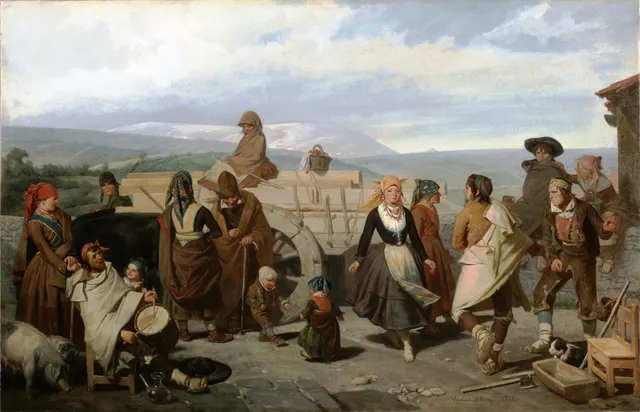
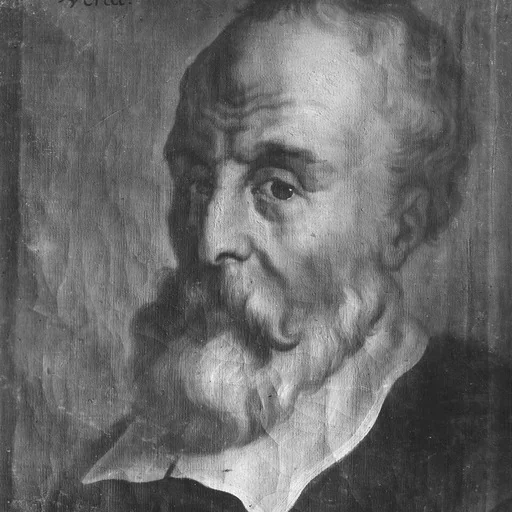
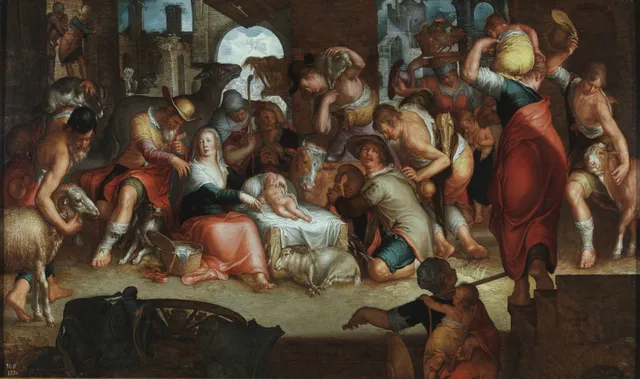
Basketry is a subject in art. The gallery holds 55 works in this subject in art, including works by Paolo Veronese, Peter Paul Rubens and Gerard David.
A basket is a container that is traditionally constructed from stiff fibers, and can be made from a range of materials, including wood splints, runners, and cane. While most baskets are made from plant materials, other materials such as horsehair, baleen, or metal wire can be used.
Key artists



Overview
Basketry is the craft of weaving or sewing pliable materials into three-dimensional containers, traditionally constructed from stiff fibers such as wood splints, runners, and cane. While plant materials form the primary medium, weavers also utilize horsehair, baleen, and metal wire. The practice predates pottery, addressing fundamental needs for harvesting, storage, and transport. Because natural materials decay, early baskets rarely survive, though the oldest known complete basket dates back 10,500 years and was discovered in the Negev. Earlier evidence of the craft exists in impressions left on clay fragments and cave floors. Over millennia, this utilitarian craft evolved into a significant art form, allowing makers vast freedom in color, pattern, and shape.
Iconography & meaning
Beyond their utilitarian roles, baskets carry deep ceremonial and symbolic meanings. In various cultures, specialized baskets serve religious functions or act as sieves, rattles, and fans for ritual use. In Ancient Greek art, women carrying baskets on their heads are known as canephorae, a motif linking the vessel to offering and civic duty. The basket also permeates language and metaphor. The Latin root panarium specifically denotes a bread basket, anchoring the object in sustenance. Colloquial phrases like placing all eggs in a single basket use the vessel as a metaphor for risk, while the idiom of going to hell in a handbasket implies rapid deterioration. In British English, the word has also served as an adjective for illegitimacy.
Across movements & periods
The treatment and construction of baskets have shifted significantly across periods and cultures. Early archaeological evidence from the Pre-Pottery Neolithic phases of sites like Çatalhöyük and Nahal Hemar shows basketry used for storage and architectural purposes. In Oasisamerica, twined baskets date to 7000 BCE, while interwoven techniques were common by 3000 BCE. Regional plant life dictated materials and techniques, from palm and bamboo in tropical zones to willow and ash in temperate areas. During the Industrial Revolution, baskets became essential in factories and for deliveries, and wicker furniture emerged as a Victorian fashion. During the World Wars, pannier baskets dropped supplies to troops. Today, the craft has seen a resurgence as an art form, with contemporary makers incorporating modern materials like plastic and carbon fiber alongside traditional fibers.
Notable depictions
While individual artists are rarely attached to the ancient survival of basketry, the craft itself has produced canonical works and typologies. The 10,500-year-old basket from the Negev stands as the oldest and largest complete specimen. Ancient Egypt is notable for producing the oldest known baskets, carbon dated to between 10,000 and 12,000 years ago, found in Faiyum. In the classical world, the canephorae of Ancient Greek art represent a notable iconographic depiction of basket bearers. Historically, specific European centers like Lichtenfels in Germany became renowned for their fine basketware, and the traditions of Polish basket making were recognized by UNESCO on the Representative List of the Intangible Cultural Heritage of Humanity.
Legacy
The legacy of basketry extends from ancient survival technique to contemporary design and art. The fundamental weaving methods, classified into coiled, plaited, twined, and wicker or splint basketry, remain the foundation of the craft today. While traditional hardwoods like oak and hickory defined early American baskets, reed and cane became predominant due to their availability and pliability. In the United Kingdom, willow remains a staple. Modern practitioners continue to push the boundaries of the medium, using materials like water hyacinth to address environmental pests while creating handicrafts. The craft also maintains its structural influence in other domains, from the wickerwork of hot air balloon gondolas to the goals of basketball and korfball, demonstrating the enduring versatility of the woven vessel.
Works
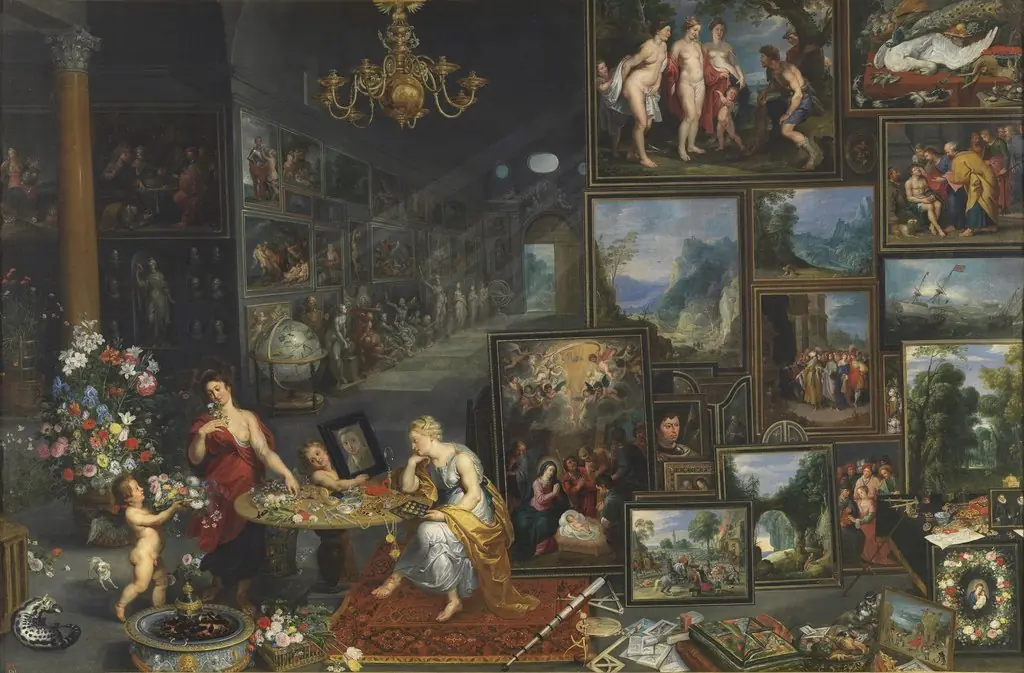 Allegory of Sight and Smell
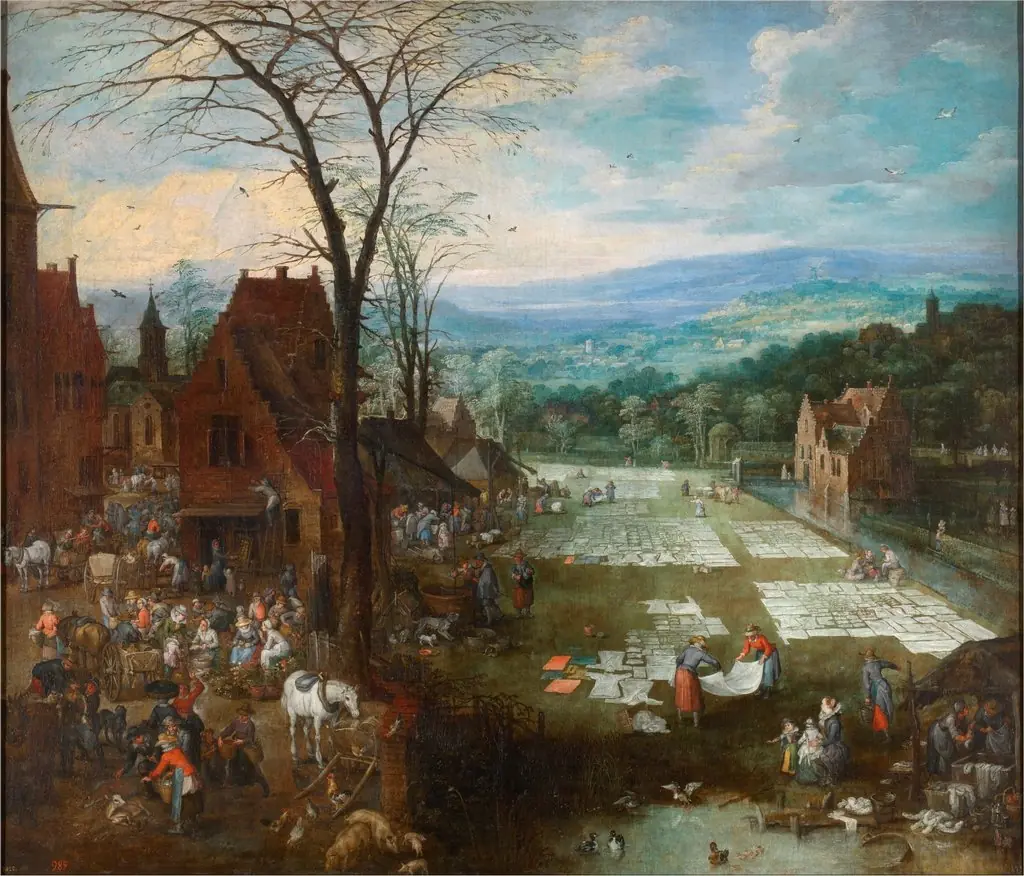 Flemish Market and Washing Place
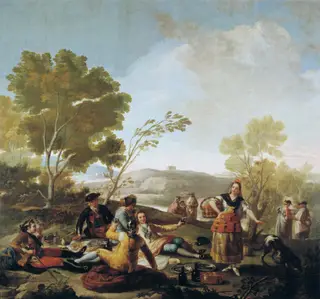 Picnic on the banks of the Manzanares
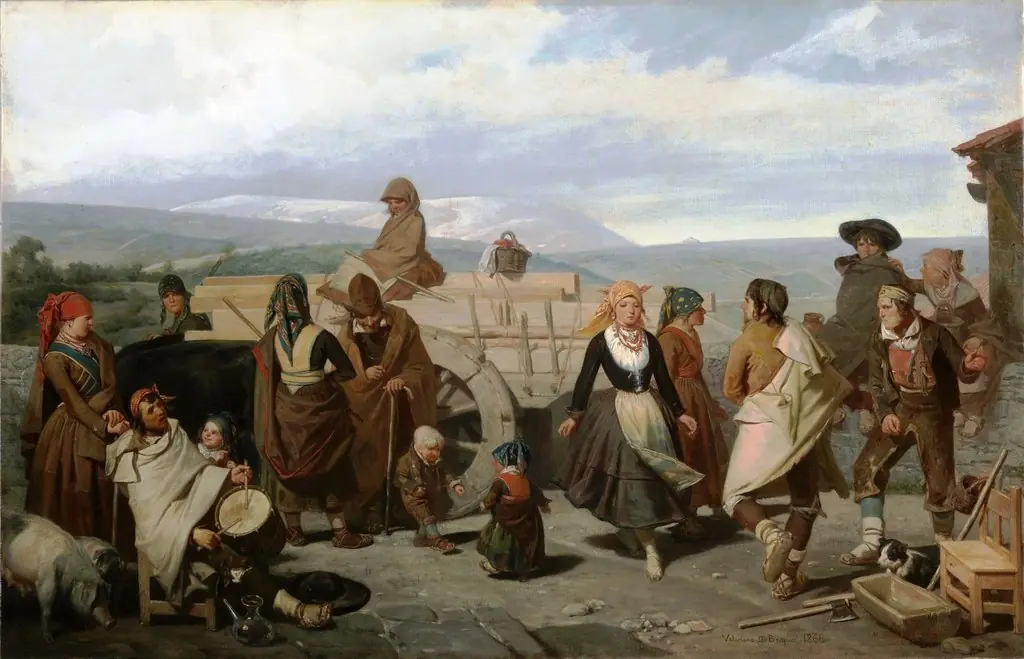 The Dance
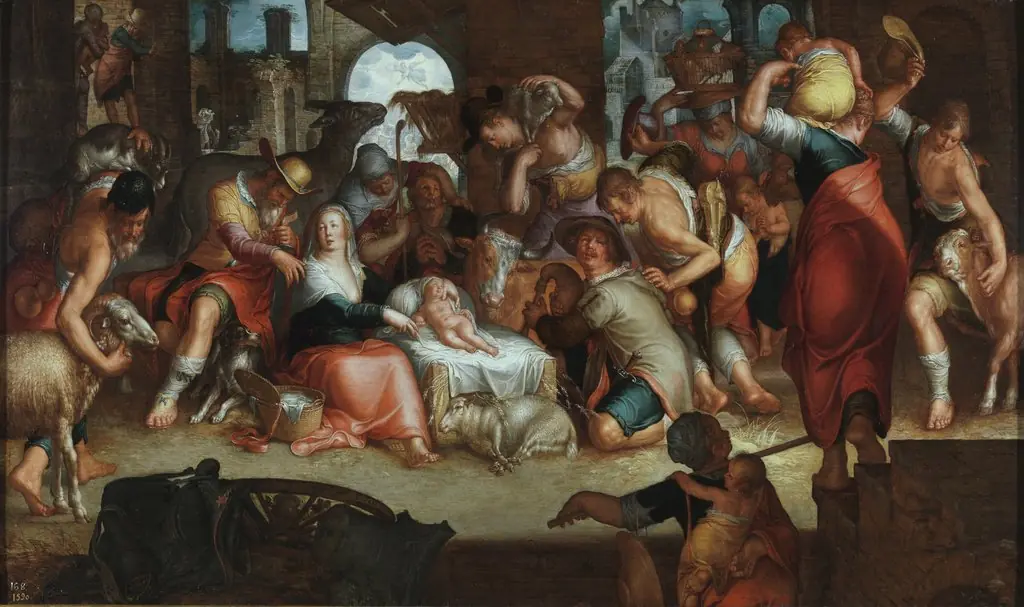 Adoration of the Shepherds
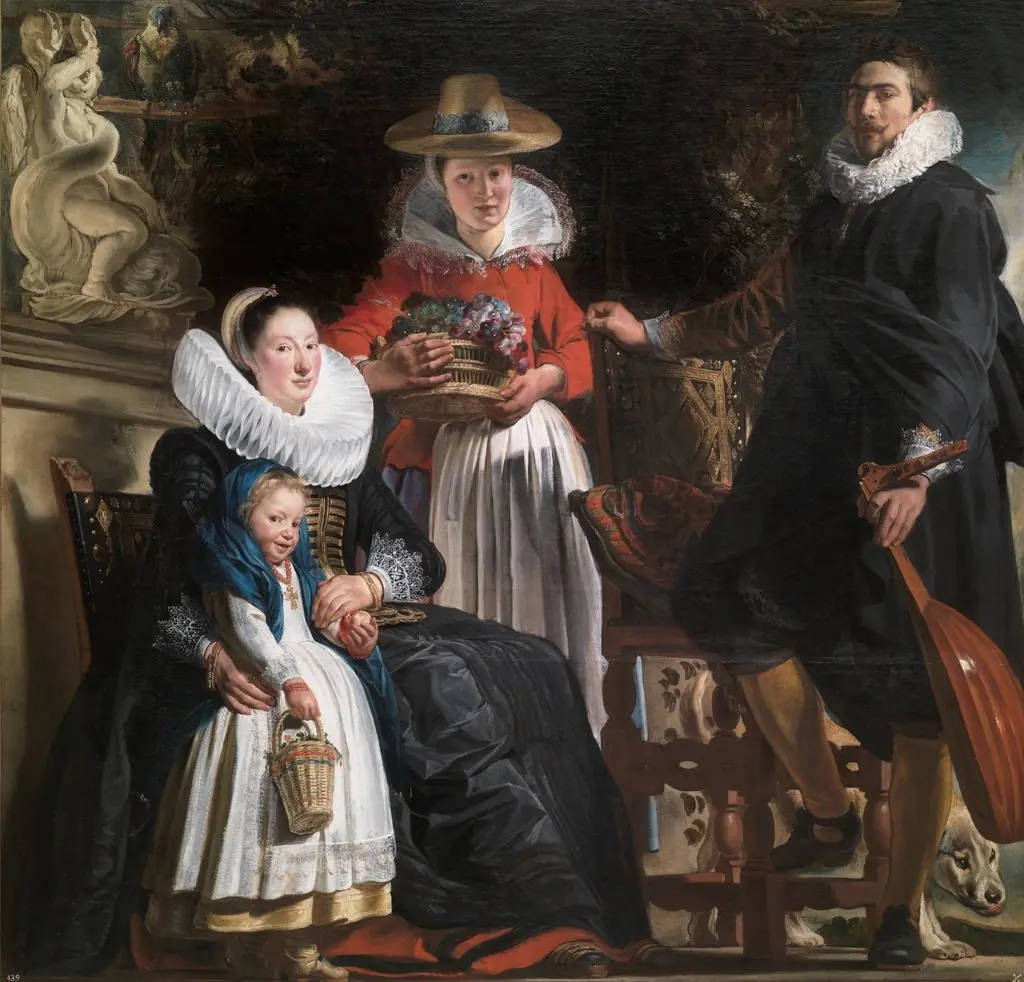 Portrait of the artist with his family
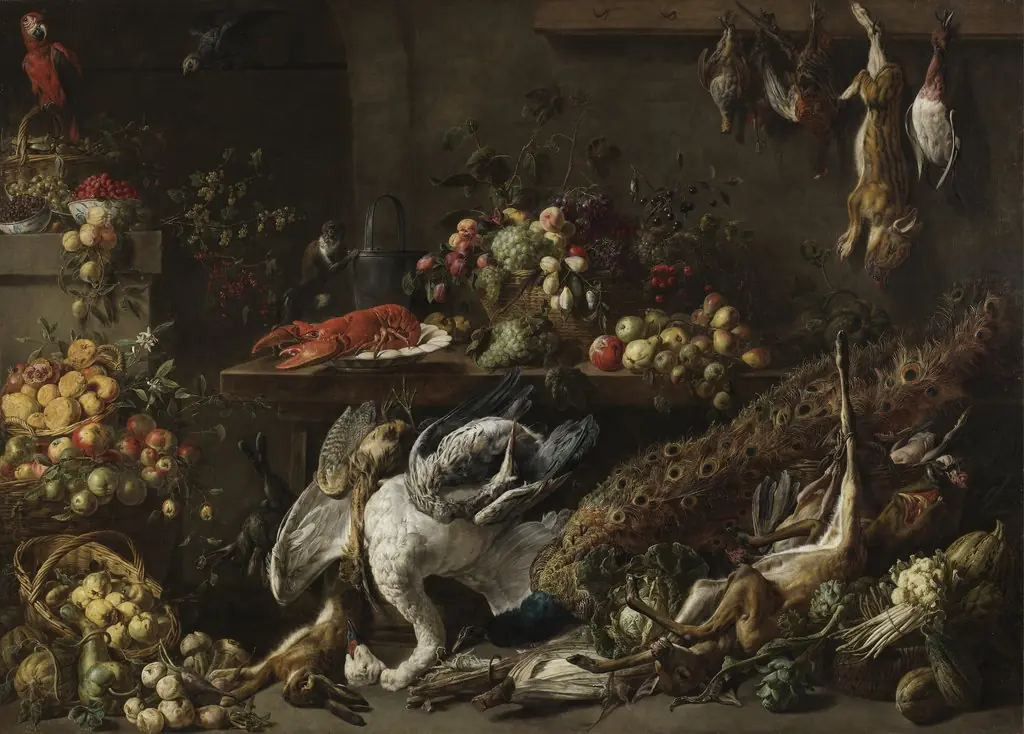 A Larder
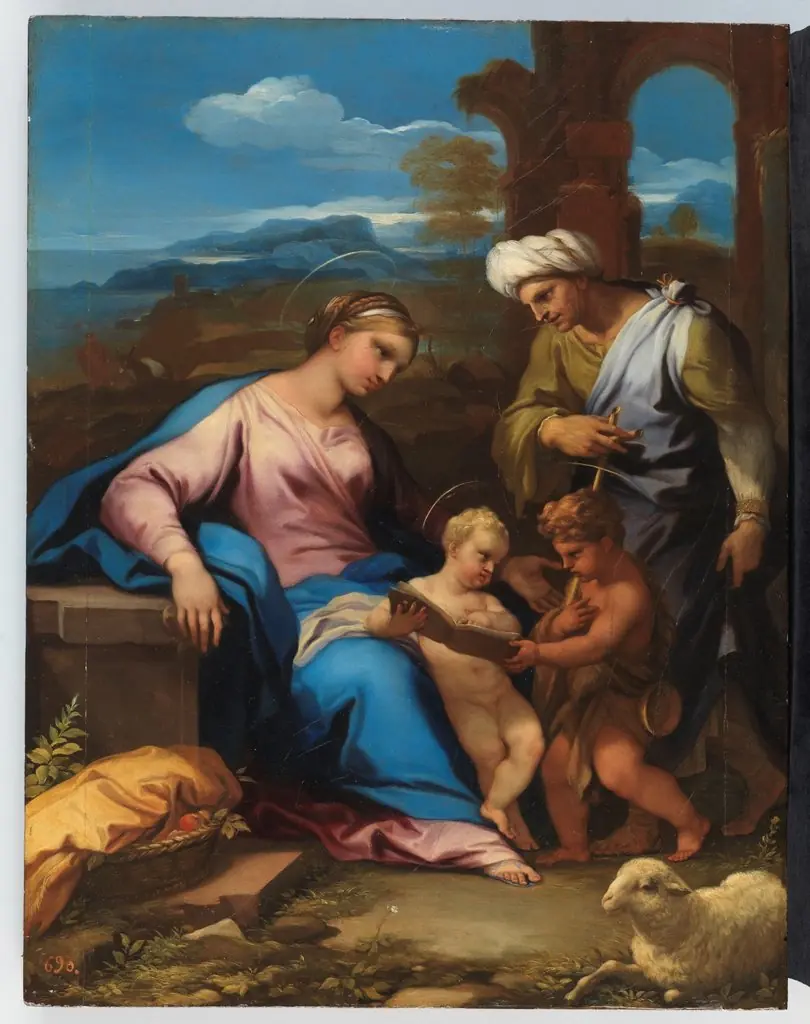 La Sagrada Familia con santa Isabel y san Juanito
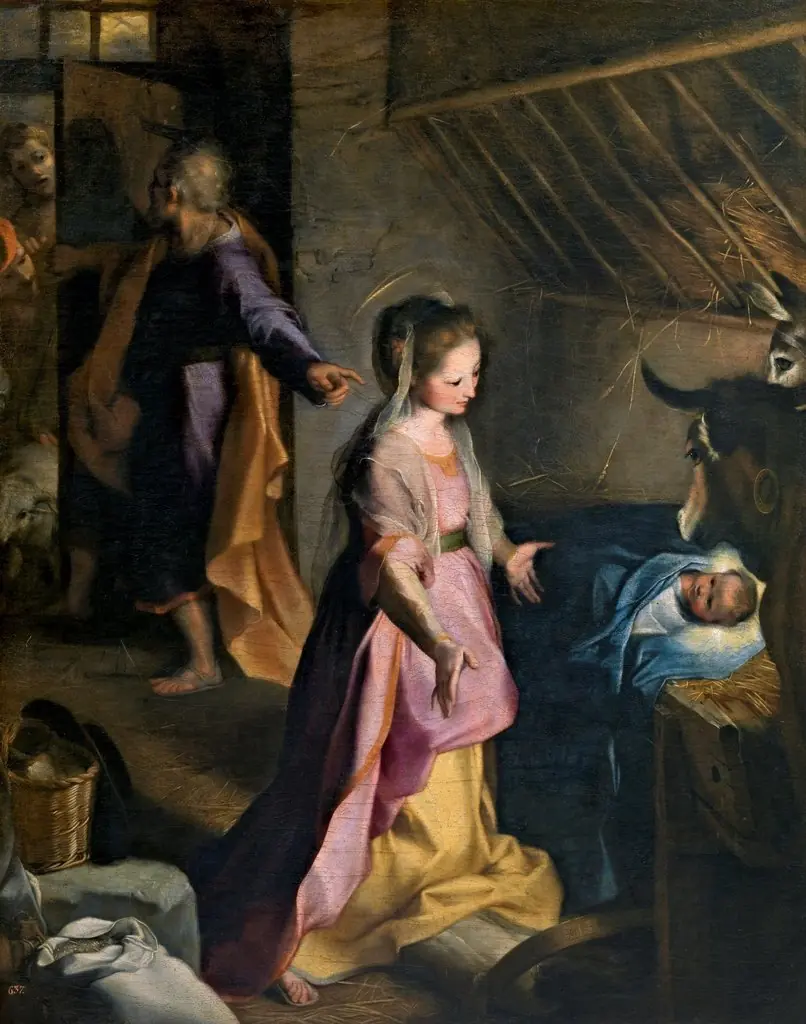 Nativity
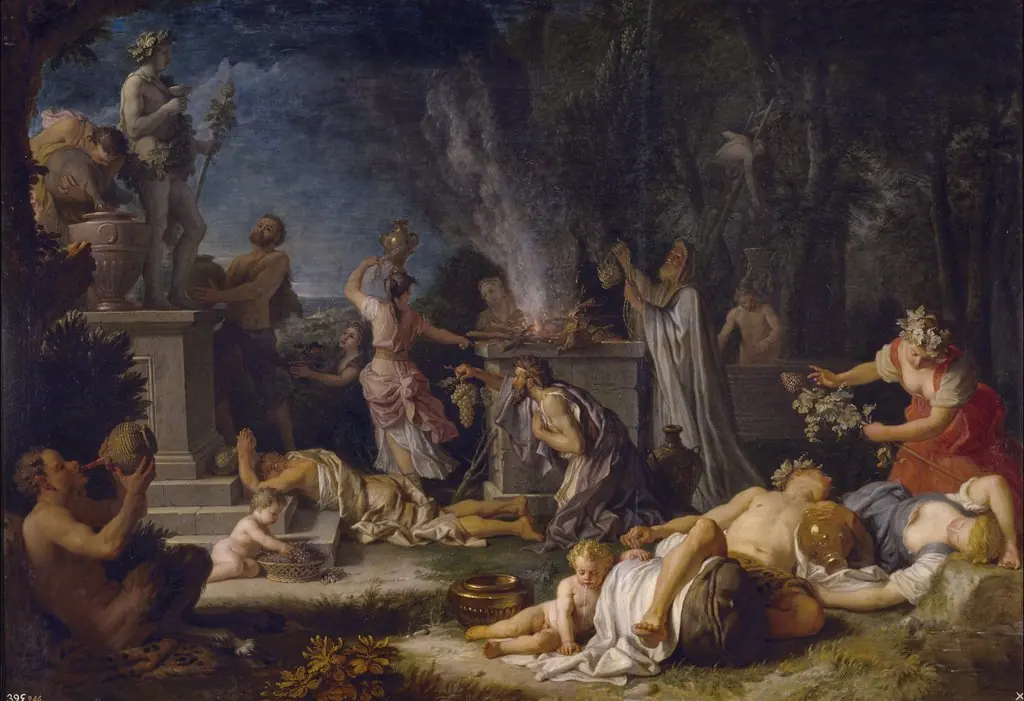 Offering to Bacchus
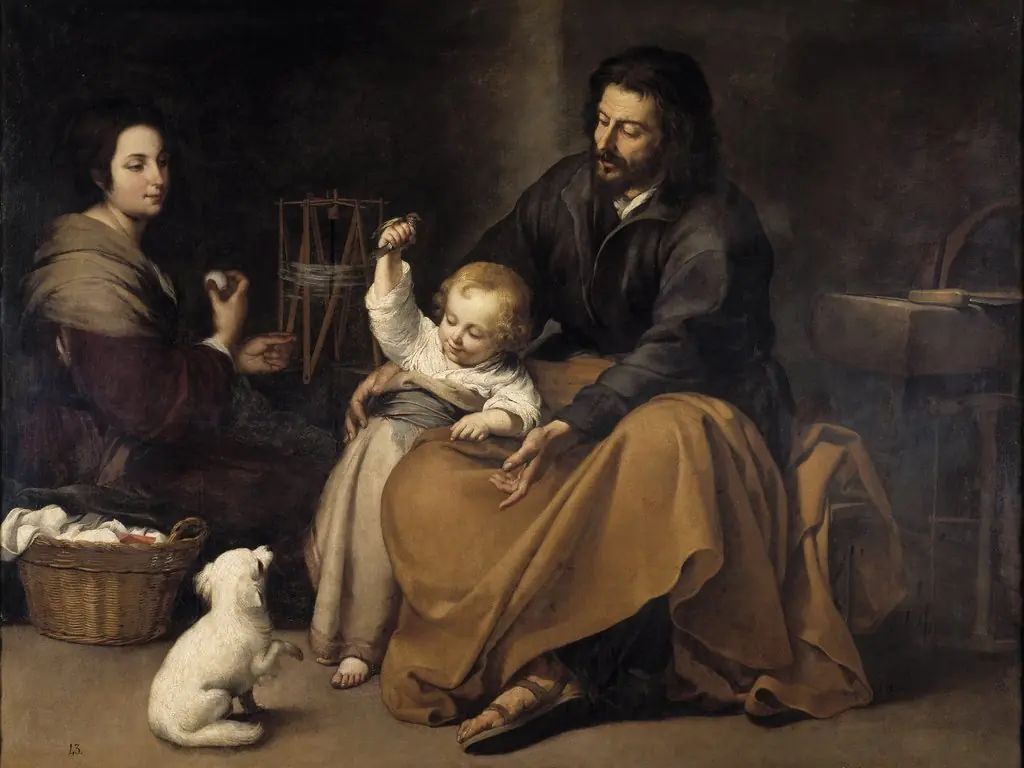 The Holy Family with a Bird
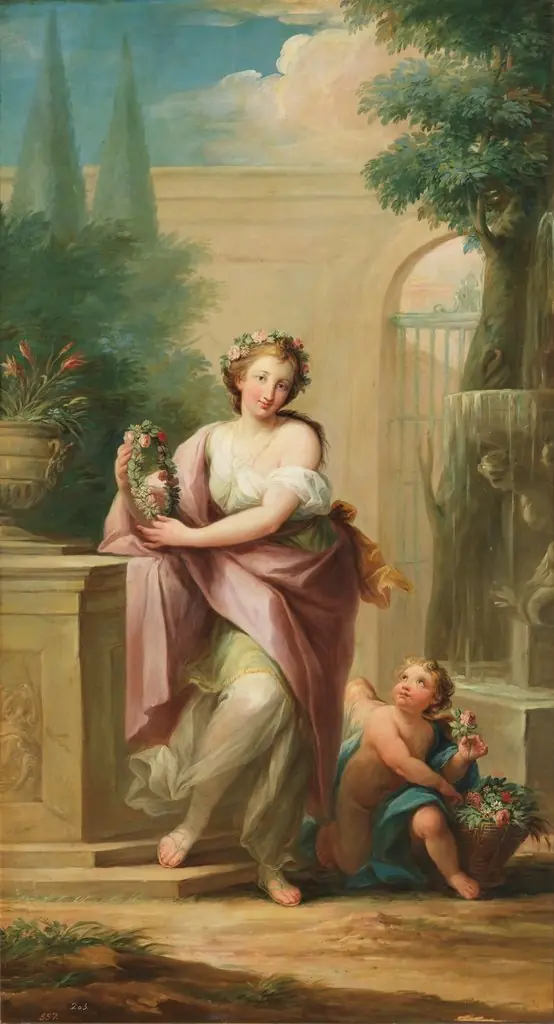 Spring
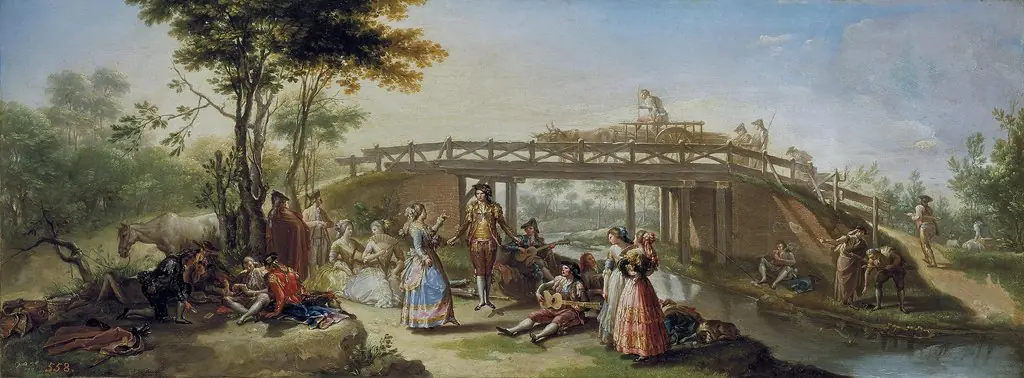 Bridge over the Madrid Canal
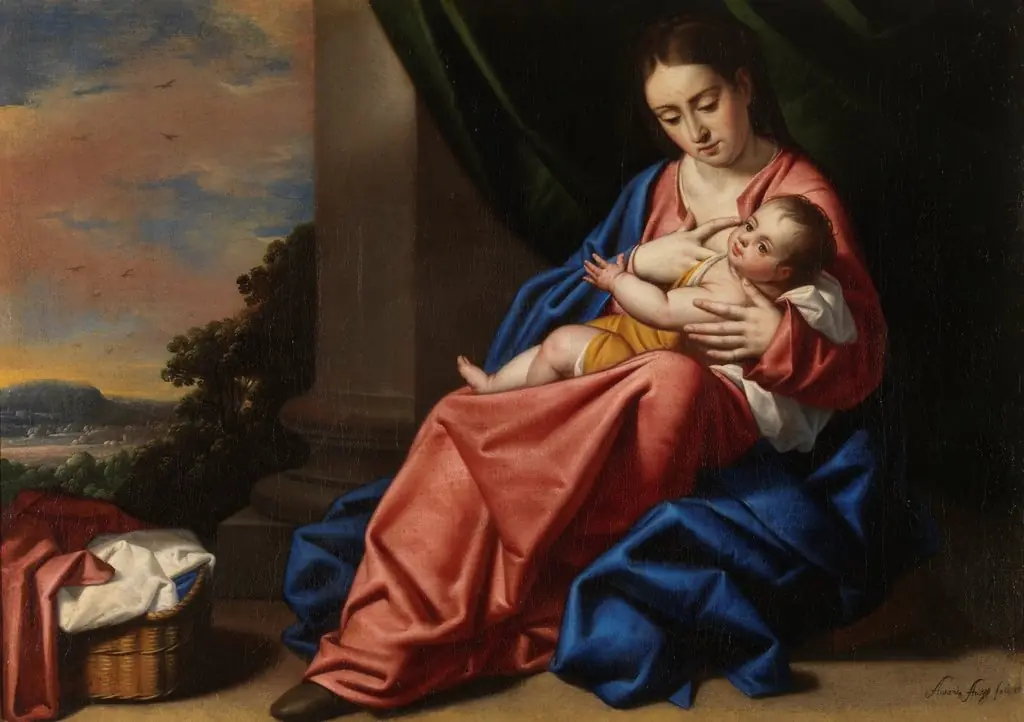 Virgin and Child
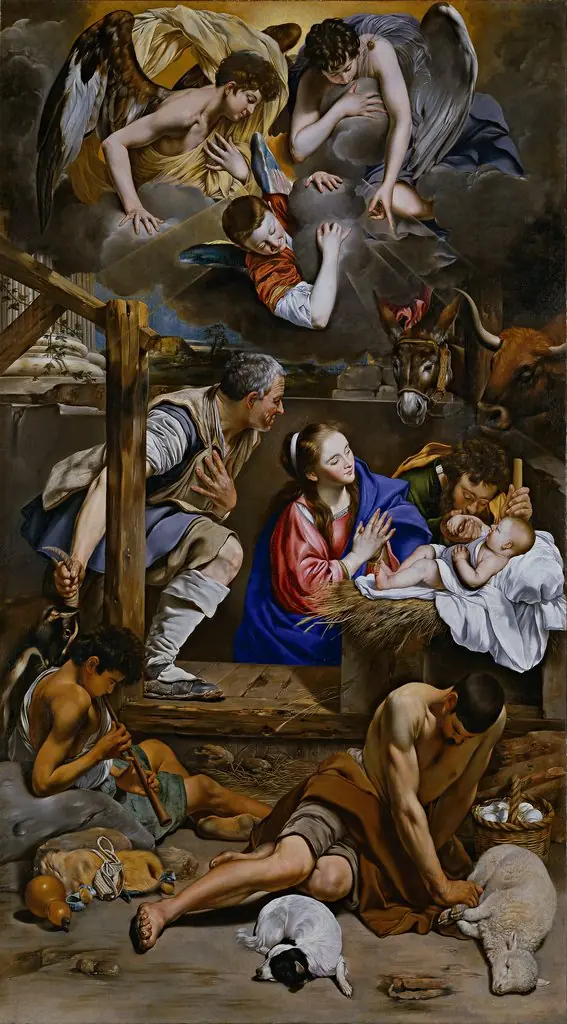 Adoration of the Shepherds
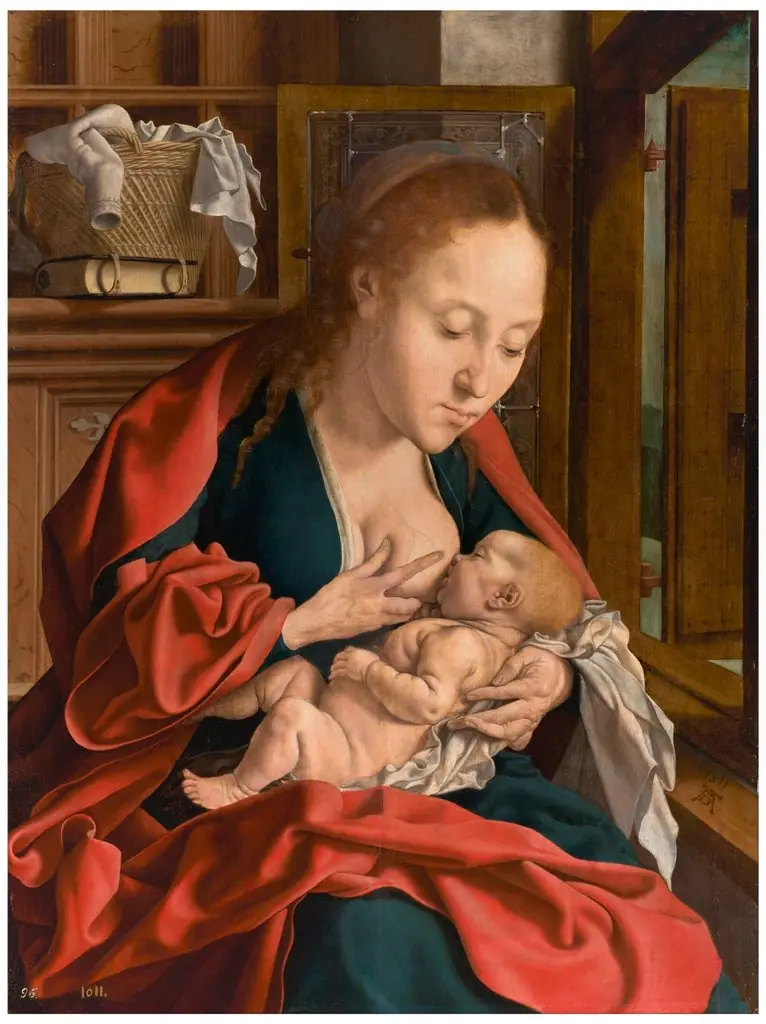 The Virgin Nursing the Child
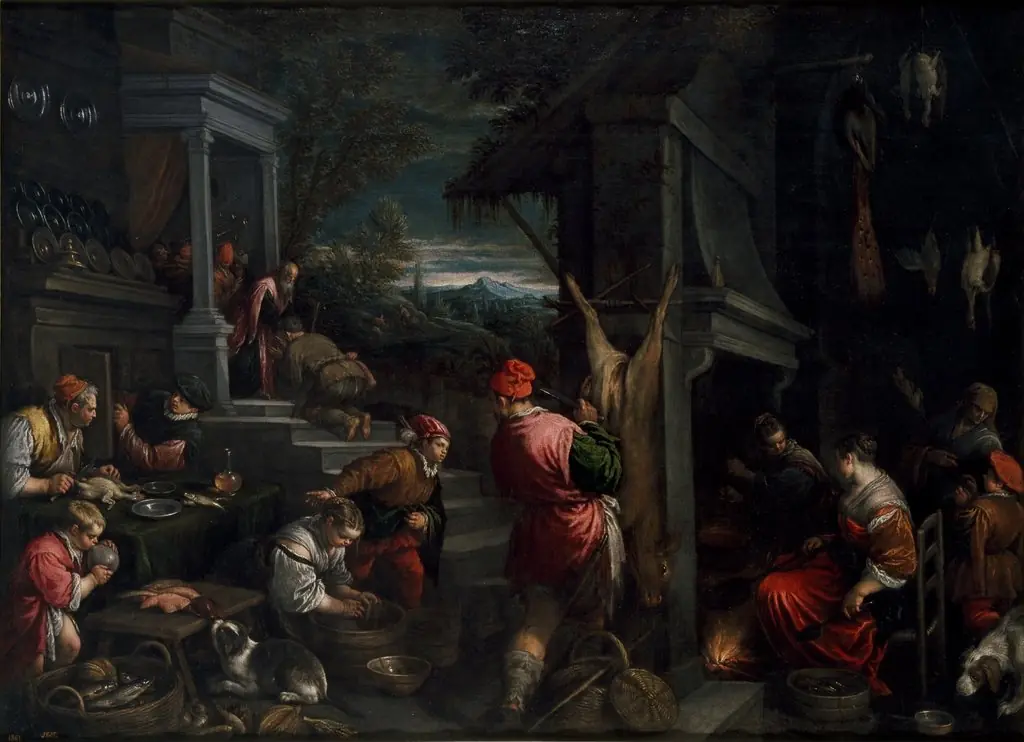 The Return of the Prodigal Son
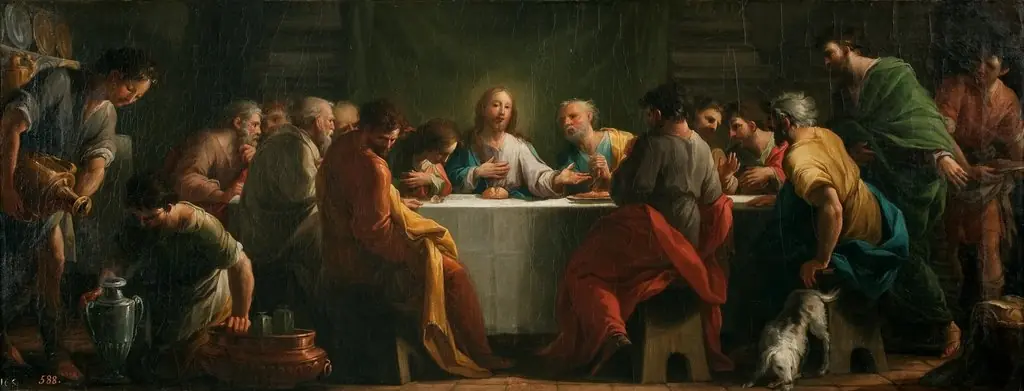 The Last Supper
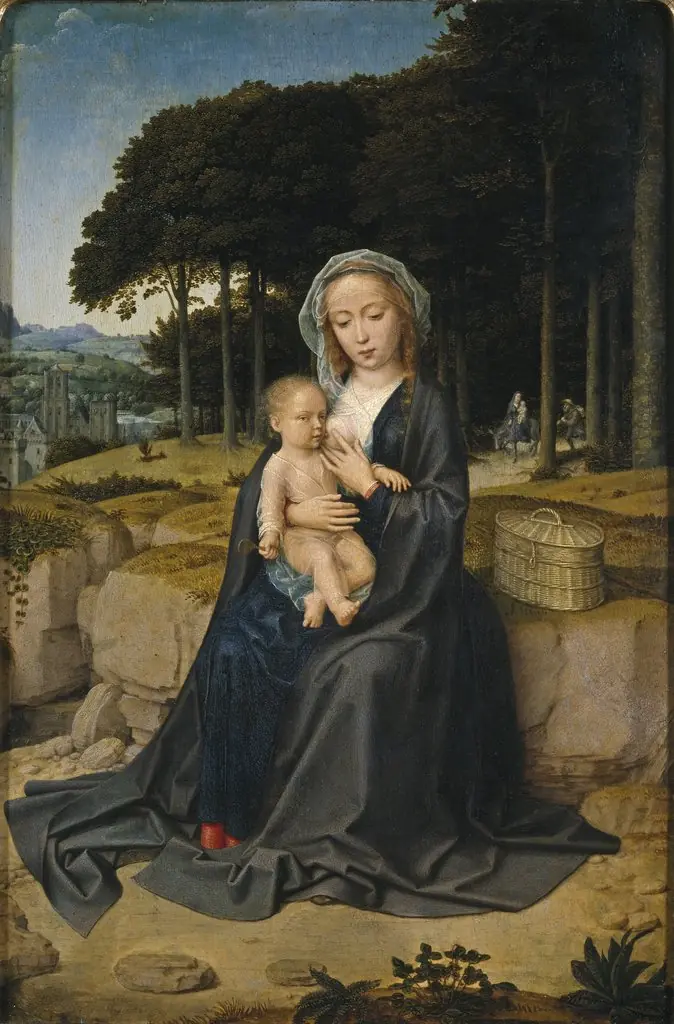 Rest on the Flight into Egypt
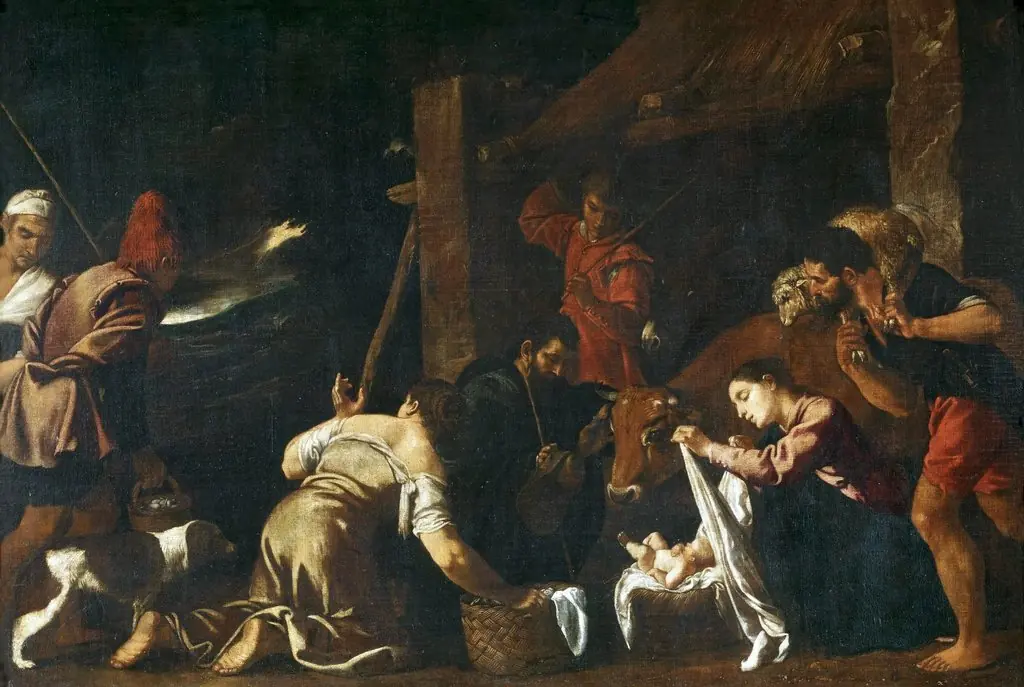 The Adoration of the shepherds
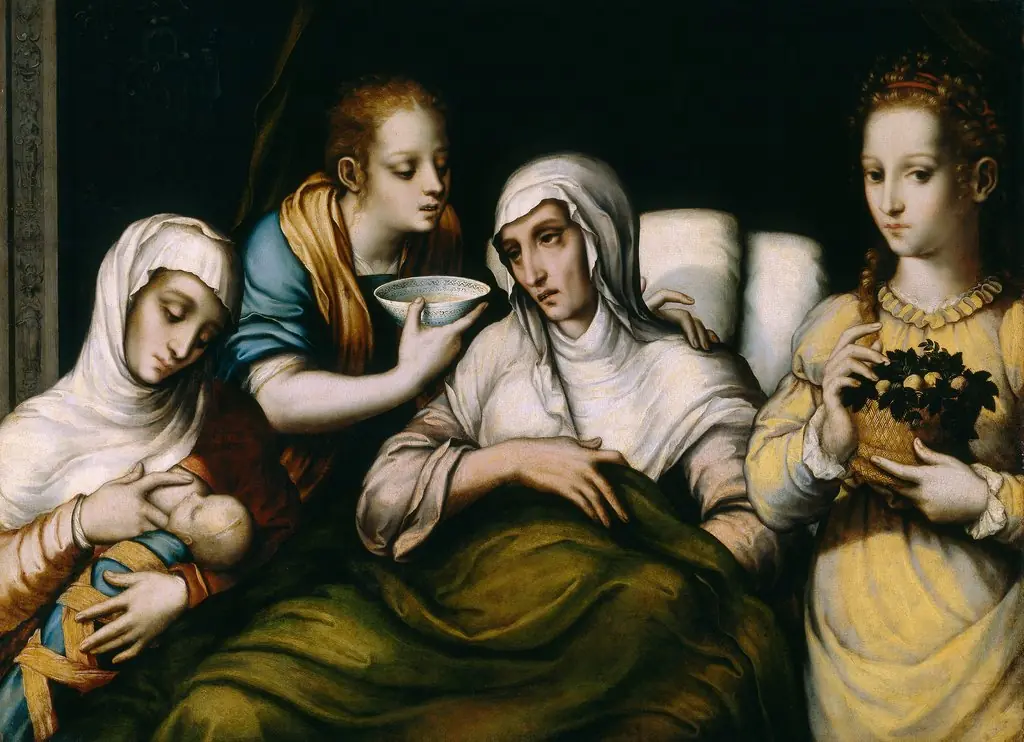 The Birth of the Virgin
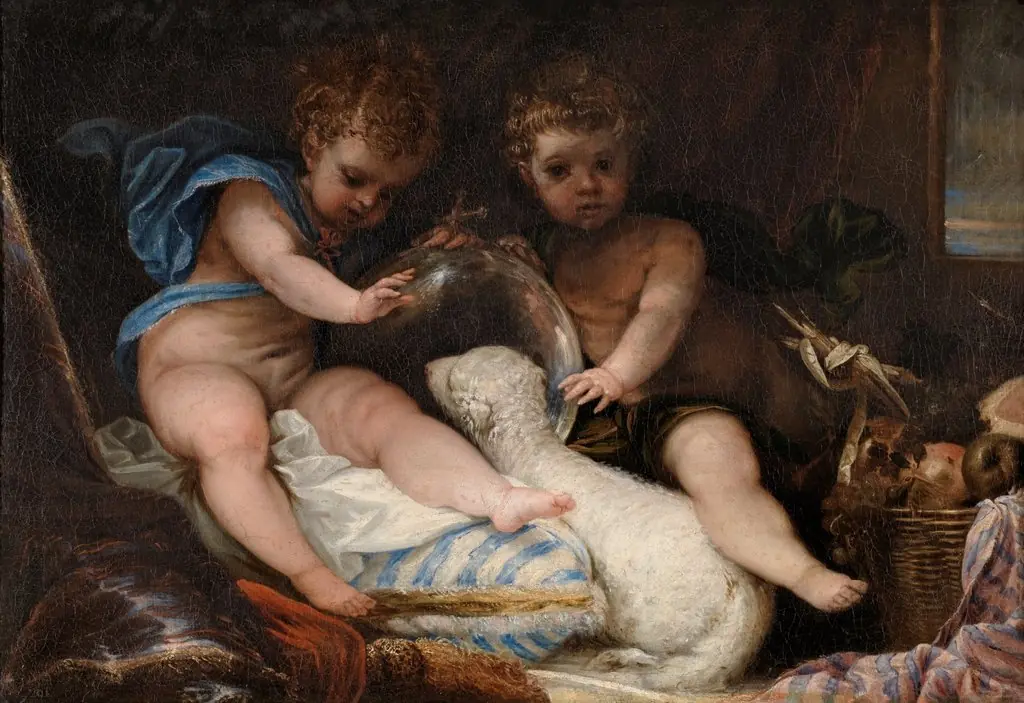 El Niño Jesús y San Juan
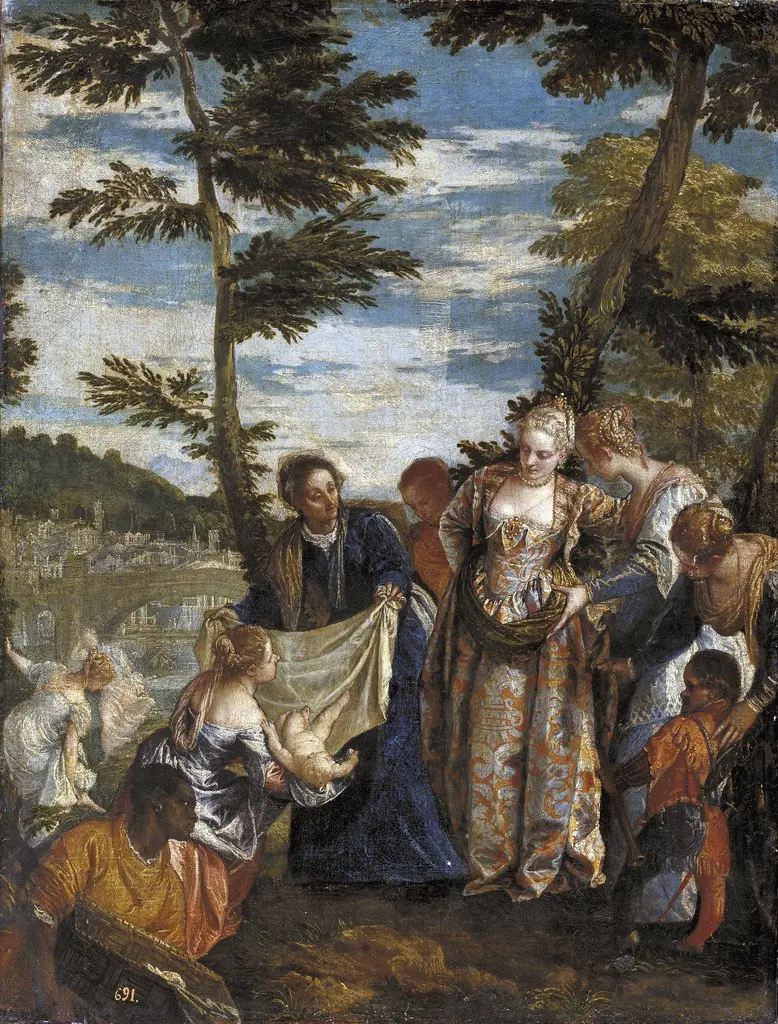 The Finding of Moses
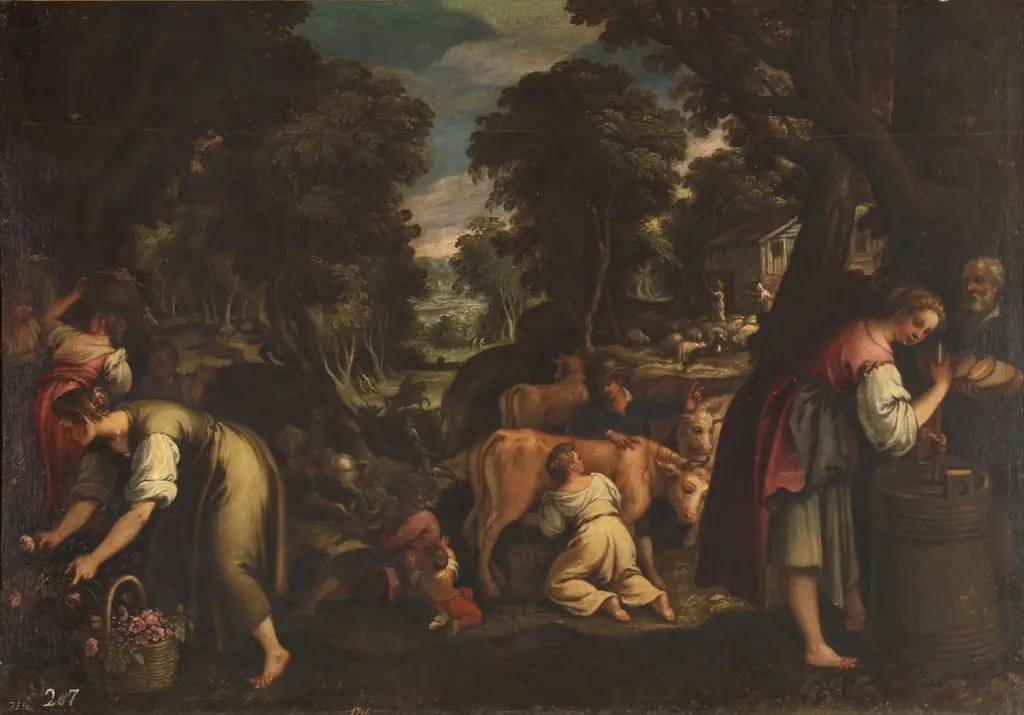 Rural labours or Spring
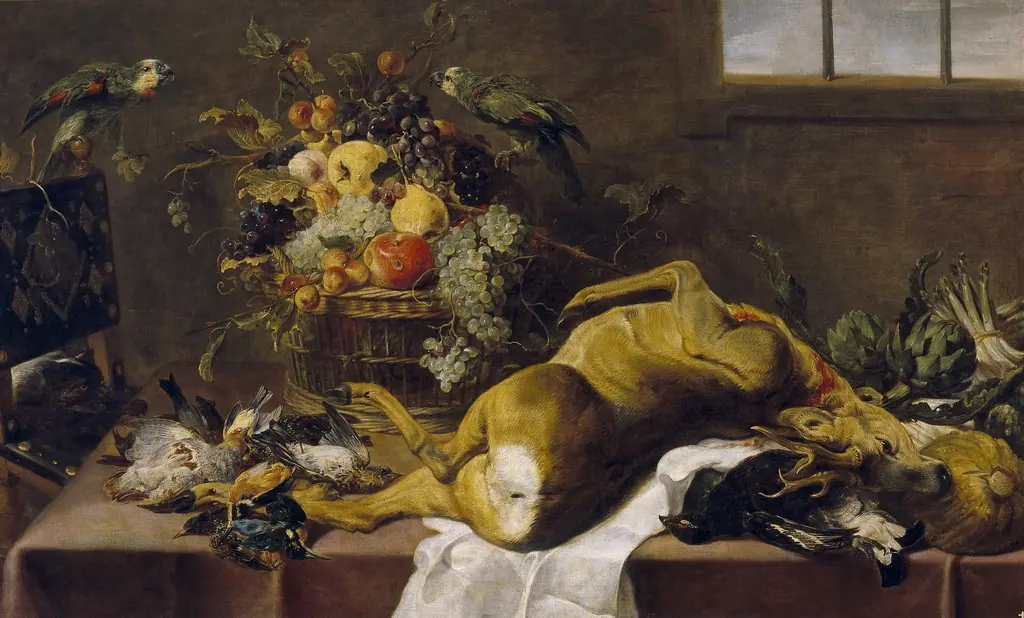 The larder
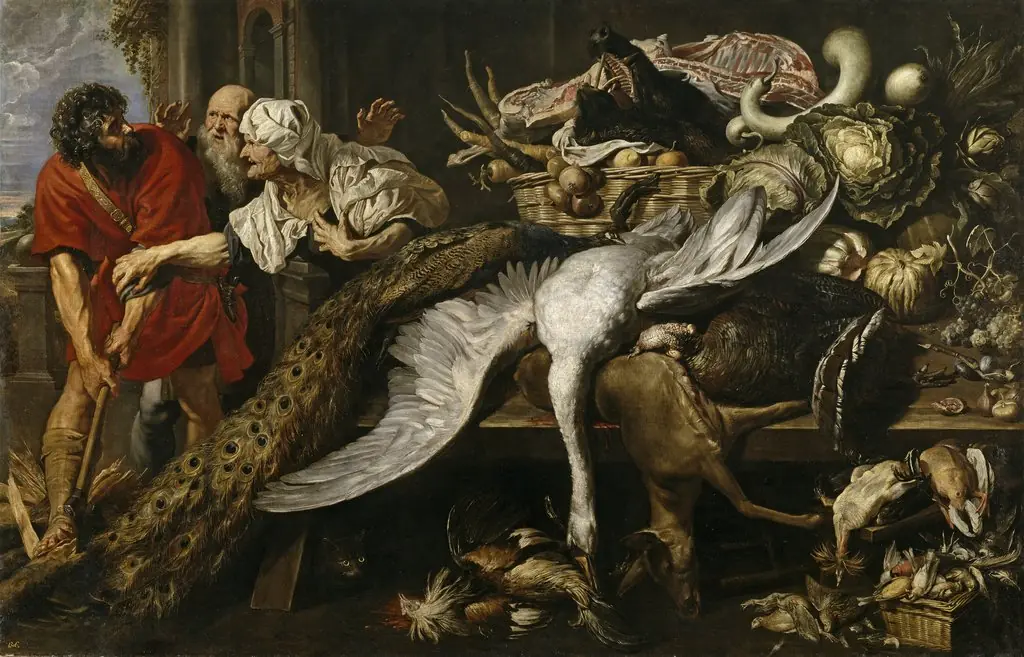 The Recognition of Phililpoemen
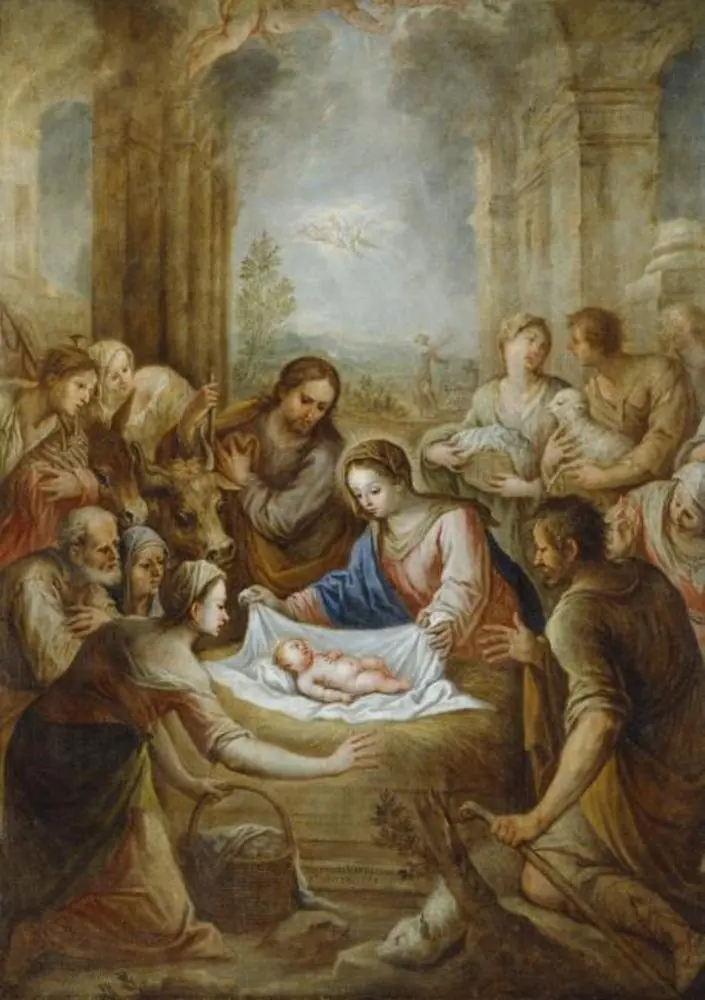 The Adoration of the Shepherds
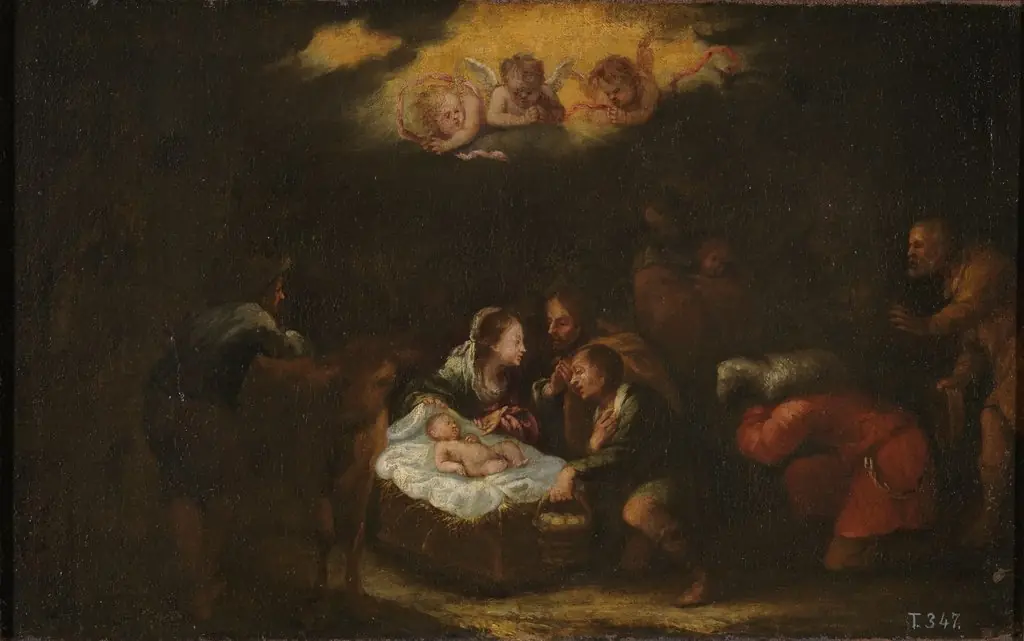 The Nativity
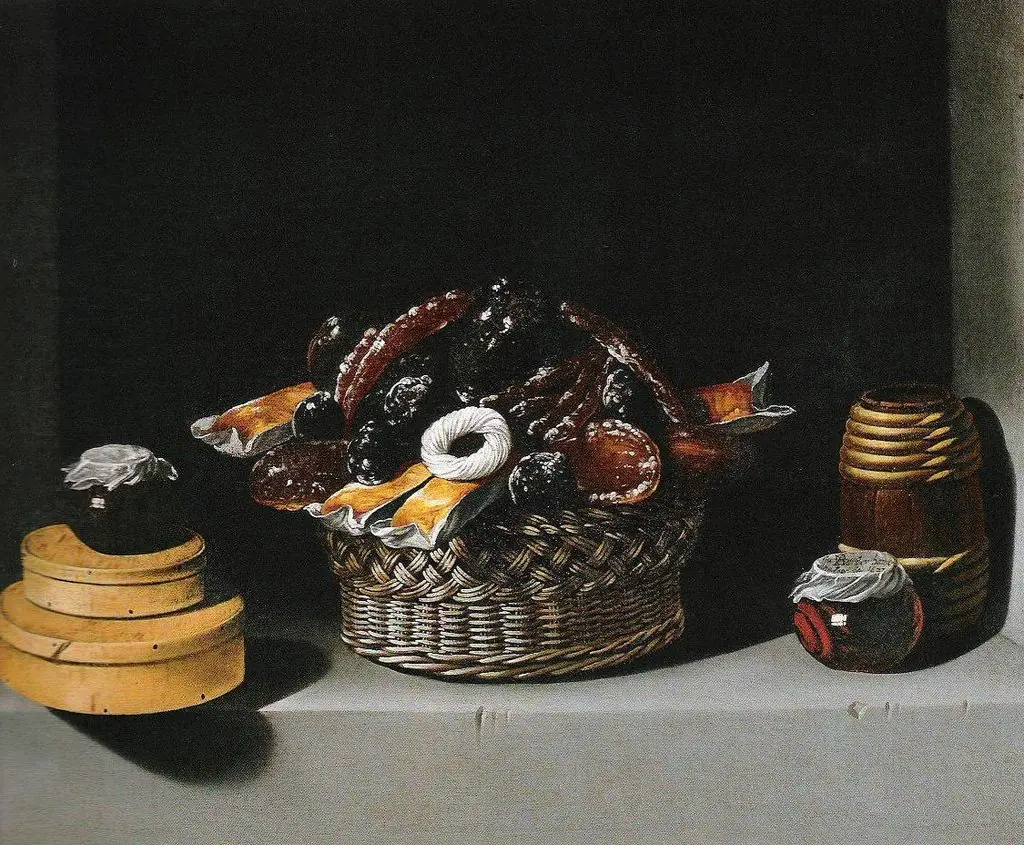 Still-Life with a Basket and Sweetmeats
 Christ presented in the Temple
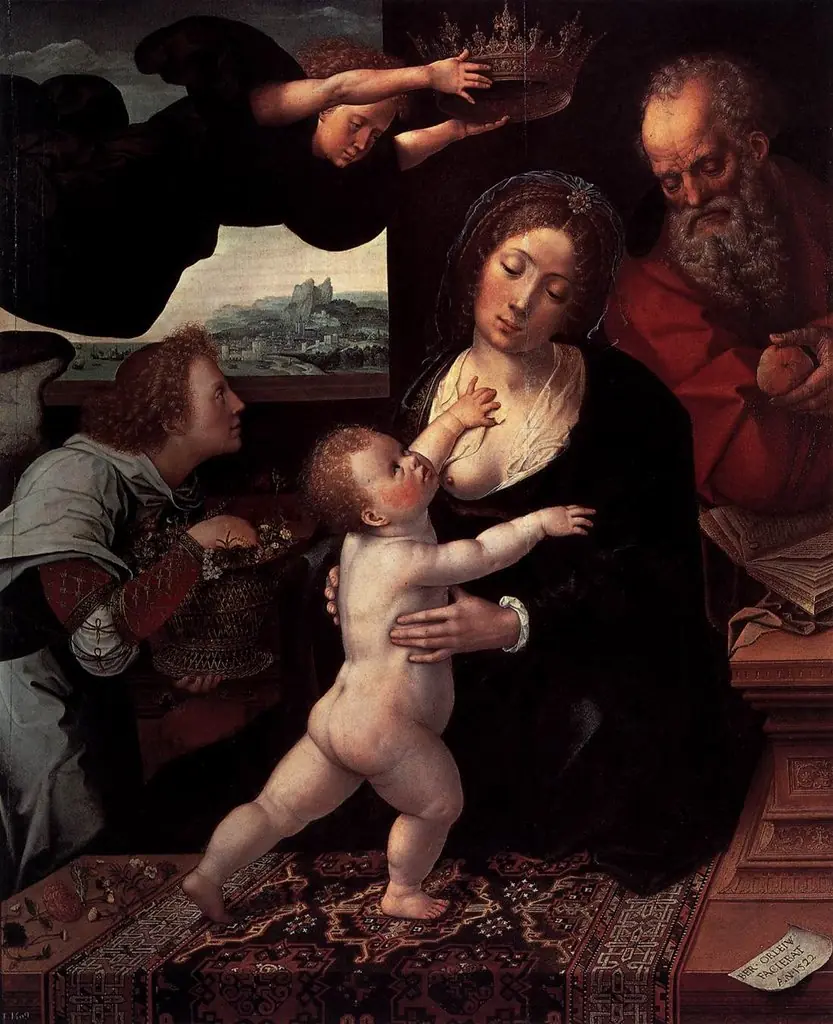 The Holy Family
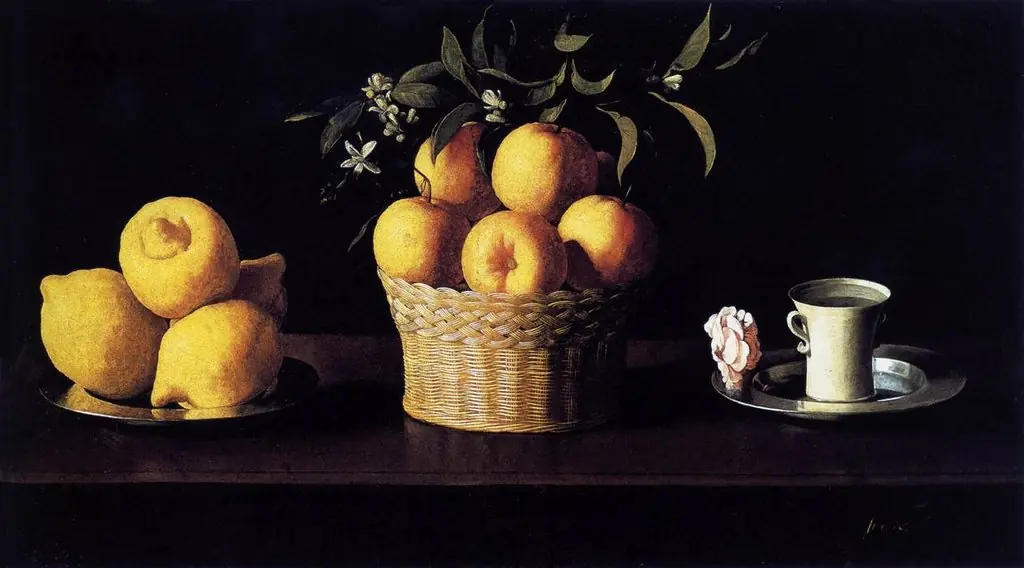 Still Life with Lemons, Oranges and a Rose
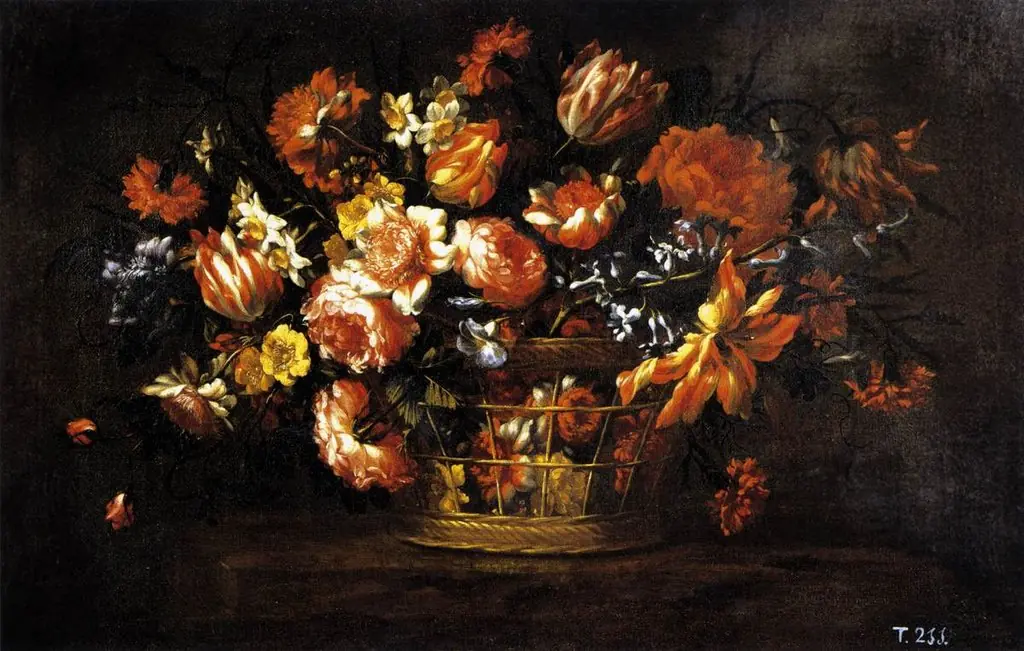 Basket of Flowers
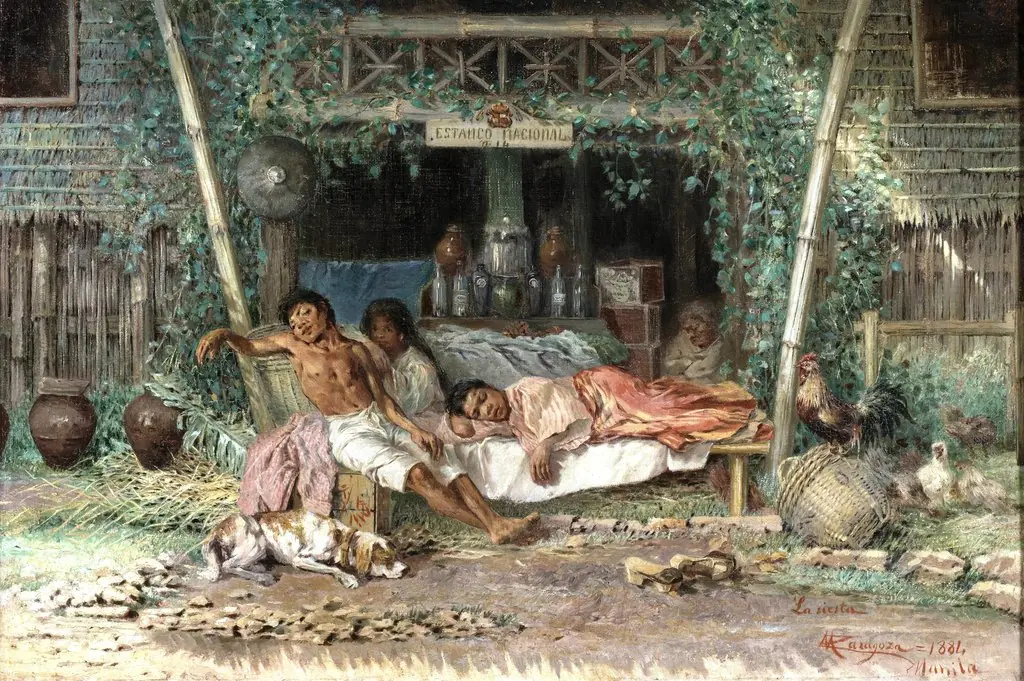 La siesta (Estanco nacional)
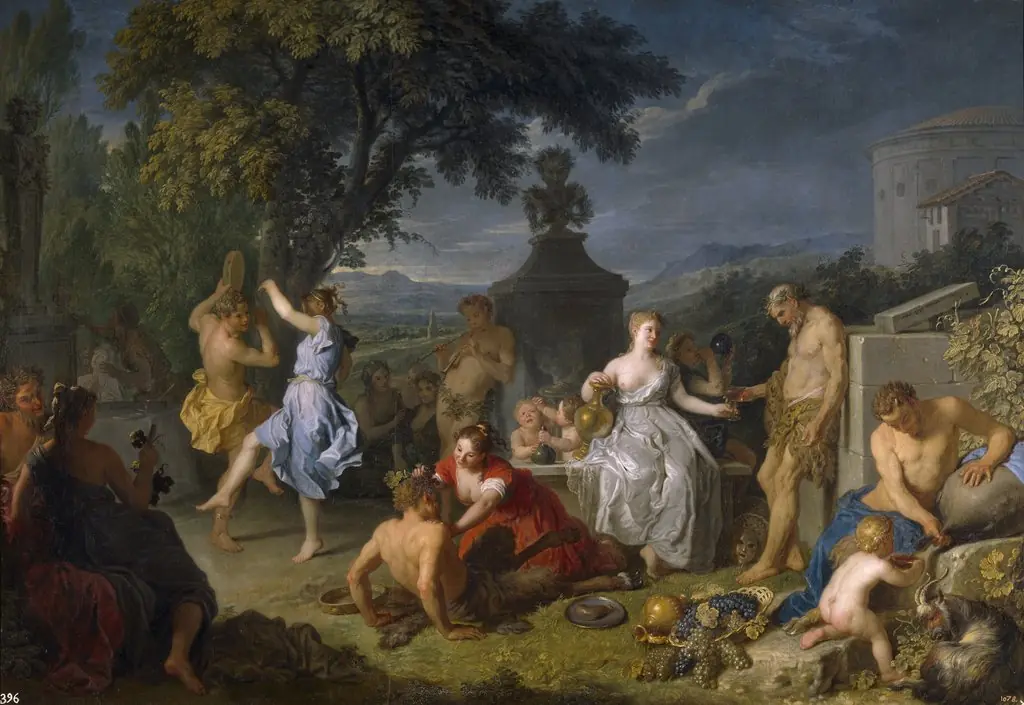 Bacchanal
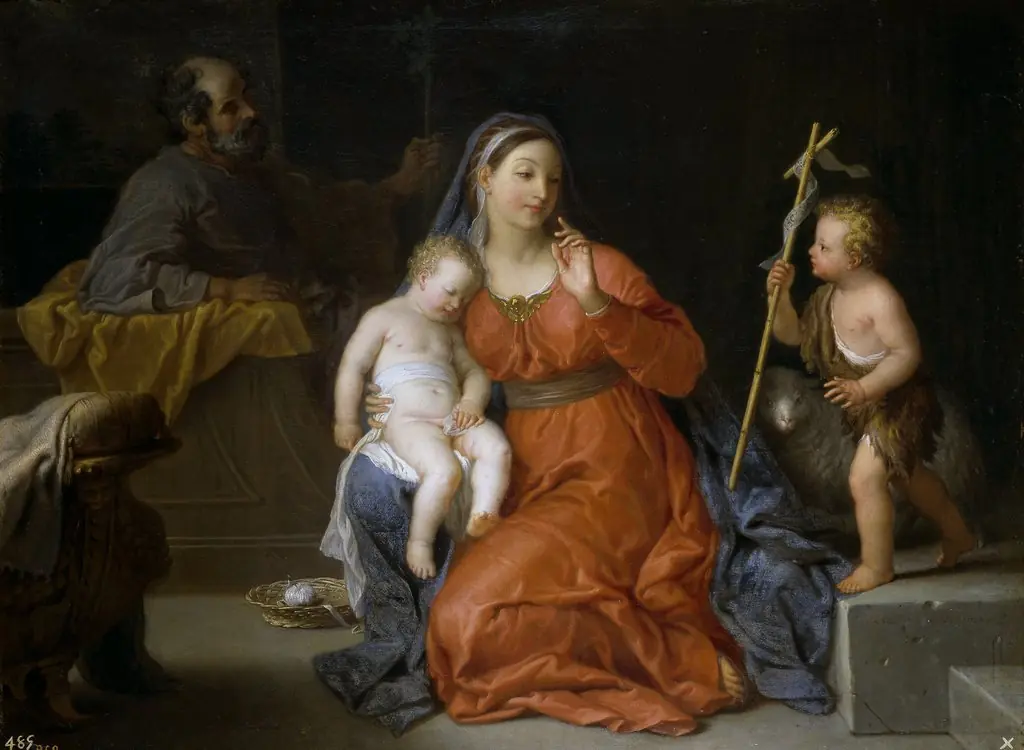 The Holy Family with the Infant Saint John the Baptist
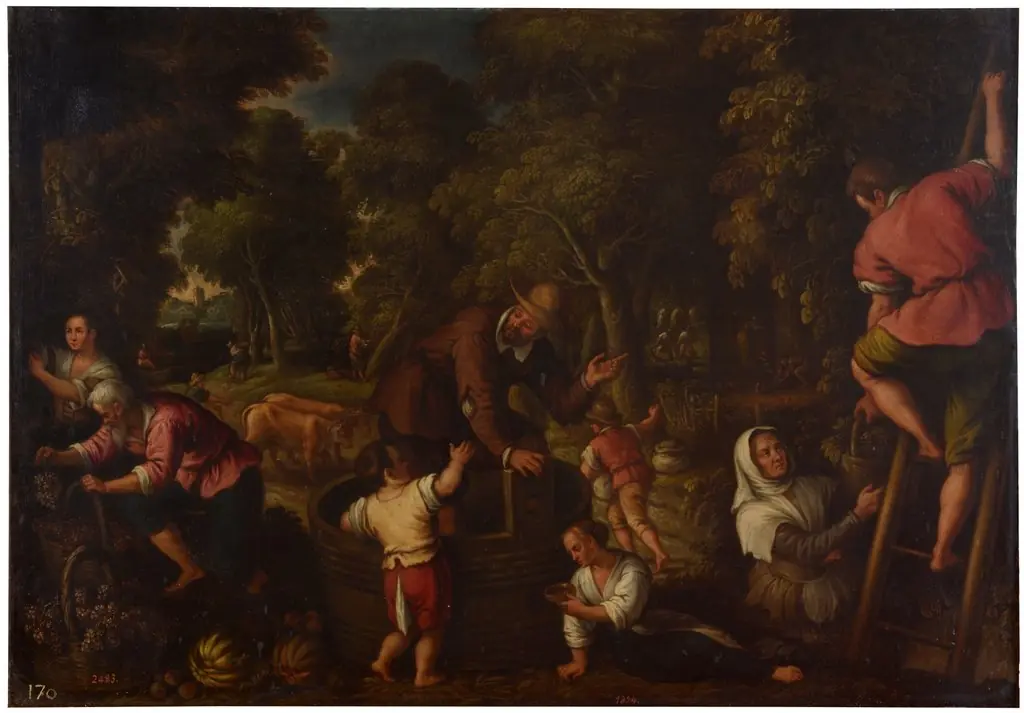 The Harvest or Autumn
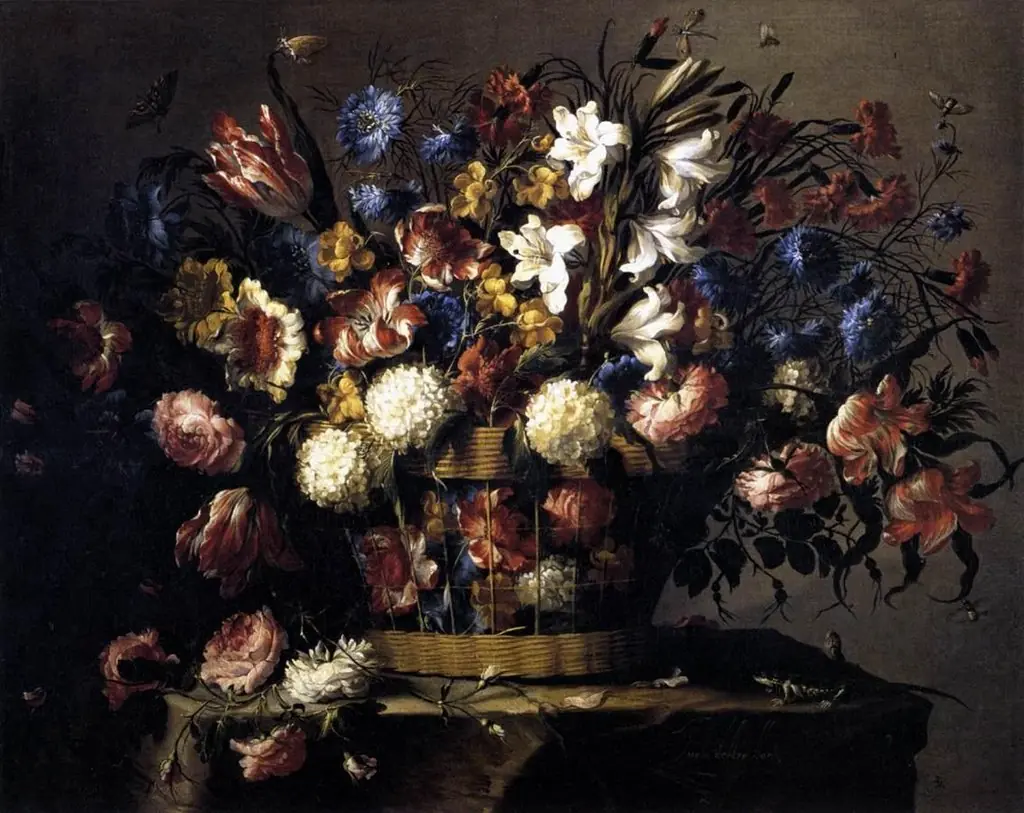 Basket of flowers
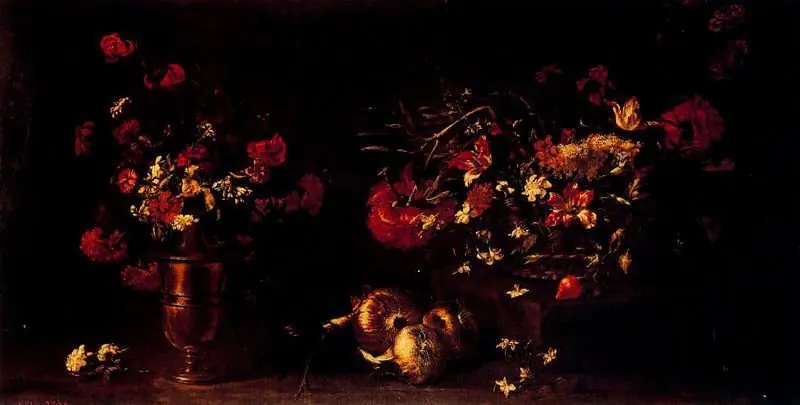 Vases and onions
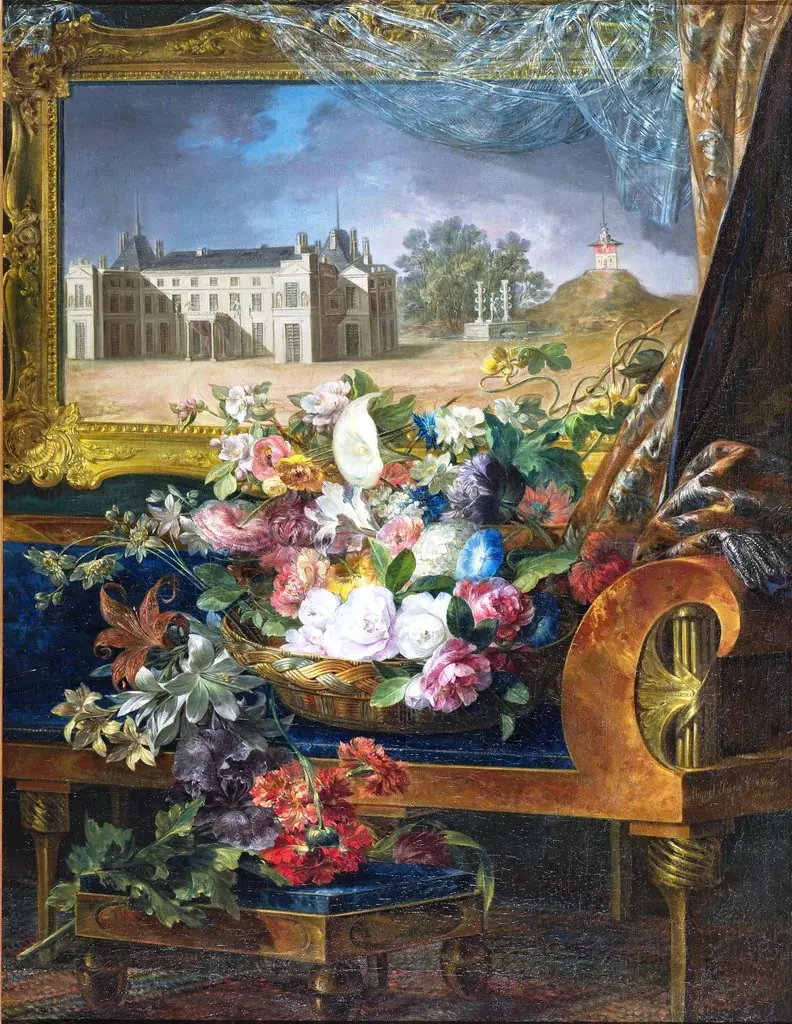 Basket of Flowers and View of a Royal Palace of Valencia
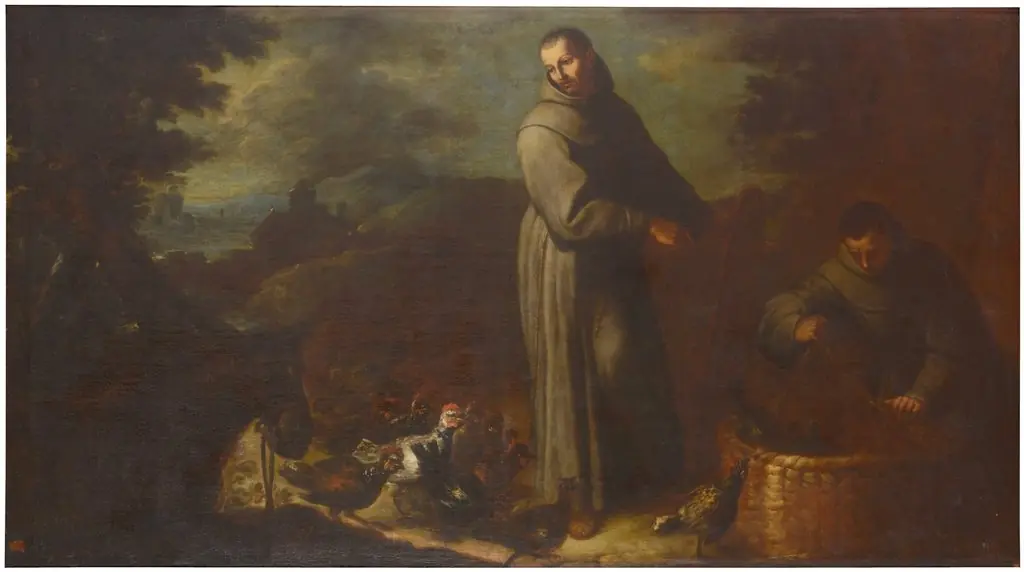 Escena de la vida de San Diego (San Diego y un fraile sacando pollos de un cesto)
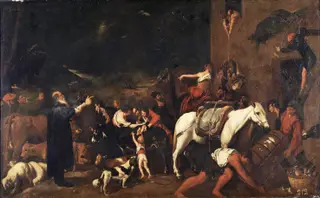 Partida de Jacob con sus rebaños
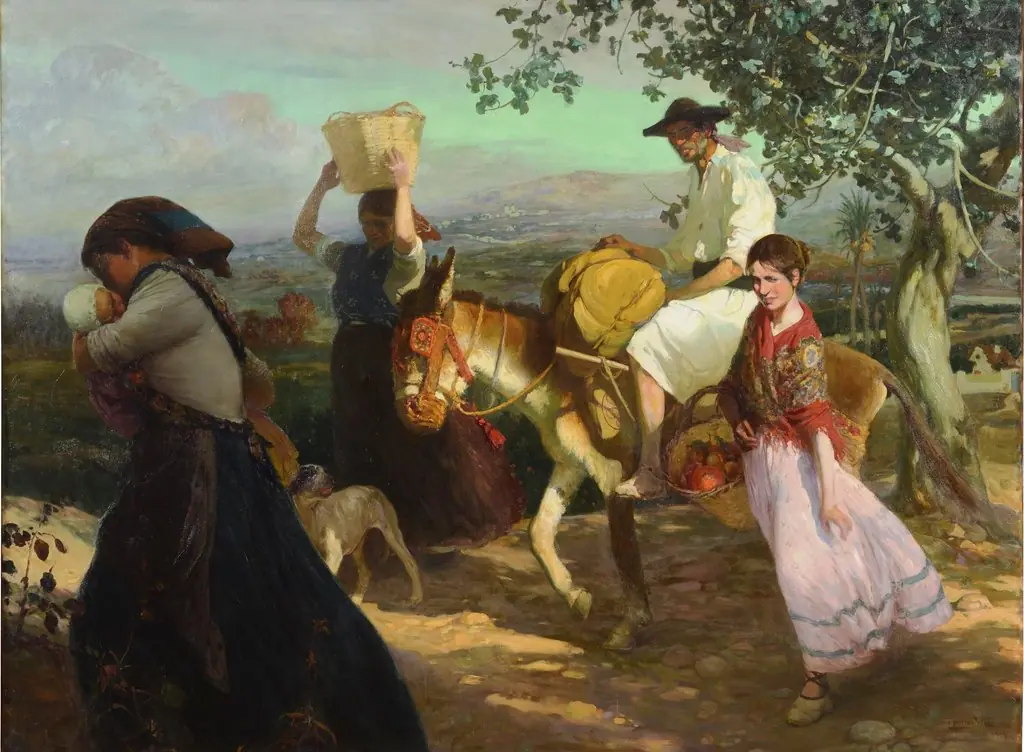 Un día más
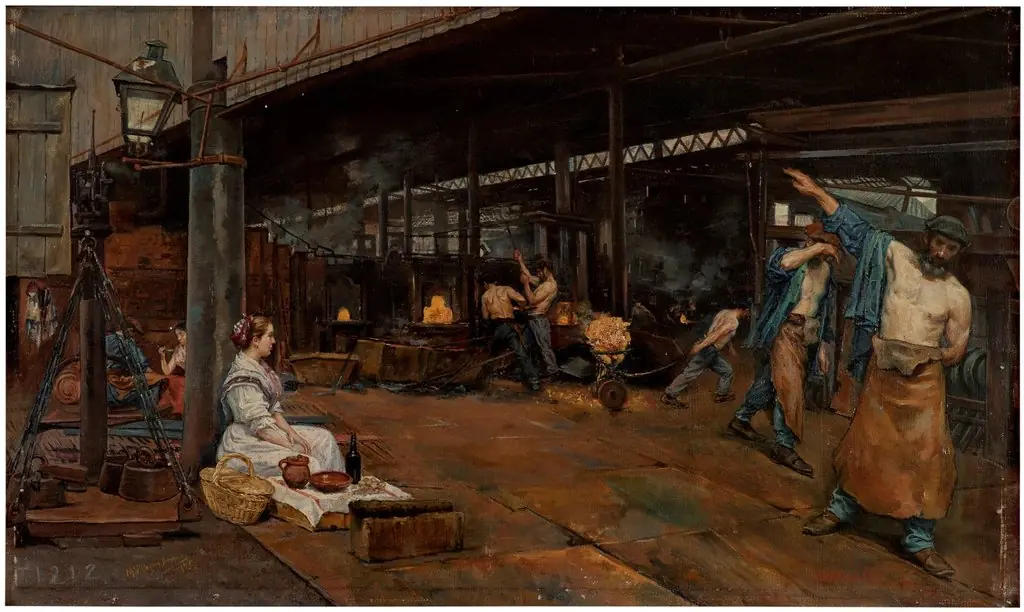 Las doce en los Altos Hornos
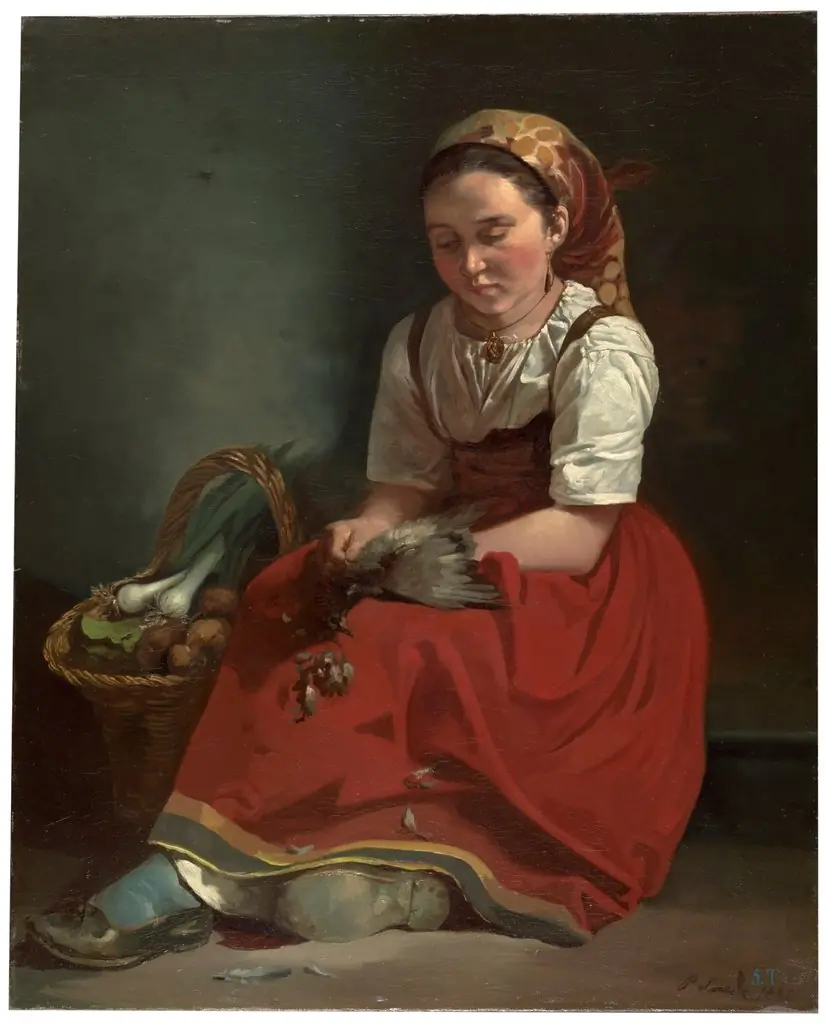 Una asturiana desplumando un pichón
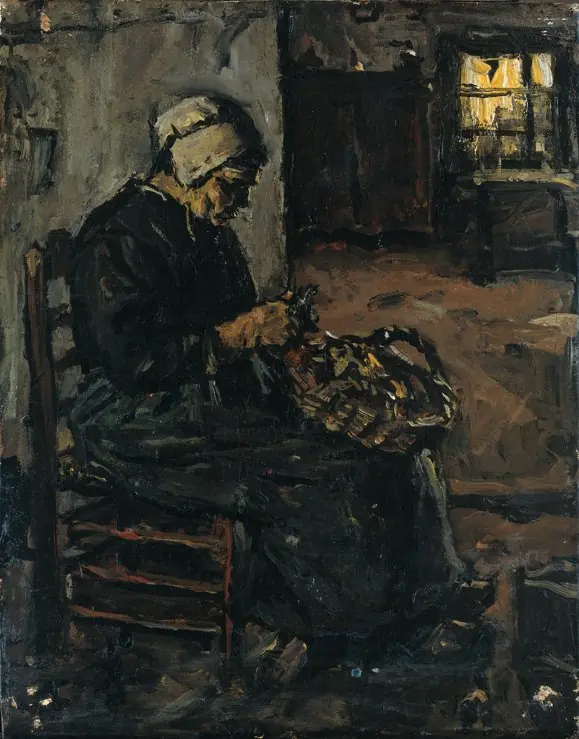 Peasant Woman Peeling Potatoes
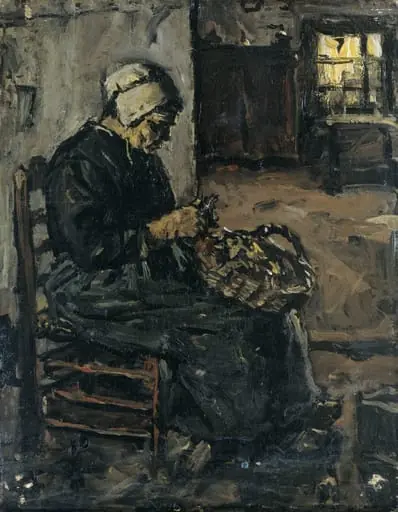 Peasant Woman Peeling Potatoes
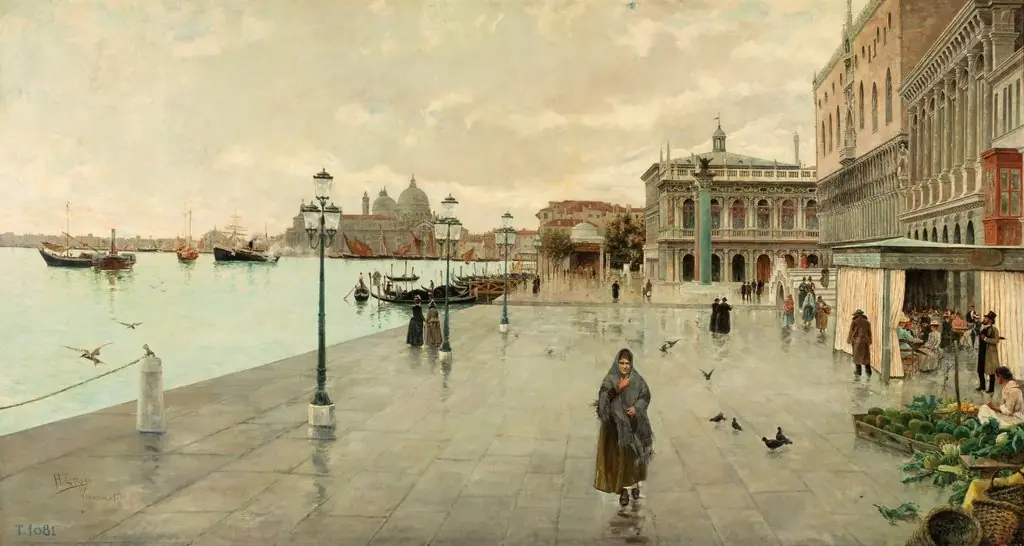 Riva degli Schiavoni
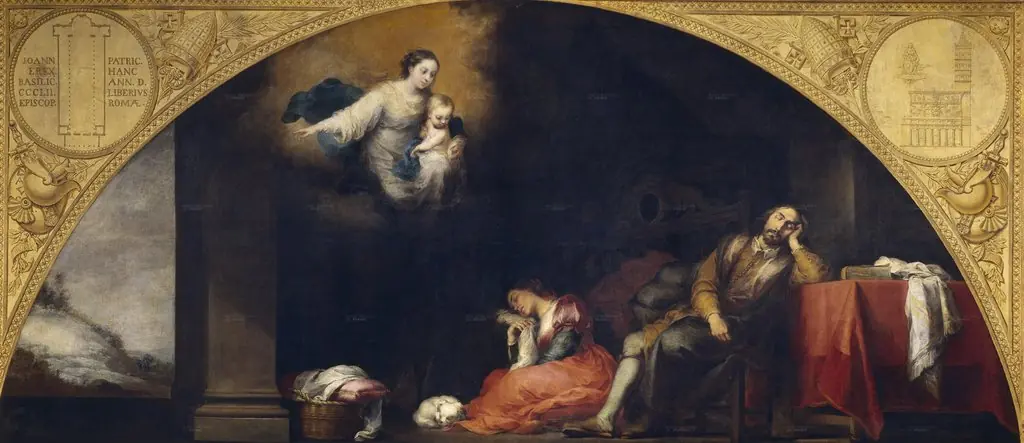 The Patrician's Dream
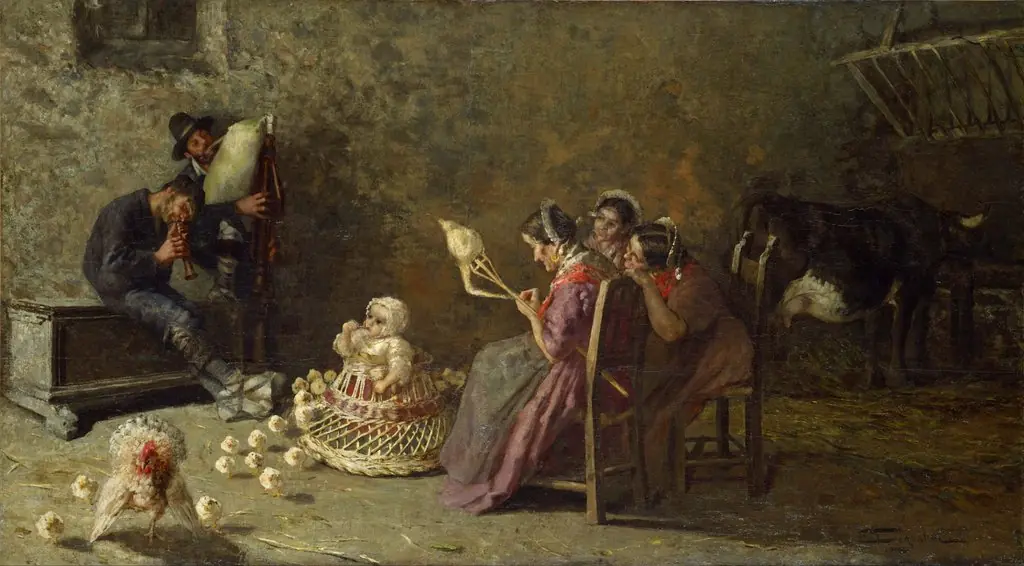 Bagpipers of Brianza
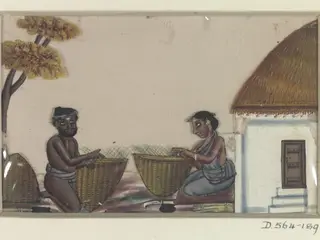 One of twenty-two paintings depicting occupations, methods of transport and local monuments.
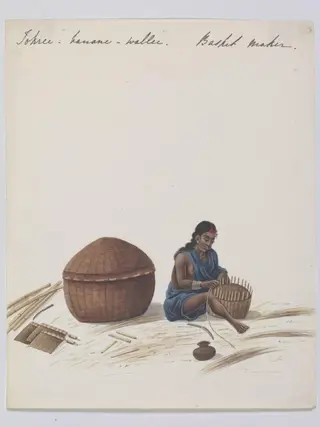 Basket maker
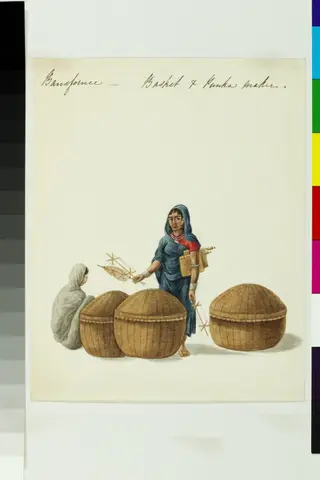 Basket and <i>punka</i> maker
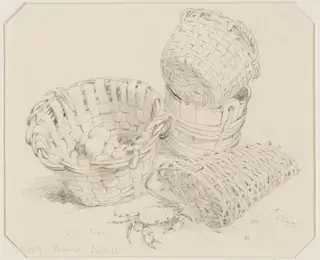 Baskets
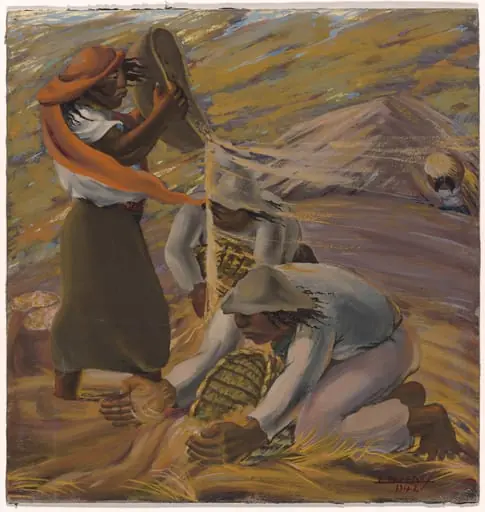 Untitled
Frequently asked questions
What is Basketry?
Basketry is a subject in art. A basket is a container that is traditionally constructed from stiff fibers, and can be made from a range of materials, including wood splints, runners, and cane.
How many Basketry works does Artifact World Gallery have?
Artifact World Gallery holds 55 public-domain Basketry works, all free to view and download.
Who are the key Basketry artists?
Key Basketry artists in the collection include Paolo Veronese, Peter Paul Rubens and Gerard David.
Where can I see Basketry works?
Basketry works in the collection are held by Museo del Prado, Victoria and Albert Museum and Rijksmuseum.