
Subject
Drinking Glass
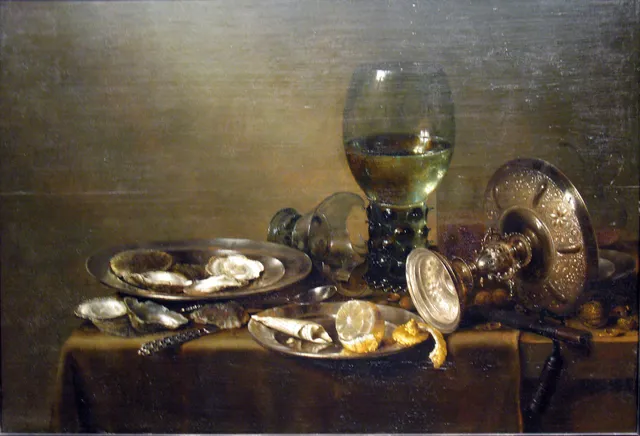
Drinking Glass is a subject in art. The gallery holds 42 works in this subject in art, including works by Francis William Edmonds, Pieter Claesz and Willem Claesz Heda.
The drinking glass entered art as both a marvel of craft and a painter's ultimate technical challenge. Glass vessels were prized since Roman antiquity, but two developments made them ubiquitous subjects in early modern Europe. In fifteenth-century Murano, the glassmaker Angelo Barovier perfected cristallo, an almost colourless soda glass that became the most coveted in Europe; its delicate "winged" goblets, known as façon de Venise, were imitated across the continent. In the north, cheaper green forest glass (Waldglas) produced the sturdy roemer, the wide-bowled wine glass on a prunted stem that recurs throughout Dutch painting. As prosperity filled the tables of the seventeenth-century Dutch Republic, these vessels became fixtures of the still life.
No object tested a painter's skill like glass. Rendering transparency, reflection, refraction and the bright catch-light on a rim demanded supreme control of tone and touch, and the genre became, in part, a showcase of virtuosity. In Haarlem, Willem Claesz Heda and Pieter Claesz refined the near-monochrome "breakfast piece" (ontbijtje), arranging silver, pewter, oysters and glass in restrained palettes of grey, brown and silver. Their compositions often hinge on a tipped diagonal—an upright roemer balanced against a toppled, gleaming wineglass—as in Heda's Still Life with Oysters, a Silver Tazza, and Glassware and Claesz's Still Life with a Skull and a Writing Quill.
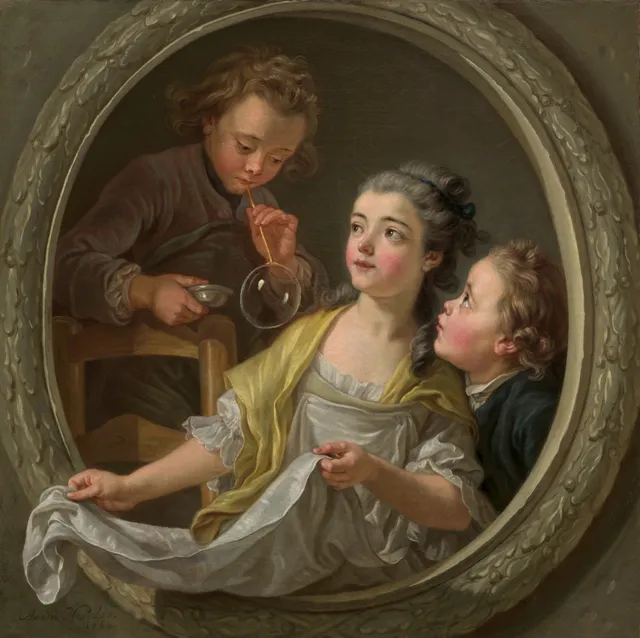
Glass also carried meaning. In vanitas painting, an empty or overturned glass signalled the transience of life and the fragility of worldly pleasure, a theme inaugurated by Jacques de Gheyn II's Vanitas Still Life (1603). The kindred motif of the soap bubble—seen in works by Jean-Siméon Chardin and Charles-Amédée-Philippe van Loo (Soap Bubbles)—made the same point about ephemerality.
The glass outlived its symbolic origins. Chardin dignified the humble tumbler as pure painting, and by the early twentieth century the wine glass had become a signature motif of Cubism. Picasso, Braque and especially Juan Gris fractured and reassembled it from multiple viewpoints, as in Gris's Abstraction (Guitar and Glass) (1914). From Dutch banquet pieces to modernist still lifes by Diego Rivera and others, the drinking glass remains one of art's most enduring tests of seeing.
Key artists

Works
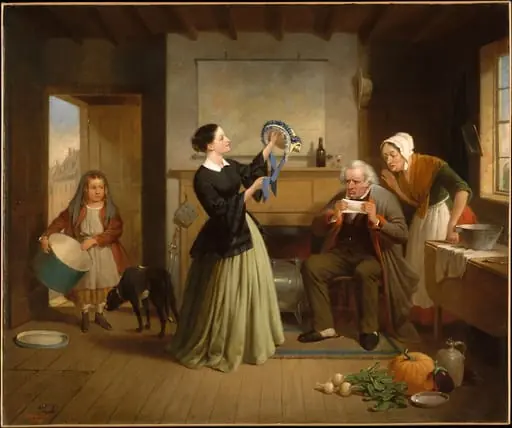 The New Bonnet
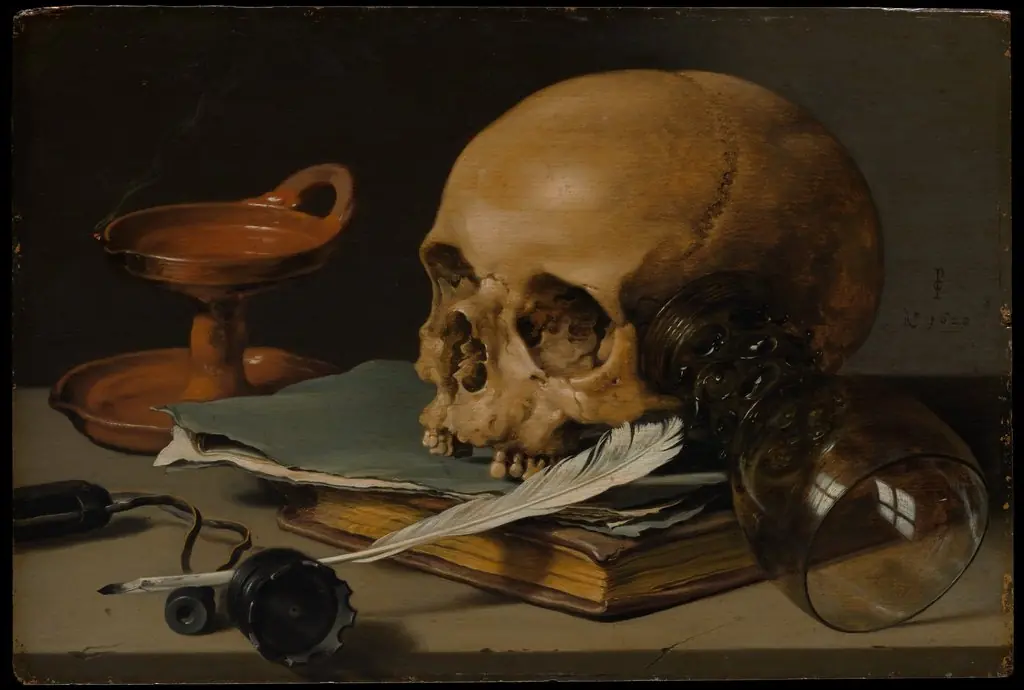 Still Life with a Skull and a Writing Quill
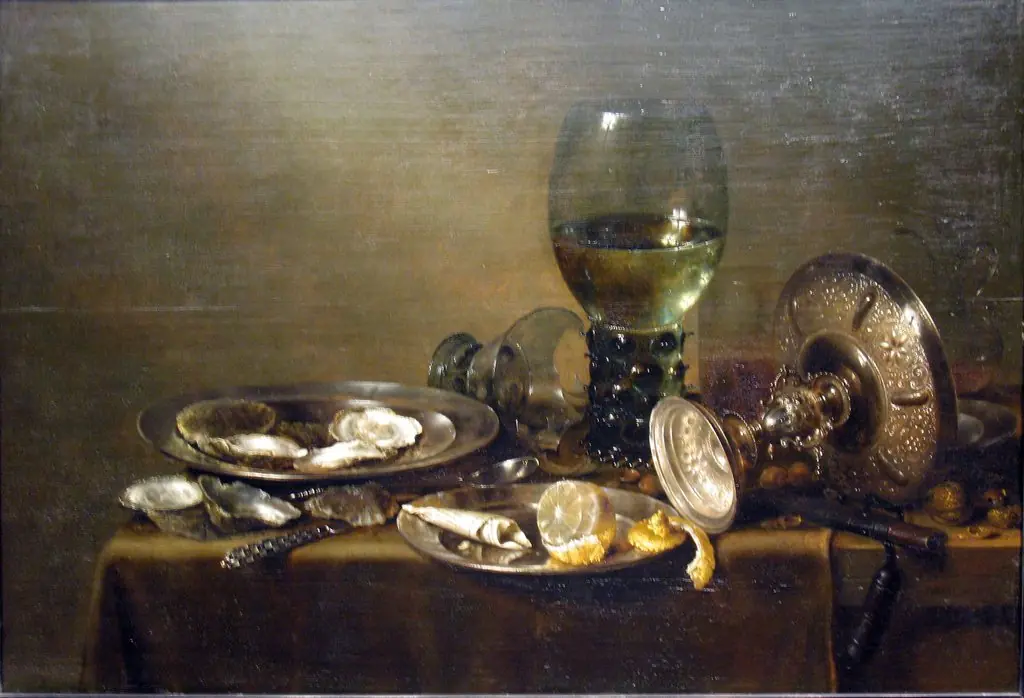 Still Life with Oysters, a Silver Tazza, and Glassware
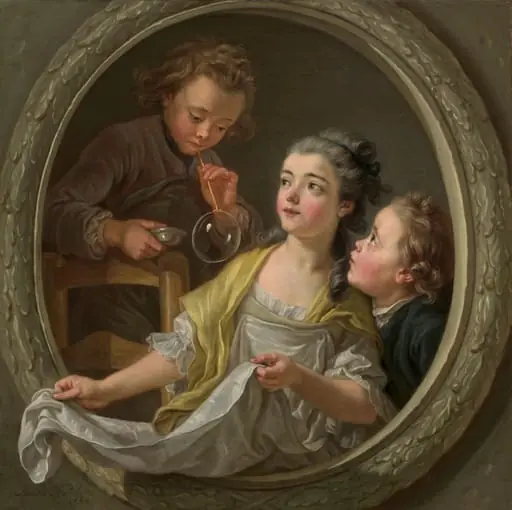 Soap Bubbles
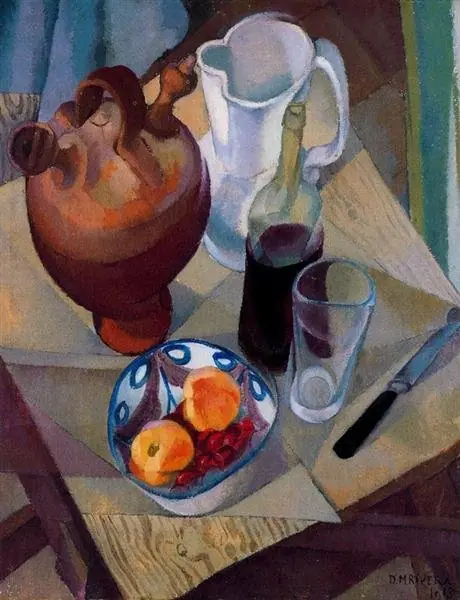 Still Life
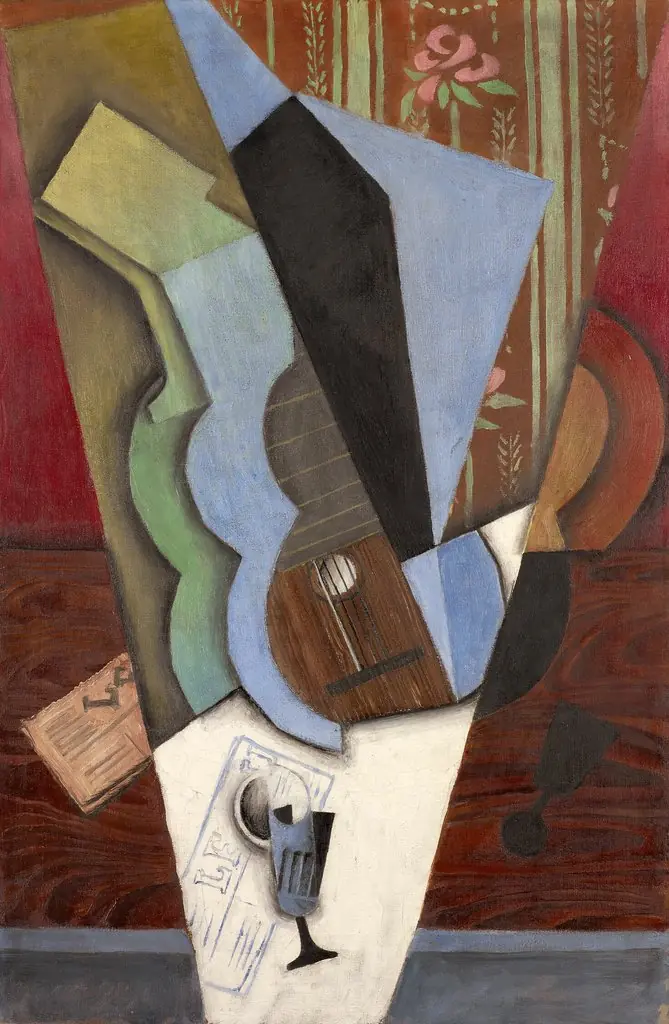 Abstraction (Guitar and Glass)
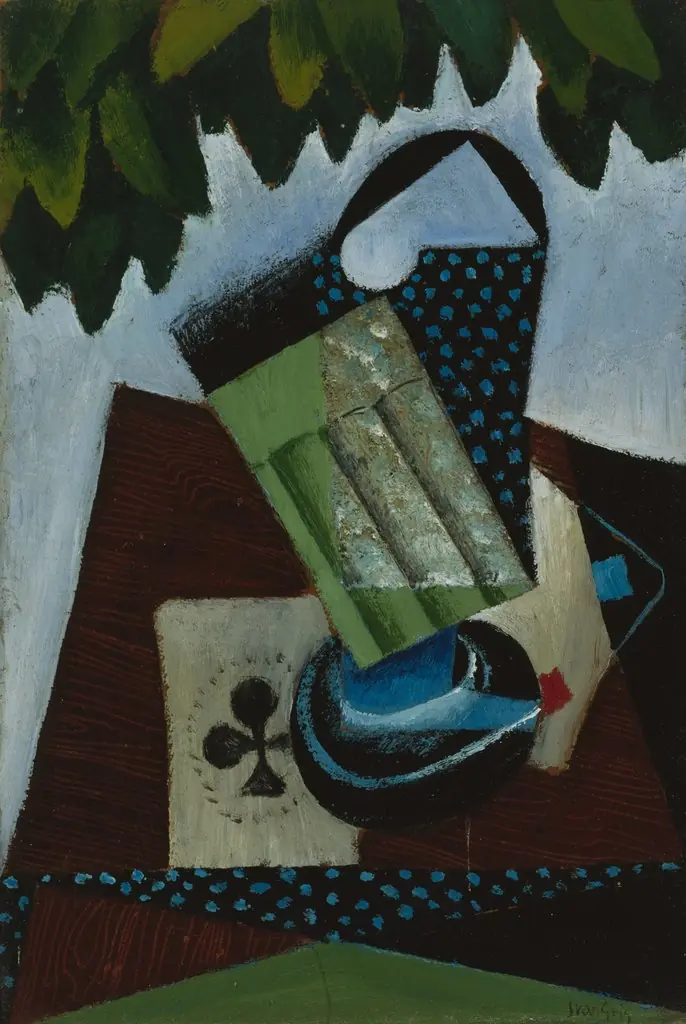 Glass and Playing Cards
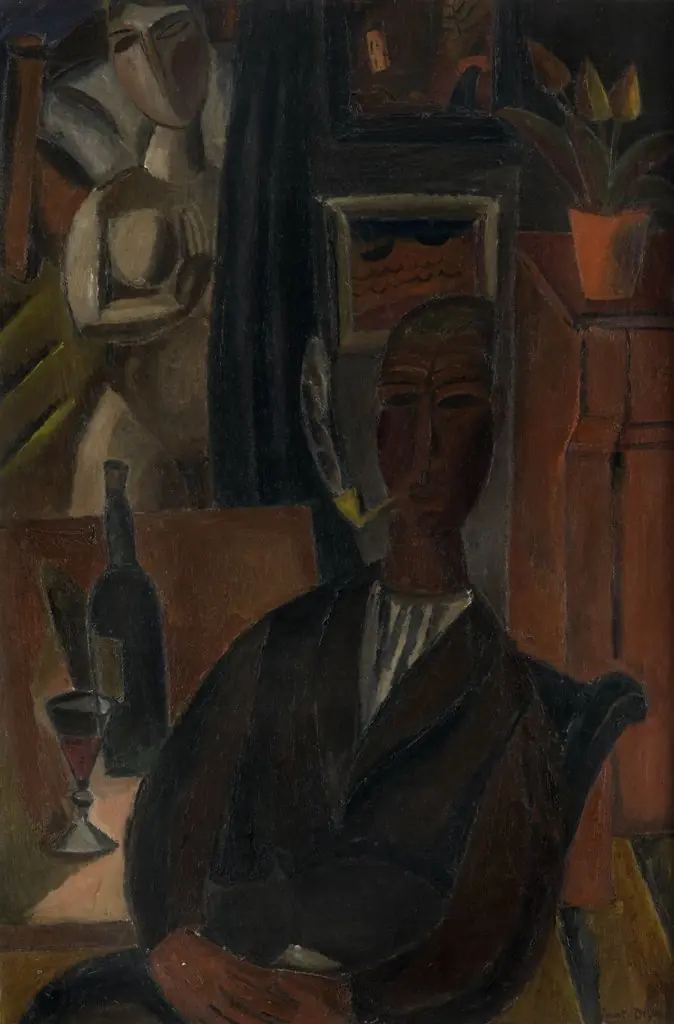 The man with the bottle
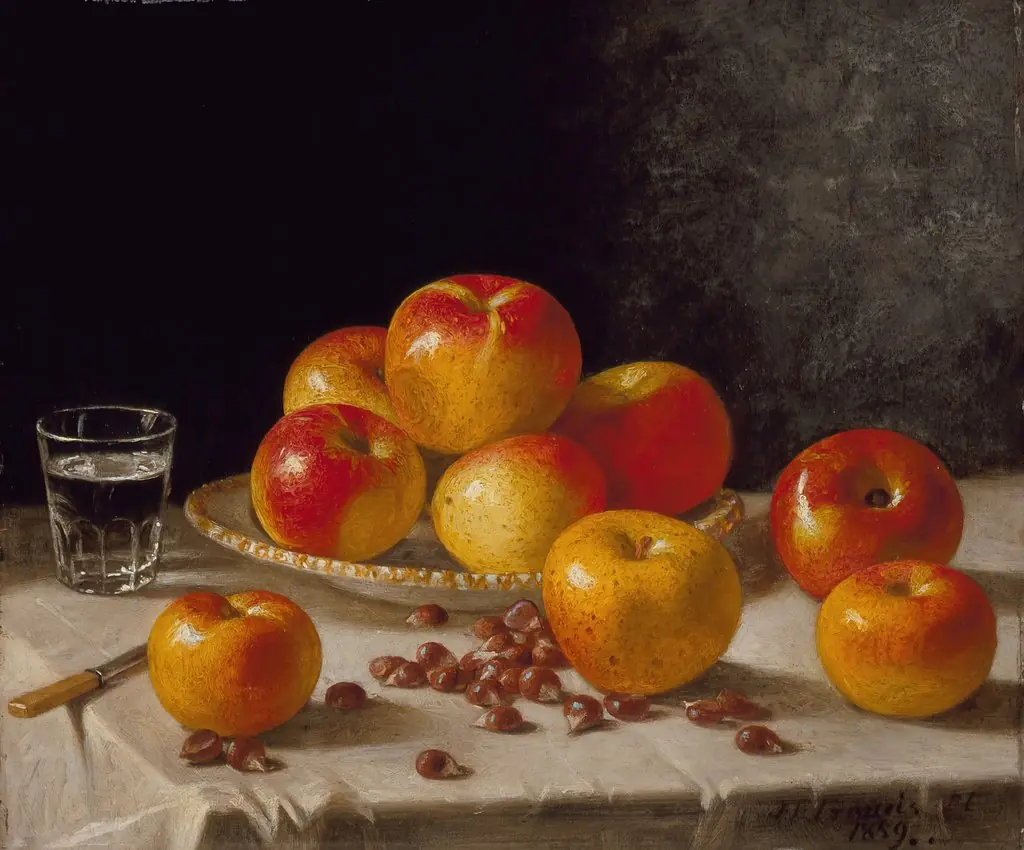 Still Life, Apples and Chestnuts
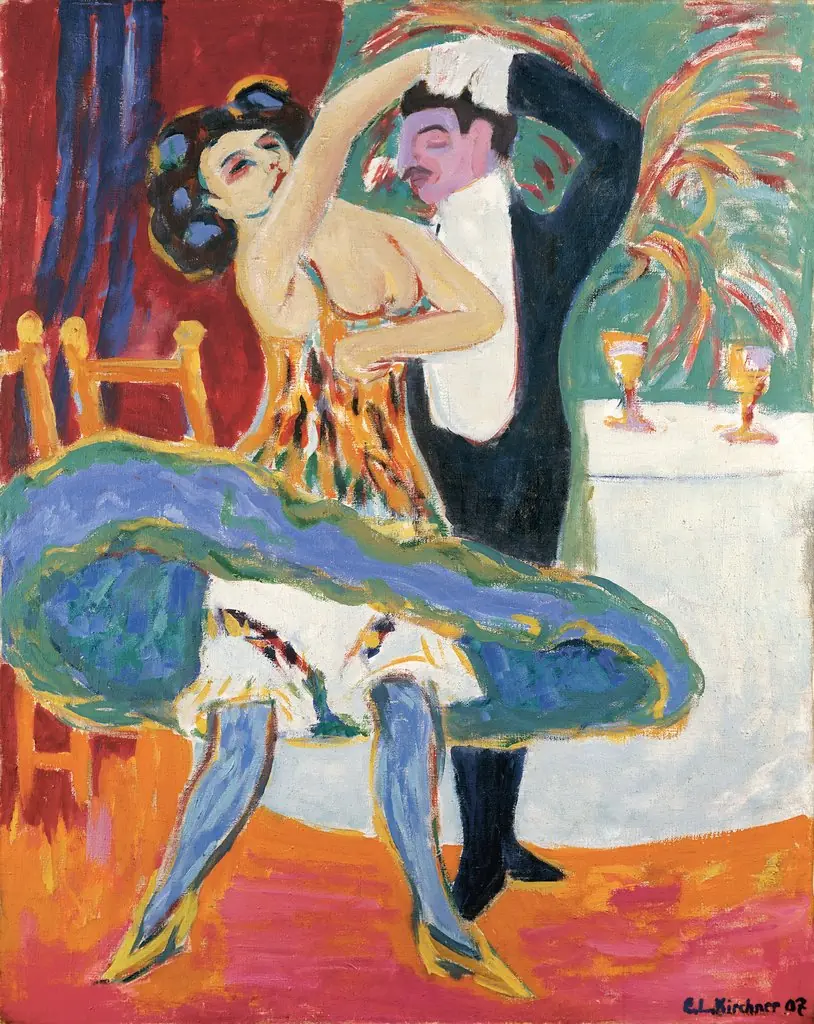 Varieté
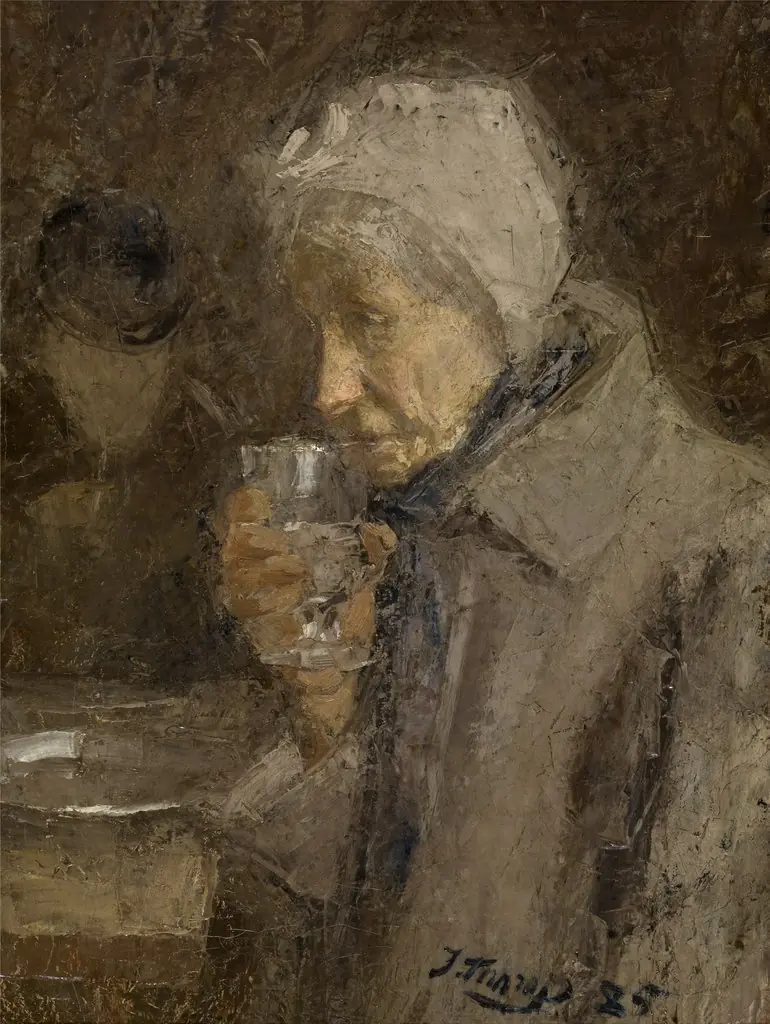 The Good Drink
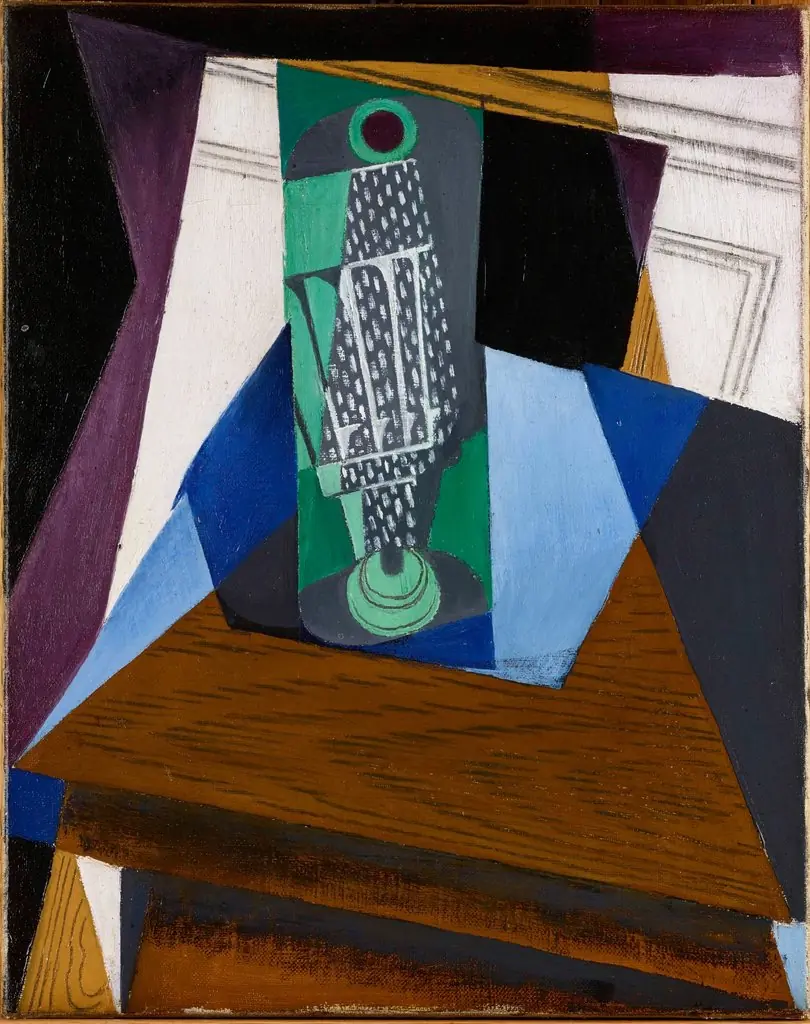 Glass on Table
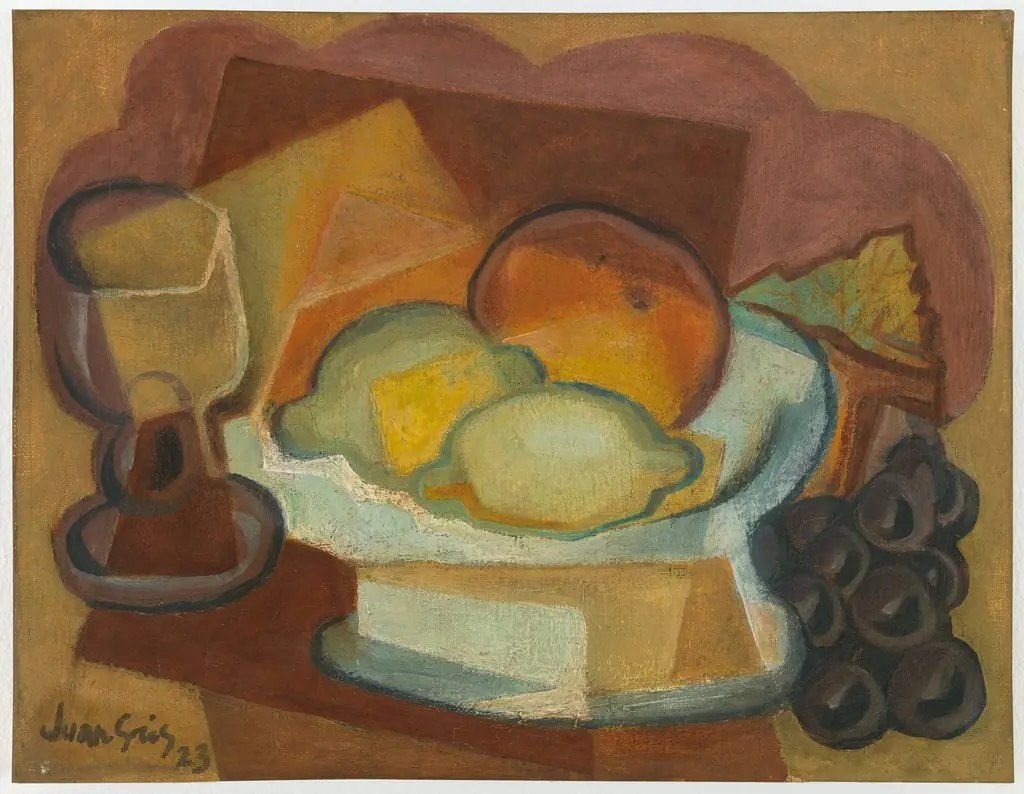 Fruit Dish and Glass (Still Life with Lemons)
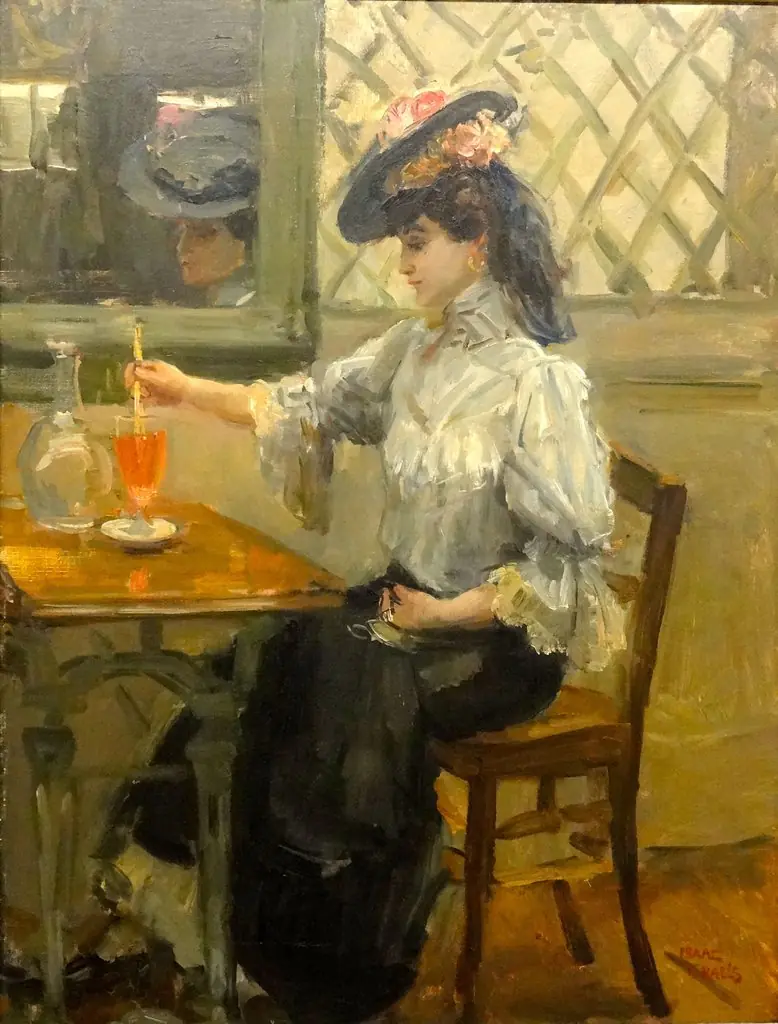 In het café
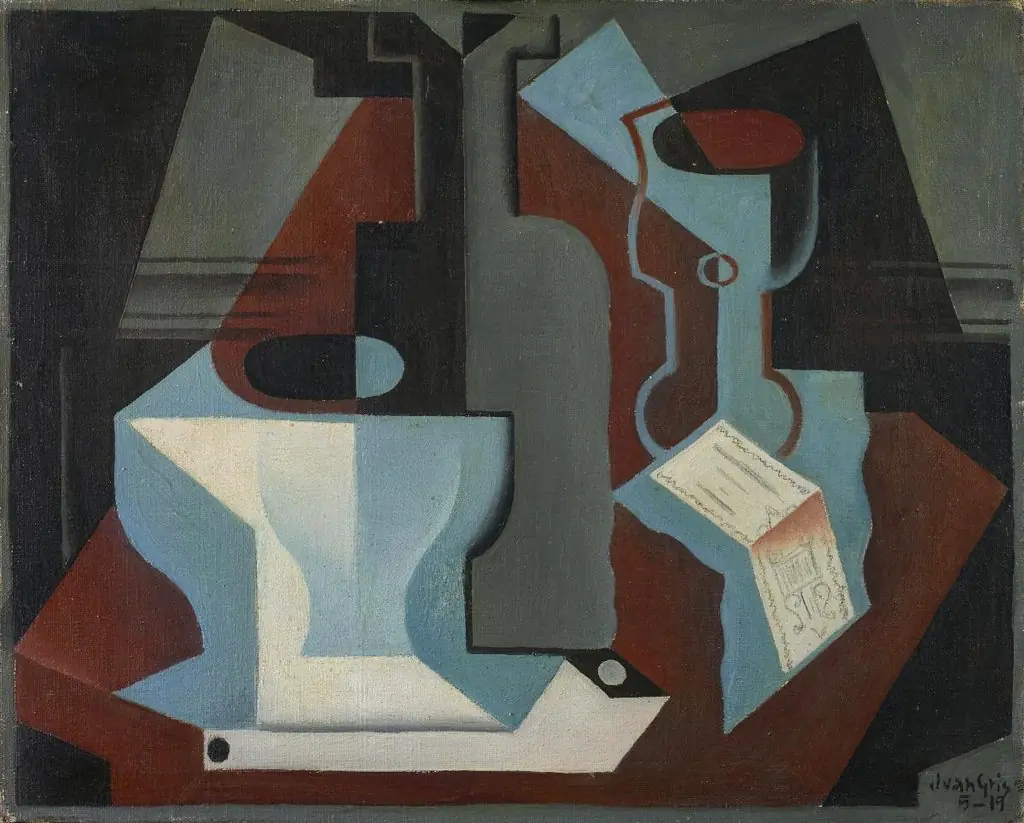 Water Bottle, Bowl and Glass
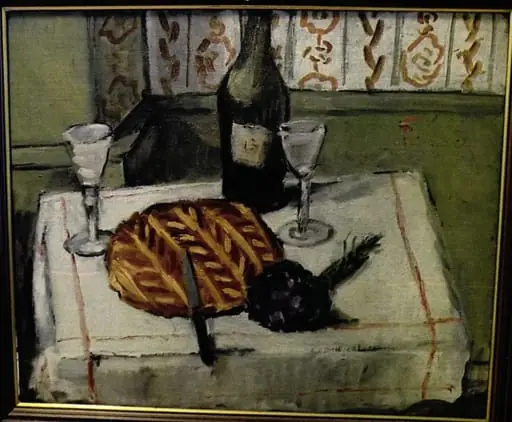 Azimă
Azimă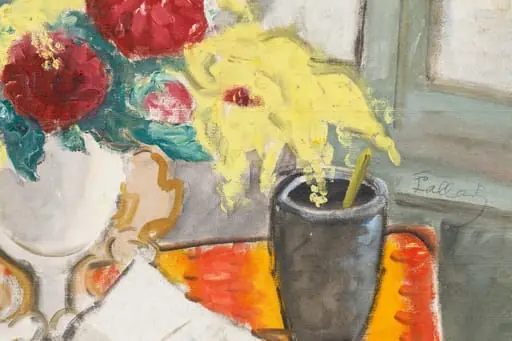 Natură moartă cu carte și flori
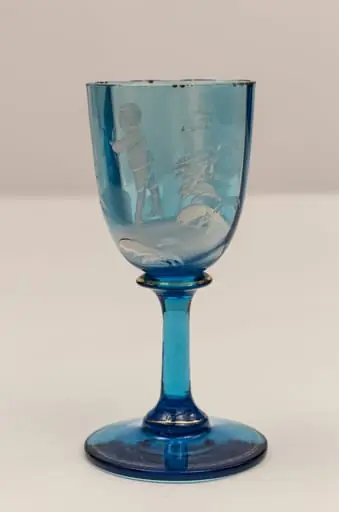 Piesă din sticlă suflată, modelată și pictată, alcătuită dintr-o cupă tronconică, fin fațetată și un picior subțire și înalt, cu talpă circulară, delimitat de două inele în relief. Piesa se încadrează, prin modul de realizare a decorului, stilului artistei Mary Gregory, specializată în sticla emailată, cu personaje și scene realizate alb pe alb pe suportul colorat (turcoaz în acest caz). Decorul apare pe cupa vasului, reprezentând o scenă cu un băiat îmbrăcat în stil victorian, ținând flori în mână, situat într-un cadru natural plin de vegetație (arbori). Piciorul și talpa paharului sunt decorate cu motive circulare aurii. Piesa se încadrează din punct de vedere estetic centrelor cehoslovace, fiind realizată posibil înaintea celui de-al Doilea Război Mondial (elemente detaliate; detalii punctate). Cromatică: turcoaz transparent, alb lăptos, auriu.
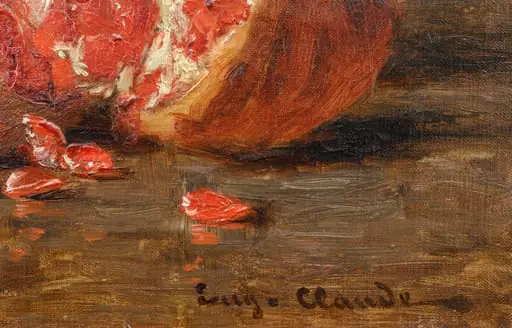 Natură statică
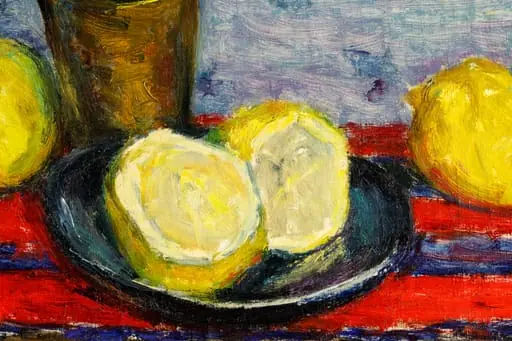 Natură moartă cu lămâi
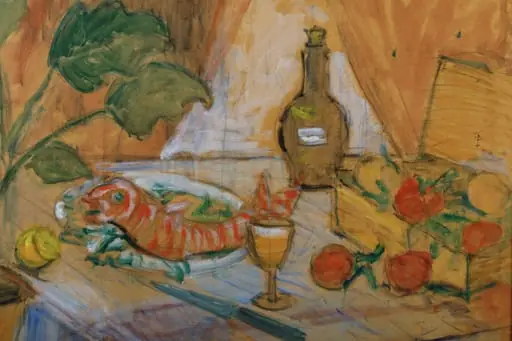 Natură statică cu plantă
 Tacâmul
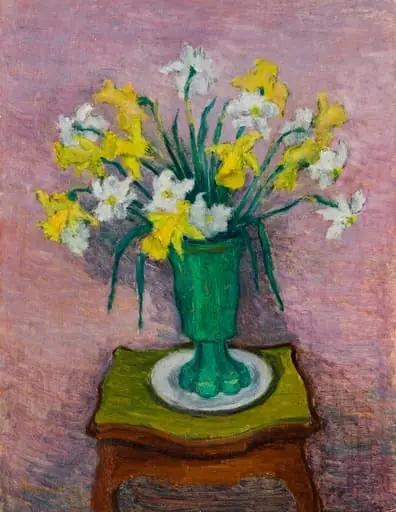 Narcise în pahar verde de Boemia
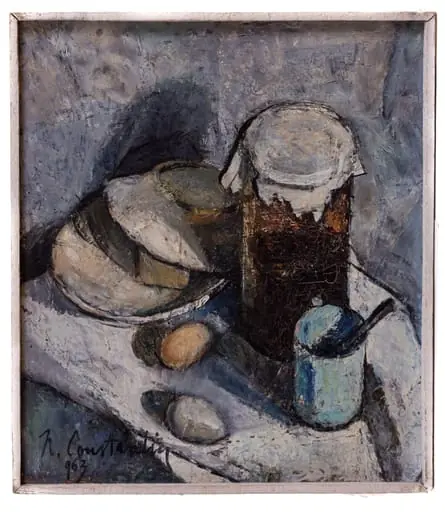 Natură statică
 Flori de măr
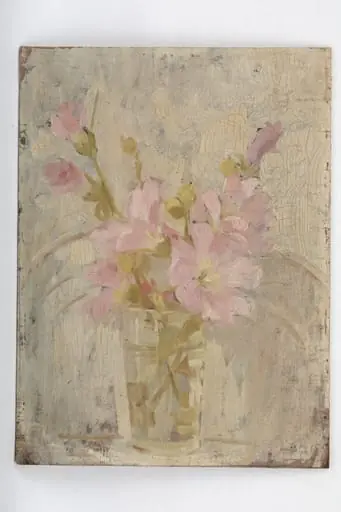 Flori de nalbă în pahar
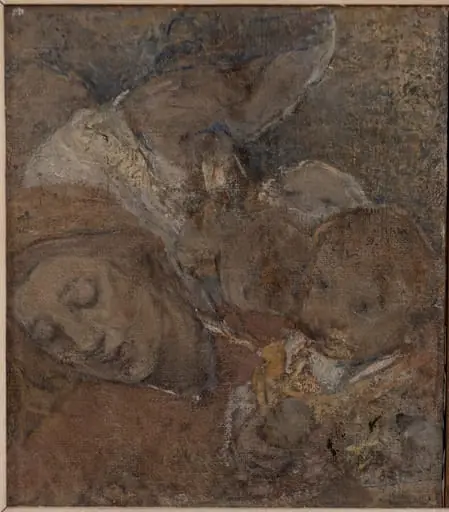 Sătui și flămânzi - Diptic
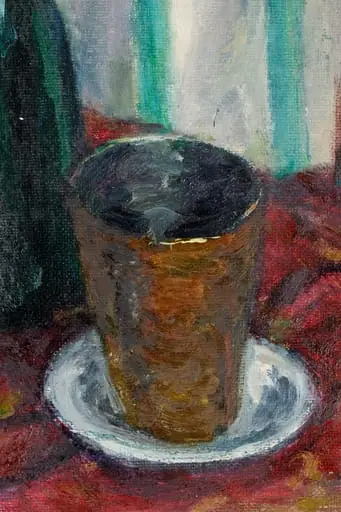 Natură statică cu pahar
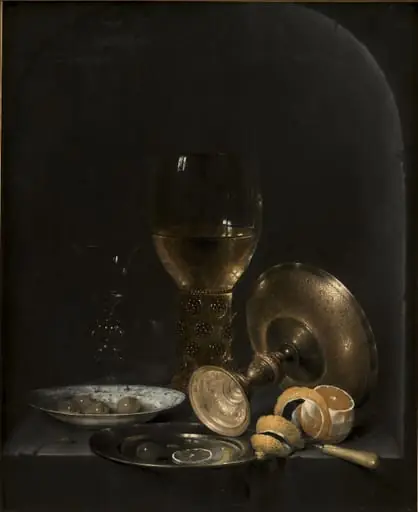 Still life. Breakfast Piece in a Stone Niche
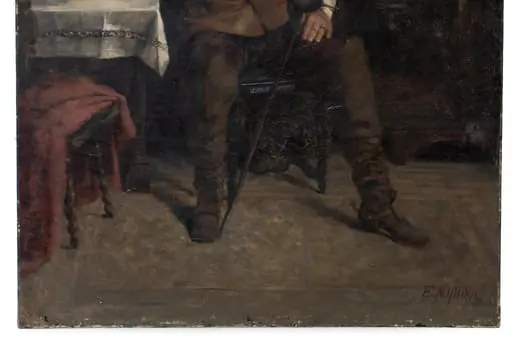 Un cavaler - Porthos
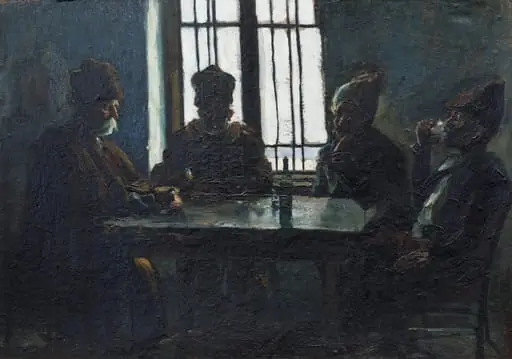 În cârciumă
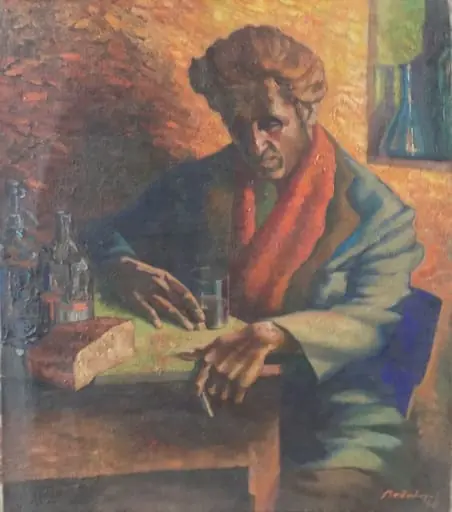 Ultimul han
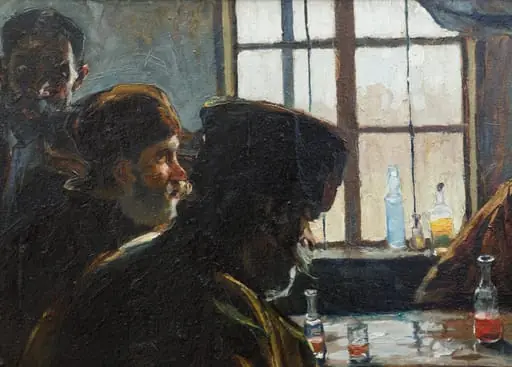 Țărani la cârciumă
 Două studente
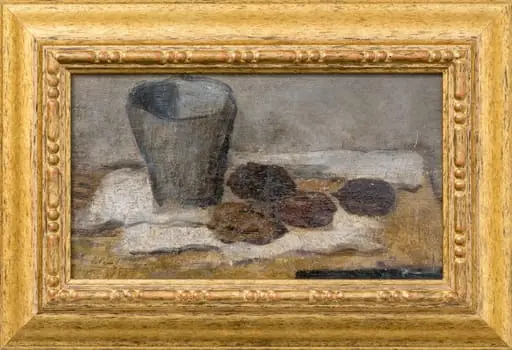 PAHAR ȘI NUCI
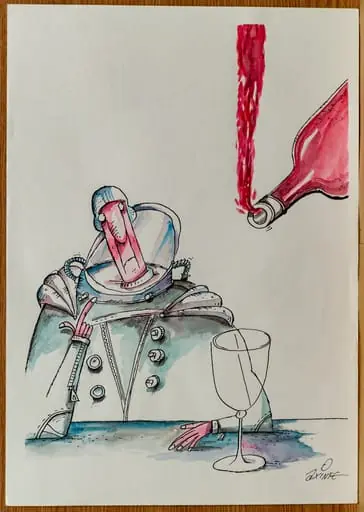 Imponderabilitate
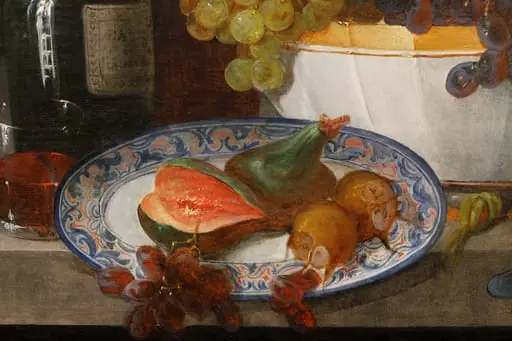 Natură statică
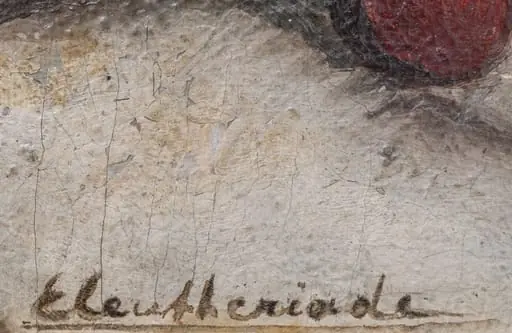 PAHAR ȘI FRUCTE
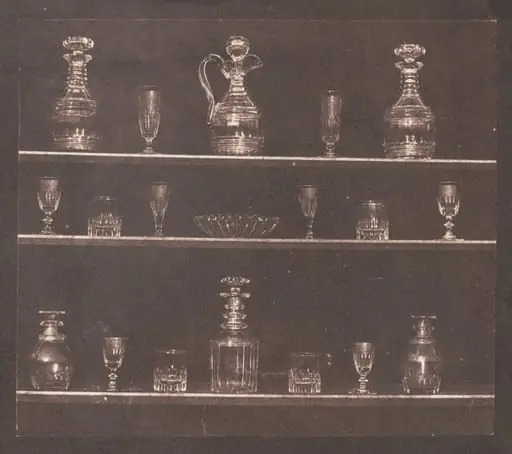 Articles of Glass
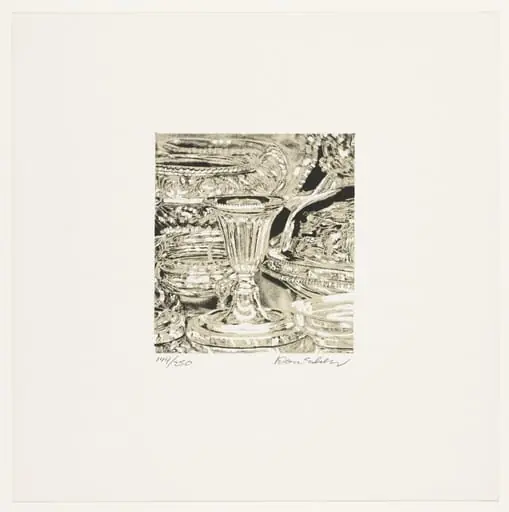 Untitled
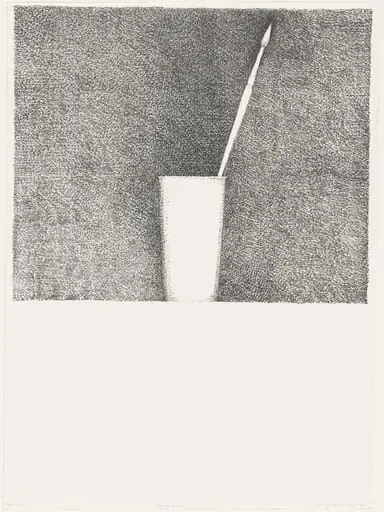 Untitled
 Untitled
Frequently asked questions
What is Drinking Glass?
Drinking Glass is a subject in art. This list of glassware includes drinking vessels (drinkware), tableware used to set a table for eating a meal and generally glass items such as vases, and glasses used in the catering industry.
How many Drinking Glass works does Artifact World Gallery have?
Artifact World Gallery holds 42 public-domain Drinking Glass works, all free to view and download.
Who are the key Drinking Glass artists?
Key Drinking Glass artists in the collection include Francis William Edmonds, Pieter Claesz and Willem Claesz Heda.
Where can I see Drinking Glass works?
Drinking Glass works in the collection are held by National Museum of Art of Romania, Moldova National Museum Complex and Museum of Modern Art.