
Subject
Hound
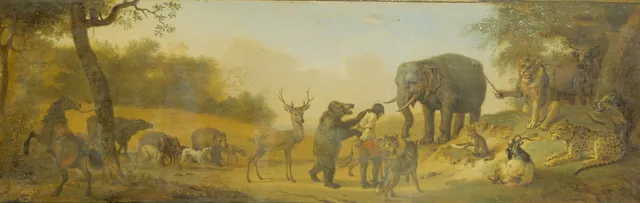
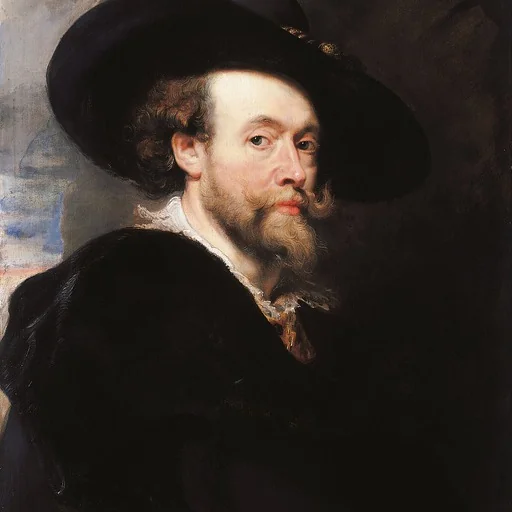
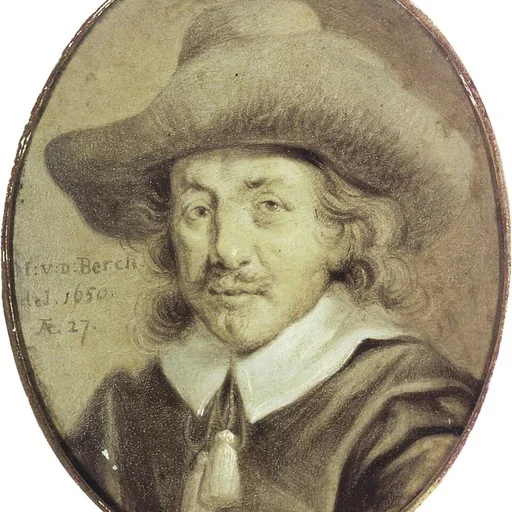
Hound is a subject in art. The gallery holds 28 works in this subject in art, including works by Rosa Bonheur, Peter Paul Rubens and Nicolaes Pieterszoon Berchem.
Hound is a village and civil parish in the borough of Eastleigh in southern Hampshire, England. The parish encompasses the villages of Netley, Butlocks Heath and Old Netley, and includes such landmarks as Netley Castle and Netley Abbey.
Key artists
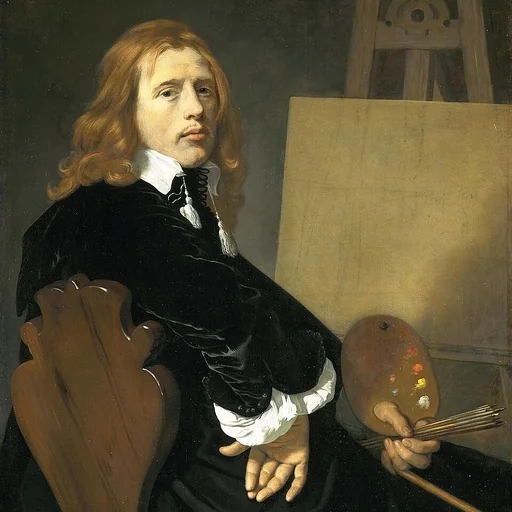
Overview
The hound is a type of hunting dog bred for tracking and pursuing game, a role that has secured its place as a recurring motif in visual art and literature. Divided broadly into scent hounds, which follow trails with powerful olfactory receptors, and sight hounds, which rely on vision and speed to chase prey, hounds possess specialized instincts shaped over millennia. Their deep historical connection to the hunt has made them natural subjects for artists depicting aristocratic pastimes, wilderness, and the pursuit of game, embedding the hound firmly within the visual culture of the chase.
Iconography & meaning
In artistic and literary traditions, the hound carries layered symbolism tied to loyalty, pursuit, and the uncanny. In visual art, hounds often signify nobility and the privilege of the hunt, functioning as extensions of the hunter's will. In literature, they embody both steadfast devotion and primal fear. Homer's Argos, the neglected hound who wags his tail upon recognizing Odysseus after decades, established the hound as an archetype of unwavering fidelity. Conversely, Arthur Conan Doyle weaponized the hound's predatory nature in The Hound of the Baskervilles, where a demonic hound of supernatural origin embodies Gothic terror and ancestral curse, exploiting the animal's capacity to induce visceral dread.
Across movements & periods
The artistic treatment of hounds tracks their evolving societal roles, from ancient hunting partners to modern companions. Ancient Egyptian and Greek civilizations first depicted hounds emphasizing their utility and speed. During the medieval and Renaissance periods, as hunting became an aristocratic privilege, hounds appeared in art as symbols of noble status and cultivated leisure, often shown as packs working in coordinated pursuit. By the 19th and 20th centuries, as demographic shifts redefined companion animals as family members, literary and artistic depictions increasingly focused on the emotional interiority of the hound, emphasizing individual loyalty and psychological depth over sheer utility.
Notable depictions
Beyond the visual arts, the hound has anchored notable literary works. In The Hound of the Baskervilles, published in 1902 and serialized in The Strand Magazine, Sidney Paget illustrated the fearsome, diabolical hound that stalks the Dartmoor moors, cementing the animal as a vessel of Gothic horror. In Jack London's The Call of the Wild (1903), the hound Buck embodies the raw tension between civilization and wild instinct, with his legendary sled-pull representing the quintessential depiction of canine loyalty. Conversely, the 1992 novella Thor subverts the traditional hound narrative by using a German Shepherd's sensory perspective to detect a supernatural threat, framing the hound as the rational protector of a vulnerable human pack.
Legacy
The hound's legacy extends beyond animal portraiture into the very structure of modern anti-hero characterization. The archetype of the brutal, scarred exterior concealing a fiercely loyal and morally complex core has heavily influenced contemporary storytelling. This is exemplified by Sandor Clegane, known as The Hound in George R. R. Martin's A Song of Ice and Fire series. His character arc, defined by a traumatic past and a gruff yet protective demeanor, became a benchmark for effective anti-hero development in fantasy television. The cultural resonance of such figures demonstrates how the historical traits of the hound, instinctual pursuit and pack loyalty, have been abstracted into metaphors for human moral ambiguity and the struggle for redemption.
Works
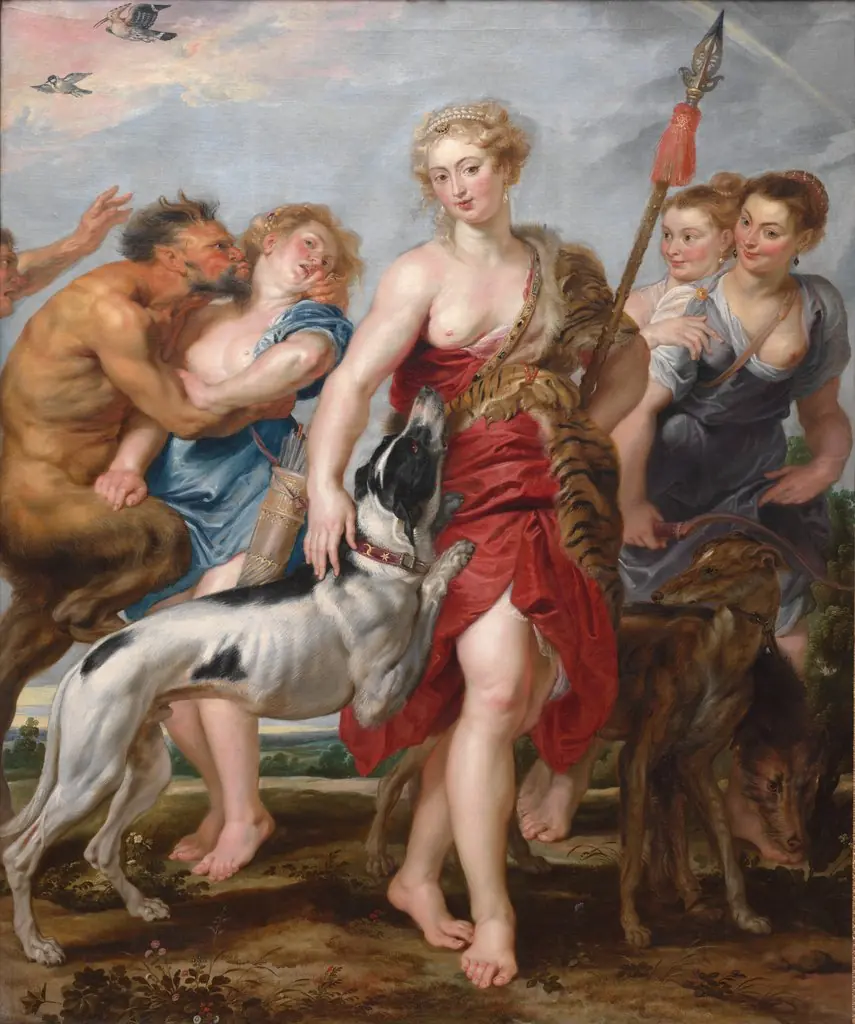 Diana and Her Nymphs Departing for the Hunt
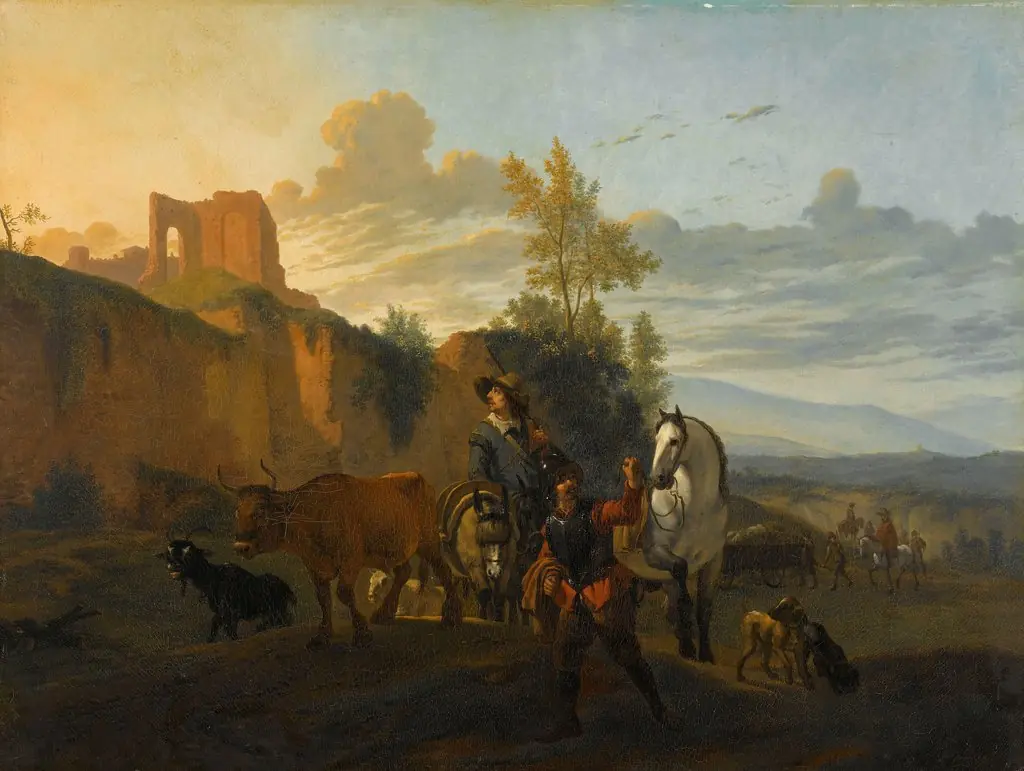 Italian landscape with soldiers
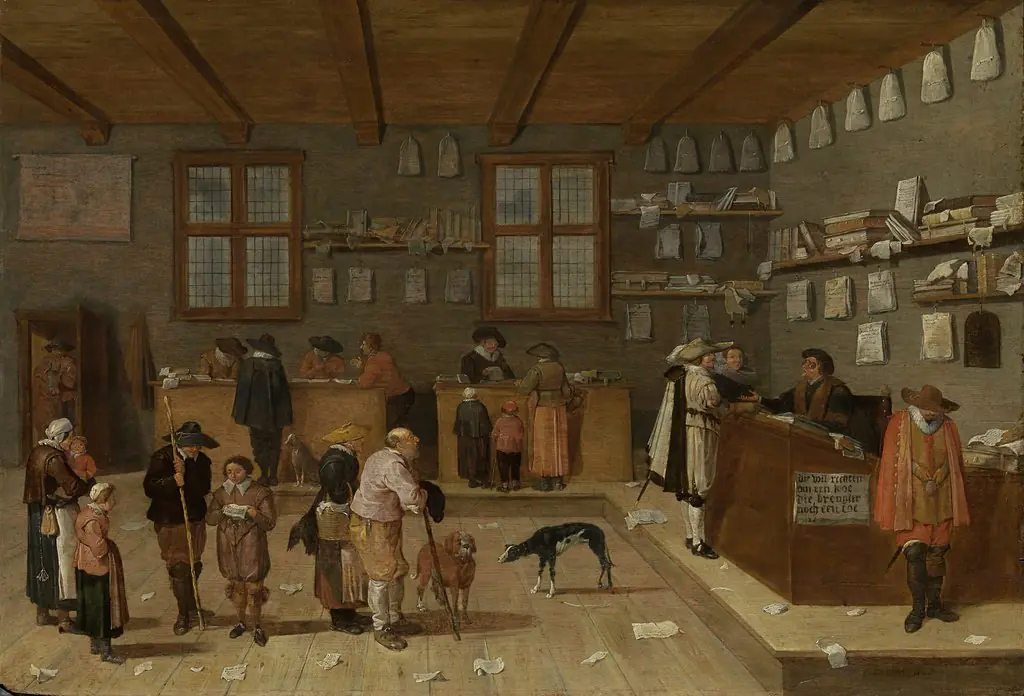 The lawyer's office
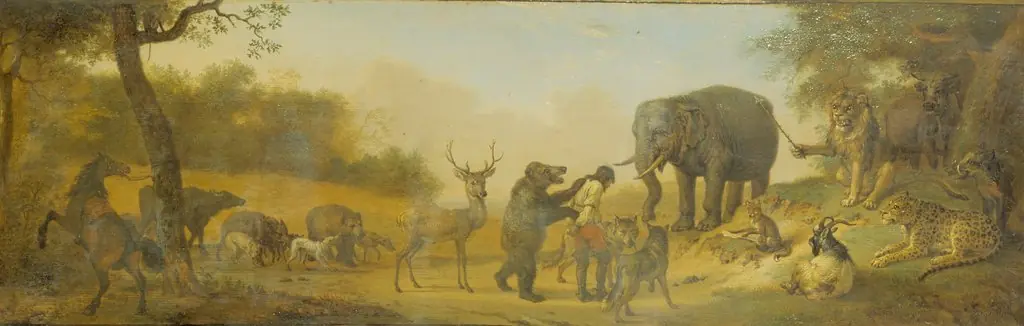 Hunter and Hounds being Judged
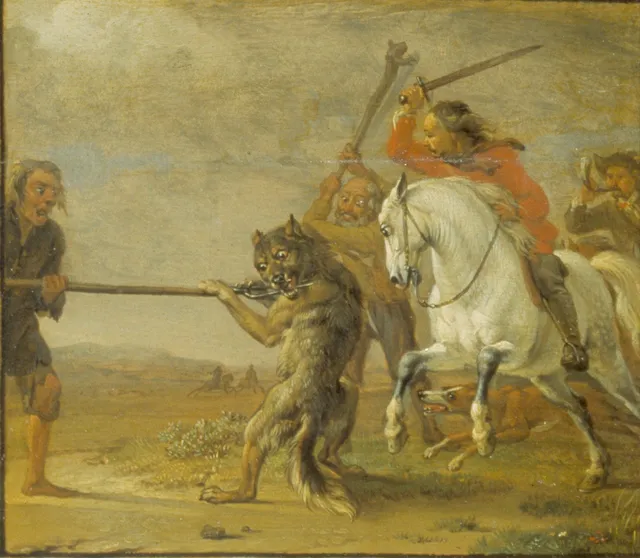
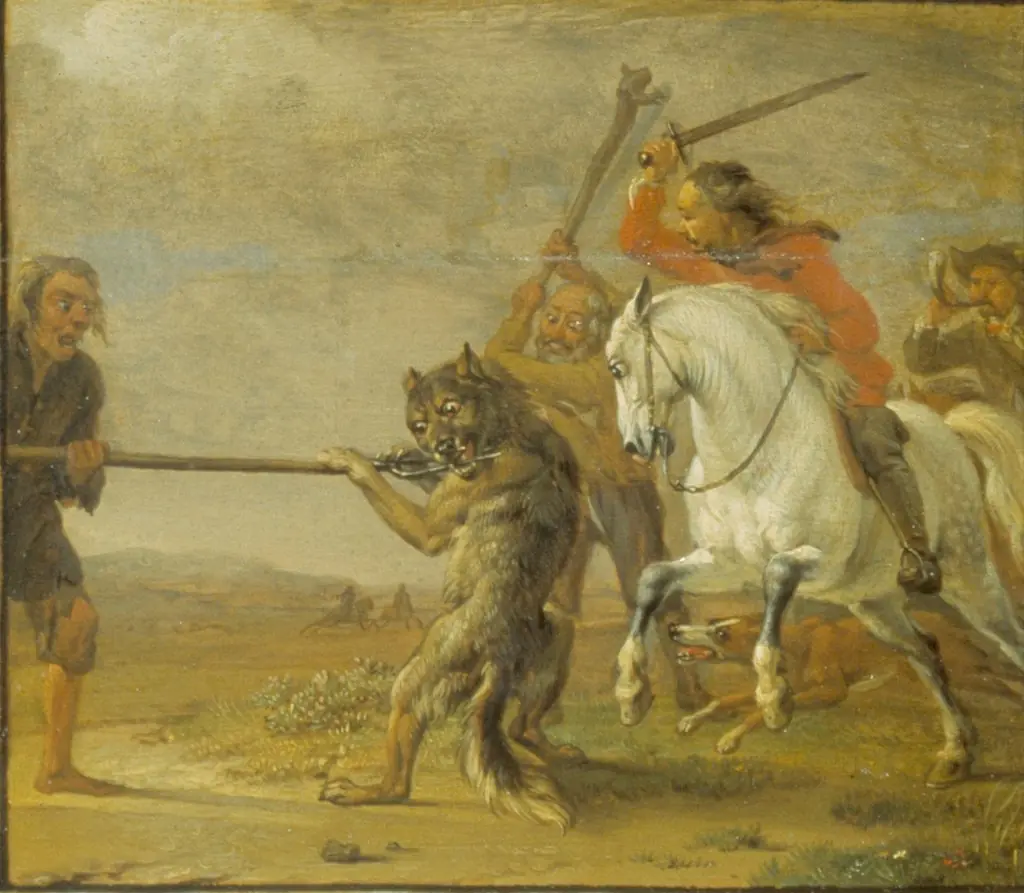 The Wolf Hunt
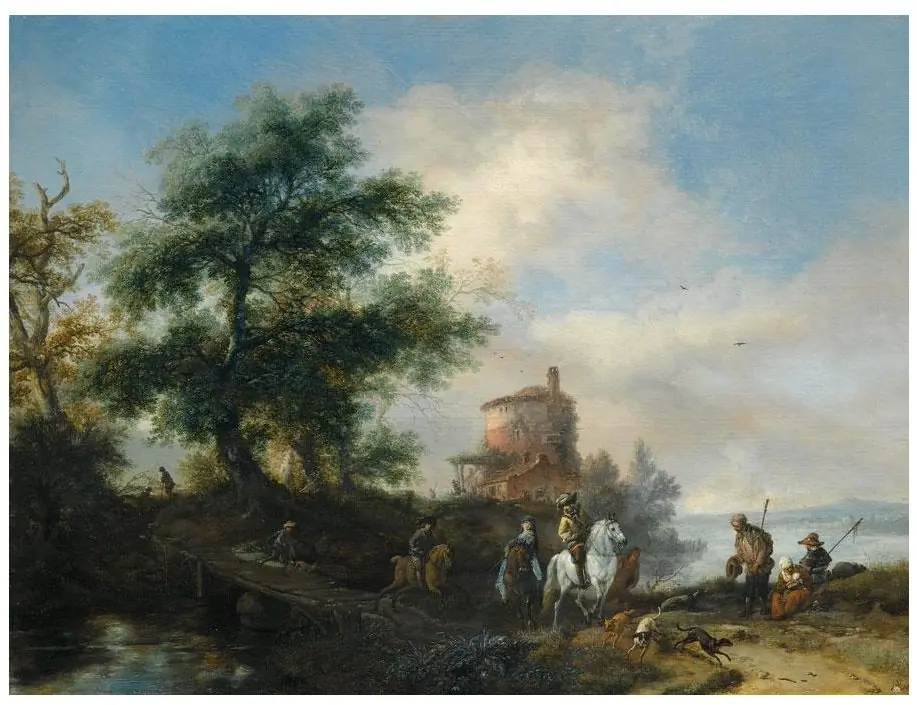 Departure of the hunt
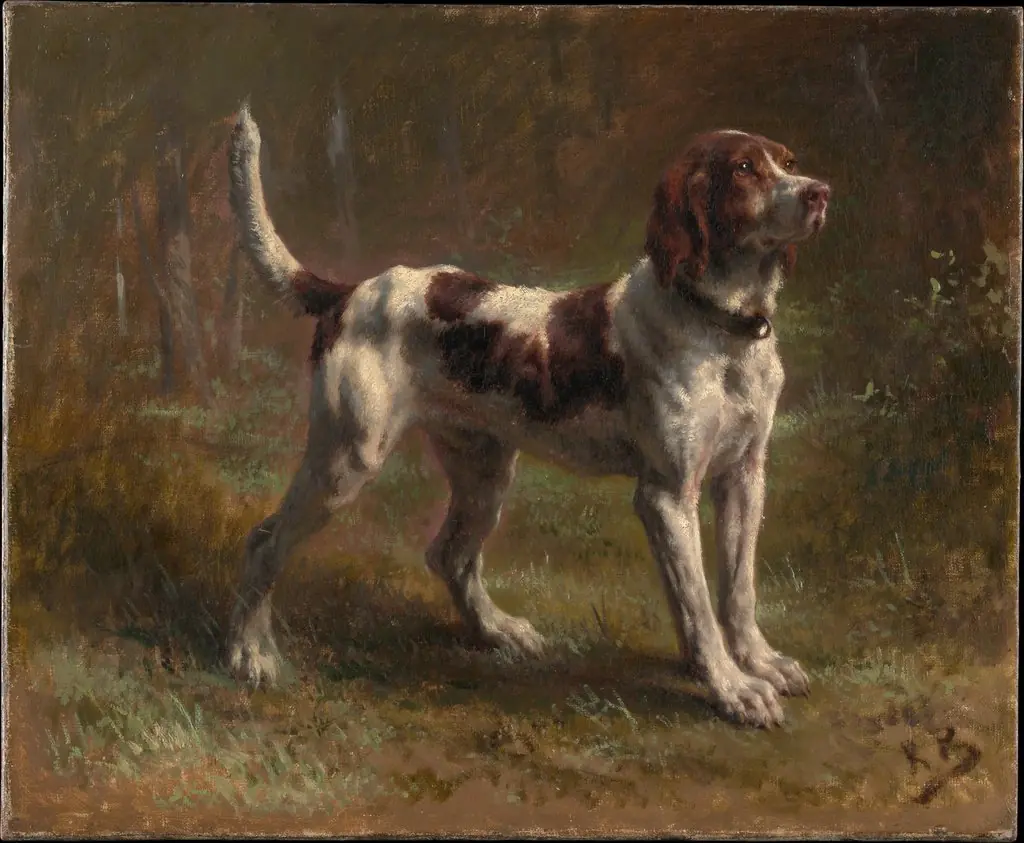 A Limier Briquet Hound
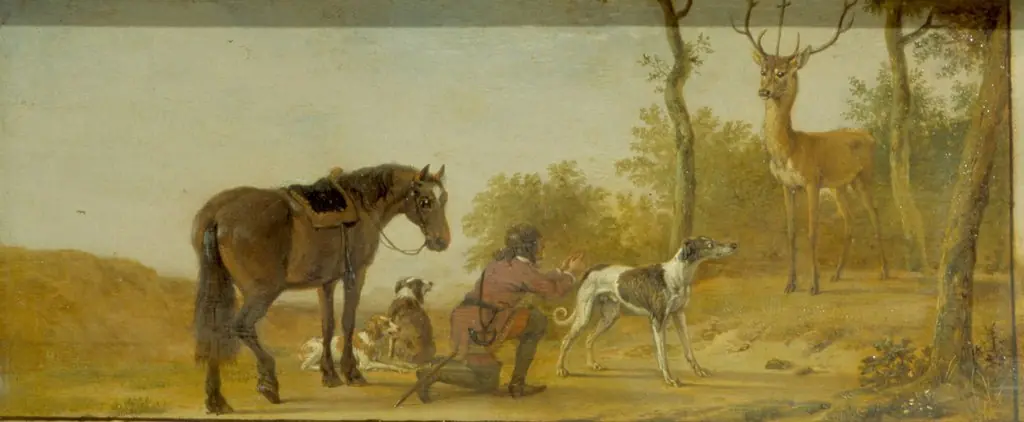 Vision of Saint Hubert
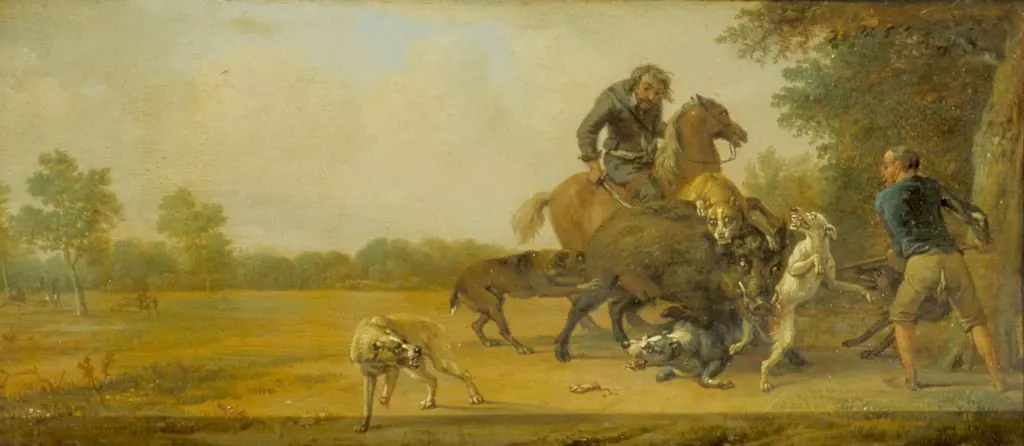 The Boar Hunt
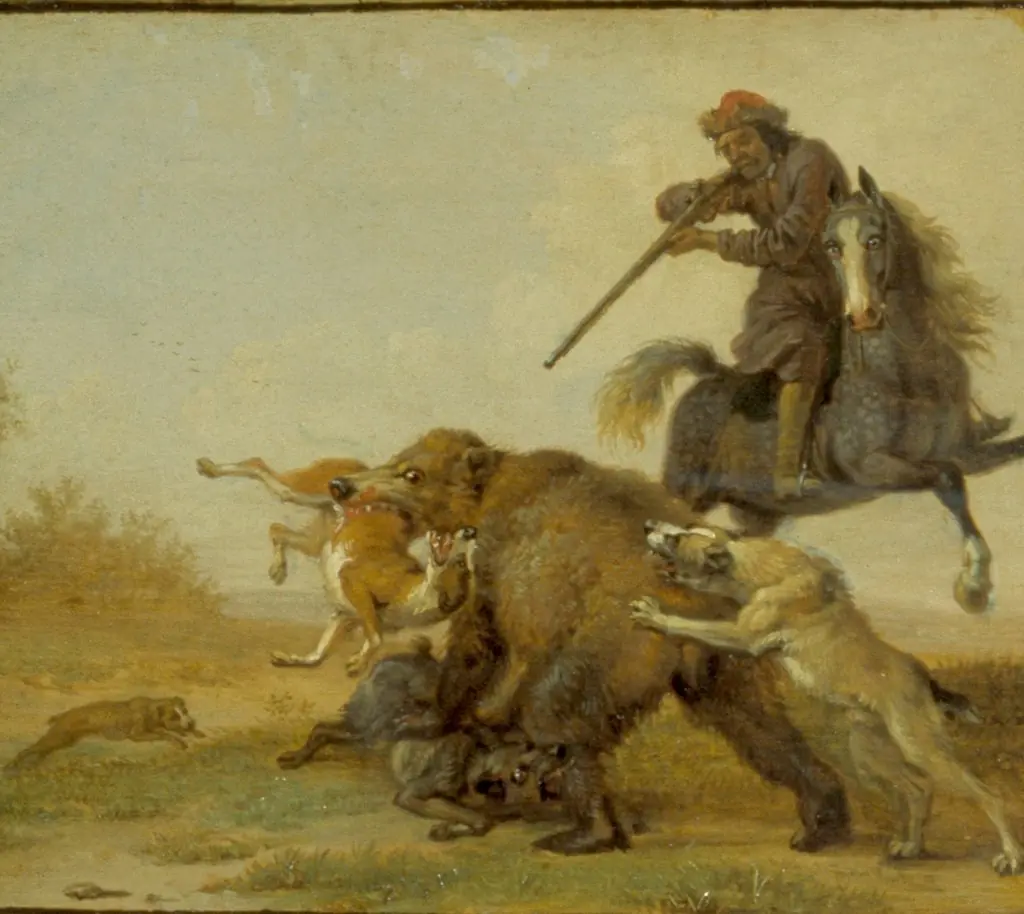 The Bear Hunt
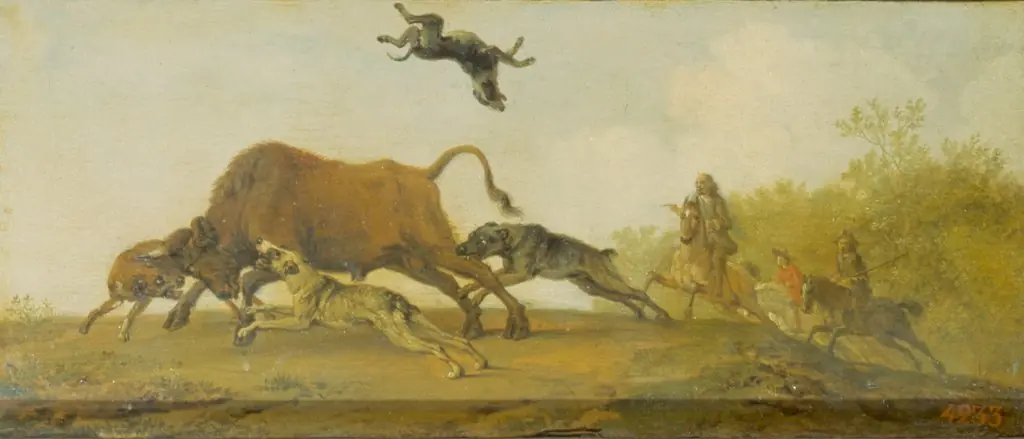 The Bull Hunt
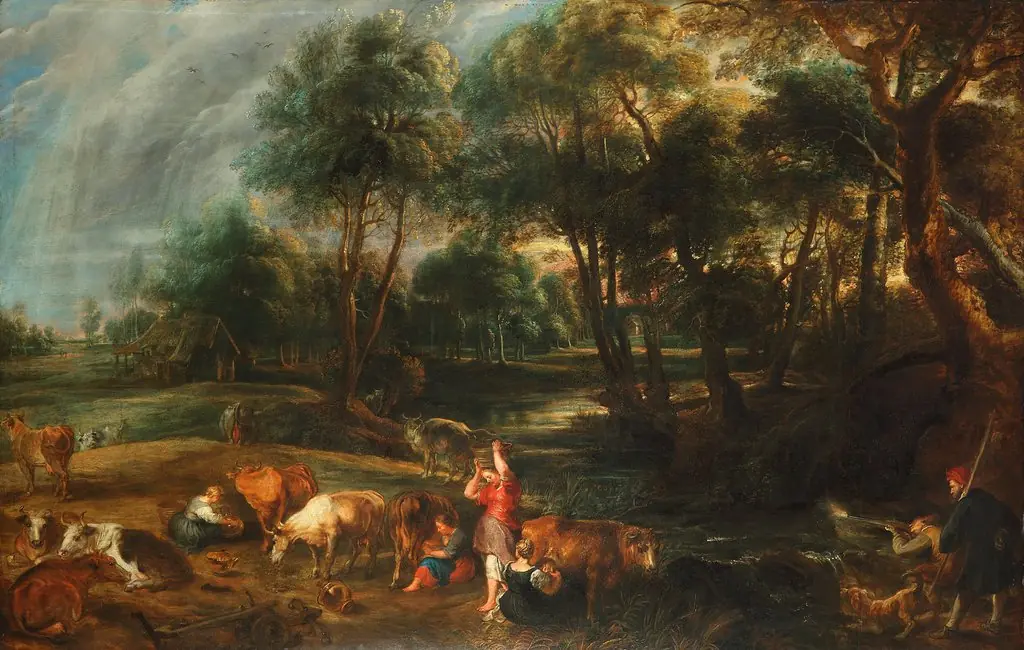 Landscape with Cows and Wildfowlers
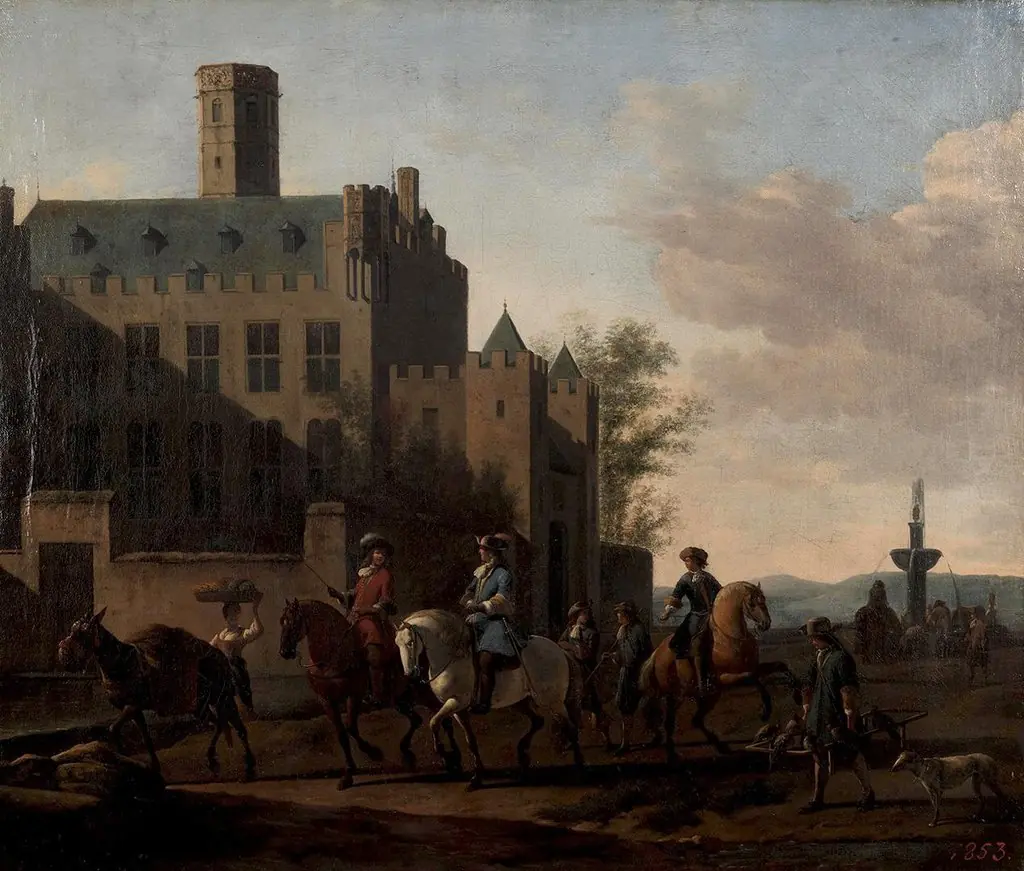 Leaving for the Hunt
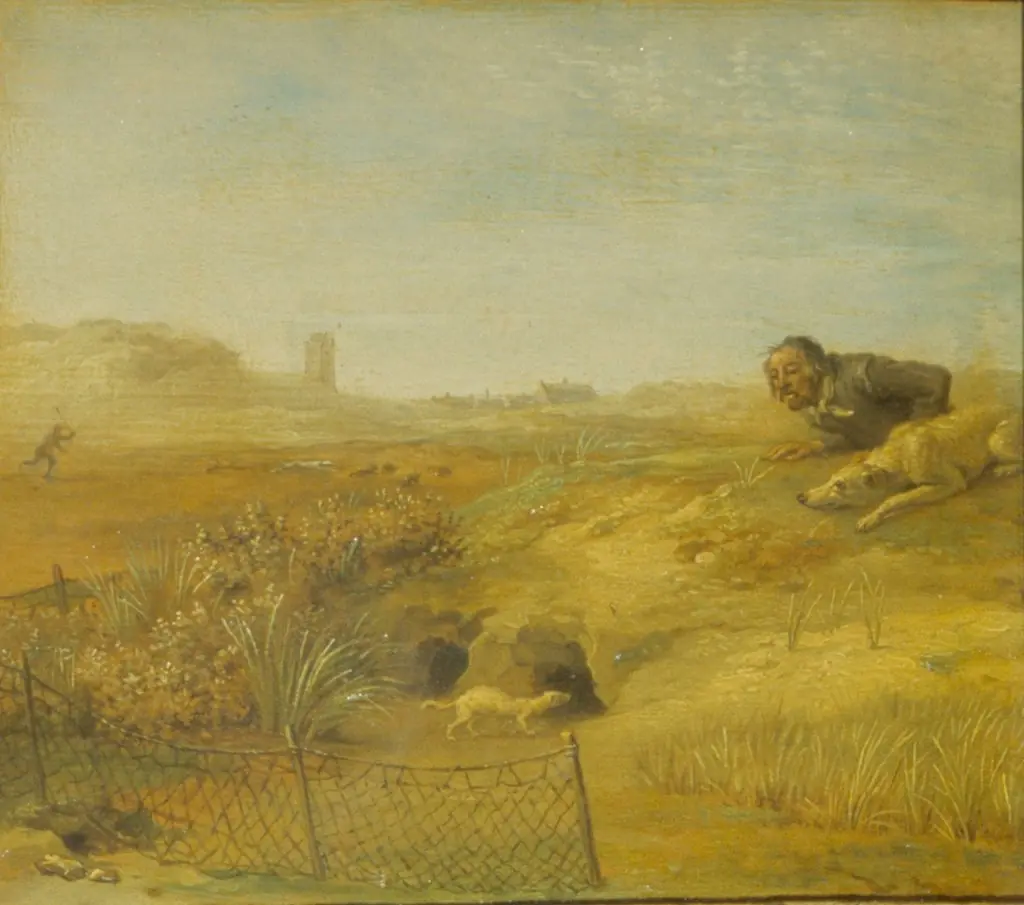 Hunting Hare with a Ferret and Hound
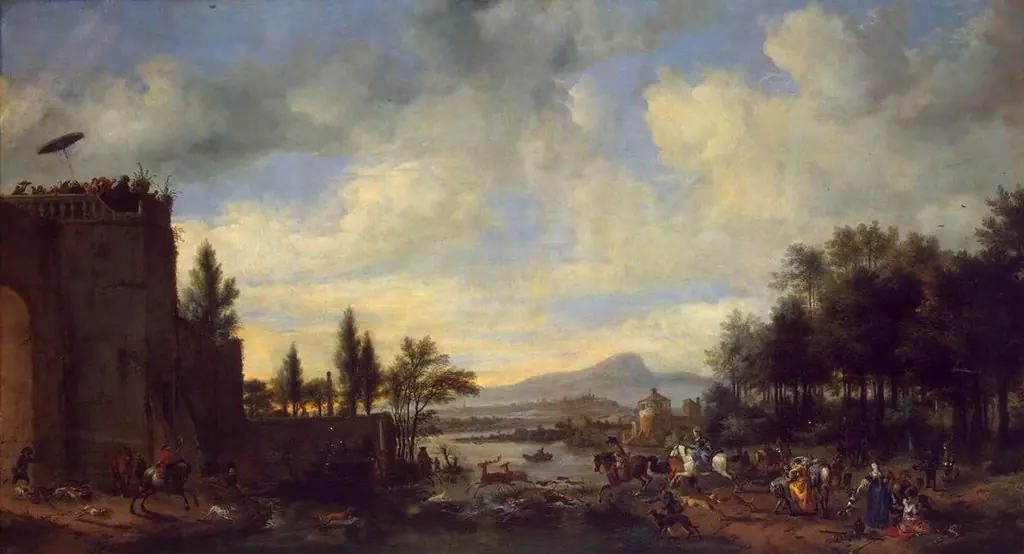 Deer Hunt
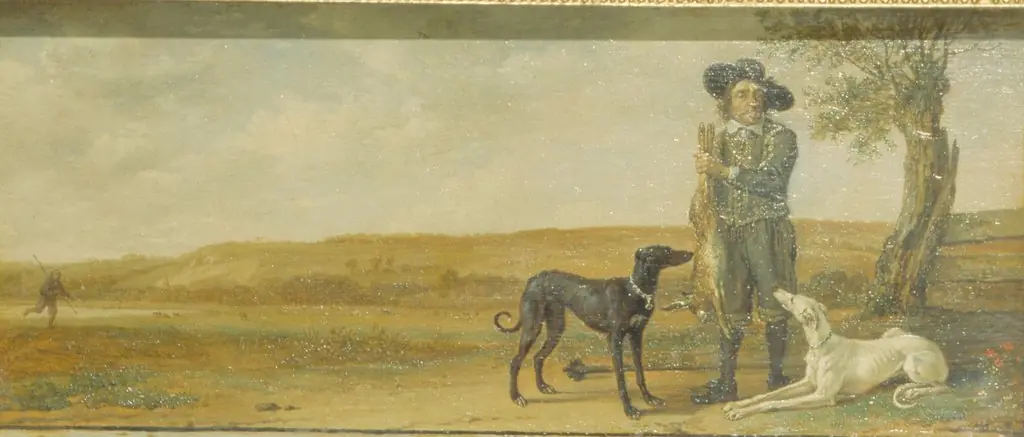 Hunter and Hounds with Dead Hare
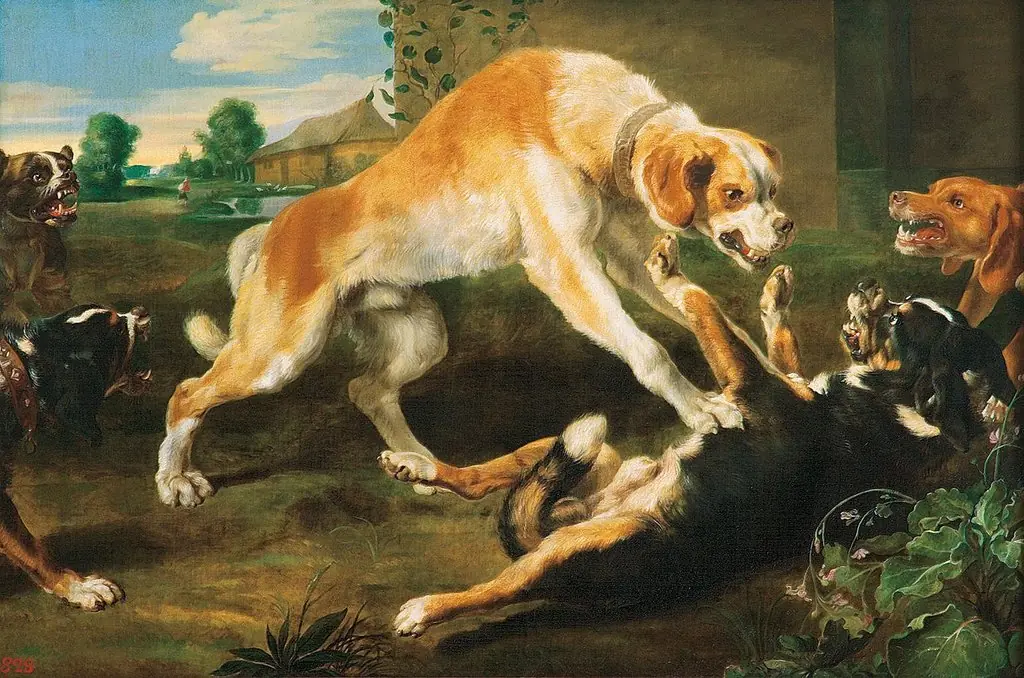 Fighting Dogs
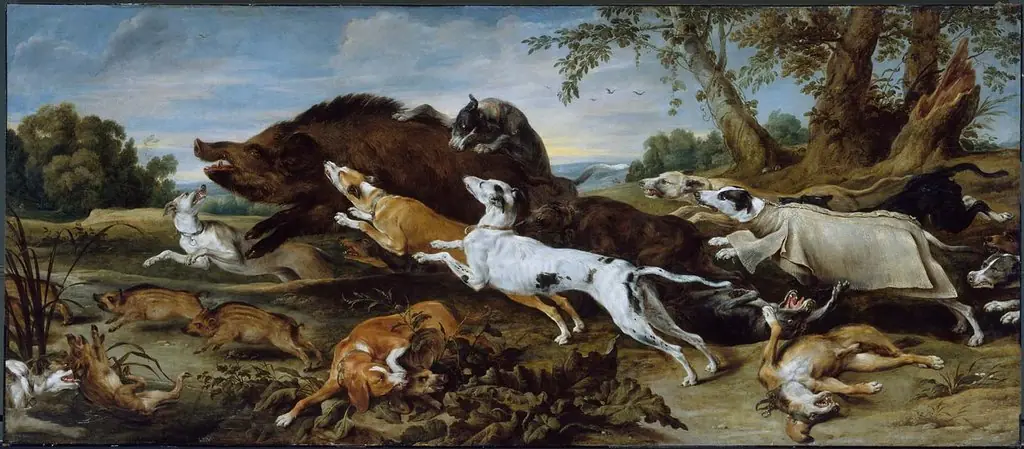 Boar Hunt
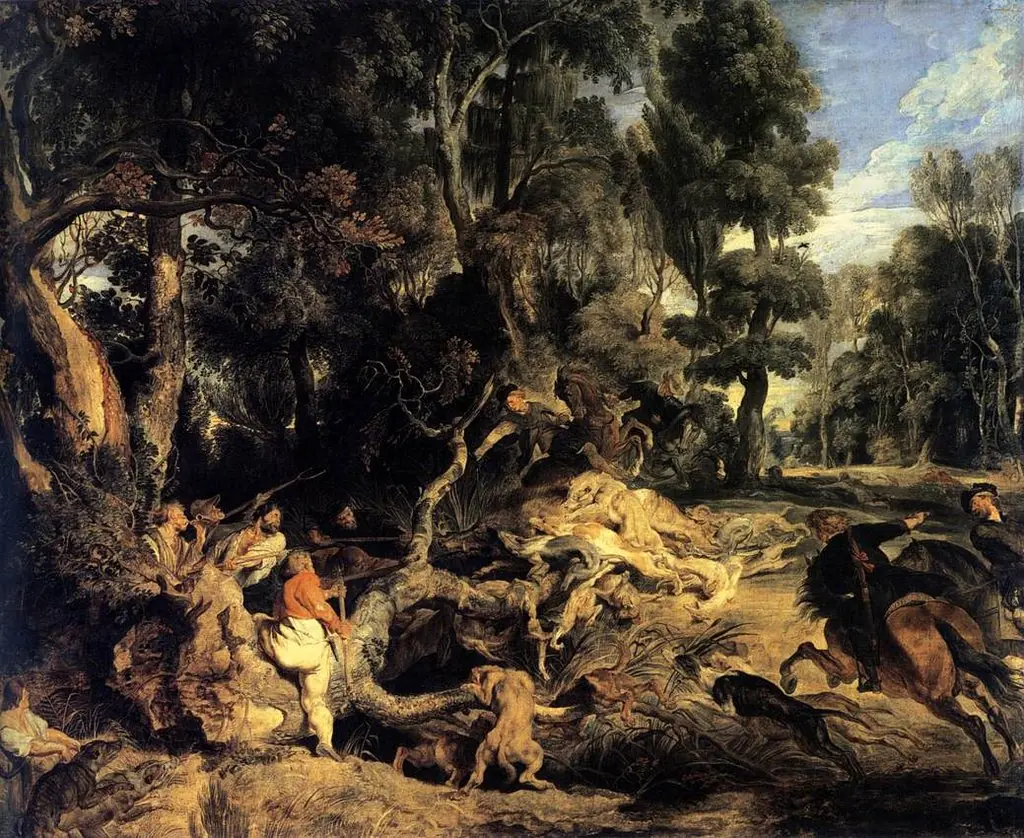 Landscape with Boar Hunt
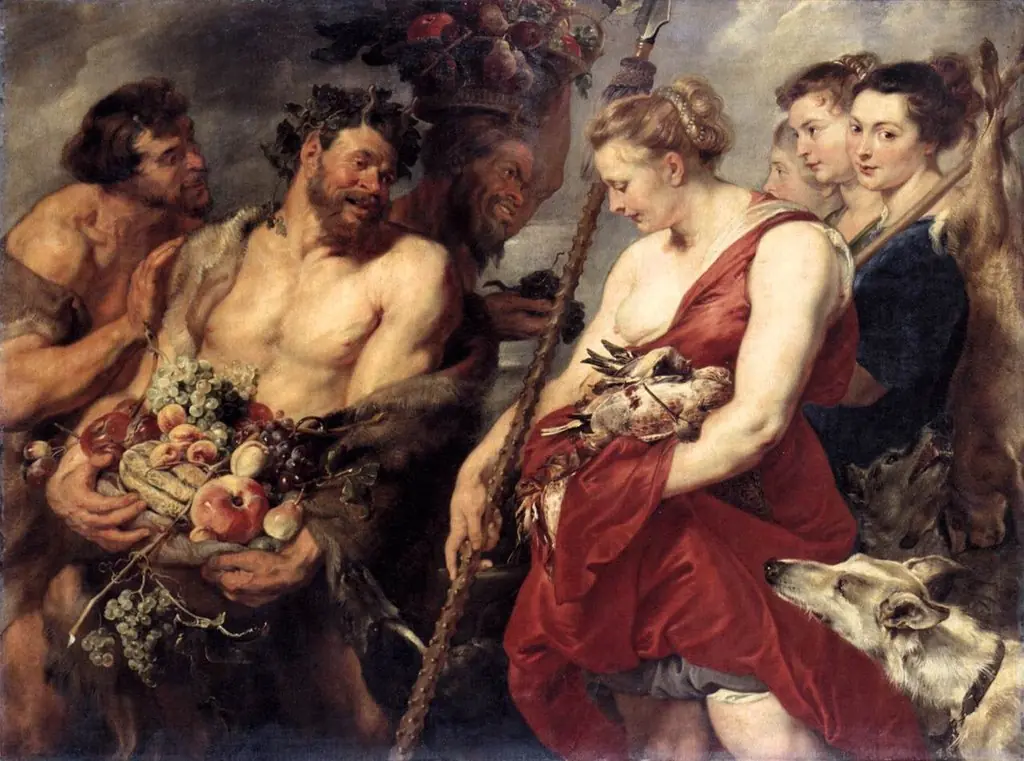 Diana returning from the Hunt
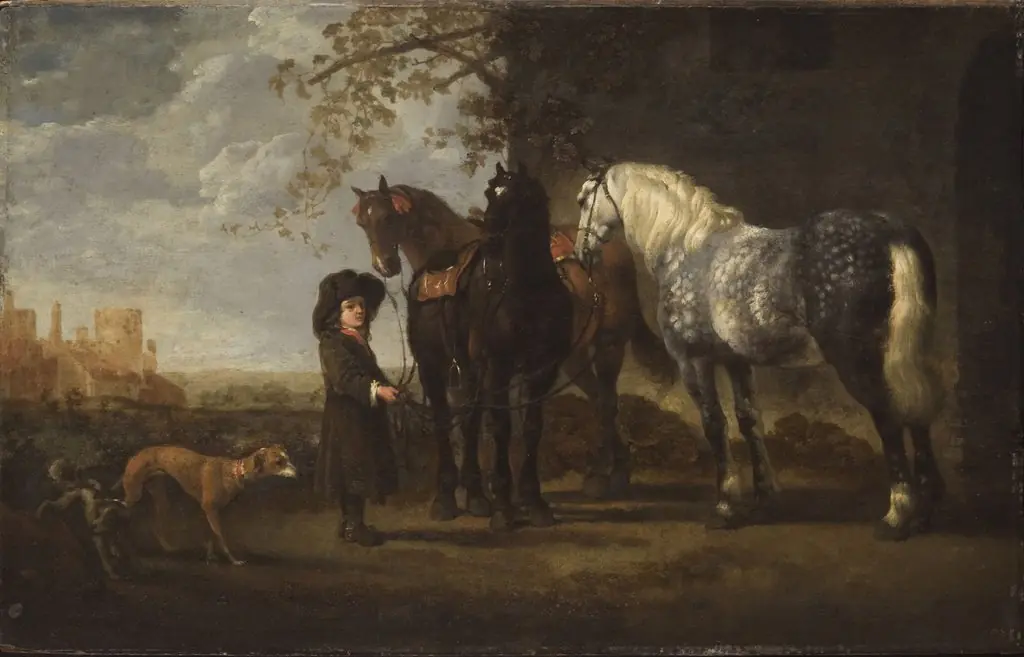 Groom with Three Horses and Two Dogs
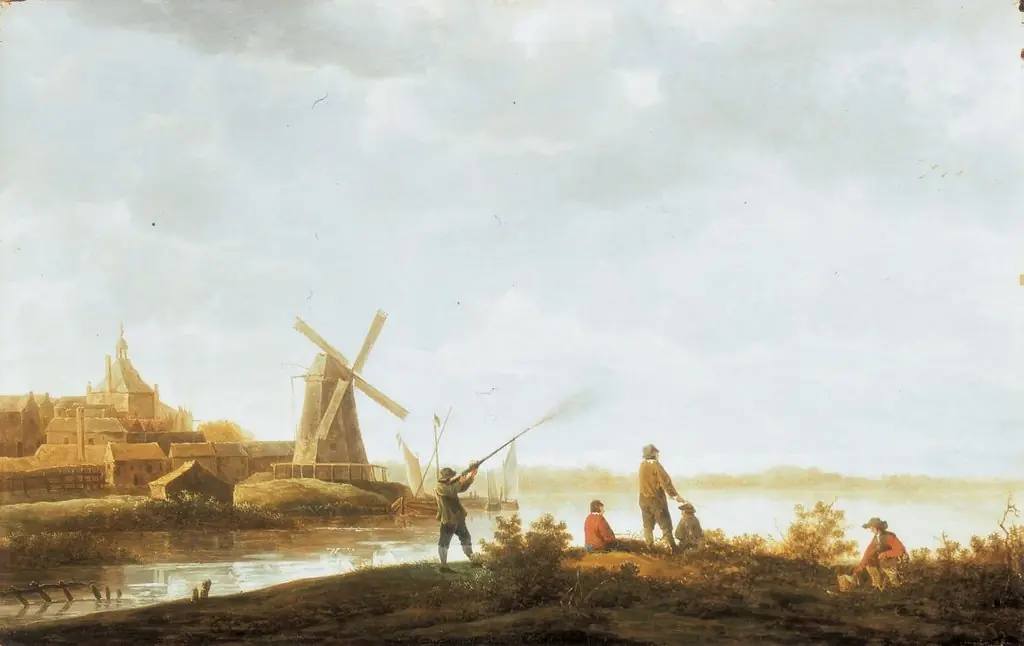 View of Dordrecht with the Rietdijkse Poort
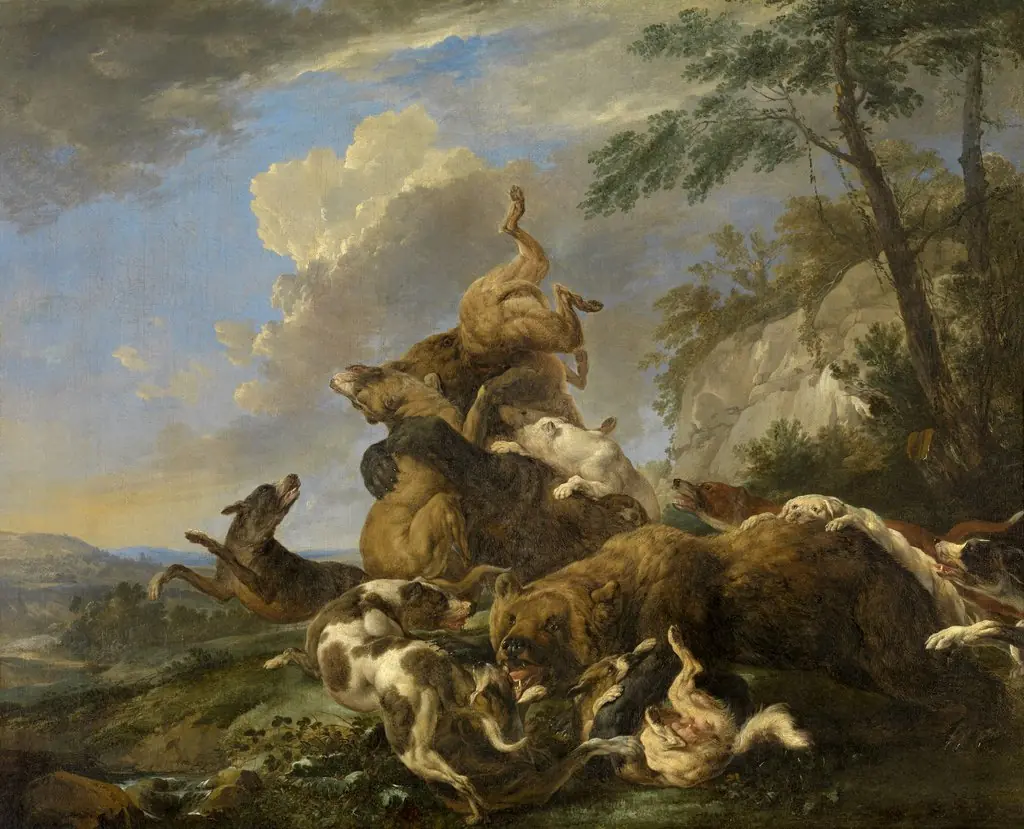 Bear Hunt
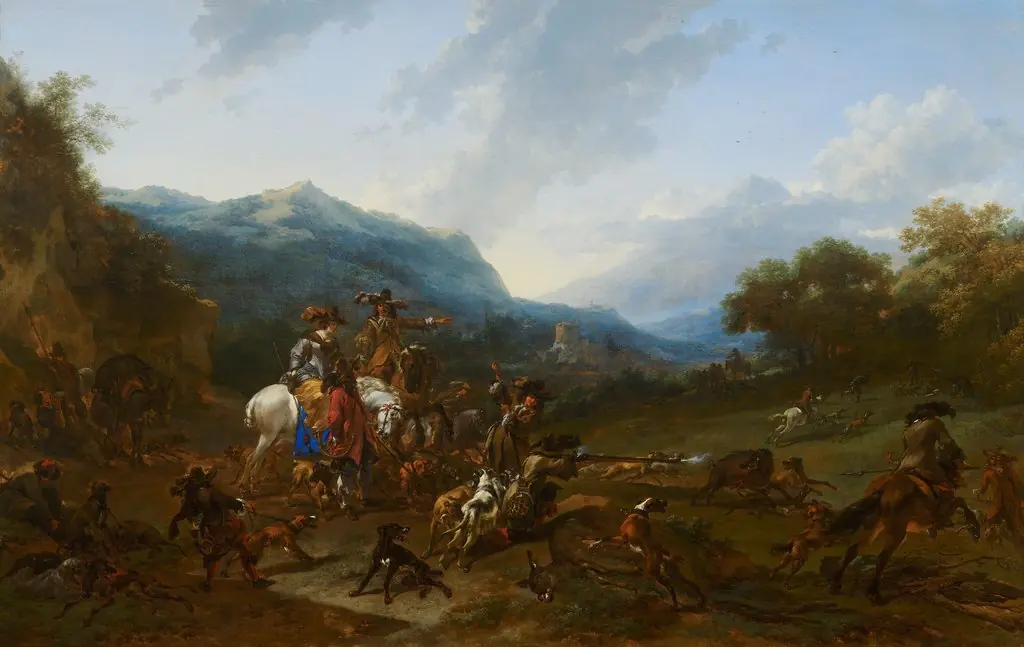 Wild boar hunt
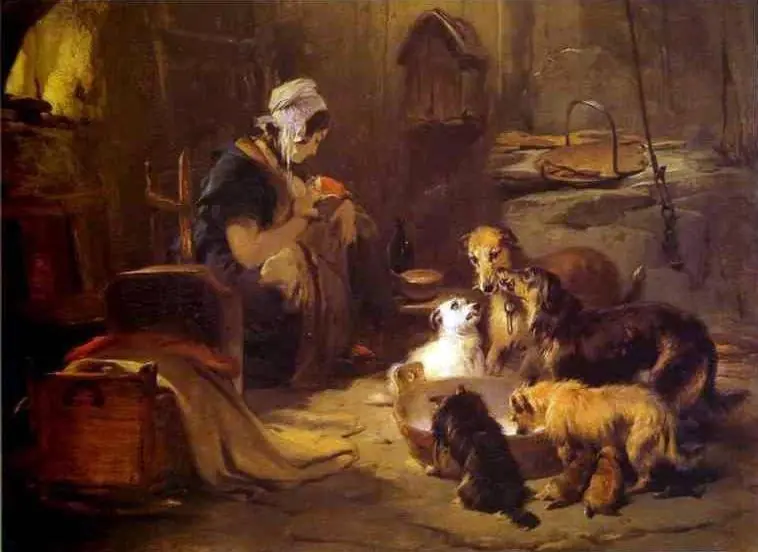 A Highland Breakfast
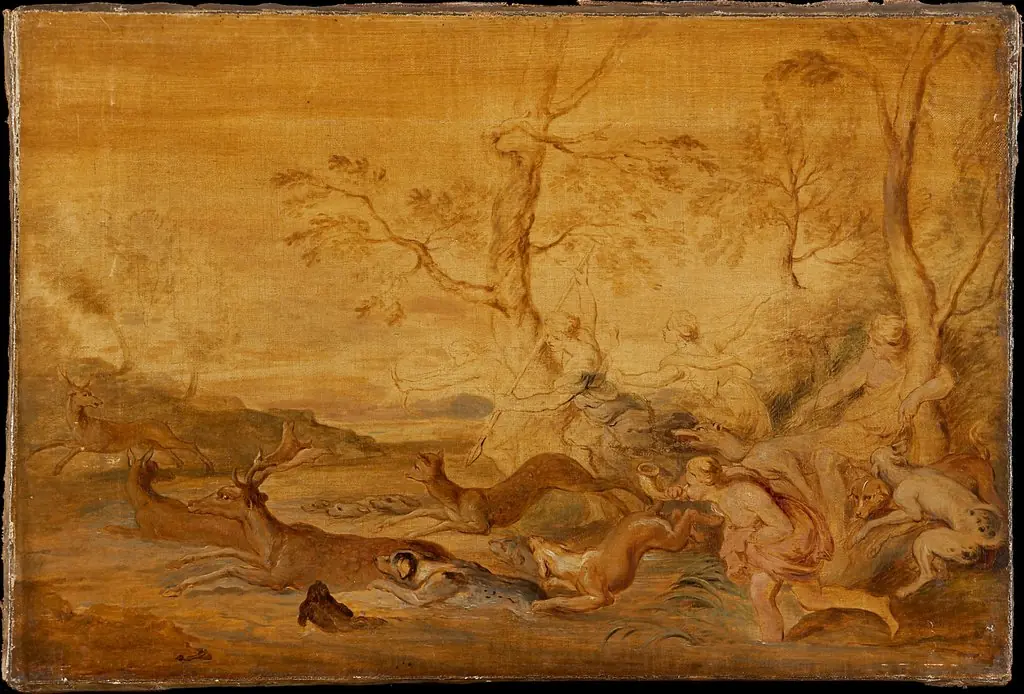 The Hunt of Diana
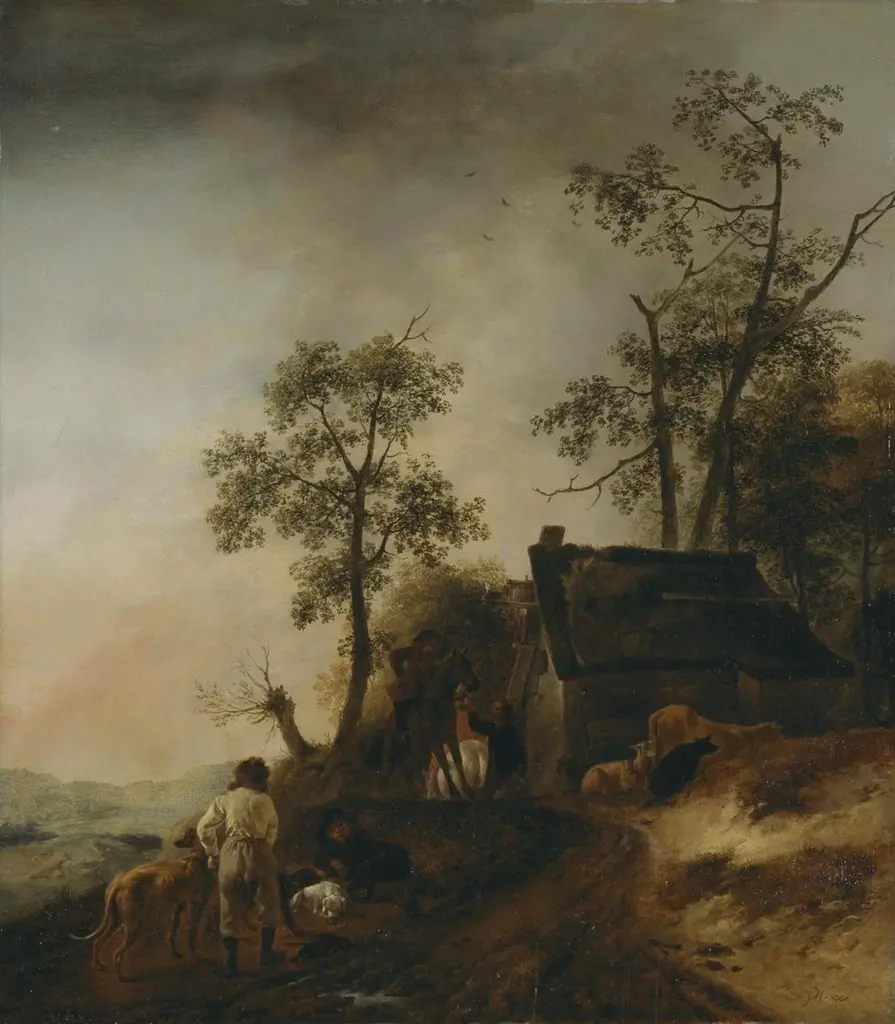 In front of the inn (Country scene with a hunting party)
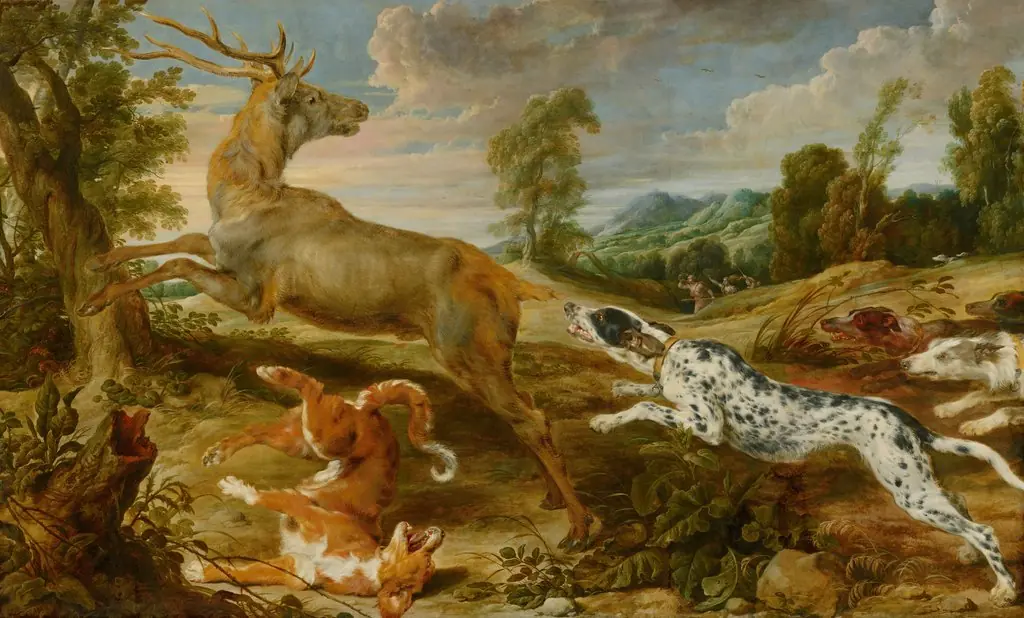 Stag Hunt
Frequently asked questions
What is Hound?
Hound is a village and civil parish in the borough of Eastleigh in southern Hampshire, England.
How many Hound works does Artifact World Gallery have?
Artifact World Gallery holds 28 public-domain Hound works, all free to view and download.
Who are the key Hound artists?
Key Hound artists in the collection include Rosa Bonheur, Peter Paul Rubens and Nicolaes Pieterszoon Berchem.
Where can I see Hound works?
Hound works in the collection are held by Hermitage Museum, Staatliche Kunstsammlungen Dresden and Rijksmuseum.