Subject
Mule
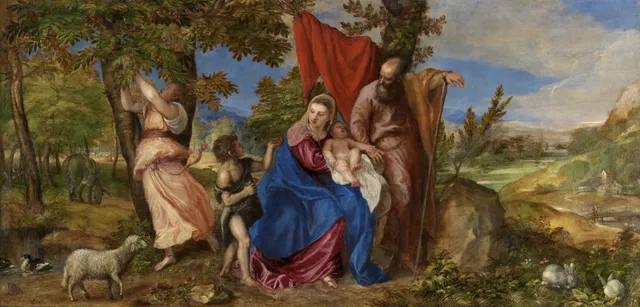
Mule is a subject in art. The gallery holds 27 works in this subject in art, including works by Titian, Henri Regnault and Rembrandt van Rijn.
The mule is a domestic equine hybrid between a donkey and a horse. It is the offspring of a male donkey (a jack) and a female horse (a mare).
Key artists

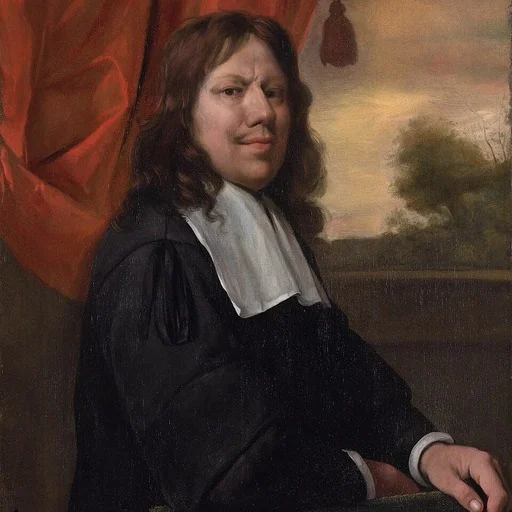
Overview
The mule is a domestic equine hybrid produced by crossing a male donkey, or jack, with a female horse, or mare. As the more common and easily obtained of the two possible first-generation hybrids between horses and donkeys, the mule has served as an essential working animal across civilizations for millennia. Its distinctive combination of the donkey's endurance, intelligence, and sure-footedness with the horse's strength, size, and agility has made it indispensable for transportation, agriculture, and warfare. In art, the mule appears with notable frequency, featuring in 27 works in the collection under discussion, where it carries both documentary and symbolic significance in scenes ranging from biblical narratives to landscape and genre painting.
Iconography & meaning
In visual art, the mule carries layered meanings that shift according to context. Within biblical and religious iconography, the mule most frequently appears as the humble mount of the Holy Family, particularly in depictions of the Flight into Egypt and the Rest on the Flight into Egypt, where its presence underscores themes of exile, poverty, and divine protection. The animal's hybrid nature has occasionally invited allegorical reading, suggesting the bridging of two natures or the reconciliation of the humble and the noble. In secular contexts, mules symbolize patient labor, stubborn persistence, and rural or working-class life. Their depiction in landscapes and travel scenes often signals difficult terrain or frontier conditions where ordinary horses would falter. The mule's longstanding association with endurance and reliability has made it a symbol of resilience carryable across cultures, though its visual treatment varies from the reverential to the comic depending on the artist's purpose and the expectations of the audience.
Legacy
The mule's cultural afterlife extends far beyond its artistic representation into the very institutions that preserve and commemorate human-animal relationships. George Washington's breeding program at Mount Vernon, begun after the American Revolutionary War, established the foundation of the American mule population and earned him the title 'father of the American mule.' The twentieth-mule teams that hauled borax from Death Valley between 1883 and 1889 became legendary symbols of American industrial perseverance. Missouri emerged as the largest mule-holding state by 1870, with its animals serving in both world wars; the term 'Missouri Mule' gained national recognition after 1904. The first cloned equine, Idaho Gem, born in May 2003 at the University of Idaho, was a mule, marking a milestone in reproductive science. Institutional preservation continues at the American Mule Museum and Institute in Bishop, California, founded in 1989, which maintains educational displays and hosts annual events including mule races, shows, and auctions. The British Mule Society documents breeding practices and advocates for the animal's continued recognition. In Mexico, which held the world's largest mule population as of 2018 at 3,287,449 animals, the legacy remains actively lived rather than merely commemorated. These developments inform how contemporary viewers approach historical depictions of mules, understanding them not merely as background detail but as representations of a creature that has genuinely shaped human civilization across millennia.
Works
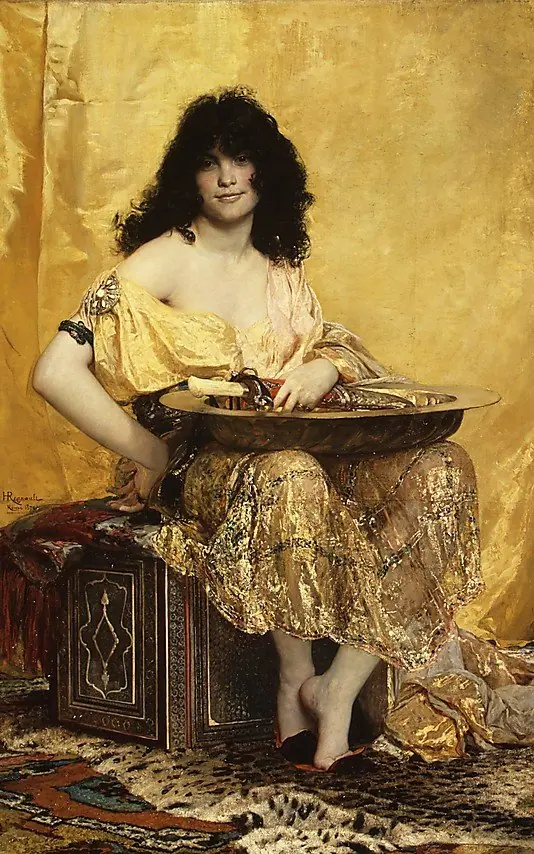 Salome
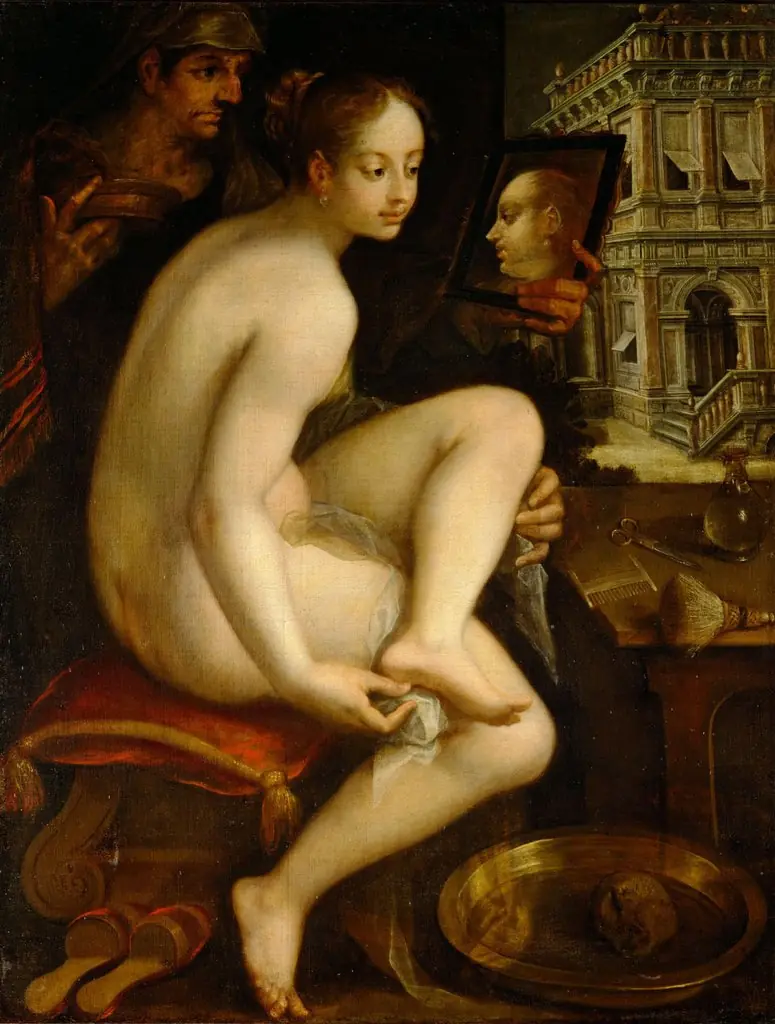 David and Bathsheba
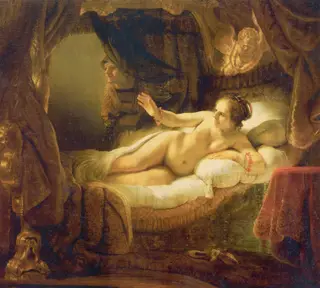 Danaë
Danaë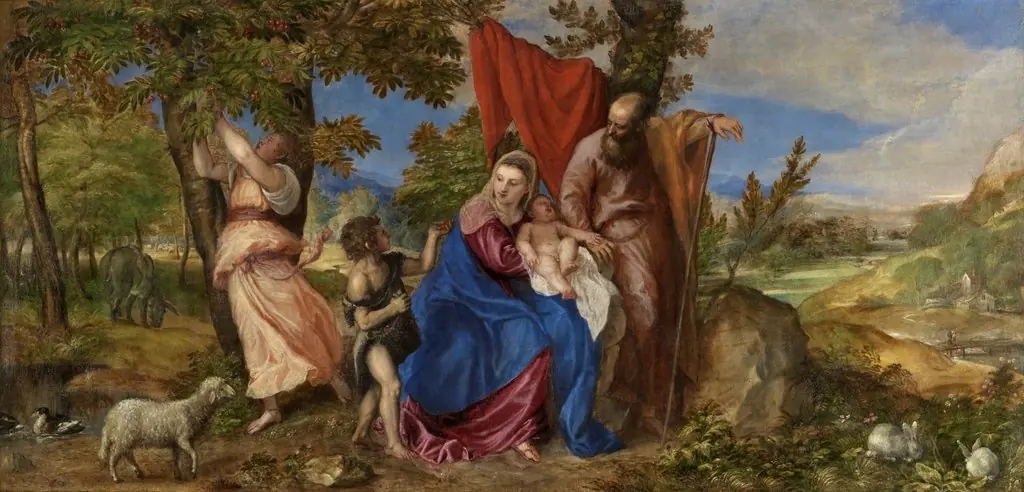 Rest on the Flight into Egypt
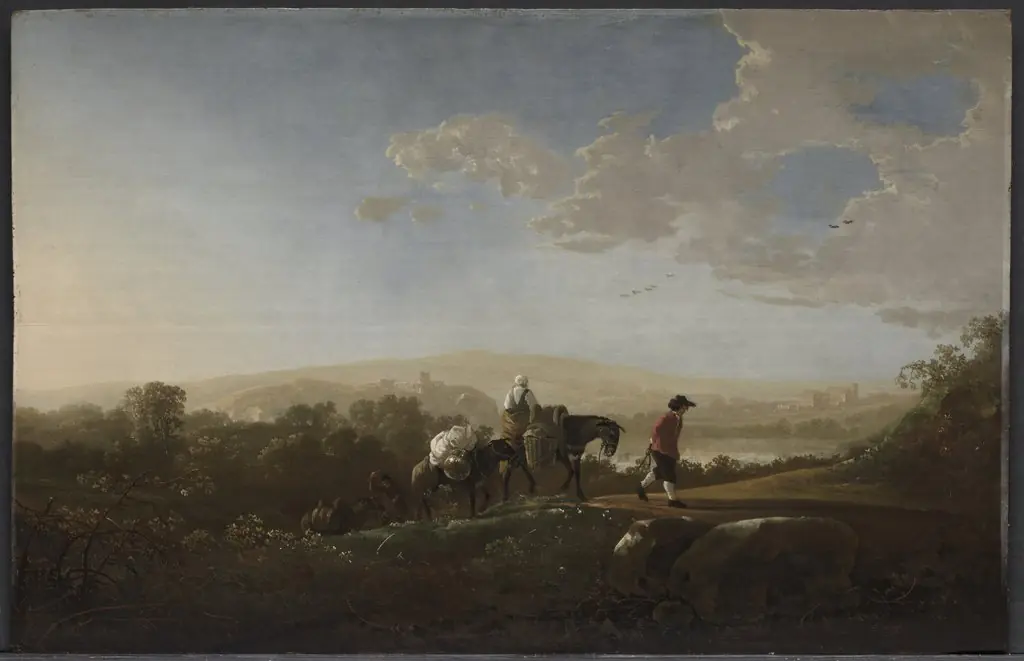 Travellers in Hilly Countryside
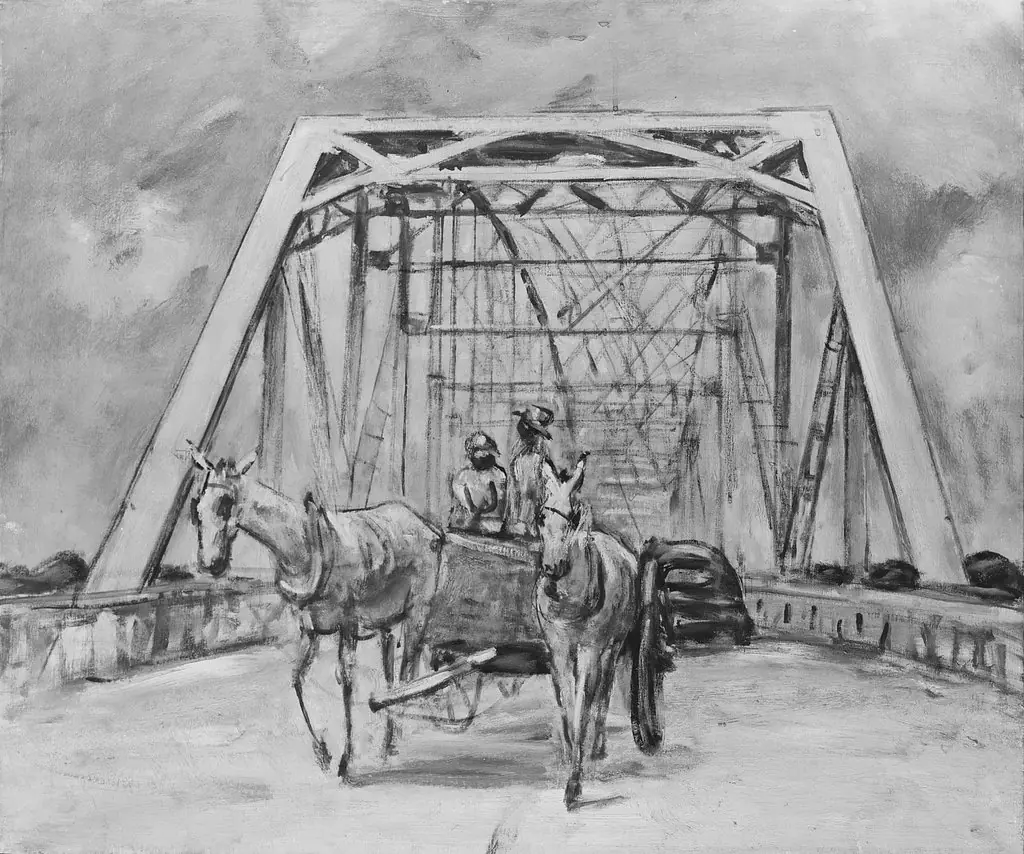 White Mules on a Bridge
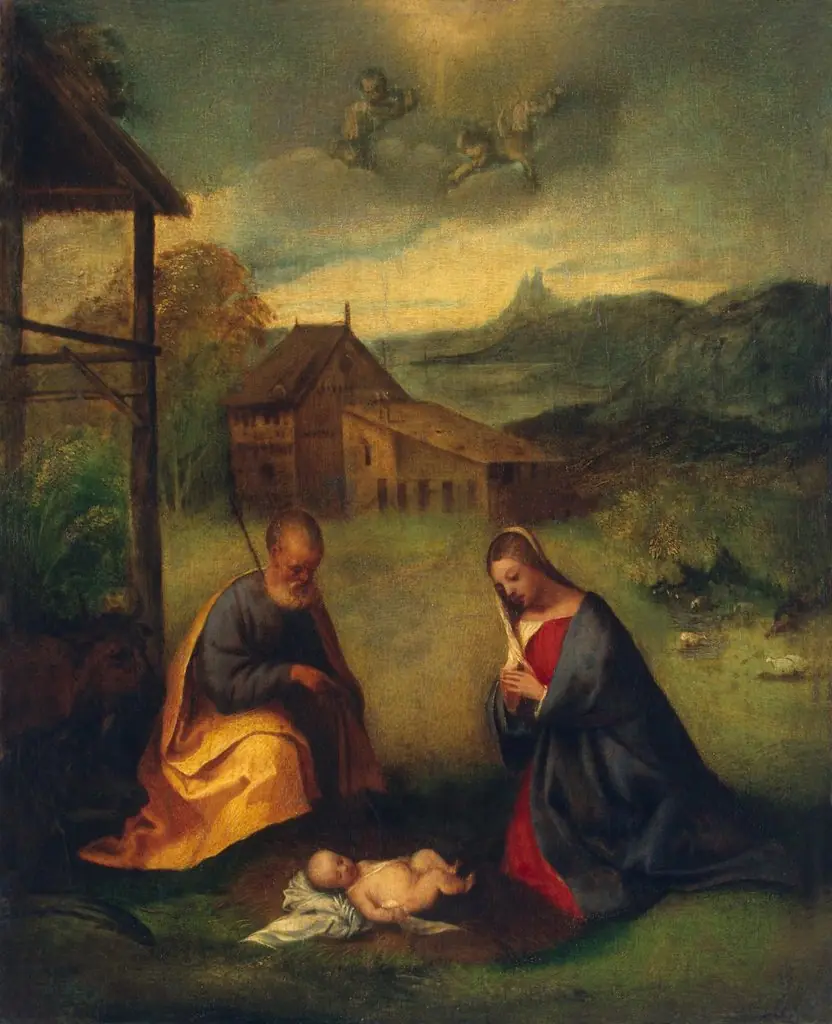 Adoration of the Christ Child
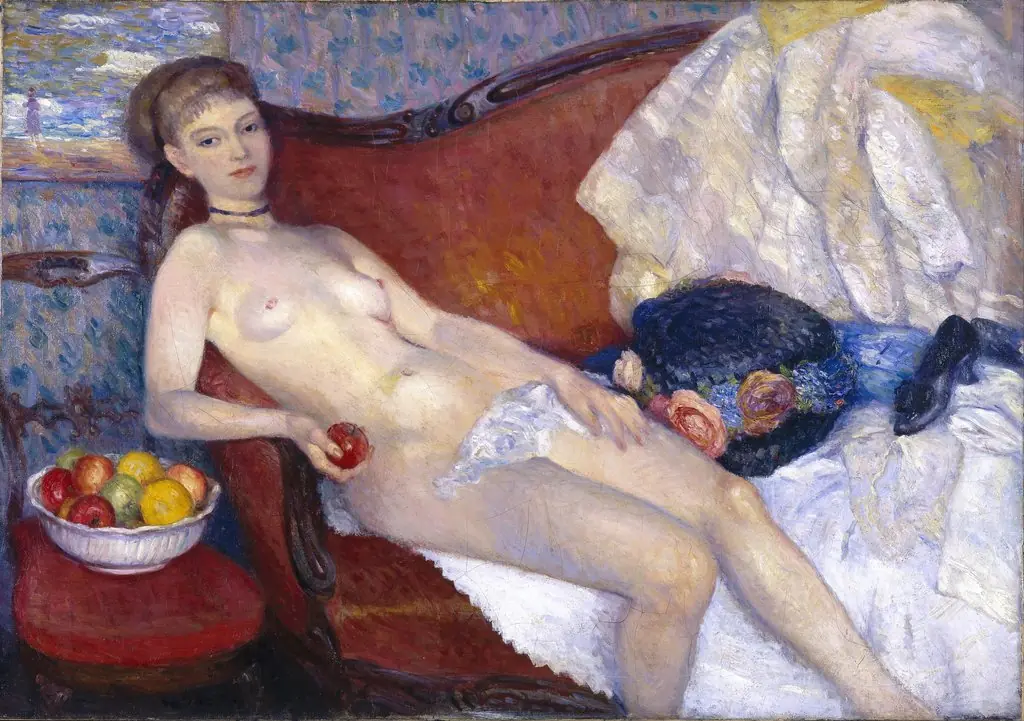 Nude with Apple
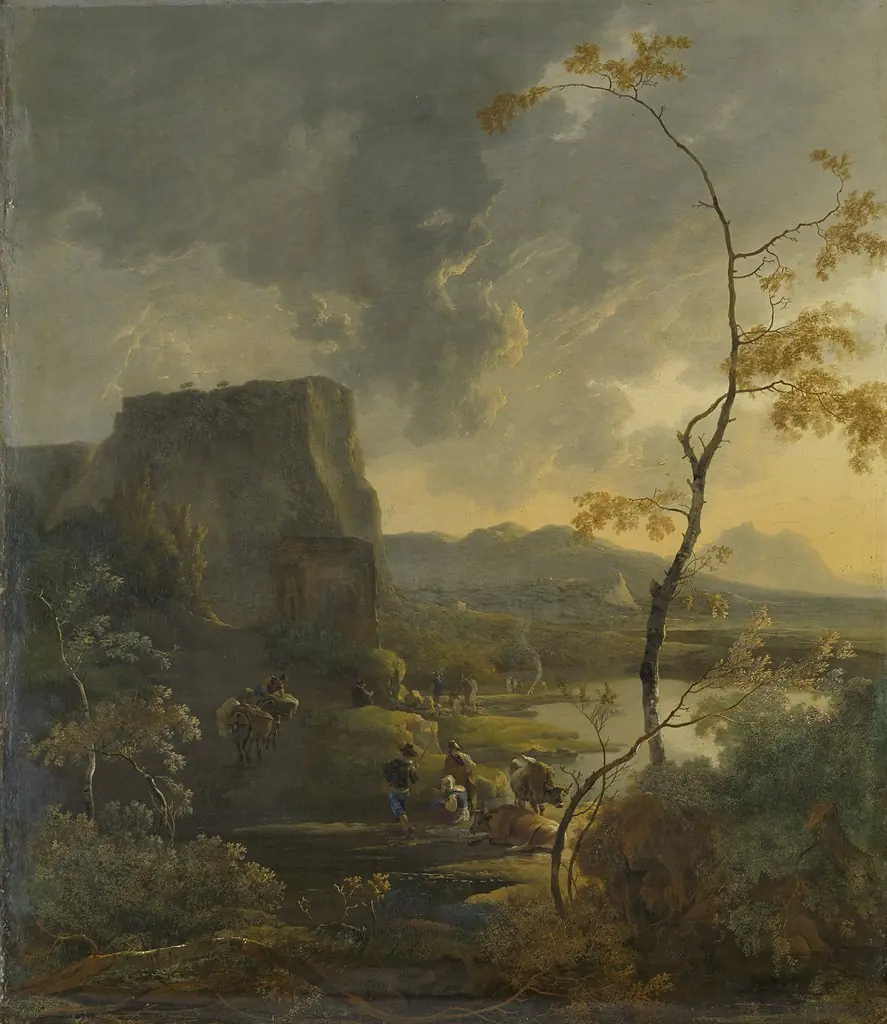 Italian landscape with ancient tempietto
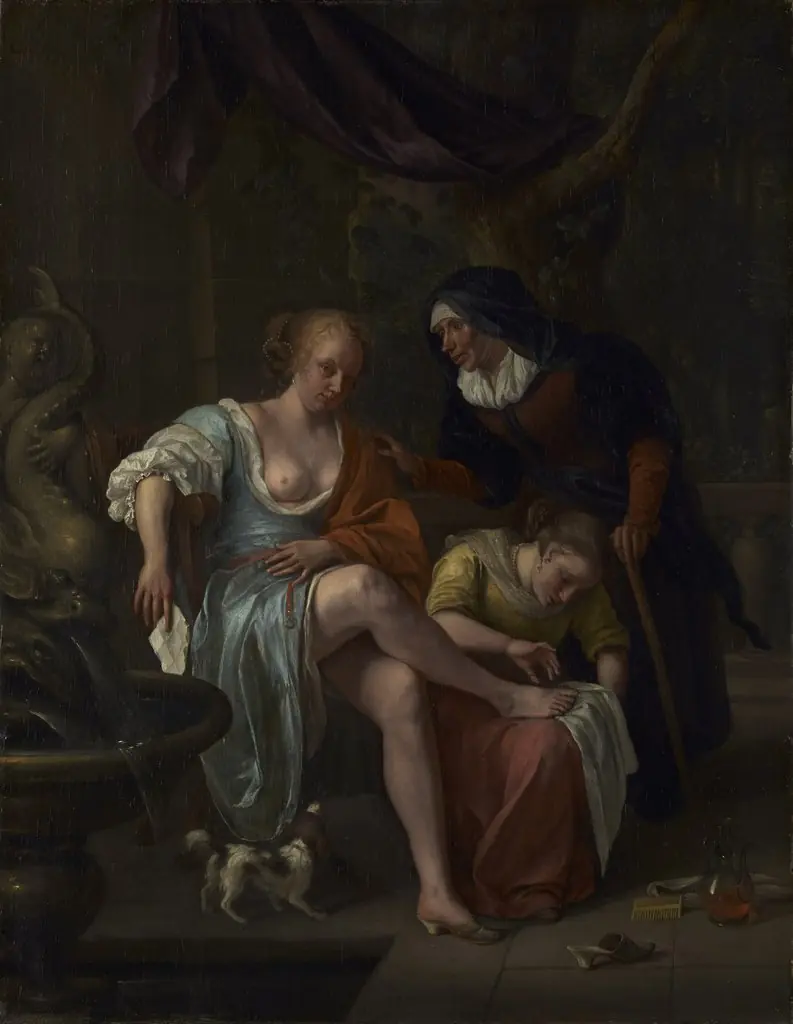 Bathsheba after the Bath
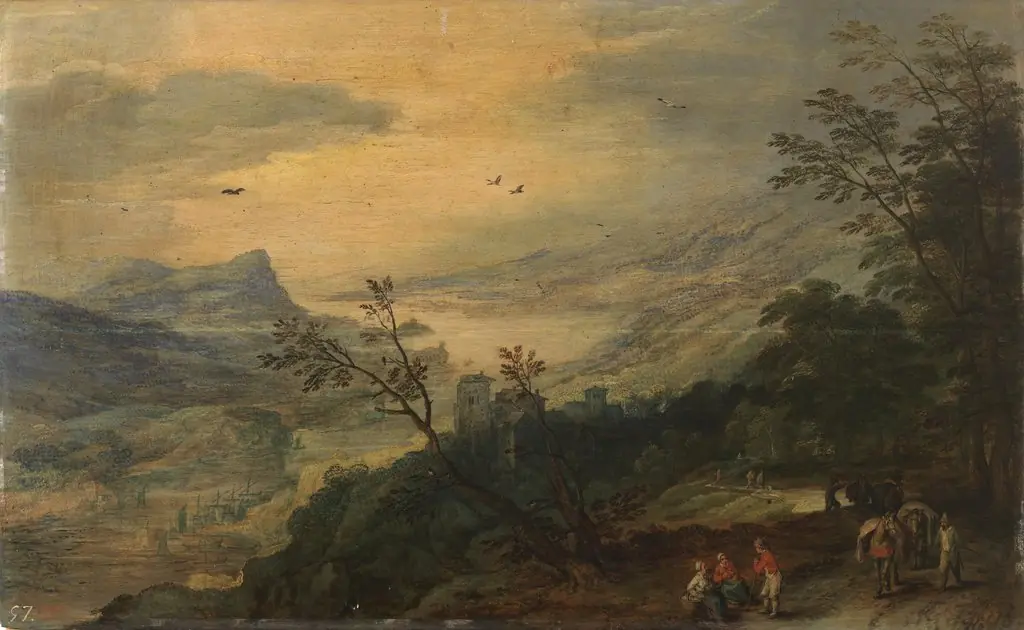 Landscape
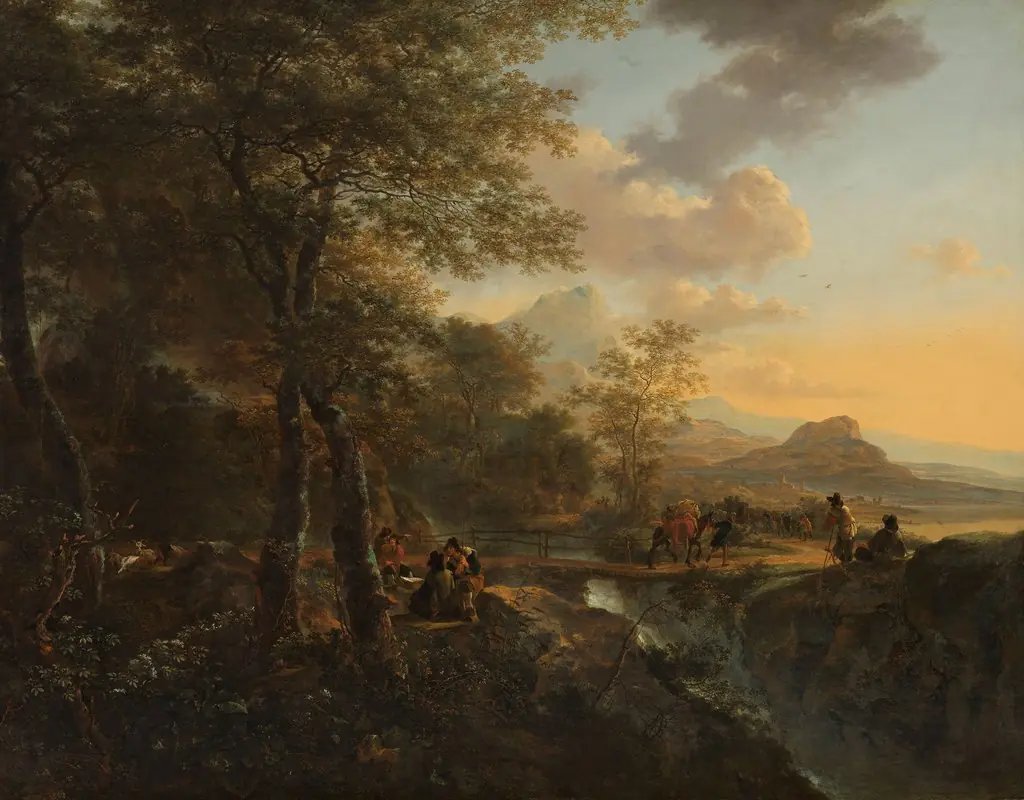 Italian Landscape with a Draughtsman
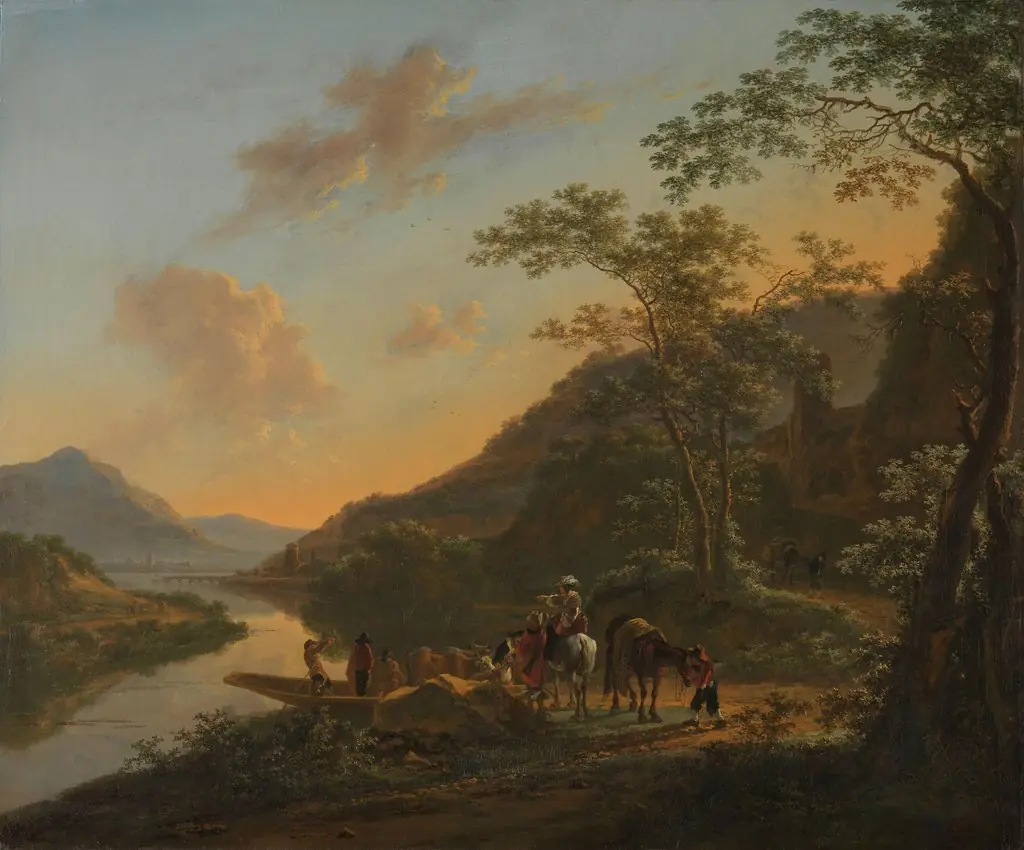 Italian Landscape with Ferry
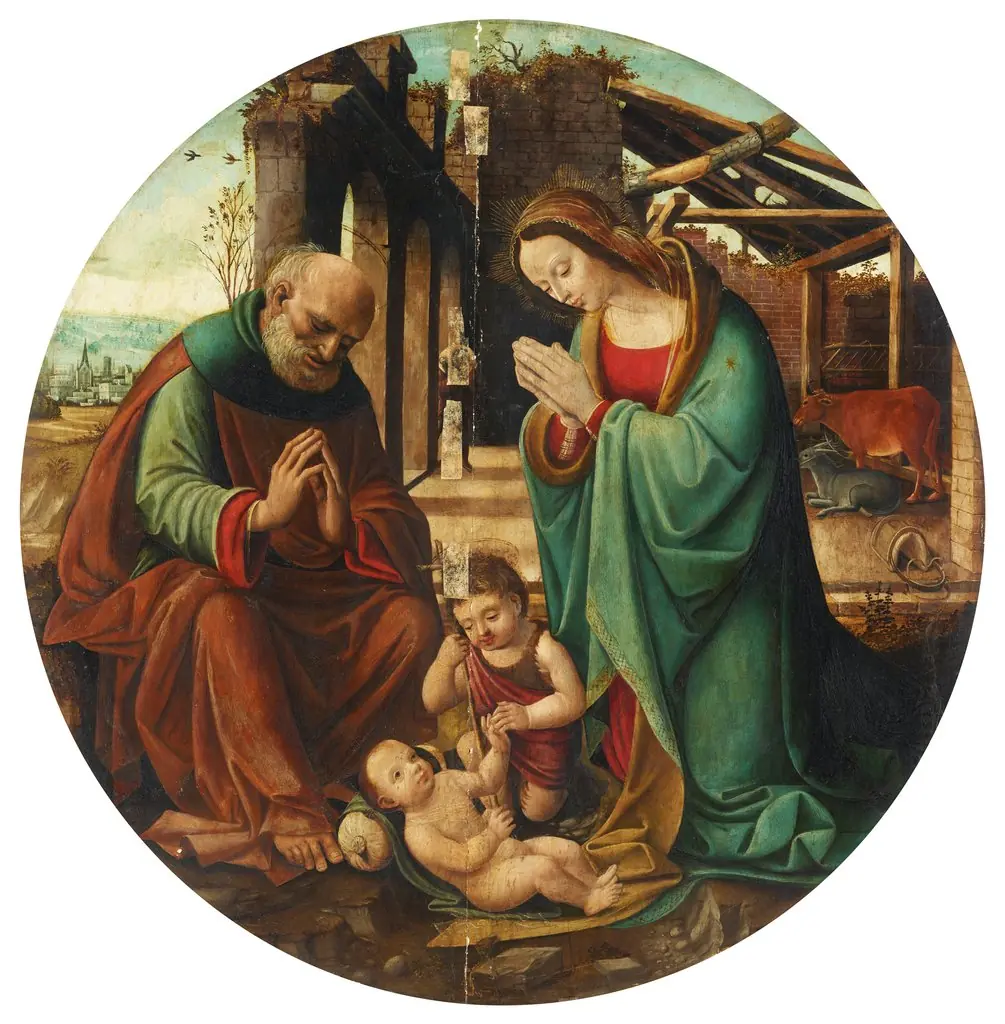 The Holy Family with Young St. John, Adoring the Child
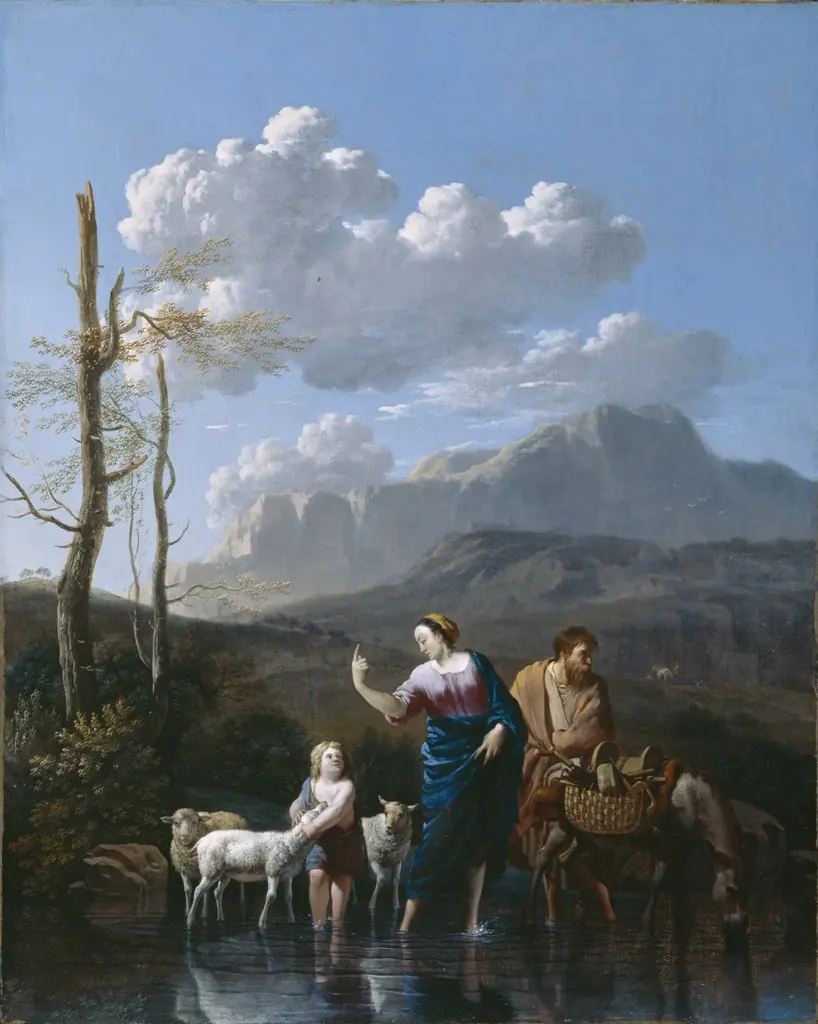 Return of the Holy Family from Egypt
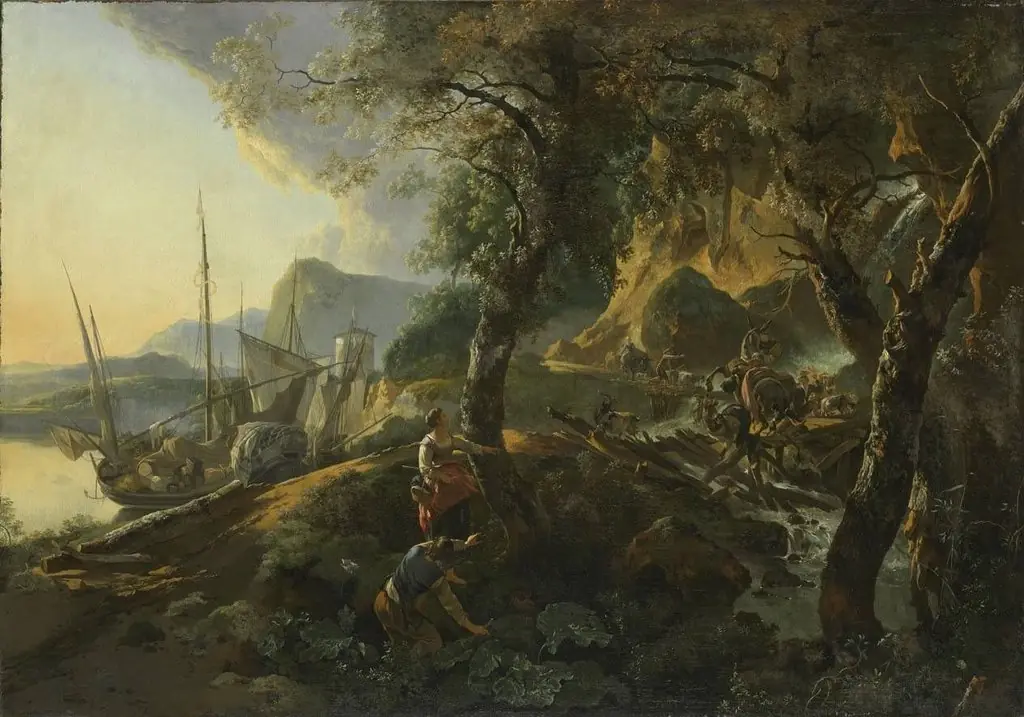 Landscape with Collapsing Bridge
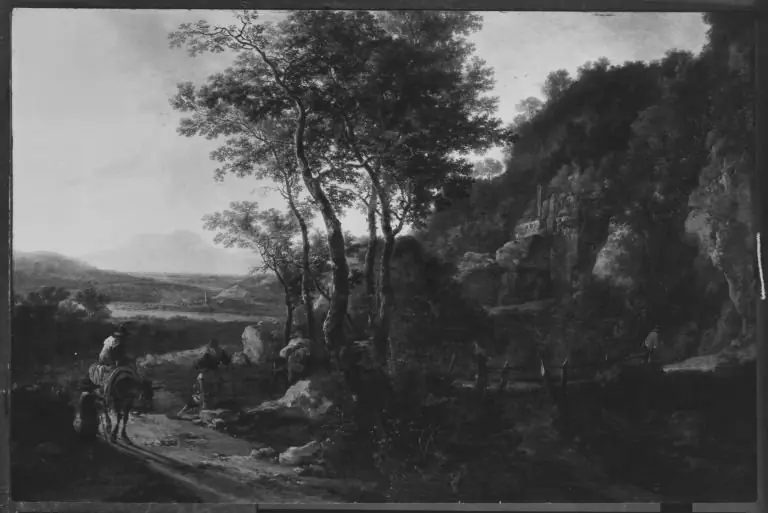 Italianate Landscape with Wooden Bridge
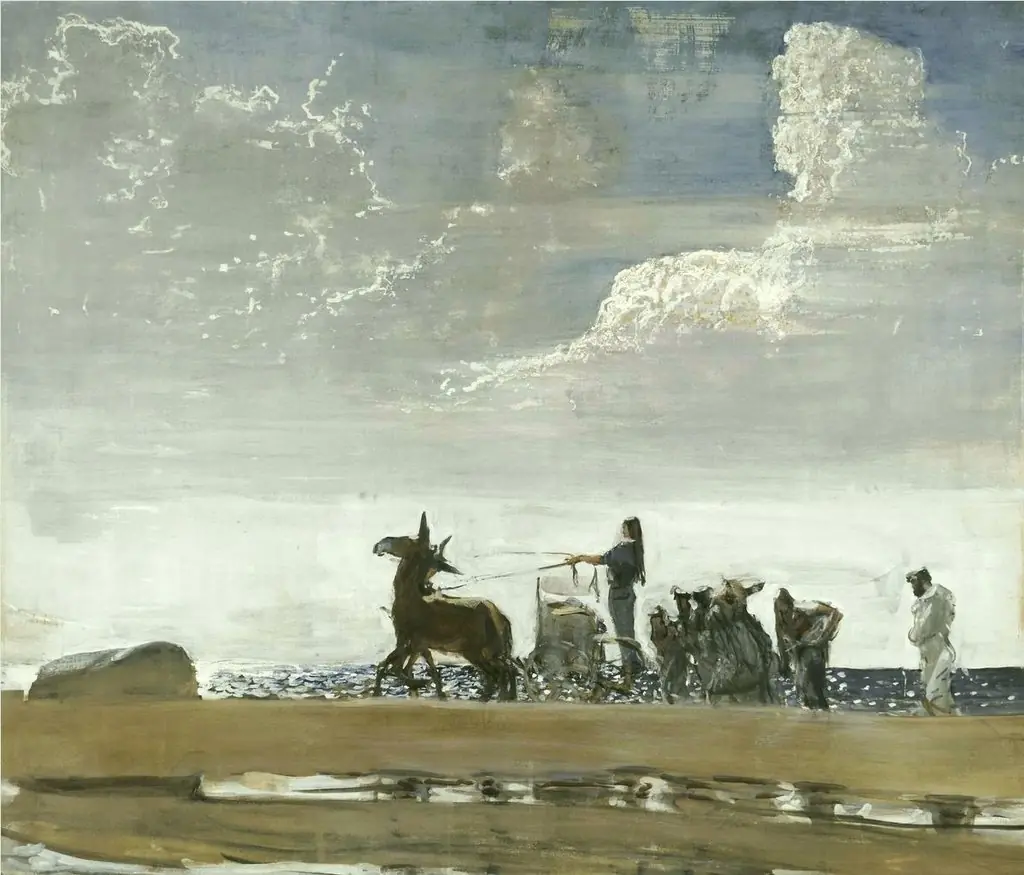 Odysseus and Nausicaa
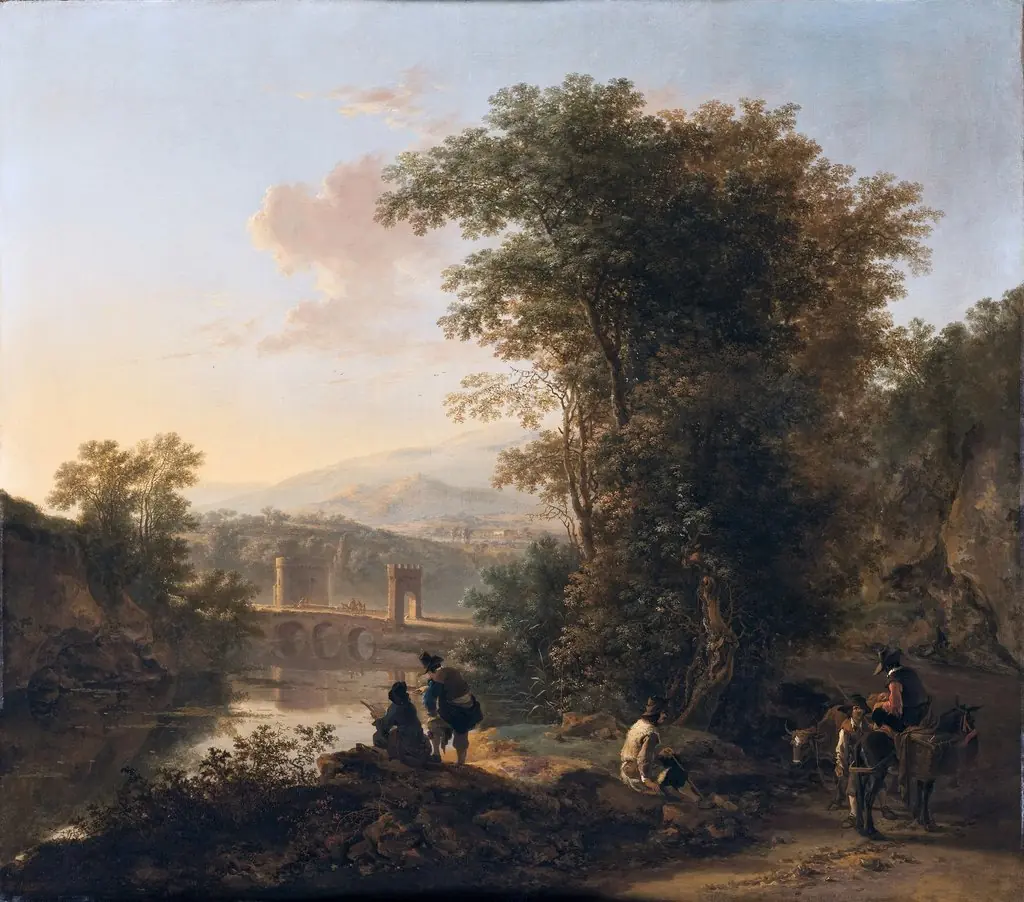 Landscape with a Draftsman
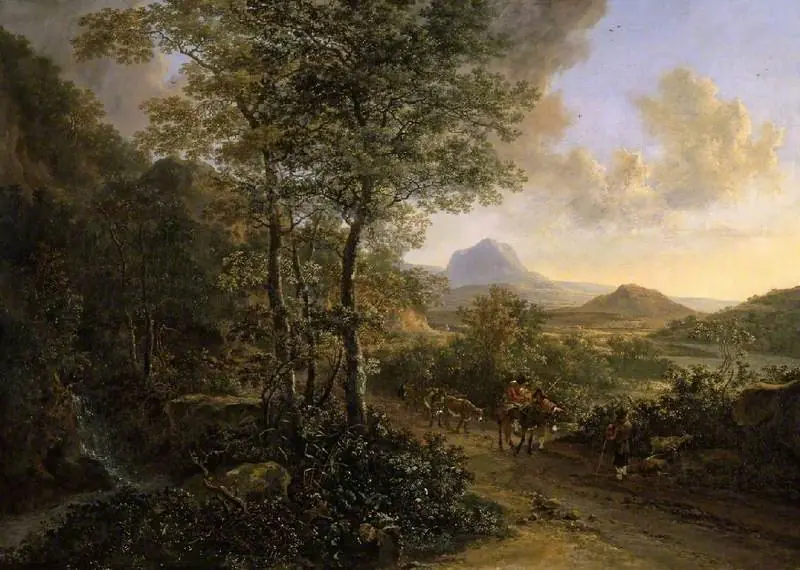 Italian Landscape with Monte Socrate
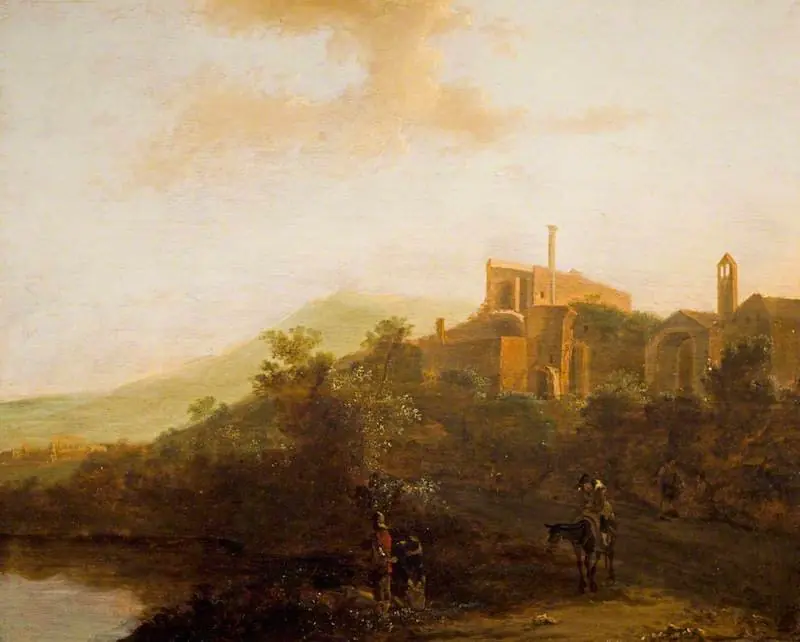 Landscape
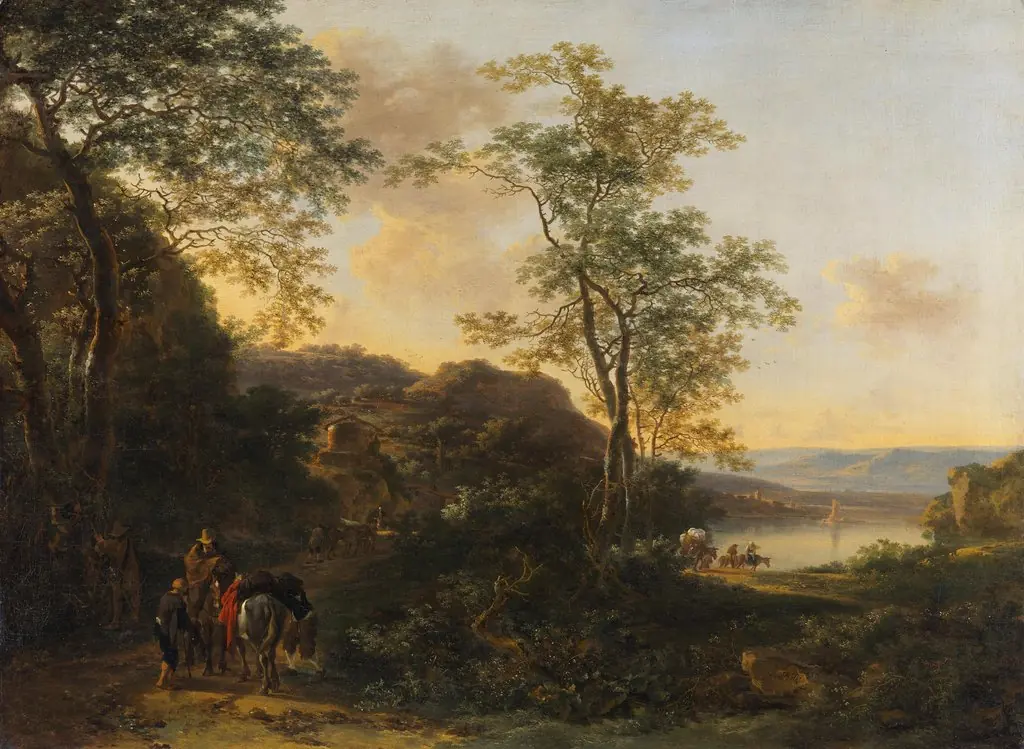 An Italian Landscape
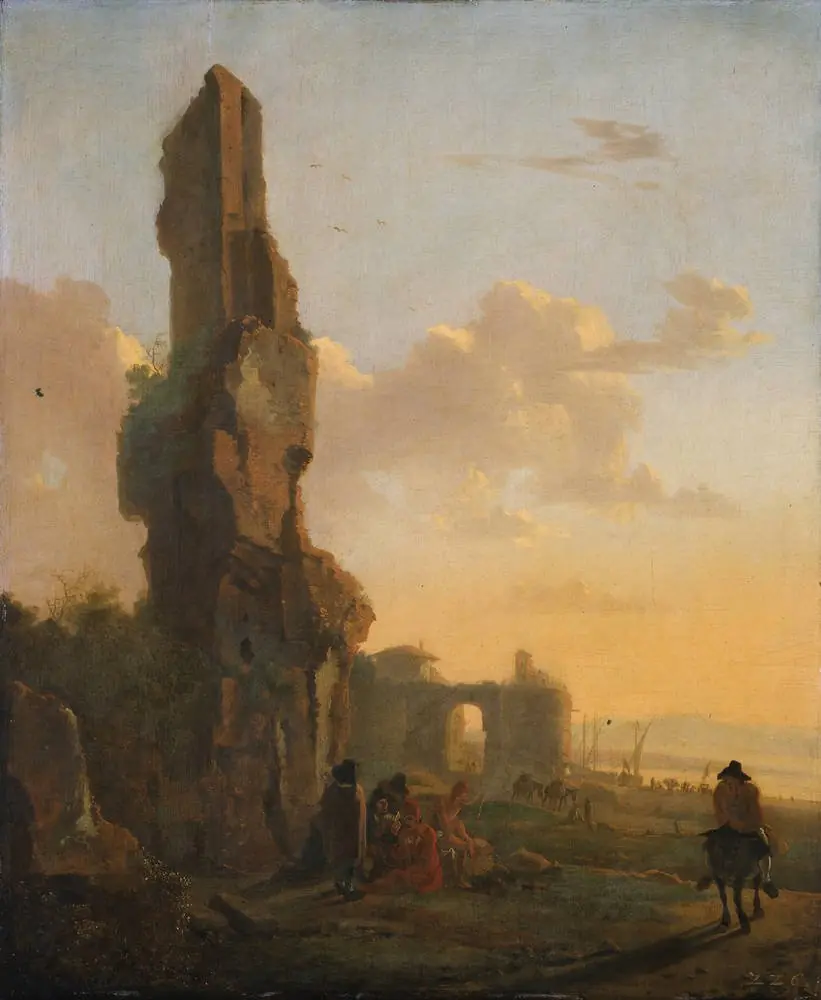 Ruins on the Edge of a Lake
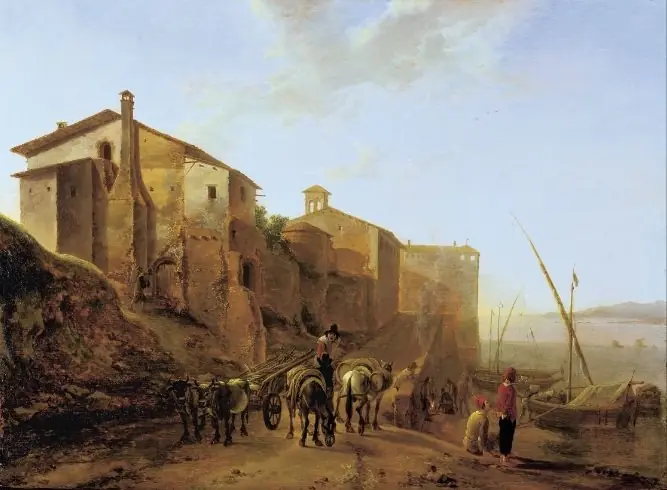 View of the Ripa Grande in Rome
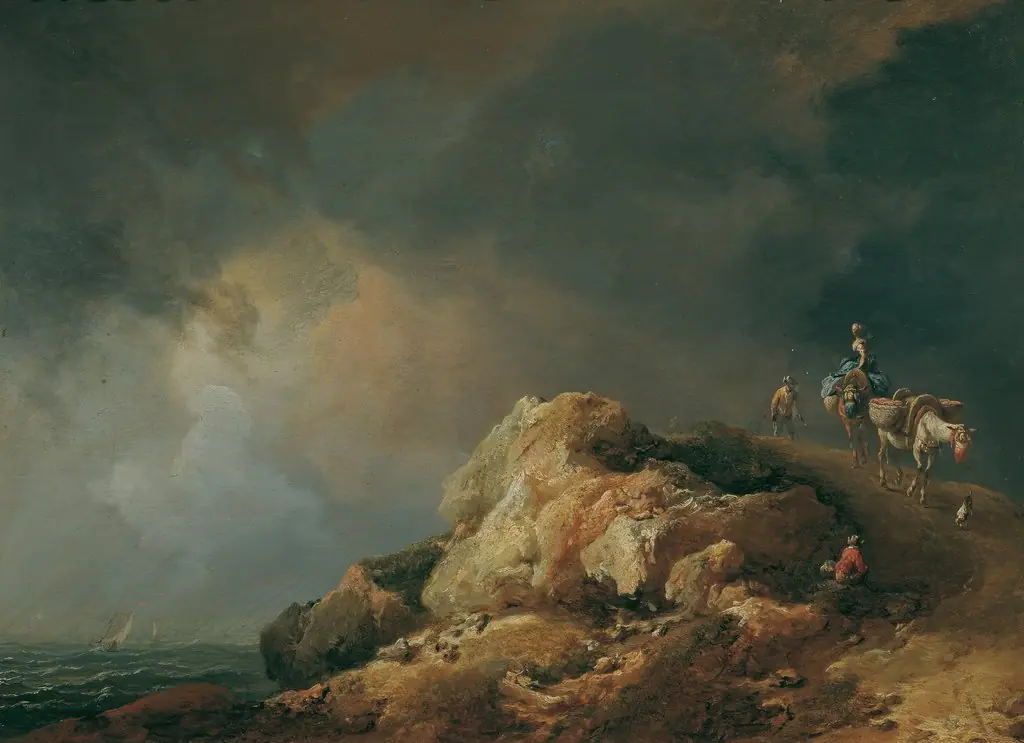 Küstenlandschaft mit Saumtieren
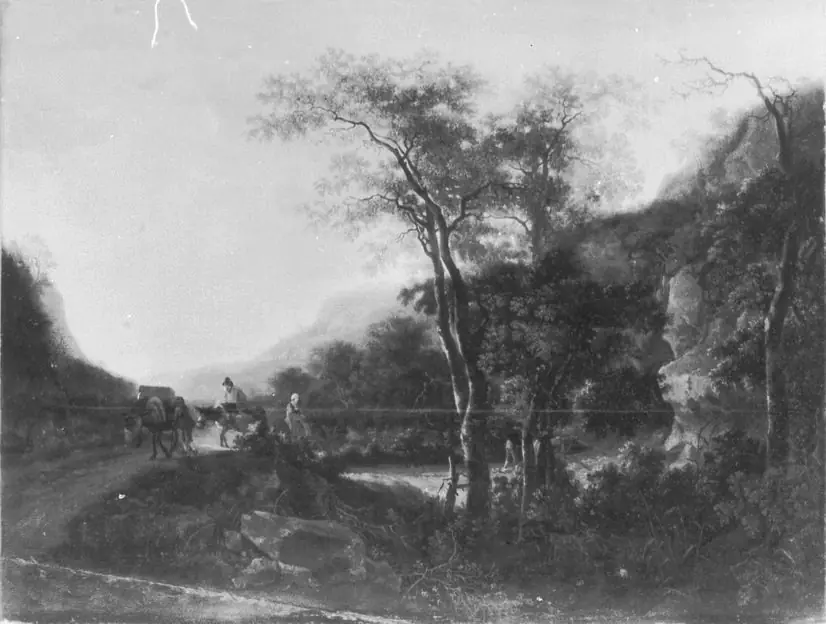 Road through Wooded Landscape
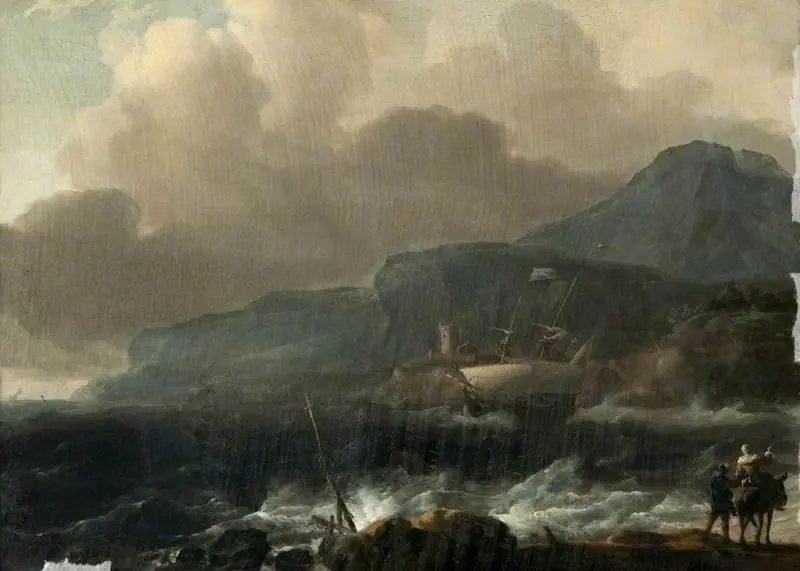 A Dutch Ship Clawing off a High Coast in a Gale
Frequently asked questions
What is Mule?
Mule is a subject in art. The mule is a domestic equine hybrid between a donkey and a horse.
How many Mule works does Artifact World Gallery have?
Artifact World Gallery holds 27 public-domain Mule works, all free to view and download.
Who are the key Mule artists?
Key Mule artists in the collection include Titian, Henri Regnault and Rembrandt van Rijn.
Where can I see Mule works?
Mule works in the collection are held by Rijksmuseum, Kunsthistorisches Museum and Metropolitan Museum of Art.