Subject
Party
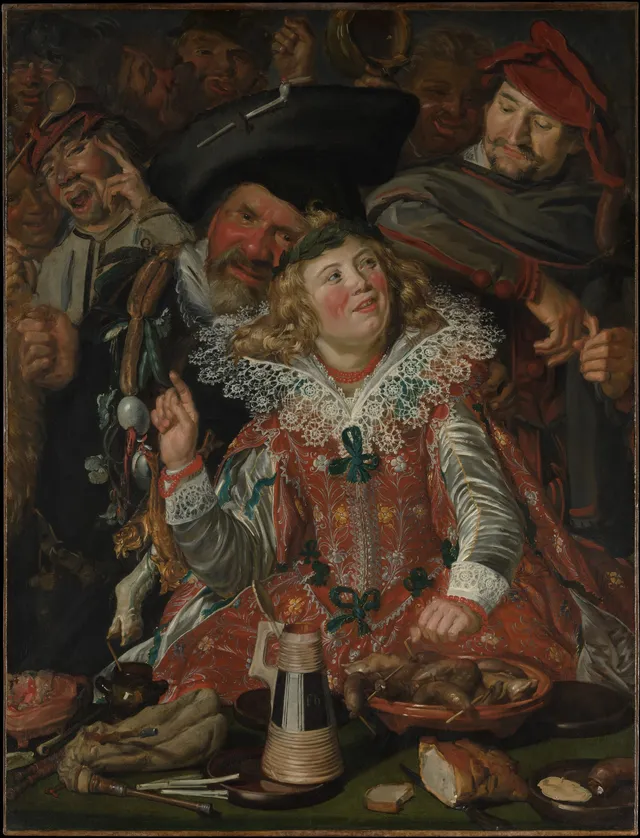
Party is a subject in art. The gallery holds 85 works in this subject in art, including works by George Bellows, David Teniers the Younger and Jan Steen.
A party is a gathering of people who have been invited by a host for the purposes of socializing, conversation, recreation, or as part of a festival or other commemoration or celebration of a special occasion. A party will often feature food and beverages, and generally conversation, music, dancing, or other forms of entertainment.
Key artists
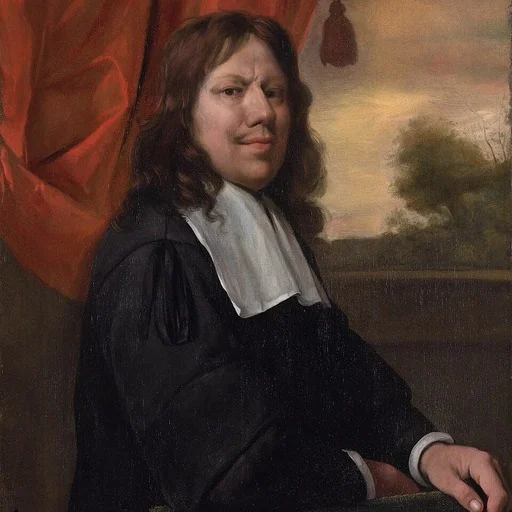
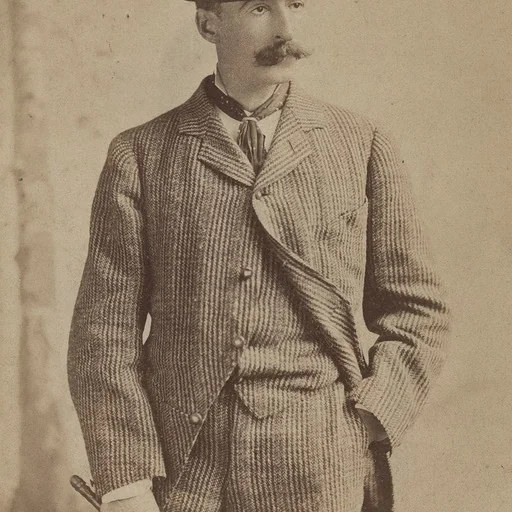
Overview
A party is a gathering of invited individuals convened by a host for socializing, conversation, recreation, or as part of a commemoration or celebration. Such events typically feature food and beverages, alongside music, dancing, or other forms of entertainment. While often private occasions held in domestic spaces, parties can also be public events held in parks, streets, or commercial venues, sometimes requiring an admission fee. The concept encompasses a wide range of social events, from intimate dinner parties and birthday celebrations to large public festivals marking seasonal or civic milestones.
Iconography & meaning
In visual culture, the party carries dual symbolic weight, oscillating between communal cohesion and sanctioned excess. The gathering functions as a community-strengthening ritual, where shared meals and collective celebration reinforce social bonds. Conversely, the party represents a break from daily necessity, a temporal parenthesis where ordinary rules are suspended. This suspension permits the expression of repressed desires and the inversion of social hierarchies, most visibly in carnival traditions where masks and intoxication dissolve individual personalties into a collective whirlwind. The event thus embodies a paradox: it is a codified ritual that simultaneously allows for spontaneity, ecstasy, and a permitted, even commanded, transgression of everyday prohibitions.
Across movements & periods
The artistic treatment of the party has shifted significantly alongside its social function. Historically rooted in religious and seasonal rituals, early depictions often emphasized the sacred or communal obligation of the feast. During the Ancien Regime, the party took on diverse forms including religious processions, military parades, and corporatist events, affording artists the chance to capture elaborate displays of civic creativity. Following the French Revolution, however, the iconographic register narrowed. Public festivities became increasingly codified, serving as stages for the display of political power rather than spontaneous community expression. This historical trajectory moved the subject from a representation of collective, sometimes anarchic, effervescence toward a more structured portrayal of social stratification and spectacle.
Legacy
The cultural afterlife of the party as an artistic motif persists through its fundamental anthropological function. As a structured break from the everyday, the party continues to offer artists a framework to explore the boundaries between the individual and the collective, the sacred and the profane. The tension between the authentic, spontaneous celebration and the codified, artificial spectacle remains a central concern in modern representations. While the specific rituals have evolved, with contemporary birthday and private parties assuming highly accessorized and commercialized forms, the underlying need for a communal parenthesis within the social order ensures the motif's continued relevance in visual culture.
Works
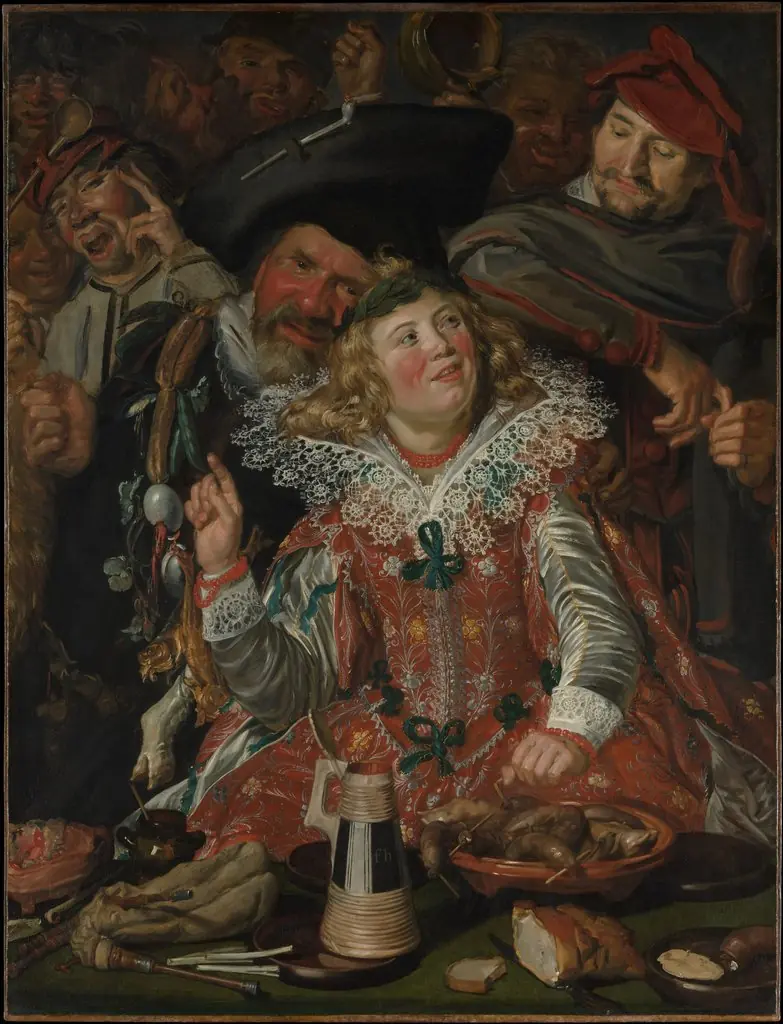 Merrymakers at Shrovetide
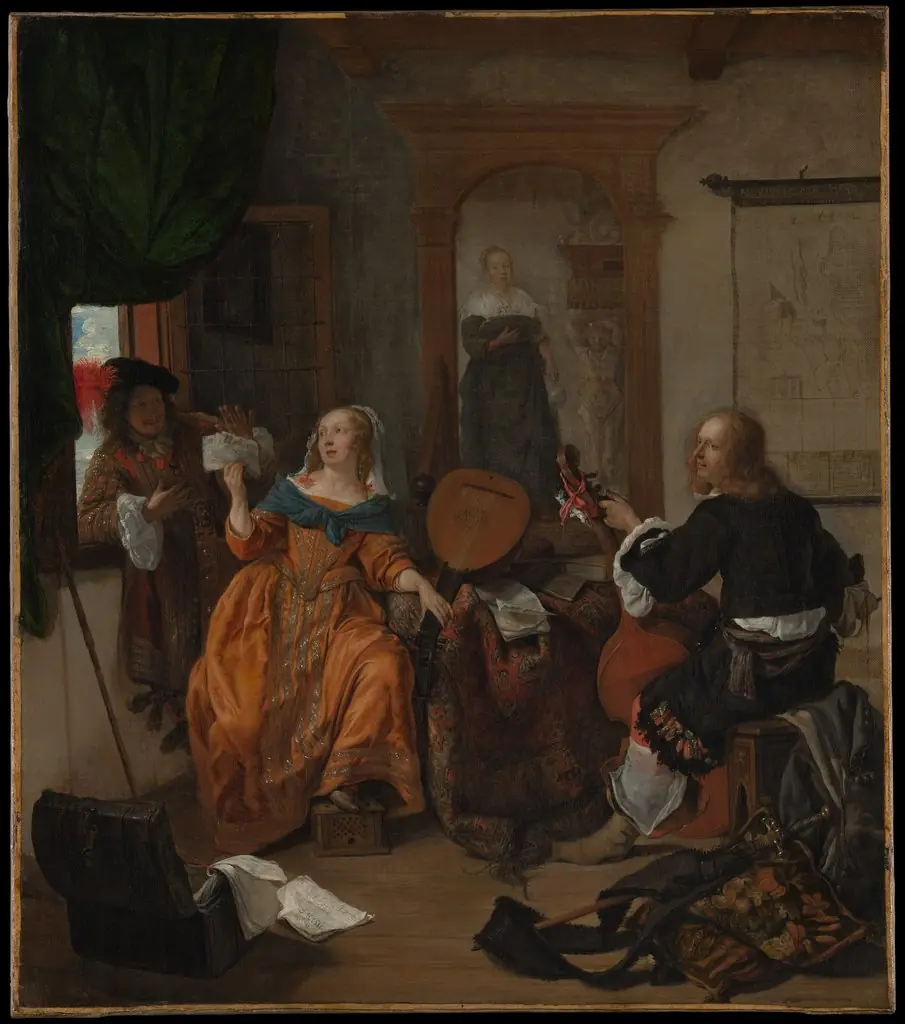 A Musical Party
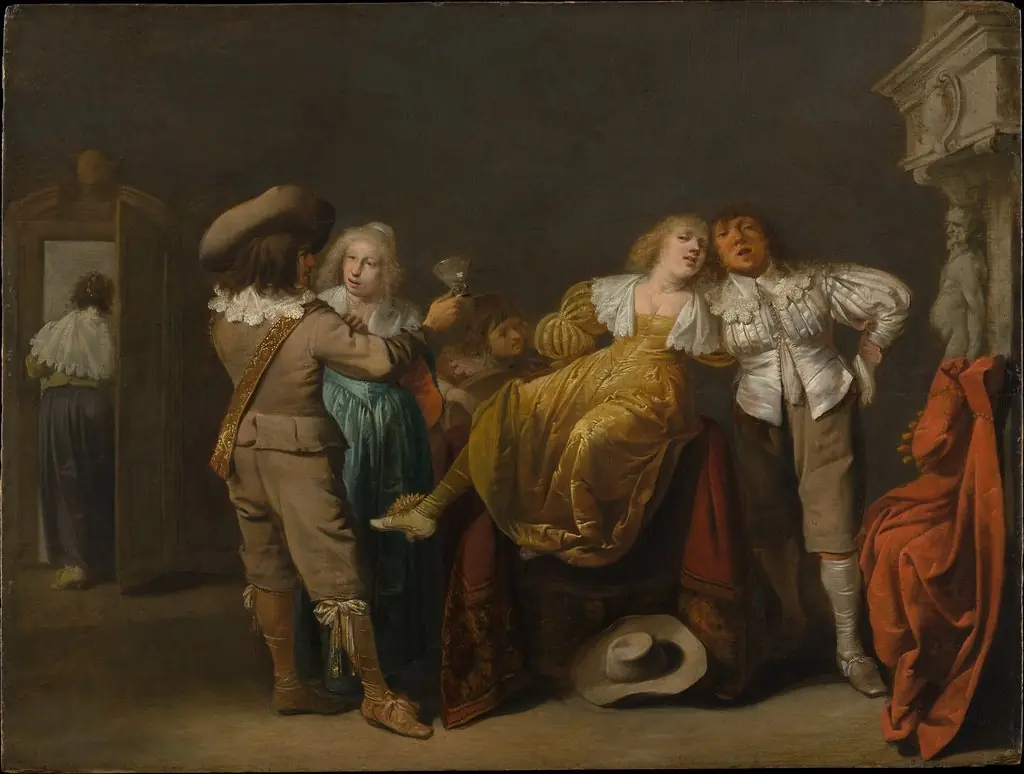 A Party of Merrymakers
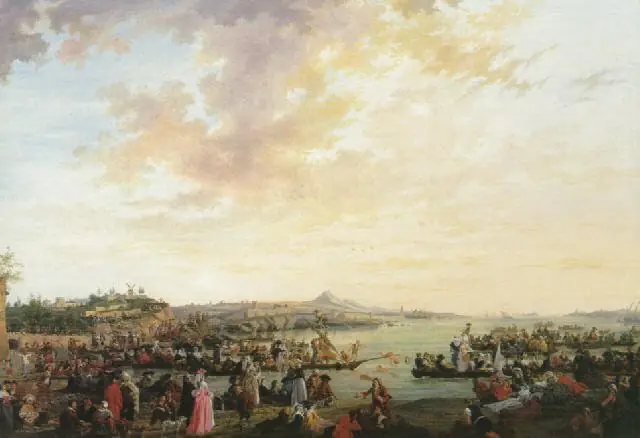 Vue de Marseille : Joute et fête sur l'eau
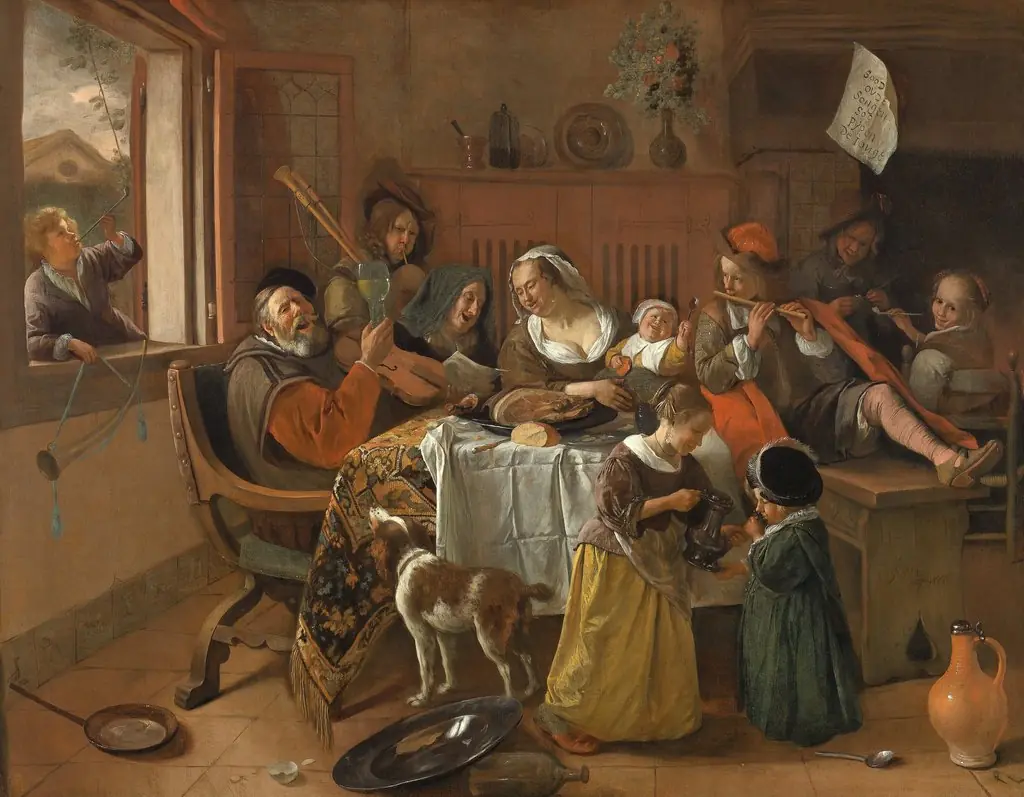 The Happy Family
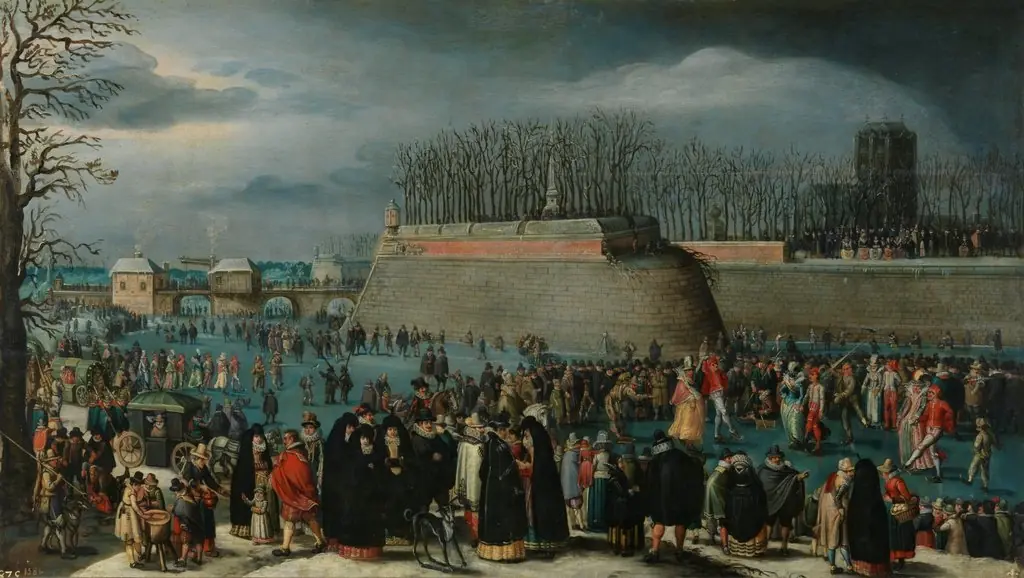 Skating Masquerade, or Carnival on Ice at the Kipdorppoort Moats in Antwerp
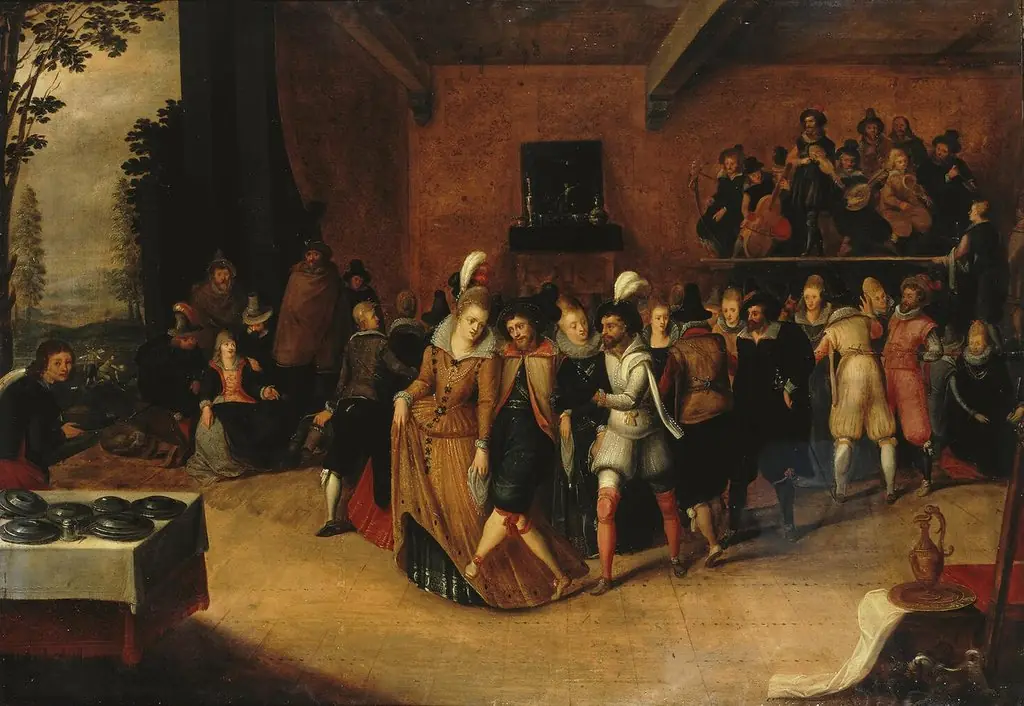 Ball
Ball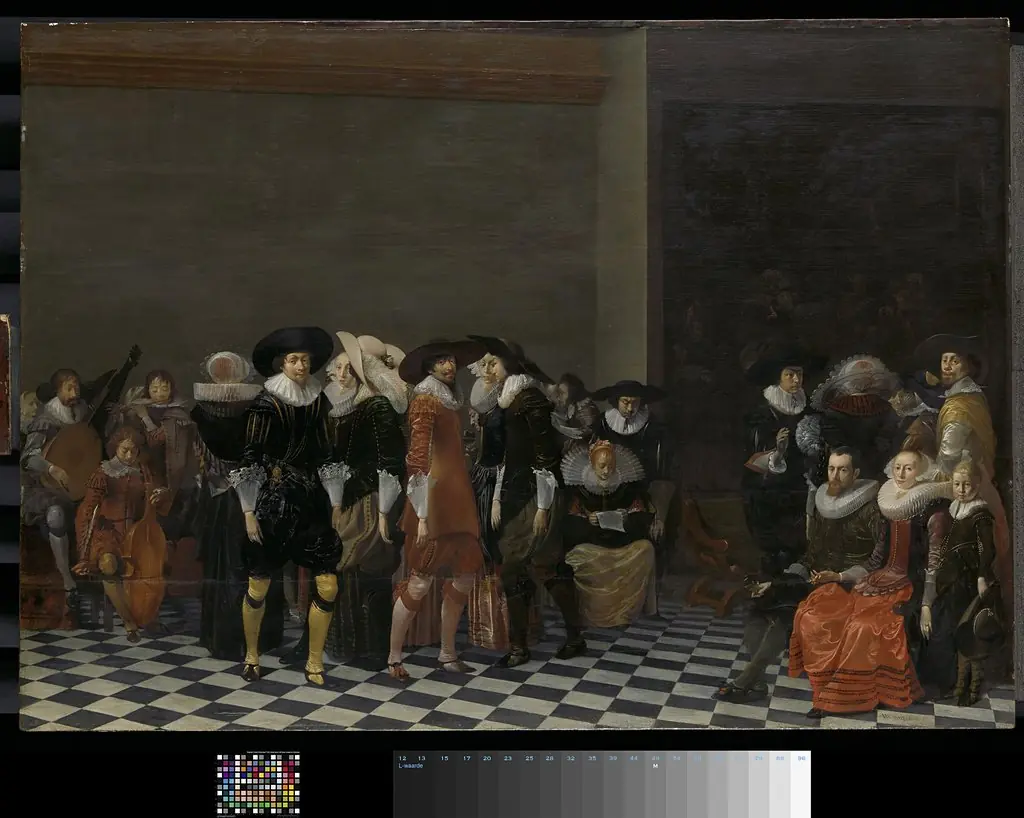 A wedding feast, traditionally called 'The wedding of Adriaen Ploos van Amstel and Agnes van Bijler', 1616
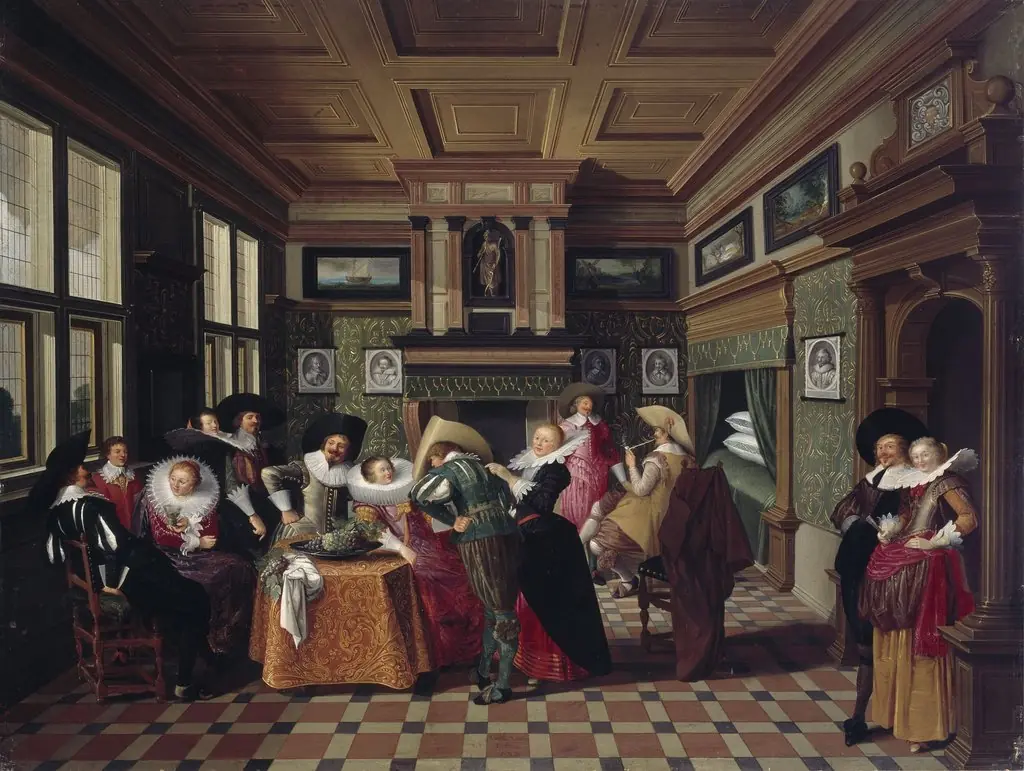 An Interior with Ladies and Cavaliers
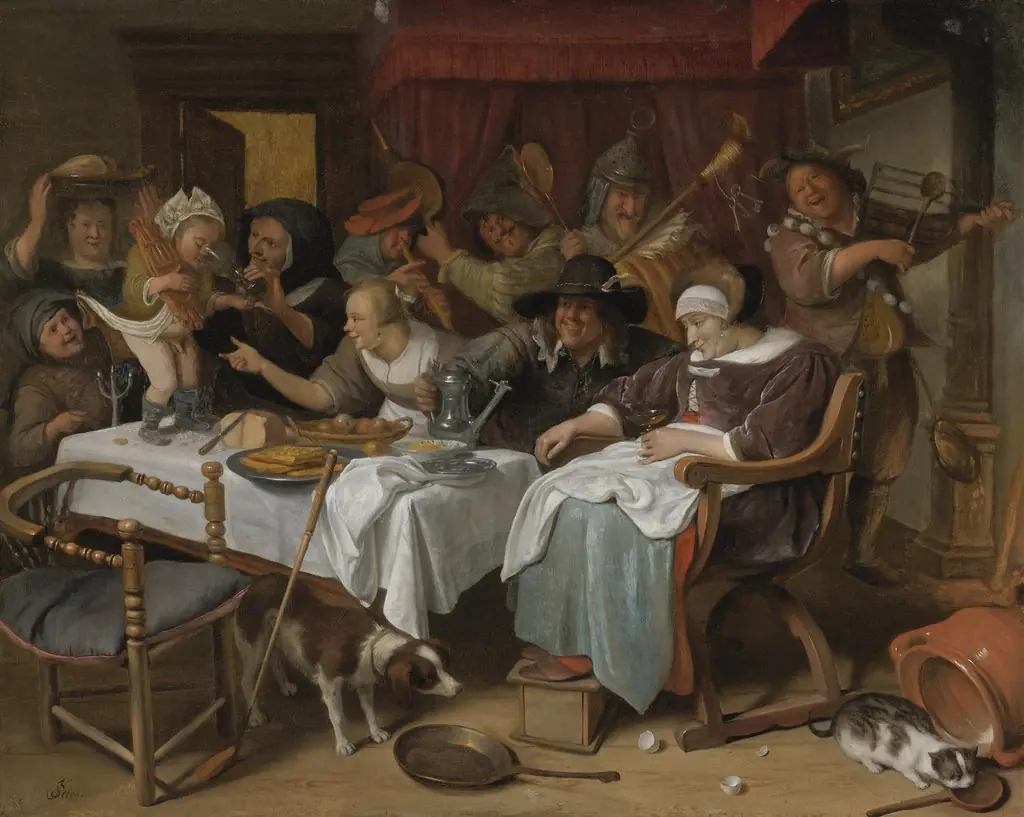 Twelfth Night
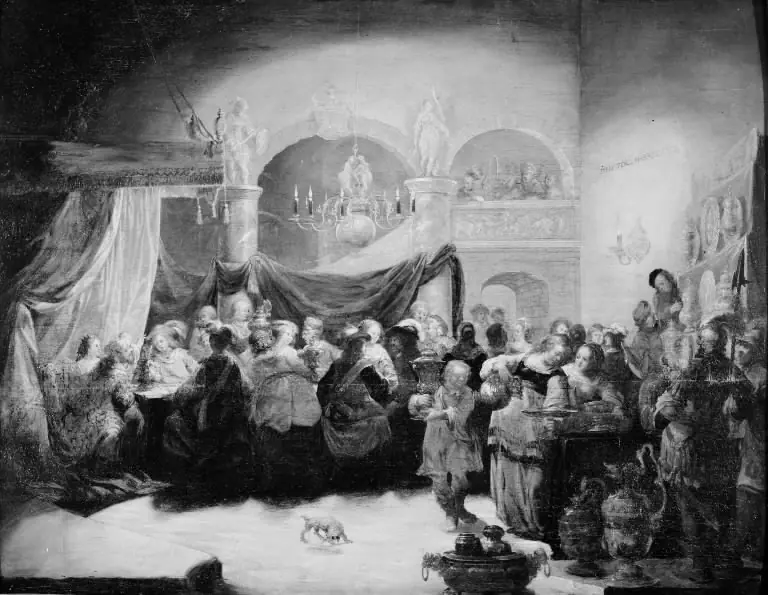 Belshazzar's Feast
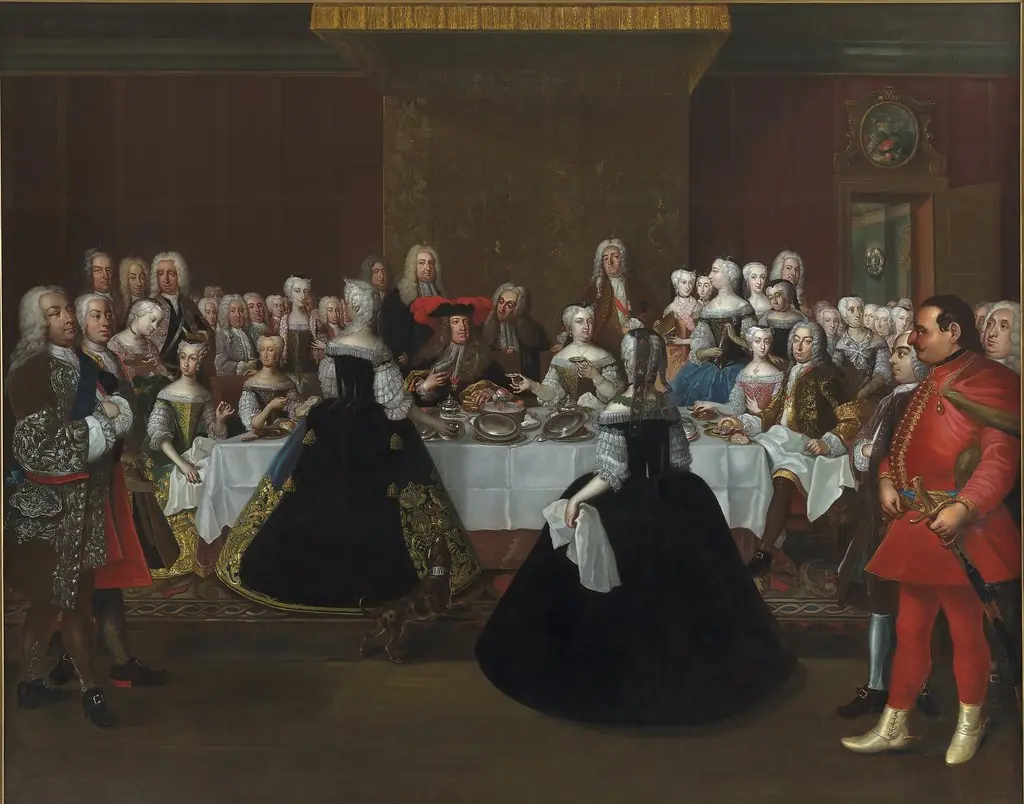 A Banquet at the Court of the German Emperor Charles VI
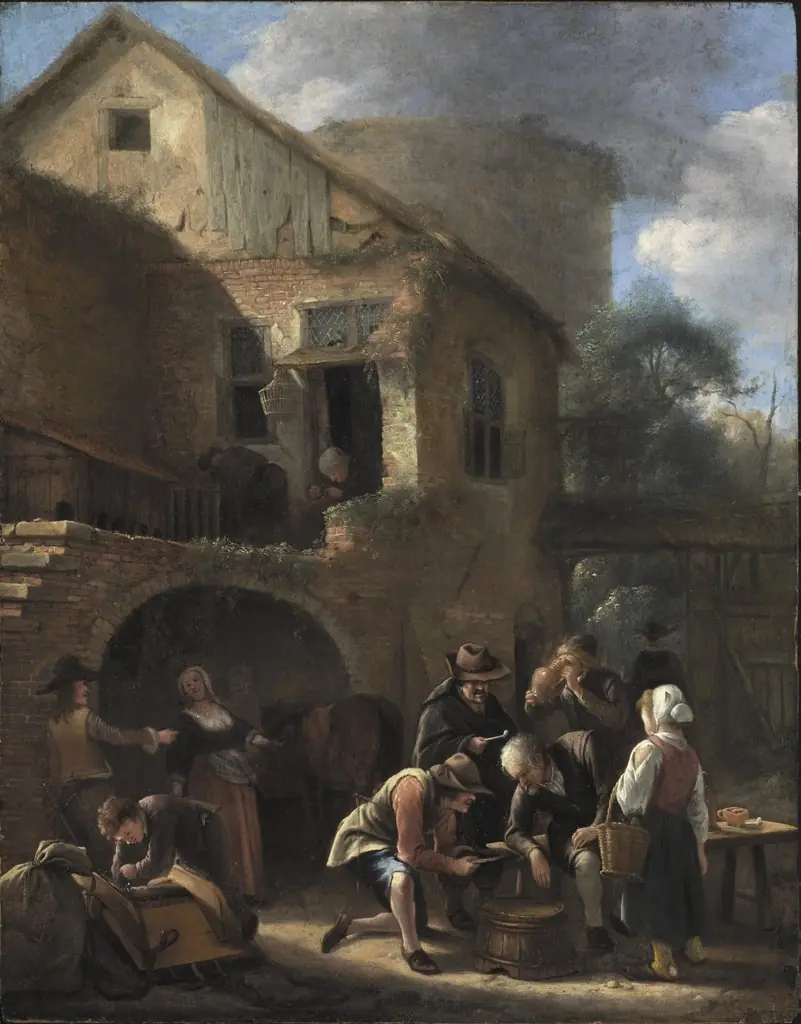 A Party of Peasants
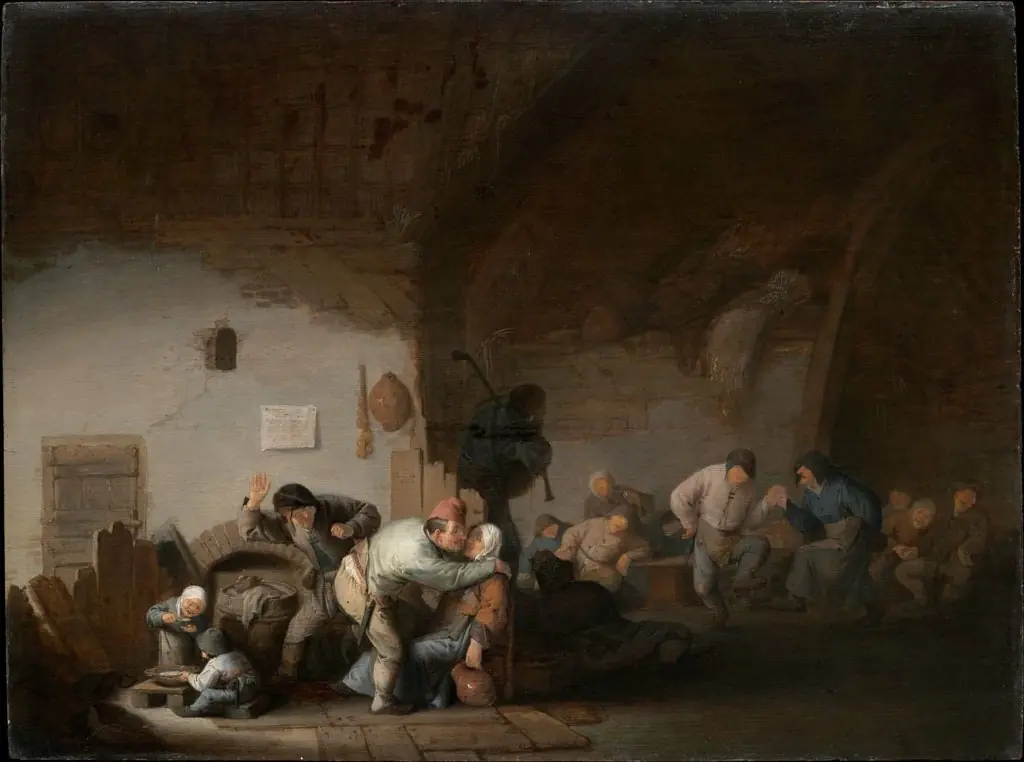 Peasants Merrymaking
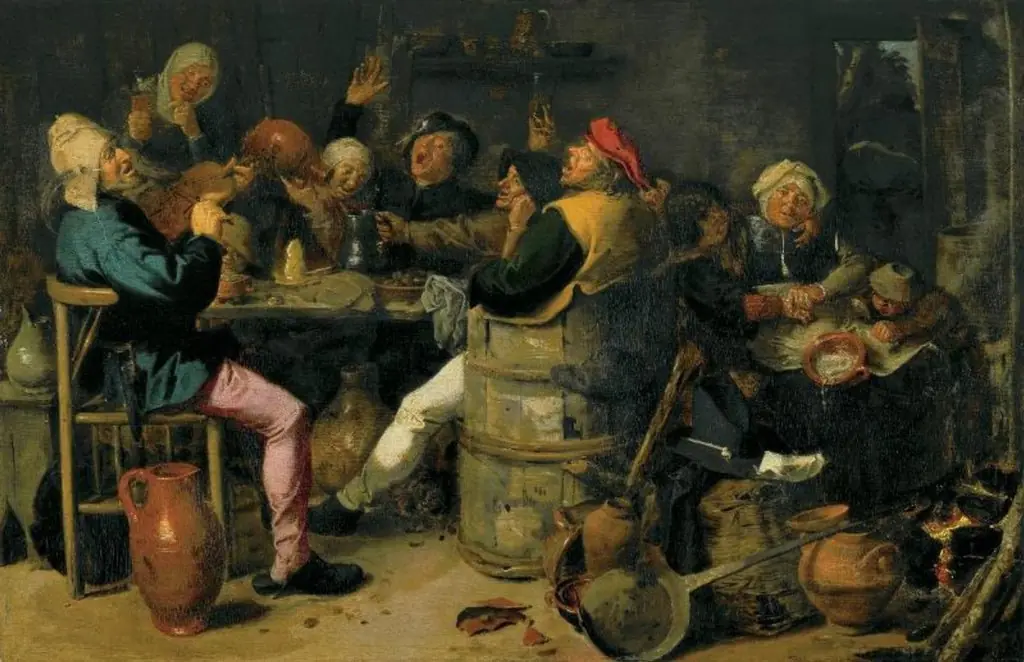 Peasant Feast
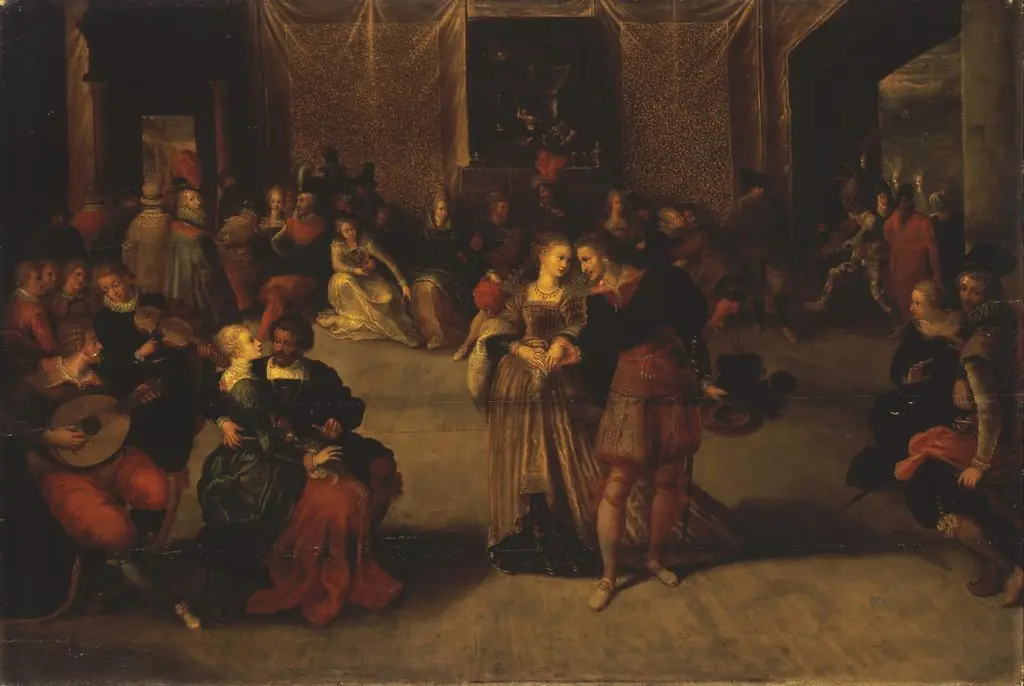 The Ball
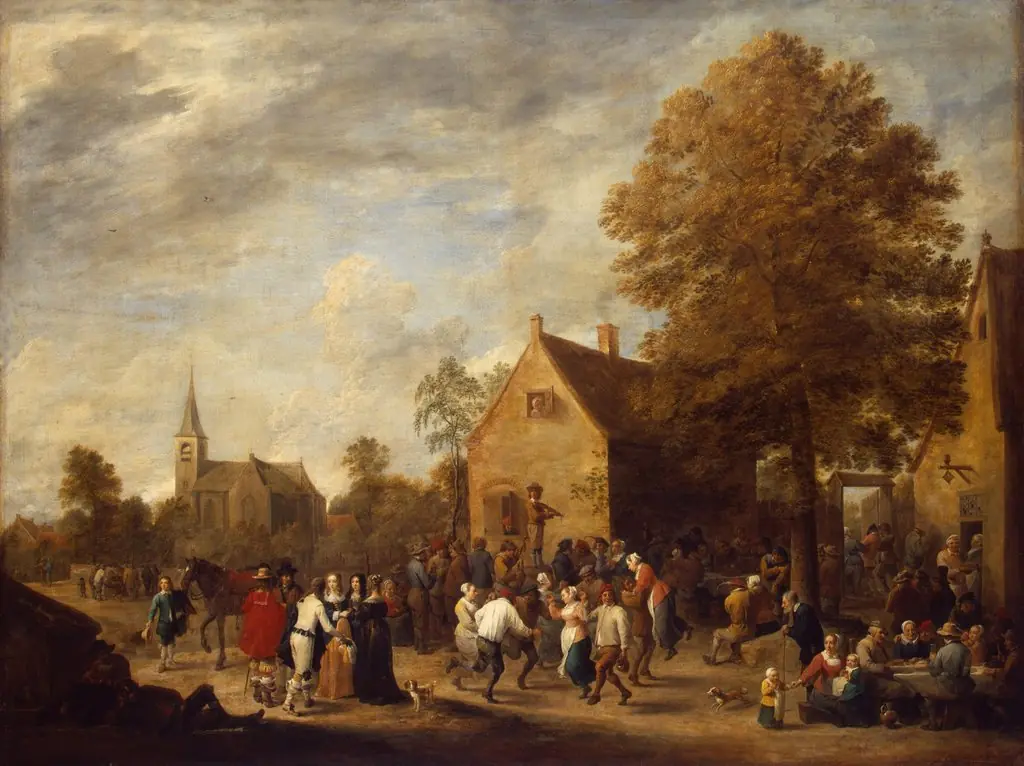 Rural Feast
 Feast of the Epiphany
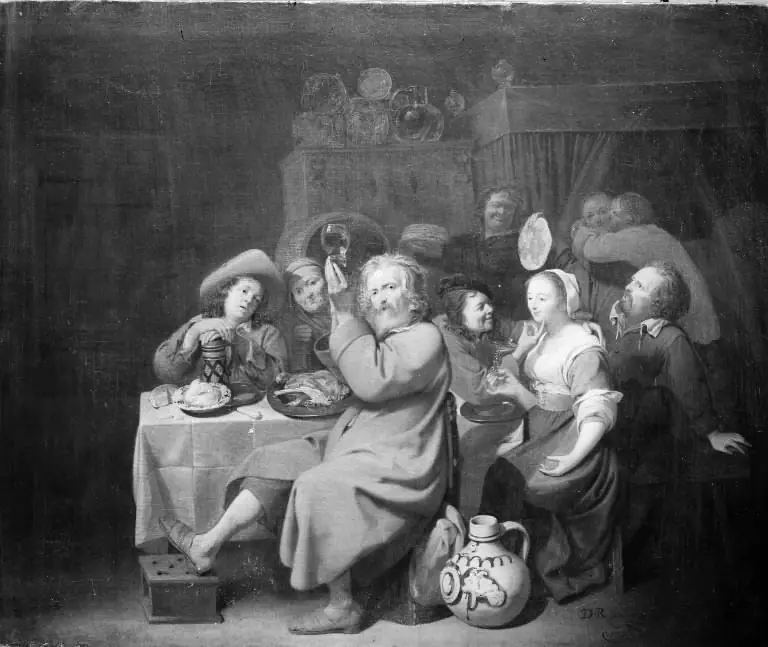 Peasants Merrymaking in a Tavern
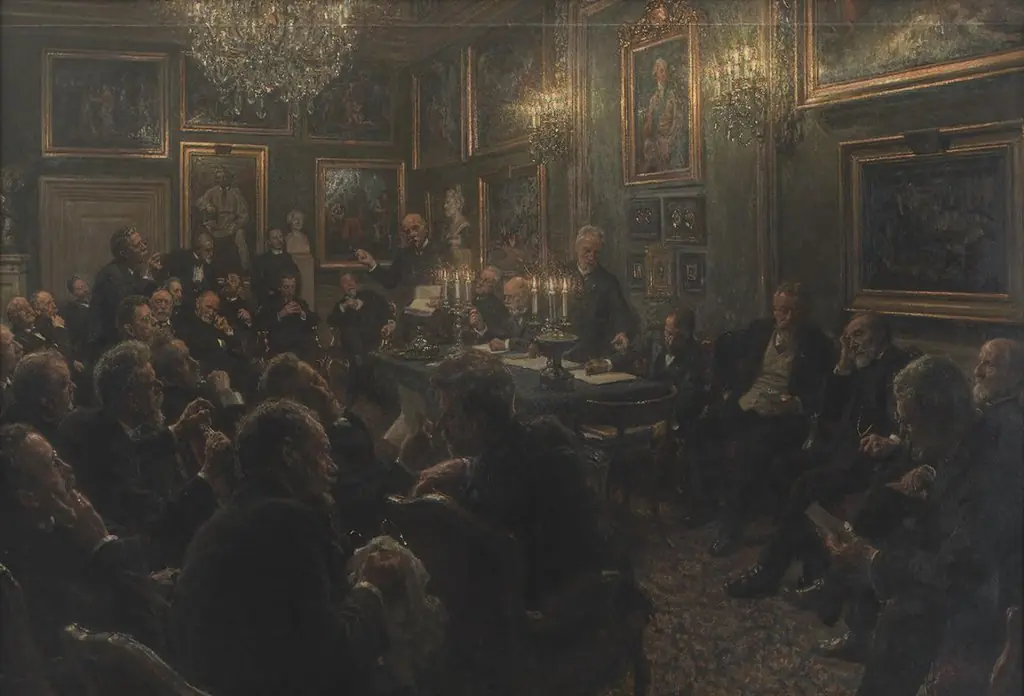 En akademirådsforsamling på Charlottenborg i 1904
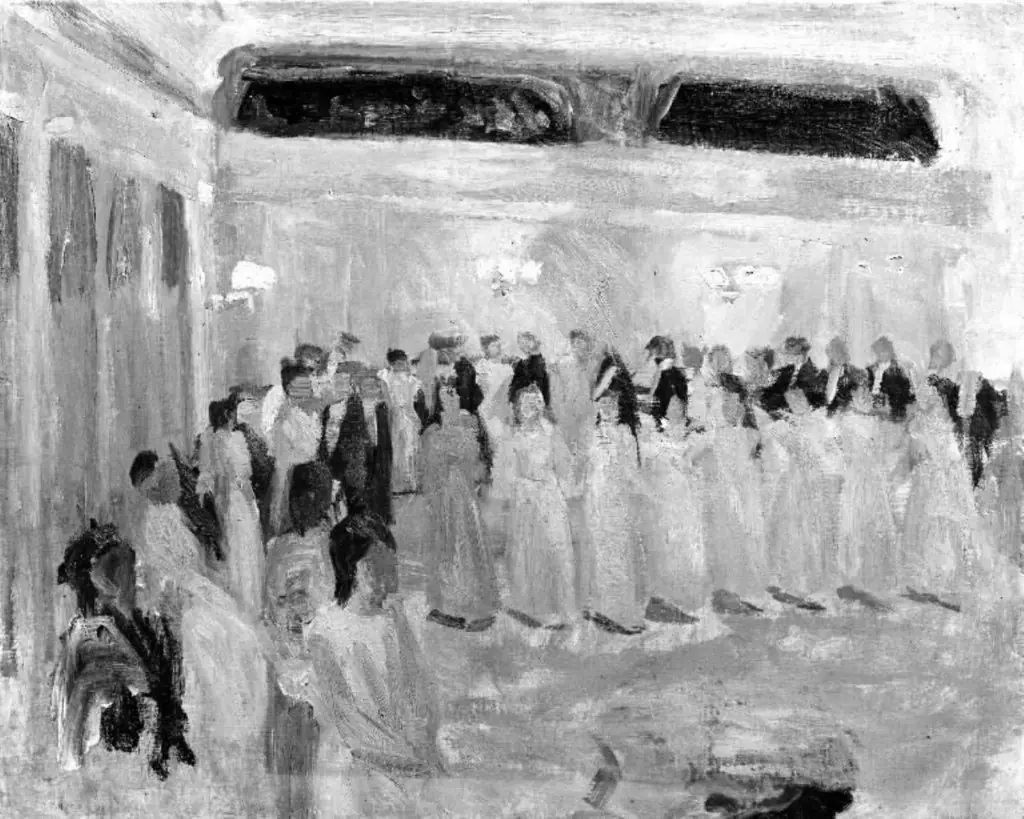 Bal i en provinsby
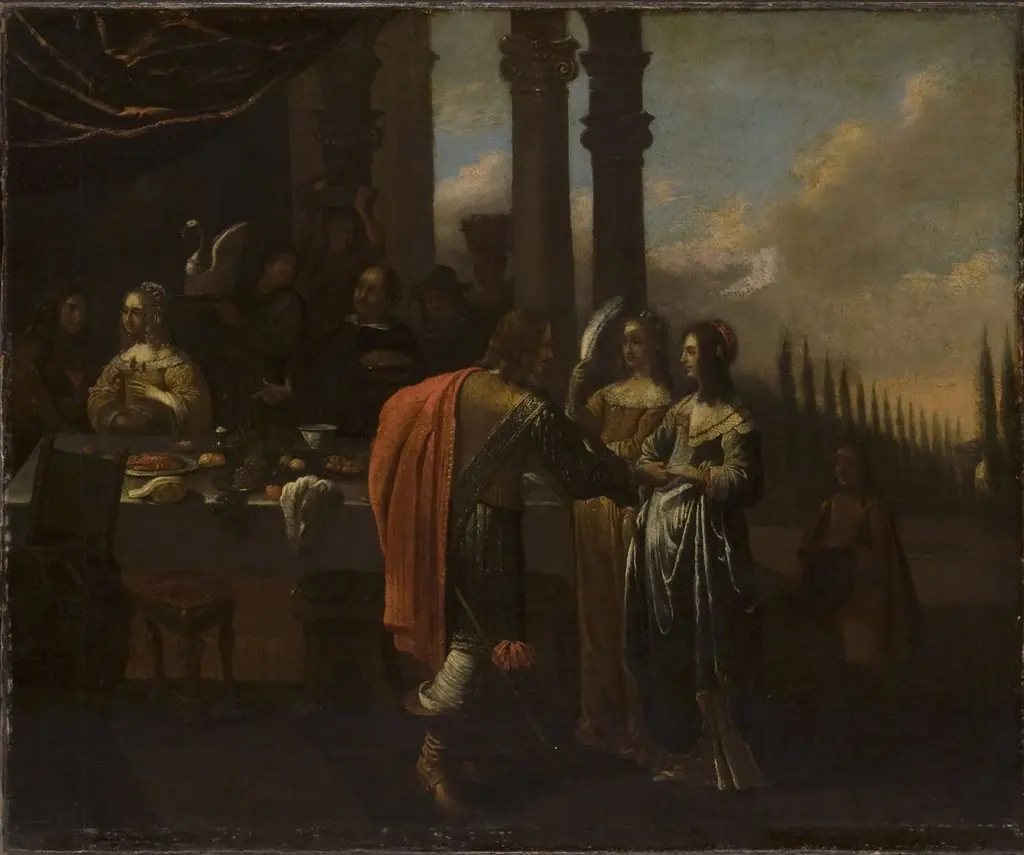 Dinner Party on a Terrace
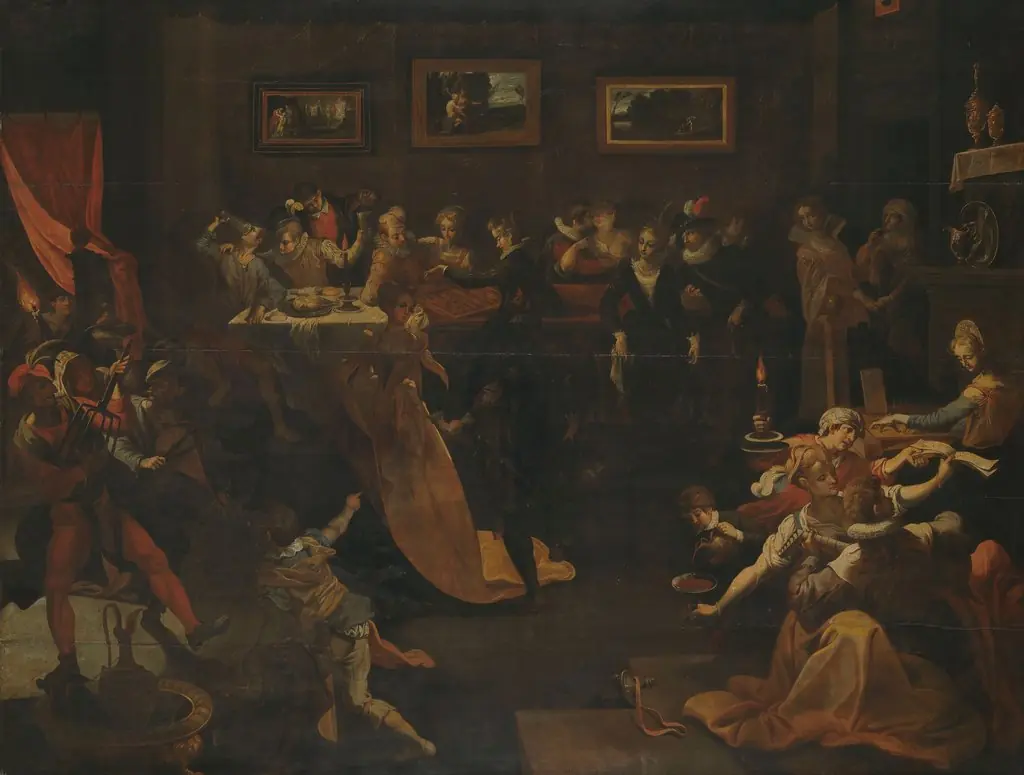 Night Banquet and Masquerade
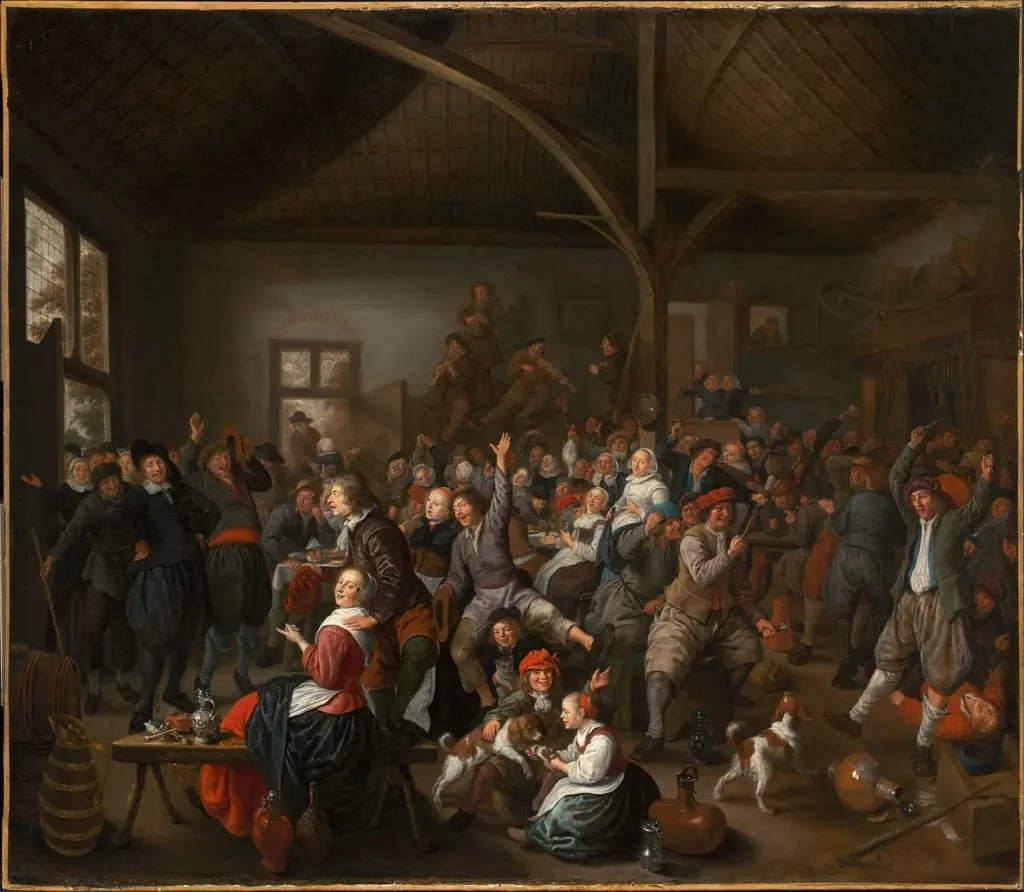 Peasants Carousing
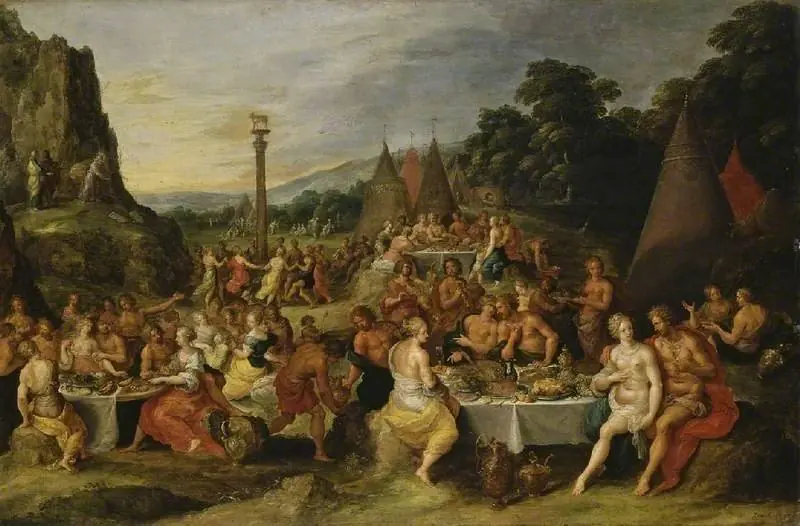 The Worship of the Golden Calf
 Peasants making merry
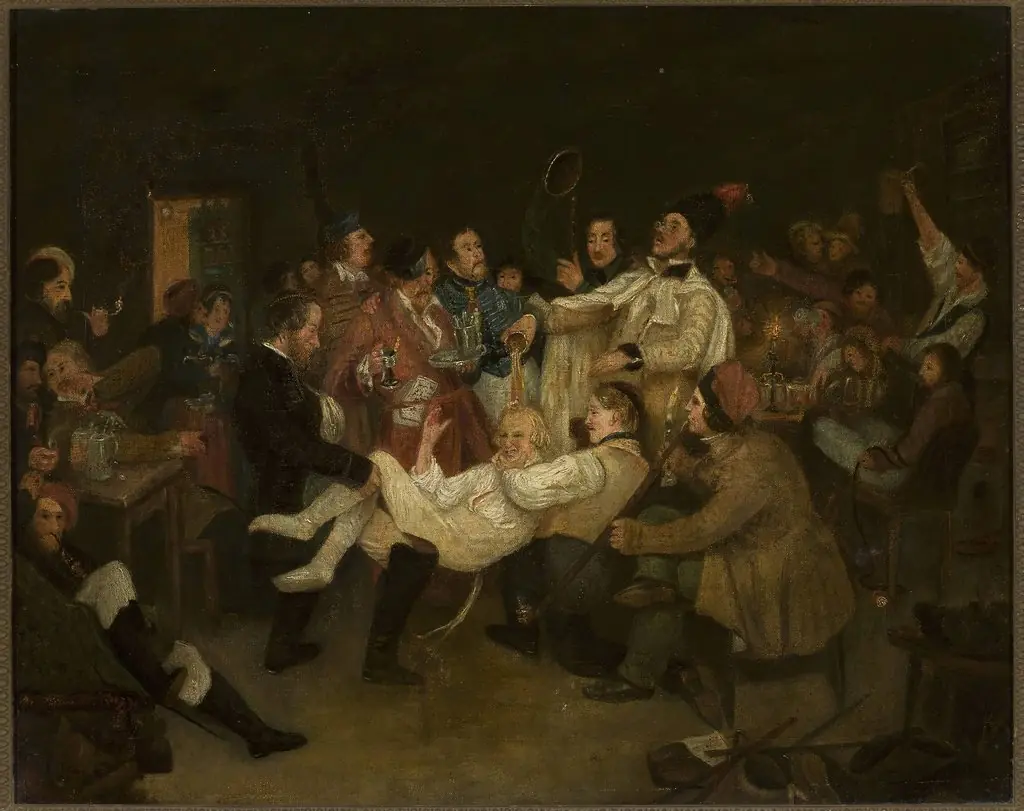 Students’ play
 Interior with a Merry Company
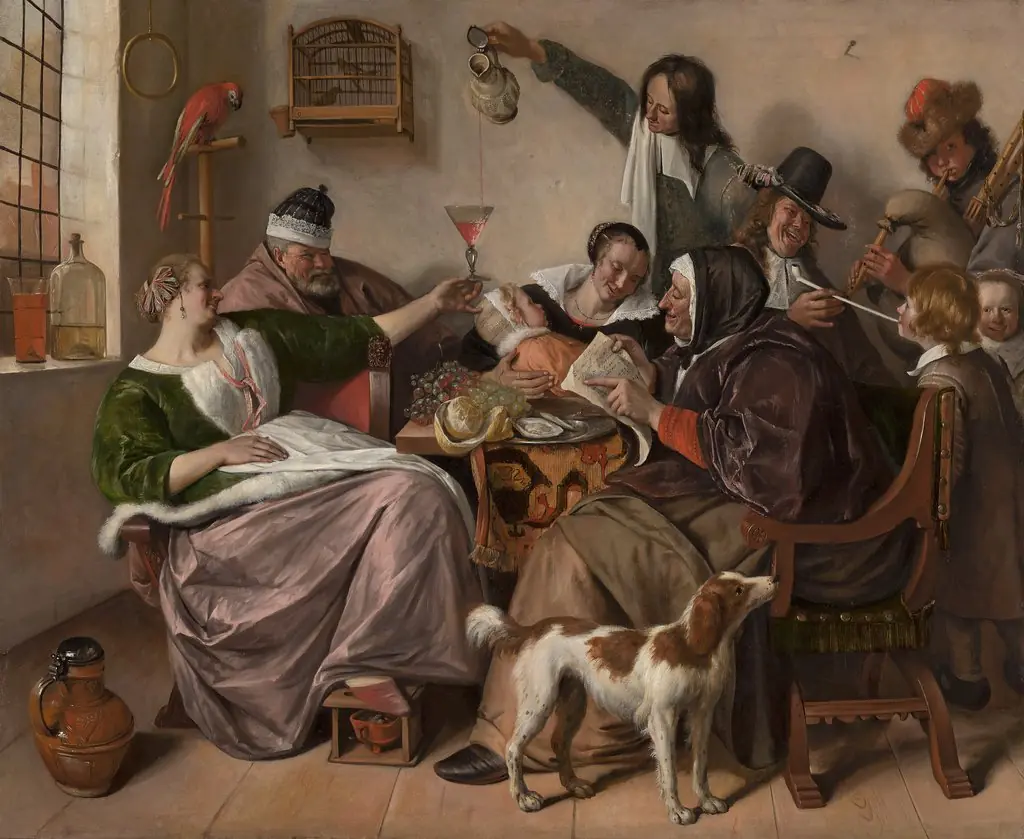 'As the Old Sing, So Pipe the Young'
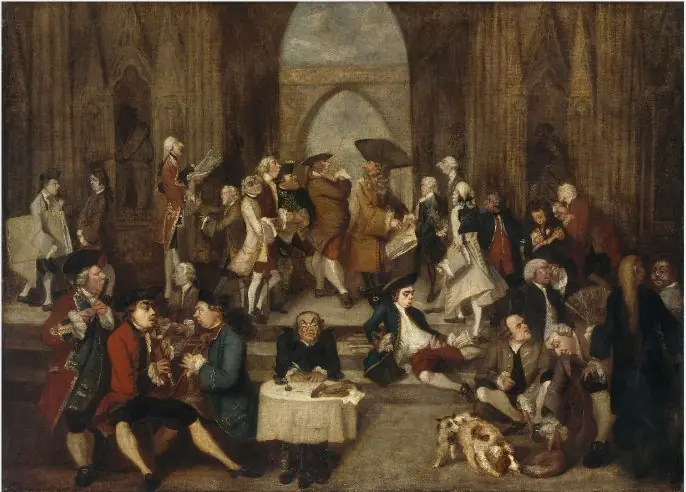 Parody of Raphael's 'School of Athens'
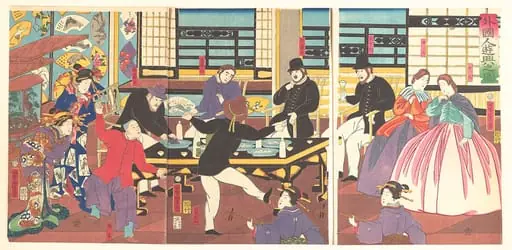 歌川義虎画 『外国人遊興之図』|Foreigners Enjoying a Party (Gaikokujin yūkyō no zu)
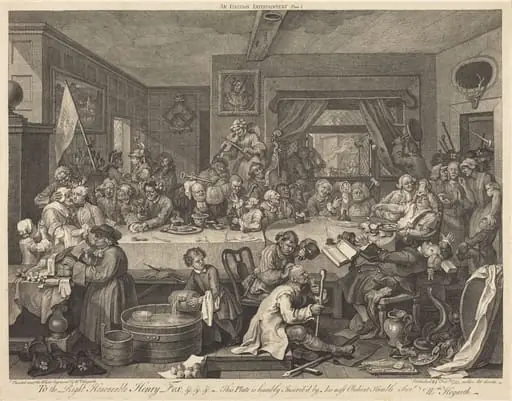 An Election Entertainment
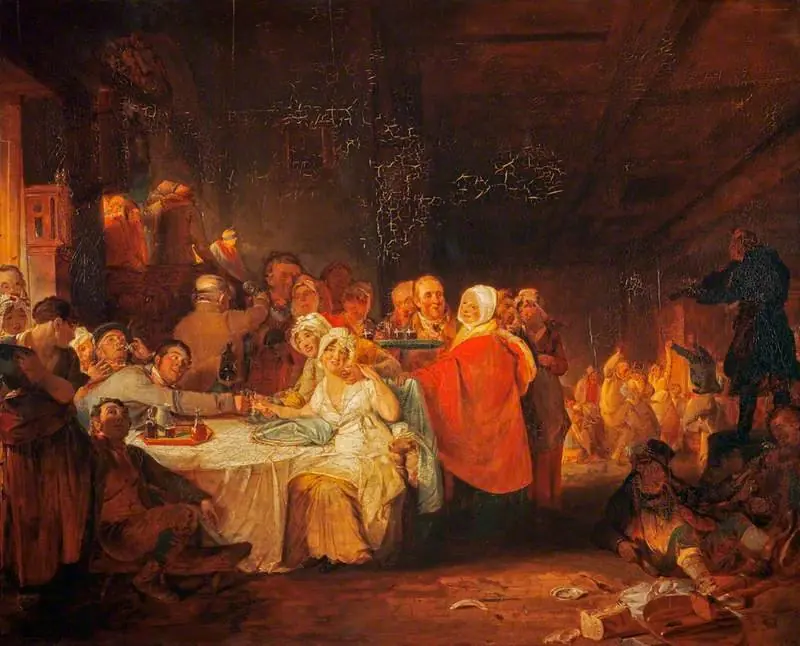 A Scotch Wedding
![Society Ball [verso]](https://artifactworldgallery.com/img/george-bellows--society-ball-verso--9ac6089fba024416-w320.webp) Society Ball [verso]
Society Ball [verso]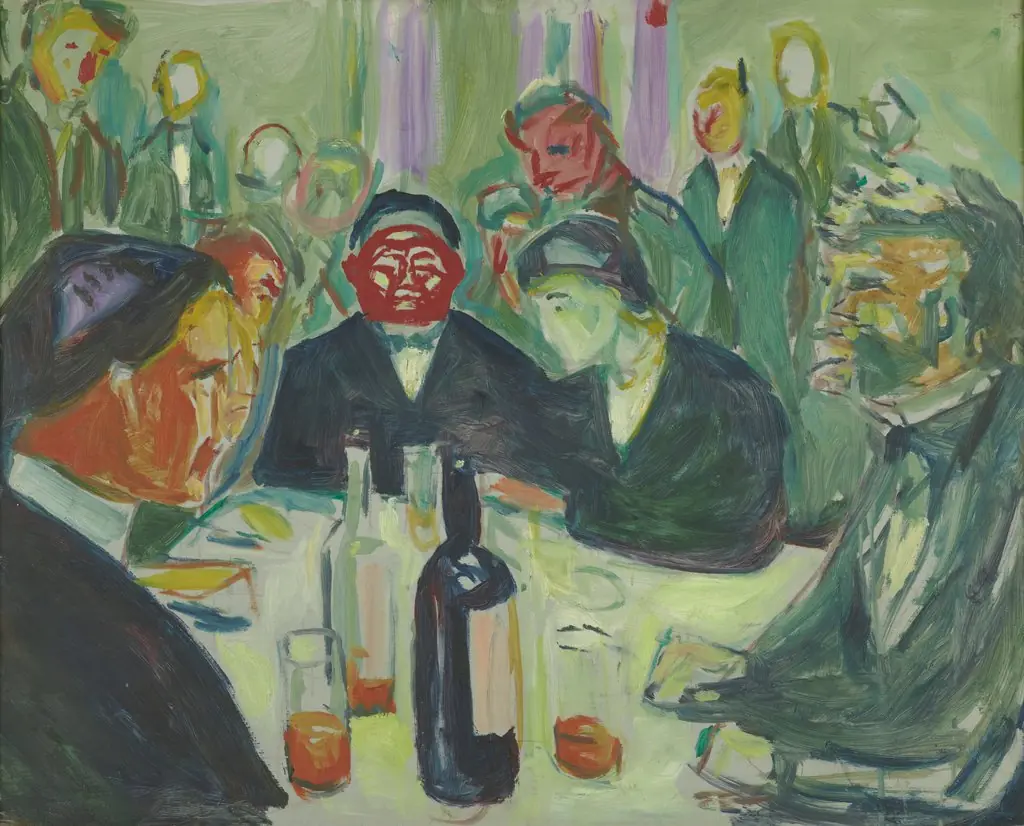 Around the Drinking Table
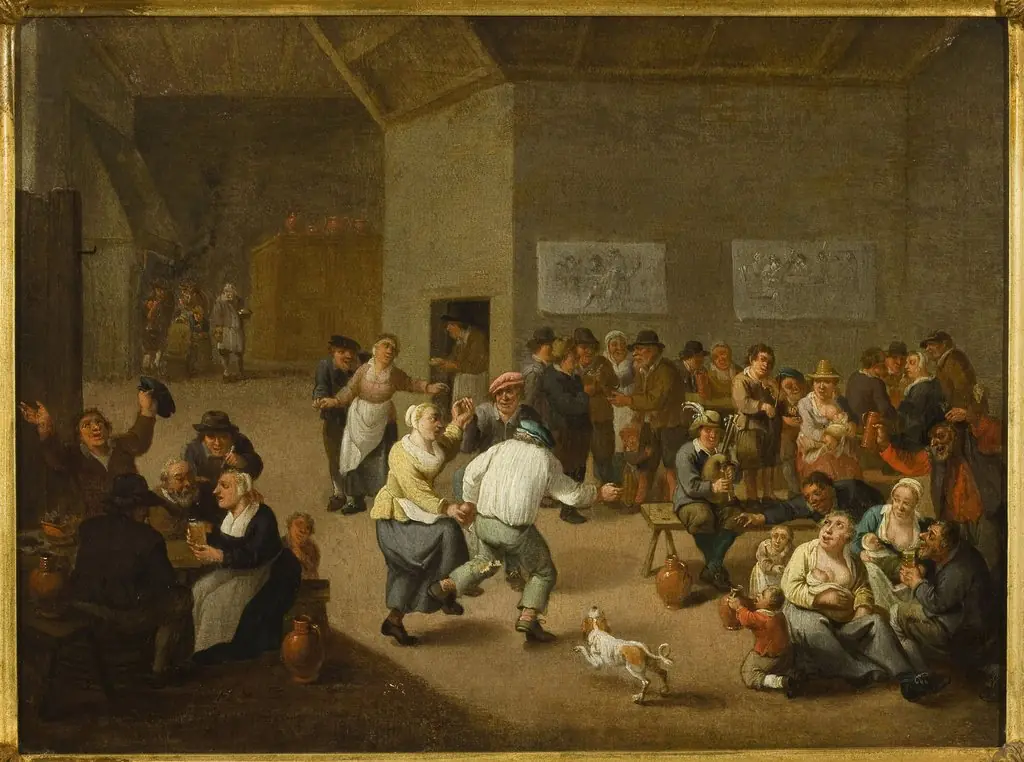 Zabawa w karczmie
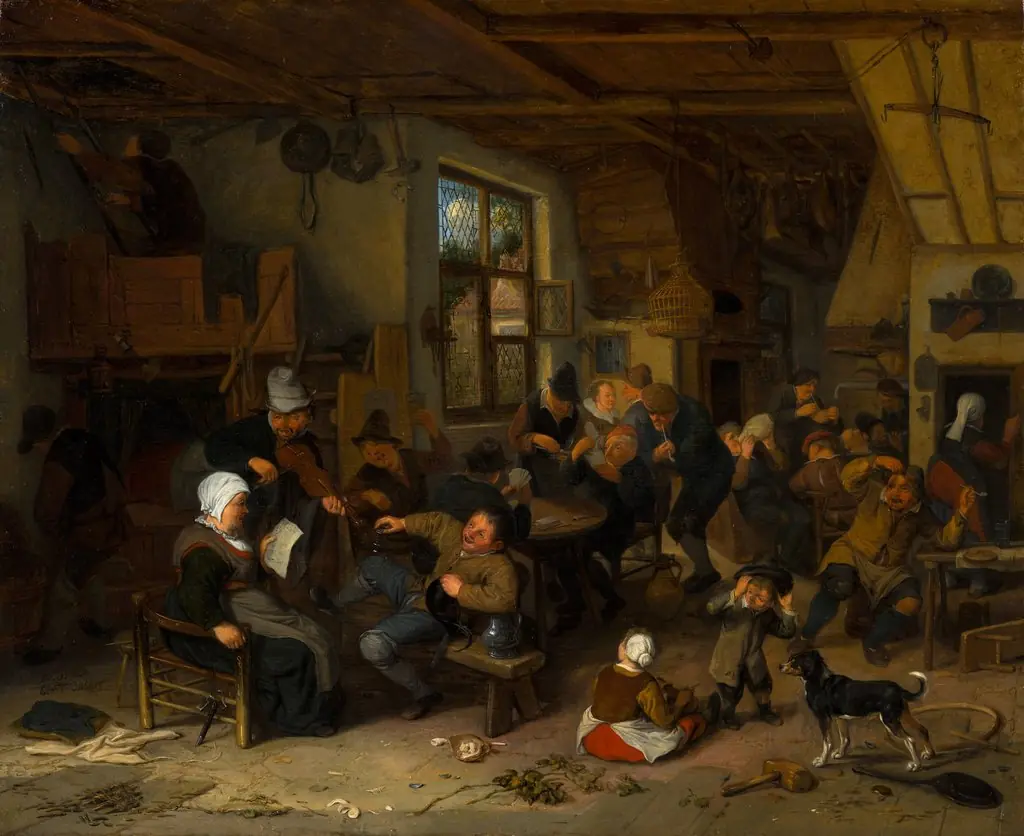 Peasant Inn
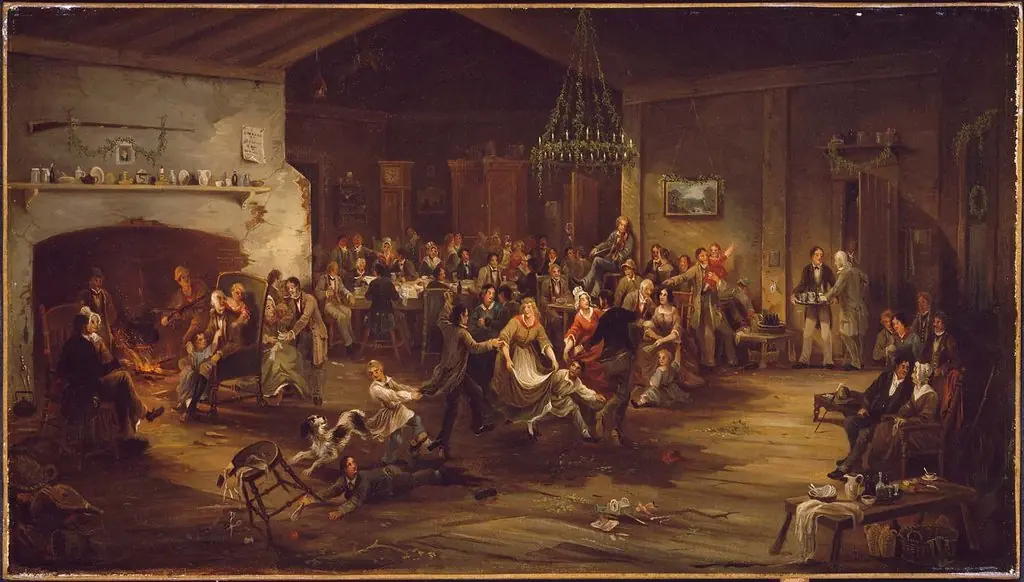 The Christmas Party
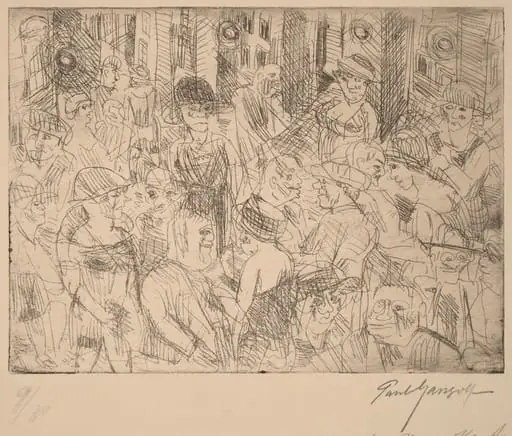 Uble Street (Uble Strasse)
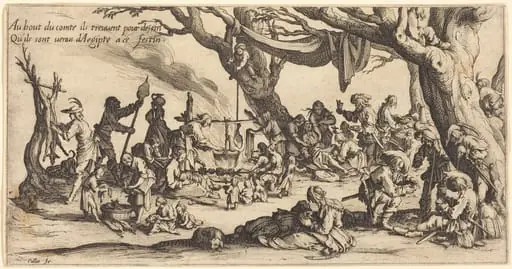 The Feast of the Bohemians
![The Marriage at Cana [right plate]](https://artifactworldgallery.com/img/john-baptist-jackson--the-marriage-at-cana-right-plate--39afa3b4115f9fc3-w320.webp) The Marriage at Cana [right plate]
The Marriage at Cana [right plate]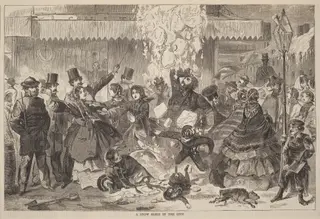 A Snow Slide in the City
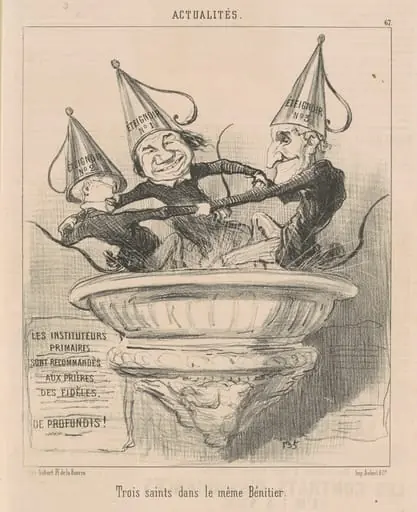 Trois saints dans le même bénitier
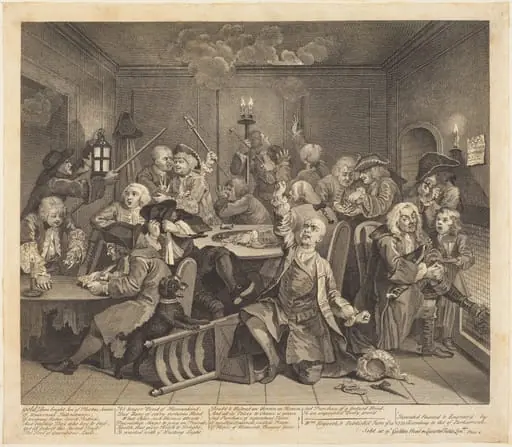 A Rake's Progress: pl.6
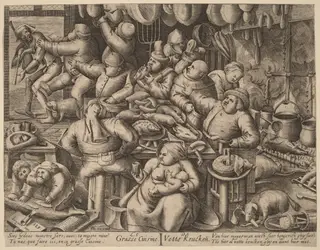 The Fat Kitchen
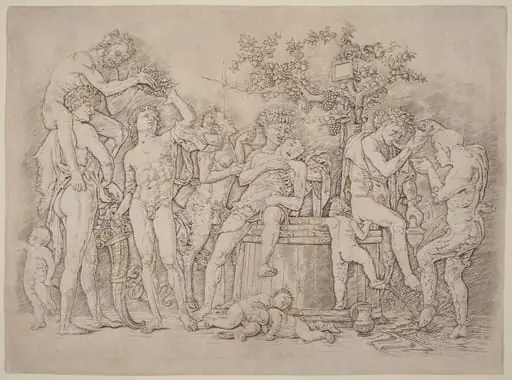 Bacchanal with a Wine Vat
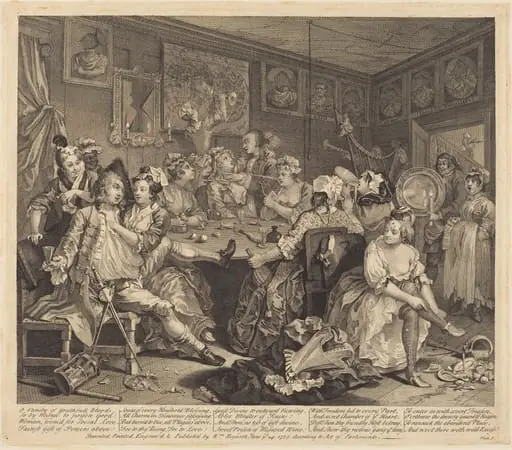 A Rake's Progress: pl.3
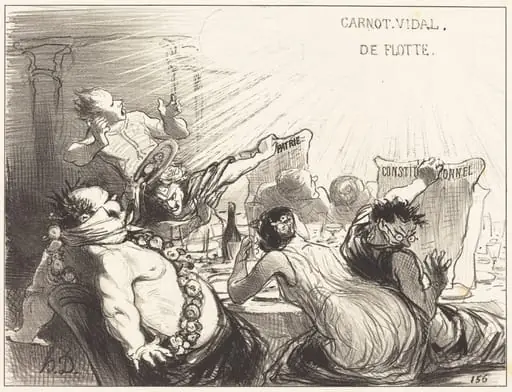 Le Festin de Baltazar-Véron
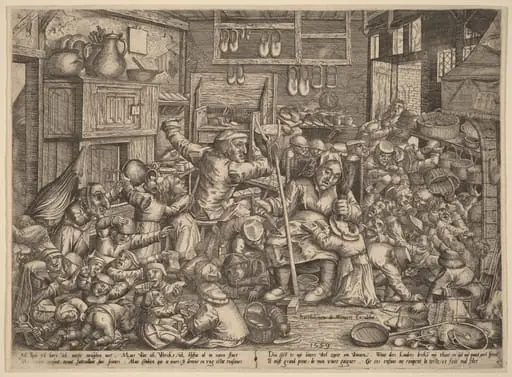 The Cobbler's Unruly Family
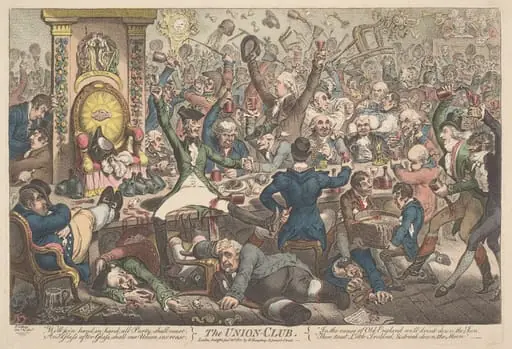 The Union Club
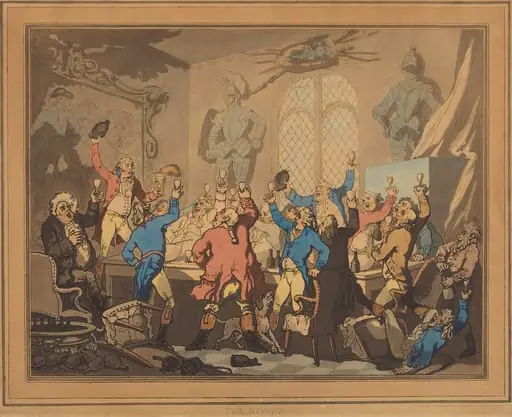 The Dinner
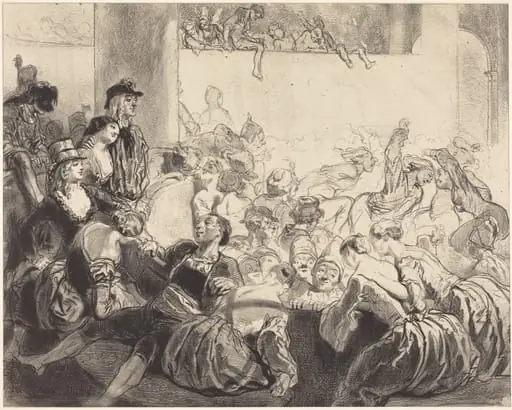 The Masked Ball
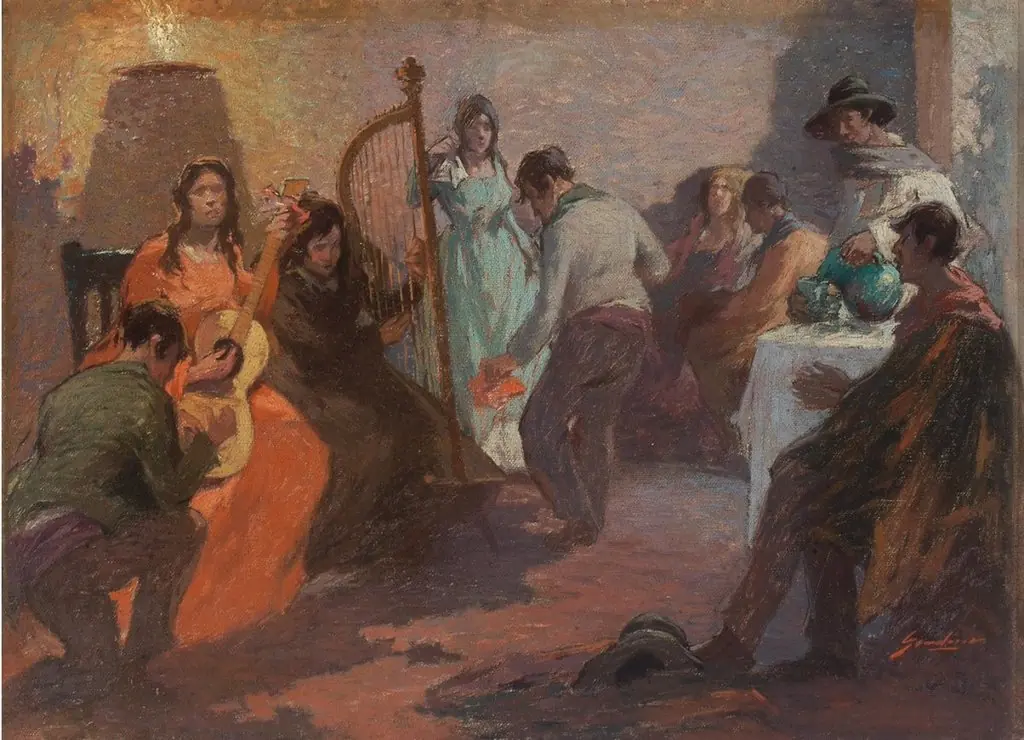 La Zamacueca
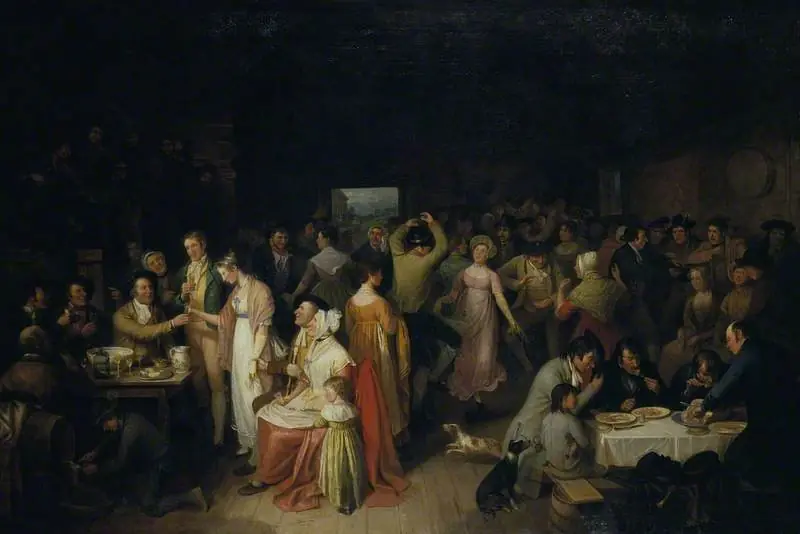 The Penny Wedding
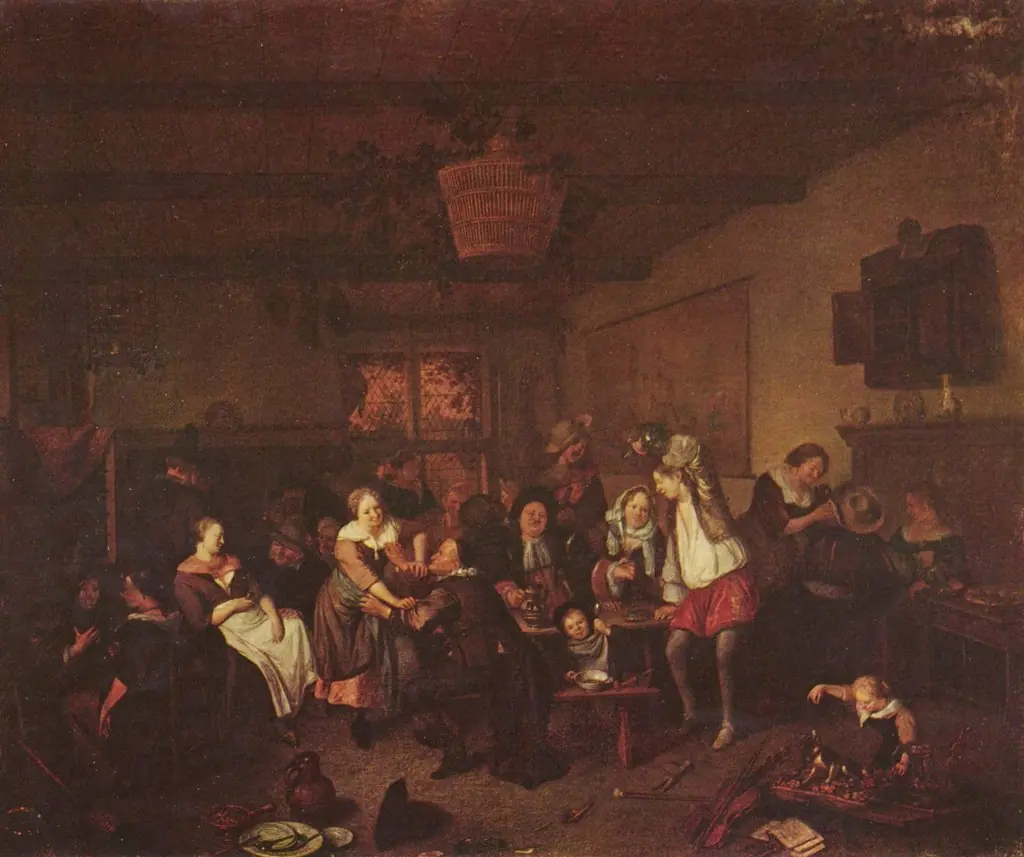 A Merry Company
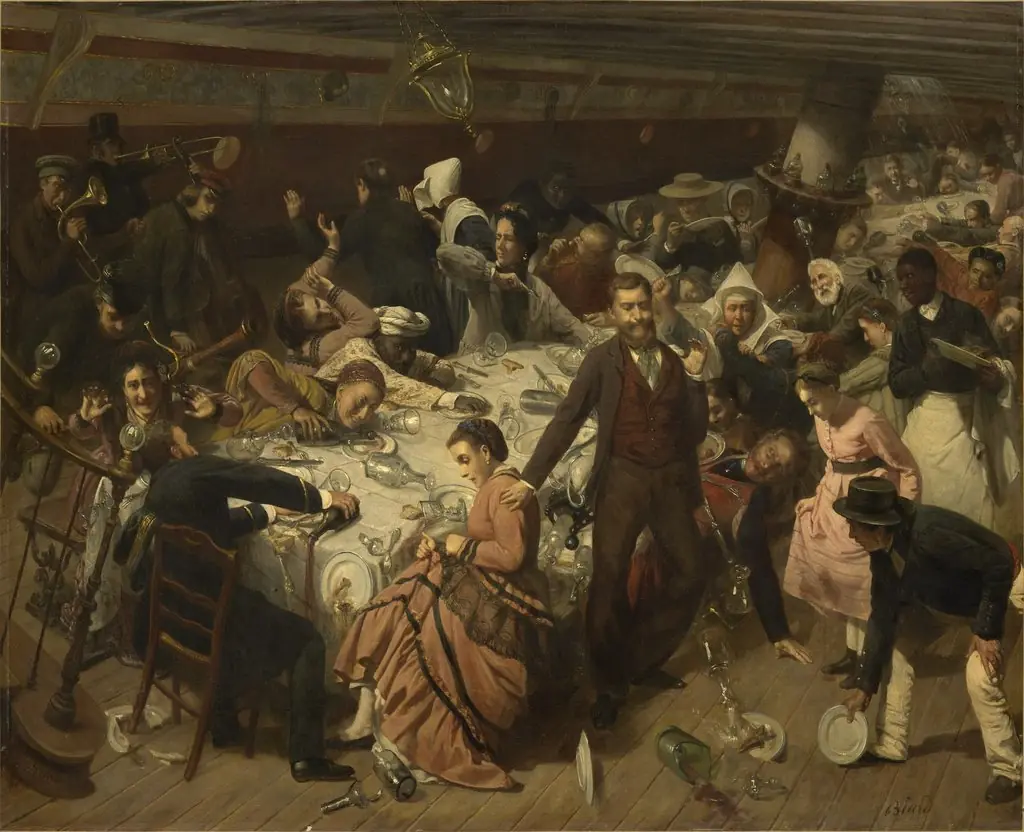 Sudden Squall at Sea
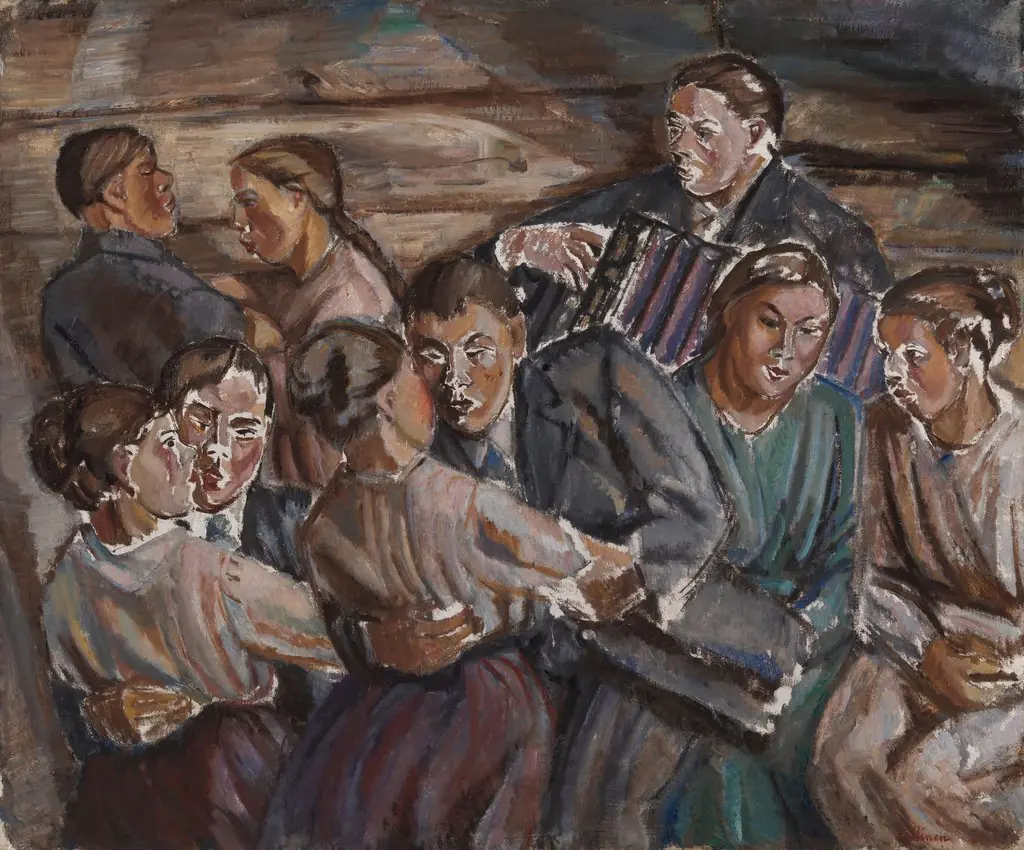 The Barn Dance
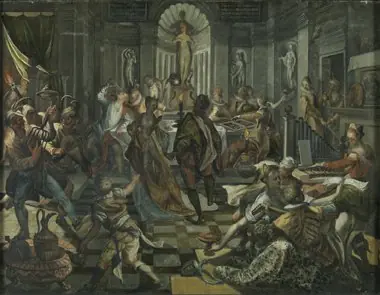 Nocturnal party and masquerade
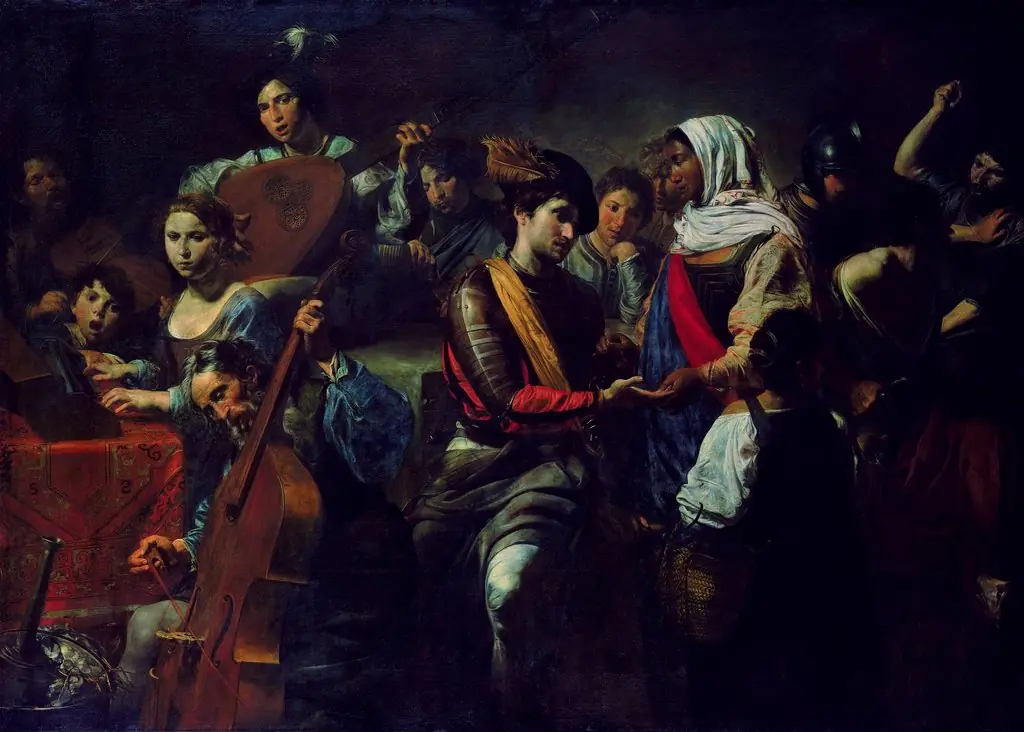 Cheerful company with fortune-teller
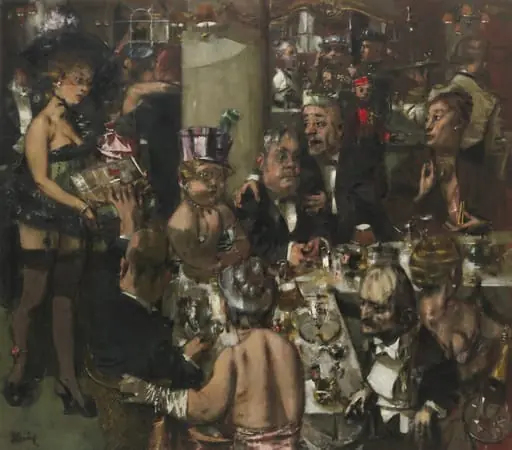 Untitled
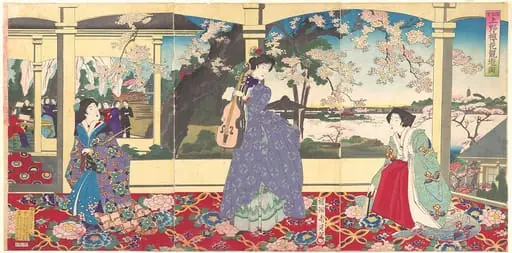 『踏舞会 上野桜花観 遊ノ図』|A Dance Party: Enjoying Cherry Blossom Viewing at Ueno (Tōbukai Ueno ōka yūran no zu)
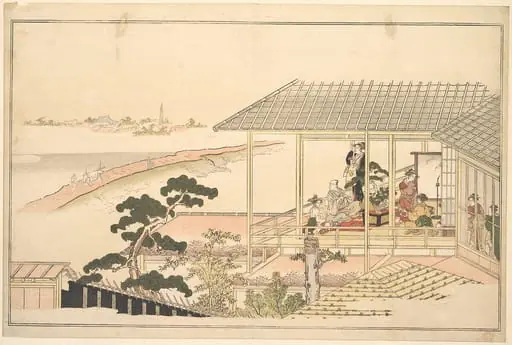 狂月坊|A Party of Merrymakers in a House in the Yoshiwara on a Moonlight Night
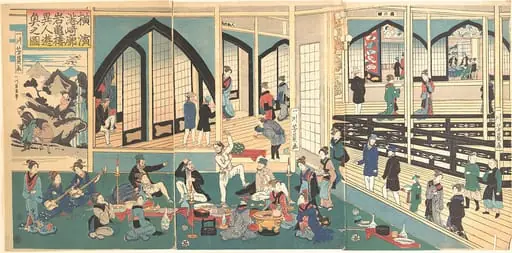 Yokohama Miyozaki-kaku Gankirō ijin yūkyō no zu|Foreigners Enjoying a Party at the Gankirō Tea House
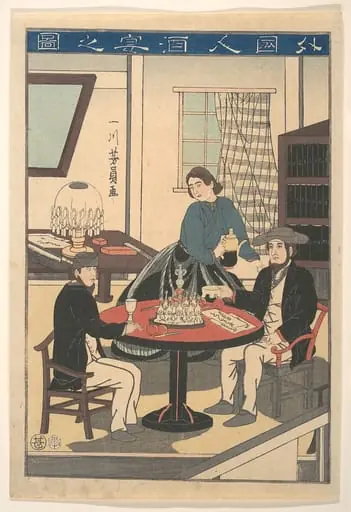 Gaikokujin Sake no zu|A Foreigner's Wine Party (Gaikokujin shuen no zu), from an untitled series of foreigners at home
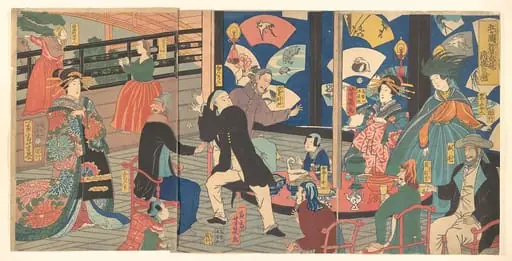 Gok'koku o Gankirō sakamori no zu|The Five Nations Enjoying a Drunken Revel at the Gankirō Tea House
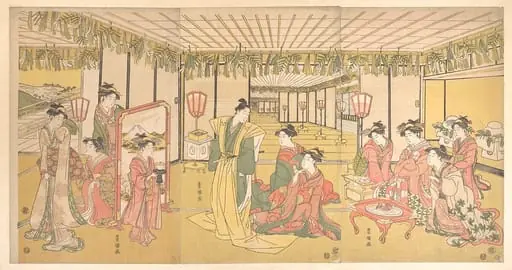 Untitled
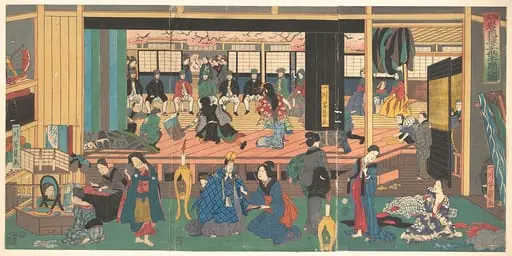 Yokohama Gankirō kodomo te odori no zu|Foreigners Enjoying Children's Kabuki at the Gankirō Tea House
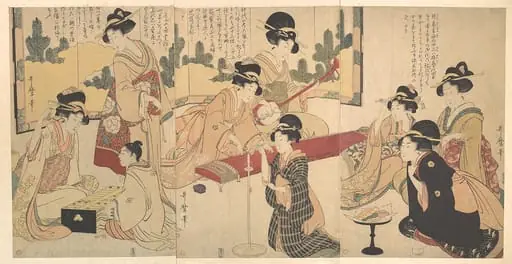 Untitled
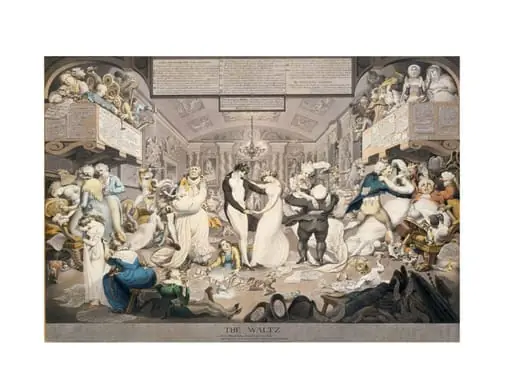 The Waltz
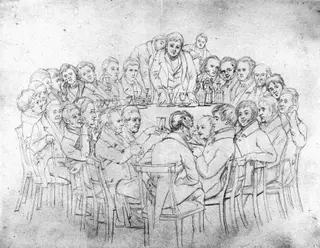 Preliminary drawing for the group caricature, 'The Fraserians'
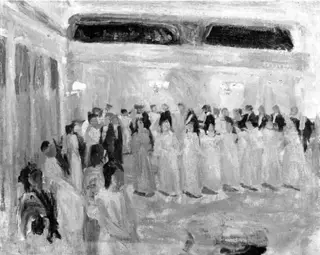 Bal i en provinsby
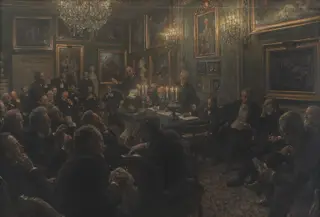 En akademirådsforsamling på Charlottenborg i 1904
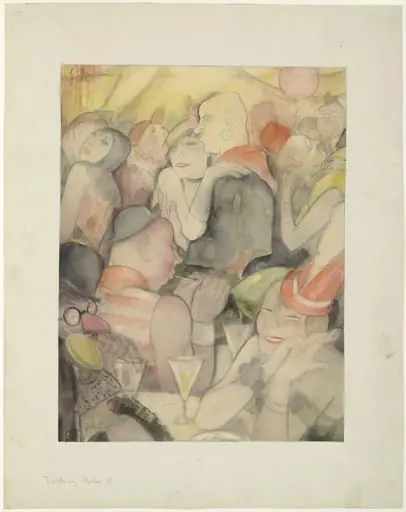 Untitled
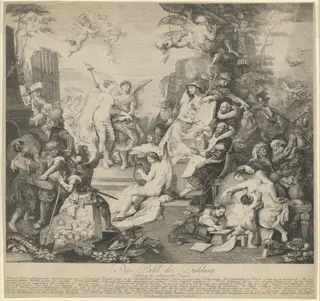 Das Bild der Düldung (Allegory of Tolerance)
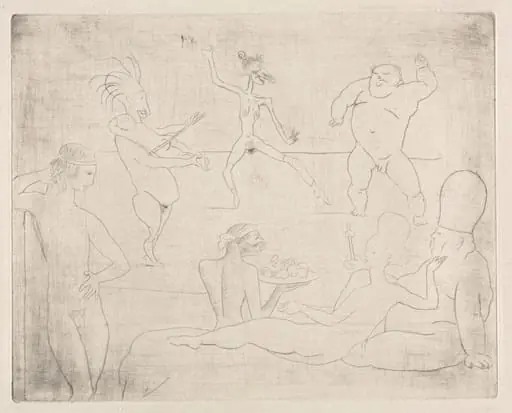 The Barbaric Dance (Before Salomé and Herod)
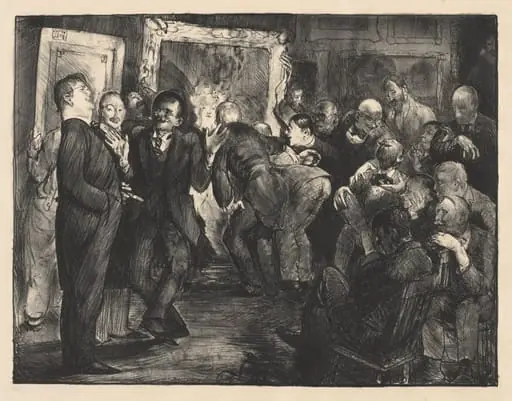 Artists Judging Works of Art
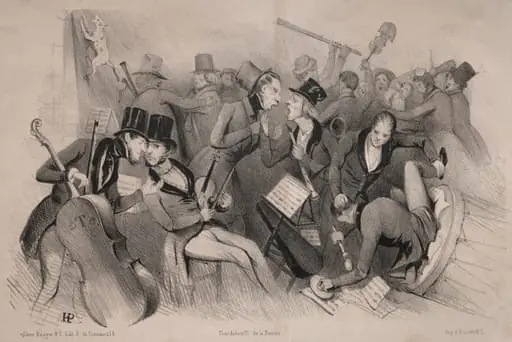 Actualités: Société philharmonique de province
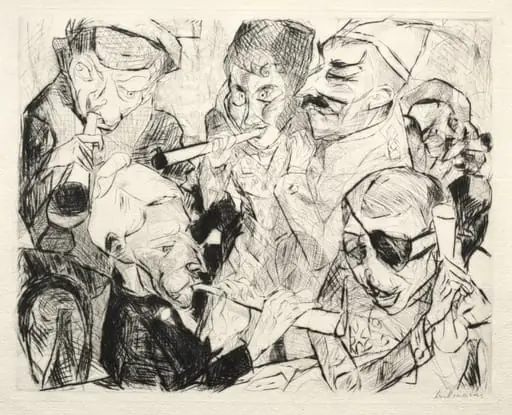 Happy New Year 1917
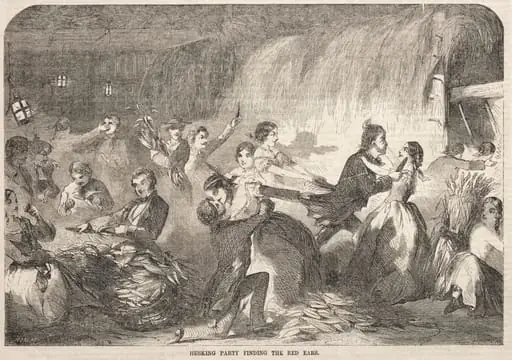 Husking Party Finding the Red Ears
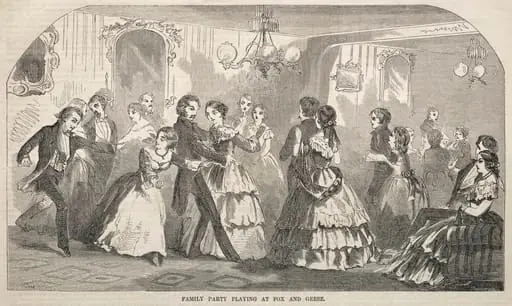 Family Party Playing at Fox and Geese
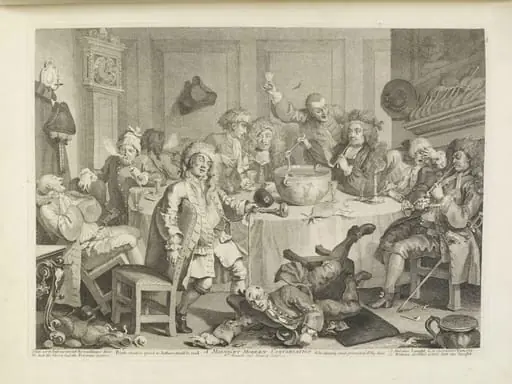 A Midnight Modern Conversation
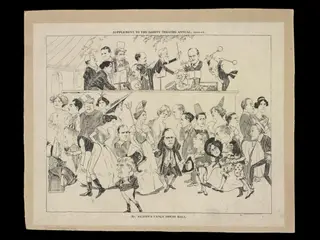 H Beard Print Collection
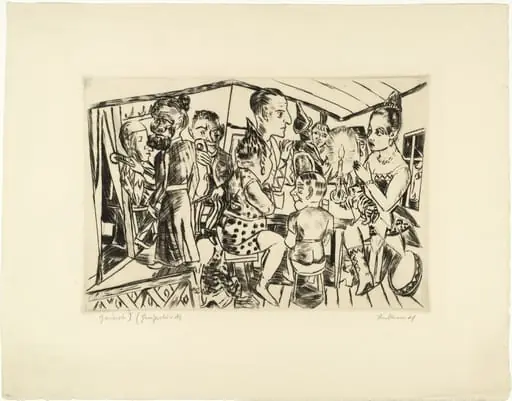 Untitled
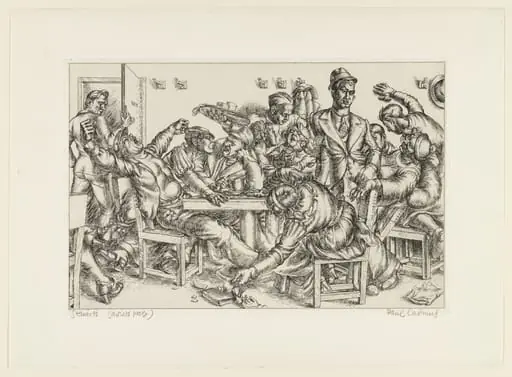 Untitled
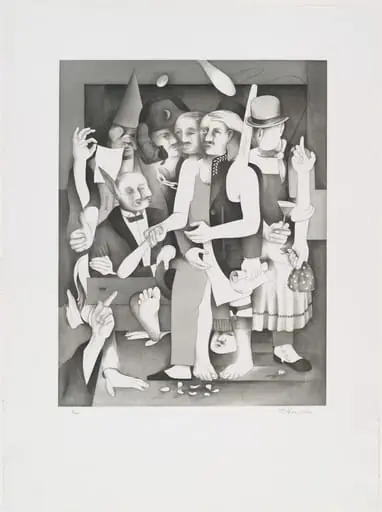 Untitled
Frequently asked questions
What is Party?
Party is a subject in art. A party is a gathering of people who have been invited by a host for the purposes of socializing, conversation, recreation, or as part of a festival or other commemoration or celebration of a special occasion.
How many Party works does Artifact World Gallery have?
Artifact World Gallery holds 85 public-domain Party works, all free to view and download.
Who are the key Party artists?
Key Party artists in the collection include George Bellows, David Teniers the Younger and Jan Steen.
Where can I see Party works?
Party works in the collection are held by National Gallery of Art, Metropolitan Museum of Art and Statens Museum for Kunst.