Artwork
Adam Naming the Animals
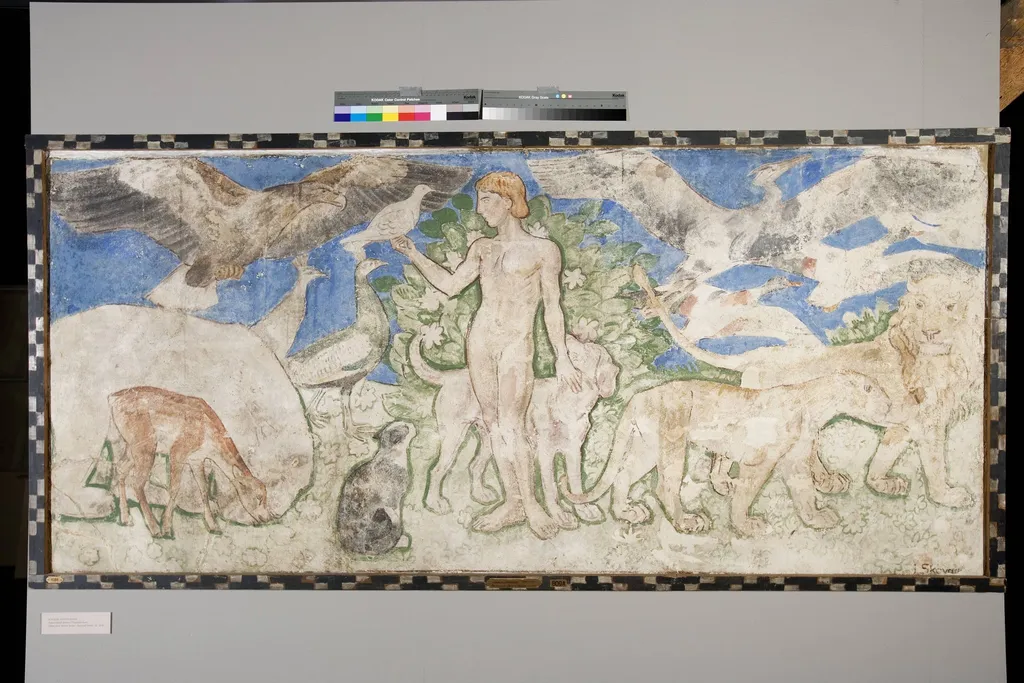
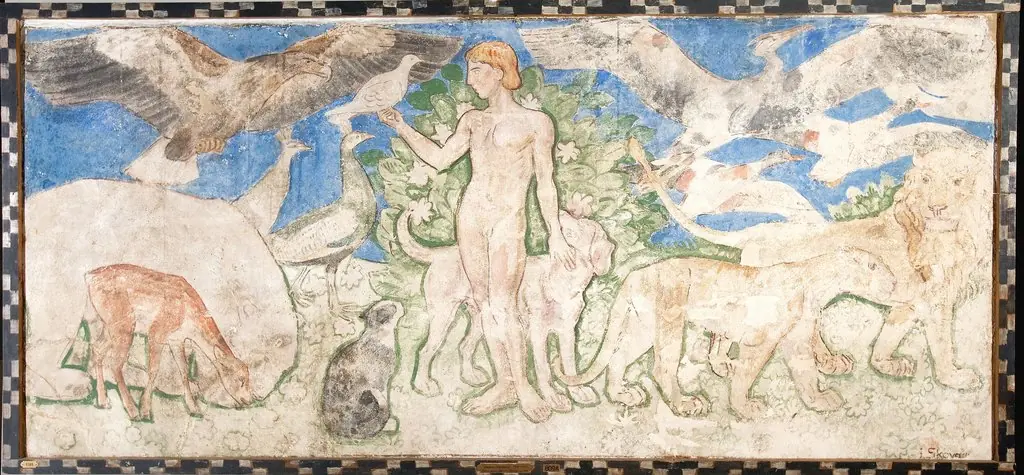
Adam Naming the Animals is a photography by Unknown. It dates from 1850 and is held in the collection of the Statens Museum for Kunst. Painted around 1850, this work depicts the biblical moment of Adam assigning names to the creatures.
About this work
Overview
Painted around 1850, this work depicts the biblical moment of Adam assigning names to the creatures. Executed in oil on canvas, it is part of the Museum of Ethnography’s collection. The composition centers on a solitary, nude male figure surrounded by a diverse array of animals, rendered with a quiet solemnity that distinguishes it from more dramatic religious narratives of the period.
Subject & Meaning
The figure’s nudity suggests innocence and primordial state, while the calm interaction with beasts implies harmony rather than dominance.
The scene illustrates Genesis 2:19–20, where Adam names the animals as an act of dominion and understanding. The figure’s nudity suggests innocence and primordial state, while the calm interaction with beasts implies harmony rather than dominance. The inclusion of both familiar and mythical creatures blurs the line between observed nature and symbolic representation, inviting reflection on humanity’s place within creation.
Technique & Style
The artist employs a muted palette of earthy browns, soft greens, and cool blues, creating a subdued, contemplative atmosphere. Forms are rendered with a blend of naturalistic detail and stylized proportions, animals appear slightly elongated or exaggerated, suggesting a symbolic intent. Brushwork is deliberate but not overly refined, favoring emotional resonance over academic precision.
History & Provenance
The painting entered the Museum of Ethnography’s holdings in the late 19th century, acquired during a period of expanding interest in religious iconography as cultural artifact rather than devotional object. Its origins prior to museum acquisition remain undocumented, though stylistic cues suggest it was produced in a regional studio influenced by Romantic and early Symbolist tendencies.
Context
Created during a time when biblical themes were being reinterpreted through emerging secular and anthropological lenses, the work reflects 19th-century efforts to reconcile religious narrative with emerging scientific views of nature. Its inclusion in an ethnographic museum signals a shift toward viewing religious imagery as a window into cultural belief systems rather than theological truth.
Legacy
Though not widely exhibited outside its home institution, the painting contributes to a lesser-known strand of 19th-century religious art that prioritized introspection over spectacle. It remains a quiet example of how biblical stories were visually adapted to align with evolving ideas about humanity, nature, and the origins of language.
Artist & collection









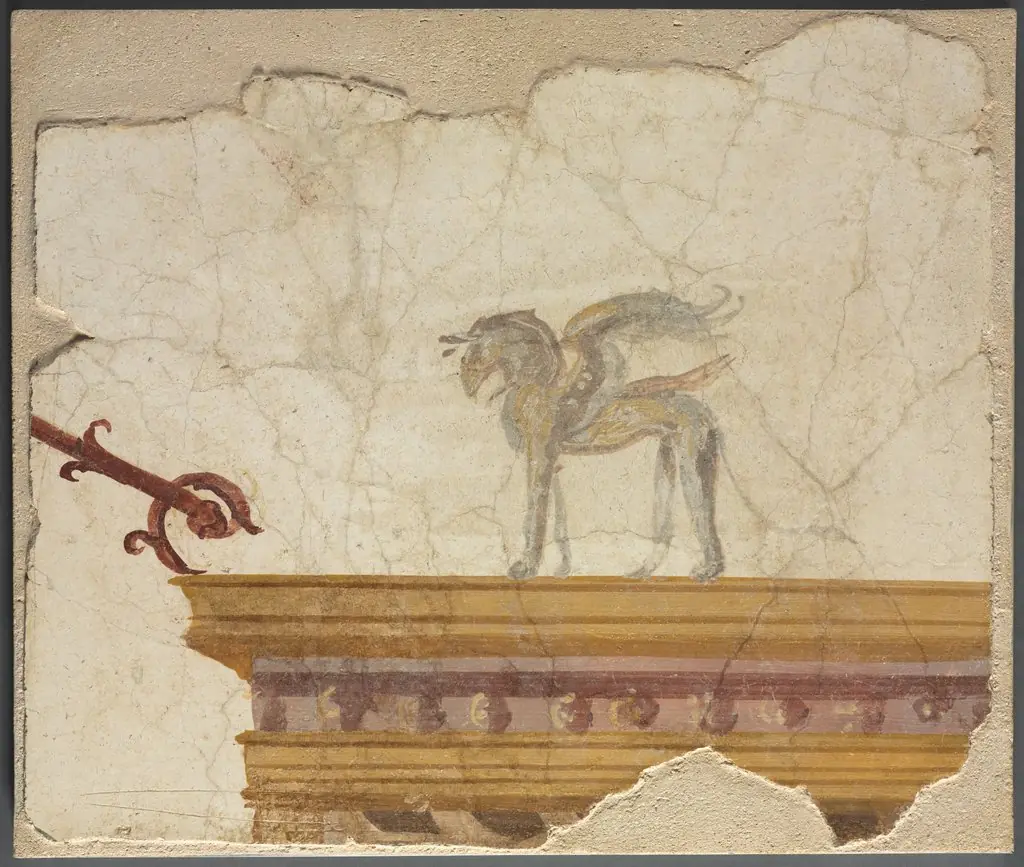 Griffin Atop Entablature
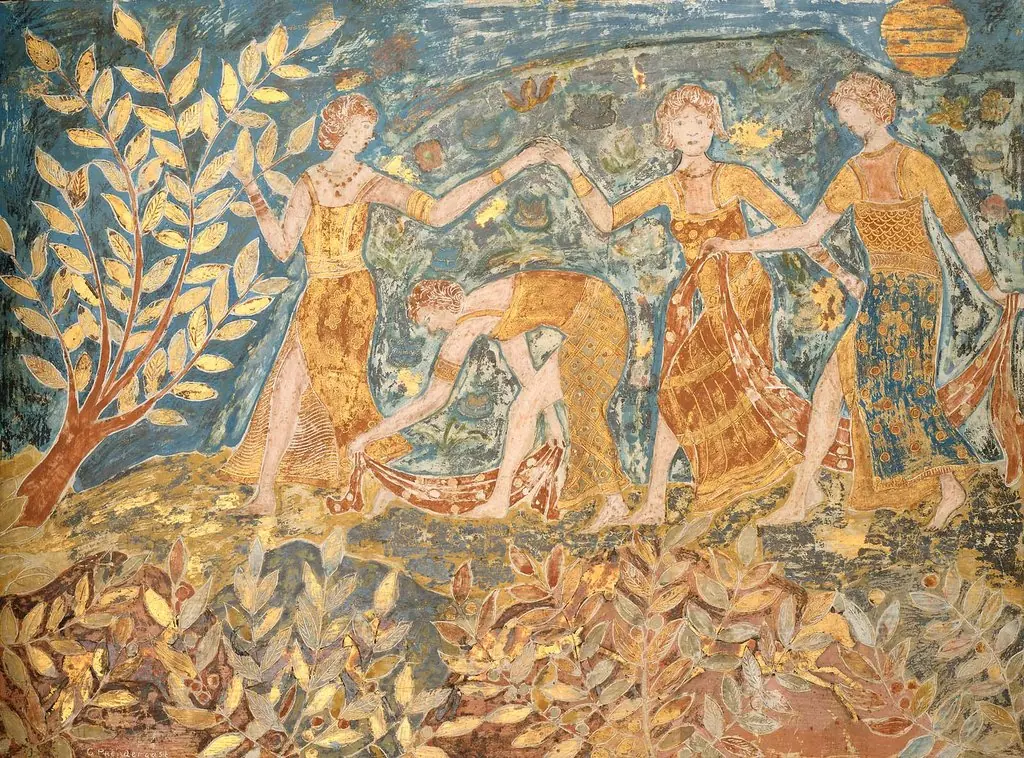 Dancers
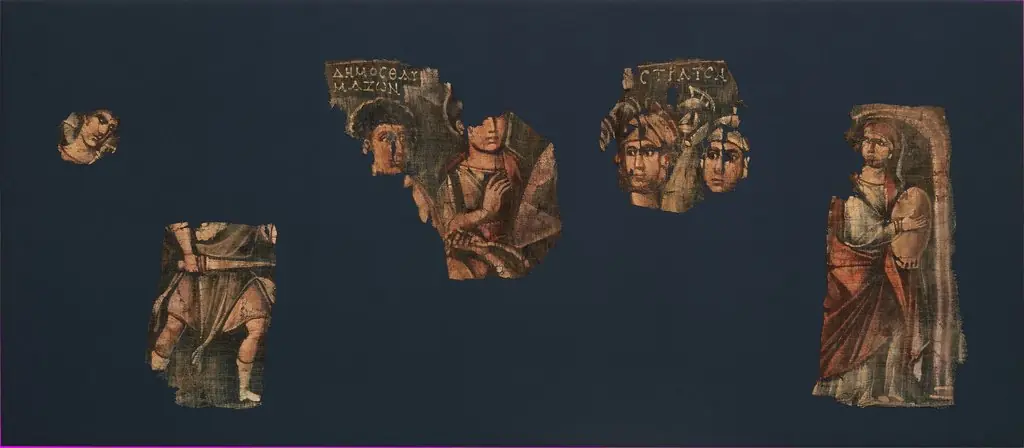 Exodus Painting, five elements from a painted hanging depicting the Crossing of the Red Sea
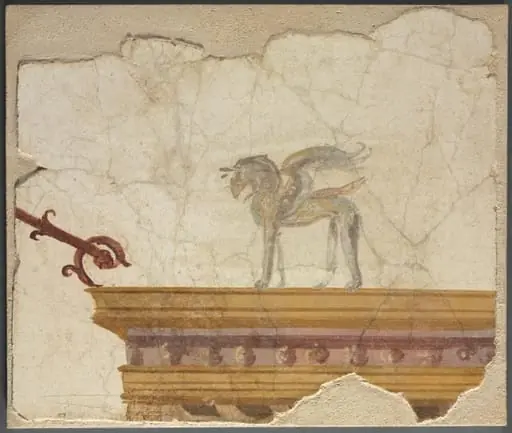 Griffin Atop Entablature
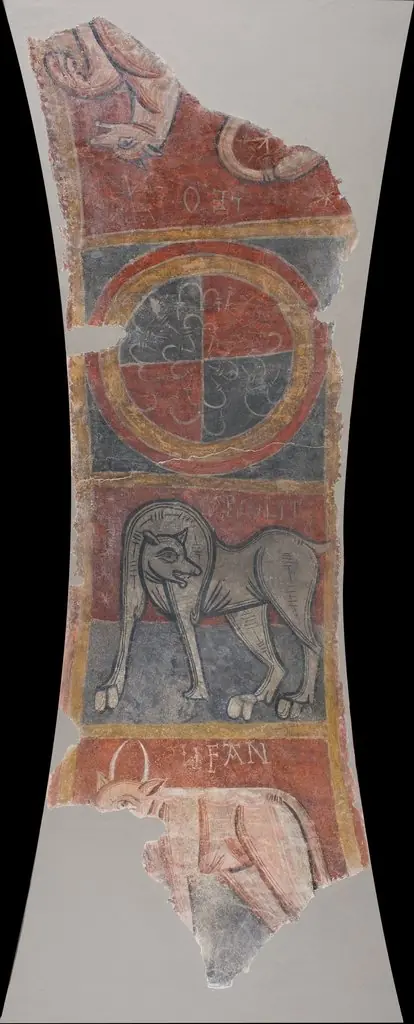 CARCOLITI, elephant and lion from Boí
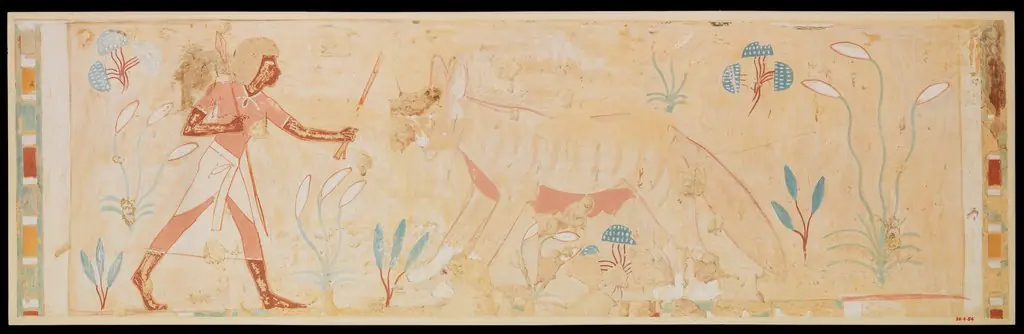 Man Confronting a Hyena, Tomb of Amenemhab
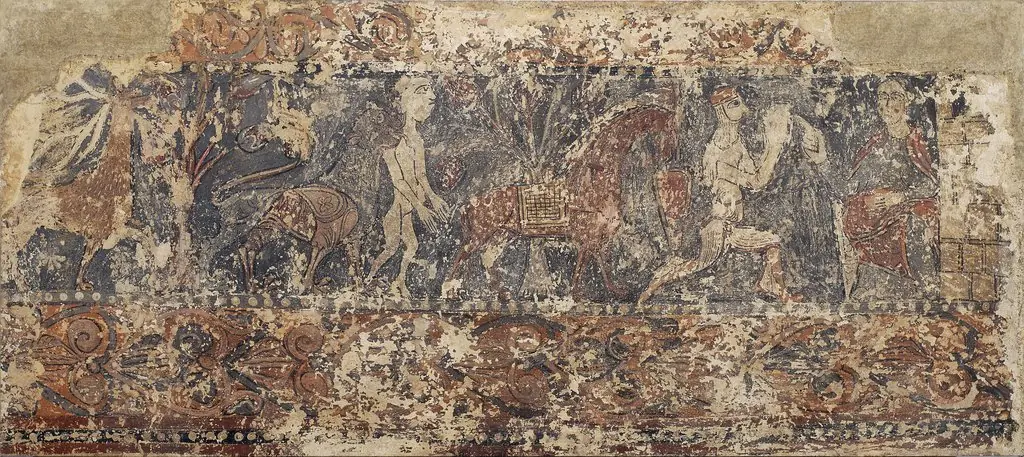 Profane paintings from Sigena: Deer eating fruit from a tree, lion holding a naked man and dismounted knight kneeling before a lady on a throne
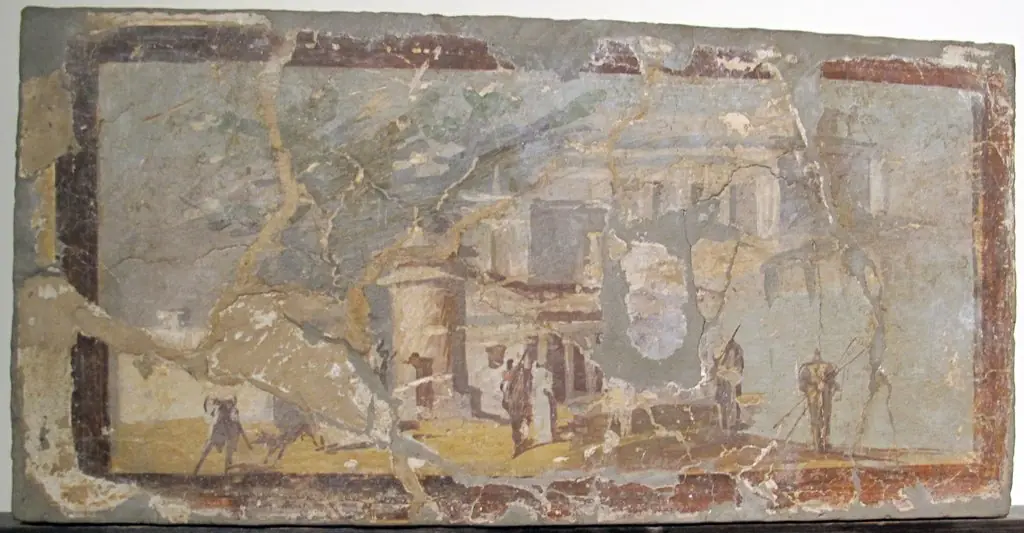 Landscape
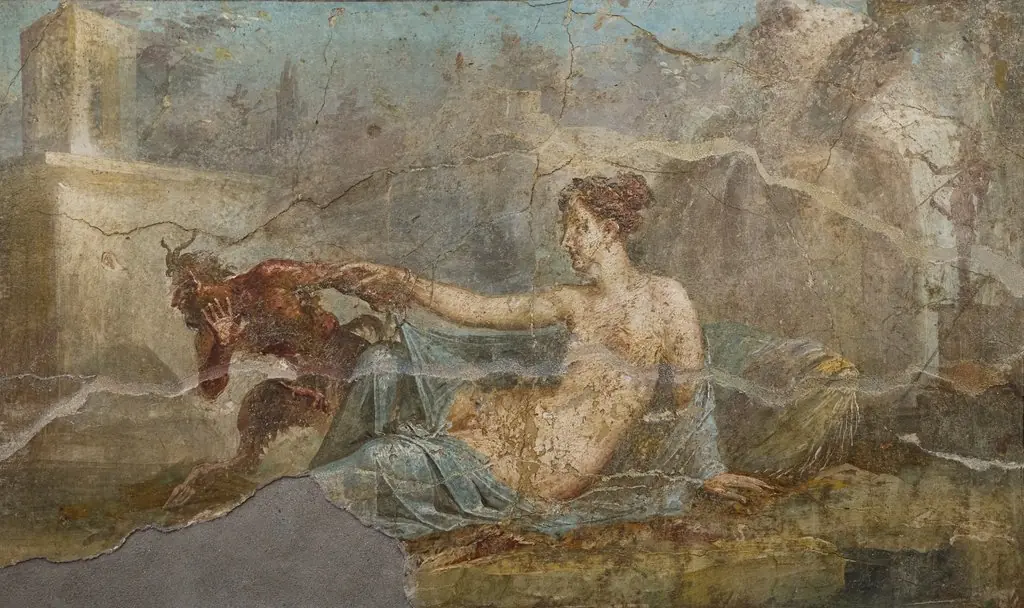 MAN Naples 27700
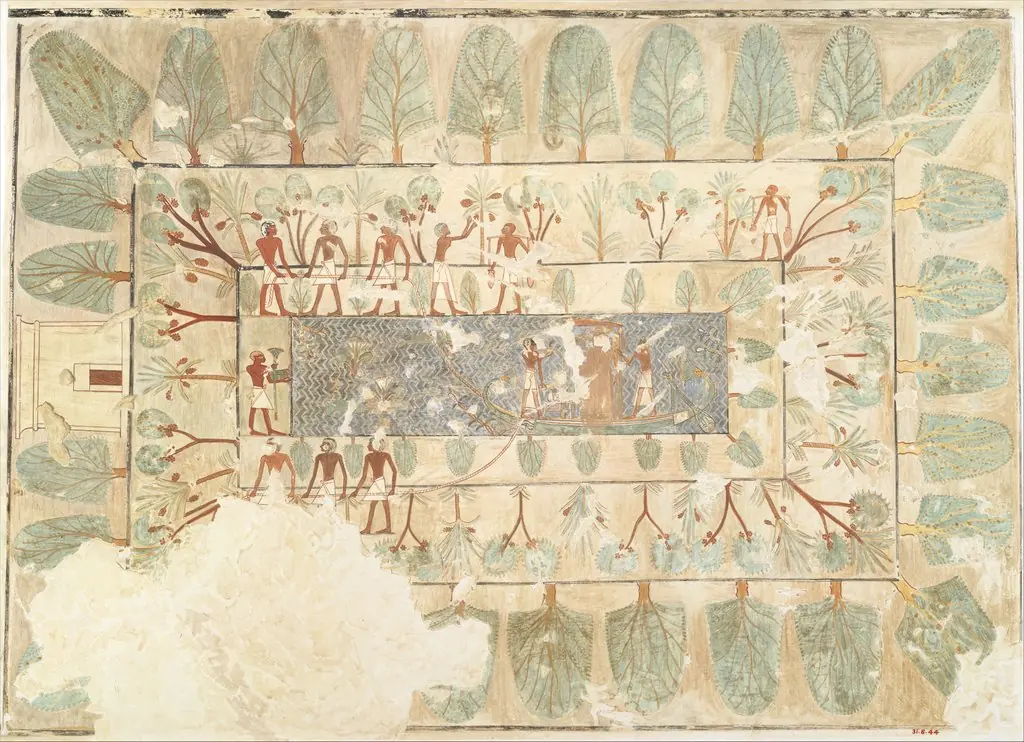 Deceased Being Towed in a Boat, Tomb of Rekhmire
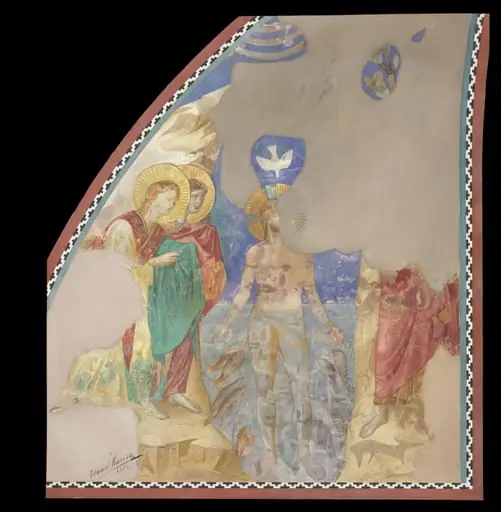 Copy after the painting The Baptism of Christ attributed to the Isaac Master in the Upper Church, San Francesco, Assisi
- Adam Naming the Animals