Artwork
Drunken Silenus
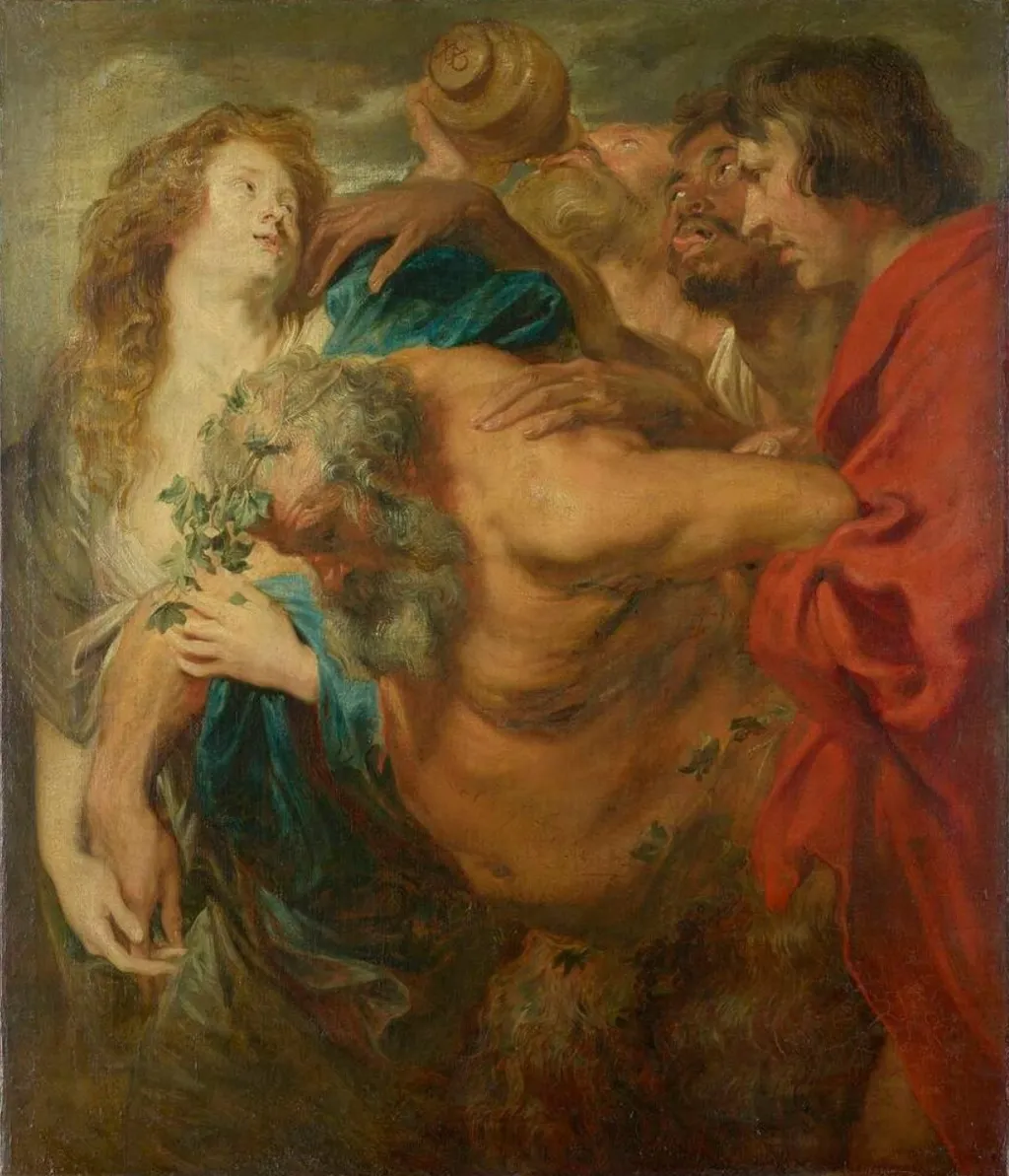
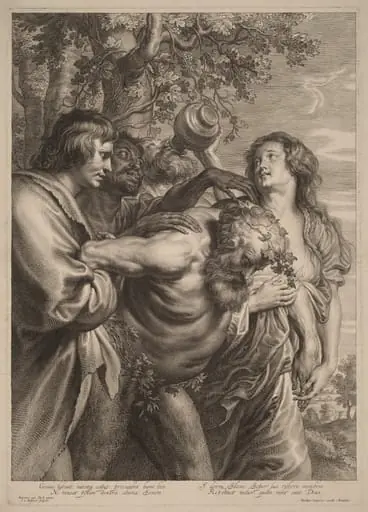
Drunken Silenus is an oil painting by the Baroque artist Anthony van Dyck. It dates from 1619 and is held in the collection of the Staatliche Kunstsammlungen Dresden.
About this work
Overview
Anthony van Dyck painted Drunken Silenus in 1619, employing oil on canvas. The work belongs to the Flemish Baroque tradition and is part of the Gemäldegalerie Alte Meister’s collection. It presents a mythological scene centered on the satyr Silenus, traditionally linked with wine and festivity.
Subject & Meaning
The composition shows a semi‑nude Silenus, his torso covered with a few leaves, supported by two attendants, one in a red robe, the other draped with a blue cloth. A woman with curled hair holds a jug and gazes at the inebriated figure, underscoring the theme of indulgence and the consequences of excess.
Technique & Style
Van Dyck renders the figures against a dark, almost tenebristic background, allowing the vivid reds, blues, and flesh tones to emerge sharply. The handling of light and shadow reflects the influence of his teacher Peter Paul Rubens, while the brushwork conveys a sense of movement and texture in the drapery and foliage.
History & Provenance
Created early in van Dyck’s career while he was still in Antwerp, the painting later entered the Gemäldegalerie Alte Meister. Its provenance traces back to the artist’s Flemish period before his eventual appointment as court painter in England, illustrating the evolution of his artistic network.
Artist & collection
Artist
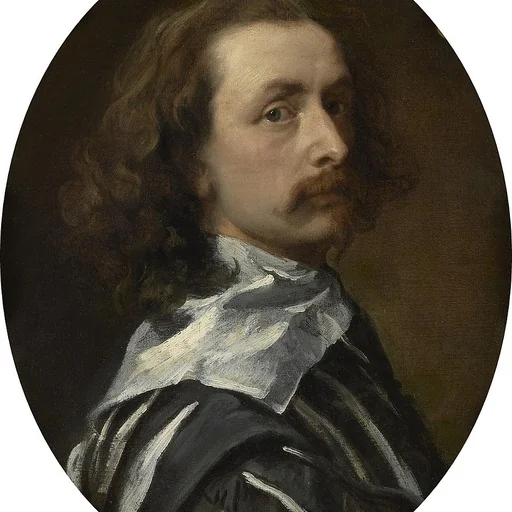
Sir Anthony van Dyck (; Dutch: Antoon van Dijck; 22 March 1599 – 9 December 1641) was a Flemish Baroque artist, who became the leading court painter in England after success in the Spanish Netherlands and Italy.

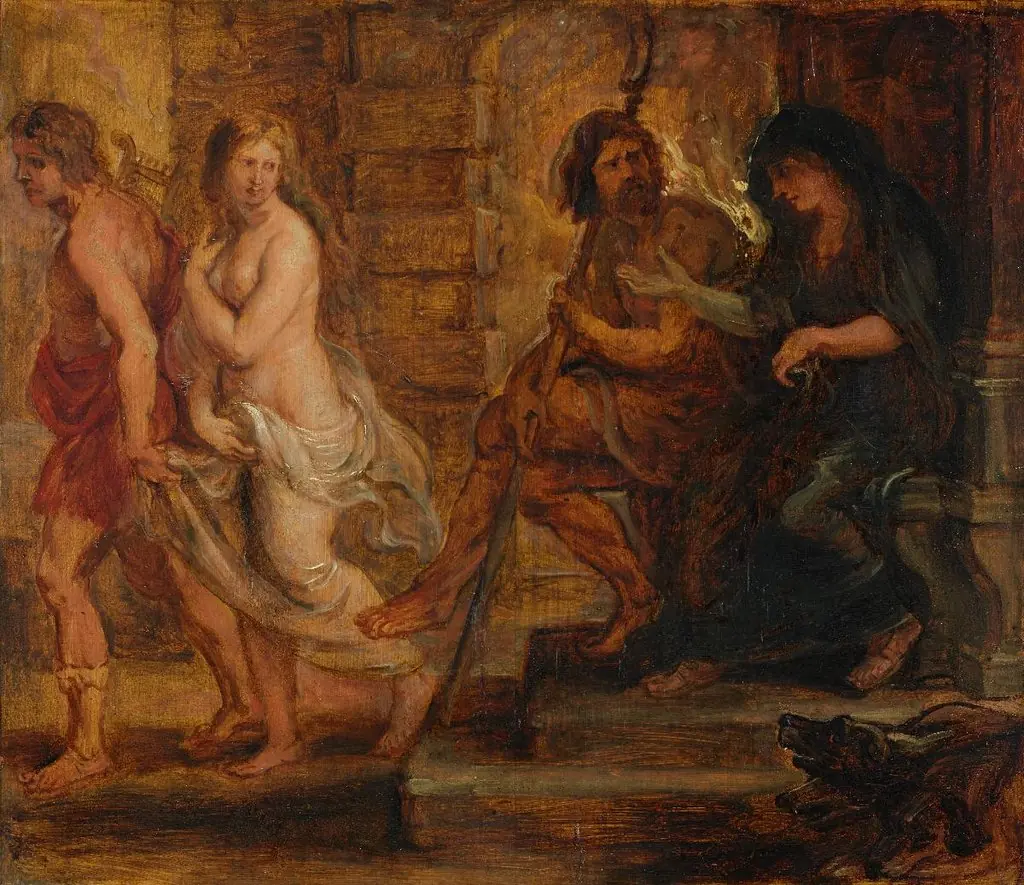 Orpheus und Eurydike vor Pluto und Proserpina
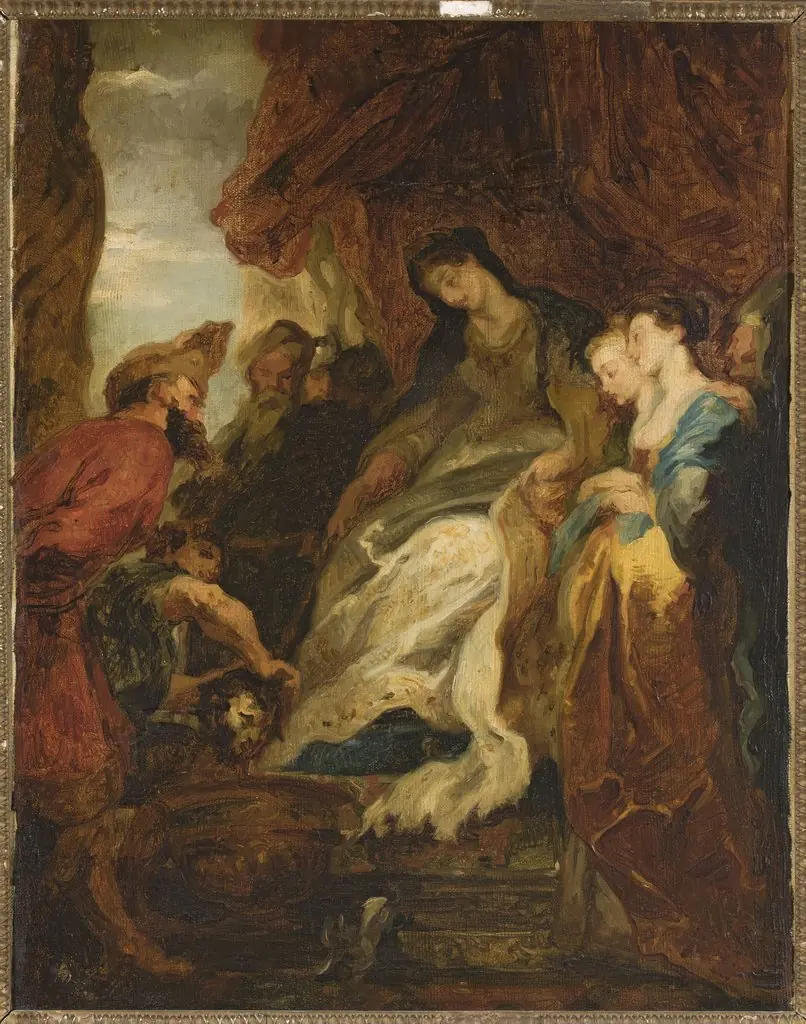 Tomyris ordering to immerse the head of Cyrus in a bowl of blood (Herodotus, Histories, I, 214)
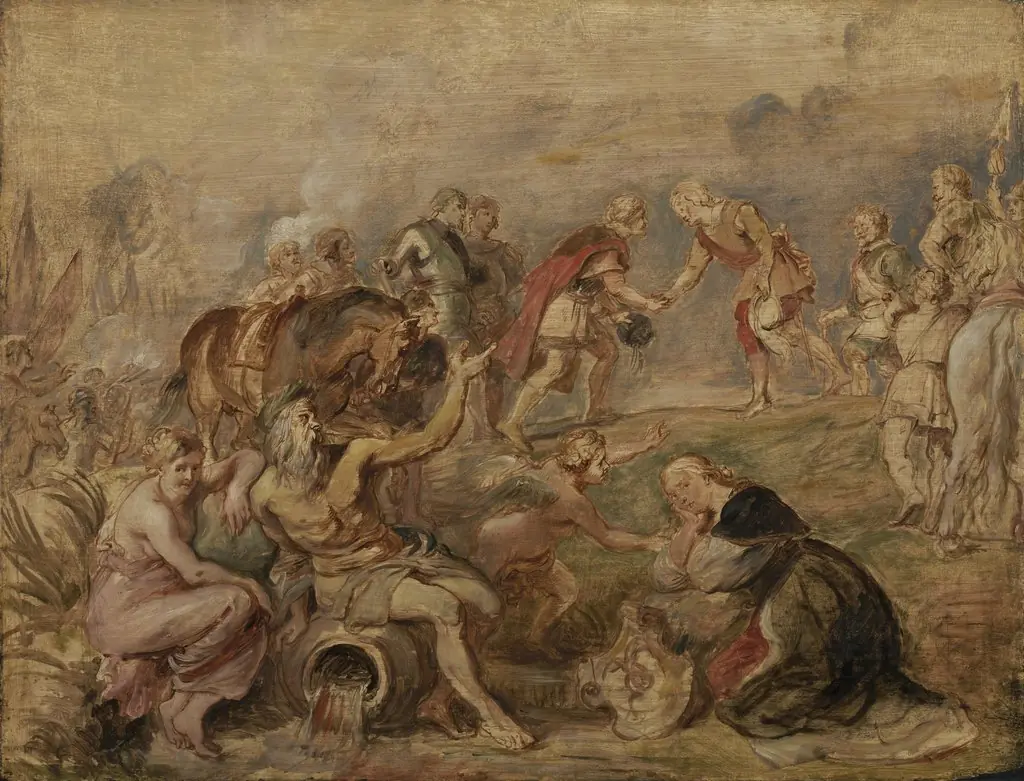 Meeting of King Ferdinand of Hungary and the Cardinal-Infante Ferdinand of Spain at Nördlingen
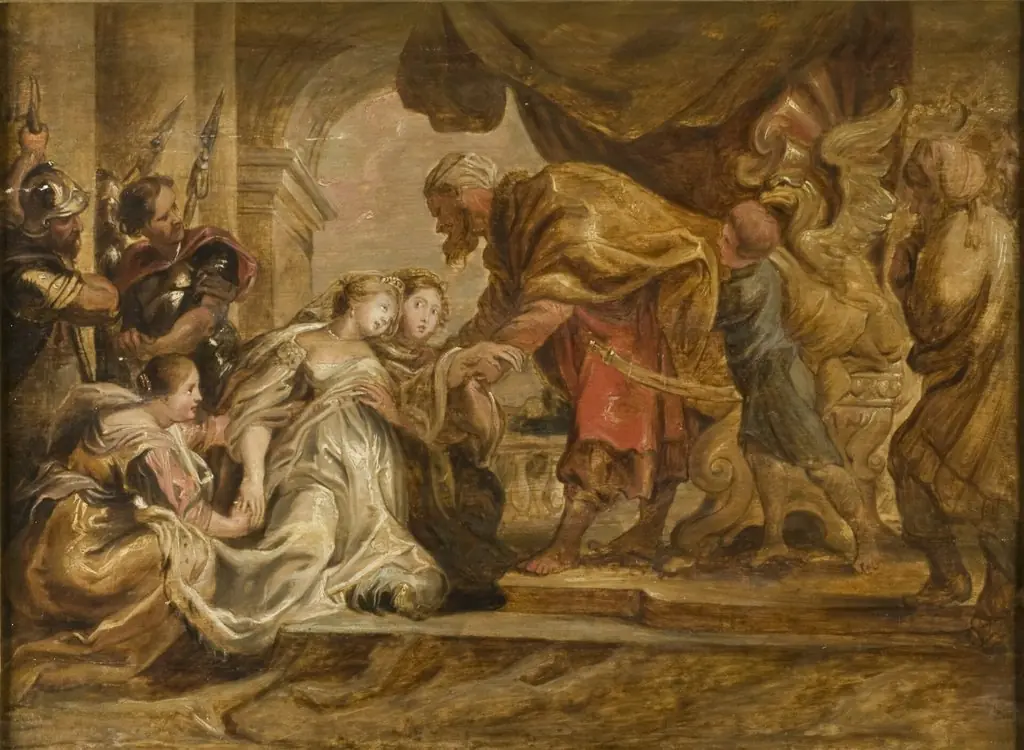 Esther and Ahasuerus
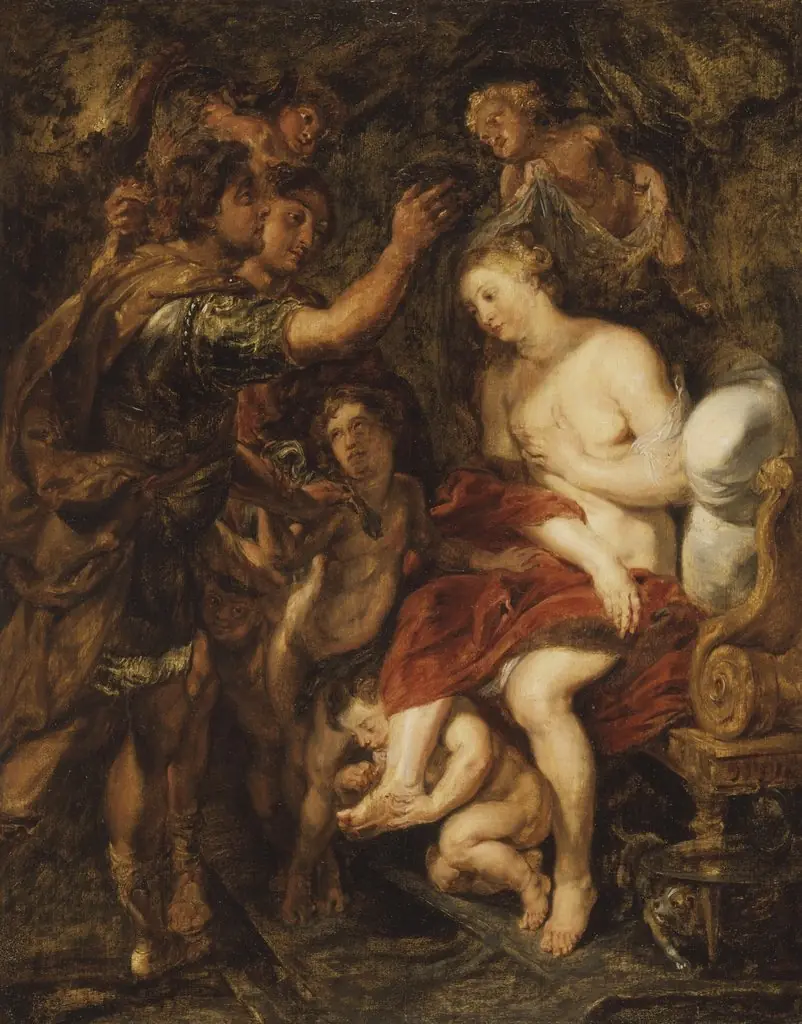 The Crowning of Roxana
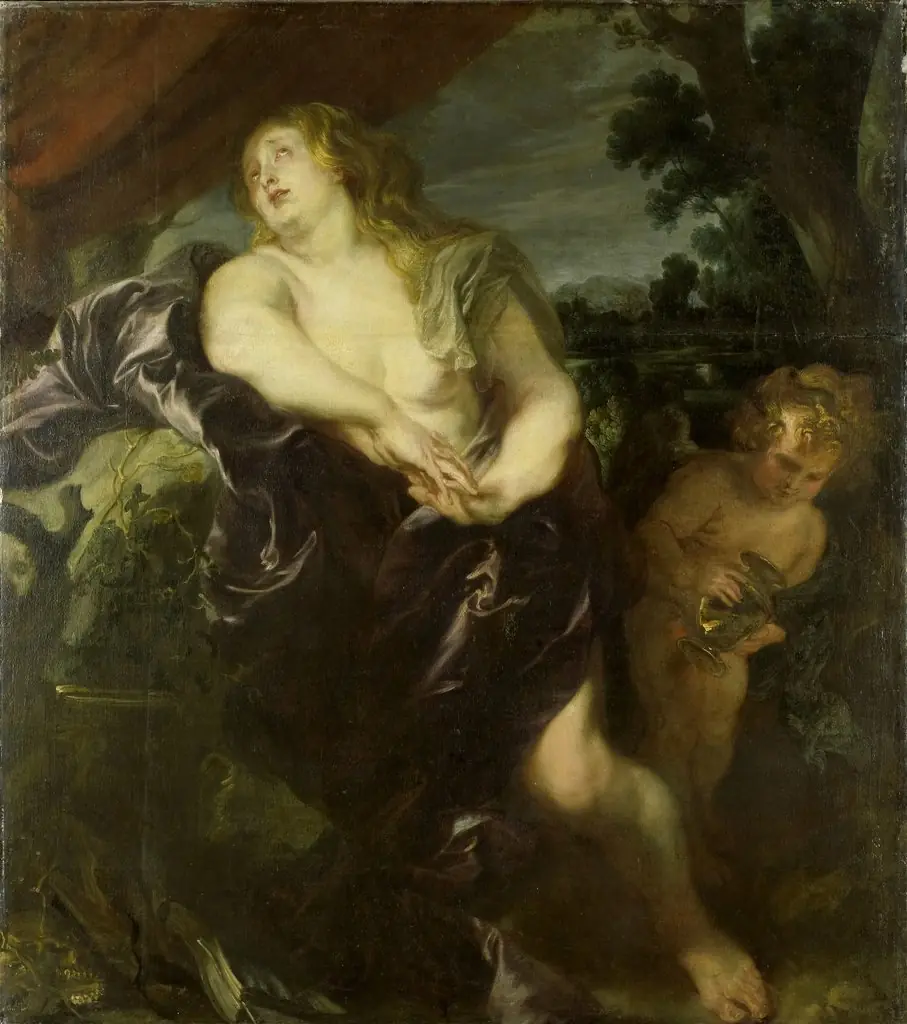 The penitent Mary Magdalene
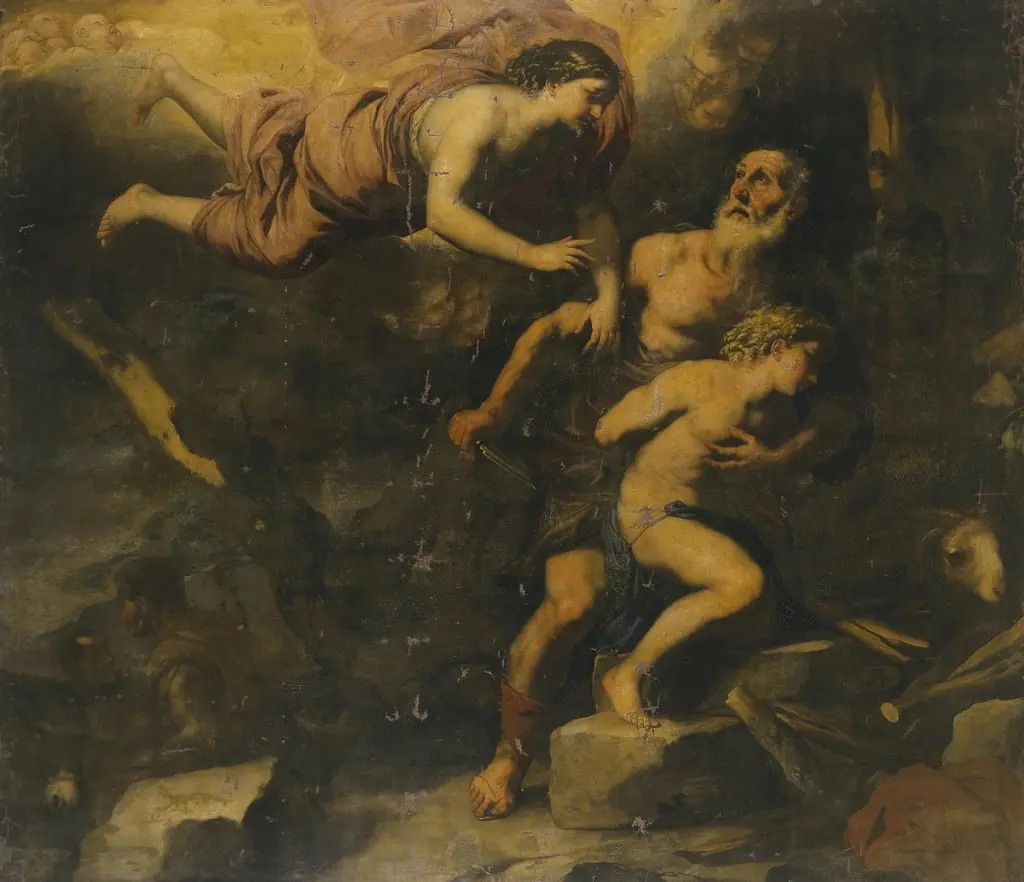 Sacrifice of Isaac
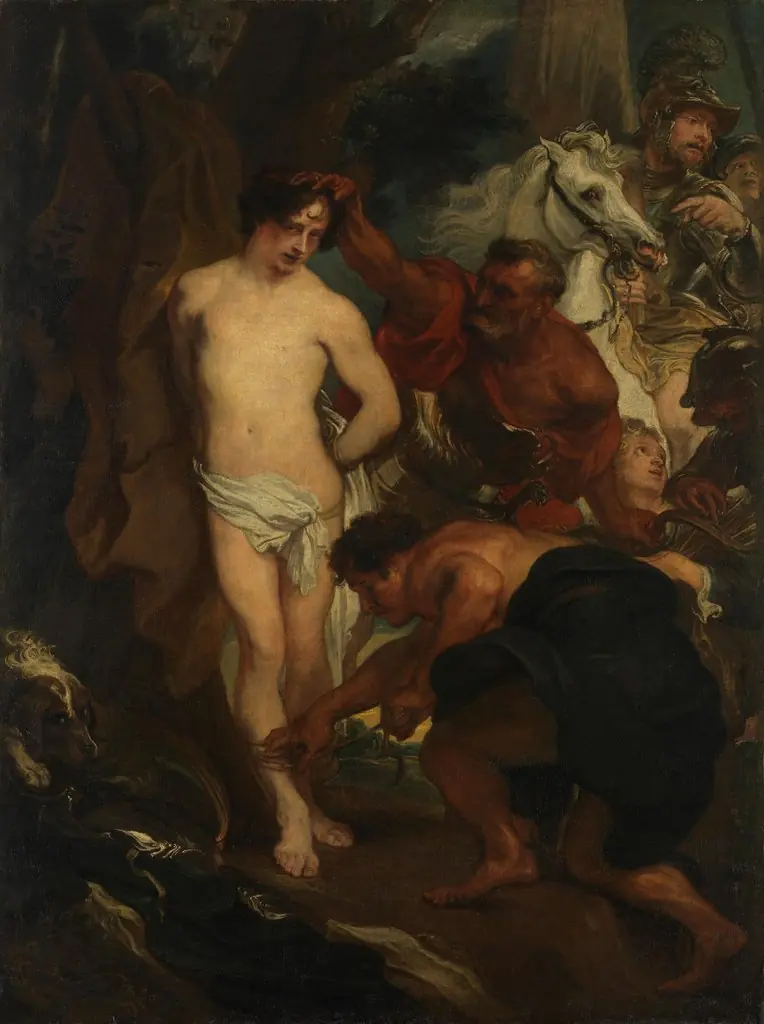 The Martyrdom of Saint Sebastian
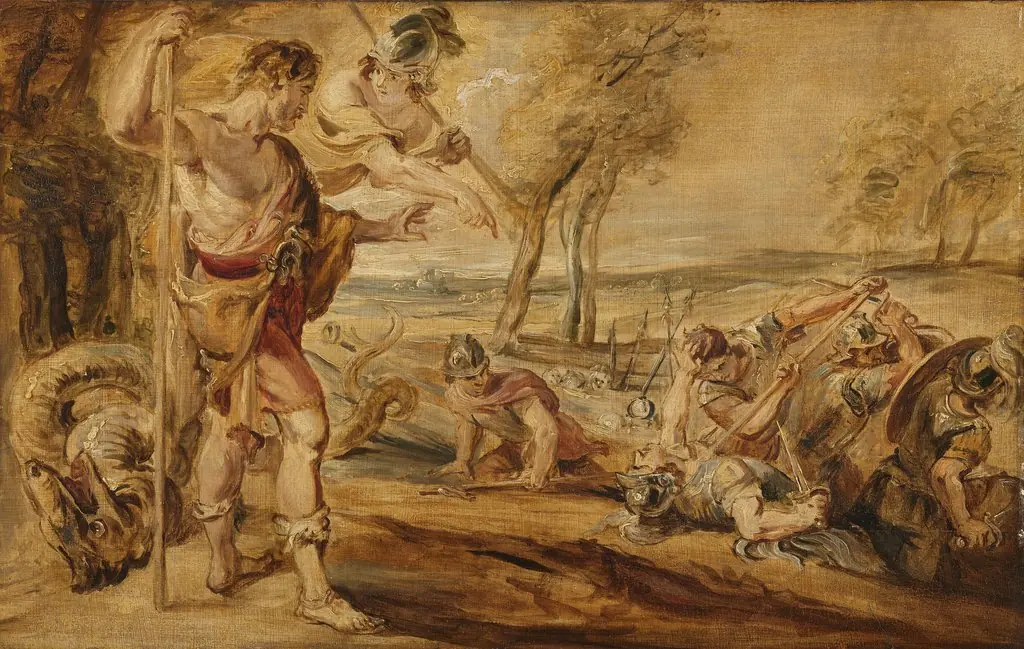 Cadmus sowing dragon's teeth
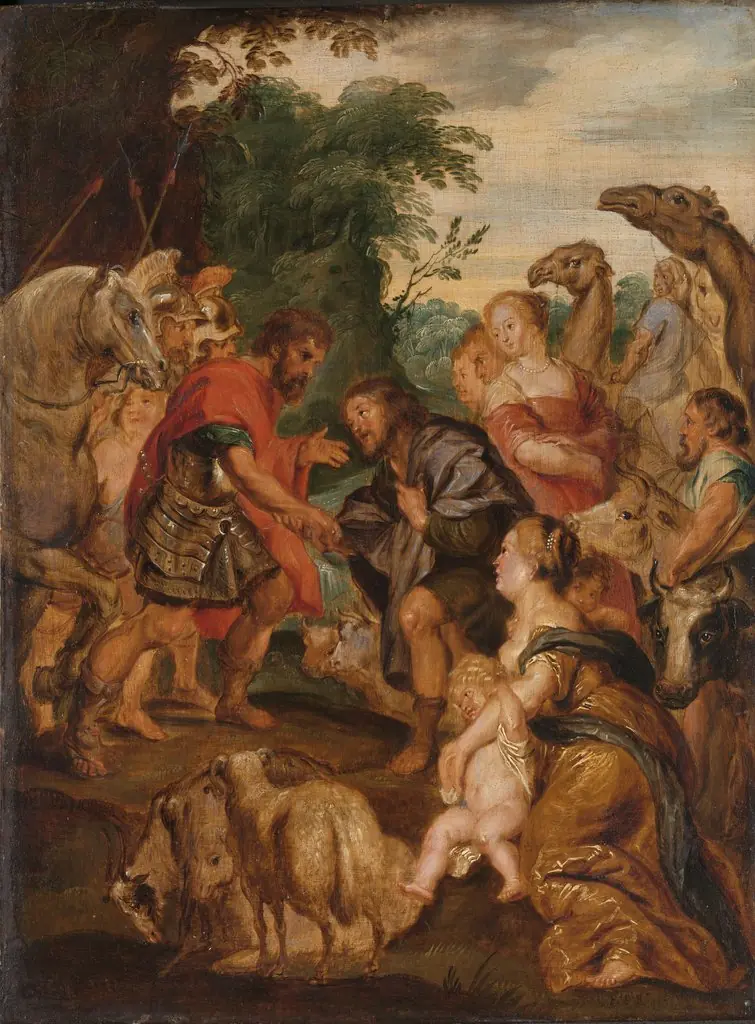 The reconciliation of Jacob and Esau