Artwork
Sacrifice of Isaac
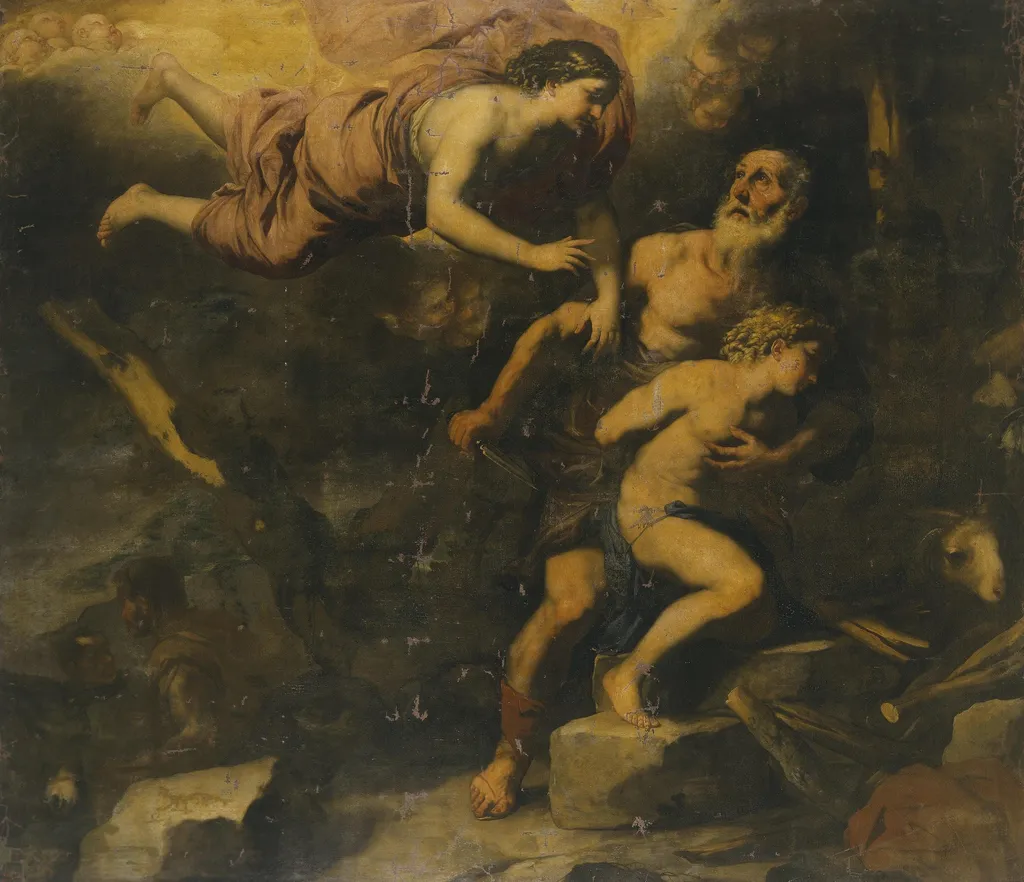
Sacrifice of Isaac is an oil painting by the High Baroque Italian artist Luca Giordano. It dates from 1692 and is held in the collection of the Hermitage Museum.
About this work
Overview
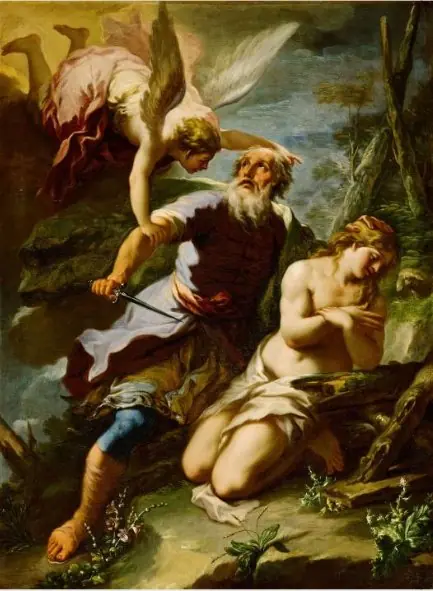
Painted in 1692 by Luca Giordano, this oil-on-canvas work depicts the biblical moment when Abraham is halted from sacrificing his son Isaac. Executed in the Baroque tradition, the painting is part of the State Hermitage Museum’s collection in Saint Petersburg. Its dynamic composition and intense emotional tone reflect Giordano’s skill in conveying narrative drama through movement and light.
Subject & Meaning
The mother’s outstretched arms and distraught face underscore the human cost of divine command, adding psychological depth to the theological narrative.
The scene illustrates Genesis 22, where God tests Abraham’s faith by commanding him to sacrifice his son. At the climactic moment, an angel intervenes, stopping the act. The figures’ gestures and expressions emphasize the tension between obedience and anguish.
The mother’s outstretched arms and distraught face underscore the human cost of divine command, adding psychological depth to the theological narrative.
Technique & Style
Giordano employs chiaroscuro to heighten emotional impact, contrasting stark light against deep shadow across the figures’ bodies and the rugged terrain. Brushwork is fluid and expressive, particularly in the drapery of the woman’s robes and the turbulent sky. The lighting directs the viewer’s eye to the central figures, reinforcing the moment’s urgency while enhancing the three-dimensionality of the forms.
History & Provenance
Commissioned during Giordano’s mature period, the painting entered the Hermitage collection in the 18th century, likely through imperial acquisitions of Italian Baroque works. Its presence in Russia reflects the broader European fascination with dramatic religious scenes during the Enlightenment. The work has remained in the museum’s holdings since, with no documented relocations or major restorations.
Context
Created in the late 17th century, the painting aligns with a broader Catholic Counter-Reformation interest in emotionally charged biblical narratives. Giordano, active across Italy and Spain, synthesized influences from Caravaggio and Rubens, adapting their dramatic lighting and movement to suit the tastes of aristocratic patrons. This work exemplifies the period’s preference for theatricality and moral intensity in religious art.
Legacy
Though not among Giordano’s most widely reproduced works, the painting remains a significant example of his ability to merge narrative clarity with visual intensity. It contributes to scholarly understanding of how Baroque artists translated sacred texts into visceral human experiences. Its continued display in the Hermitage ensures its role in ongoing dialogues about faith, sacrifice, and artistic expression in early modern Europe.
Own this work as a print
Artist & collection

Artist
Luca Giordano was an Italian late-Baroque painter and printmaker in etching. Giordano was one of the most celebrated artists of the Neapolitan Baroque, whose vast output included altarpieces, mythological paintings and…

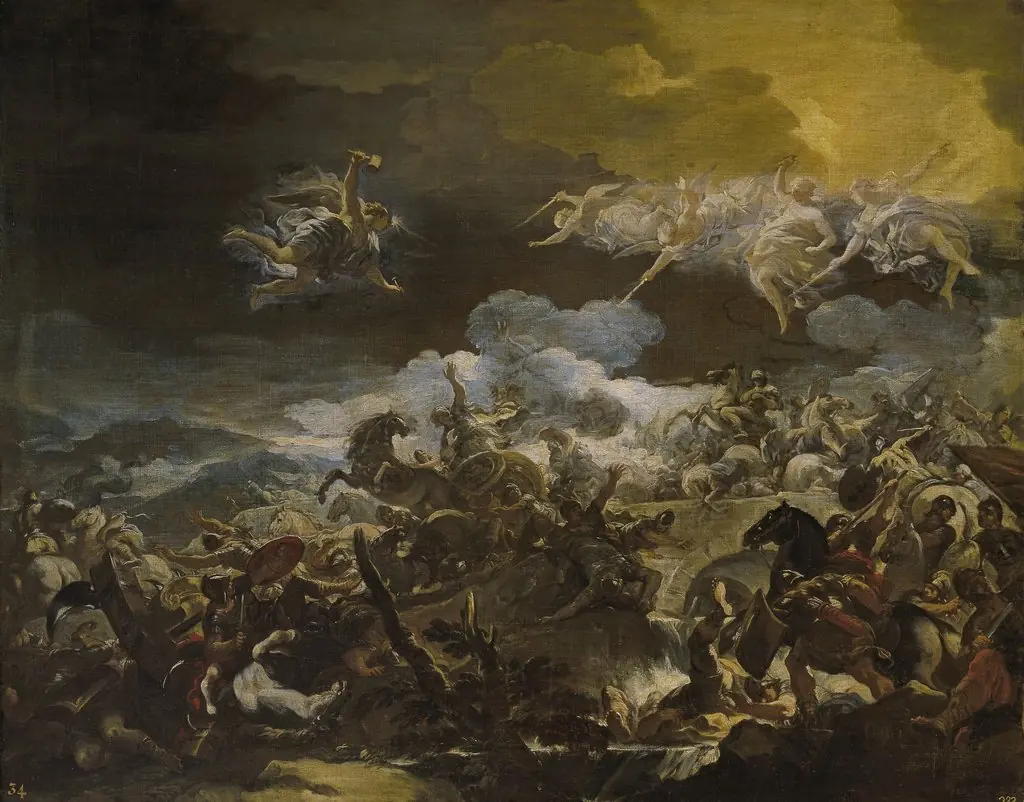
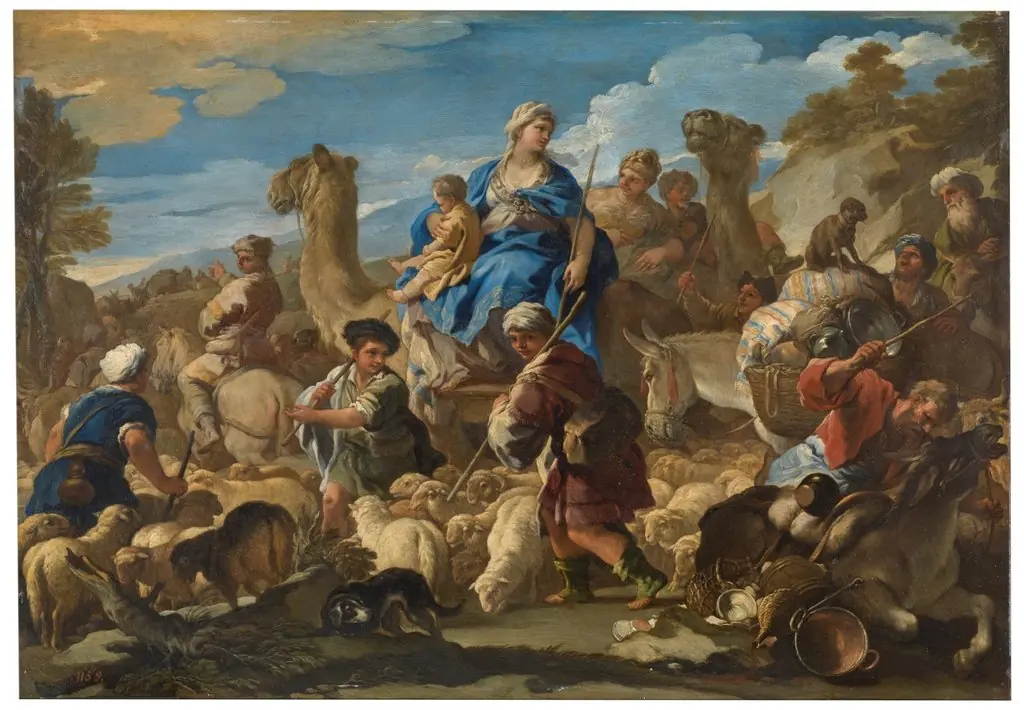
 Isaac's offering
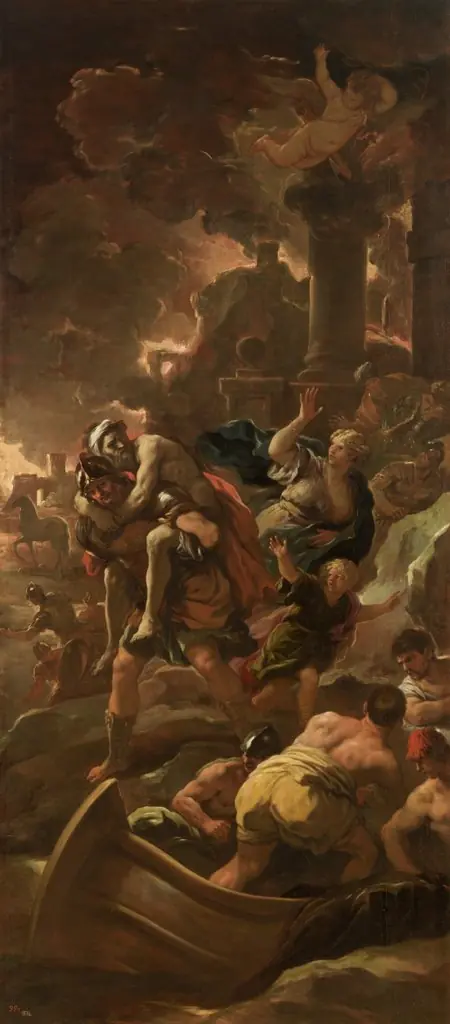 Eneas, fugitivo con su familia
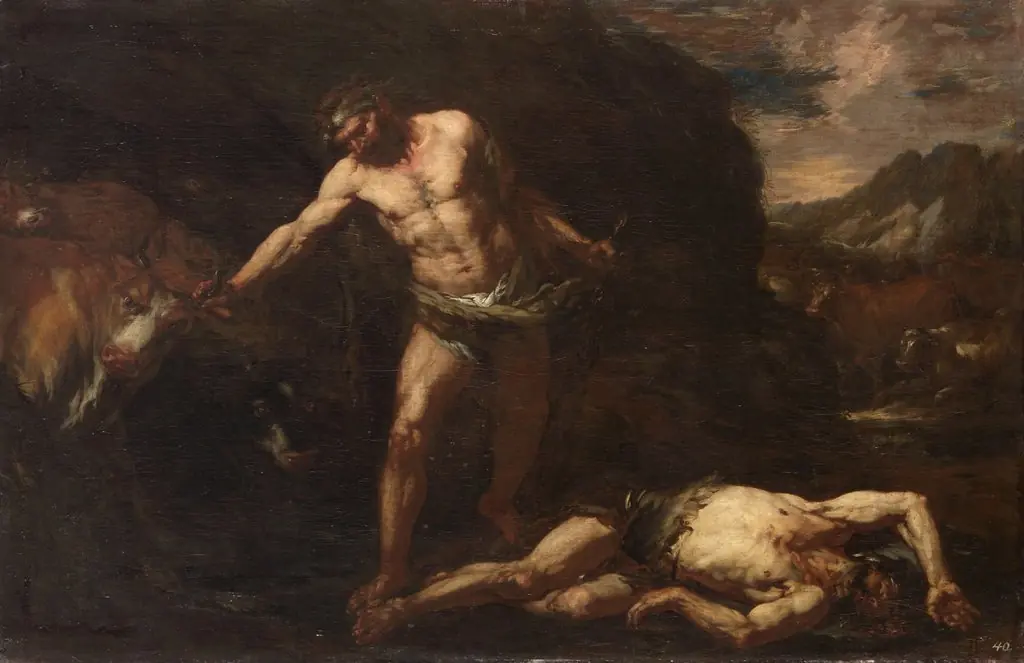 Hercules tötet den Riesen Cacus und raubt die Rinder des Geryoneus
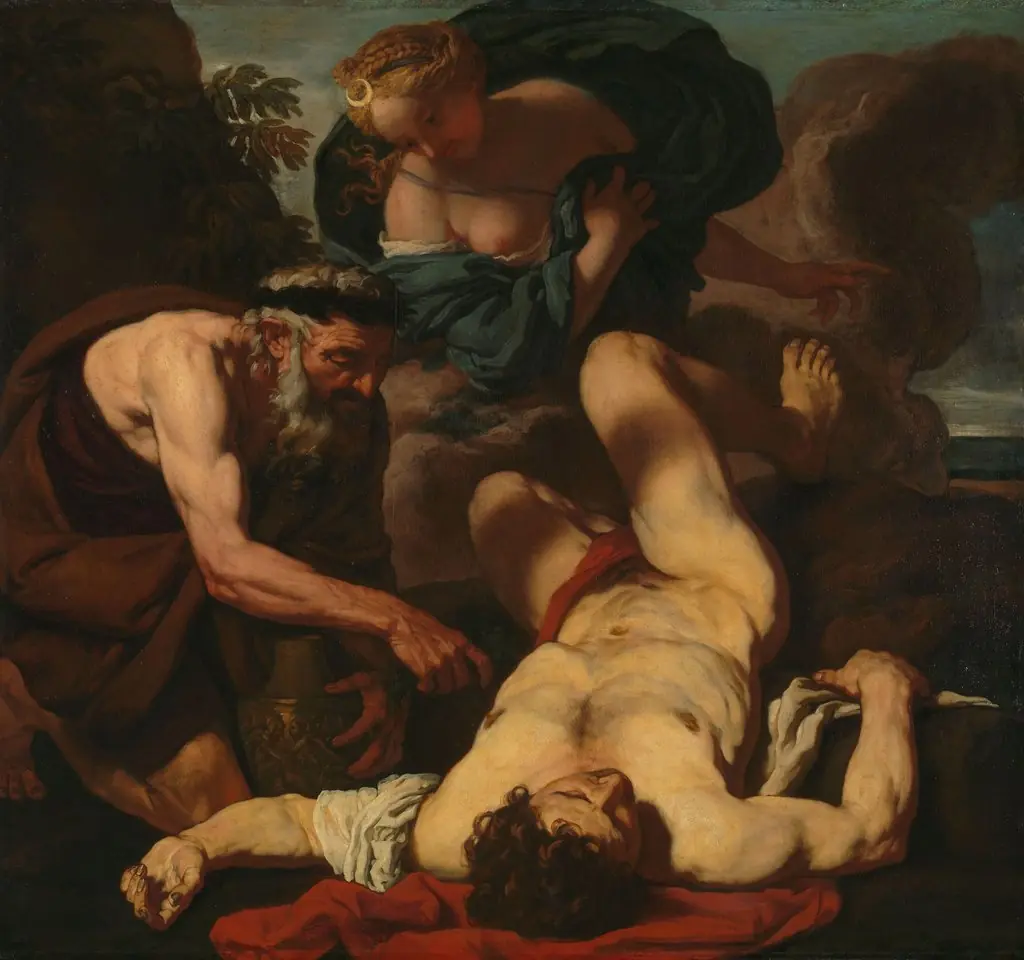 Selene and Endymion
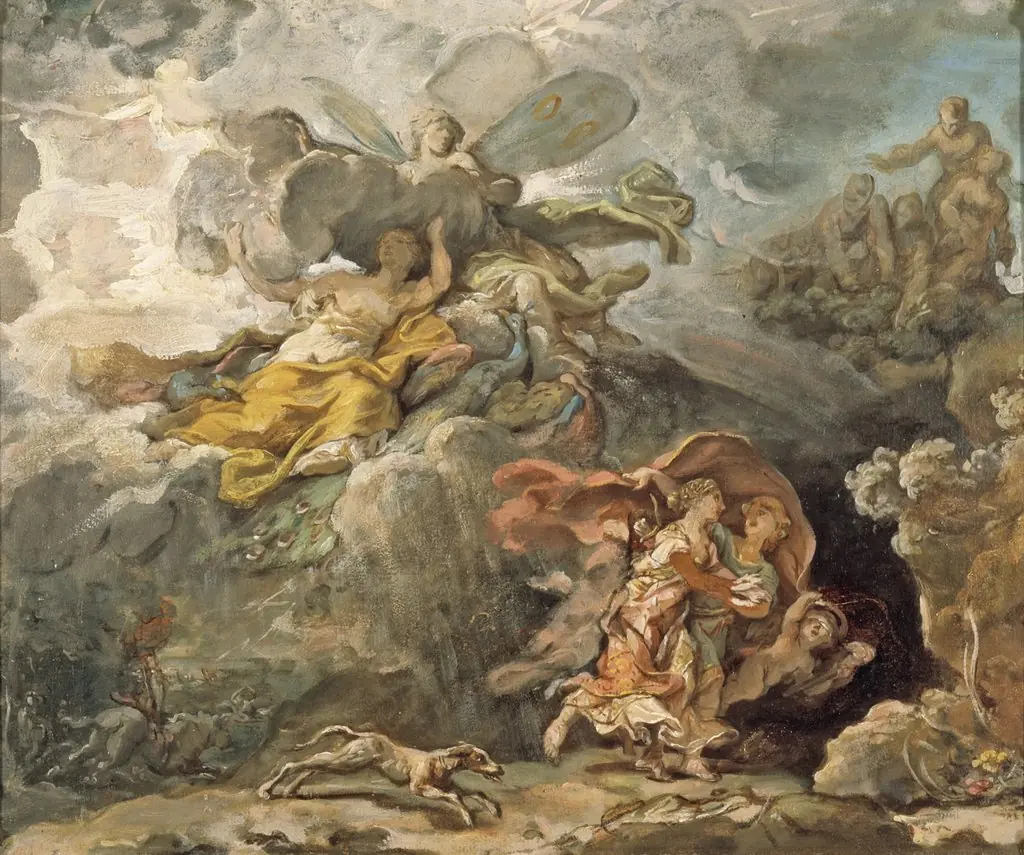 Aeneas and Dido Fleeing the Storm
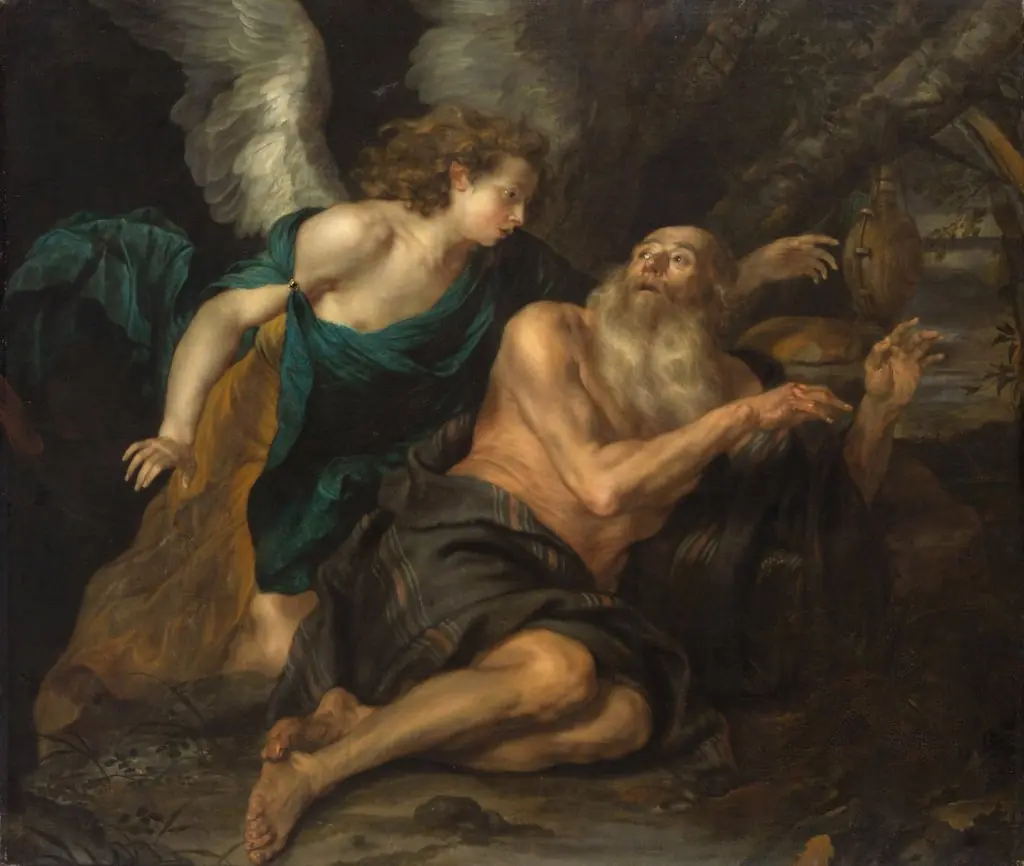 The prophet Elijah awakened by the angel on Mount Horeb (I Kings 19:5-6)
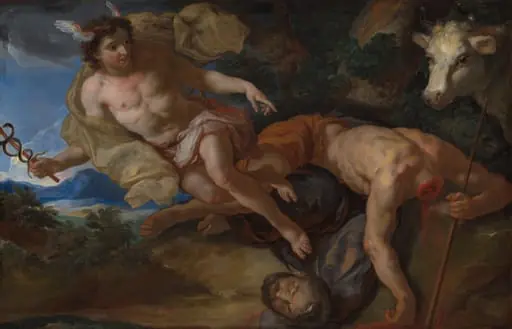 Mercury Rescues the Disguised Io after Beheading Argus
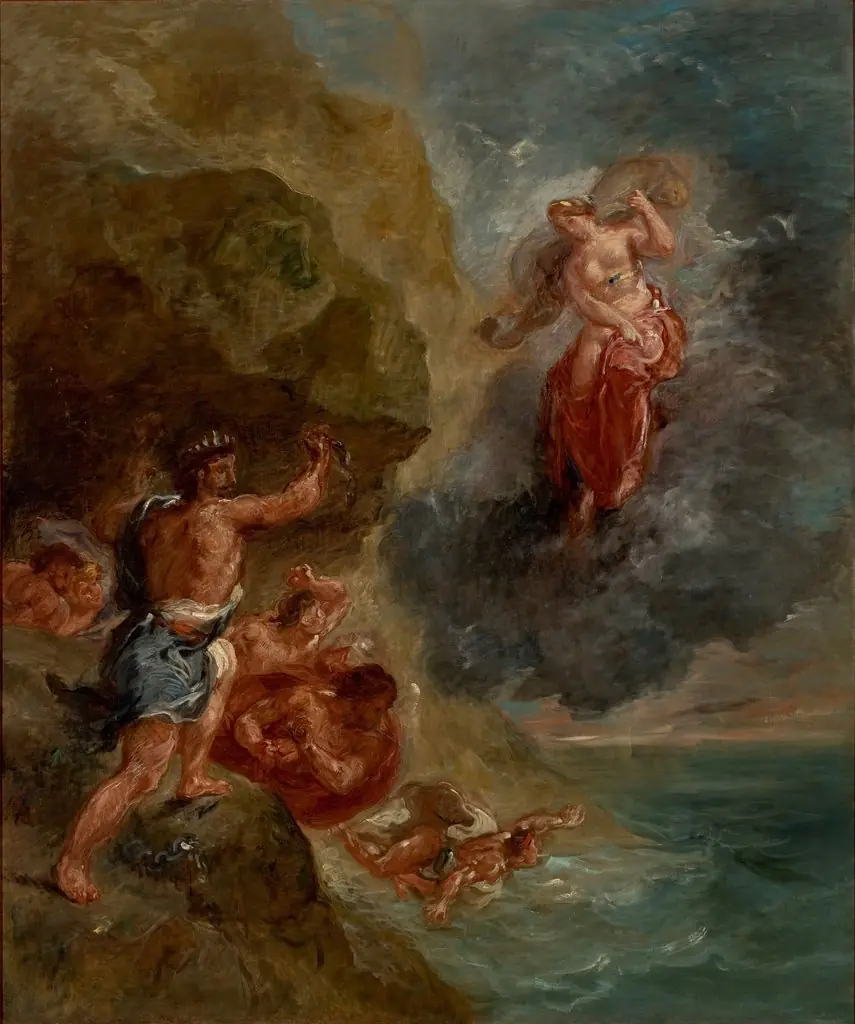 The Winter - Juno beseeches to destroy Eneas' Fleet