Artwork
Portrait of Margaret of Lorraine
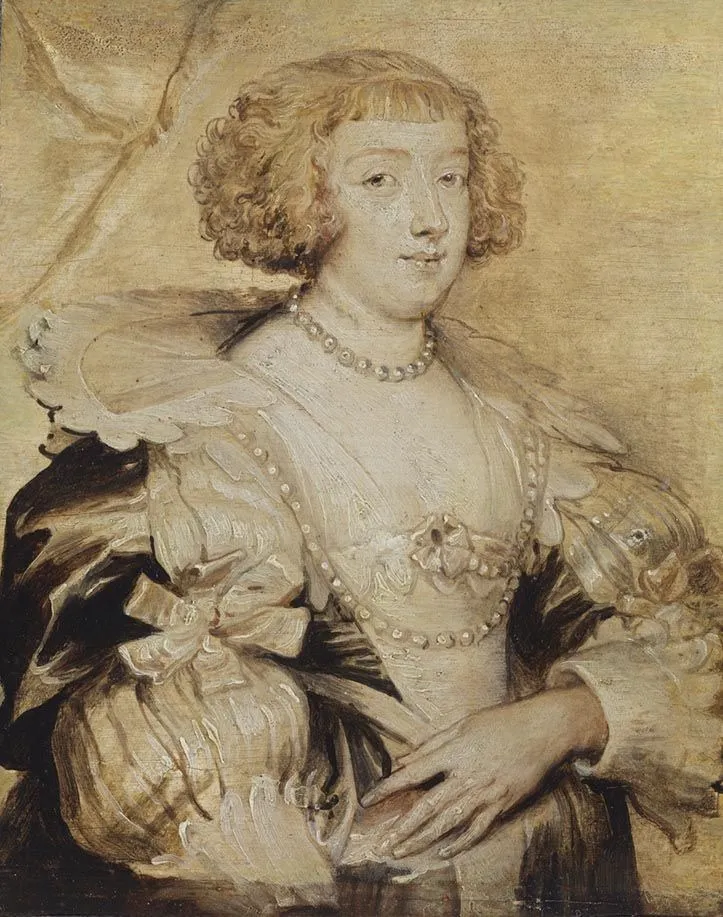
Portrait of Margaret of Lorraine is an unspecified painting by the Flemish Baroque painting artist Anthony van Dyck. It dates from 1620 and is held in the collection of the Bavarian State Painting Collections.
About this work
Technique & Style
The brushwork is refined and fluid, with a restrained palette that emphasizes subtle modeling of flesh tones and delicate rendering of fabric.
The work is an oil painting on canvas, executed in the early Baroque manner characteristic of van Dyck's mature portraiture. Rendered in 1620, it measures 21.8 cm × 17.3 cm and depicts Margaret of Lorraine in a dignified, three-quarter pose. The brushwork is refined and fluid, with a restrained palette that emphasizes subtle modeling of flesh tones and delicate rendering of fabric.
The composition balances intimate realism with courtly elegance, reflecting the sitter's aristocratic status. The painting remains well-preserved, retaining its original color saturation and structural integrity within the collection of the Bavarian State Painting Collections at the Alte Pinakothek.
History & Provenance
The work was created in 1620 as an oil painting on canvas, commissioned as a portrait of Margaret of Lorraine. It entered the collection of the Bavarian State Painting Collections and has been displayed at the Alte Pinakothek in Munich since its acquisition.
Overview
This 1620 canvas by Anthony van Dyck portrays Marguerite of Lorraine, a member of the European nobility. The work dates from a period when the Flemish artist had already established himself as an independent painter following his training with Peter Paul Rubens, and was ascending to prominence among continental courts. The painting now resides in the Alte Pinakothek collection.
Subject & Meaning
The sitter appears as a young woman with curly, shoulder-length hair, her face turned slightly right with an unsmiling, composed expression. A pearl necklace encircles her neck, while her right hand rests upon her stomach in a gesture that may suggest modesty, status, or perhaps pregnancy. Her left arm bends at the elbow, its hand concealed from view. The pose conveys aristocratic restraint and cultivated self-possession.
Artist & collection
Artist
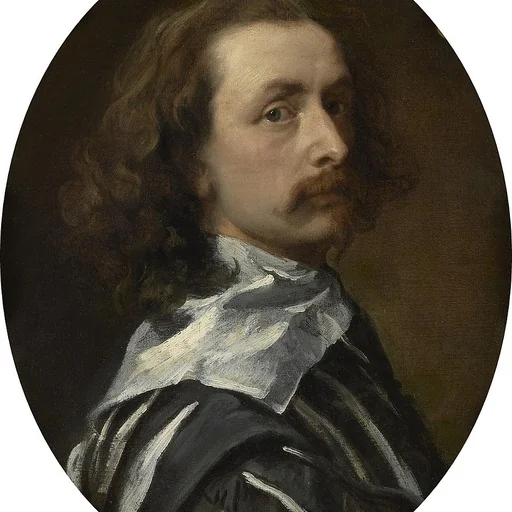
Sir Anthony van Dyck (; Dutch: Antoon van Dijck; 22 March 1599 – 9 December 1641) was a Flemish Baroque artist, who became the leading court painter in England after success in the Spanish Netherlands and Italy.

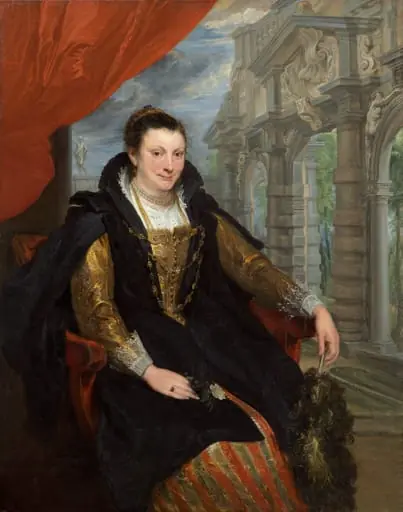
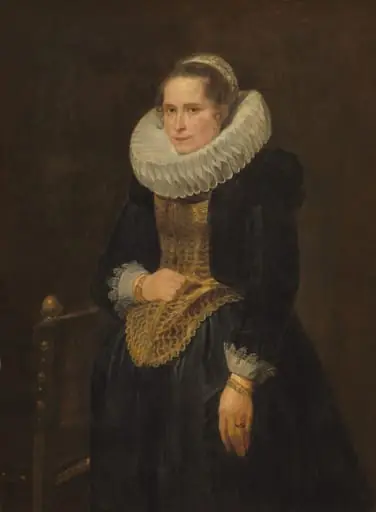
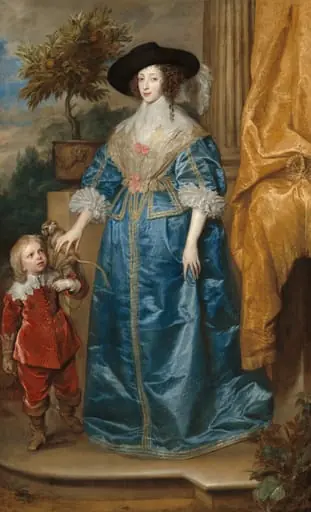
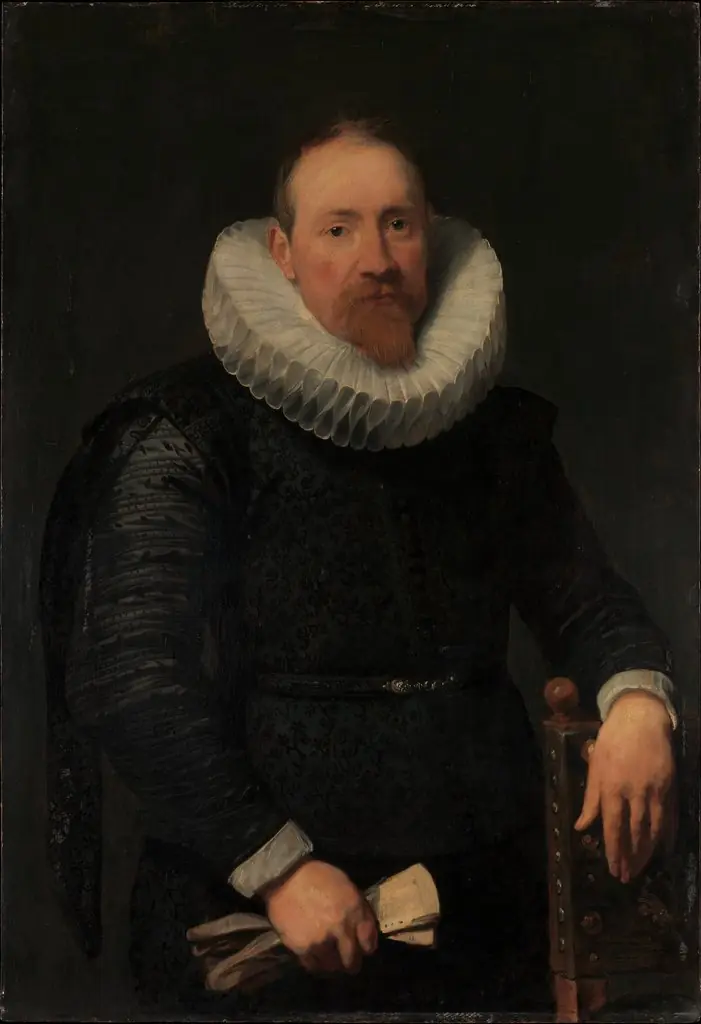
- Portræt af en kvinde som Flora
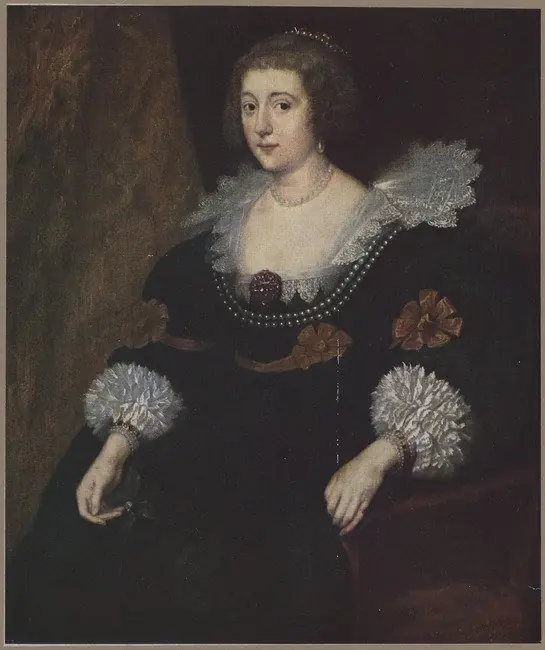 Portrait of Amalia van Solms-Braunfels, Princess of Orange (1602-1675)
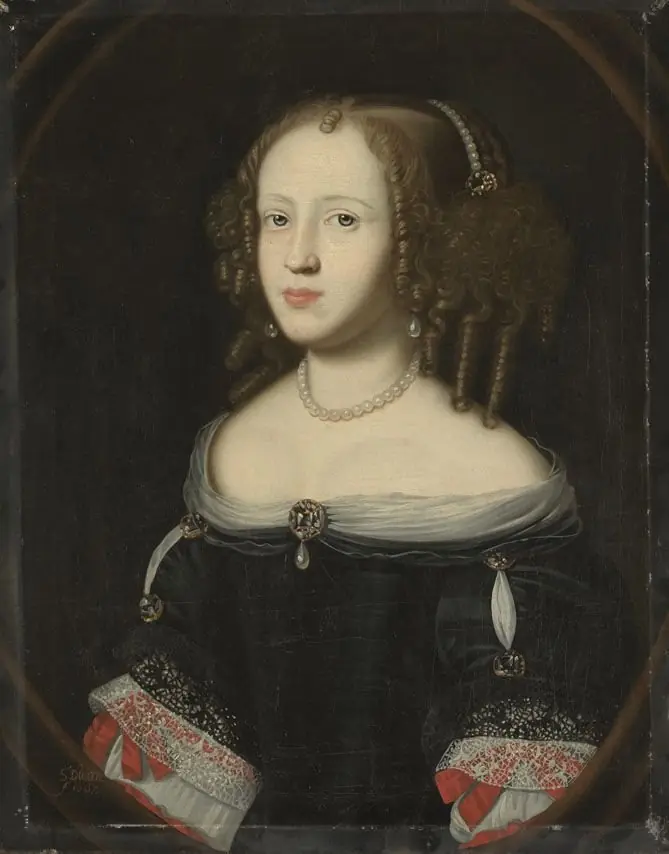 Maria Elisabeth von Schleswig-Holstein-Gottorf (?)
 Portrait of a Lady
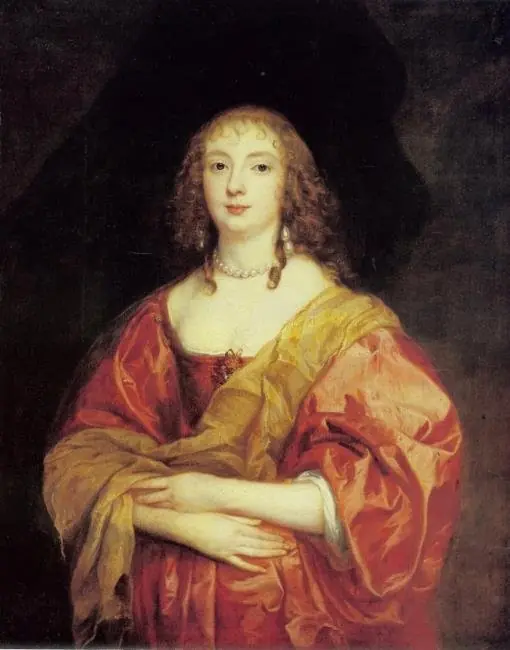 Portrait of Anne Carr, Lady Russell, Countess of Bedford (1615-1684), ca. 1639
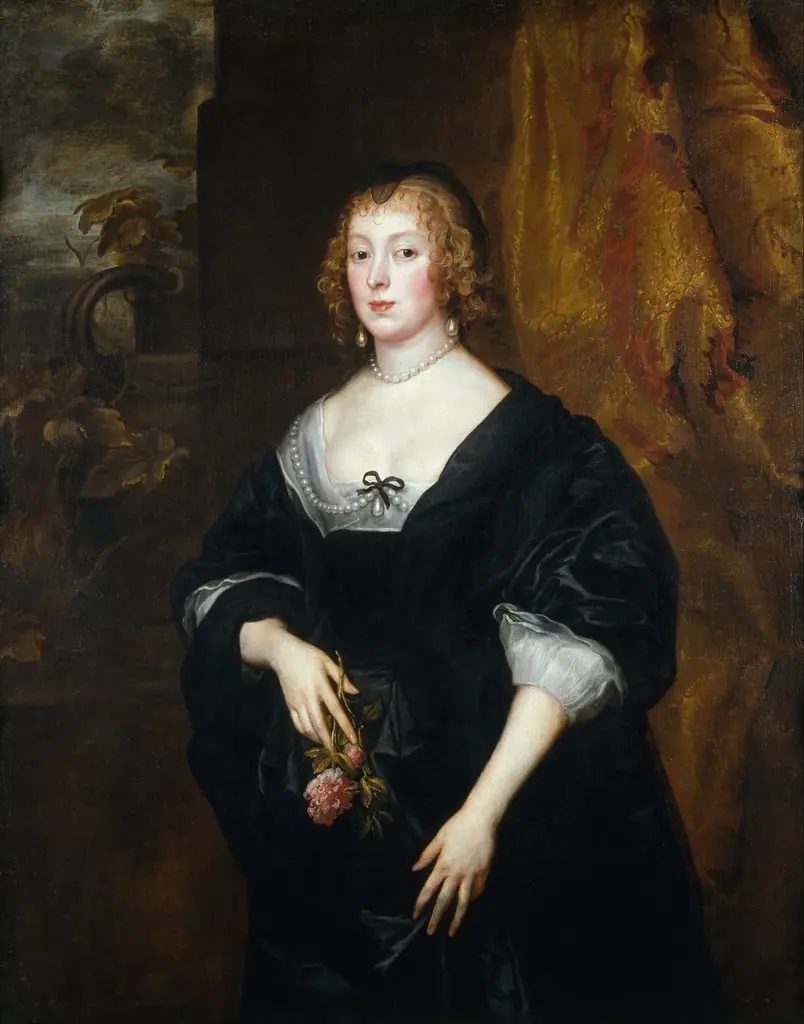 Lady Dacre
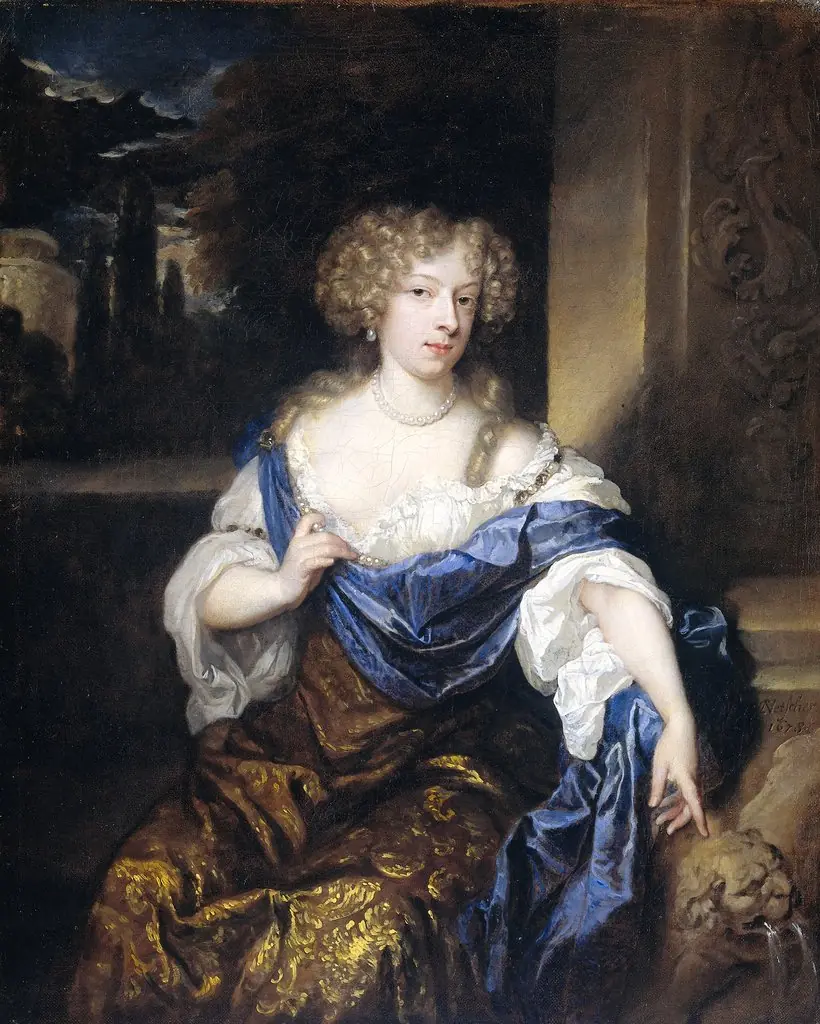 Portrait of Helena Catharina de Witte (1661-95), wife of Iman mogge, lord of Haamstede
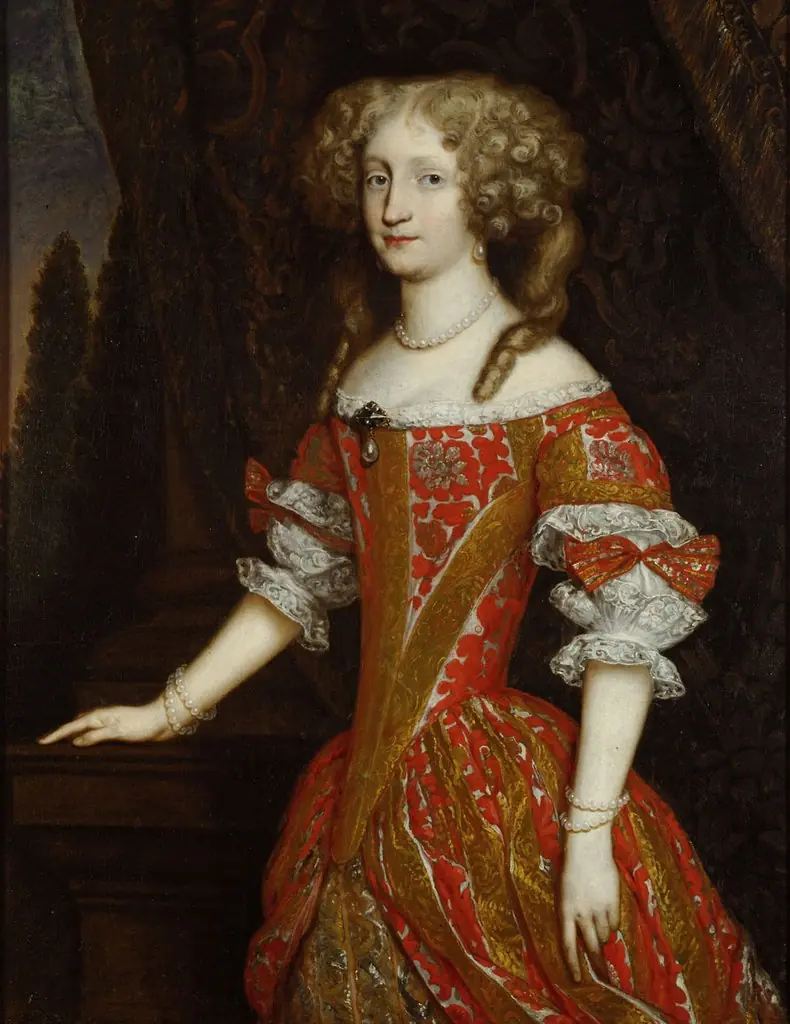 Eleonore Magdalena (1655-1720) von Pfalz - Neuburg, Kaiserin, Kniestück
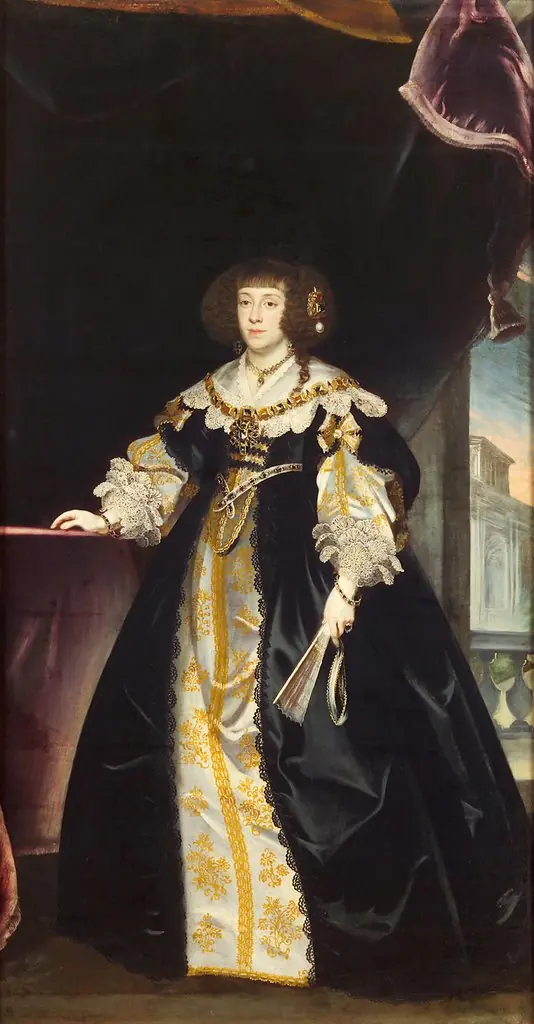 Portrait of a woman
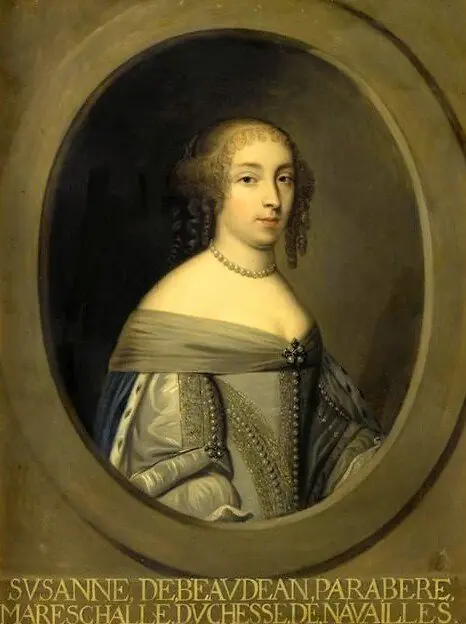 Portrait of Susanne de Baudéan (1625-1700)
 Portrait of a Lady
 Portrait of Mrs. Leneve