Artwork
Portrait of an Admiral, probably Willem van Ewijck
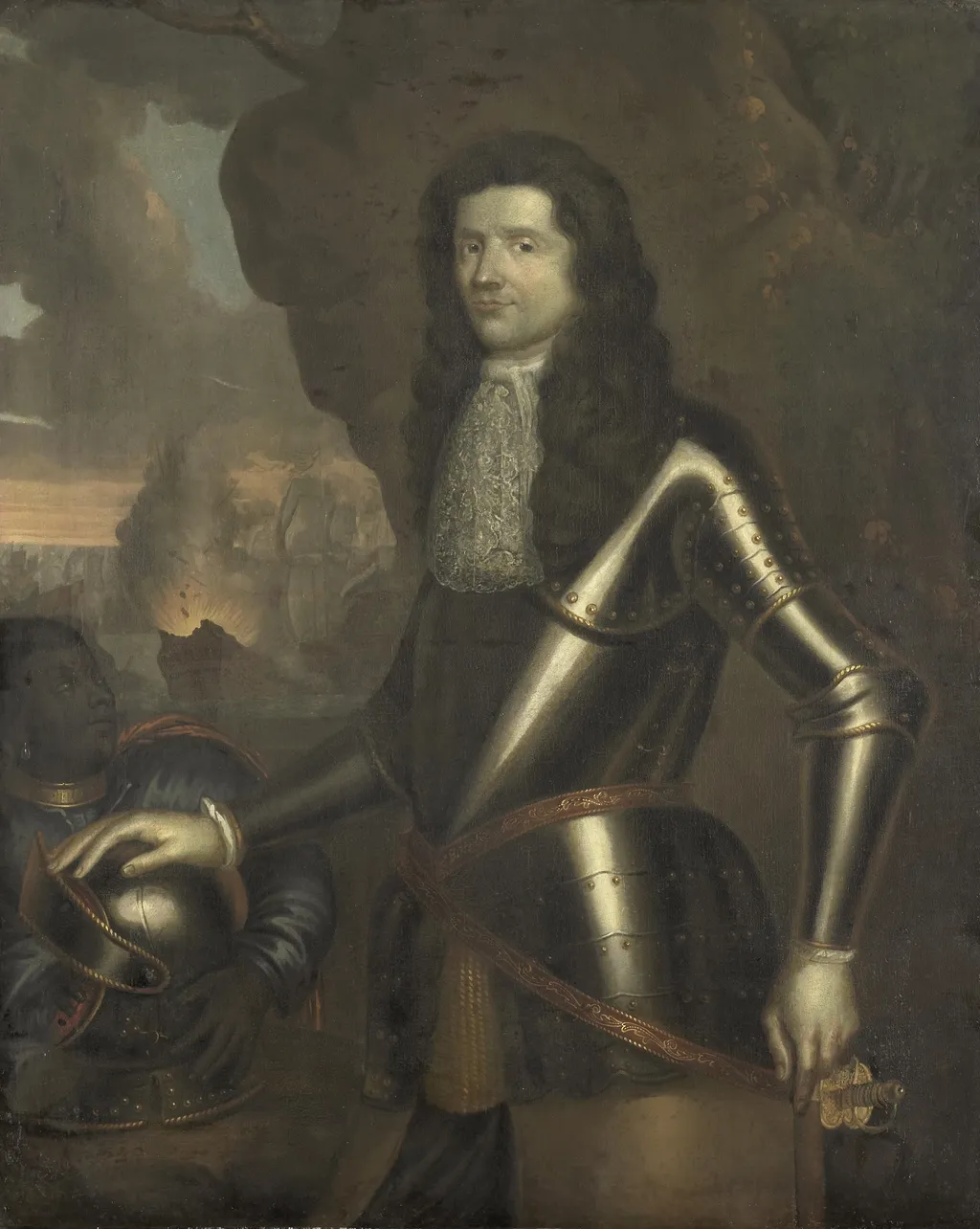
Portrait of an Admiral, probably Willem van Ewijck is an oil painting by the Dutch Golden Age artist Unknown. It dates from 1690 and is held in the collection of the Rijksmuseum.
About this work
Subject & Meaning
The sitter is identified as an admiral, likely the naval officer Willem van Ewijck, depicted in formal attire that conveys authority and maritime command.
The sitter is identified as an admiral, likely the naval officer Willem van Ewijck, depicted in formal attire that conveys authority and maritime command. The portrait employs conventional iconography of the Dutch Golden Age, using a sober palette and a direct gaze to underscore the subject's status within the Republic's mercantile and military elite. Symbolic elements such as the baton and the background hint at naval leadership and the broader political context of the era.
The work thus represents both an individual portrait and a visual affirmation of the maritime power that underpinned Dutch prosperity in the late seventeenth century.
Technique & Style
The work is an oil painting executed on canvas, typical of portraiture from the Northern Low Countries in the late 17th century. Its surface shows the smooth handling and rich tonal modeling characteristic of Dutch portraiture, with fine brushwork defining facial features and drapery. The composition balances naturalistic detail with a restrained palette, reflecting contemporary conventions of status portraiture.
History & Provenance
The painting was created in 1680 in the Northern Low Countries as an oil portrait, likely depicting Admiral Willem van Ewijck. It was produced on canvas using oil paint and is classified as a portrait genre work. The piece entered the collection of the Rijksmuseum, where it remains part of the museum's holdings. Its creation is dated to the late 17th century, with the inception recorded as 1680.
The work's authorship is attributed to an anonymous hand, though stylistic analysis suggests a possible connection to Willem van Ewijck. It was likely commissioned within the cultural context of the Dutch Golden Age, reflecting the period's emphasis on portraiture among the elite. The painting's dimensions measure 135 units in height and 110 units in width, consistent with contemporary portrait formats.
The provenance chain indicates the artwork's presence in the Rijksmuseum collection, establishing its current custodianship. Historical records confirm its classification as a portrait and its material composition of canvas and oil paint. The piece is recognized as part of the museum's collection of Northern Low Countries paintings from the 17th century.
Overview
Portrait of an Admiral, probably Willem van Ewijck, is an oil painting depicting a dignified naval officer set against a dramatic, contrasting backdrop.
Context
The use of chiaroscuro and the depiction of a military figure in formal, symbolic attire place the painting within the broader context of 17th-century European portraiture, particularly Dutch Golden Age art, which often emphasized realism and the status of its subjects.
Legacy
The painting's legacy is not extensively detailed here, but its style and technique align with the enduring influence of Dutch Golden Age painting on Western art, emphasizing lighting, detail, and the portrayal of profession and status.
Artist & collection









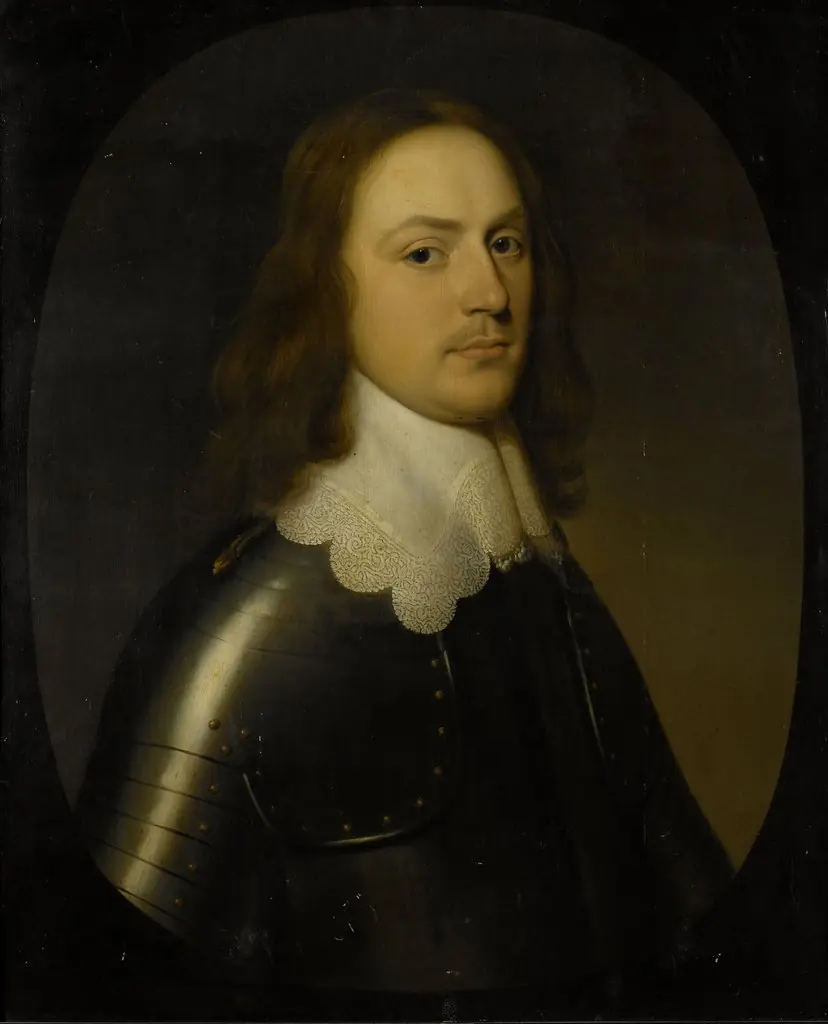 Portrait of an officer
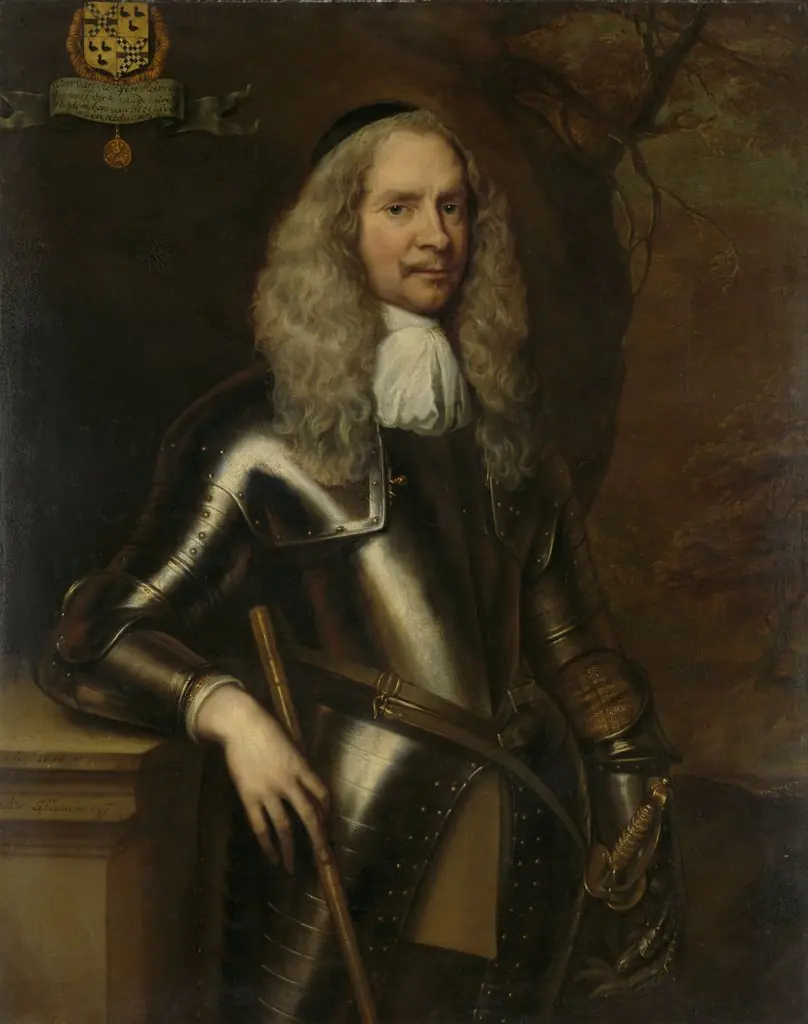 Cornelis van Aerssen (1600-62), lord of Sommelsdijk. Colonel of cavalry
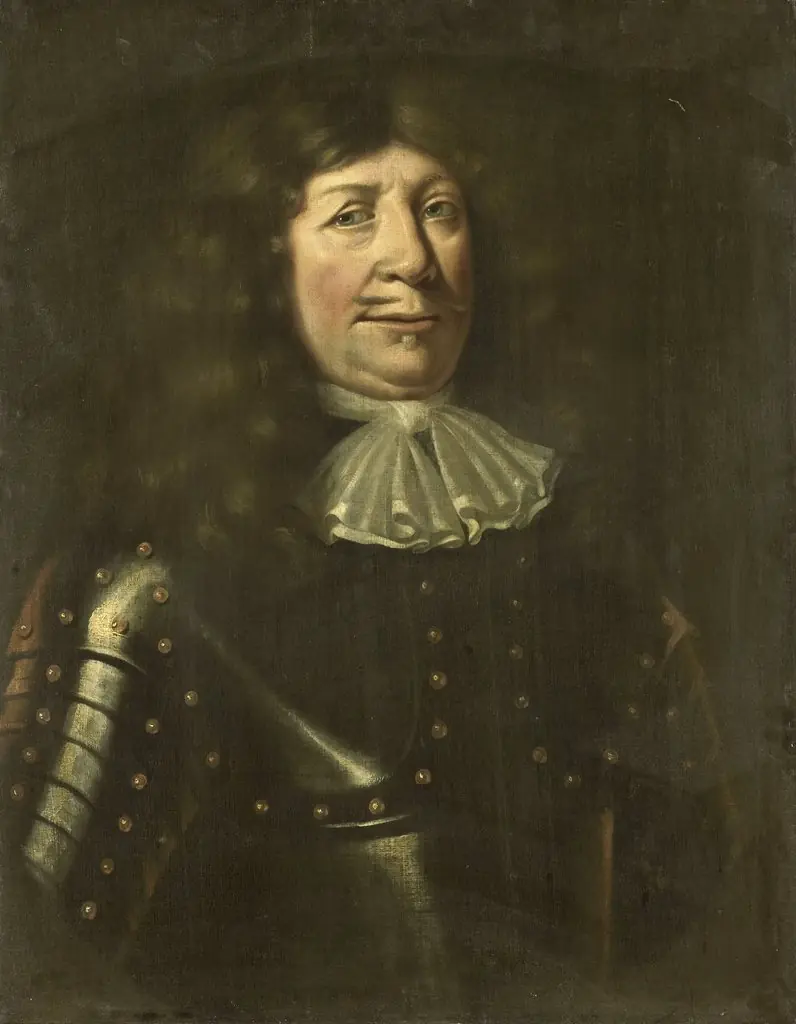 Portrait of Carel Rabenhaupt, Lieutenant-General
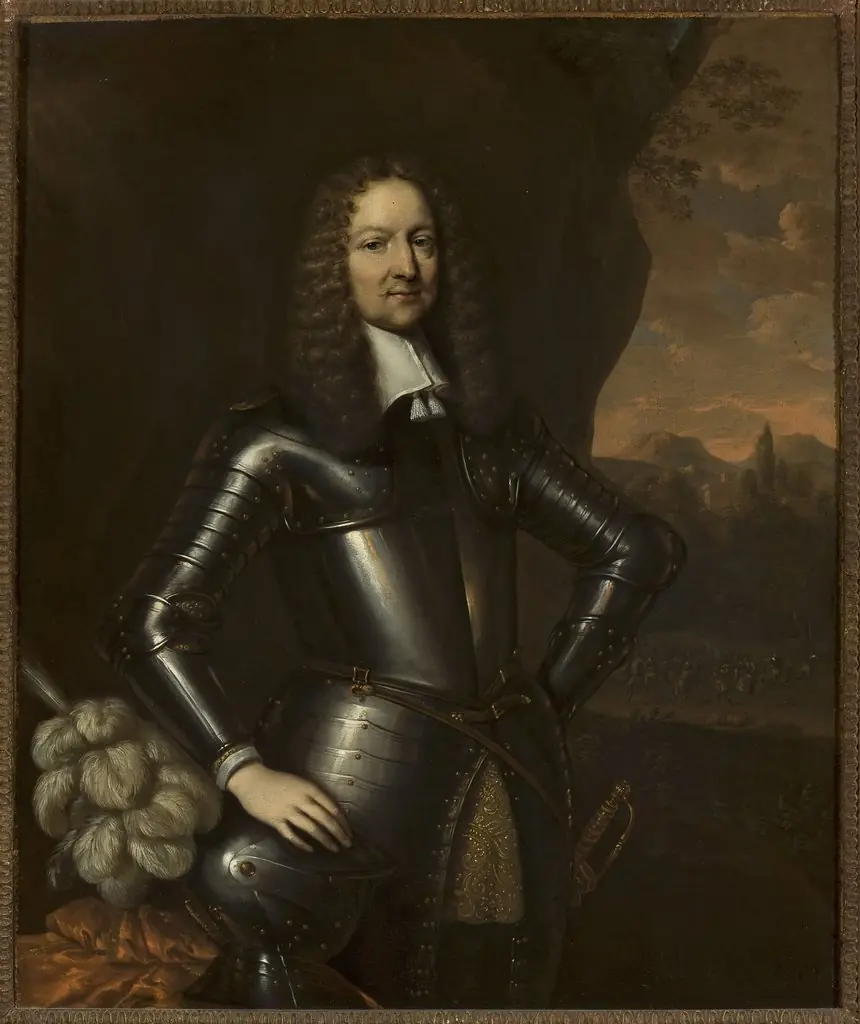 Portrait of Kronprinz Wilhelm Heinrich zu Brandenburg
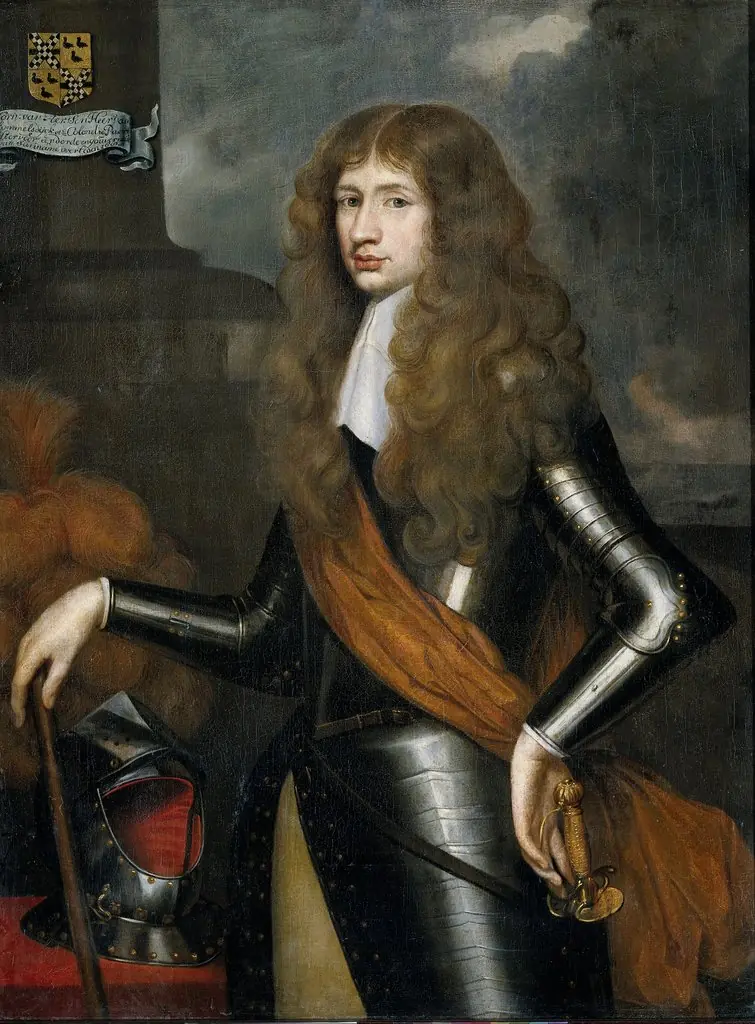 Cornelis van Aerssen van Sommelsdijck, governor of Surinam
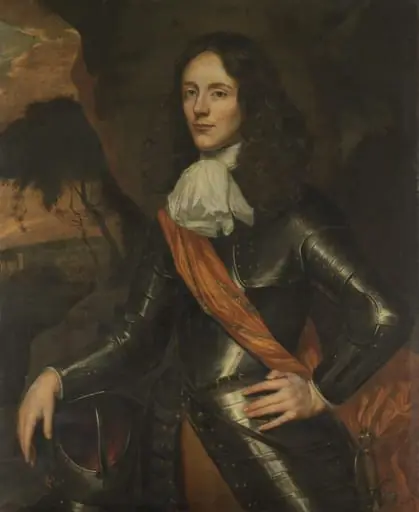 Portrait of James, 4th Lord Cranstoun (in or after 1643-85/88)
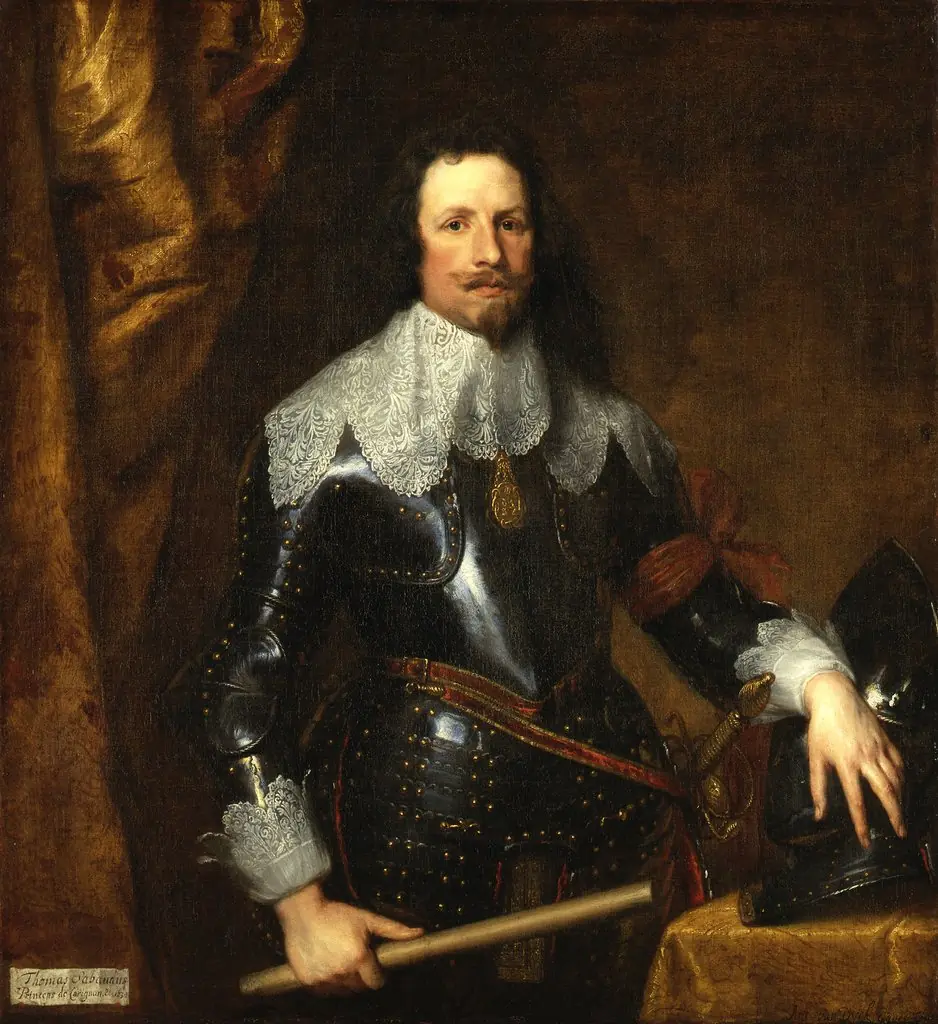 Portrait of Tomaso di Savoia-Carignano
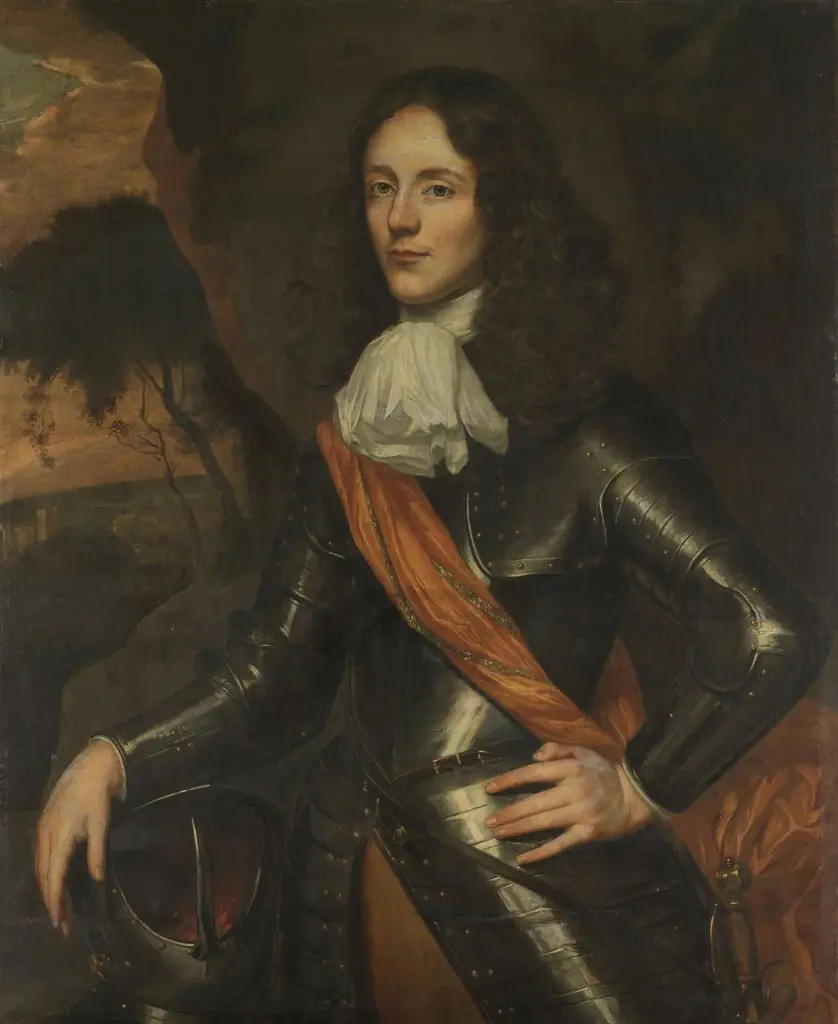 A military officer
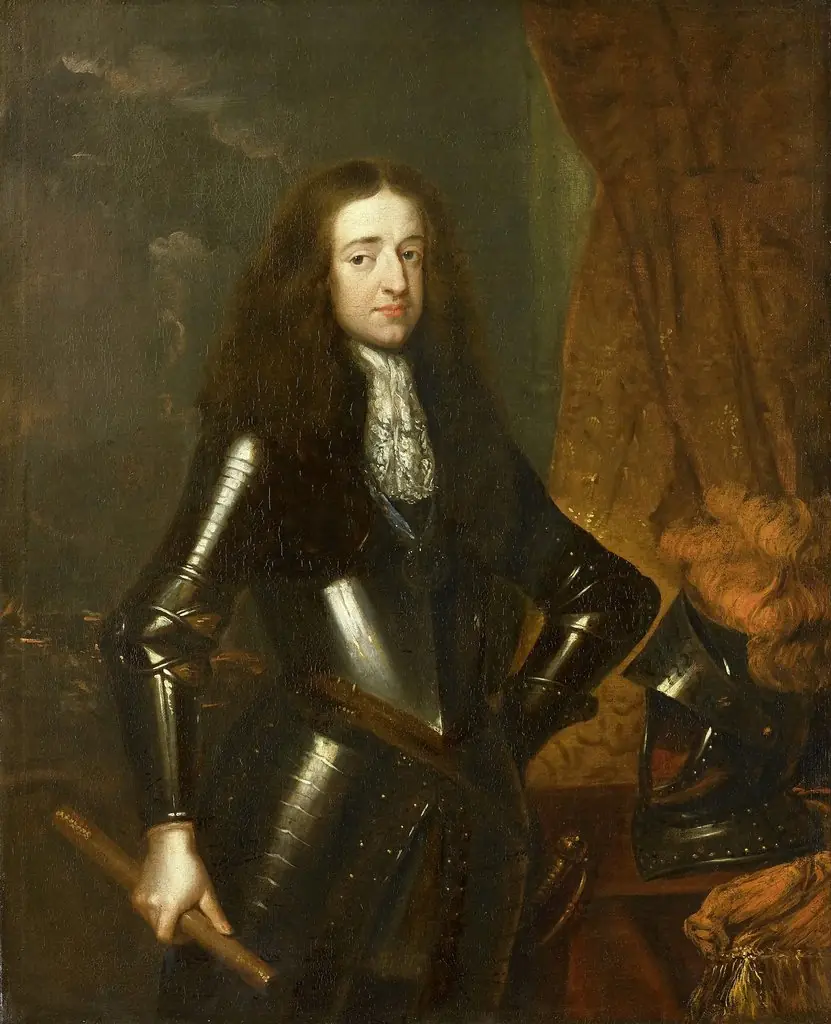 Portrait of Willem III (1650-1702), Prince of Orange and since 1689, King of England
 Portrait of Willem III (1650-1702), Prince of Orange and since 1689, King of England