Artwork
Rachel de Ruvigny, Countess of Southampton, as Fortune
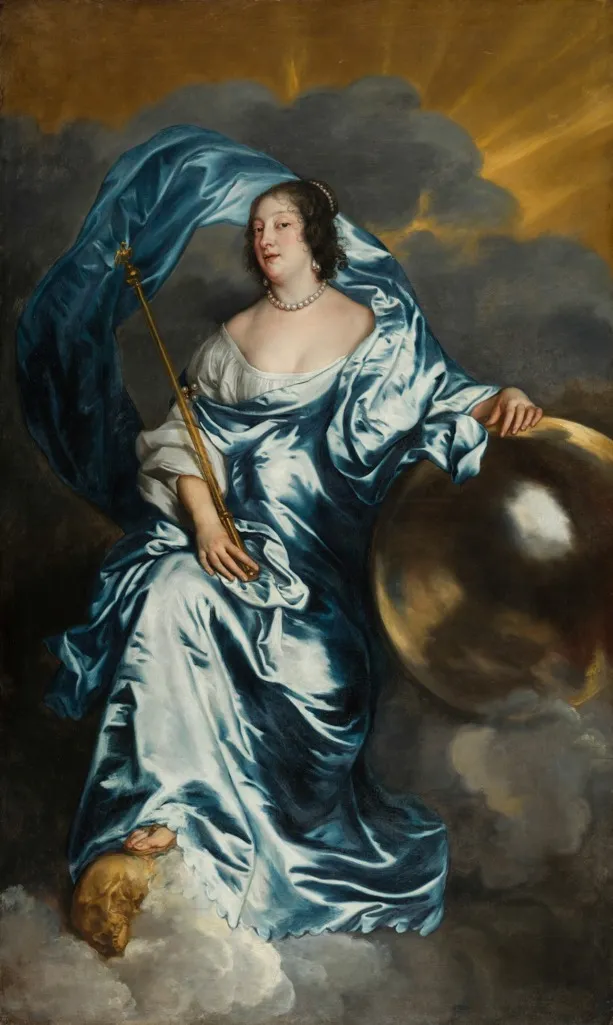
Rachel de Ruvigny, Countess of Southampton, as Fortune is an oil painting by Anthony van Dyck. It dates from 1638 and is held in the collection of the Fitzwilliam Museum.
About this work
Overview
Anthony van Dyck’s 1638 oil painting presents Rachel de Ruvigny, Countess of Southampton, cast in the guise of Fortune. Executed during the artist’s English period, the work combines portraiture with allegorical symbolism, placing the noblewoman on a cloud while she holds a golden staff and rests her hand on a spherical object.
Subject & Meaning
The sitter, Rachel de Massue, is depicted as the personification of Fortune, a common allegorical device that linked personal virtue with the capriciousness of fate. Elements such as the golden staff, the round orb, and the skull beneath her feet reinforce the theme of transience and the unpredictable nature of wealth and status.
Technique & Style
Van Dyck renders the blue satin dress and the translucent drapery with luminous, fluid folds that catch the light, contrasting with the deep, almost tenebristic background. The delicate rendering of pearls and the subtle yellow glow at the top of the canvas highlight his mastery of texture and atmospheric depth, hallmarks of his Flemish training and Rubensian influence.
History & Provenance
Created shortly after van Dyck’s relocation to London, the portrait formed part of his extensive series of English aristocratic commissions. It remained in private collections linked to the de Ruvigny family before entering public ownership in the 20th century, where it now serves as a representative example of his court portraiture.
Context
The painting reflects the Baroque fascination with allegory and the merging of personal portraiture with classical motifs. Van Dyick’s ability to convey both the individual’s status and a broader moral message aligns with the cultural expectations of the English court, where visual representations of virtue and fortune were highly prized.
Artist & collection
Artist
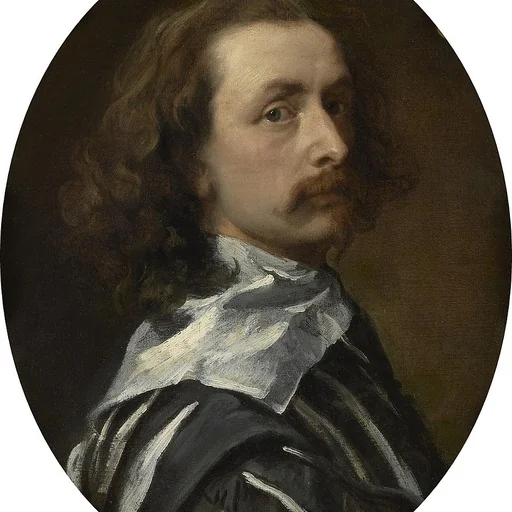
Sir Anthony van Dyck (; Dutch: Antoon van Dijck; 22 March 1599 – 9 December 1641) was a Flemish Baroque artist, who became the leading court painter in England after success in the Spanish Netherlands and Italy.

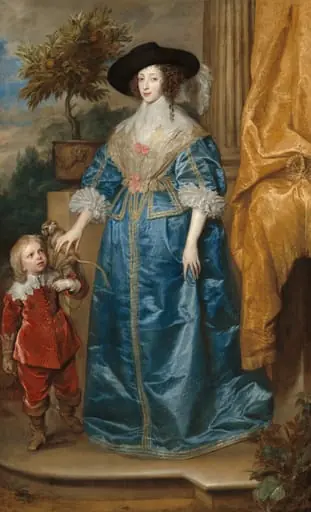
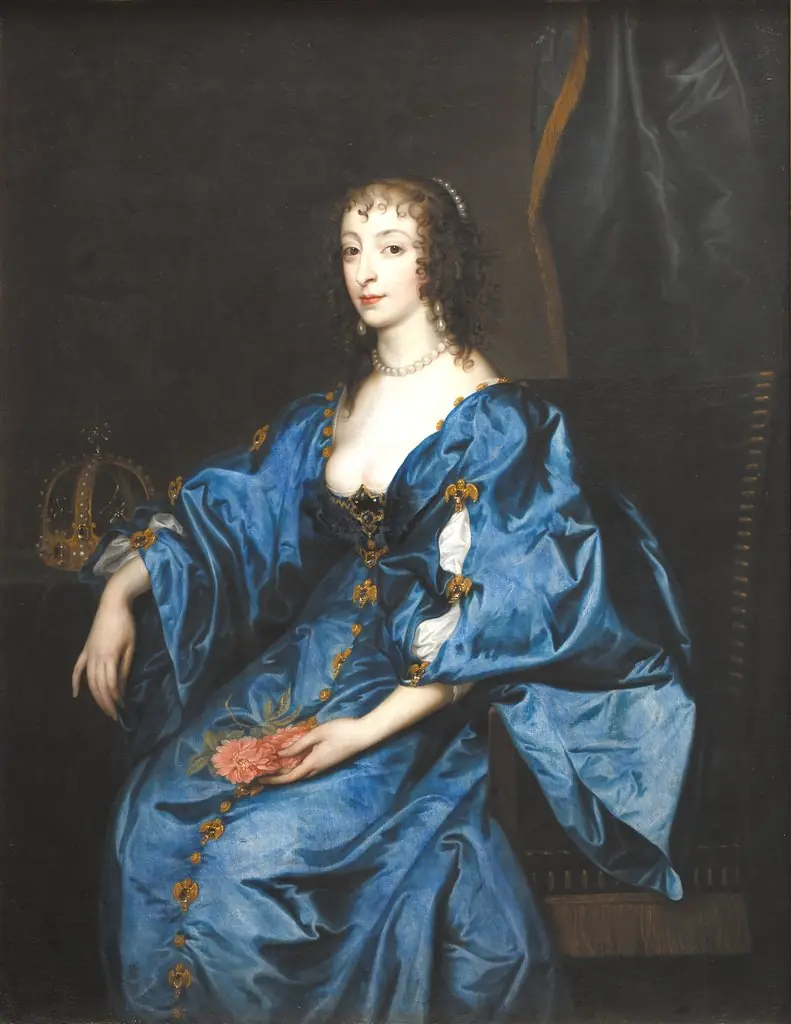 Queen Henrietta Maria of England
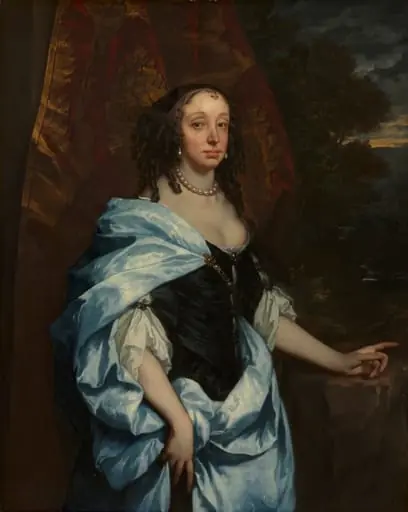 Portrait of Mrs. Leneve
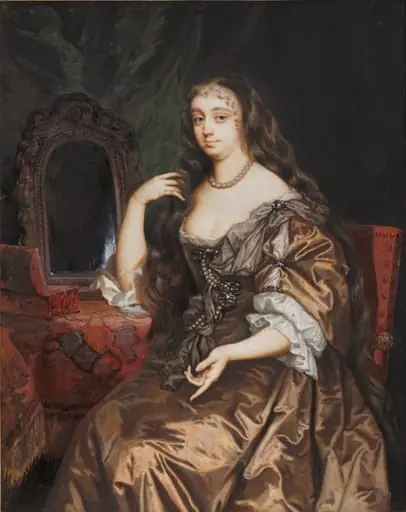 Portrait of Anne Hyde, Duchess of York
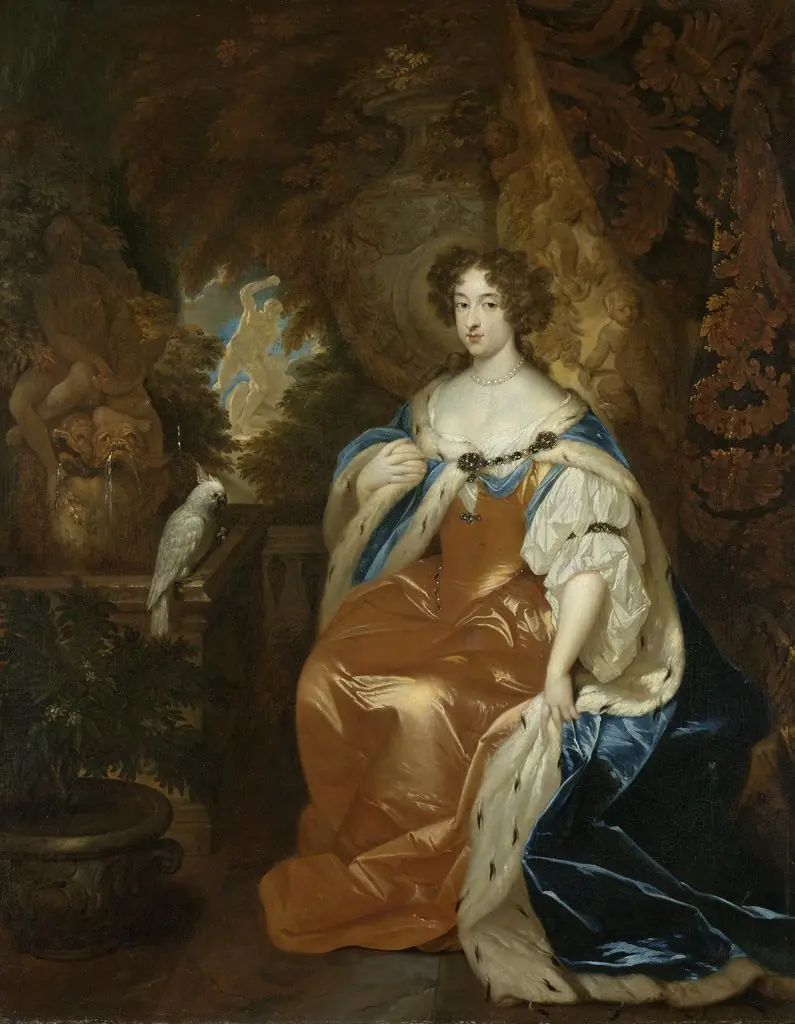 Portrait of Mary Stuart (1662-95), wife of Prince William III
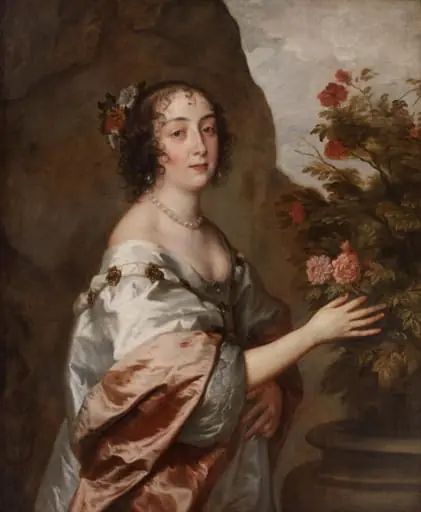 Portrait of a Lady
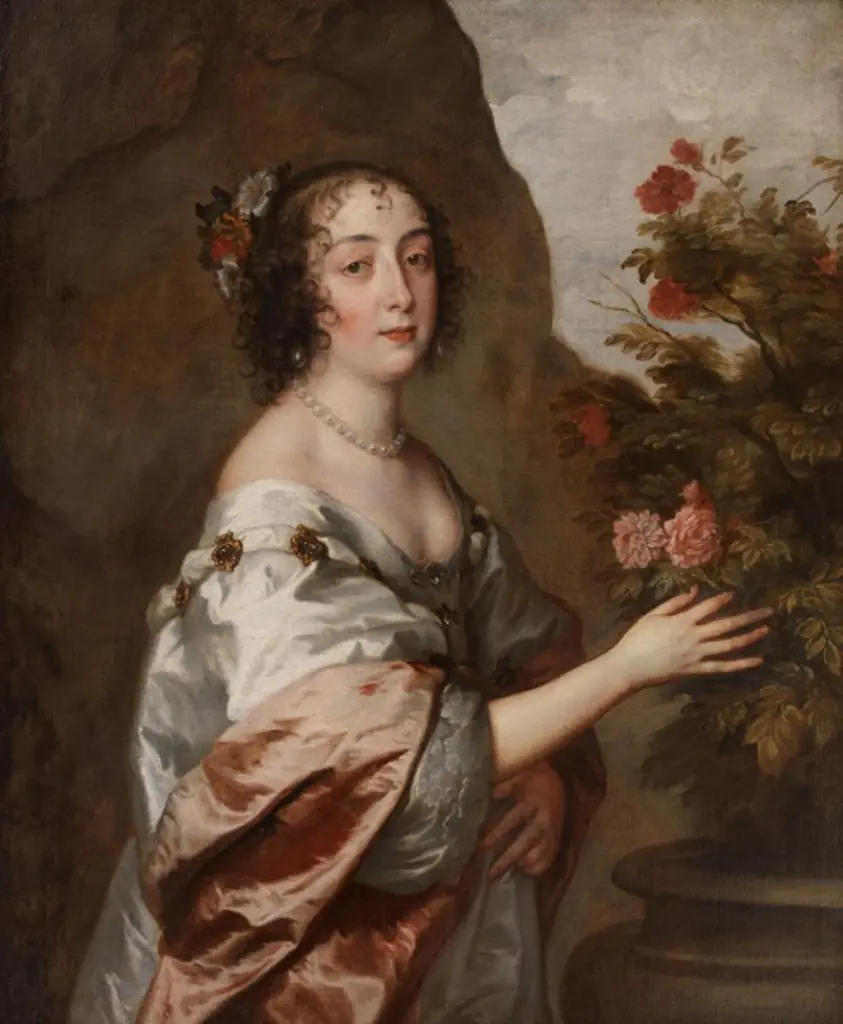 Portræt af en kvinde som Flora
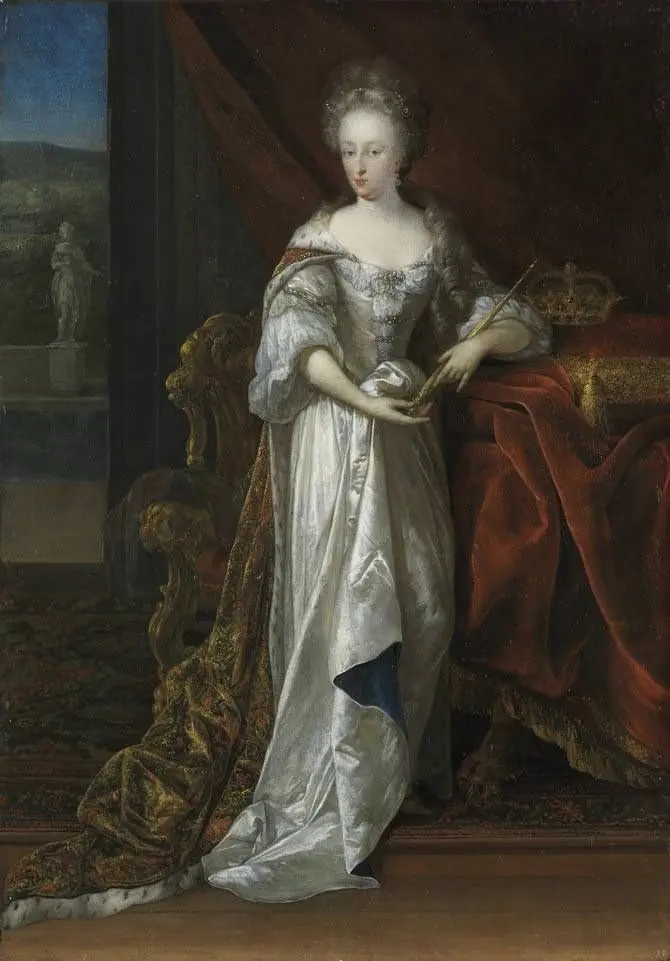 Maria Anna of Neuburg, Queen of Spain
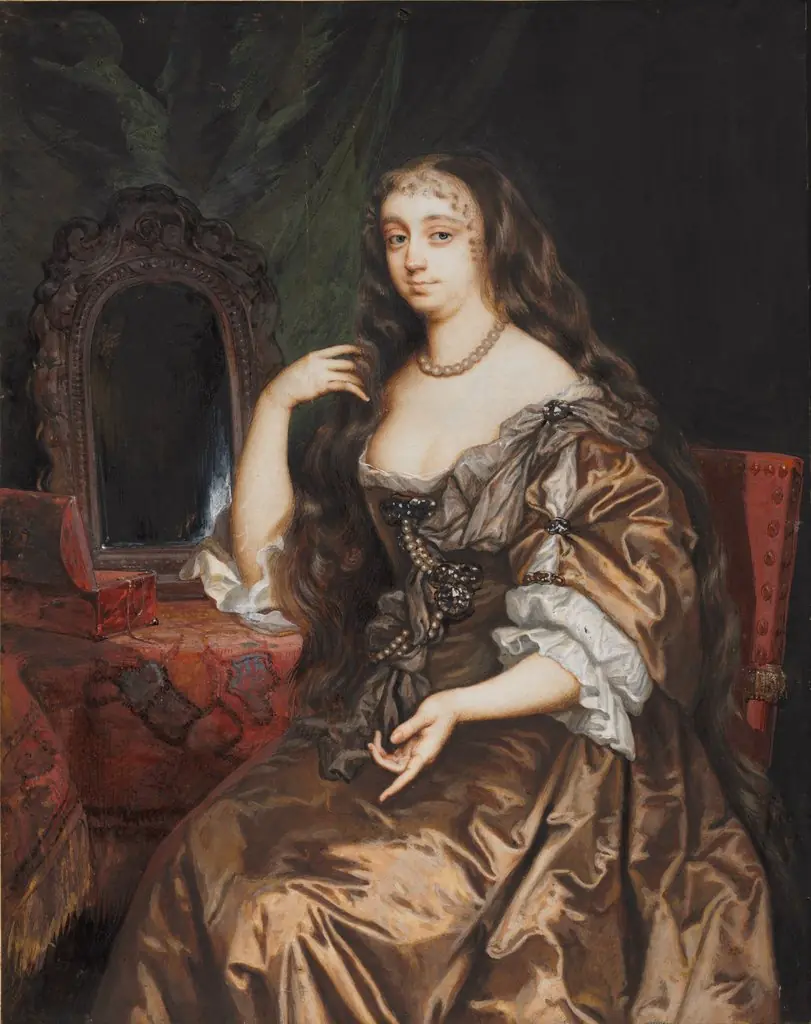 Portrait of Anne Hyde, Duchess of York
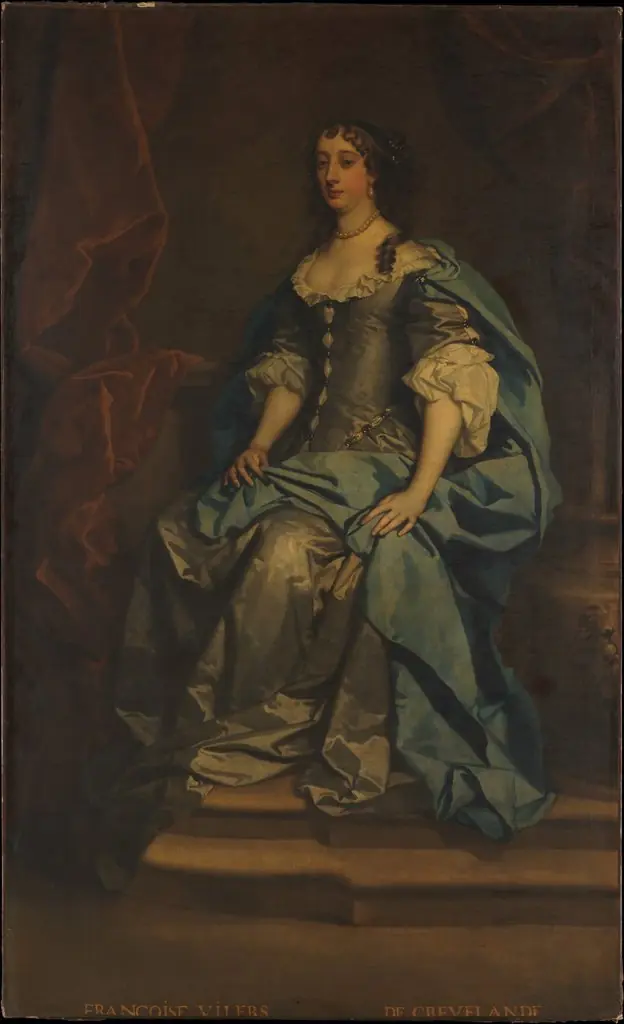 Barbara Villiers (1640–1709), Duchess of Cleveland
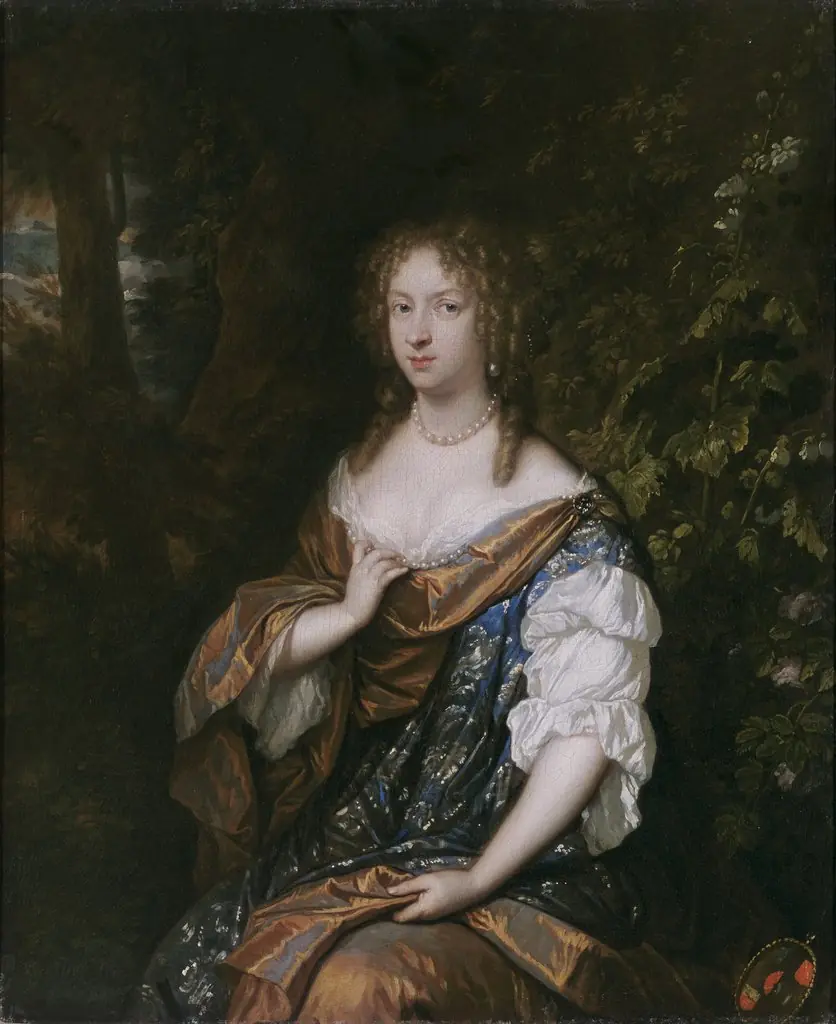 Alida de Lange, Wife of Johan Rammelman
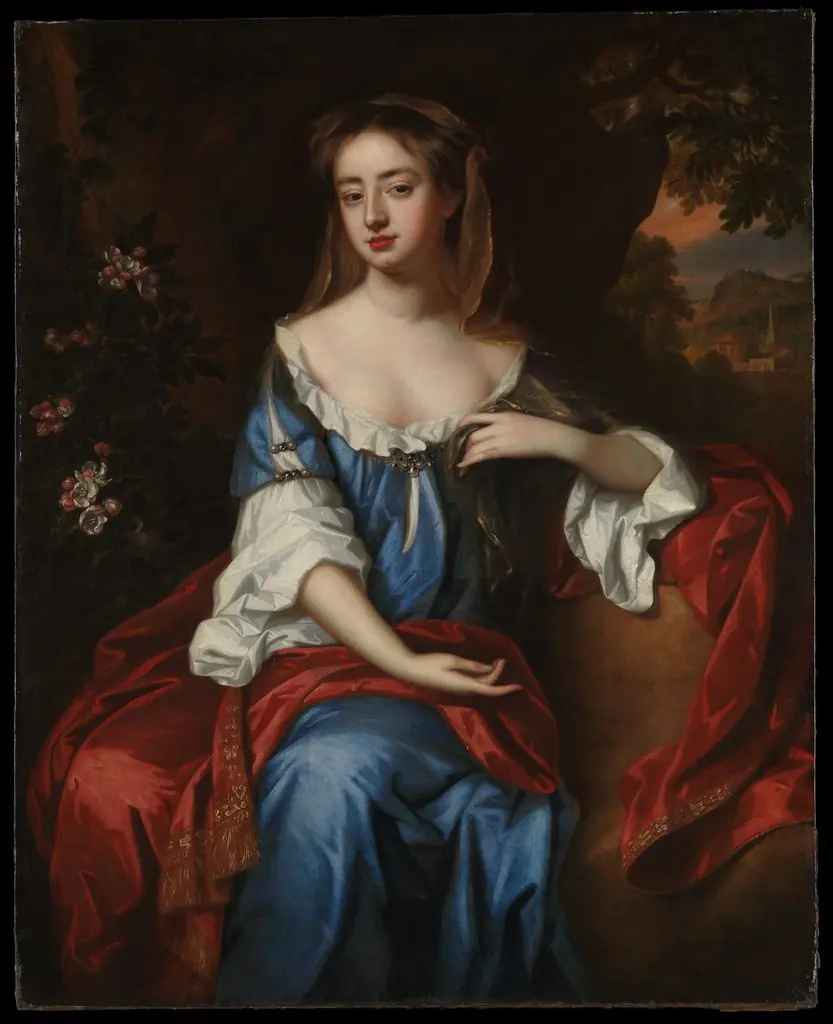 Portrait of a Woman
- Rachel de Ruvigny, Countess of Southampton