Artwork
Rachel de Ruvigny, Countess of Southampton
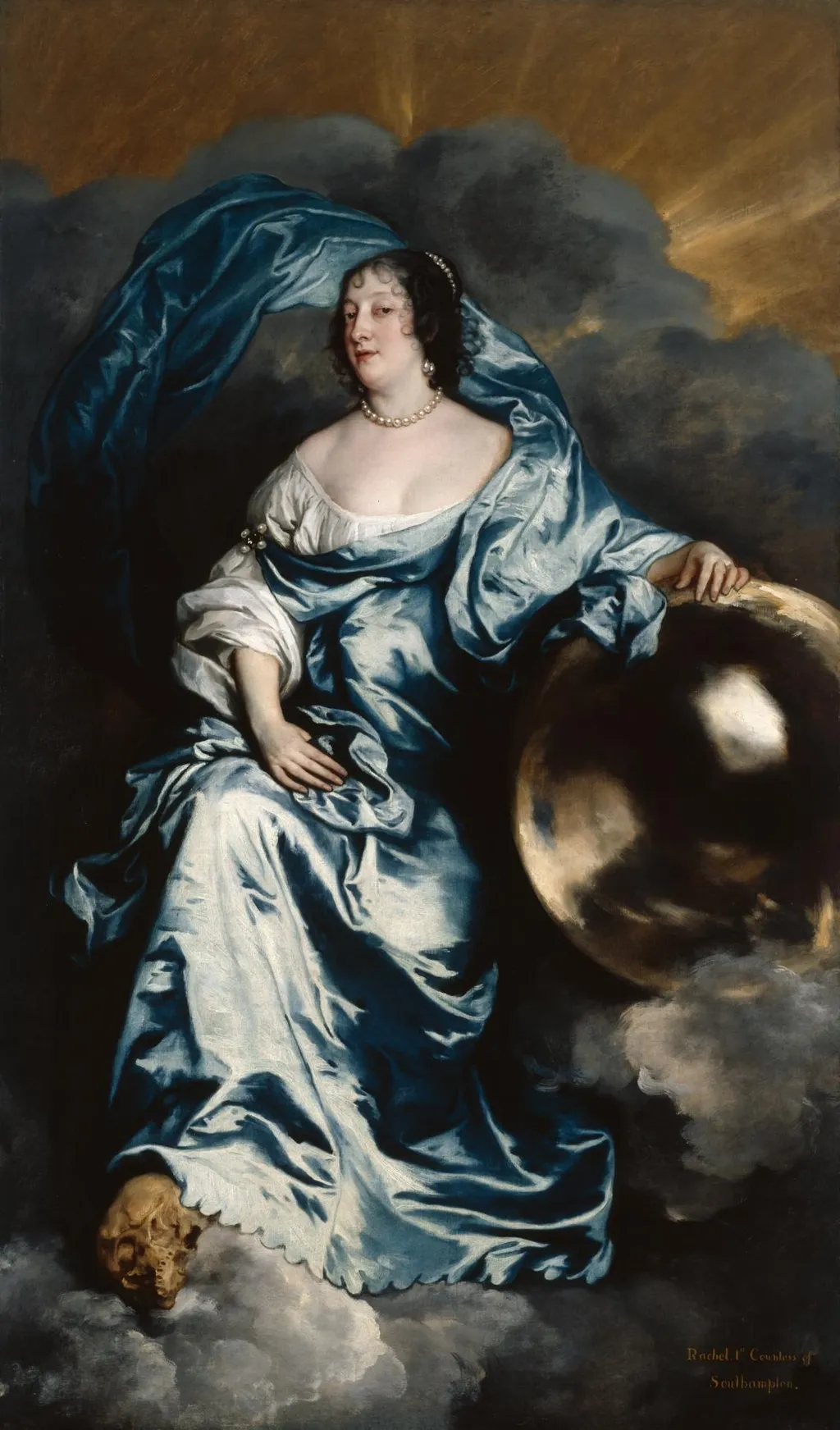
Rachel de Ruvigny, Countess of Southampton is an oil painting by Anthony van Dyck. It dates from 1640 and is held in the collection of the National Gallery of Victoria.
About this work
Overview
Rachel de Ruvigny, Countess of Southampton is a 1640 oil painting by Anthony van Dyck, a prominent Flemish Baroque artist who served as a leading court painter in England. The work portrays Rachel de Massue, also known as Fortuna, in a symbolic and elegantly rendered scene.
Subject & Meaning
The subject, Rachel de Ruvigny, is depicted in a allegorical manner, seated on a cloud, indicating a possibly symbolic or mythological allusion, though specifically as Fortuna, the Roman goddess of fortune. Her attire and accessories, a flowing blue dress, pearl necklace, and a large gold orb, convey wealth and status, while her pose suggests serenity and grace.
Technique & Style
Van Dyck's characteristic Baroque style is evident in the painting's use of chiaroscuro, with a dark, cloudy background contrasting sharply with the subject's luminous, shiny dress. The drapery and the play of light on the fabric demonstrate van Dyck's mastery of capturing texture and movement in oil paint.
History & Provenance
Created in 1640, the painting is part of the collection at the National Gallery of Victoria, though its history prior to acquisition is not detailed here. Van Dyck, born in 1599 in Antwerp to a wealthy family, was apprenticed early and became a master in the Guild of Saint Luke by 1617, having worked under Peter Paul Rubens.
Context
This portrait reflects van Dyck's role as a court painter in England, catering to the aristocracy's desire for elegant, flattering, and sometimes allegorically charged representations. The blend of realism and symbolism was typical of Baroque portraiture during this period.
Legacy
While specific influence of Rachel de Ruvigny, Countess of Southampton on later art is not highlighted, it contributes to van Dyck's legacy as a painter who defined the aesthetic of European nobility in the 17th century, with his works continuing to be celebrated for their technical excellence and insight into the era's aristocracy.
Artist & collection
Artist
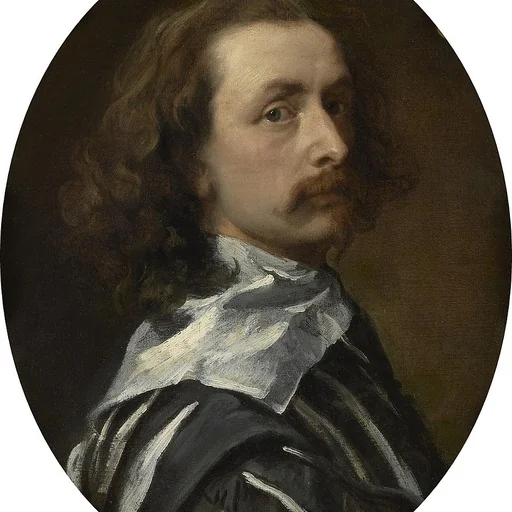
Sir Anthony van Dyck (; Dutch: Antoon van Dijck; 22 March 1599 – 9 December 1641) was a Flemish Baroque artist, who became the leading court painter in England after success in the Spanish Netherlands and Italy.

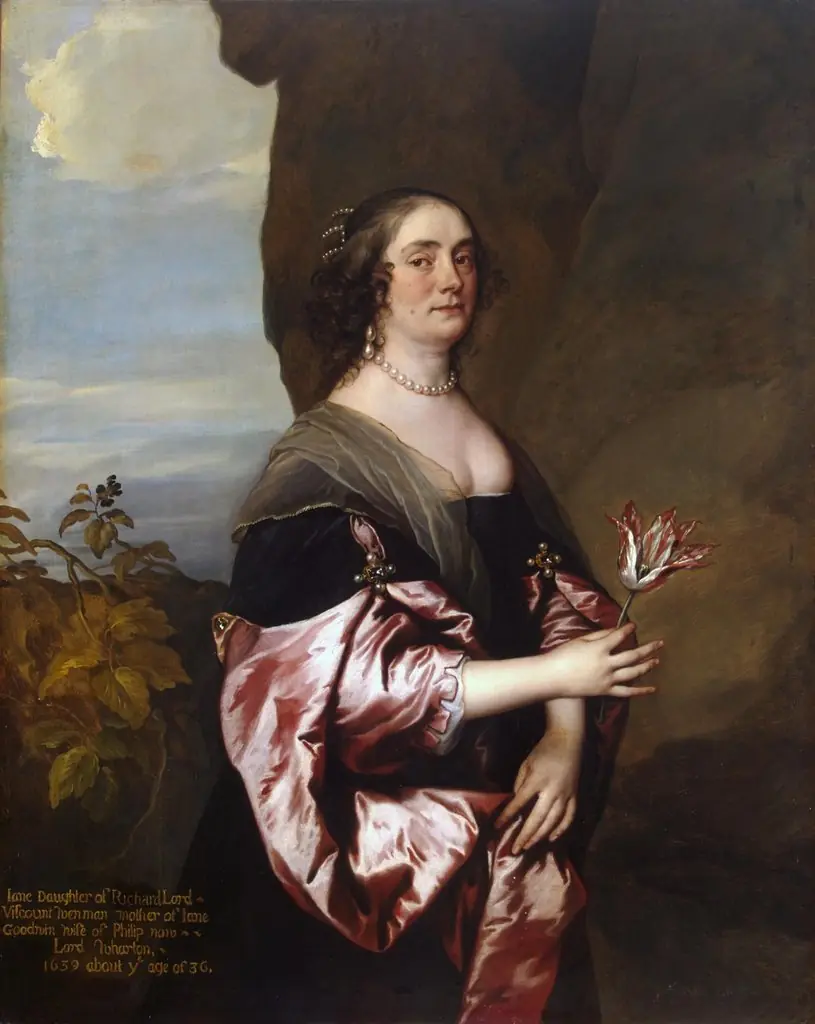 Portrait of Lady Jane Goodwin
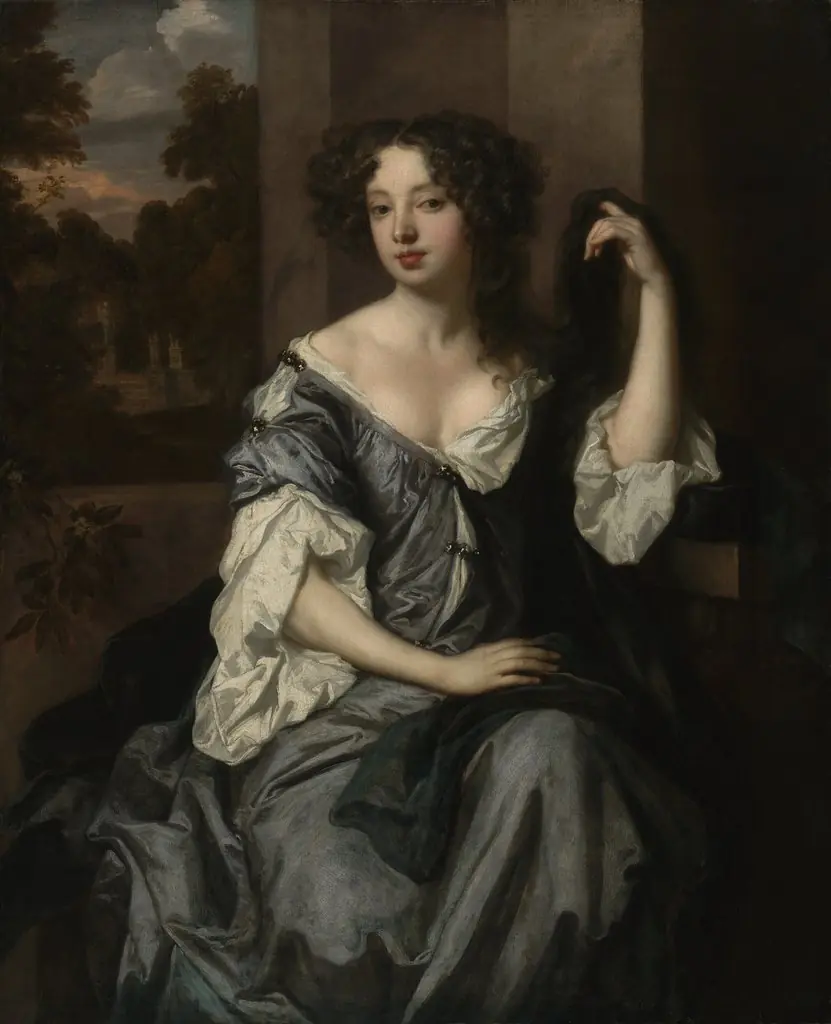 Portrait of Louise de Keroualle, Duchess of Portsmouth
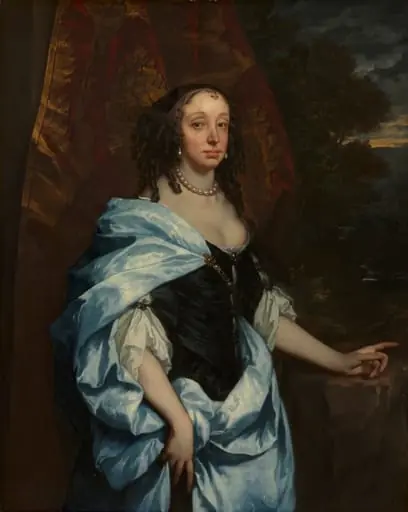 Portrait of Mrs. Leneve
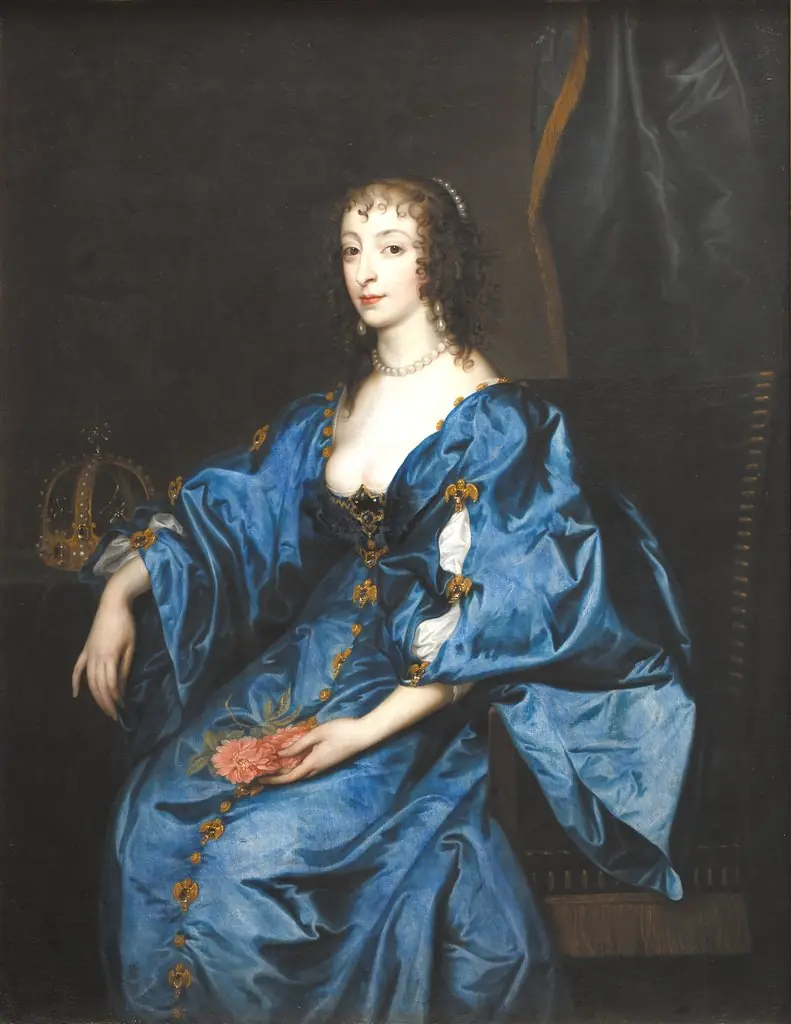 Queen Henrietta Maria of England
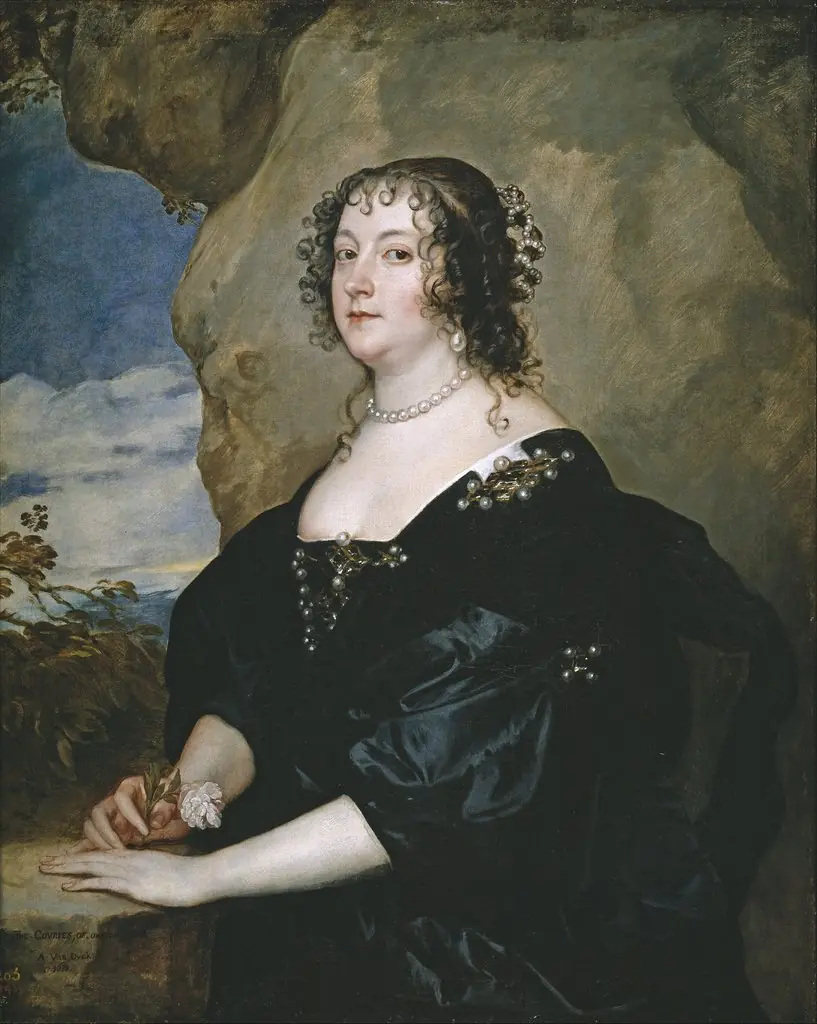 Beatriz van Hemmema, Countess of Oxford (formerly called Diana Cecil)
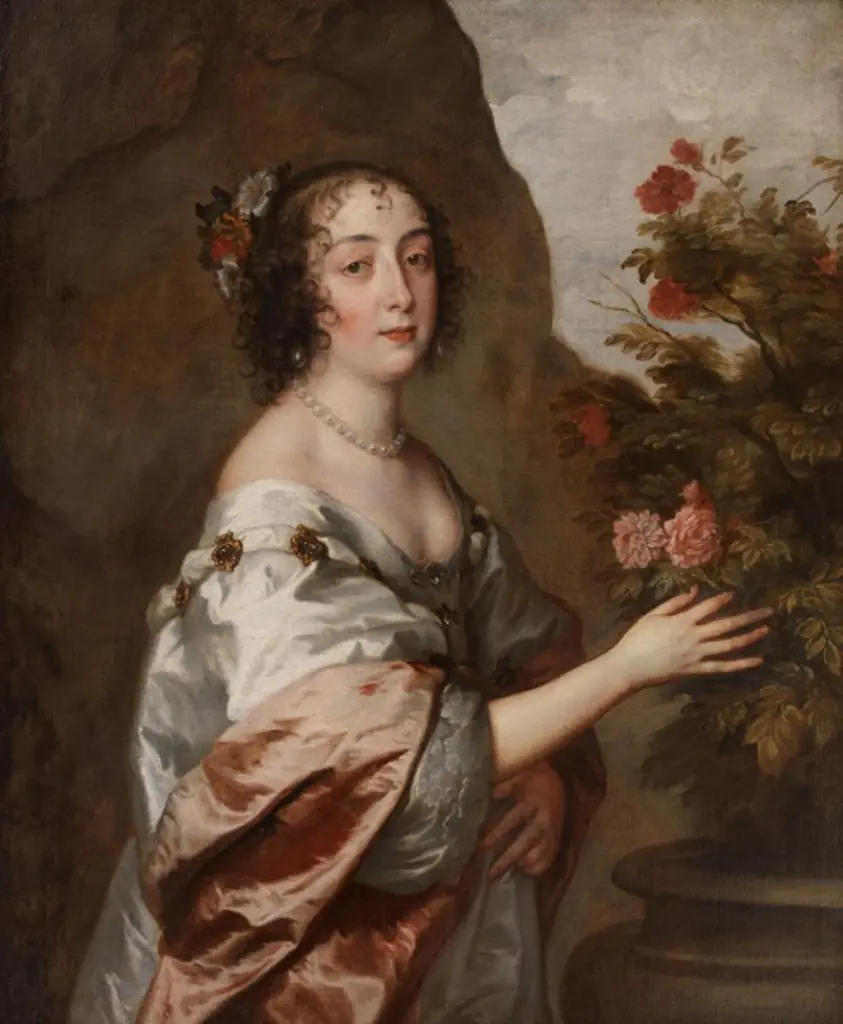 Portræt af en kvinde som Flora
 Portrait of a Lady
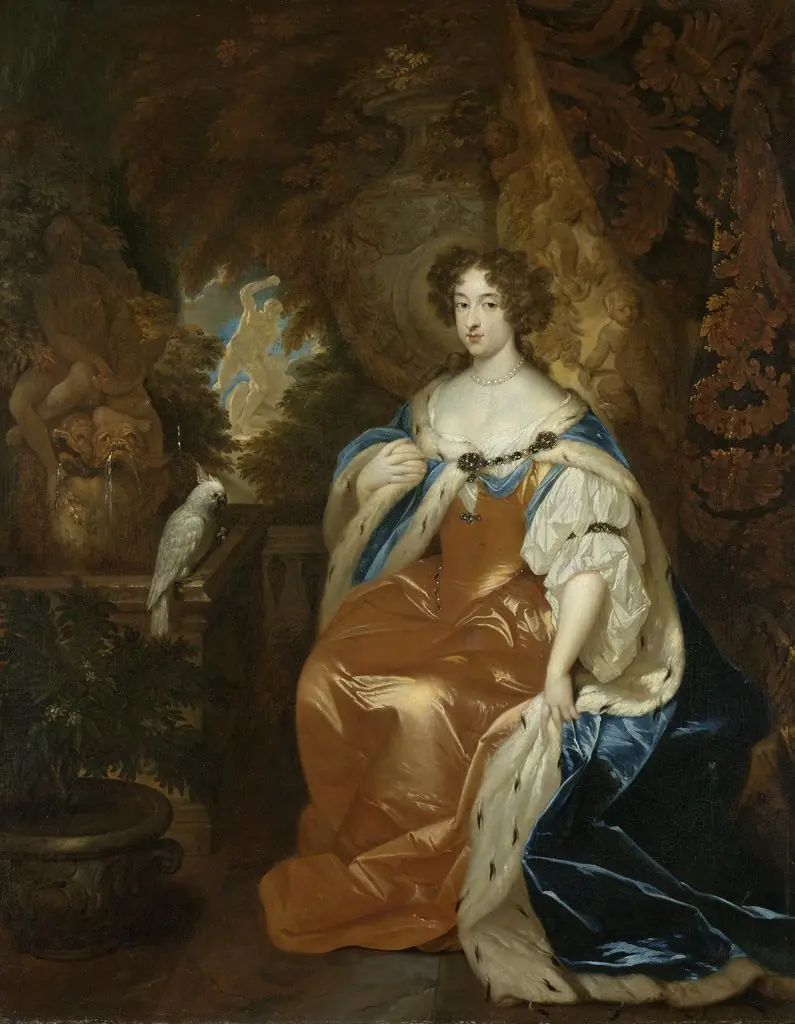 Portrait of Mary Stuart (1662-95), wife of Prince William III
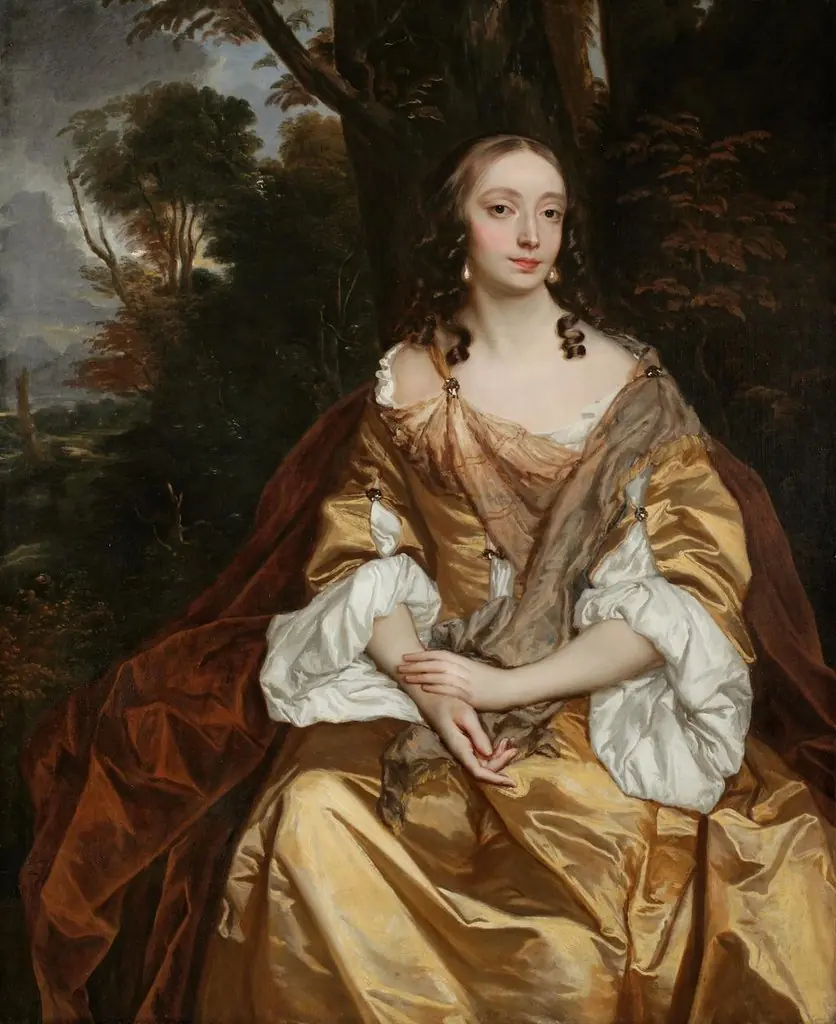 Portrait of a Lady; probably Mary Parsons, later Mrs Draper
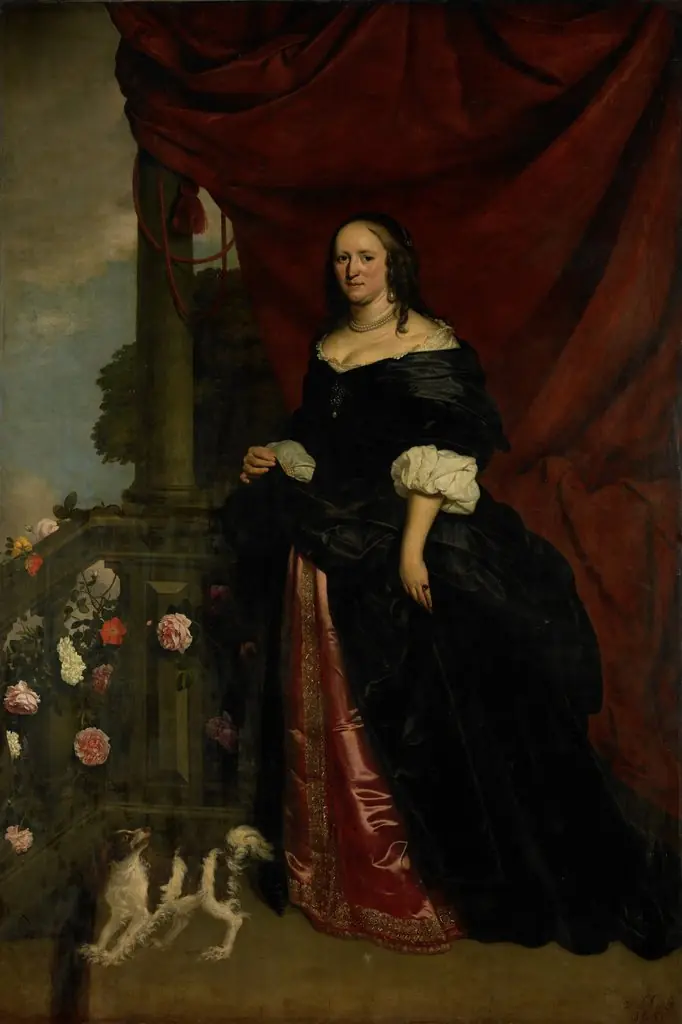 Portrait of a woman, probably Sophia Anna van Pipenpoy (c. 1618-70), Countess of Schellart
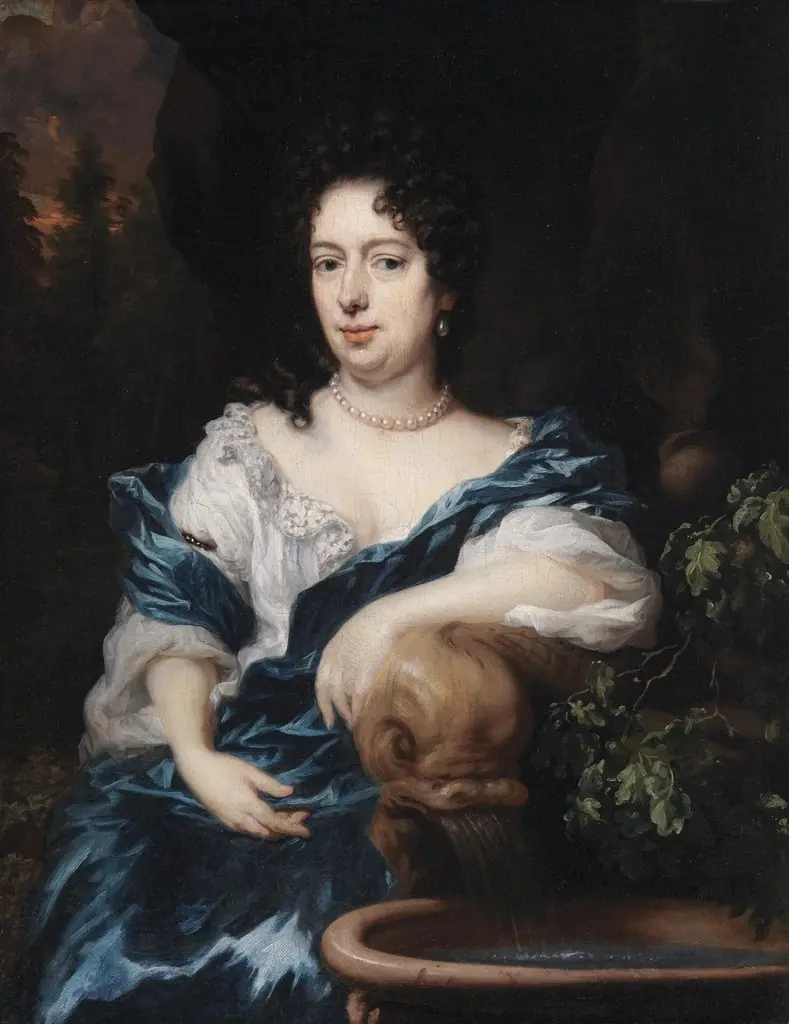 A Lady sitting by a Fountain, possibly Catharina Dierquens
- Rachel de Ruvigny, Countess of Southampton, as Fortune