Artwork
Madonna and Child
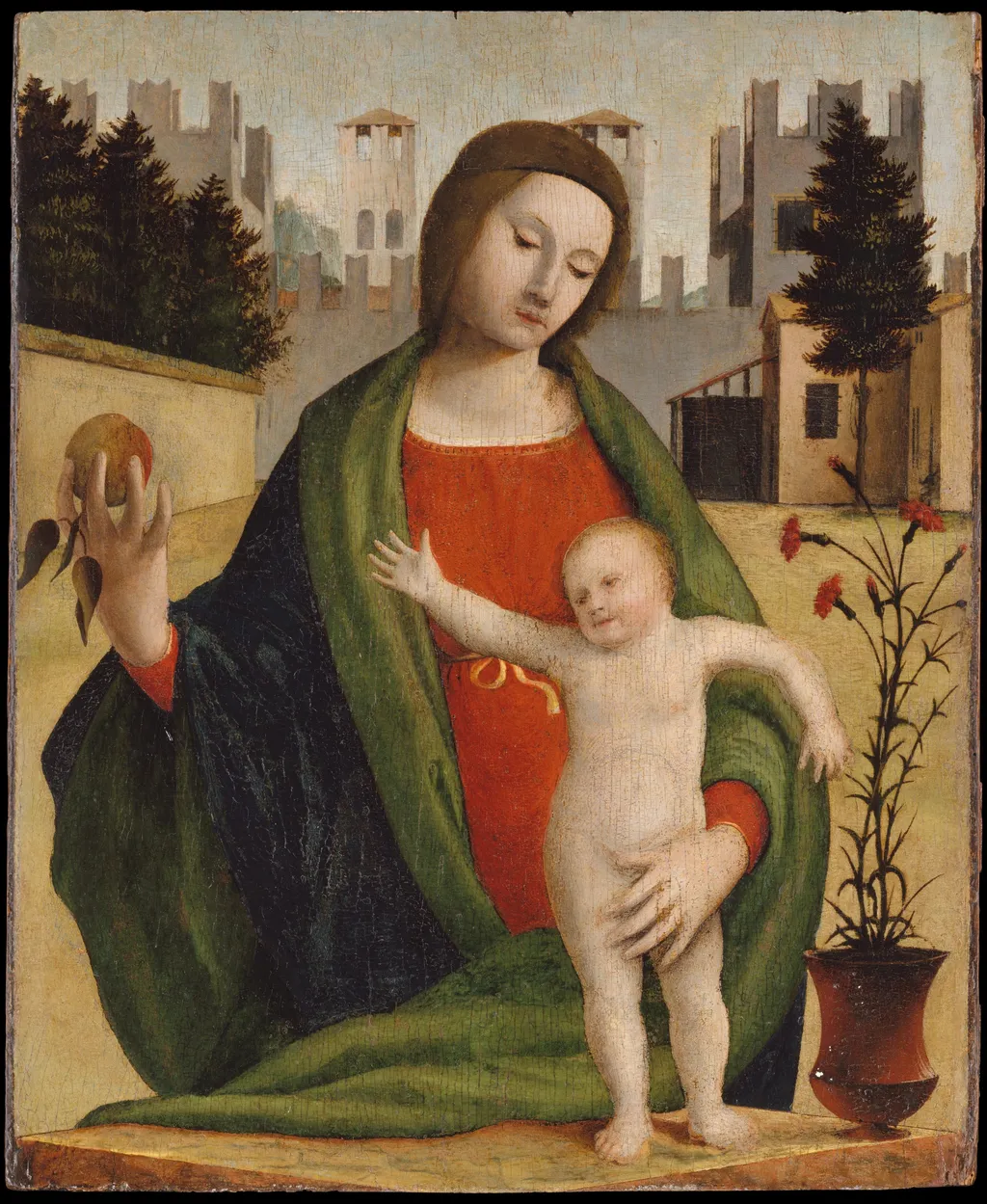
Madonna and Child is a tempera painting by Bramantino. It dates from 1508 and is held in the collection of the Metropolitan Museum of Art.
About this work
A quiet devotional scene, painted by Bramantino in tempera on a wooden panel around 1508. Also called the Kleinberger Madonna, it now hangs at the Metropolitan Museum of Art in New York, among other Renaissance works.
Subject & Meaning
The work depicts the Virgin Mary and the Christ Child within a courtyard setting defined by a crenellated wall and towers.
The work depicts the Virgin Mary and the Christ Child within a courtyard setting defined by a crenellated wall and towers. Central to the iconography is the Child, who leans toward an apple held by his mother; this fruit symbolizes the original sin that Christ accepts as his destiny to redeem humanity through martyrdom. Additionally, a vase containing red carnations serves as a dual symbol: the red color alludes to the blood of Christ's Passion, while the flowers represent the mystical marriage between Christ and his Church.
The composition utilizes Bramantino's characteristic simplification of volumes and shapes to present these theological concepts, focusing on the interaction between the mother and son as they engage with these specific attributes of salvation history.
Technique & Style
The work is executed in tempera on a wooden panel, measuring approximately 34.3 × 27.6 cm. Its support is a panel, and the painting has suffered a poor state of conservation, with partial repainting of the Madonna’s face. Stylistically, Bramantino employs his characteristic simplification of volumes and geometric clarity, arranging the scene in a courtyard framed by a crenellated wall with towers; the nude Child reaches for an apple held by the Virgin, a symbol of redemption, while a vase of red carnations alludes to the Passion and a mystical marriage.
History & Provenance
The Madonna and Child by Bramantino is dated to circa 1508, likely created just before the artist’s documented journey to Rome that year. The painting’s early provenance is undocumented until the early 20th century, when it was held in the collection of Count Victor Goloubew in Paris and misattributed to Francesco Francia. In 1912, Goloubew sold the work to the dealer Kleinberger, who subsequently transferred it to the Metropolitan Museum of Art in New York, where it remains.
The panel is executed in tempera, with later repaints observed on the Madonna’s face, indicating conservation challenges over time.
The painting known as the Kleinberger Madonna is held by the Metropolitan Museum of Art in New York. While the specific accession number is not provided in the available records, the work is cataloged within the museum's collection under the title 'Madonna and Child' by Bramantino. The object's documented history prior to the 20th century is unknown.
It first appeared in the early 1900s within the Paris collection of Count Victor Goloubew, where it was misattributed to Francesco Francia. In 1912, Goloubew sold the piece to the art dealer Kleinberger, who subsequently transferred it to the Metropolitan Museum of Art later that same year. The provided sources do not list specific past exhibitions or display histories for the work.
Overview
Bramantino's Madonna and Child, also known as the Kleinberger Madonna, is a tempera painting on a wooden panel created before 1508. This Italian Renaissance work depicts a quiet devotional scene and is housed in the Metropolitan Museum of Art in New York. The painting exemplifies the artist's distinctive approach to form and composition, offering a glimpse into early 16th-century Lombard art.
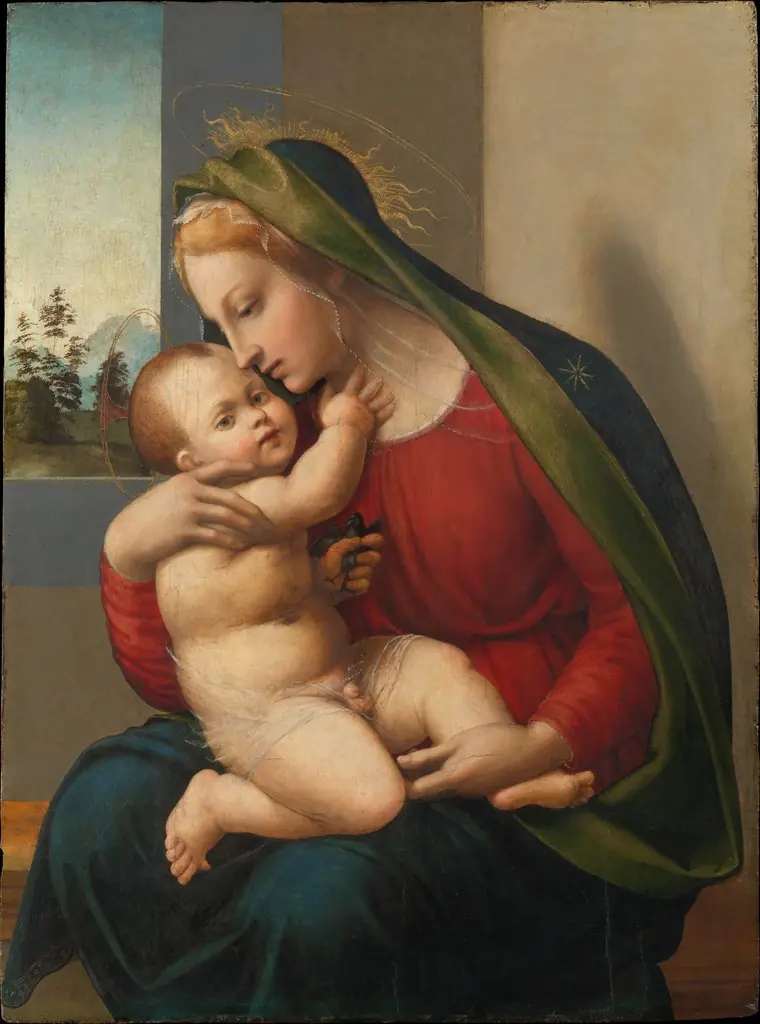
Own this work as a print
Artist & collection

 Woman with a Parasol - Madame Monet and Her Son
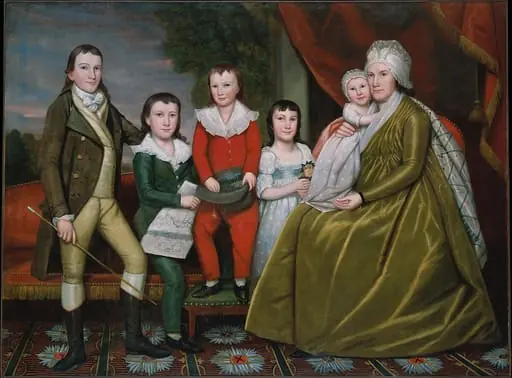 Mrs. Noah Smith and Her Children
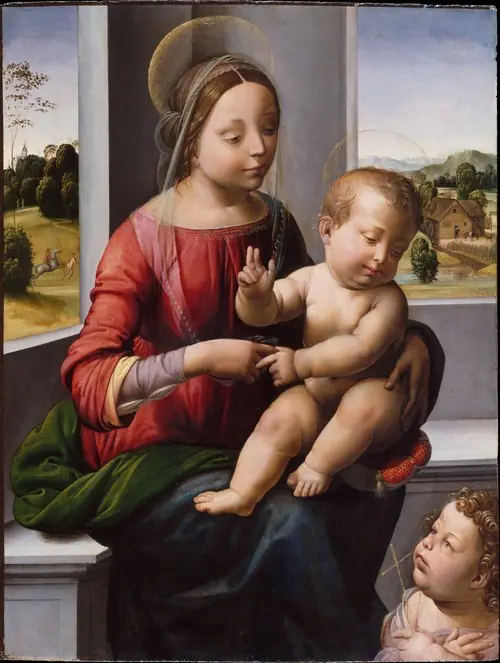 Madonna and Child with the Young Saint John the Baptist
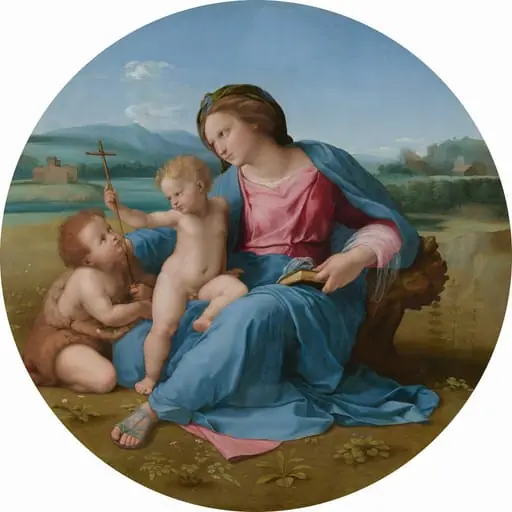 The Alba Madonna
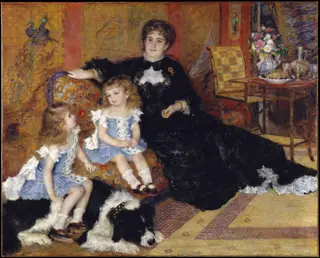 Madame Georges Charpentier and her Children
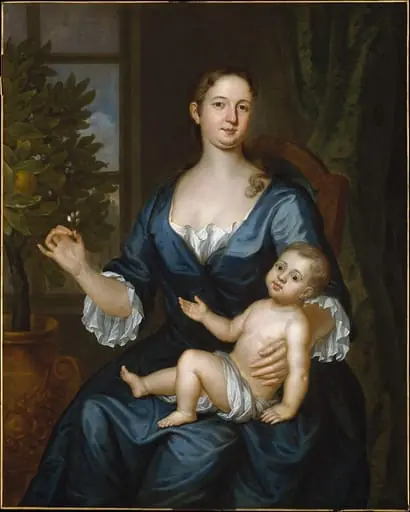 Mrs. Francis Brinley and Her Son Francis
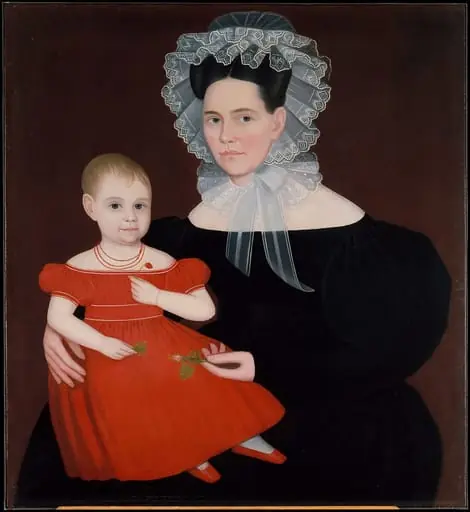 Mrs. Mayer and Daughter
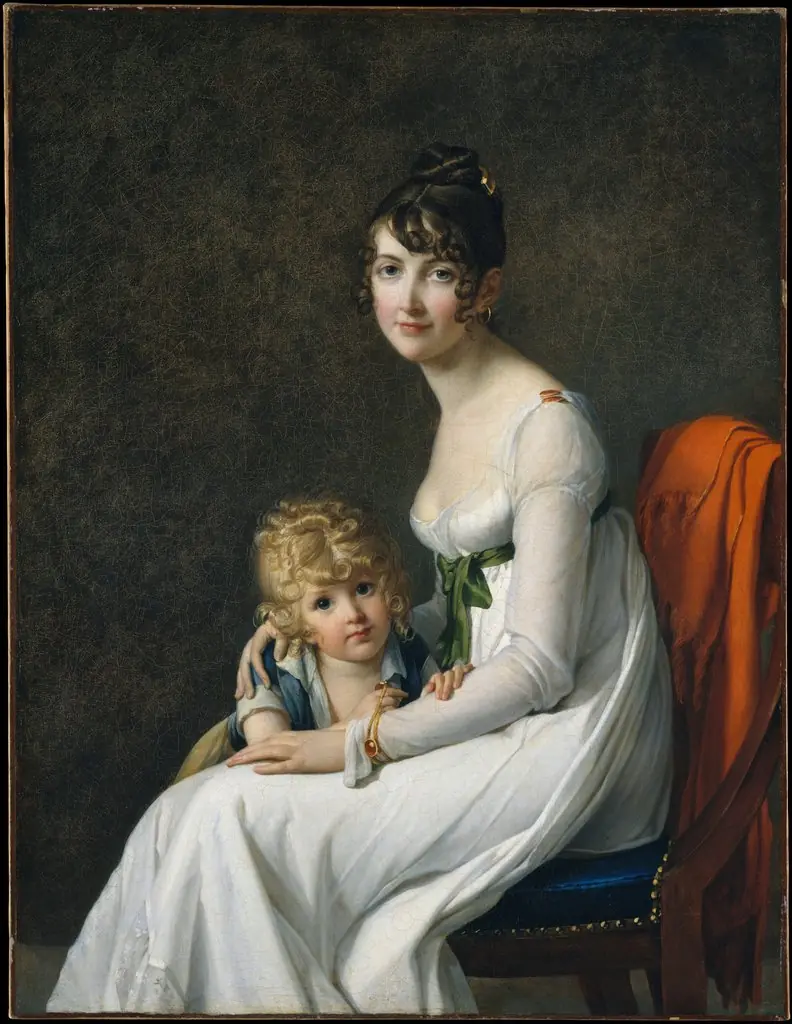 Madame Philippe Panon Desbassayns de Richemont (Jeanne Eglé Mourgue, 1778–1855) and Her Son, Eugène (1800–1859)