Artwork
The Peppermint Bottle
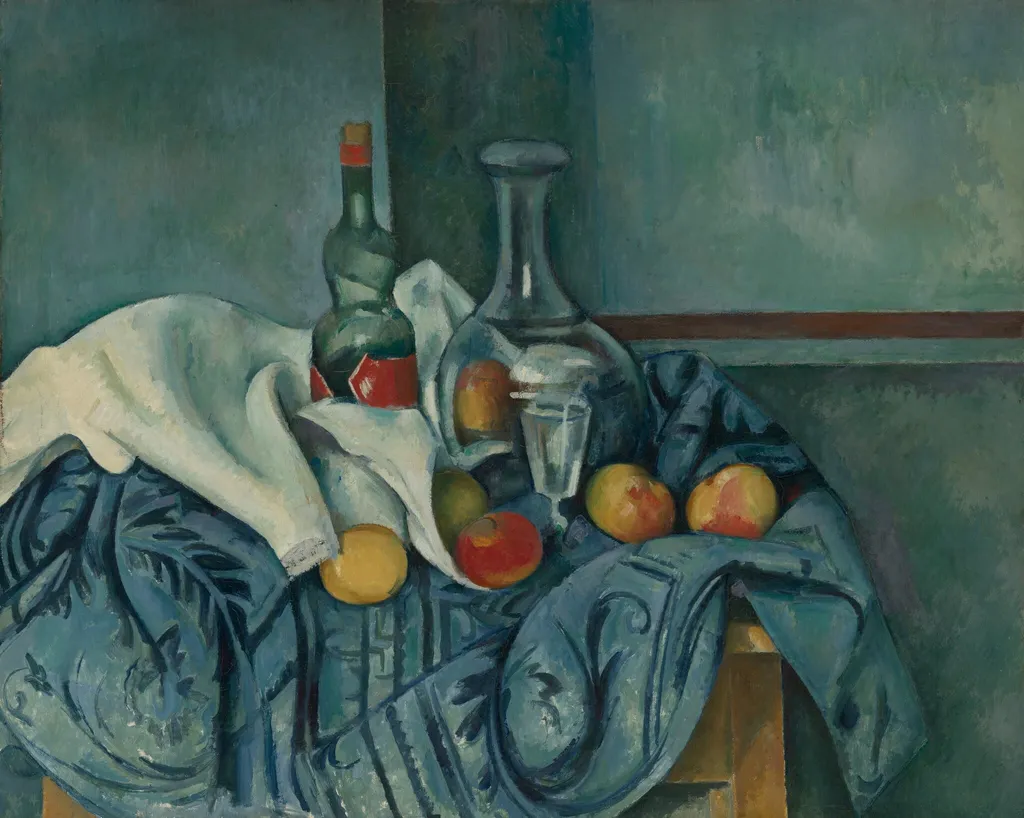
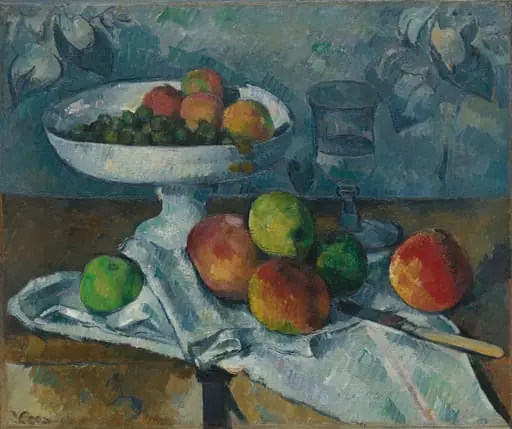
The Peppermint Bottle is an oil painting by the Impressionist artist Paul Cézanne. It dates from 1894 and is held in the collection of the National Gallery of Art.
About this work
Subject & Meaning
The composition was previously owned by Chester Dale and earlier by Maurice Gangnat before entering the National Gallery of Art collection.
The work titled The Peppermint Bottle presents a single peppermint bottle as the central motif within a conventional still‑life arrangement, a format that Cézanne explored to investigate the formal qualities of everyday objects. The painting’s subject is thus the bottle itself, rendered in oil on canvas and classified as a still‑life genre piece. Its depiction aligns with the artist’s broader interest in balancing structural composition with the modest symbolism of domestic items, a theme reflected in the genre label and the object’s presence in the artist’s oeuvre.
The composition was previously owned by Chester Dale and earlier by Maurice Gangnat before entering the National Gallery of Art collection.
Technique & Style
The Peppermint Bottle is an oil painting on canvas, executed in 1893. Cézanne applied oil paint to a woven support measuring approximately 66 cm high by 82 cm wide. The work belongs to the still‑life genre, depicting a bottle of peppermint among other objects.
The painting is held in the National Gallery of Art, Washington, D.C. No further details about the artist’s handling, surface condition, or specific stylistic techniques are provided in the sources.
History & Provenance
Paul Cézanne painted The Peppermint Bottle in 1893. The work first passed through the Paris dealer Ambroise Vollard, then entered the collection of Maurice Gangnat in Paris. Gangnat sold the painting in 1913 to the dealer Paul Rosenberg and Co., which subsequently sold it to Emile Staub of Männedorf, Switzerland, by 1923.
Rosenberg and Co. reacquired the canvas and on 19 November 1927 sold it to the American collector Chester Dale in New York. Dale's papers indicate the transaction, though a photograph of the painting in the Etienne Bignou albums at the Musée d'Orsay suggests Bignou may also have acted in the sale. Dale retained the work until his death, after which it was given to the National Gallery of Art in 1963.
Overview
Paul Cézanne's 1894 oil on canvas, "The Peppermint Bottle," presents a characteristic still life arrangement. The painting features everyday objects on a draped table, rendered with the artist's distinctive approach to form and color. It exemplifies his exploration of visual perception through a structured composition and visible brushwork, marking a significant development in the genre of still life painting during the late 19th century.
Context
"The Peppermint Bottle" reflects Cézanne's ongoing investigation into the representation of three-dimensional forms on a two-dimensional plane. His analytical approach to still life, characterized by a departure from conventional perspective and an emphasis on the structural integrity of objects, profoundly influenced subsequent generations of artists. This work stands as an example of his pivotal role in transitioning from Impressionism towards modern art movements.
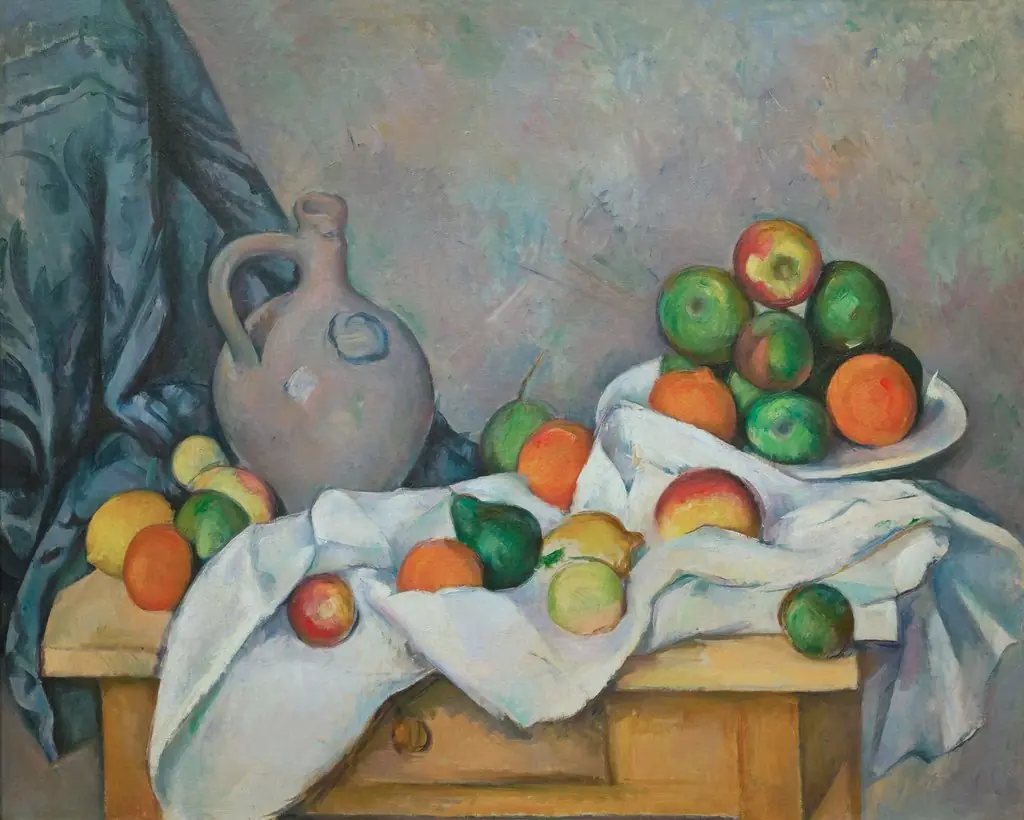
Own this work as a print
Artist & collection

Artist
Paul Cézanne ( say-ZAN, UK also siz-AN, US also say-ZAHN; French: ; Occitan: Pau Cesana; 19 January 1839 – 22 October 1906) was a French Post-Impressionist painter whose work introduced new modes of representation,…

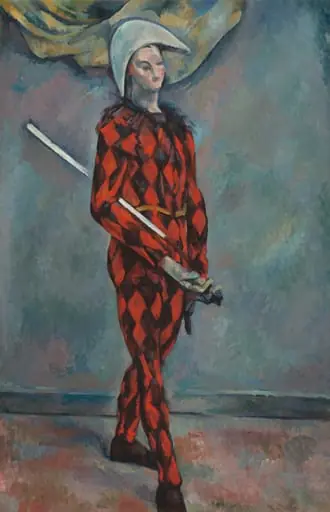 Harlequin
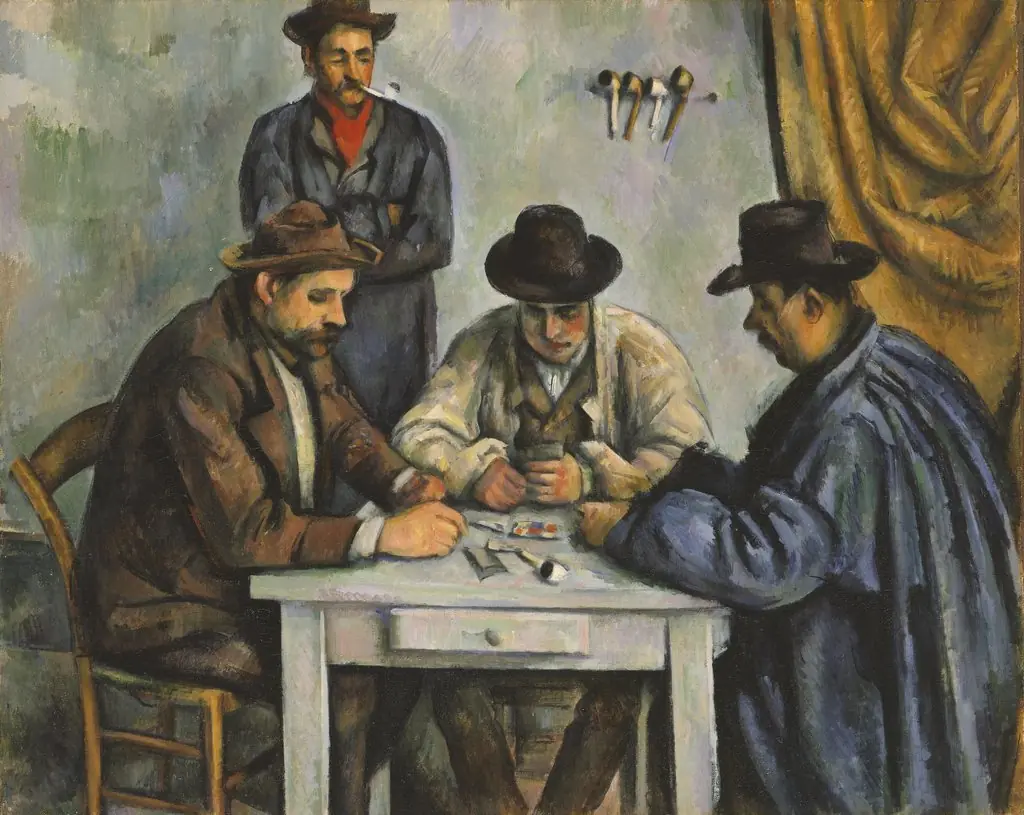 The Card Players
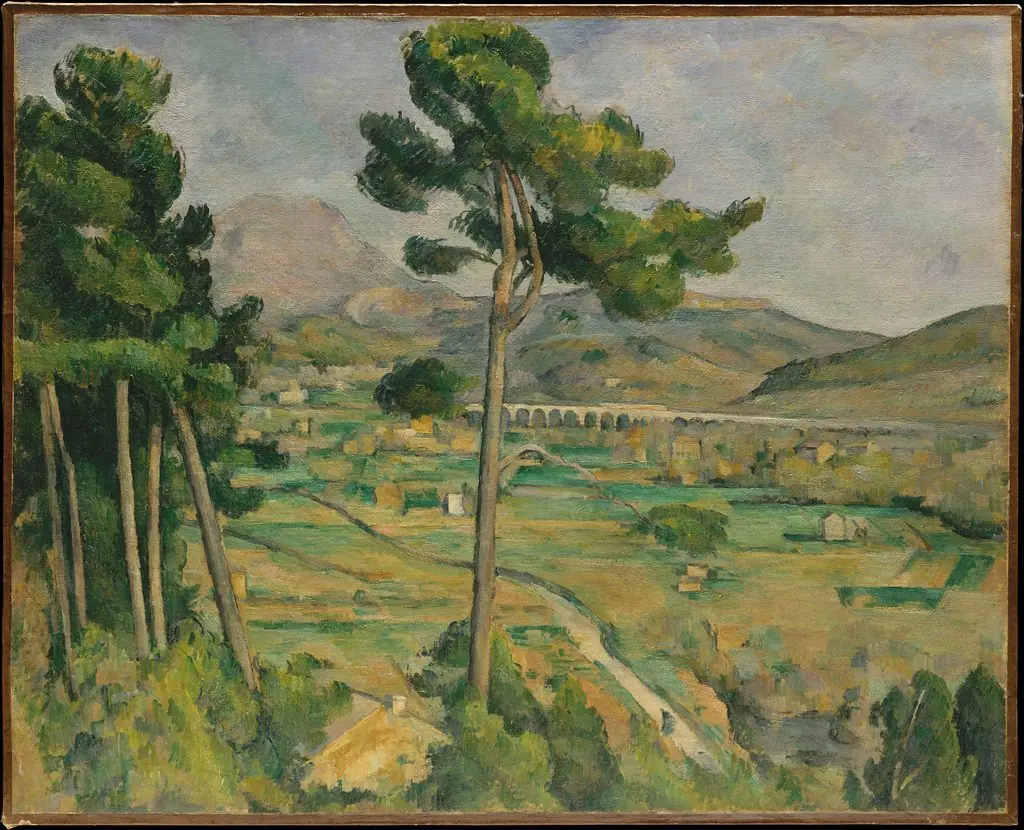 Mont Sainte-Victoire and the Viaduct of the Arc River Valley
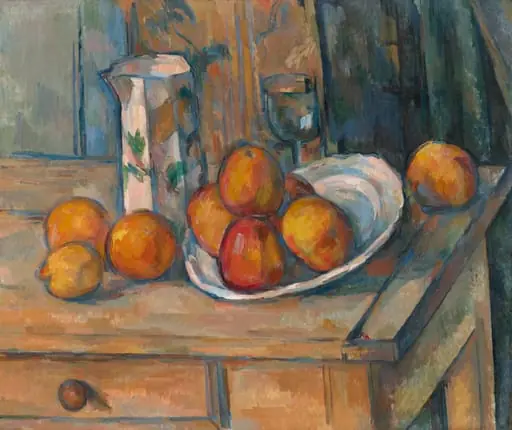 Still Life with Milk Jug and Fruit
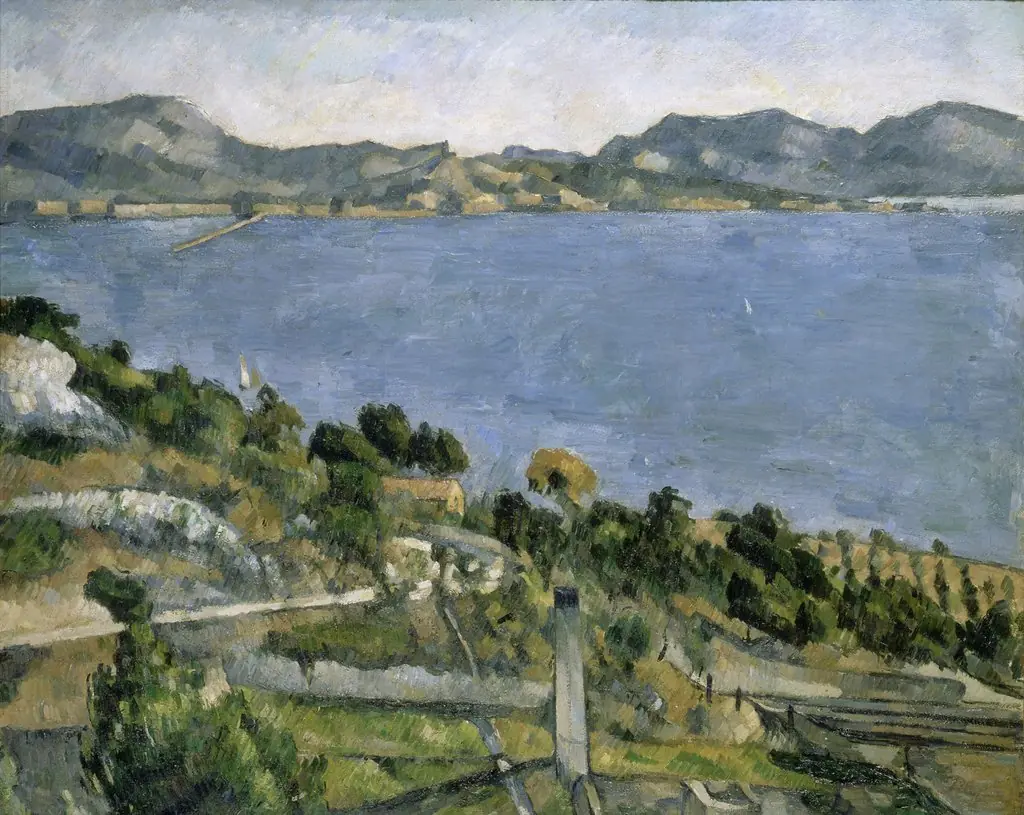 Le Golfe de Marseille vu de l'Estaque (The Gulf of Marseille Seen from L'Estaque)
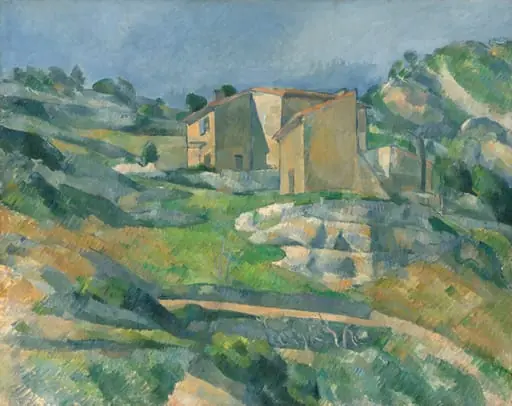 Houses in Provence: The Riaux Valley near L'Estaque
 Louis Guillaume
 Still Life with Jar, Cup, and Apples
- Rideau, Cruchon et Compotier
 Still Life with Apples
 Boîte à lait, carafe et bol
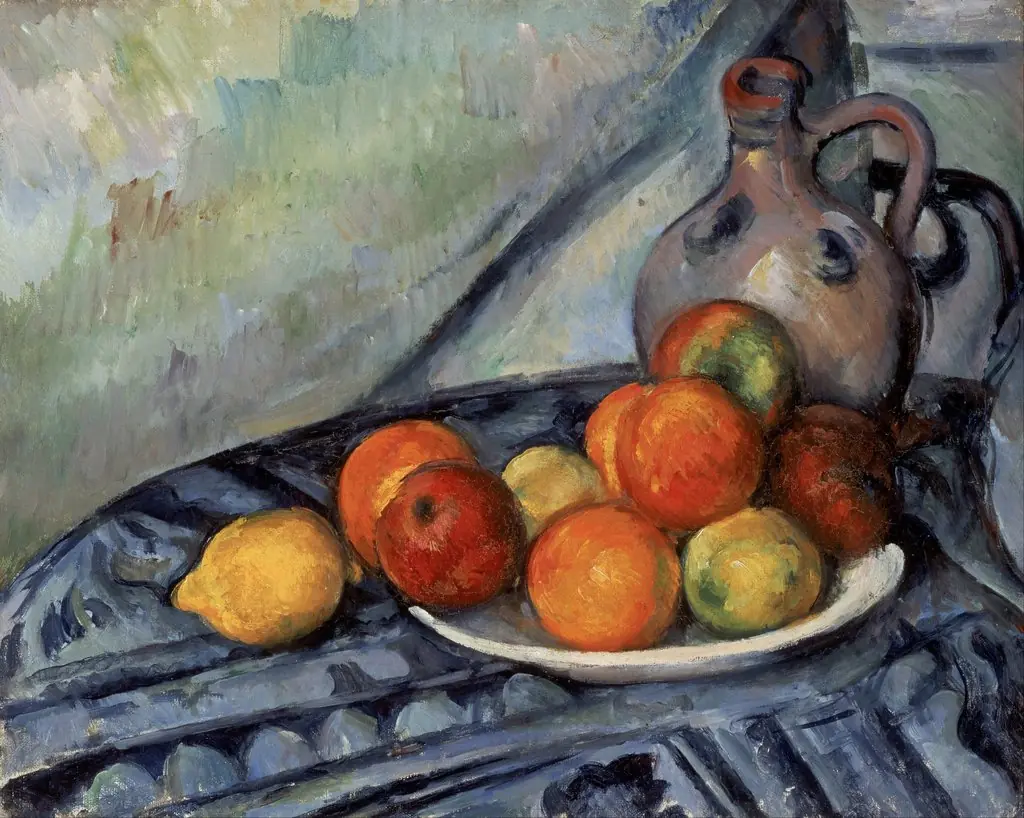 Fruit and a Jug on a Table
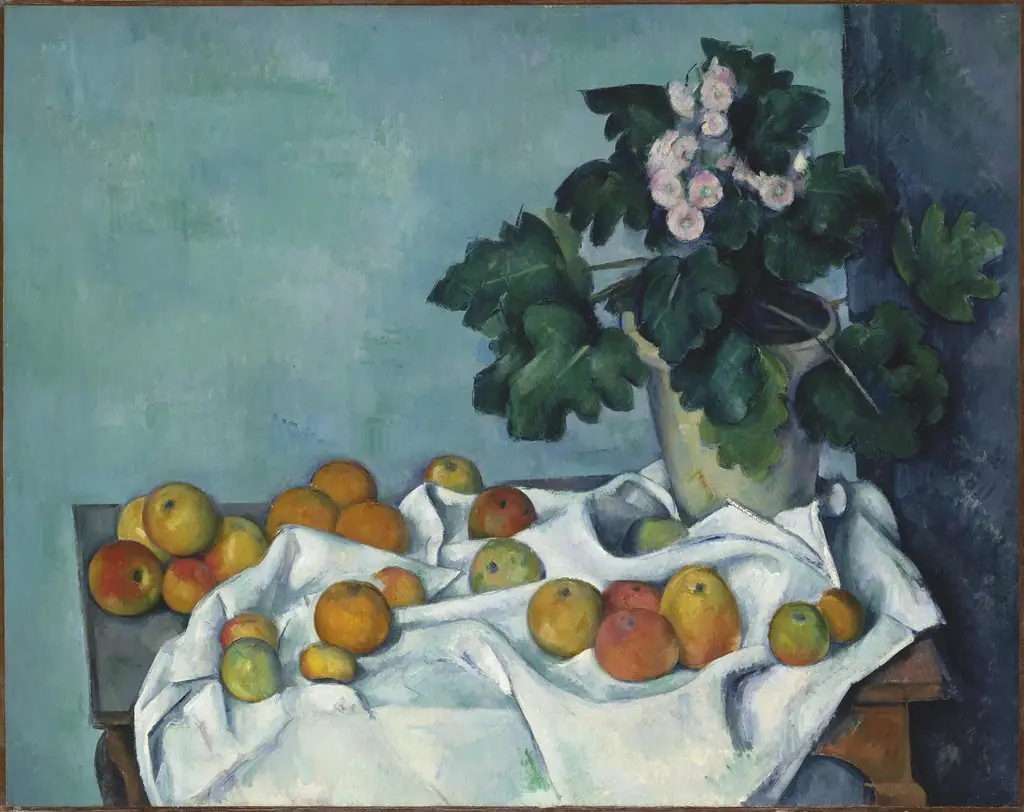 Still Life with Apples and a Pot of Primroses
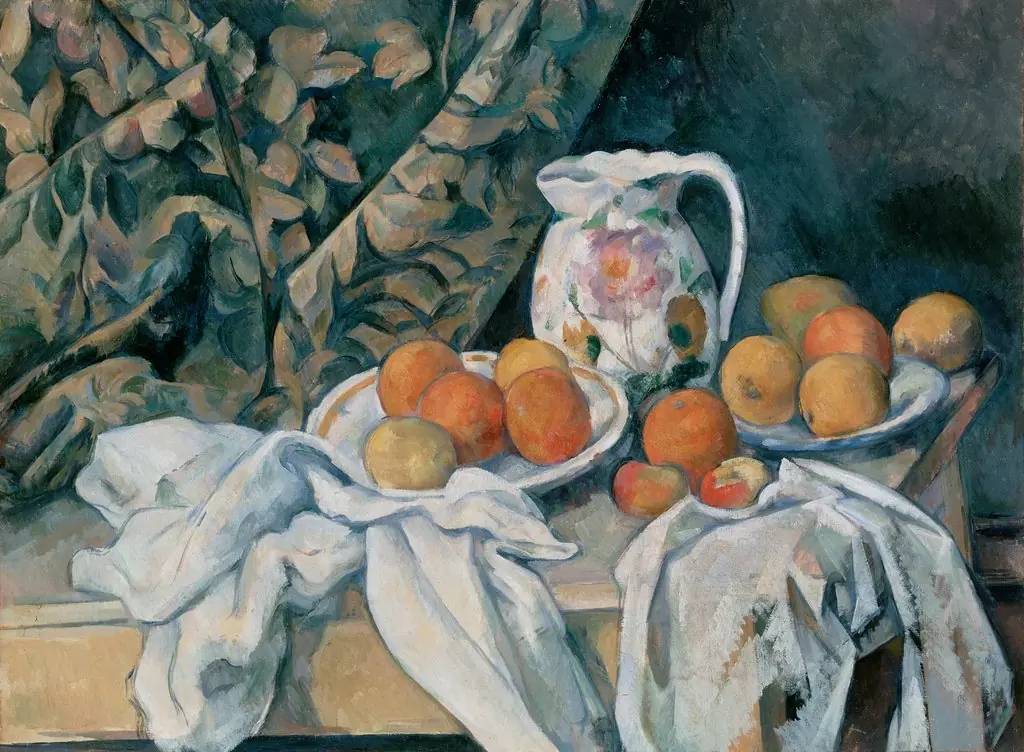 Still Life with a Curtain
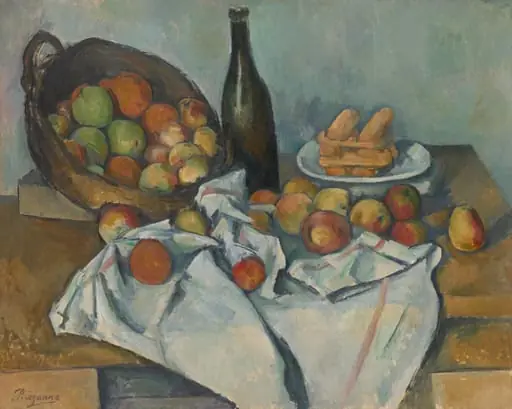 The Basket of Apples
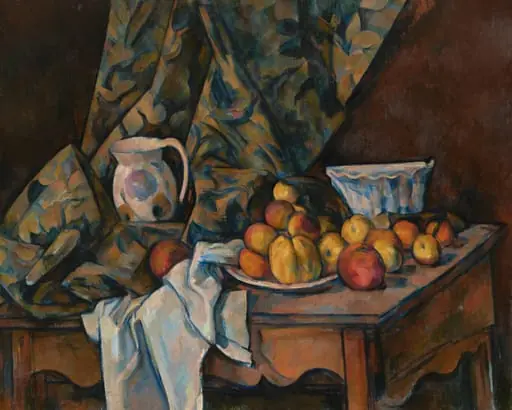 Still Life with Apples and Peaches
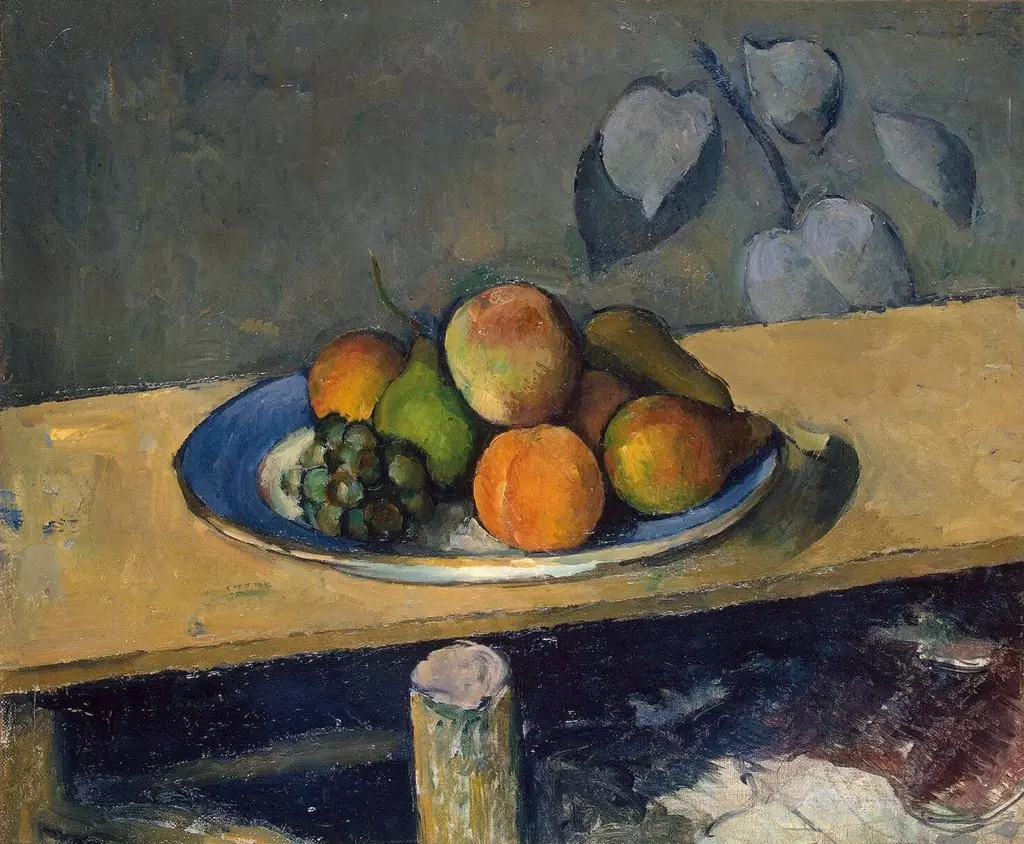 Apples, Peaches, Pears and Grapes
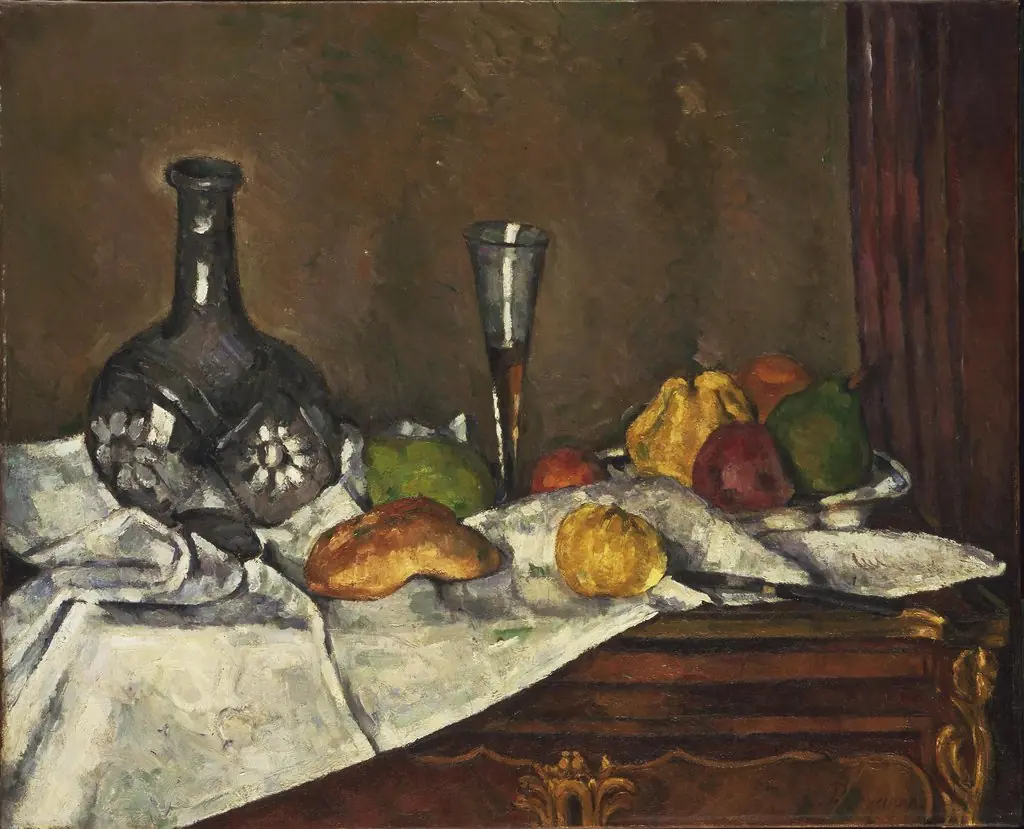 Still Life with a Dessert
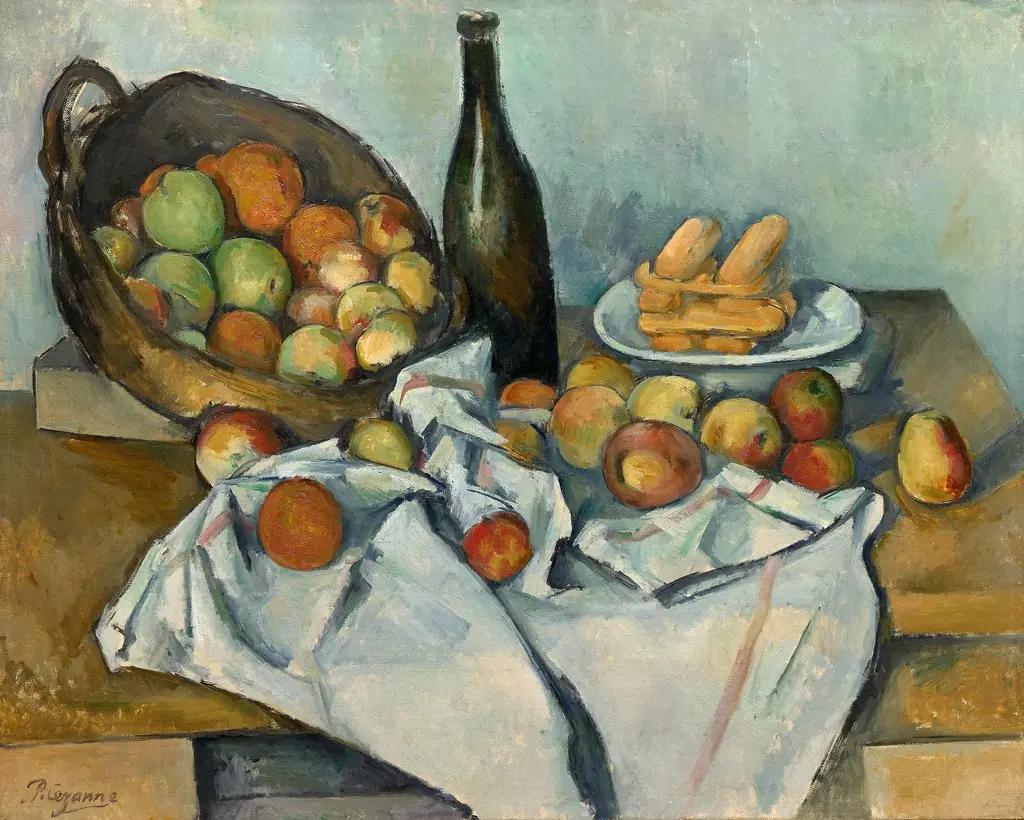 The Basket of Apples
 Untitled