Artwork
Camille Monet and a Child in the Artist's Garden in Argenteuil
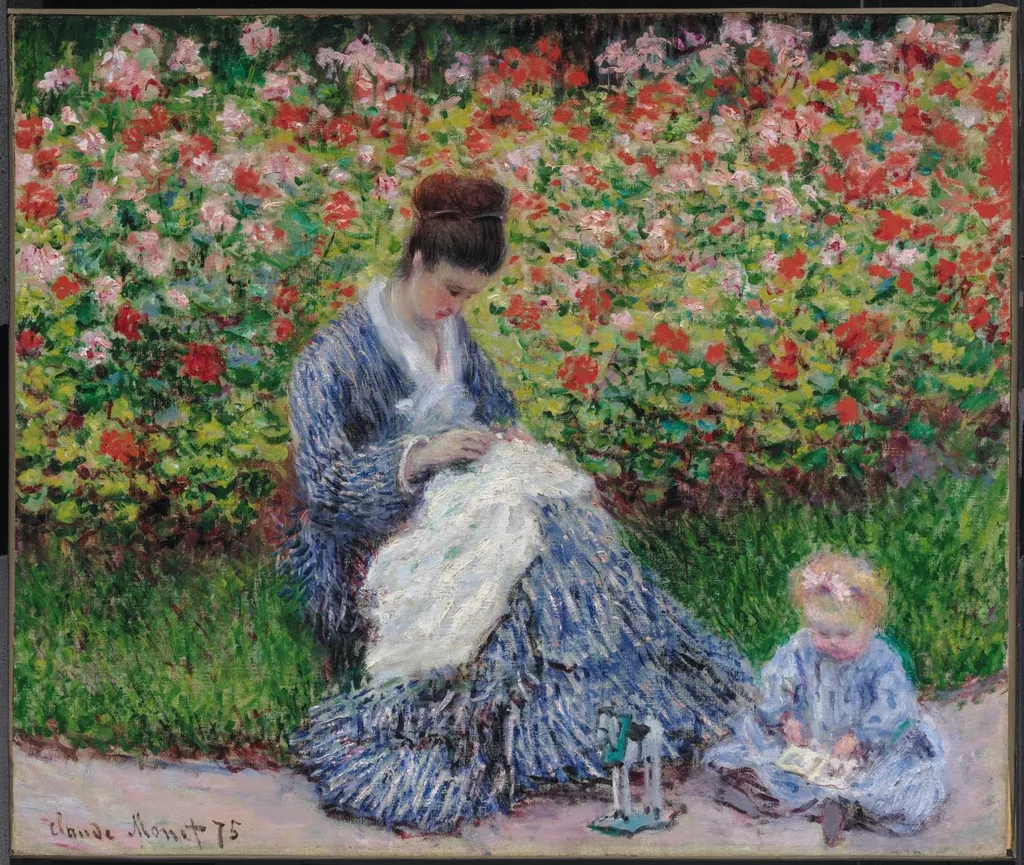
Camille Monet and a Child in the Artist's Garden in Argenteuil is an oil painting by the Impressionist artist Claude Monet. It dates from 1875 and is held in the collection of the Museum of Fine Arts Boston.
About this work
Overview
Monet captures the fleeting effects of natural light and atmosphere, prioritizing the sensory experience of the moment over precise detail.
Painted in 1875, Camille Monet and a Child in the Artist's Garden in Argenteuil depicts the artist's wife, Camille, and their son Jean within the domestic setting of their home in Argenteuil. The composition centers on the figures seated amidst a lush, sun-drenched garden, a recurring motif in Monet's work during this period. Camille is shown in a blue dress with a white collar, holding a piece of white fabric while gazing downward, while Jean sits beside her, focused on a book or paper.
The background is filled with vibrant pink and red flowers, rendered with the loose, rapid brushstrokes characteristic of Impressionism. Monet captures the fleeting effects of natural light and atmosphere, prioritizing the sensory experience of the moment over precise detail. This work exemplifies Monet's shift toward painting modern life and domestic intimacy, moving away from purely landscape subjects to include family members as central figures.
Created during a time of financial struggle yet artistic flourishing, the painting reflects the artist's dedication to observing everyday scenes with a fresh, optical approach. It stands as a significant example of his mature style, where the interplay of color and light defines the form and mood of the scene.
Subject & Meaning
The composition centers on a woman in a blue dress with a white collar, seated on the grass and holding a strip of fabric, while a small child sits beside her, absorbed in a book or paper. Both figures are rendered with softened features, suggesting a private, contemplative moment within the private garden space.
Technique & Style
Monet employs loose, visible brushstrokes to convey the texture of the woman’s dress and the surrounding blossoms, predominantly pink and red. The palette of pastel hues and the blurred treatment of faces create a delicate atmosphere, while the handling of light across the foliage reflects his Impressionist approach to capturing fleeting visual impressions.
History & Provenance
Painted in 1875, the canvas entered the Museum of Fine Arts, Boston, where it remains on view. Its provenance traces back to Monet’s own studio, reflecting the artist’s practice of documenting everyday life in his Argenteuil residence during the mid‑1870s.
Own this work as a print
Artist & collection
Artist
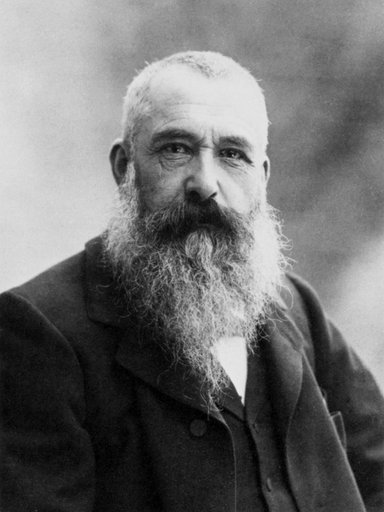
Oscar-Claude Monet was a French painter and founder of Impressionism who is seen as a key precursor to modernism, especially in his attempts to paint nature as he perceived it.

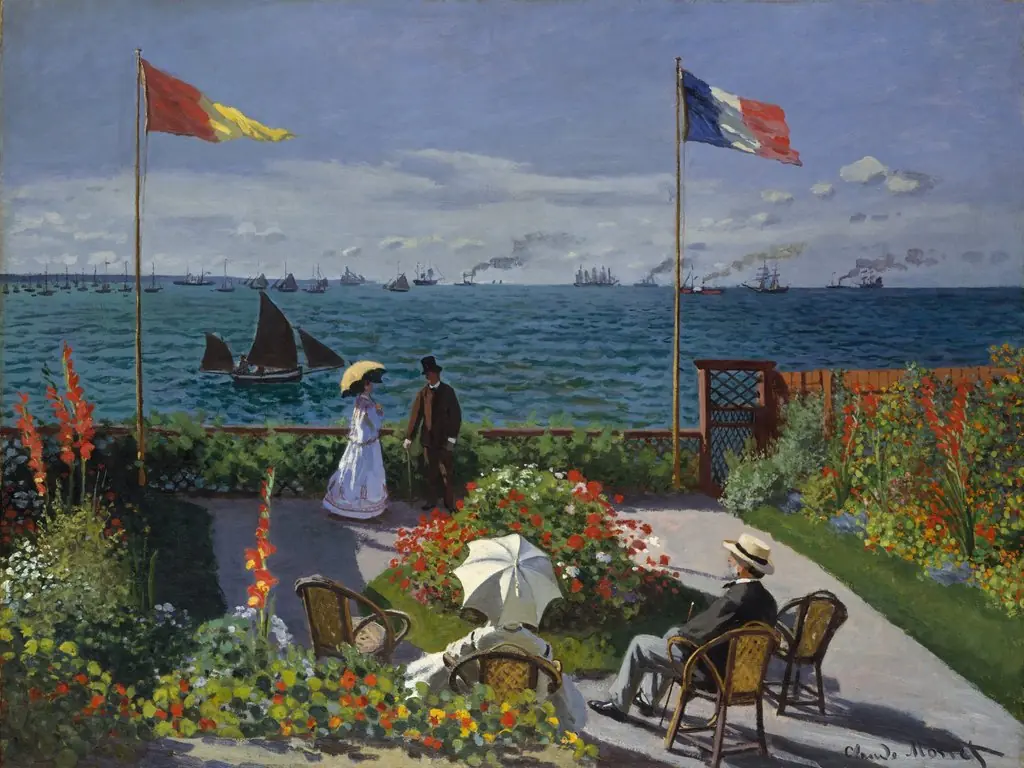
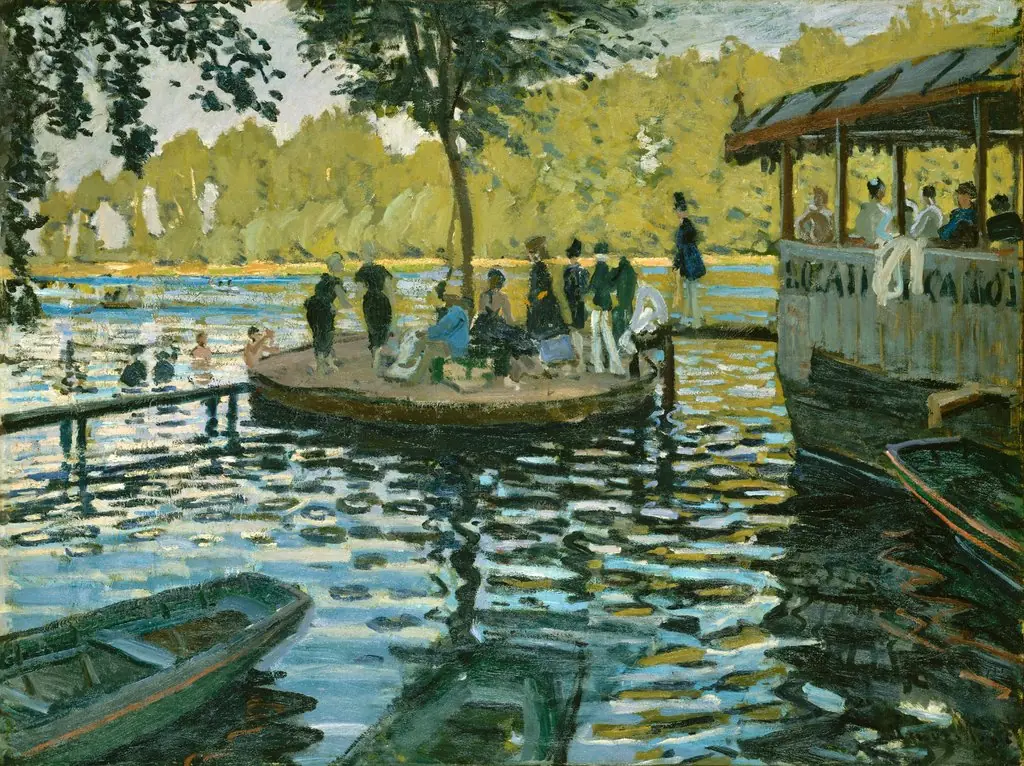
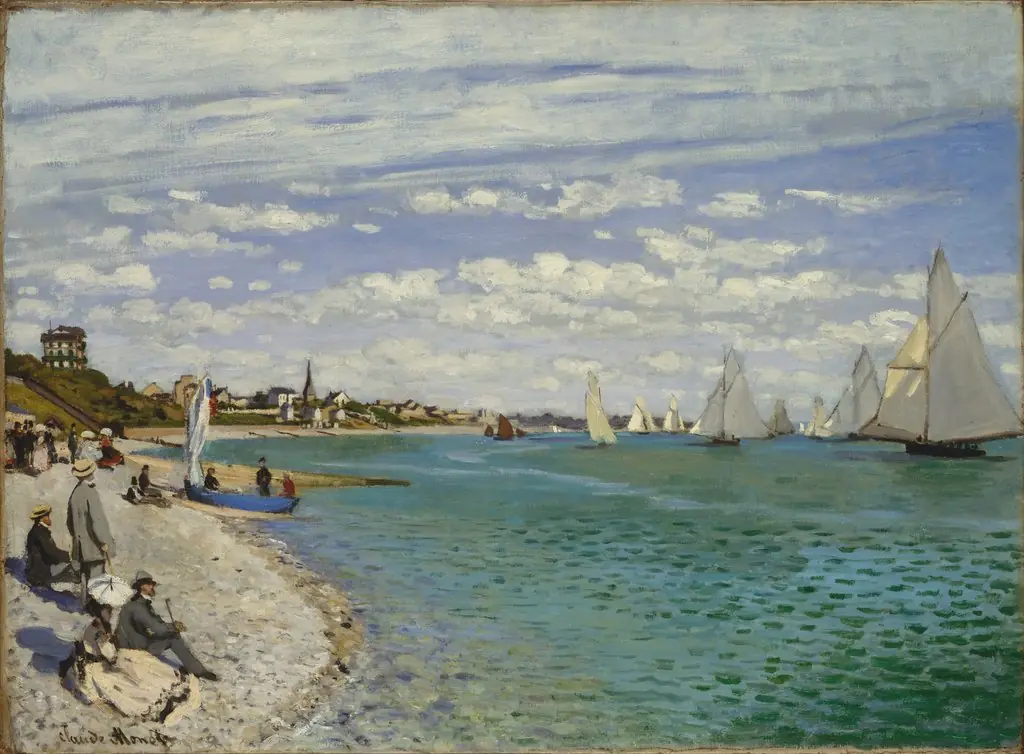
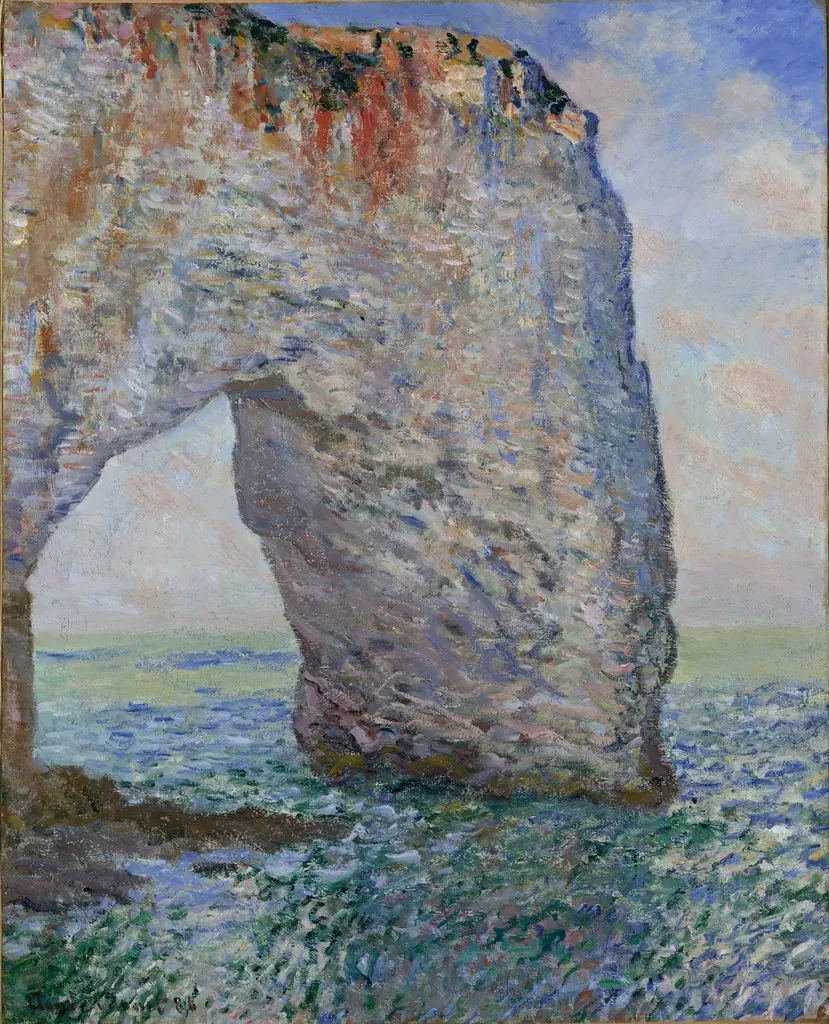
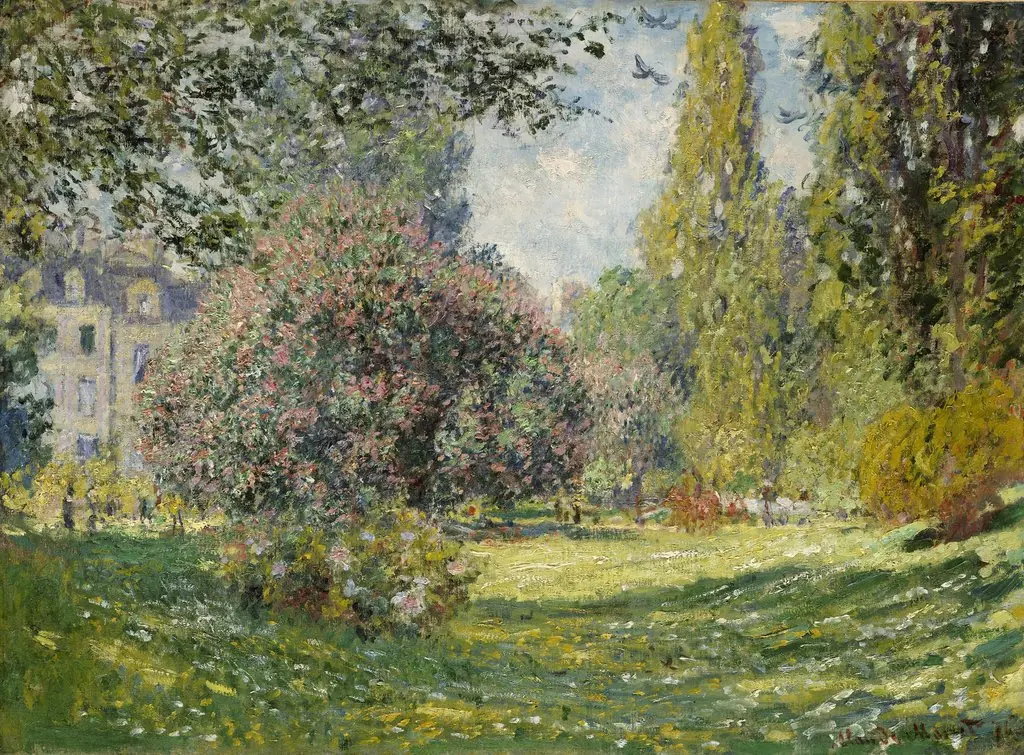
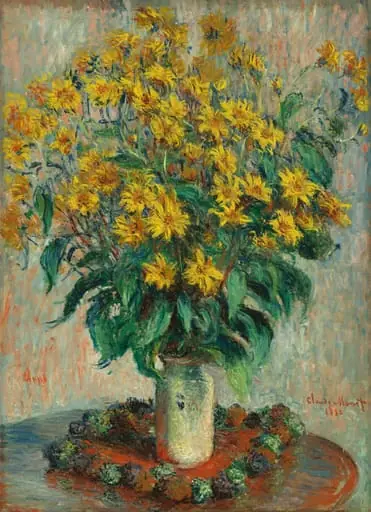
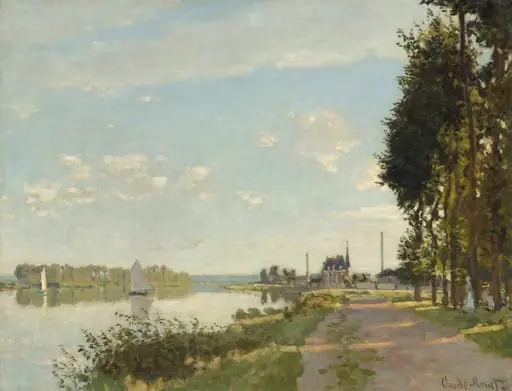
- The Monet Family in Their Garden at Argenteuil
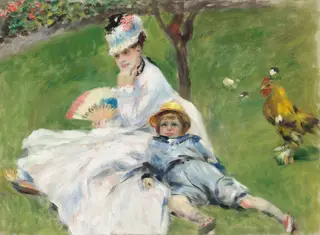 Madame Monet and Her Son
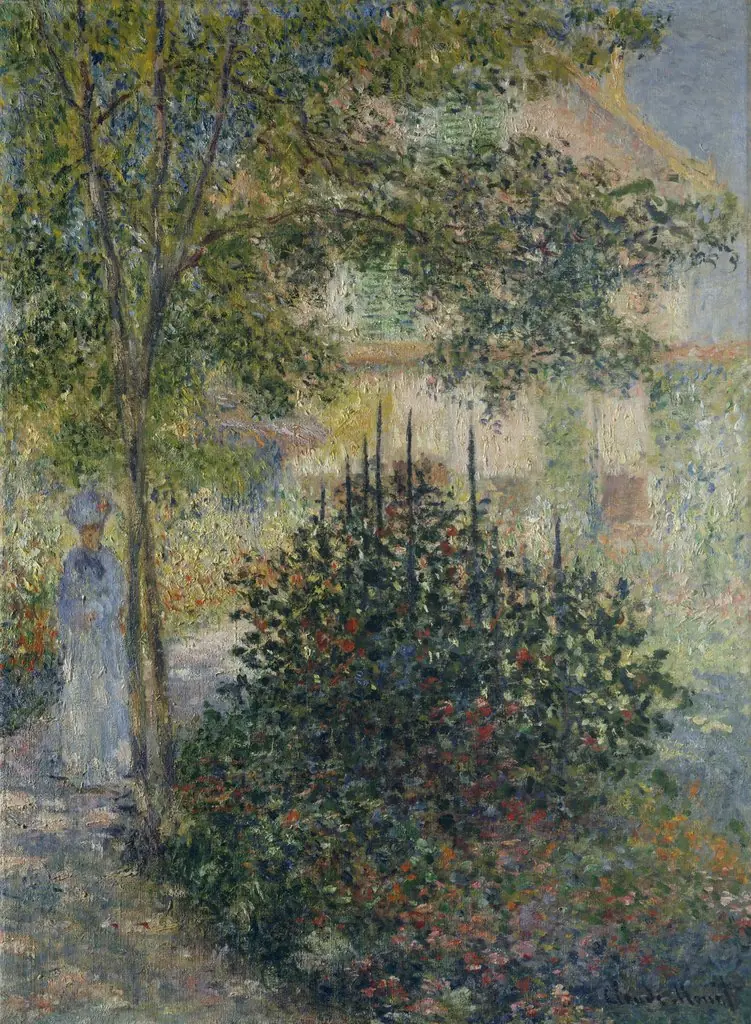 Camille Monet (1847–1879) in the Garden at Argenteuil
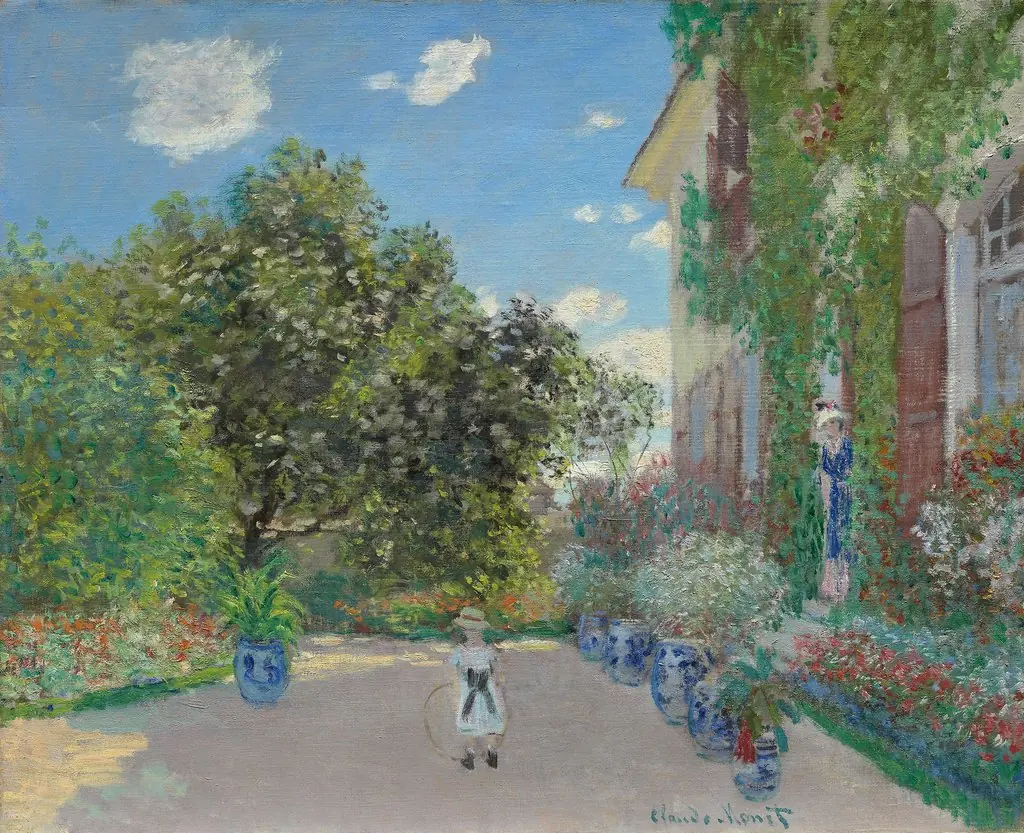 The Artist's House at Argenteuil
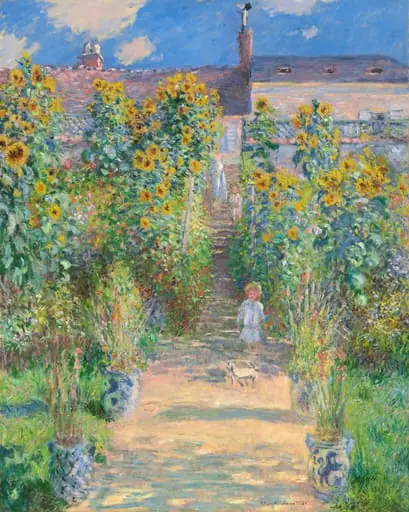 The Artist's Garden at Vétheuil
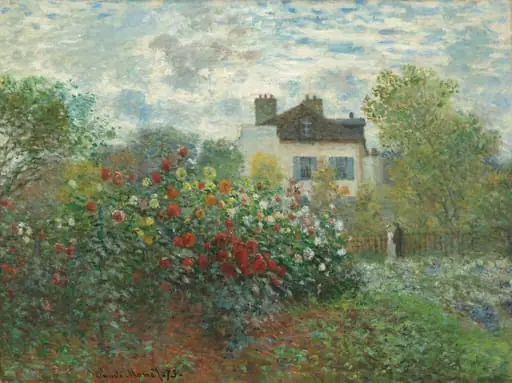 The Artist's Garden in Argenteuil (A Corner of the Garden with Dahlias)
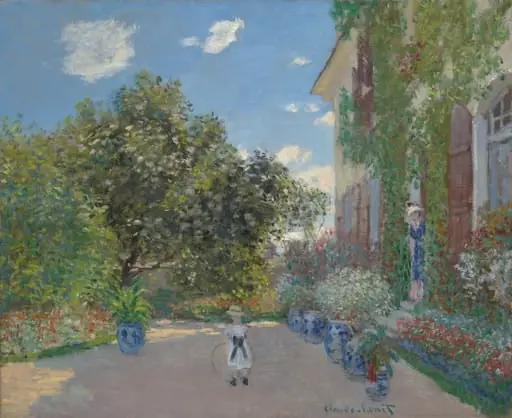 The Artist's House at Argenteuil
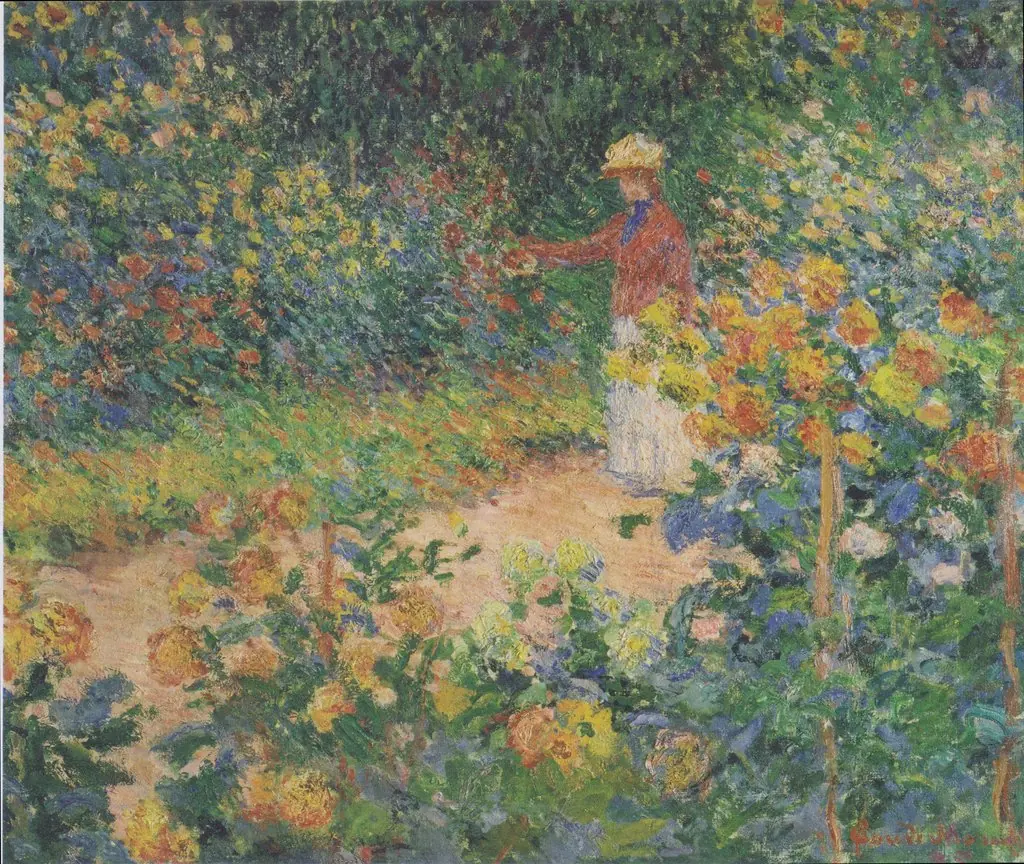 Monet's Garden at Giverny
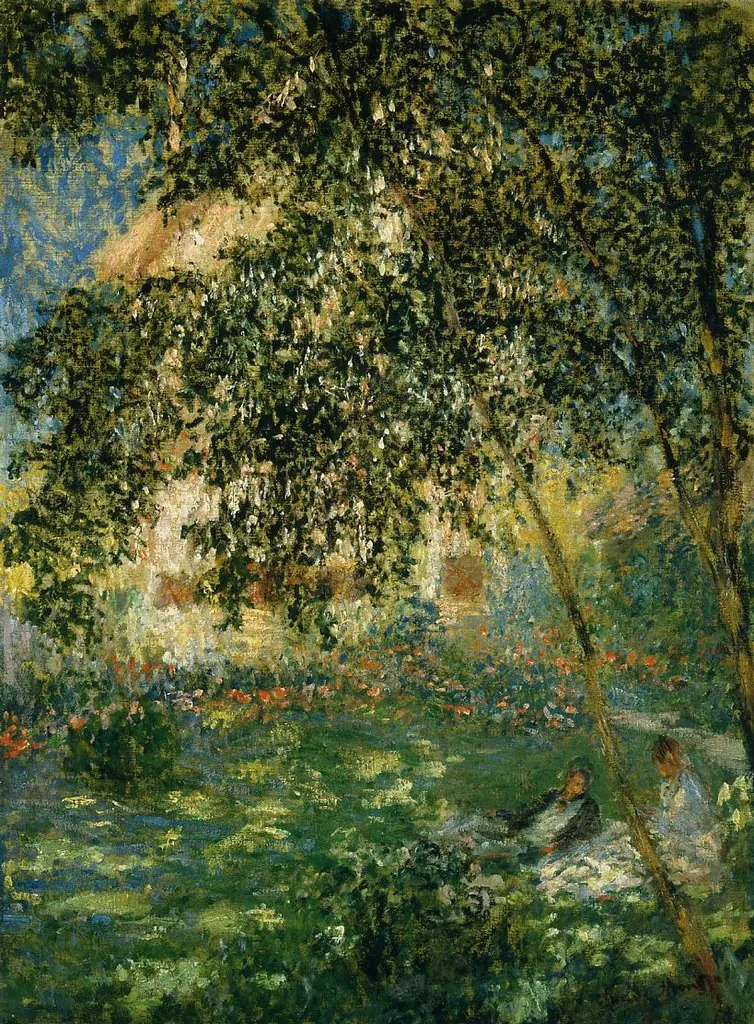 Rest in the garden, Argenteuil